

Gregory Halpern’s new photobook centers on Omaha, Nebraska, presenting a timely meditation on America and masculinity
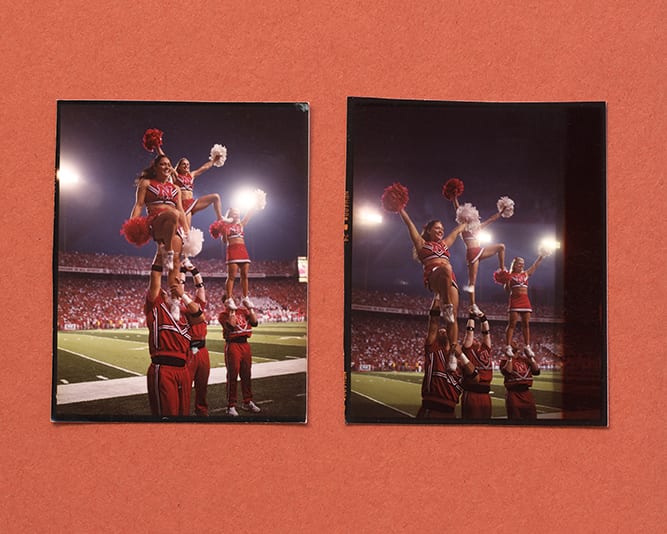
Gregory Halpern’s new photobook centers on Omaha, Nebraska, presenting a timely meditation on America and masculinity
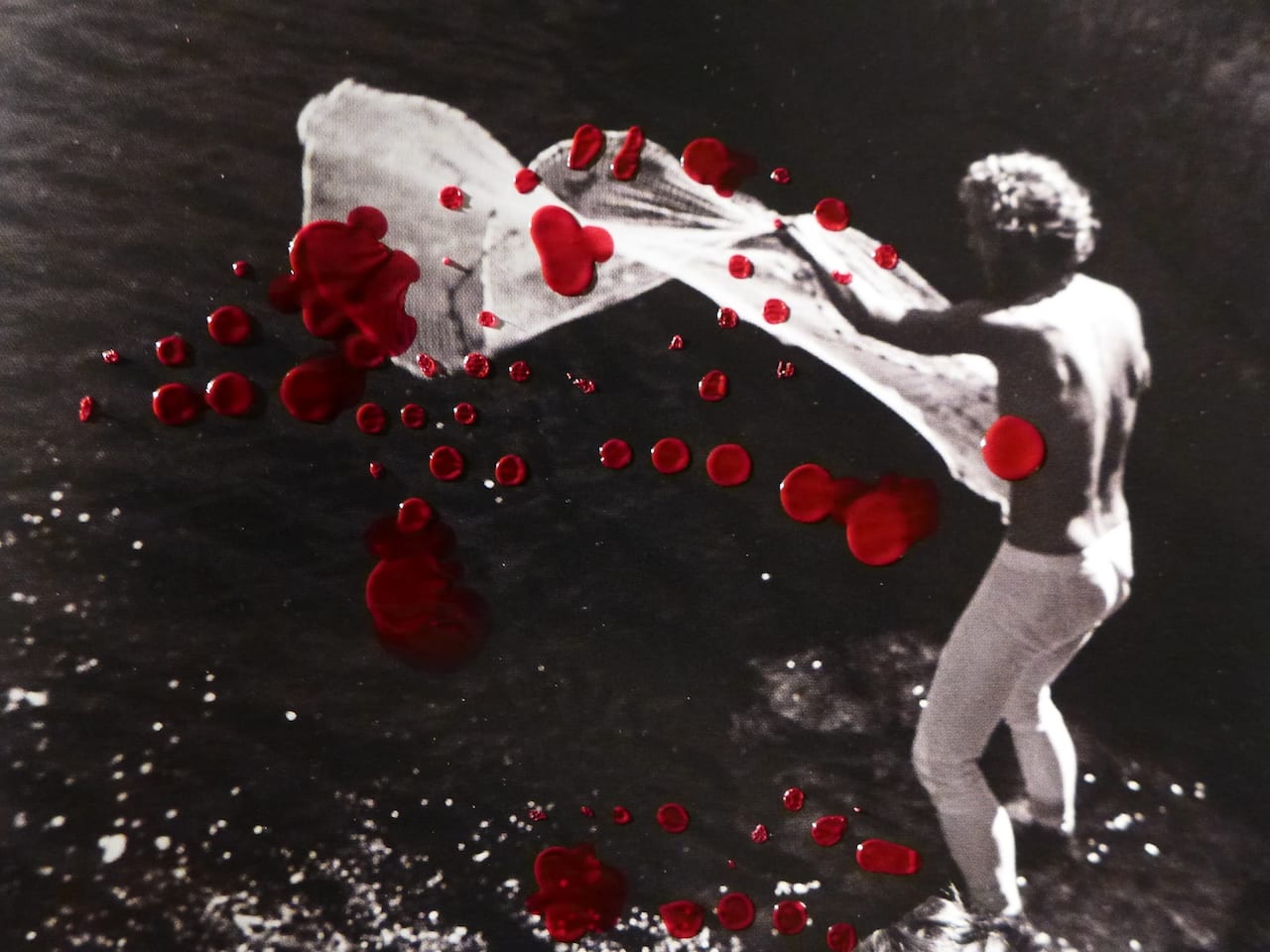
The photographer’s rare 1978 photobook Re-visions becomes available in a new edition
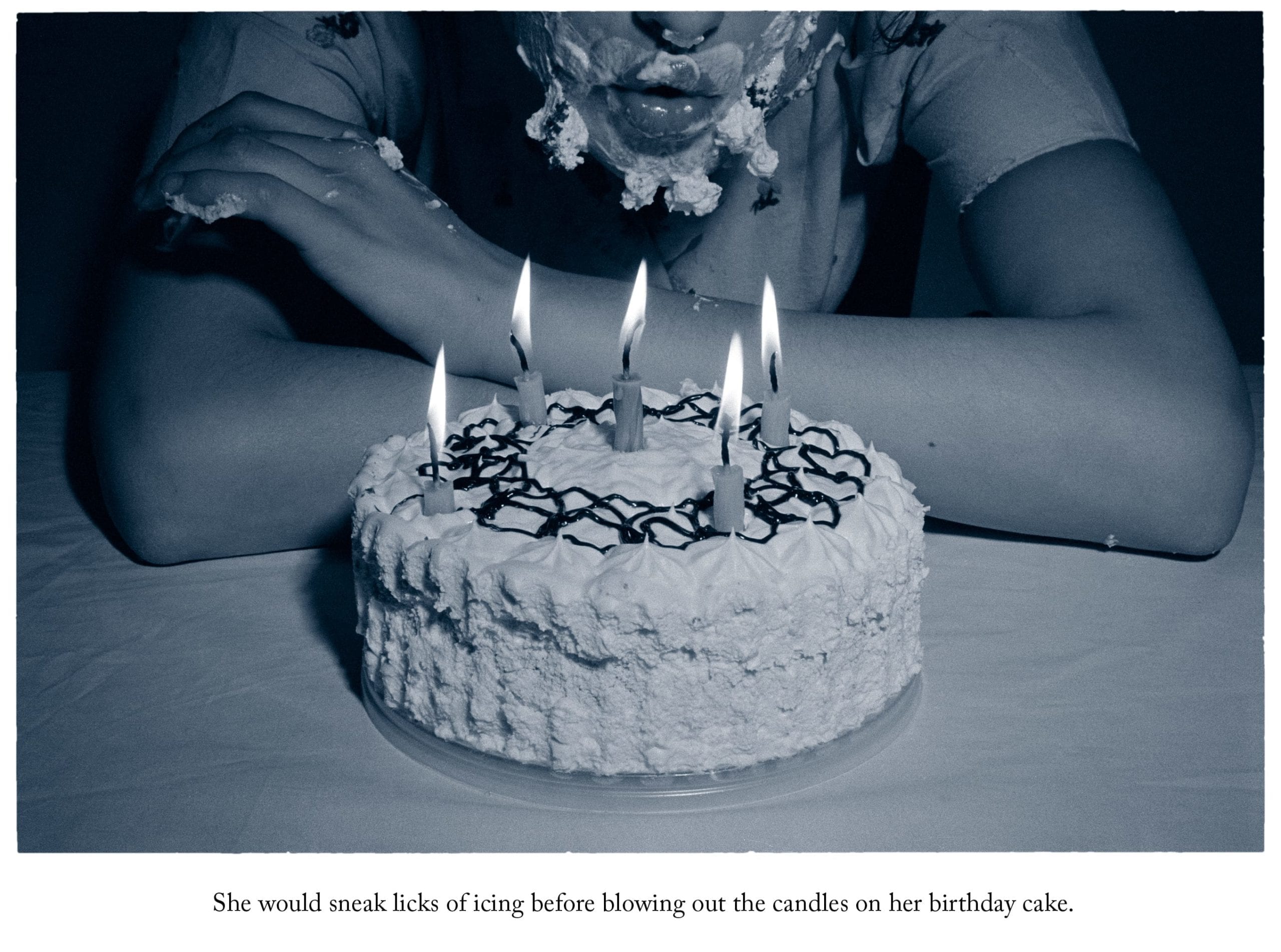
Ann Massal’s latest photobook presents her vision of beauty, blending images of rotten fruit with splatterings of nail polish, drawings of genitalia, and collages made from pornographic magazines
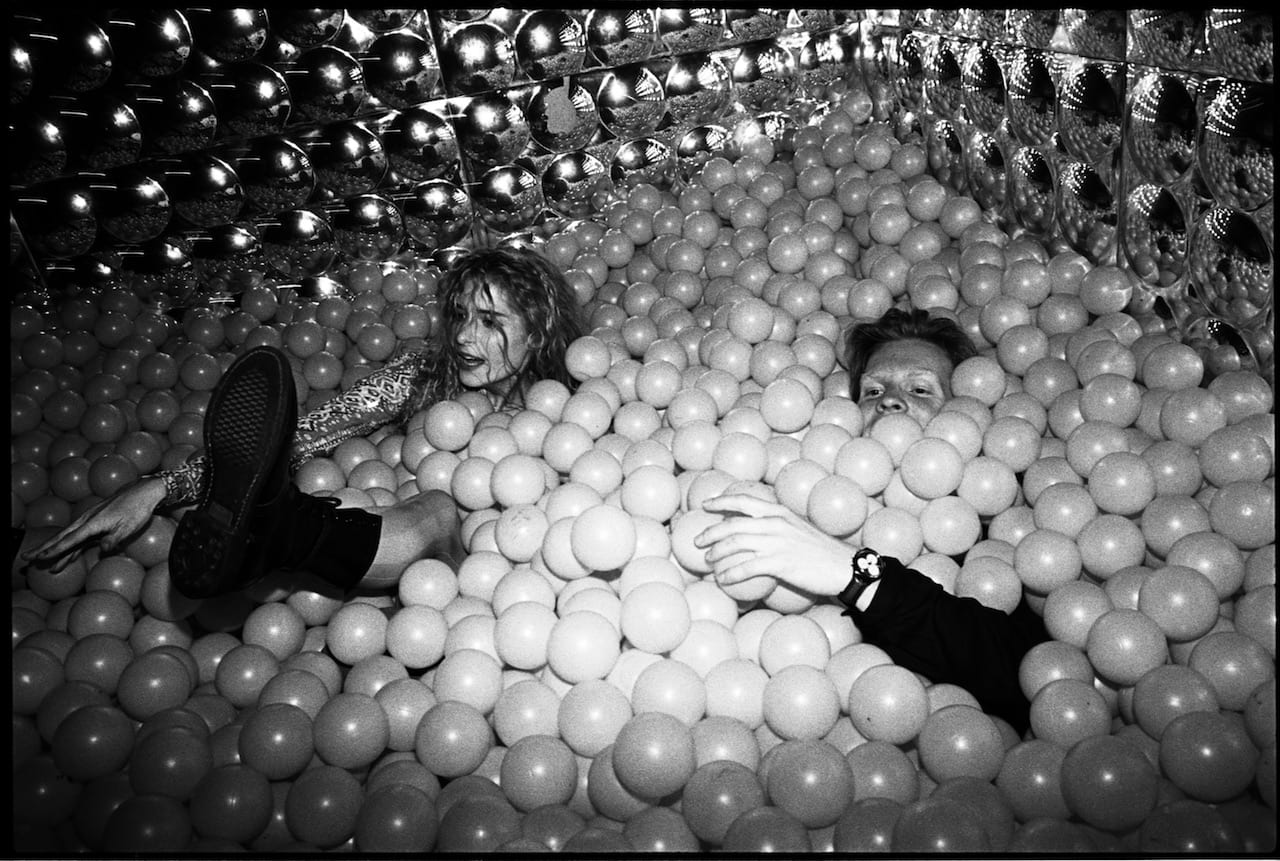
In an upcoming book, former Club Kid Walt Cassidy chronicles the 90s New York party scene with a curation of over 500 images by 18 artists
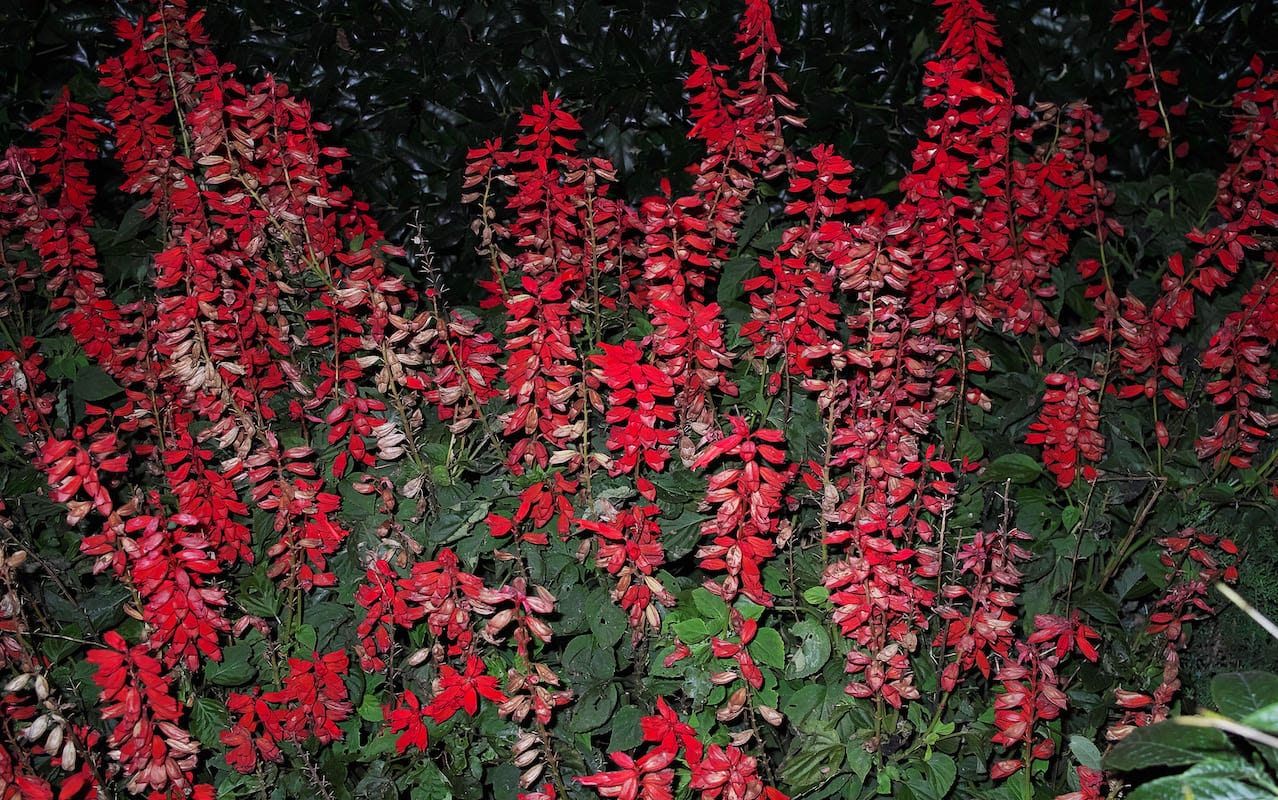
Playing with the colour associated with love, sex, and death, Aaron McElroy presents a voyeuristic look into his ideas and memories
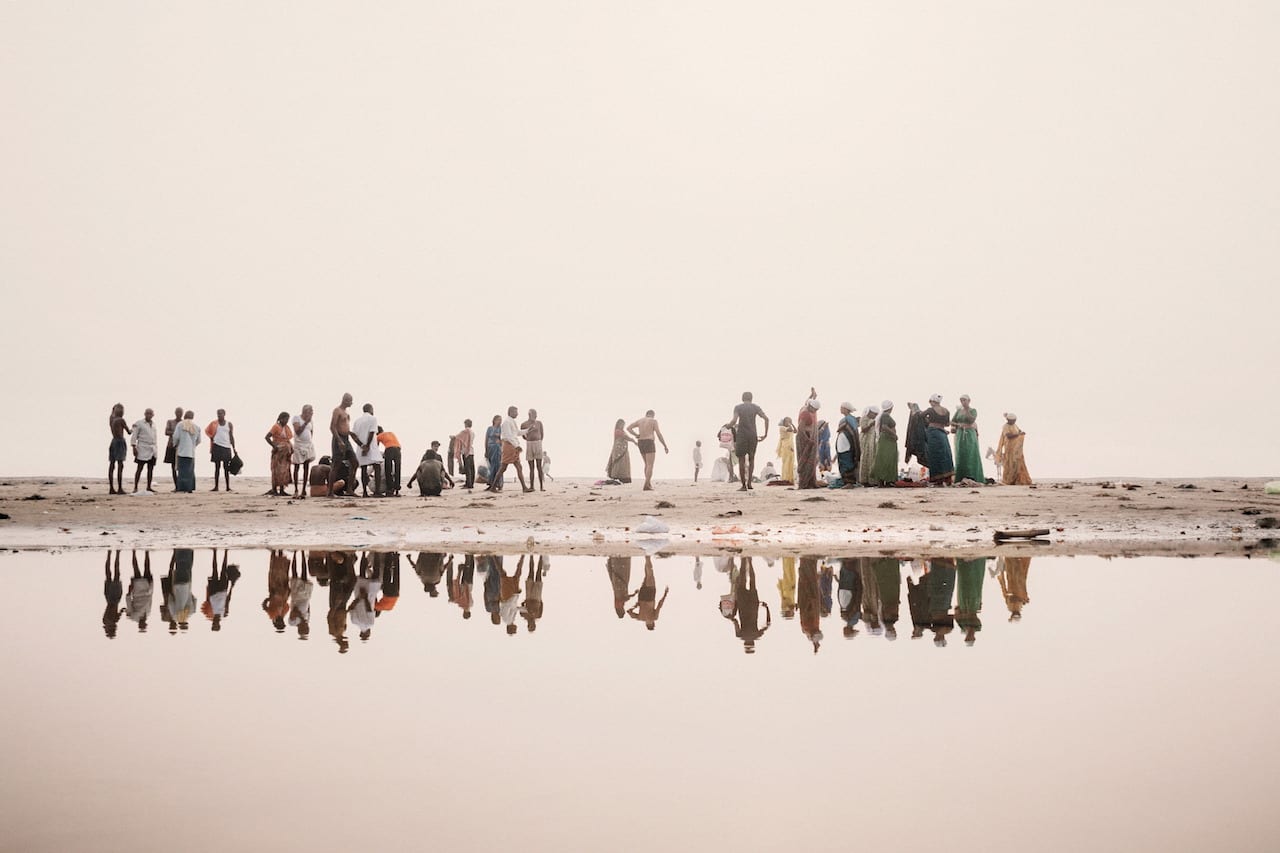
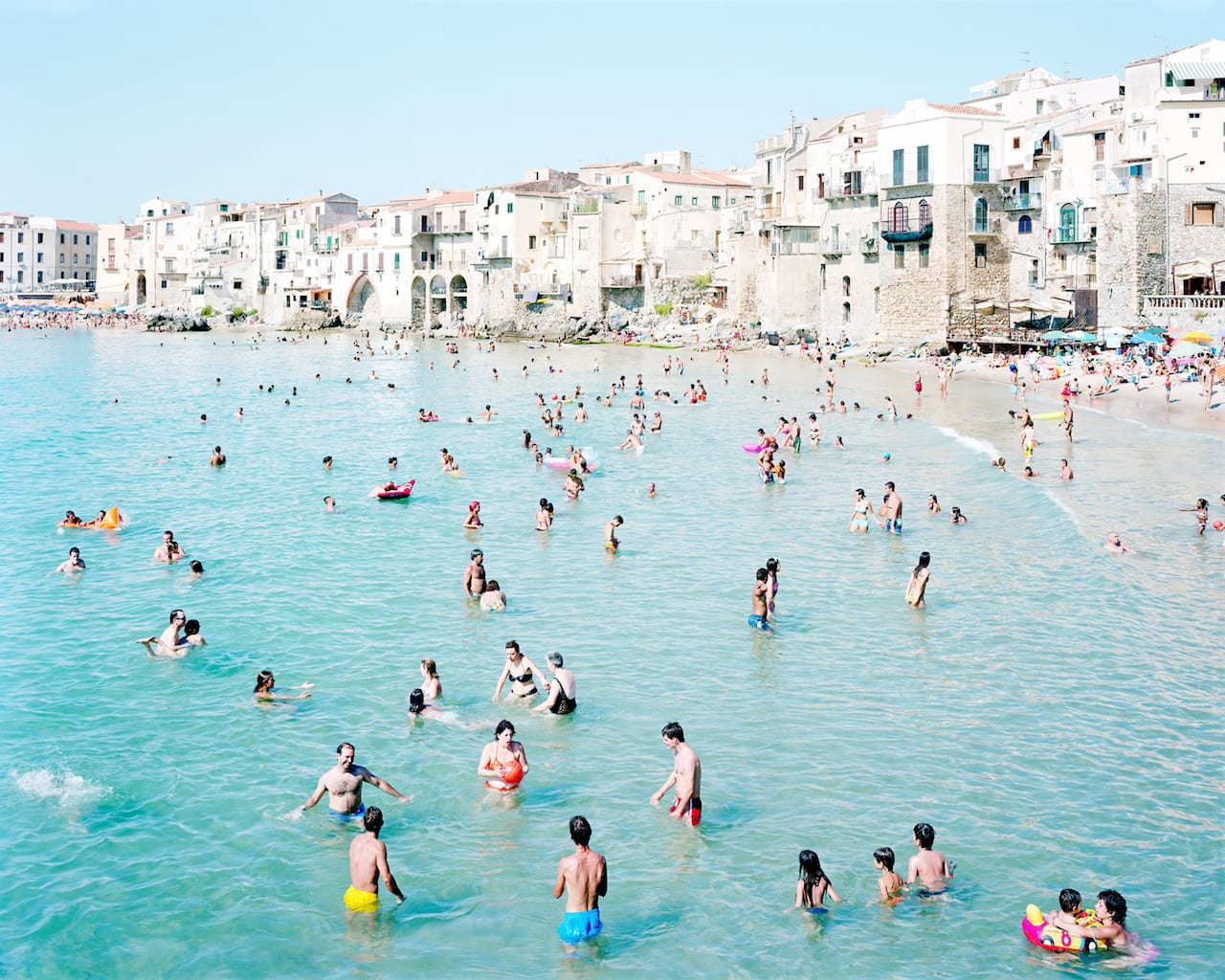
“For me the beach is the perfect place to observe people,” wrote Massimo Vitali on his blog back in July 2018. “In other words, we go to the beach to take pictures of people, not to take pictures of the beach. The beach is the most suitable place to observe human beings’ behavior, the existence of us human beings. How do people share the space on the beach, how are they staring at each other, or are they looking the other way? This is more important than geographical elements.
His new series, Short Stories, features plenty of beach scenes, often shot in his native Italy. Born in Como in 1944, Vitali studied photography at the London College of Printing and worked as a photojournalist in the 1960s and 70s before becoming a cinematographer for TV and film in the early 1980s. He started to shoot large format photographs in 1993, finding fame with his work Beach Scenes in 1995. He’s also shot crowds in other landscapes though, including in nightclubs, and the new portfolio includes these other social spaces as well as beach scenes.
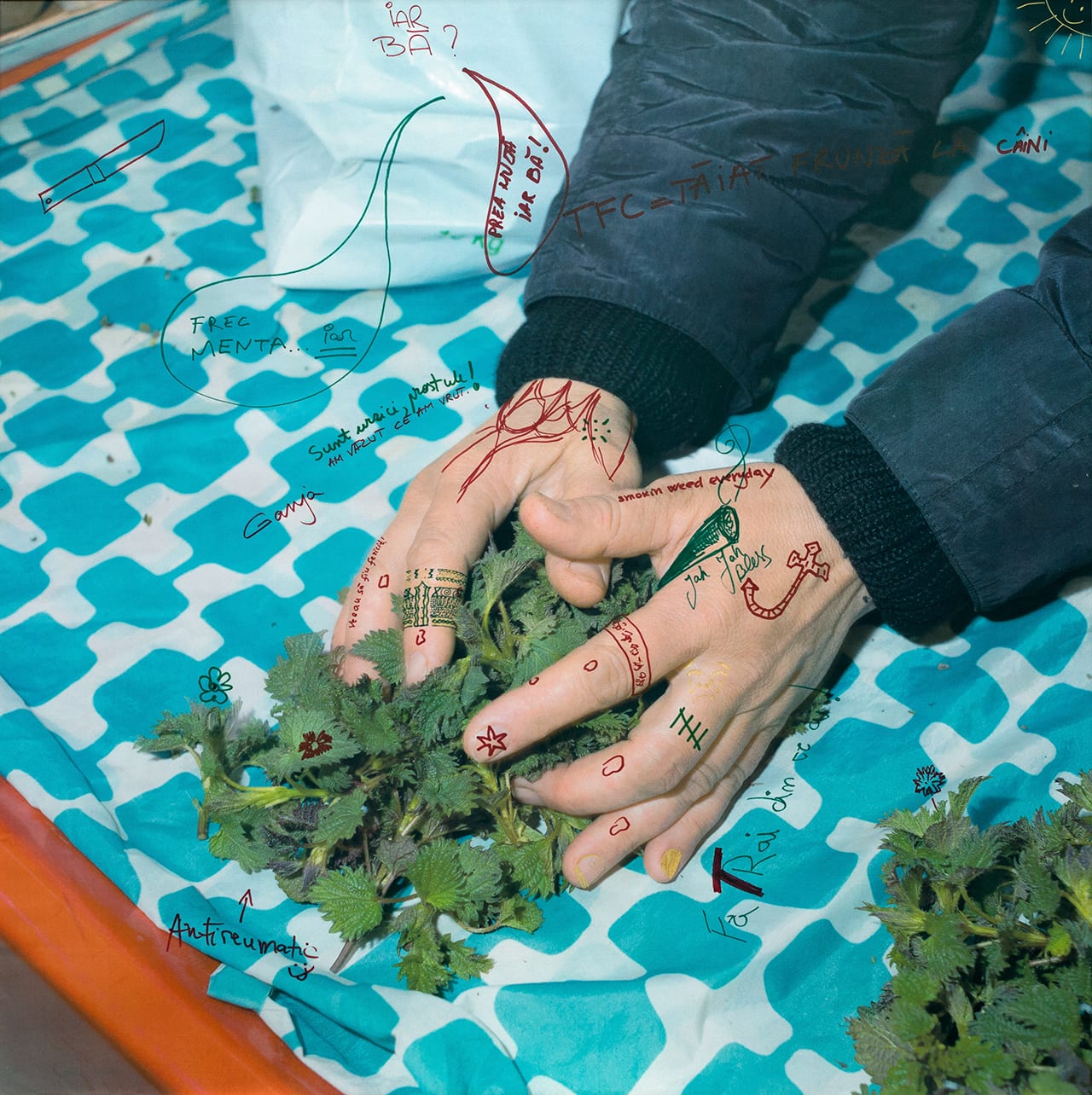
In 2013, a proposal to initiate Europe’s largest gold and silver mining project in Roșia…
Think of a horror or thriller, and you may think of the happy first half hour or so when everything seems to be going just fine. The Stepford Wives’ town initially seems like it’s perfect; The Vanishing opens with a couple going on a holiday. It’s only later that the tone takes a turn for the worse, before descending into something more substantially scary. That shift is something the residents of Amherst, Massachusetts seemingly live in fear of, because – while on the face of it their small town is an idyll – they’re constantly on the alert.
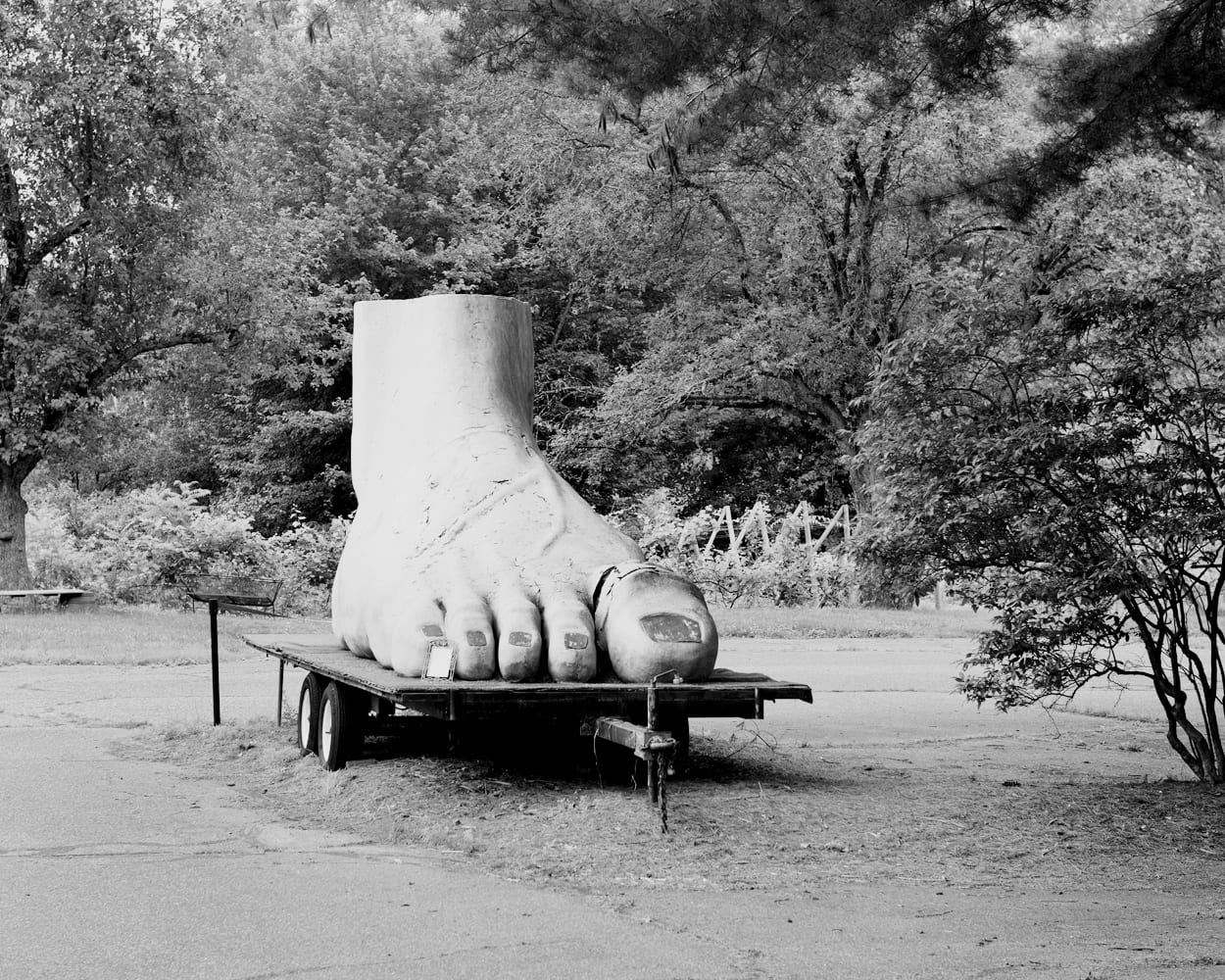
“7.32pm – Residents at The Boulders complained about a man yelling out the window in a foreign language,” reads a police report published in the local paper, the Amherst Bulletin. “The man told police he was just stating his excitement for the dinner he was about to eat.” “5.53pm – A woman called police after being approach by a photographer in downtown who asked if he could take pictures of her feet,” another reads. “The photographer was not located.”
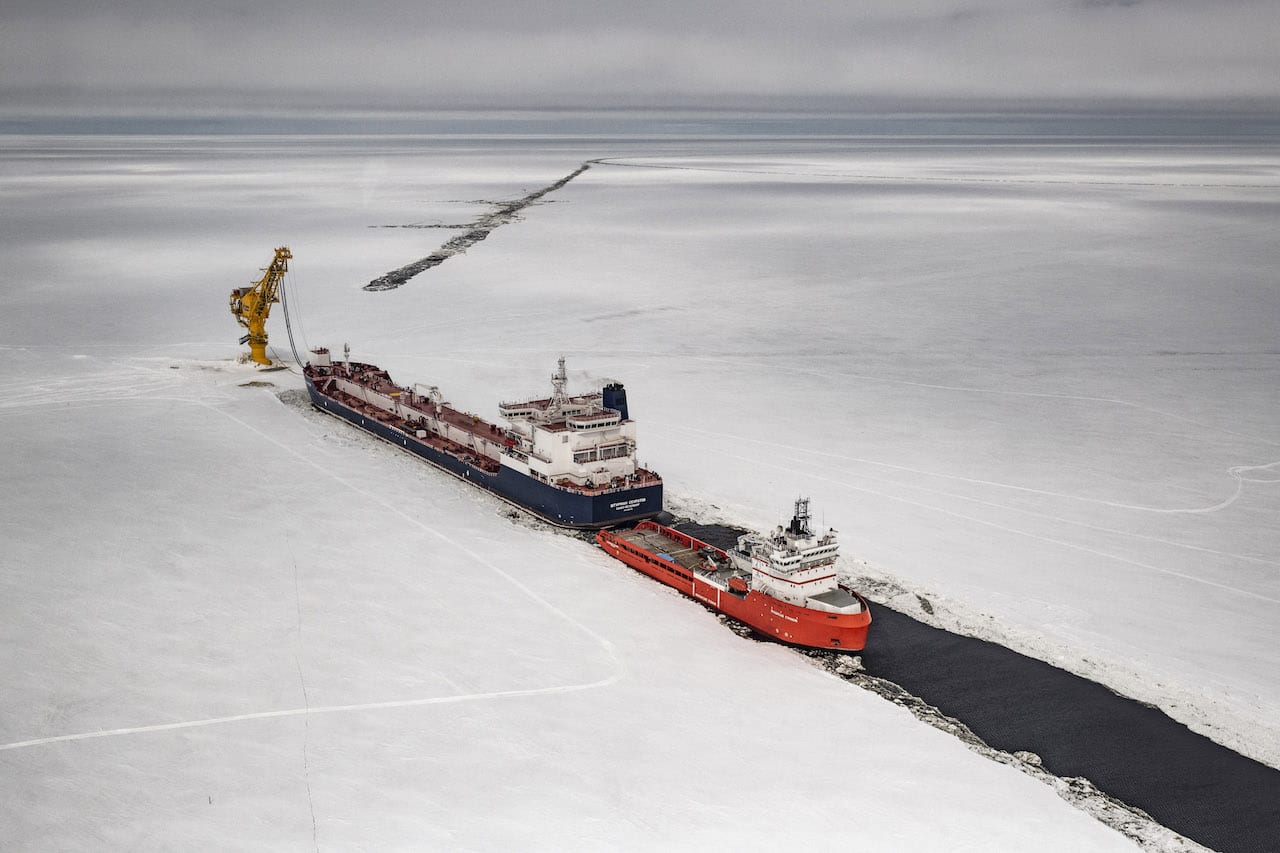
The Arctic circle is warming twice as fast as the rest of the world. According to the National Oceanic and Atmospheric Administration, for the past five years Arctic air temperatures have exceeded all records since 1900. If temperatures continue to rise, scientists expect that the North Pole will be ice-free in summer by 2040.
Ice reflects sunlight while water absorbs it, so less ice means even higher temperatures. But the consequences of disappearing sea ice in the Arctic are more complicated than the obvious impact it has on our global climate. Less ice provides new routes for maritime shipping, and opens up new areas for the exploitation of fossil fuels, transforming the region into a strategic battleground for countries with vested interests – not to mention indigenous villages whose livelihoods are threatened by rising sea levels.
Photojournalists Yuri Kozyrev and Kadir van Lohuizen, who are both represented by NOOR, travelled through the Arctic circle, documenting the startling, and often complicated, effects of Arctic climate change. Arctic: New Frontier is the product of the ninth edition of the Carmignac Photojournalism Award, which each year funds a new investigative photo reportage on a humanitarian and geopolitical issue. An exhibition of over 50 photographs and six videos will be displayed at London’s Saatchi Gallery from 15 March until 05 May.