

Jim Marshall’s photos of 60s jazz festivals capture the many greats of the ‘first uniquely American art form’.
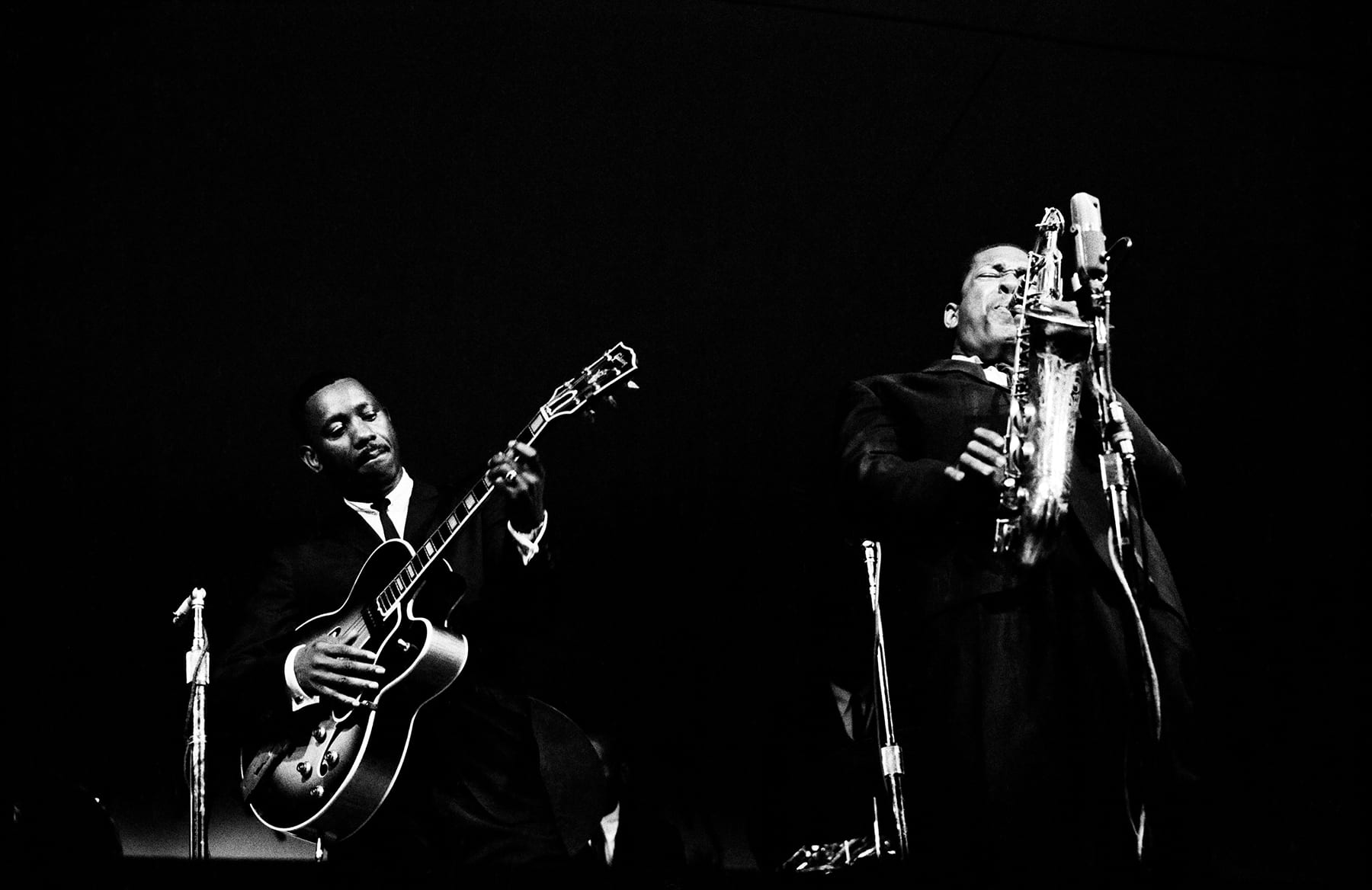
Jim Marshall’s photos of 60s jazz festivals capture the many greats of the ‘first uniquely American art form’.
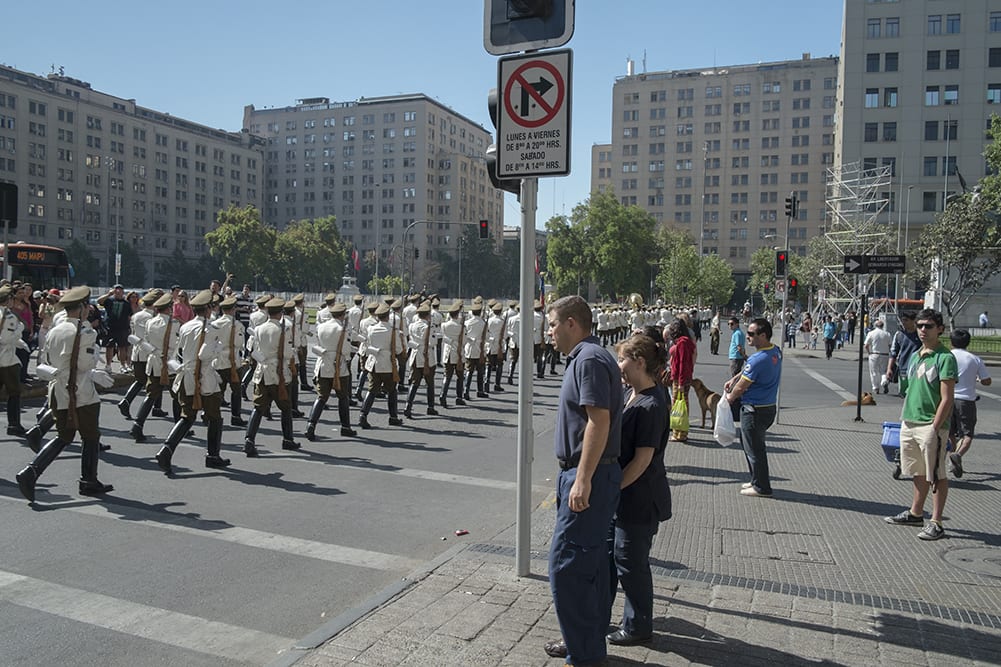
On visiting the Pyramids of Giza in Cairo in 2012, Oliver Curtis turned and looked back in the direction he had come from. What he saw fascinated him. He has since made a point of turning his back on some of world’s most photographed monuments and historic sites, looking at their counter-views and forgotten faces.
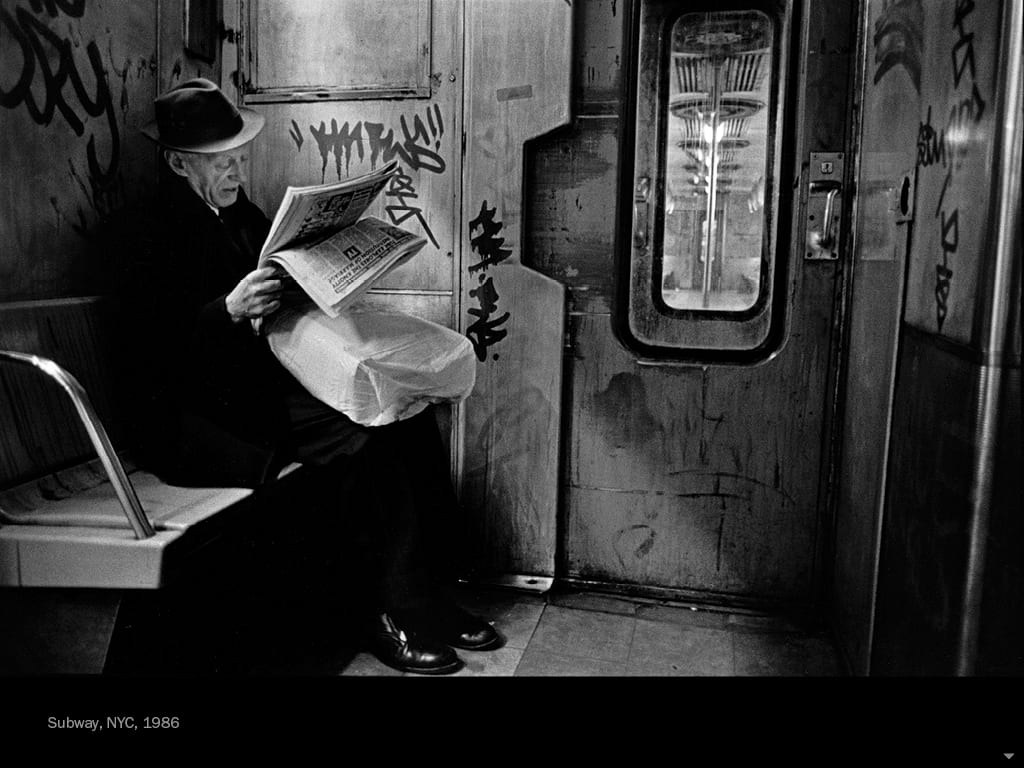
Sandler credits his fascination with street life to his years in New York as a…
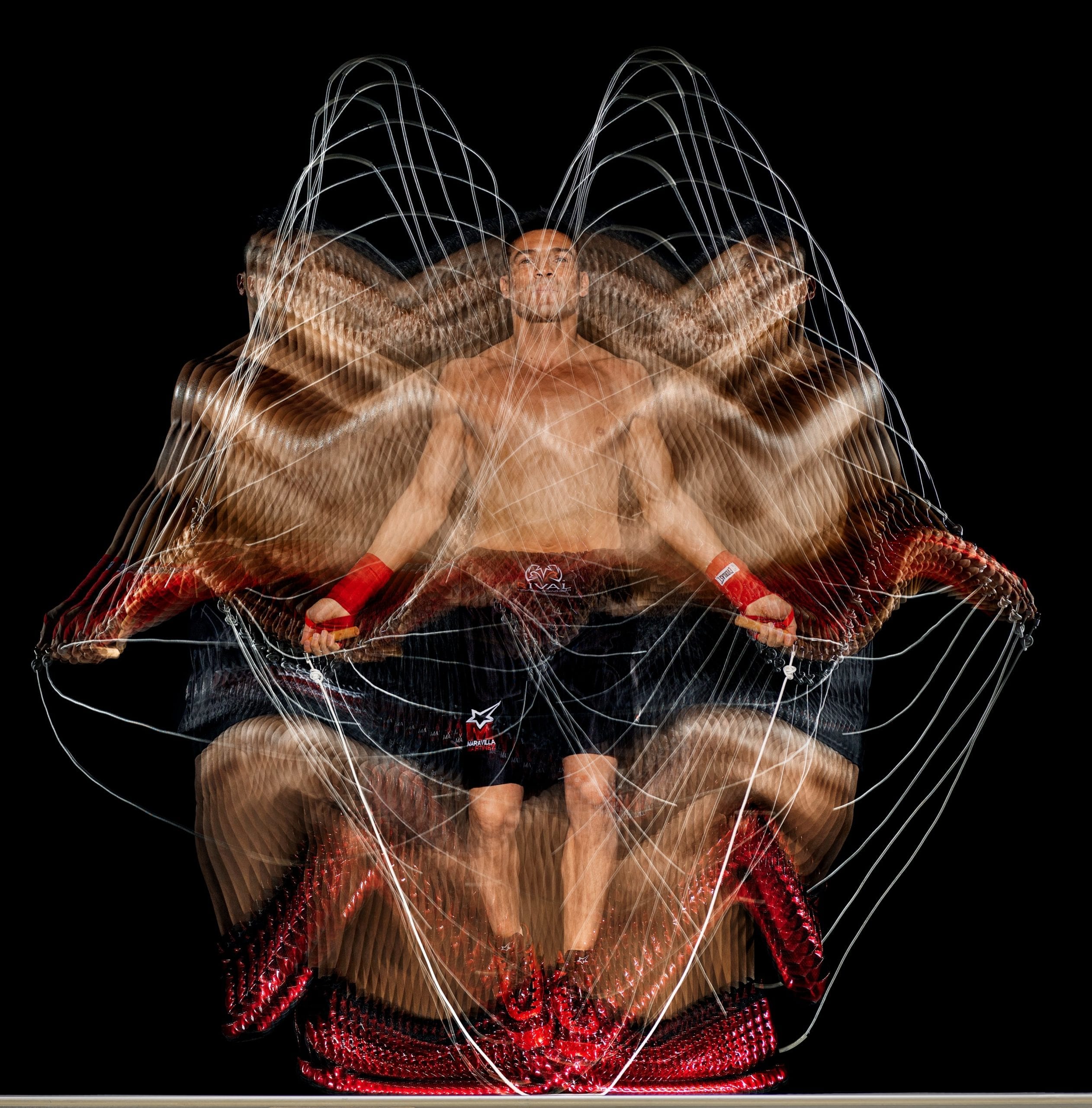
2016 has already proved to be an eventful year for sport. As we were just…
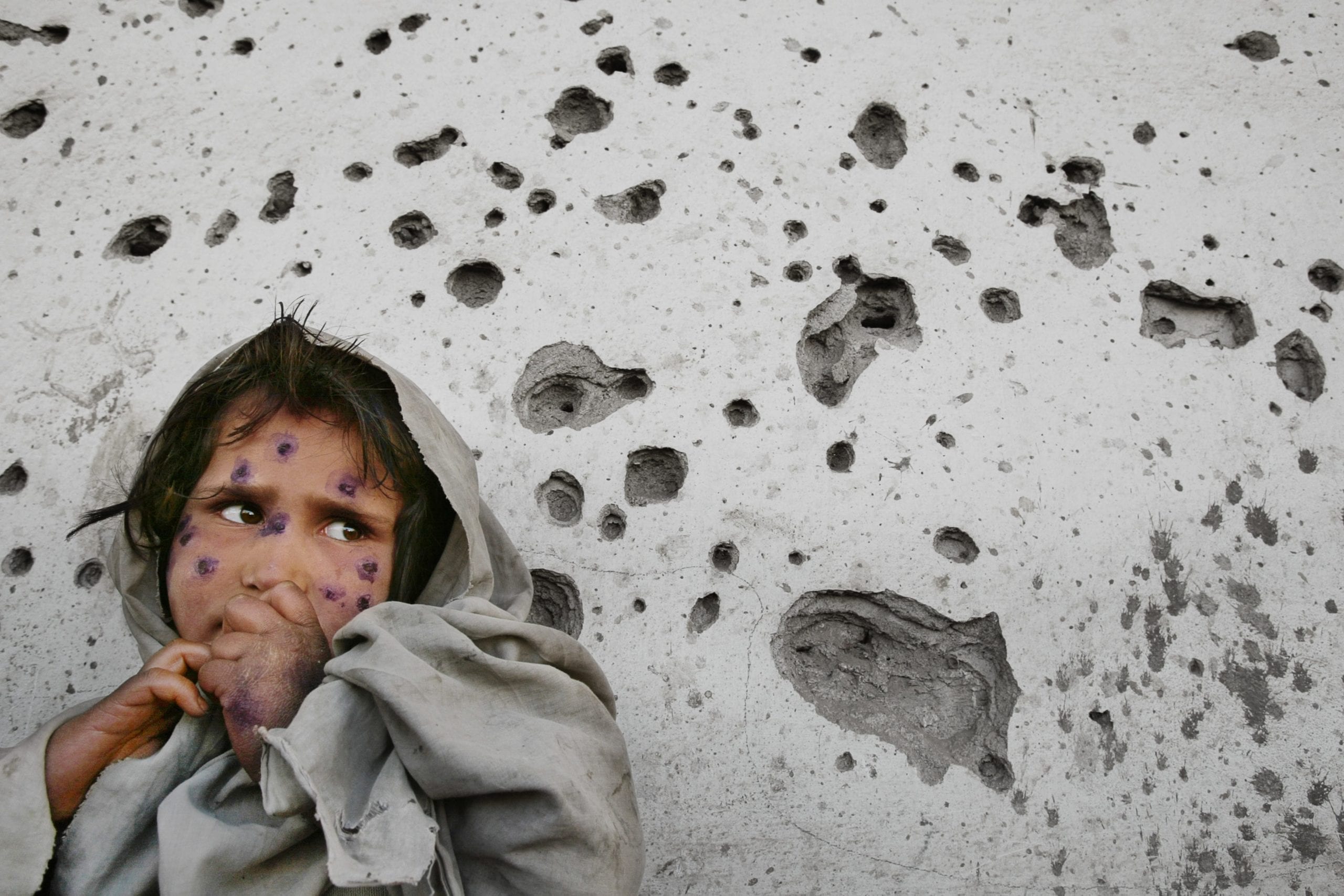
“Let me try to explain you something,” says renowned American photojournalist Paula Bronstein. “Afghans are…
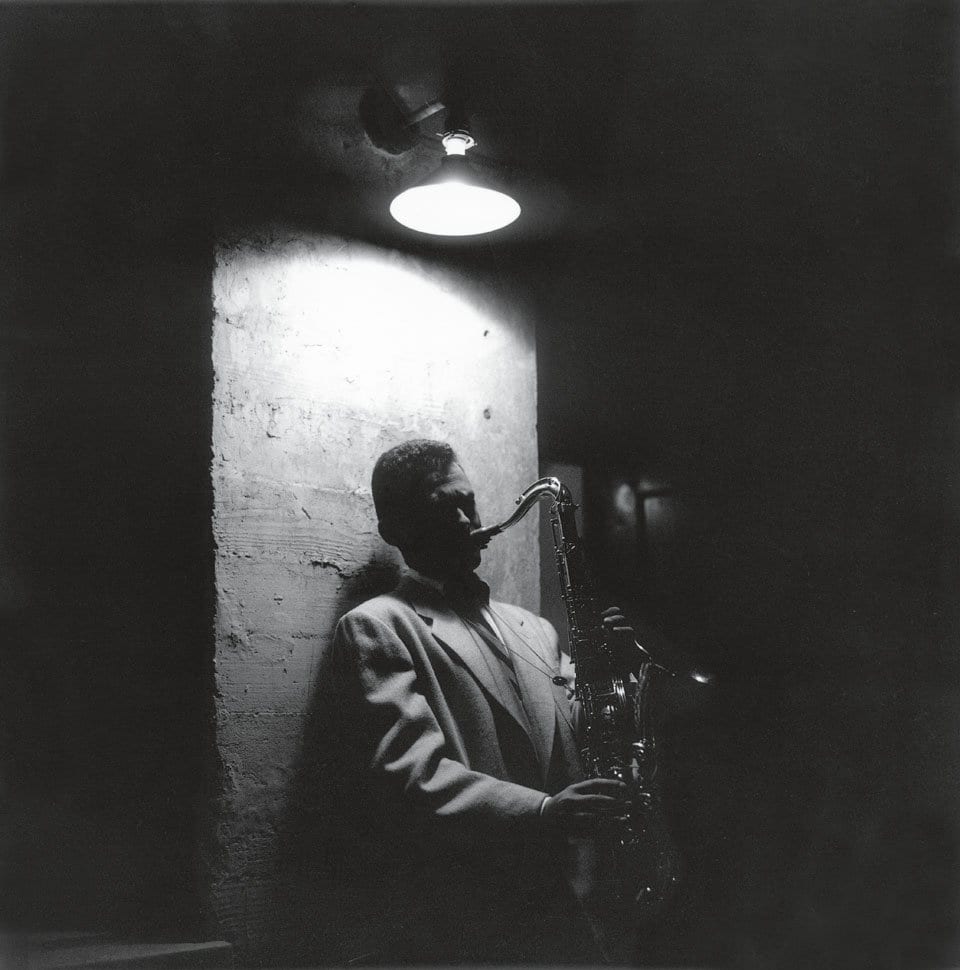
Claxton and Berendt spent time music halls and marching bands, side streets and subways, seekin to…
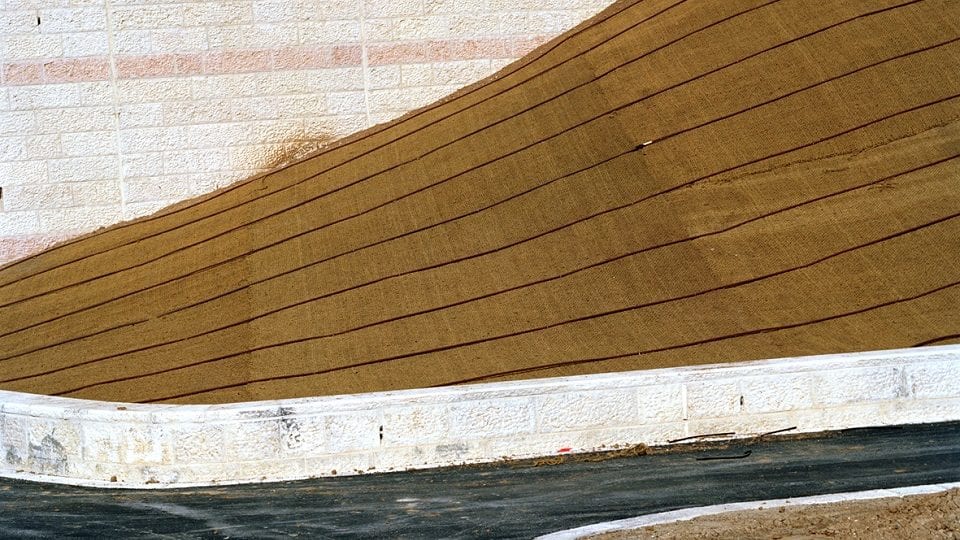
“War is the natural occupation of man – war and gardening,” said Winston Churchill, whose observation is printed on the opening page of Corinne Silva’s new monograph, Garden State.
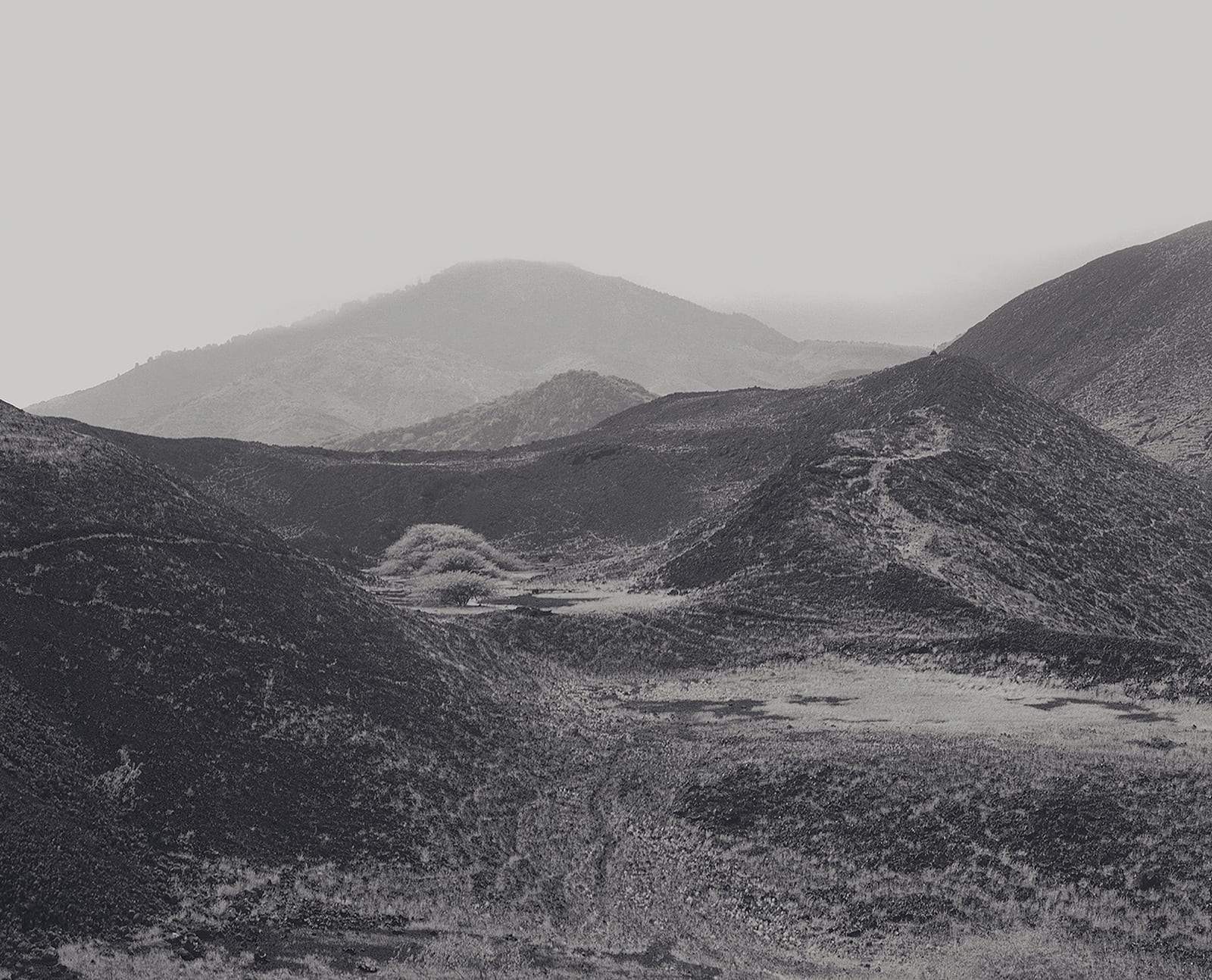
In 1726, a diary found on the barren and desolate South-Atlantic island of Ascension. Norwegian artist Marianne Bjørnmyr’s transformation of the diary into a new photobook, titled An Authentic Relation, is about to launch at The Photographers Gallery, London.
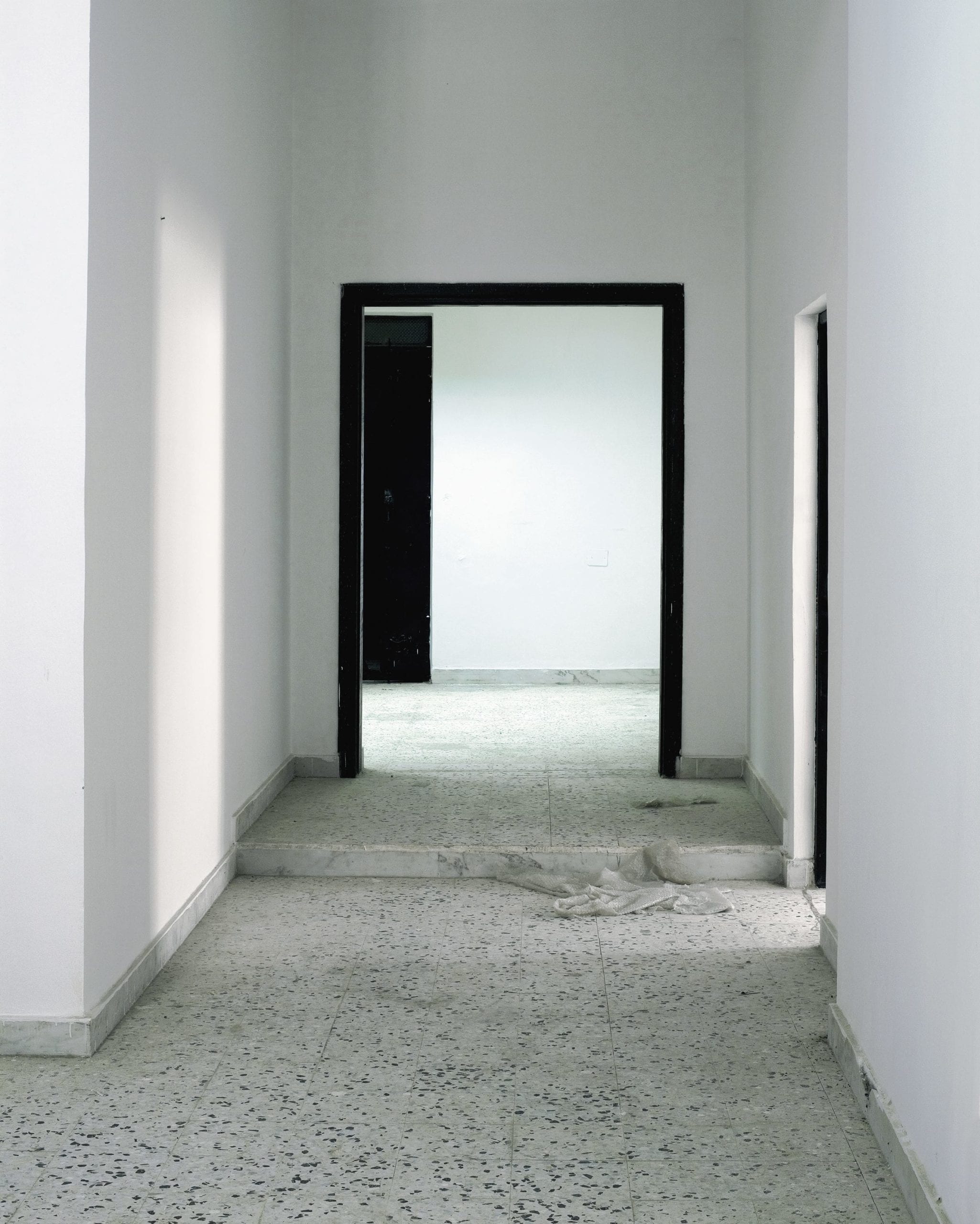
Crofton Black and Edmund Clark’s Negative Publicity, a study of the global “extraordinary renditions” programme led by the United States as part of the War on Terror, has won the Rencontres d’Arles 2016 Photo-Text Book Award.
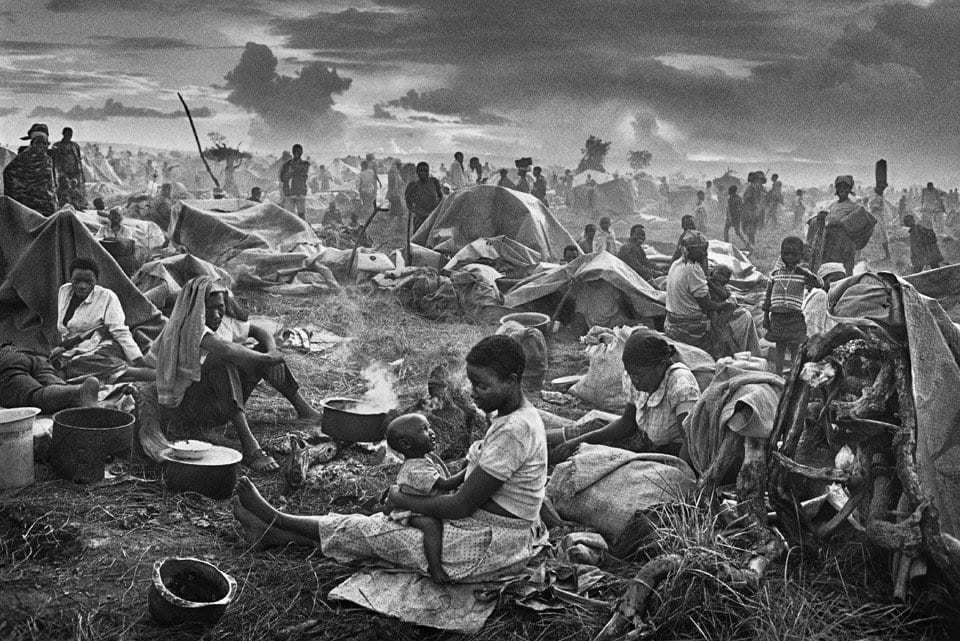
Sixteen years ago, Sebastião Salgado published Exodus. The Brazilian photographer spent six years, and visited more than 35 countries, to document the fraught, desperate and forced mass movement of humans around the globe. He photographed the roads they walked, the impermanent camps they built, the overcrowded city slums where they ended up. As the iconic photobook is republished, we see different people, of a different generation, telling the same story. By looking again at Salgado’s Exodus, we cannot help but reflect on the unchanging plight of those trying to seek a new home.