
Photobook

In Paris: Sam Contis' Deep Springs

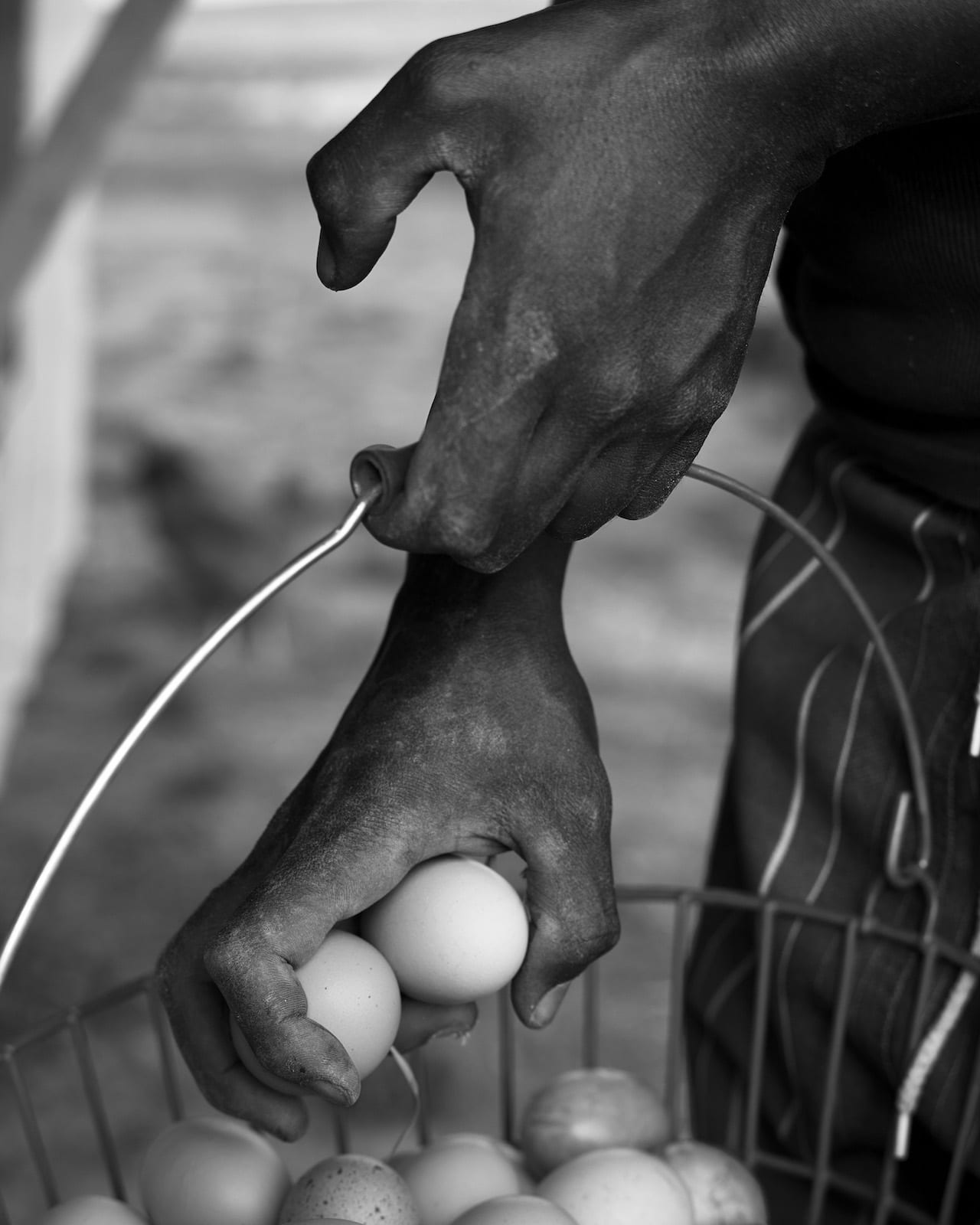
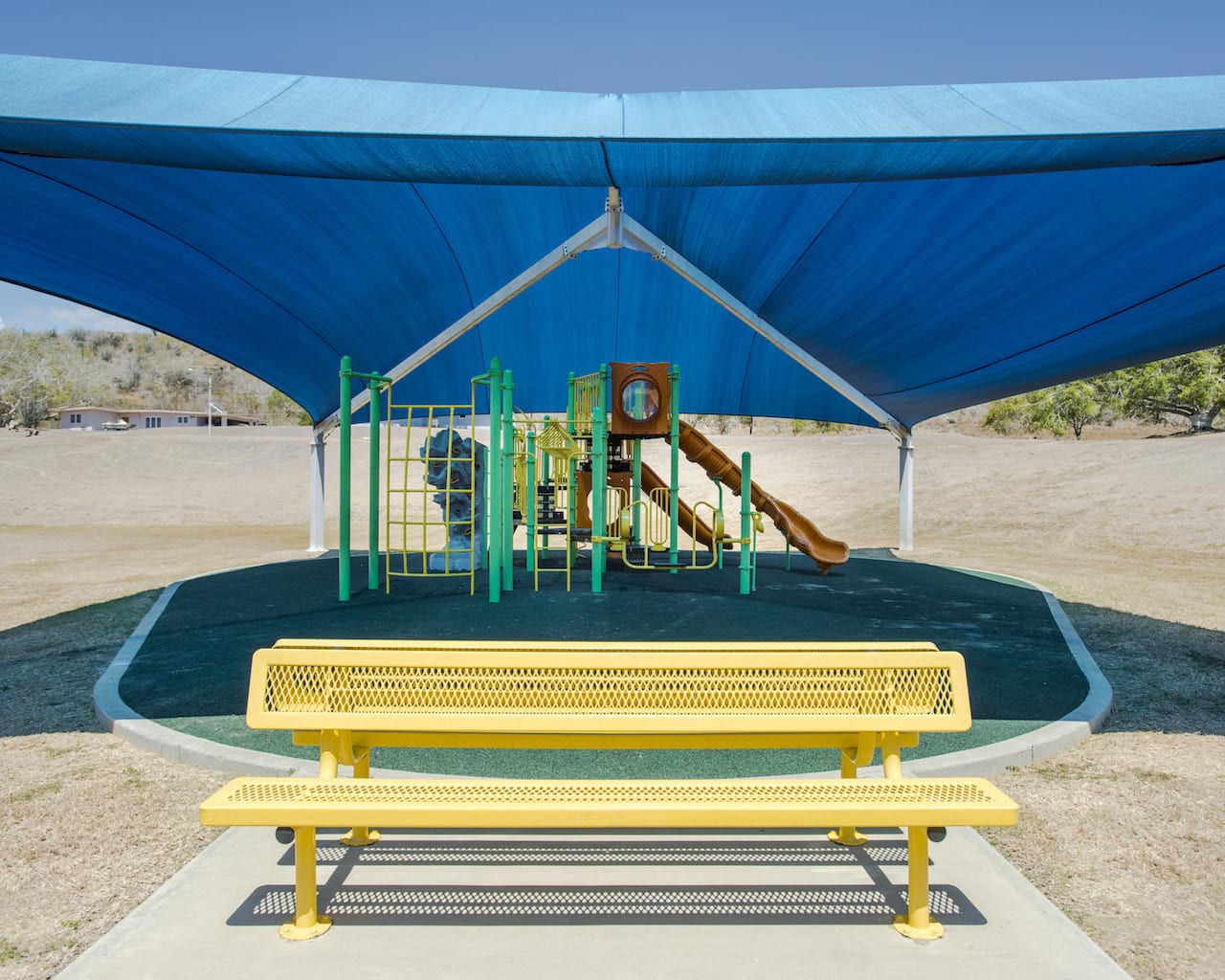
“Gentlemen, for what came ye into the wilderness? Not for conventional scholastic training; not for ranch life; not to become proficient in commercial or professional pursuits for personal gain. You came to prepare for a life of service, with the understanding that superior ability and generous purpose would be expected of you.” Located on an isolated desert ranch, east of California’s Sierra Nevada mountain range, Deep Springs is an all-male, liberal arts college founded a century ago by Lucien Lucius Nunn. The entrepreneur, who with his brother built the power station at Niagara Falls, devoted the last two decades of his life to what The New Yorker describes as “a novel form of education, an anomalous admixture of Christian mysticism, imperialist élitism, Boy Scout-like abstinence, and Progressive era learning-by-doing, with an emphasis on self-governance, leadership training, and the formation of strong character”.
6 November 2017

In Paris: Debi Cornwall Welcome to Camp America – Inside Guantánamo Bay

“When I first arrived, my military escort said, ‘Gitmo: the best posting a soldier can have. There’s so much fun here!’,” recalls US photographer Debi Cornwall. “So I said, ‘Show me the fun!’” She had just touched down at Guantánamo Bay naval base, home to the infamous detention centre established in 2002 by US president George W Bush for the interrogation of suspected terrorists, enemy combatants and “extremely dangerous individuals” – “the worst of the worst, they call them” – following the 9/11 attacks. Since then, it has forged a reputation as hell on earth, where men are held for years without charge or legal process, and are often tortured. With 12 years’ experience of working as a wrongful-conviction lawyer, Cornwall began to enquire.

6 November 2017

In Paris: 2017 Paris Photo-Aperture Foundation PhotoBook Awards

Established in 2012, the Paris Photo-Aperture Foundation PhotoBook Awards are divided into three categories – PhotoBook of the Year, First PhotoBook, and Photography Catalogue of the Year. The winners will be announced on 10 November at Paris Photo, and all the shortlisted and winning titles will be profiled in The PhotoBook review and exhibited at Paris Photo, the Aperture Gallery in New York, and at other international venues. The year Albert Elm’s What Sort of Life is This, Mathieu Asselin’s Monsanto: A Photographic Investigation and the group book project Amplitude No.1, which is edited by Nadya Sheremetova and includes photographers such as Irina Yulieva, Igor Samolet and Irina Ivannikova, were among those to make the First PhotoBook shortlist this year

3 November 2017

Zsolt Ficsór finds beauty in everyday Budapest

At 28, Zsolt Ficsór is part of this new generation, using his collective, MAMA Photobooks, to help promote local artists’ self-published work. In October Ficsór brought MAMA to Photo Book London at The Old Truman Brewery, Brick Lane, for example, while in September, he was invited to take part in the five-day Magnum workshop at the Capa Contemporary Photography Centre in Budapest. Lead by celebrated Magnum photographers Antoine d’Agata and Matt Black, this workshop was a masterclass in developing his style of urban documentary photography, he says, which stems from his fascination with “interacting with this surreal and unreal world that we are living in right here here, right now”.

31 October 2017

Daniel Castro Garcia wins the W. Eugene Smith Grant

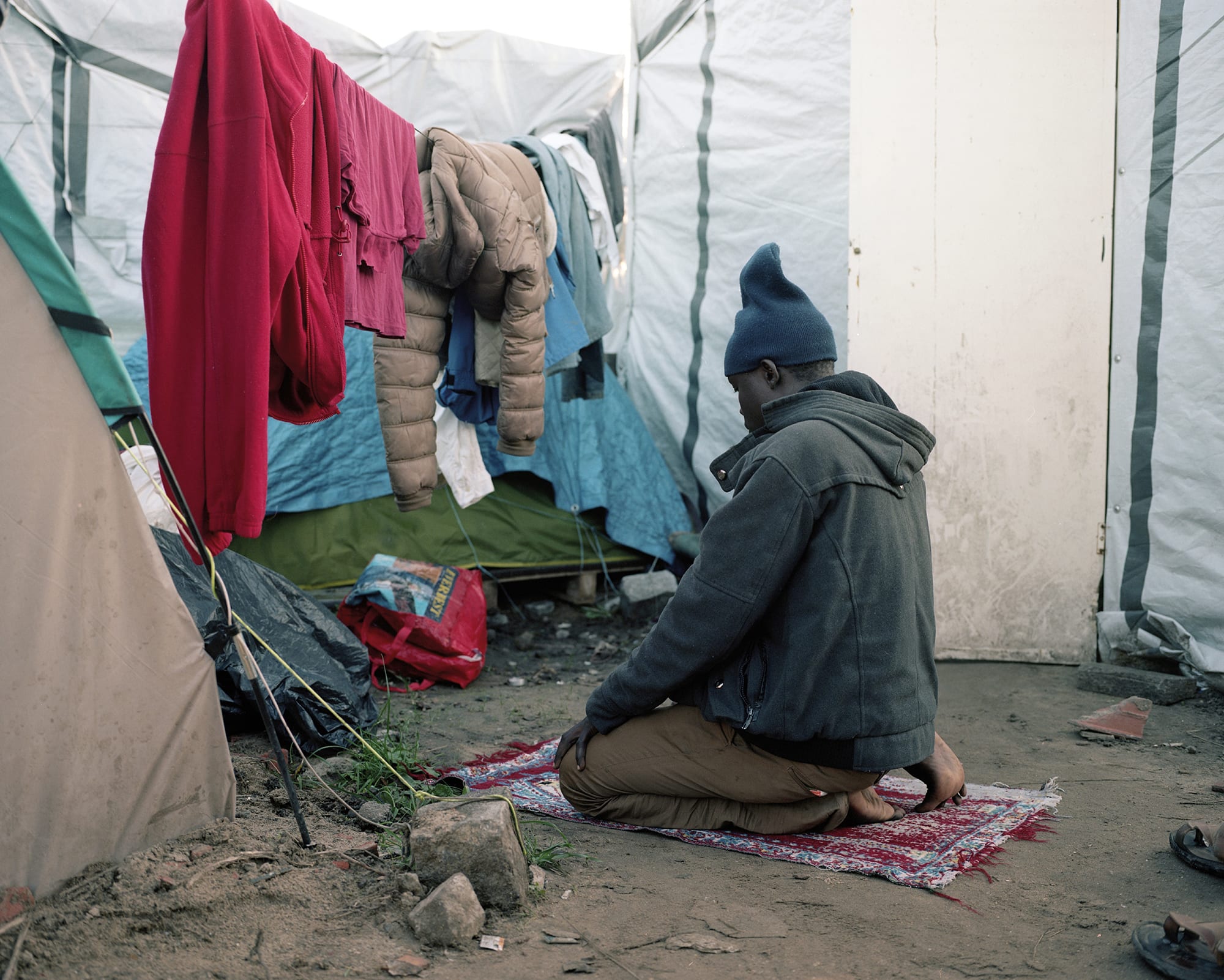
Daniel Castro Garcia wins the $35,000 W. Eugene Smith grant to continue his work on the European migrant crisis – read more about the work in BJP’s interview with him, first featured in our September 2016 issue. l. “The fact that my mum and dad are foreign, it’s played a massive role in my life. When those two boats capsized, the way that was written about, the adjectives used, and the type of photographs – on a personal level, that resonated. I know the kind of things my parents went through when they moved to the UK, and I know they’ve contributed really positively to British society. It felt increasingly uncomfortable, the way they were representing people who effectively did what my parents did, for the same reasons – poverty. Some of the things that were written were just unbelievable bullshit about people that are just the same as any of us. What an individualistic, separatist, regressive mentality.”

19 October 2017

Really Good Dog Photography

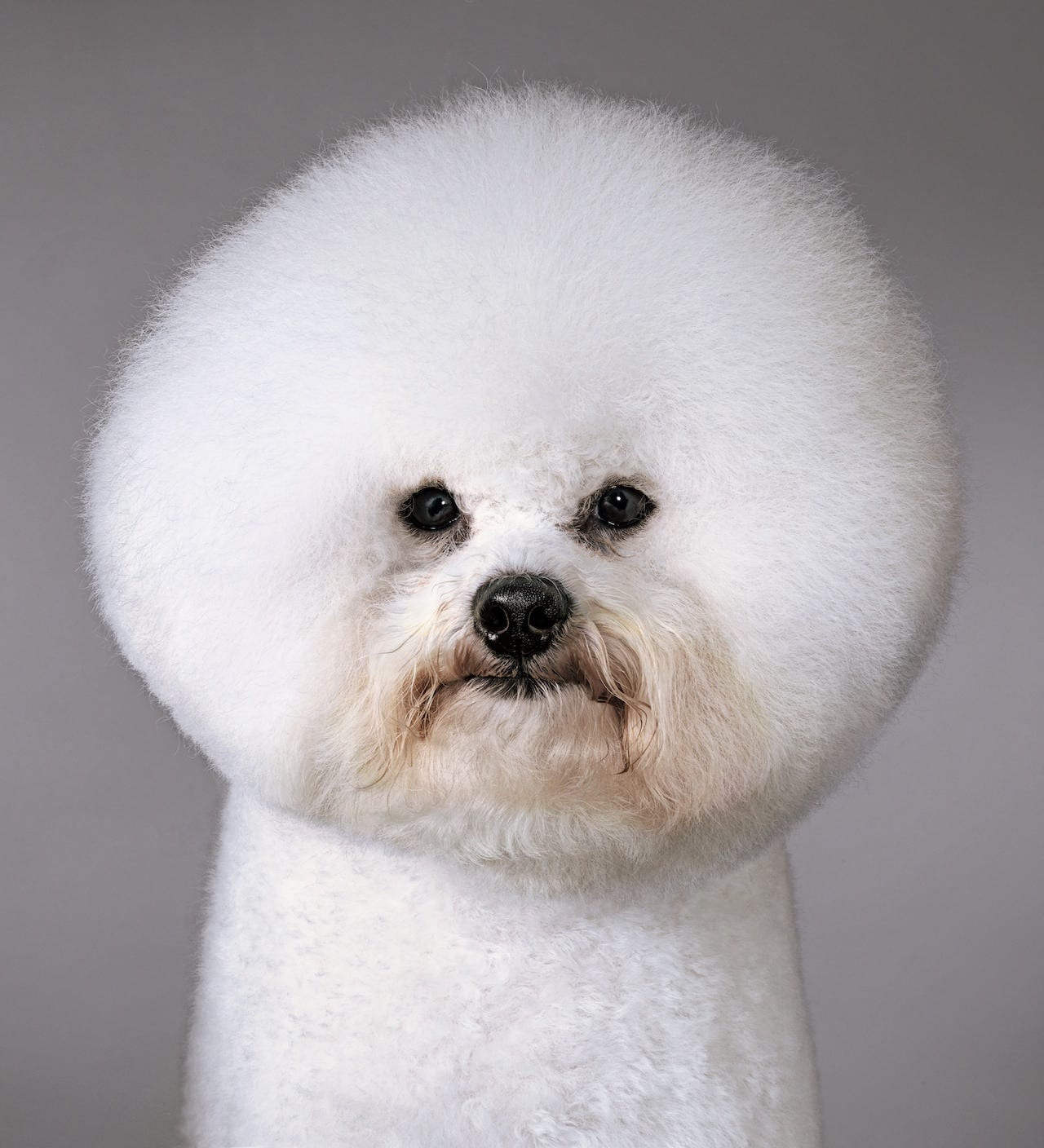
“Being a photographer of dogs…I always felt there needed to be a more intelligent representation of the animal than the cute and fluffy images you tend to see online,” says Martin Usborne – photographer, publisher, and now picture editor of a book called Really Good Dog Photography. A collaboration between Hoxton Mini Press, which Usborne co-founded with Ann Waldvogel, and Penguin Books, Really Good Dog Photography contains work by some well-known, and sometimes surprising  photographers, such as Alec Soth, Peter Hujar, Elliot Erwitt, and Ruth van Beek. It took “lots of looking” to put it together, says Usborne, and he enlisted Marta Roca, creative director of Four & Sons magazine, to help. BJP contributor Lucy Davies added interviews with many of the photographers plus a thoughtful introductory essay.

17 October 2017

Lucas Foglia's cool look at the Anthropocene

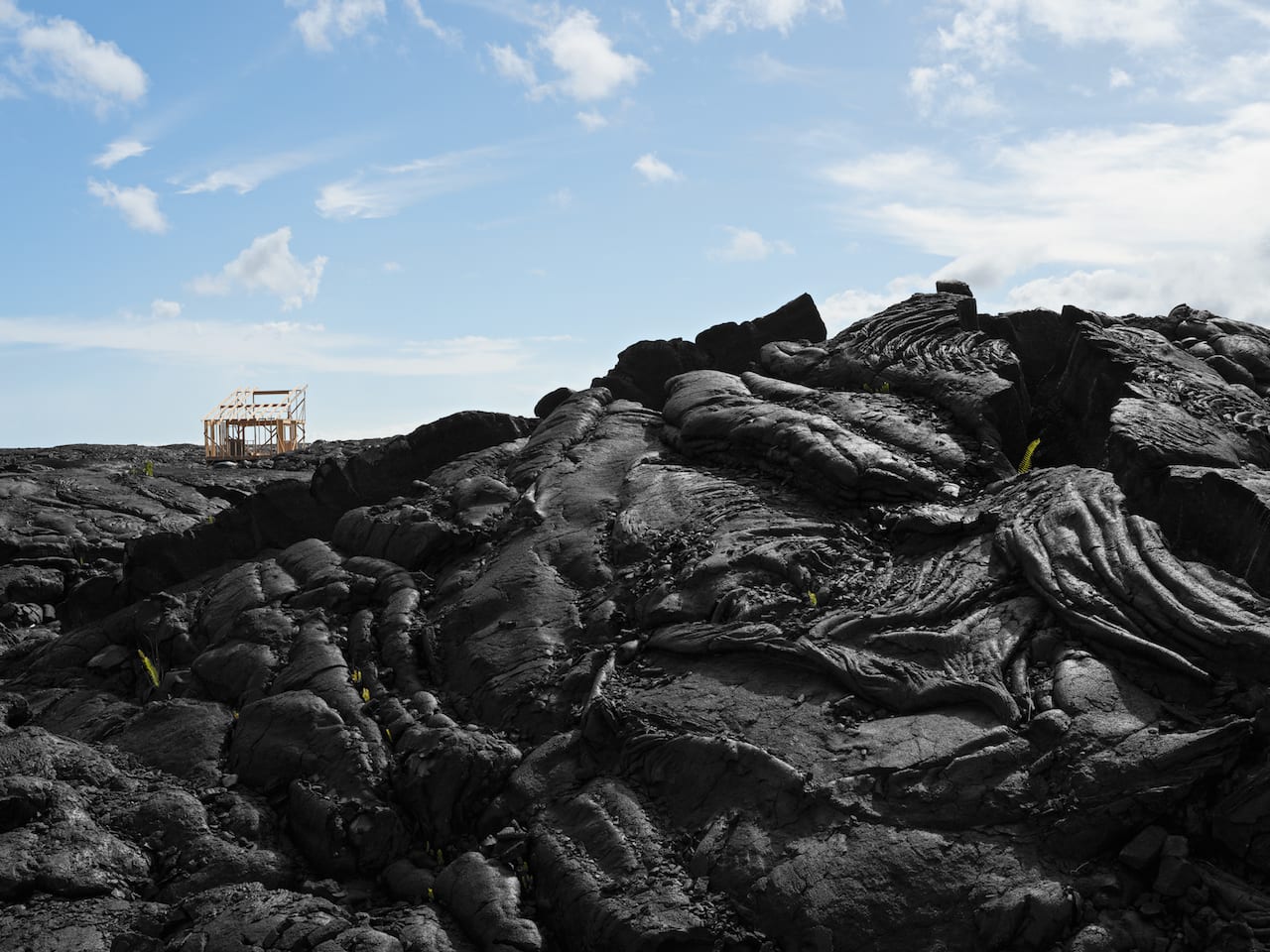
Born in 1983 in the United States, Lucas Foglia grew up on a small farm some 30 miles east of New York city. His family grew their own food and lived a life away from the bustle of shopping centres and the surrounding suburbs. “The forest that bordered the farm was my childhood wilderness,” he says. “It was a wild place to play that was ignored by our neighbours, who commuted to Manhattan.” But in 2012 Hurricane Sandy charged through his family’s fields, flooding the farm and blowing down the oldest trees in the woods. “On the news, scientists linked the storm to climate change caused by human activity,” Foglia recalls. “I realised that if humans are changing the weather then there is no place on earth unaltered by people. I looked through my archive and set aside some photographs that became the seeds for my third book.”

12 October 2017

Daisuke Yokota (sometimes literally) blazing a trail through photography

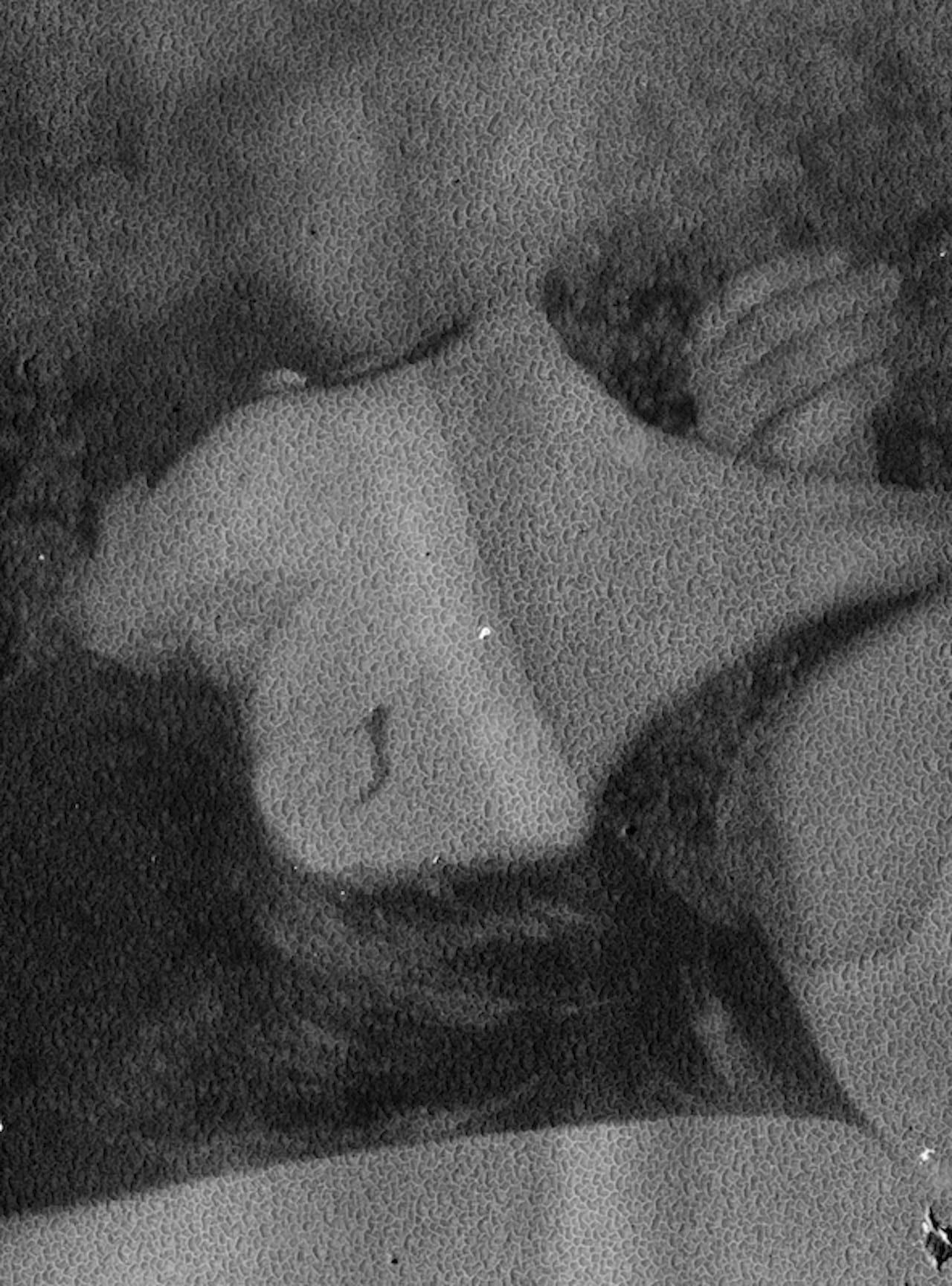
We are in Arles, where in July 2016 he showed Mortuary, one of his signature sculptural installations, made up of heavily manipulated, elongated photographic forms. He had been selected for the Rencontres photofestival’s Discovery Award, though in truth this cat had been long out of the bag – Yokota exhibited in Arles in 2015, showing his almost imperceptible inky-black prints from his Inversion series as part of Another Language: 8 Japanese Photographers, curated by Simon Baker of Tate Modern. And in the preceding half decade, his intriguing, visually arresting performances, experiments, installations, books, soundscapes and collaborations have blazed a trail from Tokyo to wider international acclaim, taking photography on a journey to the extreme. In this he is a revolutionary, with neither pretension nor timid creativity. The sheer energy with which he produces work is extraordinary, verging on obsessional and driven by a desire to constantly record, destroy and then recreate. Anxiety is the fuel. “In my mind, I have an image of burning energy in continual production,” he says.

9 October 2017