
Photobook

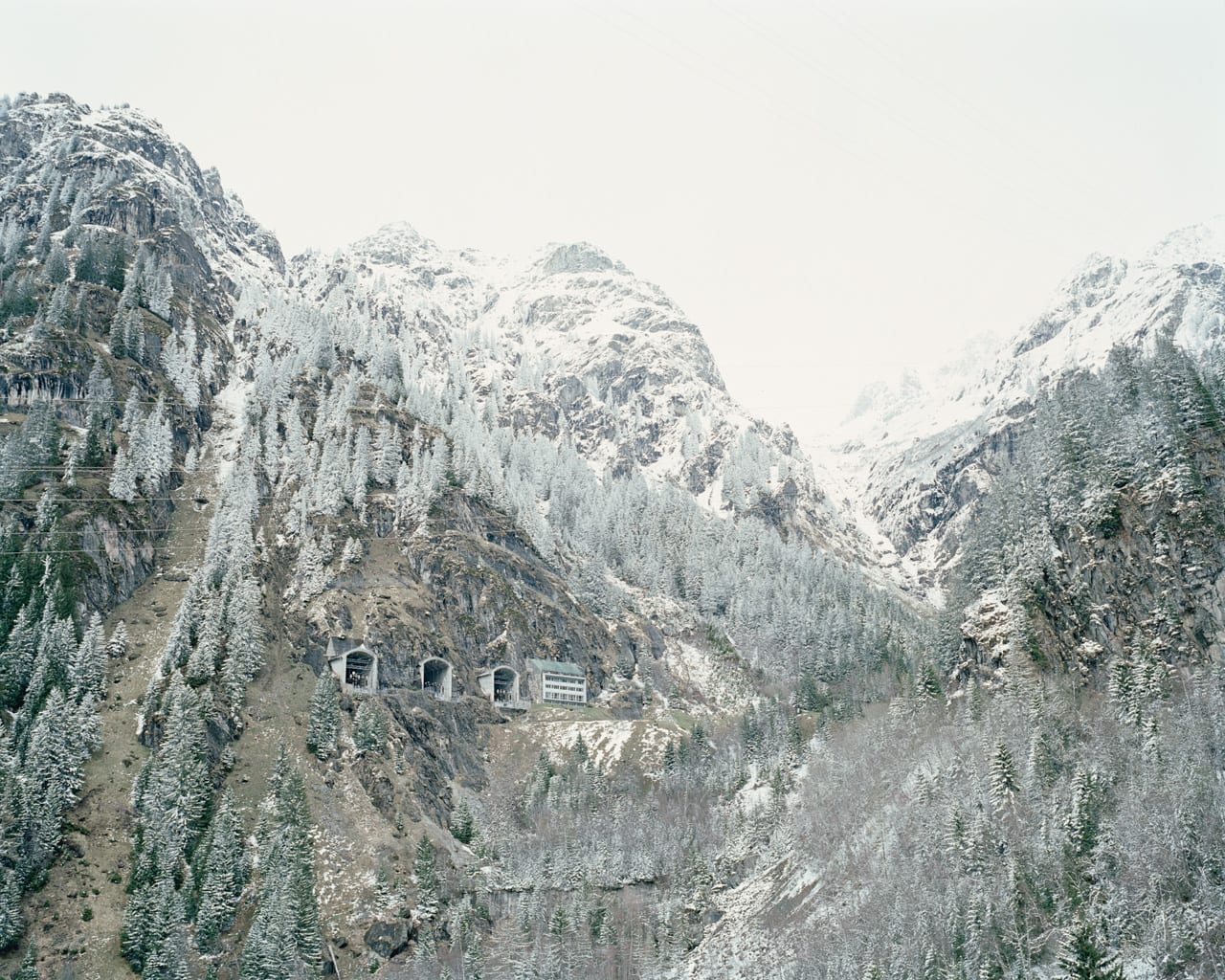
The World is Not Beautiful – But It’s There, by John Myers

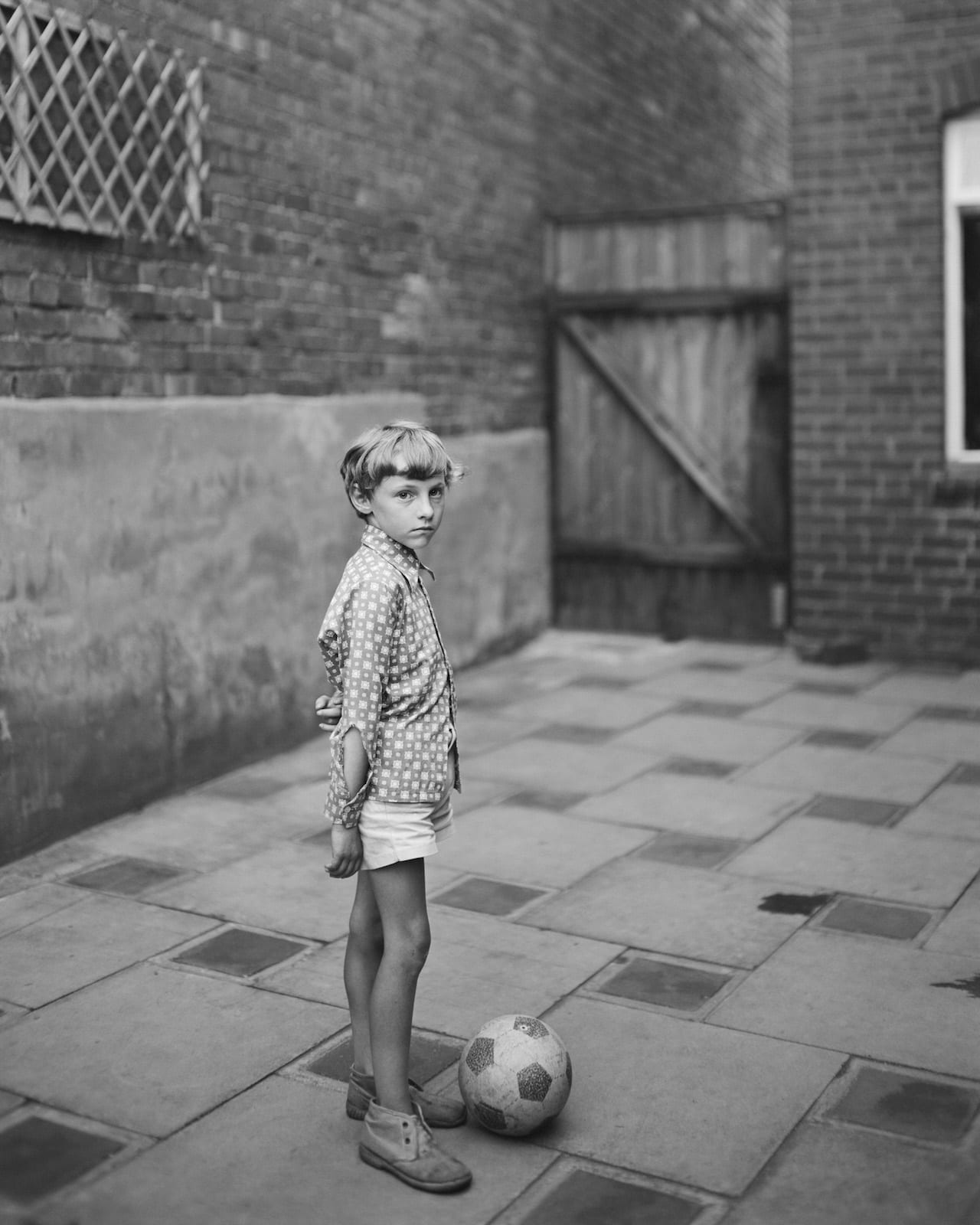
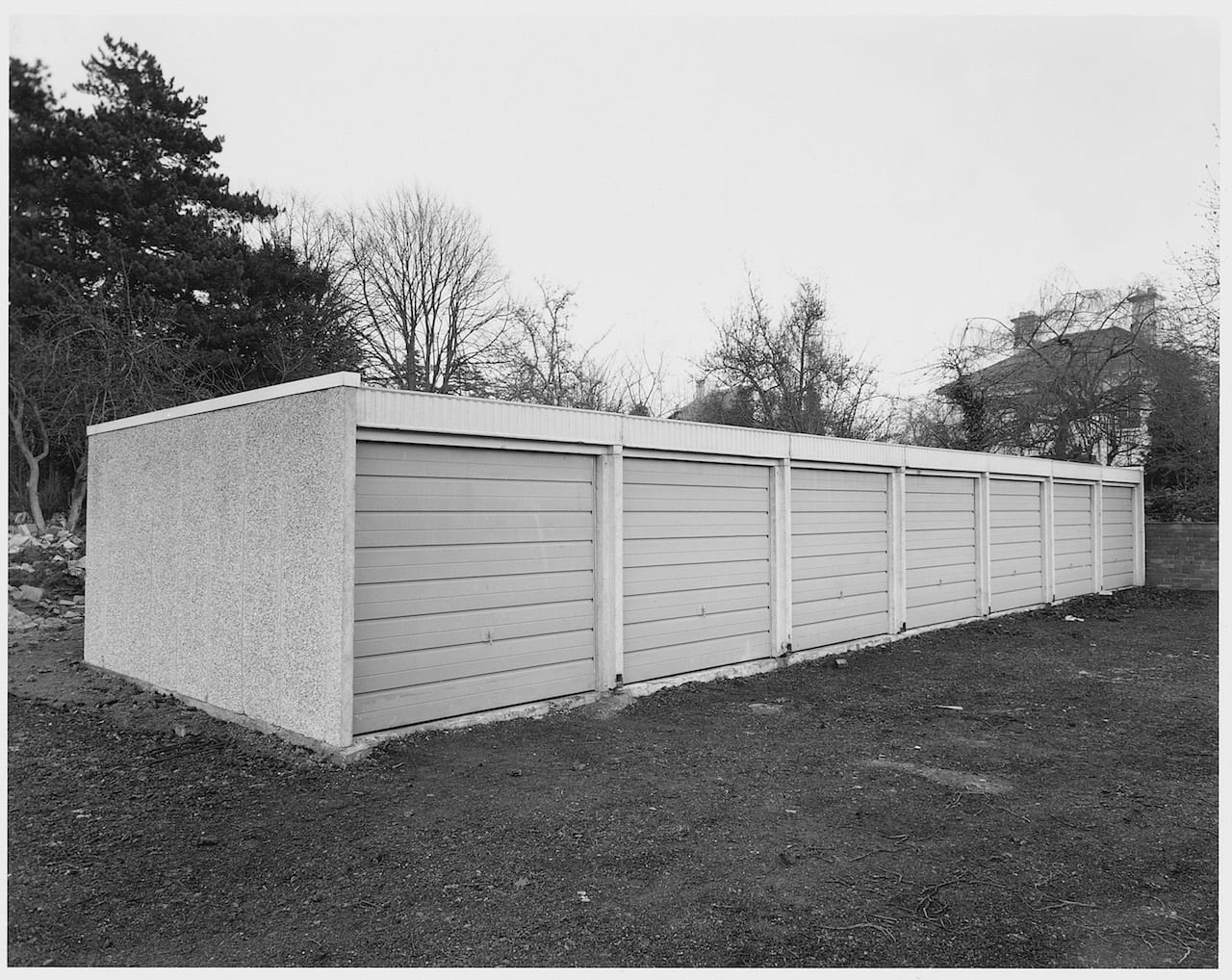
“I believe photographers have got to come to terms with the world we live in, not the world journalists like, which is spectacular and exciting and makes good copy,” says John Myers. “Photographers and sub editors and journalists, all kinds of journalist want a story. They want to sell papers, and what sells is something unusual. ‘Man with three legs marries 86 year old widow’, it makes a terrific headline. They’re not so interested in what’s going on down the road at number 83.”

14 May 2018

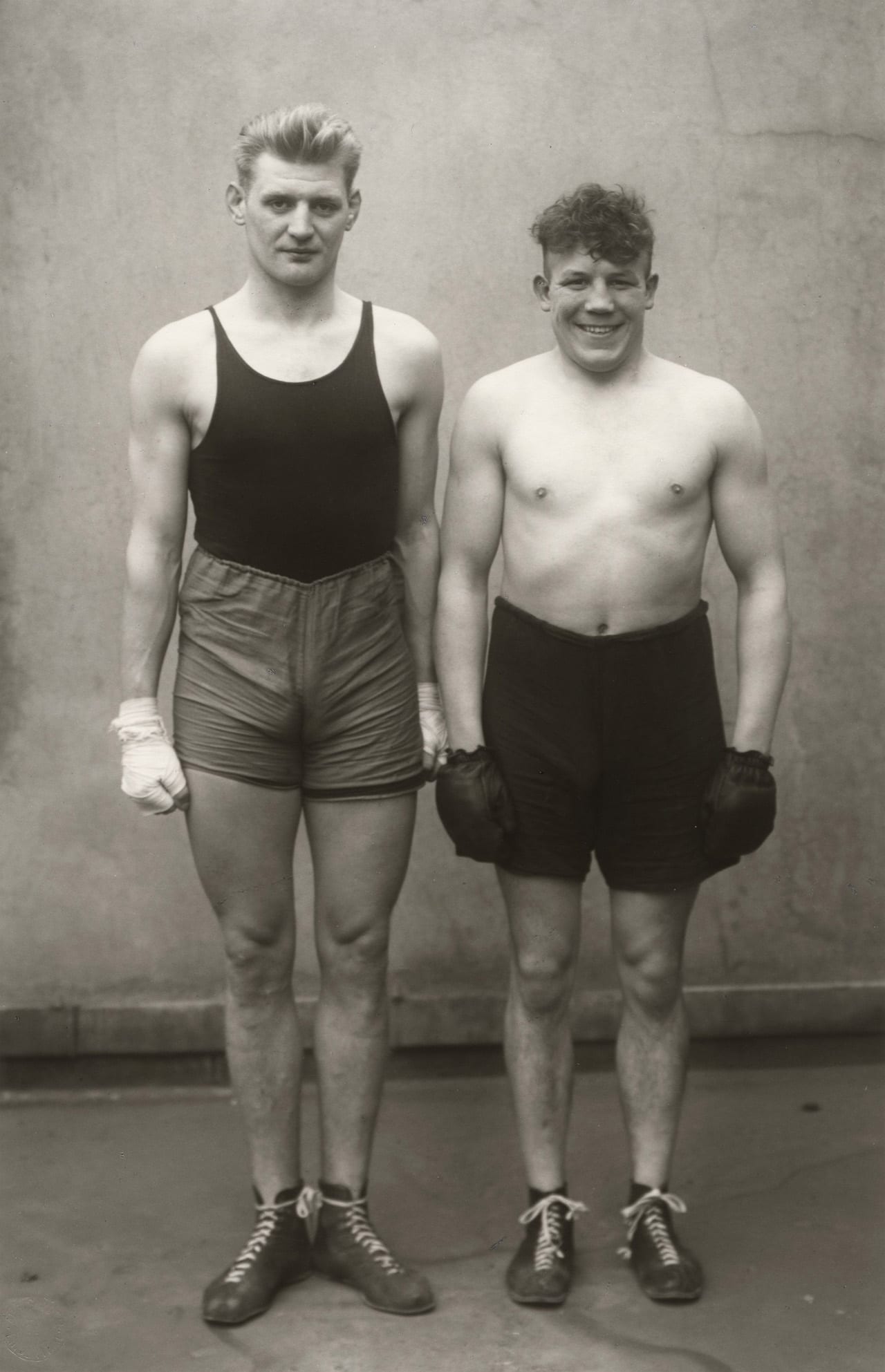
August Sander: Men Without Masks

Born in 1876 in the German mining town of Herdorf, August Sander discovered photography while working at a local slagheap. Serendipitously meeting a landscape photographer working there for a mining company, he went on to assist the image-maker, and by 1909 had opened his own studio in Cologne. Around this time he also started taking portraits of his fellow-Germans, deliberately eschewing the then-prevalent pictorialist approach in favour of recording as much detail as possible. “Nothing seemed to me more appropriate than to project an image of our time with absolute fidelity to nature by means of photography,” he stated. “Let me speak the truth in all honesty about our age and the people of our age.”

11 May 2018

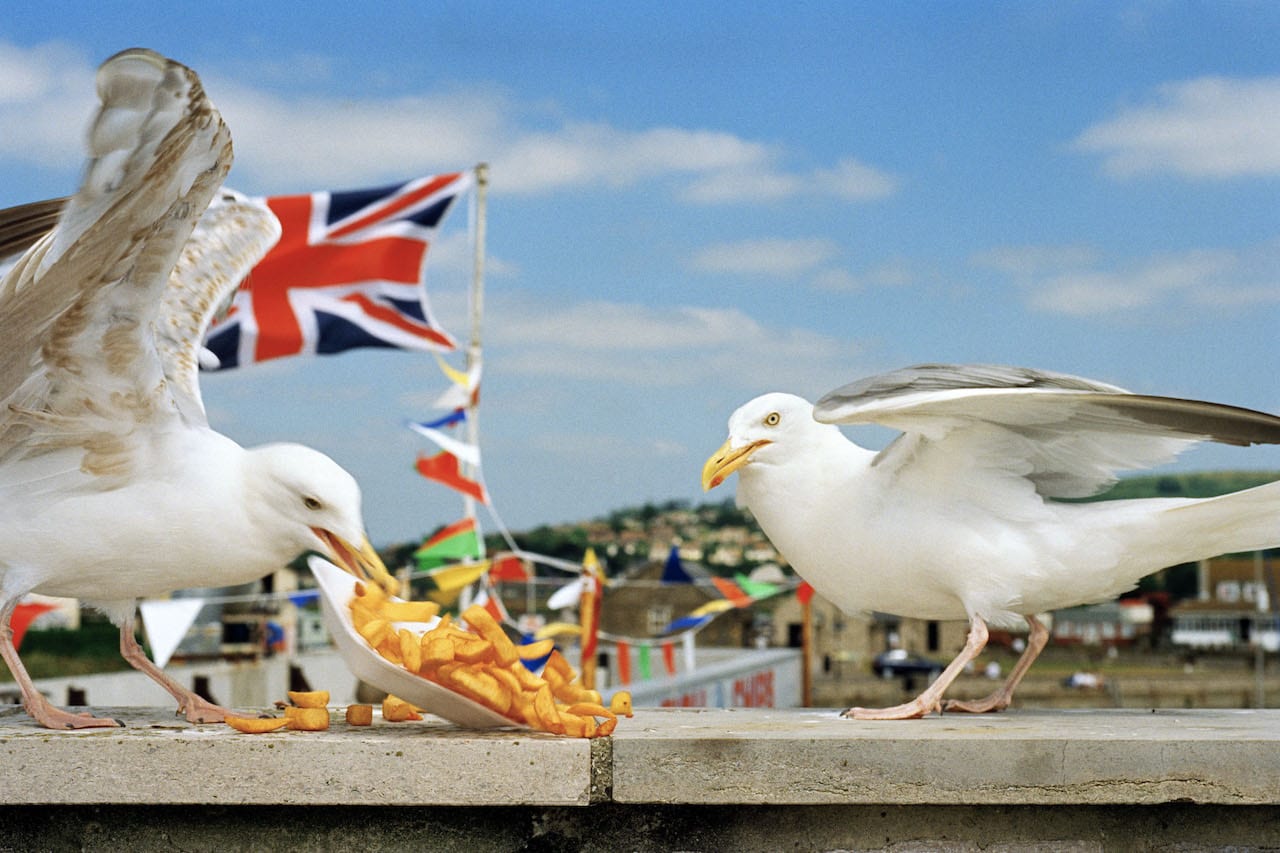
Celebrating the seaside at the National Maritime Museum

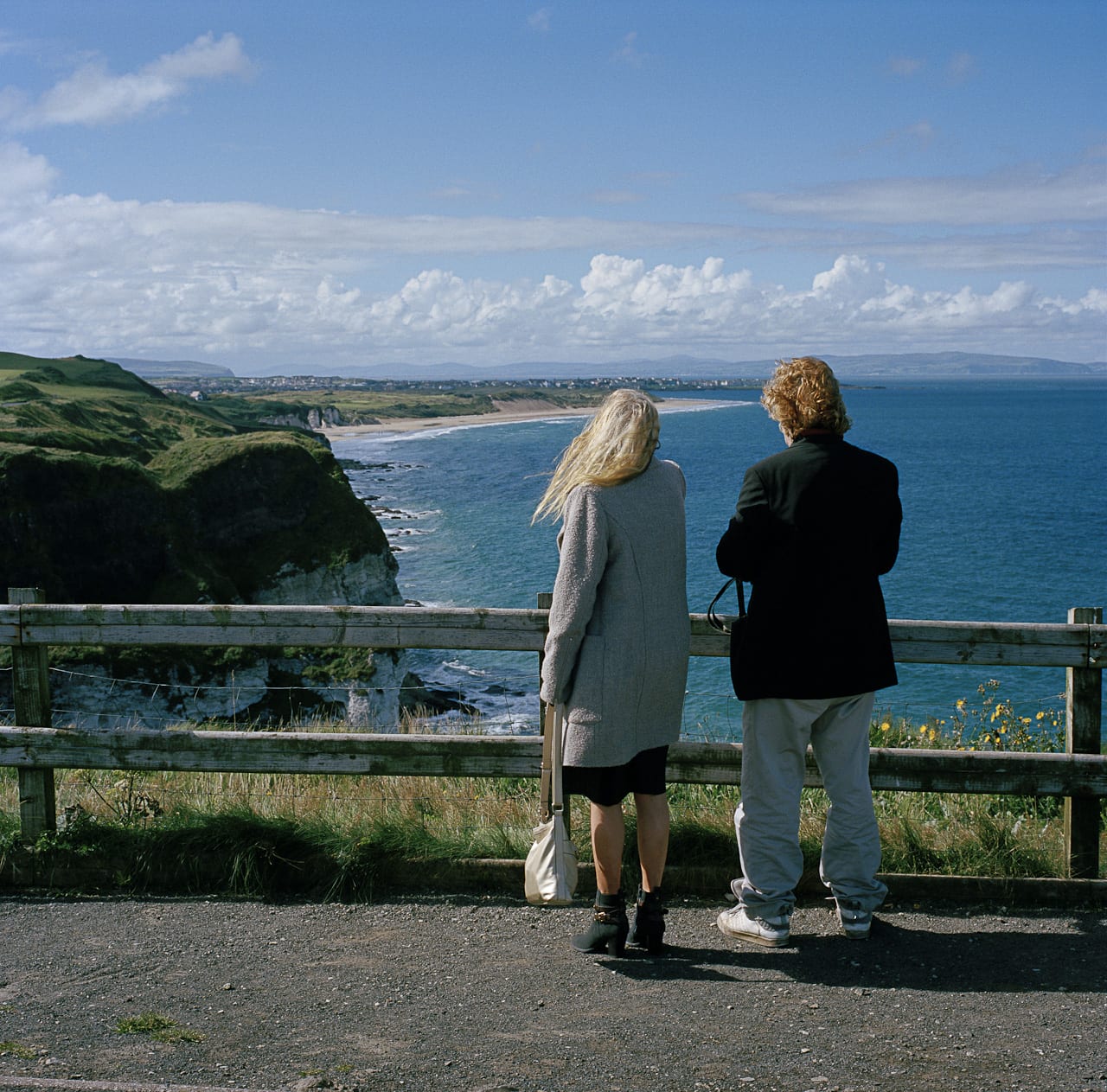
In the UK nobody lives more than 72 miles from the sea, and the seaside is entrenched in our culture because of it. “The coastline is significant to Brits whether we live there, or not,” says Simon Roberts, who lives in the seaside town of Brighton, and who has returned to the coast again and again in his work. Now his images are appearing in an exhibition called The Great British Seaside at the National Maritime Museum this spring, alongside work by David Hurn, Martin Parr and the late Tony Ray-Jones.

11 May 2018

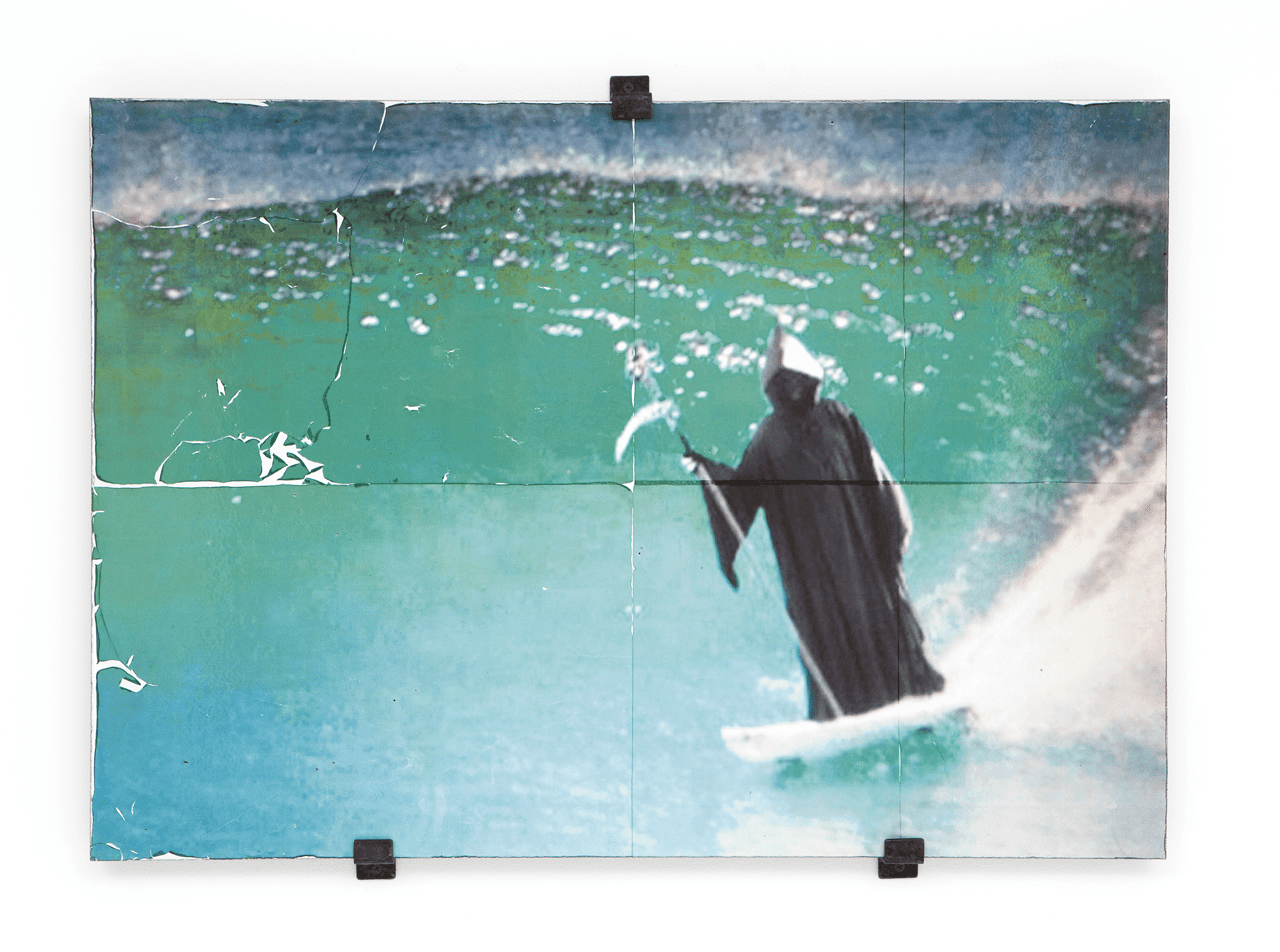
Photo London: Thomas Mailaender at Michael Hoppen

Known for his offbeat experiments with printing processes, Thomas Mailaender is an artist constantly pushing the limits of the medium. He’s worked with found images for 10 years and, as a consequence, tells me that: “I don’t think of myself as a photographer.” Often sourcing images from the internet, but equally happy to raid car boot fairs, flea markets, and charity shops, Mailaender says he is interested in “reproducing images rather than making them myself”. He is, he says, “a compulsive collector of photographs”.

10 May 2018

Poulomi Basu’s Centralia wins the PHM 2018 Grant

“In Centralia, Poulomi Basu continues to focus her gaze on the interrelation between violence, state power, and gender,” says Monica Allende, member of the jury for the PHM grant. “By intertwining multilayered fictional narratives she aims to challenge the viewer’s perception of reality, as well as established neocolonialist histories. “In an era of post-truth and fake news, where we battle for control of “official” narratives, Basu’s work forces us to reflect on our own prejudices and educated preconceptions. Despite addressing such complex issues, the work is both illuminating and engaging – a testament to her innate ability as a documentarian. The result is a beautifully executed story which is thoroughly deserving of the winning grant.”

8 May 2018