
Photobook

Breaking Point at the Hamburg Triennial

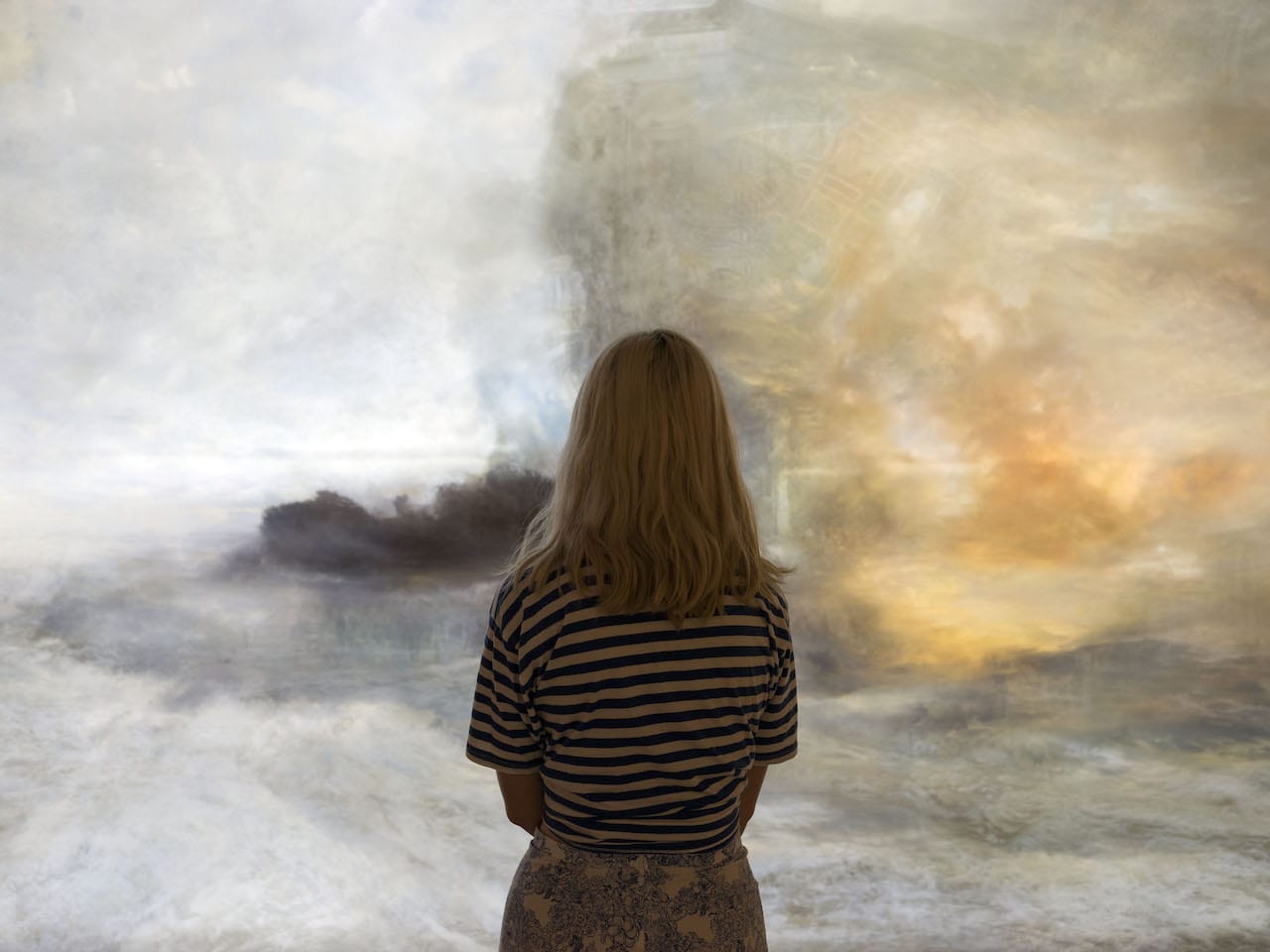
The 18-year-old Hamburg Triennial will be directed for the second time by Polish curator Krzysztof Candrowicz, who moved to Hamburg four years ago and set about transforming the it, bringing people and institutions together, and determined to make it more relevant to the viewing public. The 2015 edition was, he says, “The first holistic attempt to create the collaborative framework of the festival. Before, the museums were basically highlighting their own exhibitions, but there was no actual curatorial collective structure.” The determinedly political and environmentally-conscious theme this year was inspired by an amalgamation of many factors, he says, including spending a year “away from structured, mechanised and commercial reality”, travelling around Latin America, Nepal and India. “Breaking Point became, for me, a metaphor for rapid and sometimes unexpected transformation on a personal and global level.”

23 May 2018

Chrystel Lebas wins the Kraszna-Krausz award

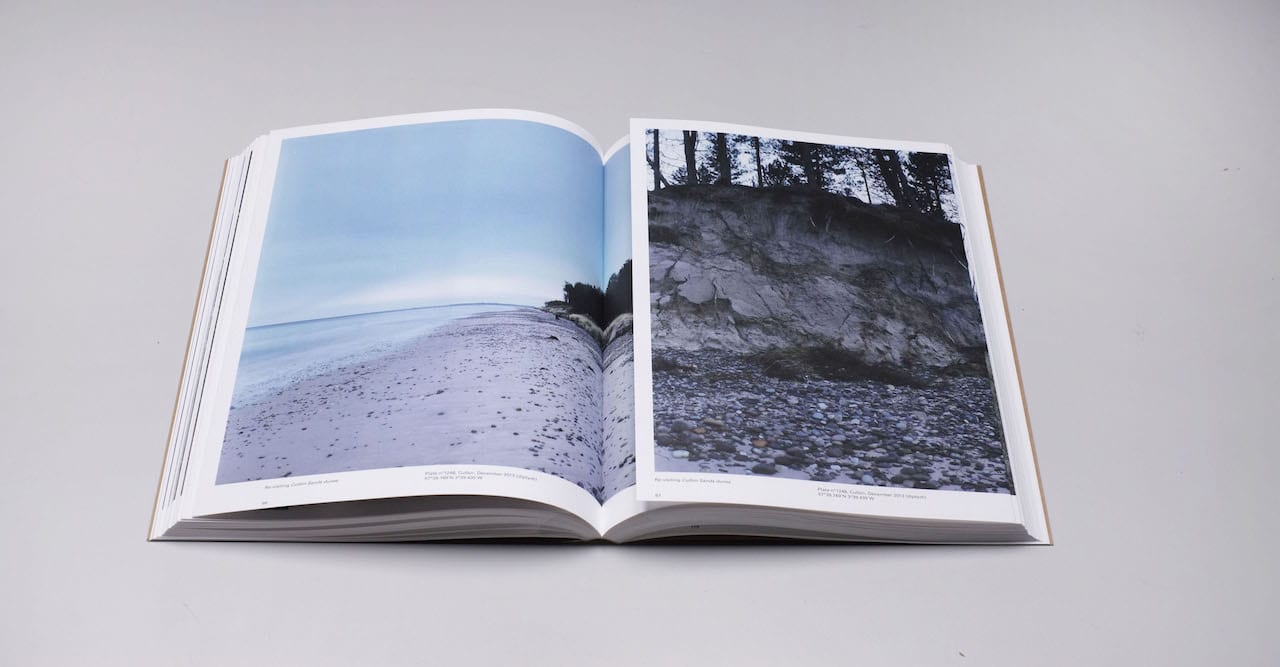
Chrystel Lebas has won the Kraszna-Krausz Foundation Photography Book Award, beating off the two other shortlisted photographers – Stephen Gill and Dayanita Singh. Lebas won the prize for Field Studies: Walking through Landscapes and Archives, which she published with Dutch outfit FW: Books. Field Studies is framed by the work of 20th century botanist Sir Edward James Salisbury, particularly his glass plate negatives from the 1920s, retracing his steps and making new images in the same Scottish landscapes. Gill was shortlisted for Night Procession, which he self-published through his imprint Nobody Books; Singh was shortlisted for her multi-book project Museum Bhavan, which was published by Steidl. 

21 May 2018

Photo London: Hayahisa Tomiyasu’s TTP wins the MACK First Book Award

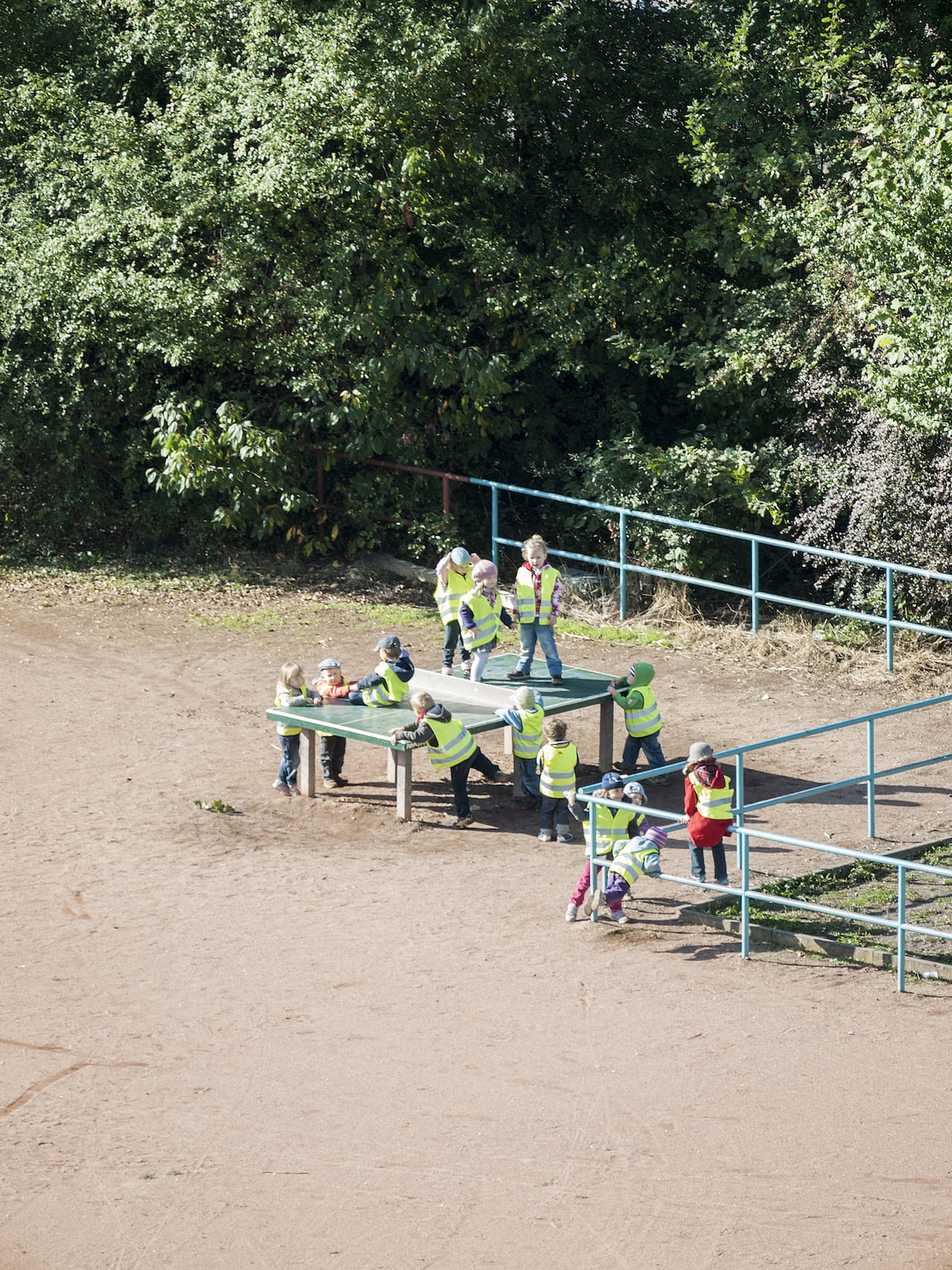
It’s a prestigious prize, which earns the winner an exhibition at Photo London plus a photobook published by the well-regraded specialist MACK Books. This year it’s gone to Hayahisa Tomiyasu for his book dummy TTP. Shot from the window of his eighth-floor student flat in Leipzig, Germany, TTP shows a park with a ping pong table, shot at various times of day and in various seasons, and showing different protagonists each time. The table is used as a tischtennisplatte (table tennis table, as a sun lounger, as a climbing frame, as a skate obstacle, and as much more, and, states MACK Books “thanks to Tomiyasu’s sustained curiosity, we observe the habits, humour, and idiosyncrasies of human behaviour”. 

17 May 2018

Marcus DeSieno records the No Man’s Land of surveillance cameras worldwide

Hacking into the live feed of a CCTV camera is “shockingly easy” says Marcus DeSieno, whose new book, No Man’s Land, presents a series of landscape photographs captured on surveillance cameras around the world. He got the idea for the project back in 2013, after seeing a couple of park rangers attach a security camera to a tree in the Everglades National Park, Florida. Even though the cameras were ineffective at night, when most trespassers would plan to break in, the wardens said that the purpose of installing them was to instigate fear, and “act as a symbol of power”.

16 May 2018

Photo London: Another Kind of Life explained by Barbican curator Alona Pardo

“They’re all driven by motivations that are both personal and political to a degree, and they are all self-initiated projects,” says curator Alona Pardo of the photographers in the show Another Kind of Life: Photography on the Margins. “Some may have started as commissions, but very early on took on a life of their own. It was interesting to think about the role of the photographer, because often the photographer hides behind the camera as a facade. There is also an interesting subtext of the photographer occupying the position of an outsider within mainstream society. They are there, assertively documenting the world.”

16 May 2018

Alexander Montague-Sparey announced as Fotografiska London’s curator

Swedish organisation Fotografiska has announced Alexander Montague-Sparey as the chief curator of their new gallery in London. He will oversee the exhibition programme for all seven spaces in the London venue, which will open in Whitechapel later this year. Montague-Sparey is an independent curator who has worked with a variety of private clients including collectors, art fairs and museums. He holds a Masters Degree in Art History from the University of Oxford, and is a photography specialist. “Fotografiska London’s seven exhibition spaces will allow for the display of some of the most cutting-edge and accomplished international photo and video artists,” he told BJP. “The venue in Stockholm has become one of the foremost international spaces dedicated to contemporary photography in the world. I look forward to advancing the discussion in this state of the art space, in London’s most exciting and creative postcode.”

15 May 2018

Magnum Photos’ HOME: Mark Power

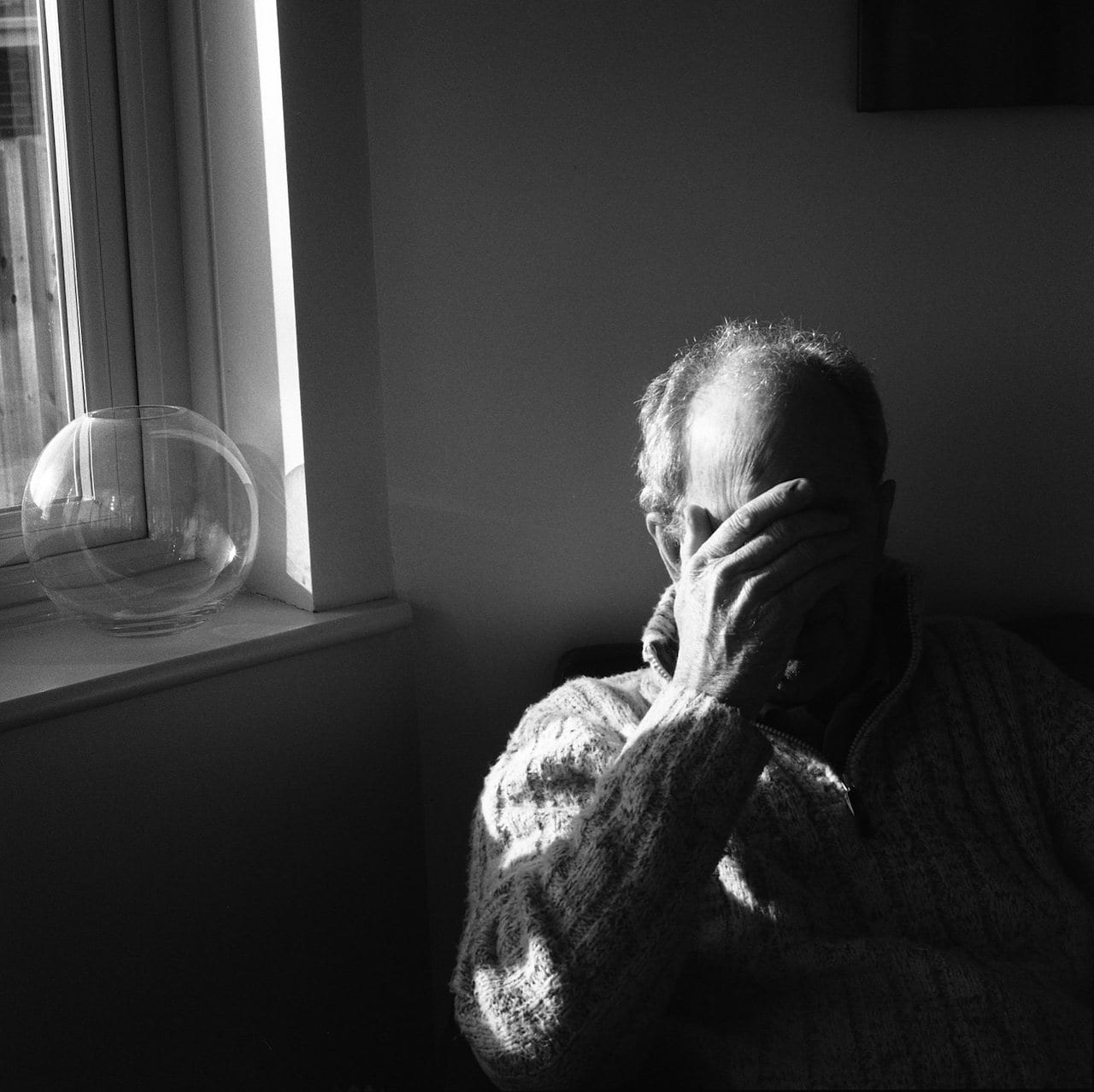
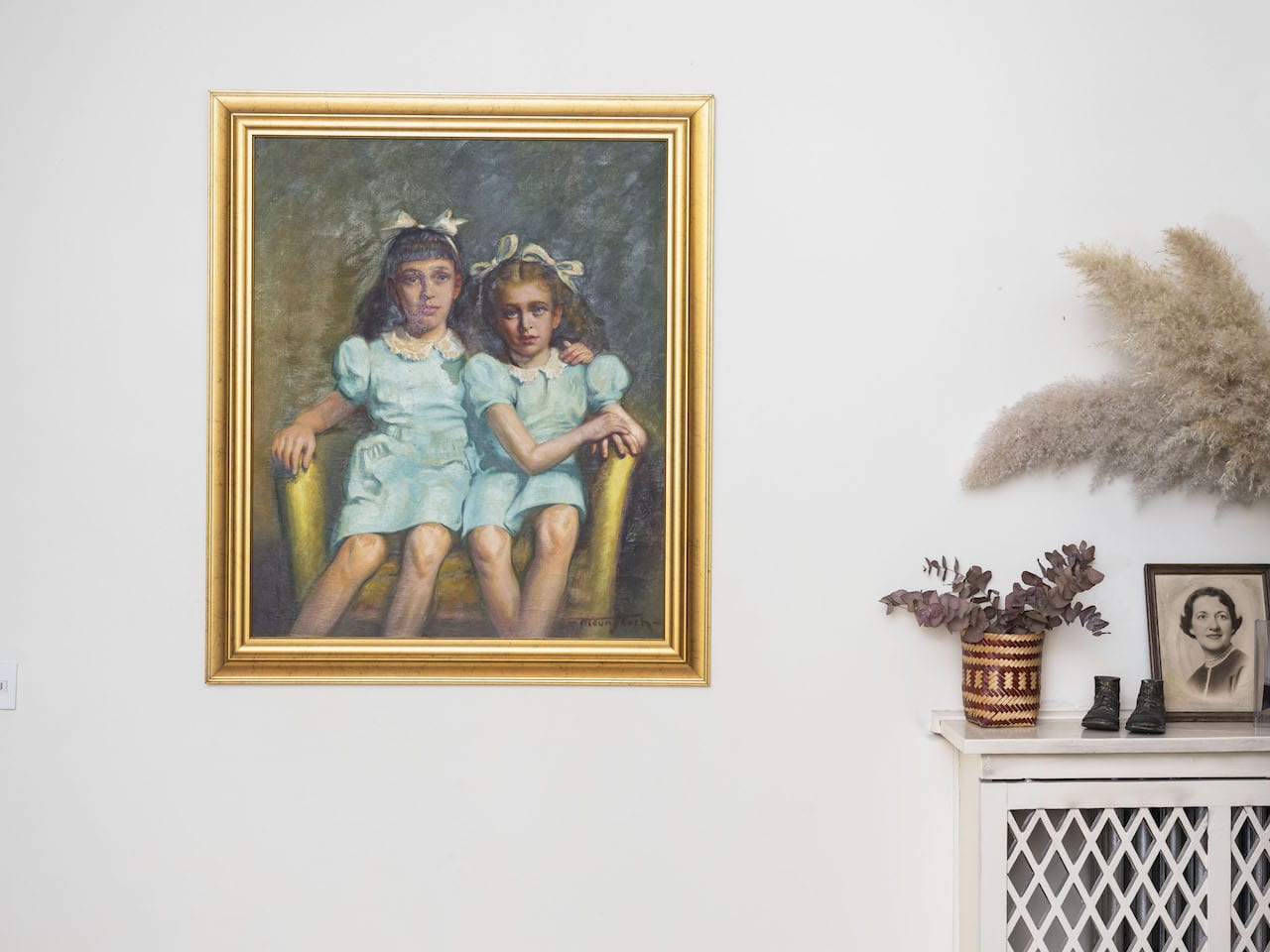
When he first heard about the HOME project, Brighton-based photographer Mark Power’s immediate reaction was to make something personal. “Home is such an abstract concept,” he says. “For instance, if I’ve been travelling abroad for a while I’d probably consider my home to be England. If I’m already there, then I might think of Brighton as home. In Brighton I’d probably think of my house.” Ultimately though ‘home’ translates as family for him, and by coincidence the project landed just as his family was undergoing seismic change. “By chance, the subject was staring me in the face – our daughter Chilli was leaving home in September, moving to London to begin a degree in Fine Art at Goldsmiths University,” explains Power. “Ironically, this date coincided almost exactly with the deadline to deliver the final project.”

14 May 2018

Magnum Photos’ HOME: Moises Saman

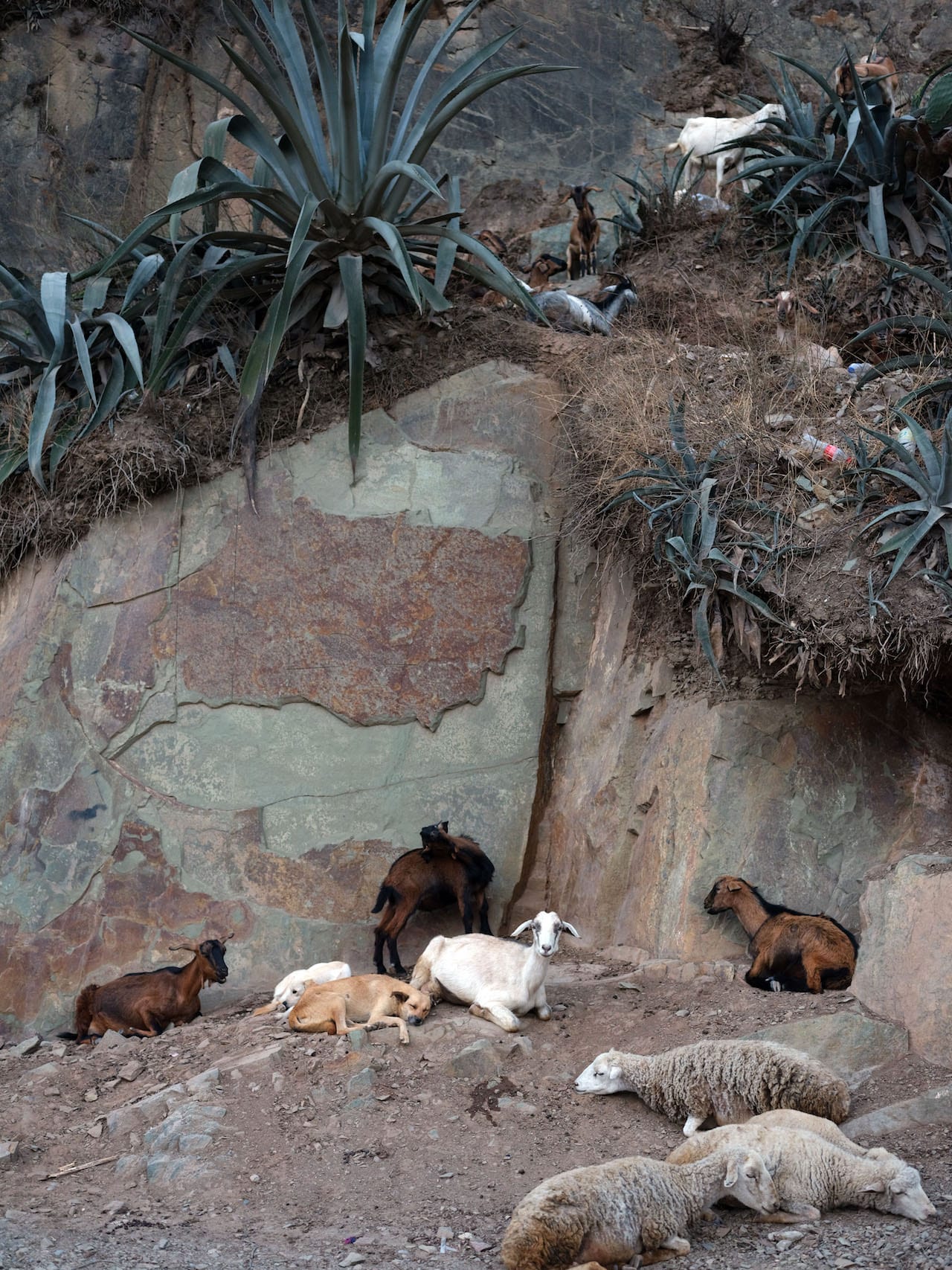
“For me home is a very difficult concept because I was born in Peru, but grew up in Spain and lived in America,” Moises Saman tells me over the phone from his current base – Tokyo, Japan. “At first I was confused because I’ve moved around so much in the past few years. So for this project, I took the opportunity as a way to trace back to where I was born.” Born in Lima in 1968, Moises Saman relocated to Barcelona, Spain with his family when he was just one year old. He spent a month travelling in Kosovo photographing the immediate aftermath of the last Balkan war; during his seven-year stint at Newsday as a staff photographer, he covered the fall out of the 9/11 attacks, and spent an extensive amount of time in Middle Eastern countries before becoming a freelance photographer.

14 May 2018