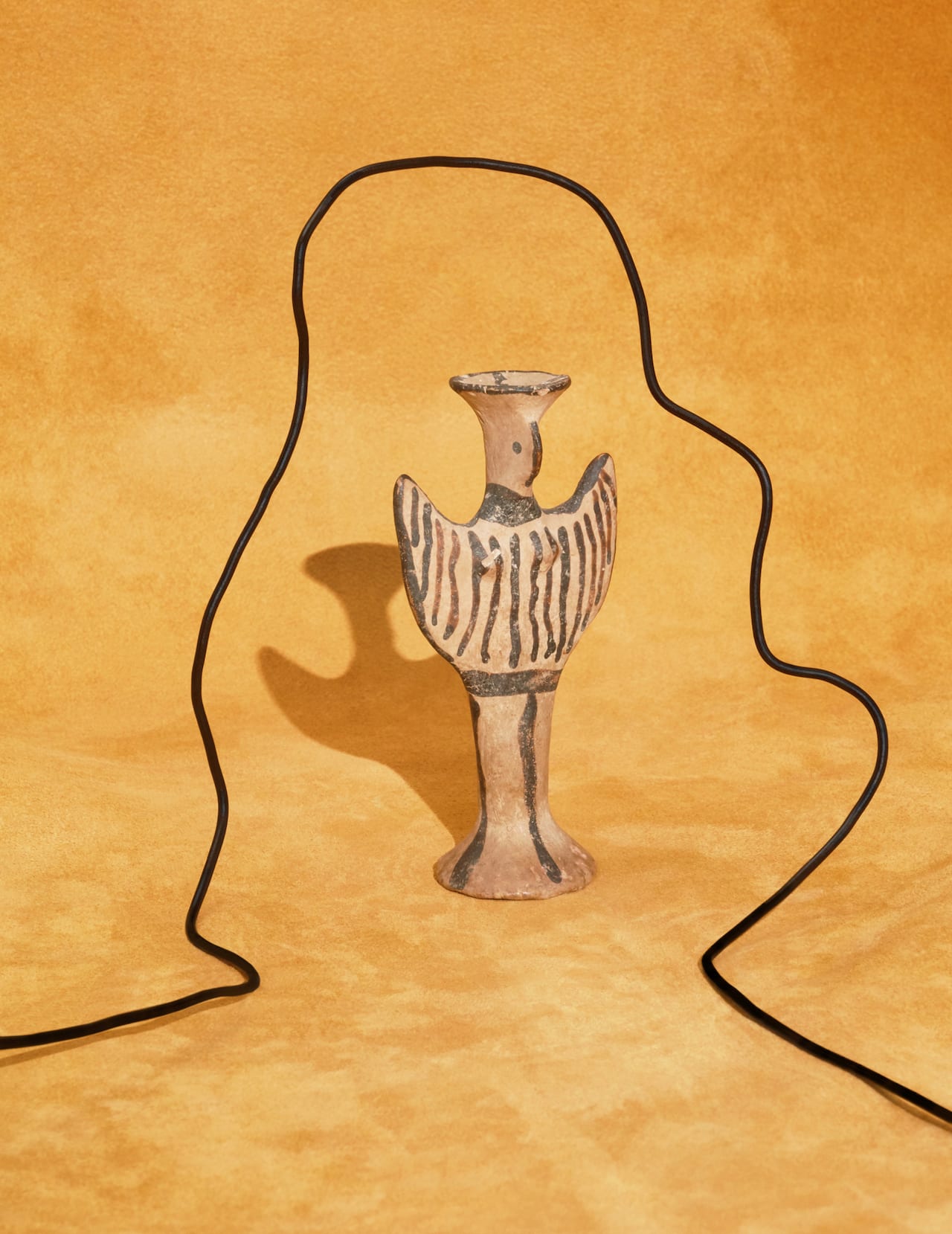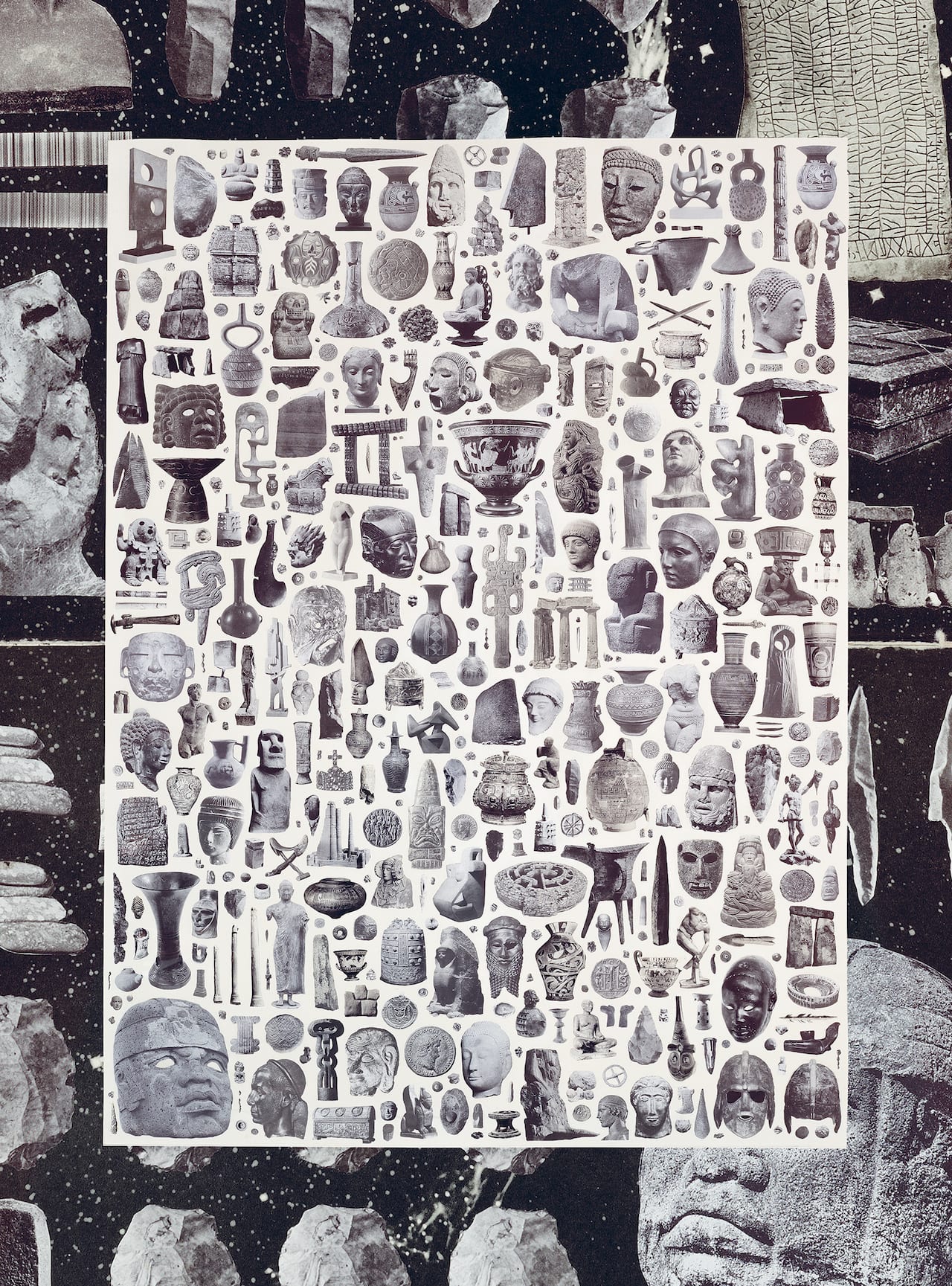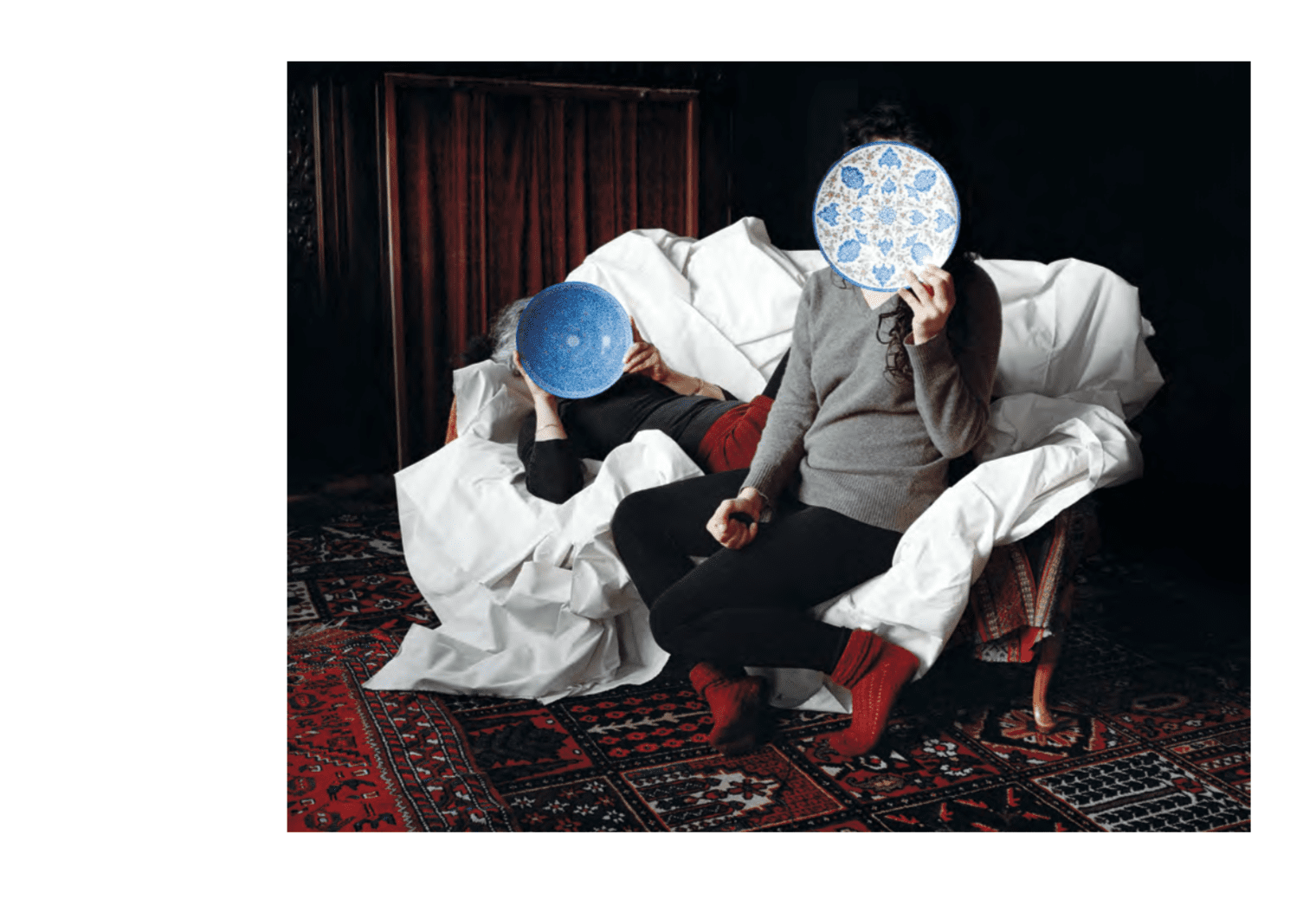

“I’m always picking things up and taking them home with me,” says Matthew Craven. “Just…
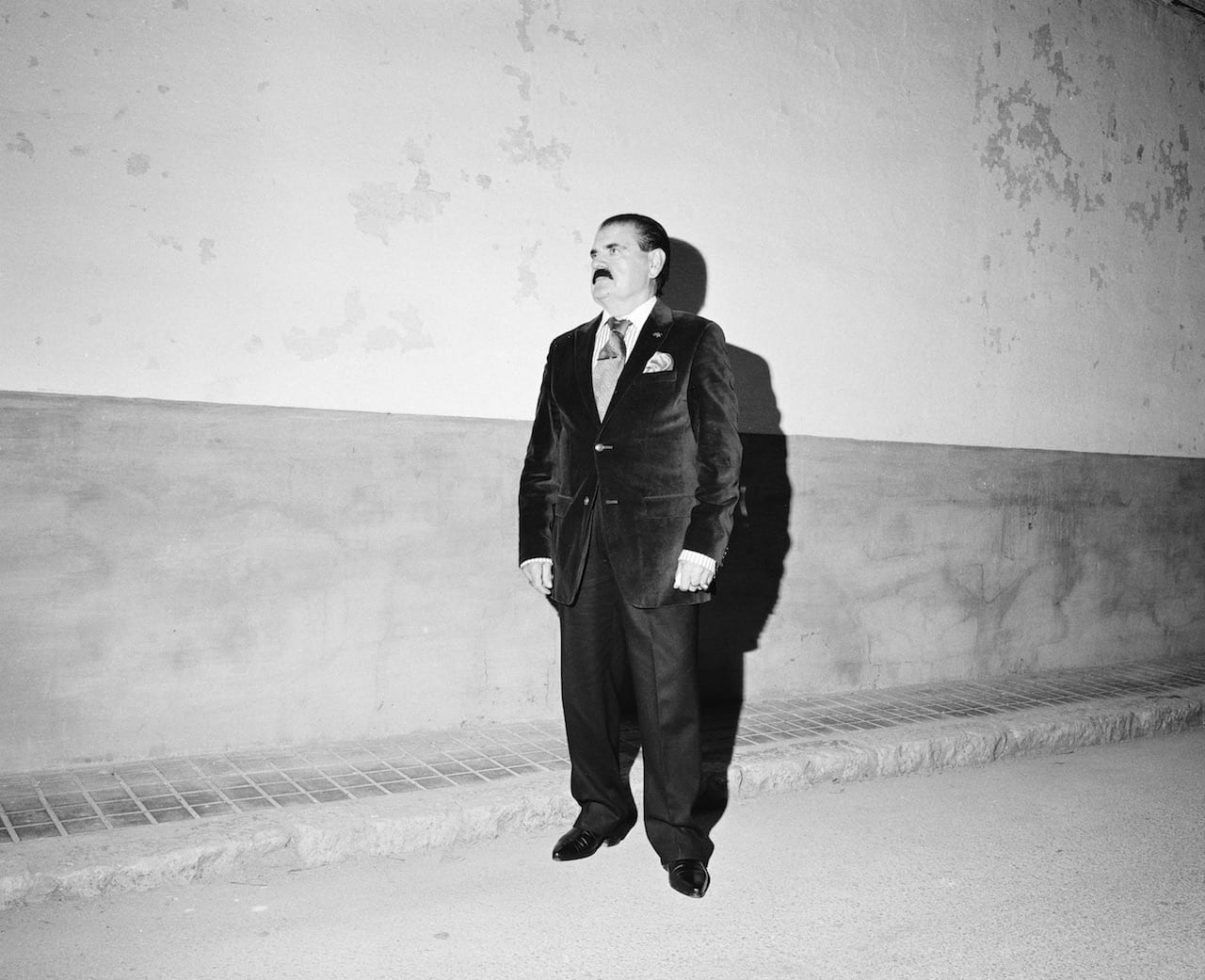
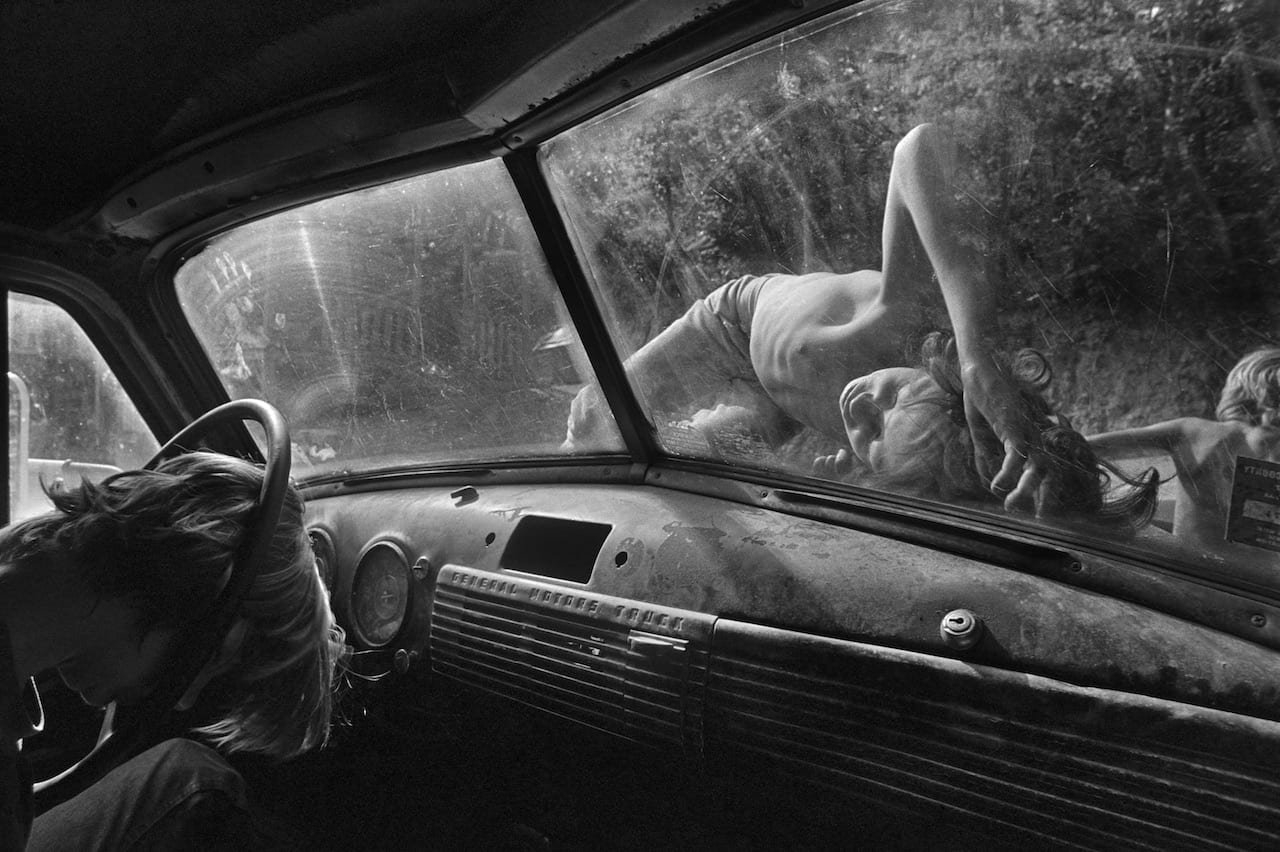
“You’re always looking for that time where everybody forgets you’re there and becomes themselves. Surprisingly, they do, sometimes to the detriment of what you knew about them,” says Eugene Richards, who has devoted his career to documenting social injustice in America, and injecting himself into intensely personal situations.
Richards’ style is up-close and unflinching, “ironically it’s the process of becoming as not there as you possibly can, if you hang around long enough people don’t care”, he says. Though his photography has been described as poetic and lyrical, he has never thought of himself as an artist. “I went in with some knowledge of photography, but mostly with the idea of providing information,” he says.
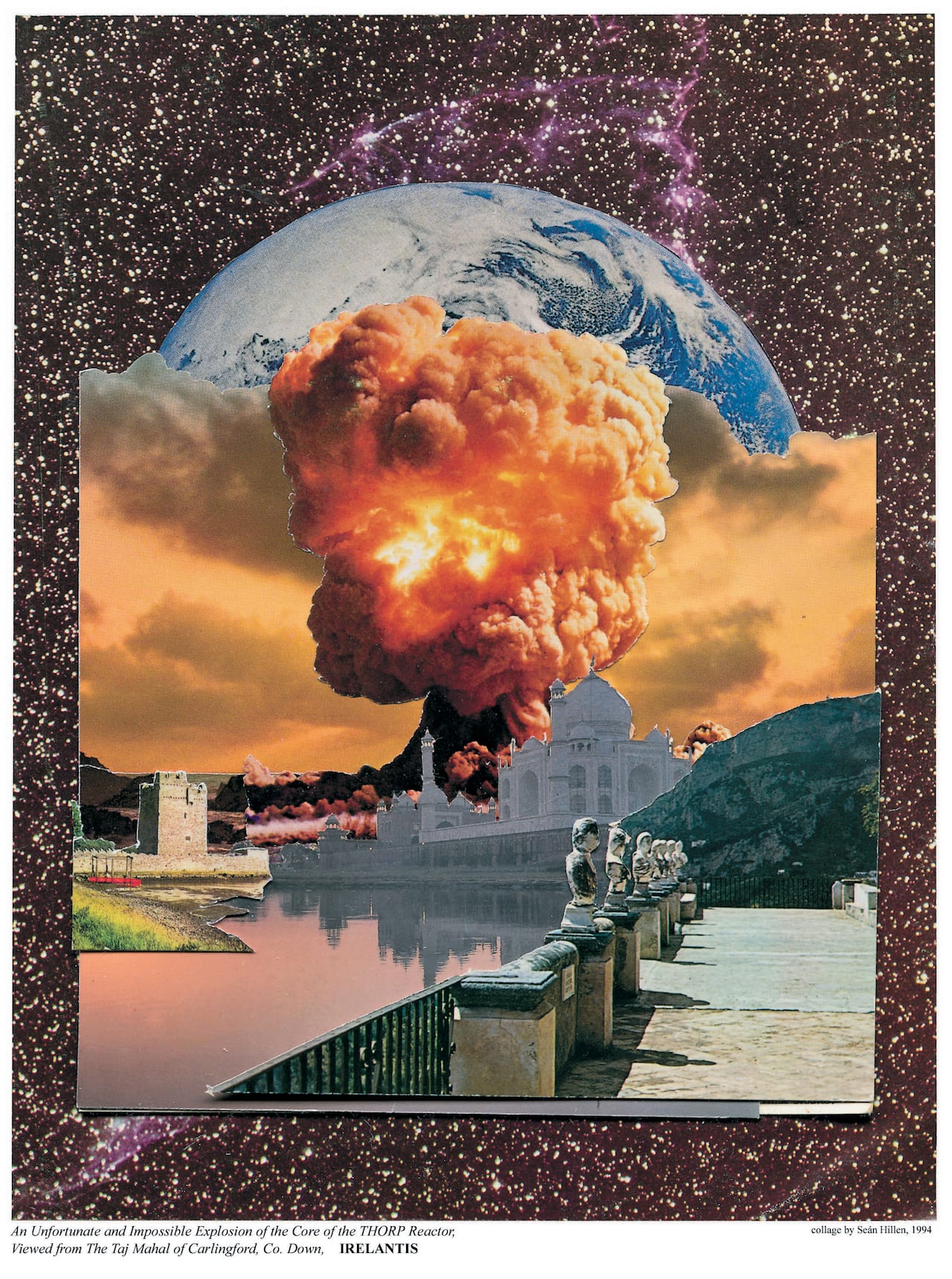
Before becoming a photographer, Sean Hillen was a tinkerer. As a young teenager, one of his favourite pastimes was to take apart his grandfather’s old cameras and then piece them back together again. It wasn’t long before he discovered that with a bit of tweaking he could fix a brand new 120 roll of film into an outmoded 620 camera. “I did that, I got them developed, and I was immediately addicted to photography”.
Hillen grew up through the Troubles in Newry, Northern Ireland, close to the border with the Republic of Ireland. “It was utter chaos,” he says. “I knew people who got killed, and I knew people who killed other people”. Hillen and his four siblings would lie awake in bed at night listening to gun battles, which were so frequent that they were able to distinguish between the sounds of different weapons.
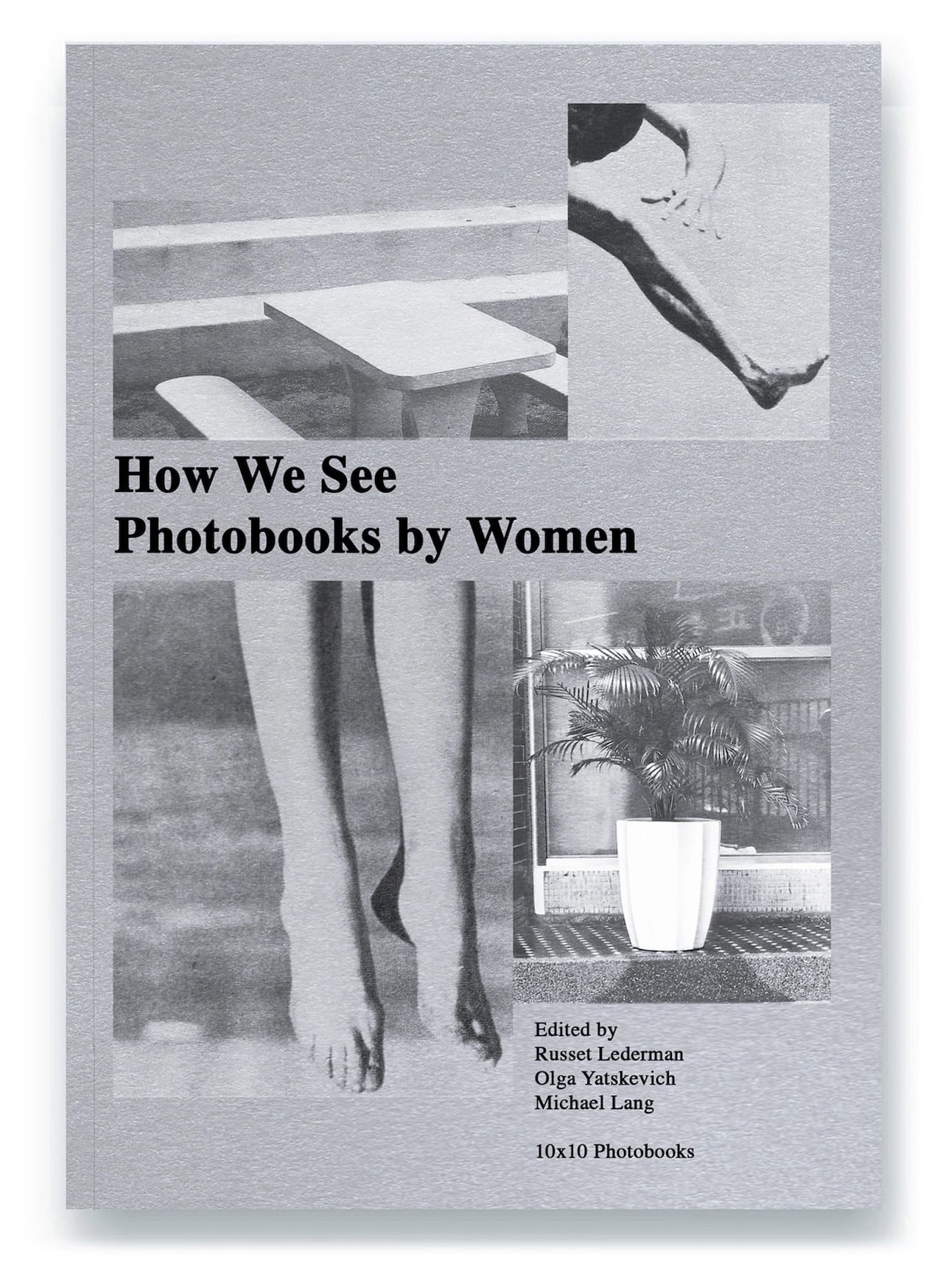
History confirms it – the first photobook was made by a woman, with British photographer Anna Atkins publishing Photographs of British Algae: Cyanotype Impressions in 1843, a year before Henry Fox Talbot’s The Pencil of Nature. Still, many historians, including Allan Porter in his introduction to The Photobook: A History, dismiss Atkins’ work as “photographic prints” rather than photography.
“Unfortunately, this is far too often emblematic of the uphill battle women photobook-makers still encounter when we talk about their history,” says Russet Lederman, co-founder of 10×10 Photobooks. “As we conducted research for the How We See project, we discovered that although women photographers produce relatively equal numbers of photobooks to men, their representation in the higher-profile sectors was, and still is, disappointing.”
Only a small percentage of the 400 books that Ben Krewinkel has collected and featured on his website, Africa in the Photobook, are actually African. Many are historical publications, political pamphlets, or children’s books, written, photographed, and published by Europeans – including old colonial texts, which seem to obsess over hairstyles and traditions of scarification. Even the books by contemporary African photographers are mostly published in the West. As a collection that covers more than a century from 1897 to 2018, Africa in the Photobook follows the changing visual representations of the continent through the medium of the photobook – and soon it too will be transformed into a series of photobooks.
Krewinkel, a Dutch photographer, curator, and educator, is working with South African publishers Fourthwall Books on this series, and hopes to publish volume I by the end of 2019. Focusing on Africa under colonialism, it will include a long historical introduction, 40 case studies, and plenty of space to show large spreads from the books. Volume II will sketch a path from the beginnings of decolonisation in the 1950s to the late 1990s, marking the end of Apartheid and also the “re-evaluation of African photography”. Krewinkel then hopes to create a third volume, focusing on contemporary African photo books.
Founded in 2015 by Chinese photographer RongRong (who also also founded China’s first photography museum, Three Shadows Photography Art Centre) with Sam Stourdzé, director of Rencontres d’Arles, the Jimei x Arles International Photo Festival is the biggest of its kind in China. It returns this November with 30 exhibitions by over 70 artists, including shows brought over from Arles and exhibitions devoted to emerging Chinese image-makers.
The Jimei x Arles Discovery Award nominees features work by ten new Chinese photographers, for example – with one image-maker selected from the show to win 200,000 RMB plus a place in Arles’ prestigious Discovery Awards. This year the nominees are: Coca Dai (1976), Hu Wei (1989), Lei Lei (1985), Pixy Liao (1979), Lau Wai (1982), Shao Ruilu (1993), Shen Wei (1977), Su Jiehao (1988), Wong Wingsang (1990), and Yang Wenbin (1996)
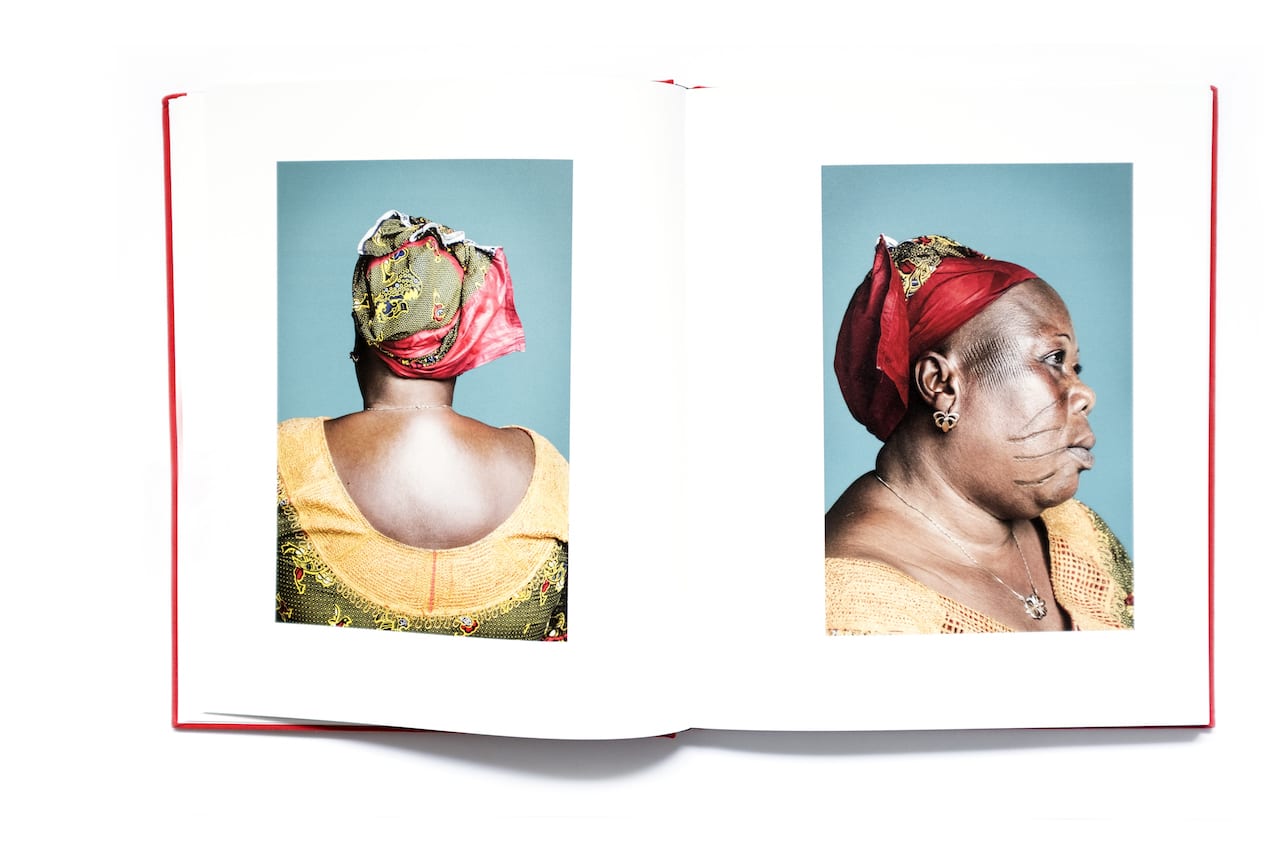
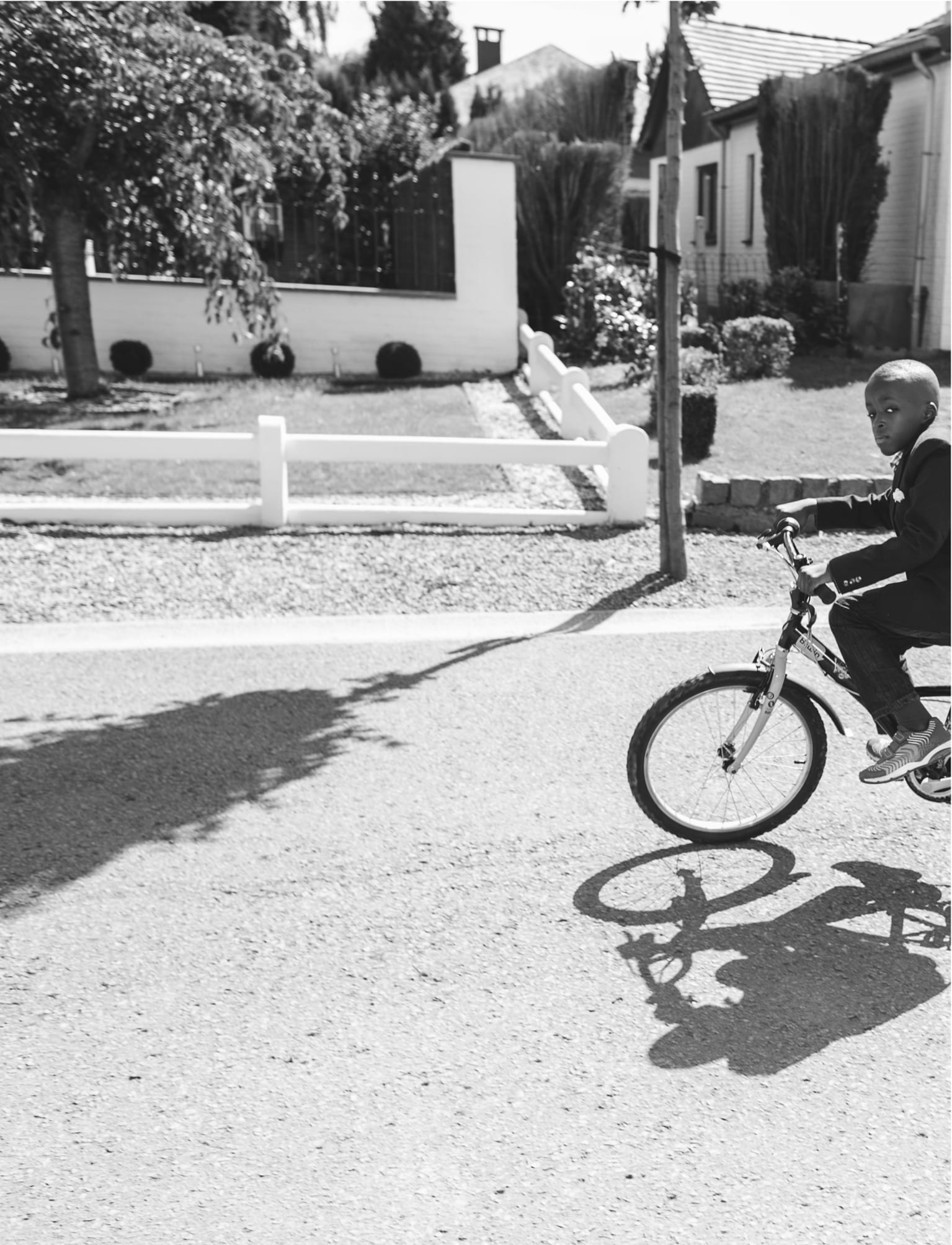
Brussels-based photographer Rebecca Fertinel has won the Unseen Dummy Award with her book Ubuntu. The book was shot in a Congolese community in Belgium, which Fertinel first visited in August 2015, when she was invited to a wedding by a friend. Whilst there she was introduced to a warm and friendly society, and the concept of “ubuntu” – the idea that “you become a human being by connecting with everything and everyone”.
The judges were particularly impressed with the editing of Fertinel’s book proposal which, they say, “transforms documentary photography into an unexpected narrative flow of community events”. The images move from one party to another party to a funeral, for example, the latter creating “a kind of breaking point” in the middle of the book, creating “a kind of dance where you don’t know what comes after”, and thereby summing up something about life.
Last week, a group of Croatia’s leading cultural pioneers welcomed the 10th jubilee edition of…