

“Kalidou is 23-years-old and is going blind. I could really see his pain and frustration. Some days, if the sun was too bright, he would not even be able to go outside”
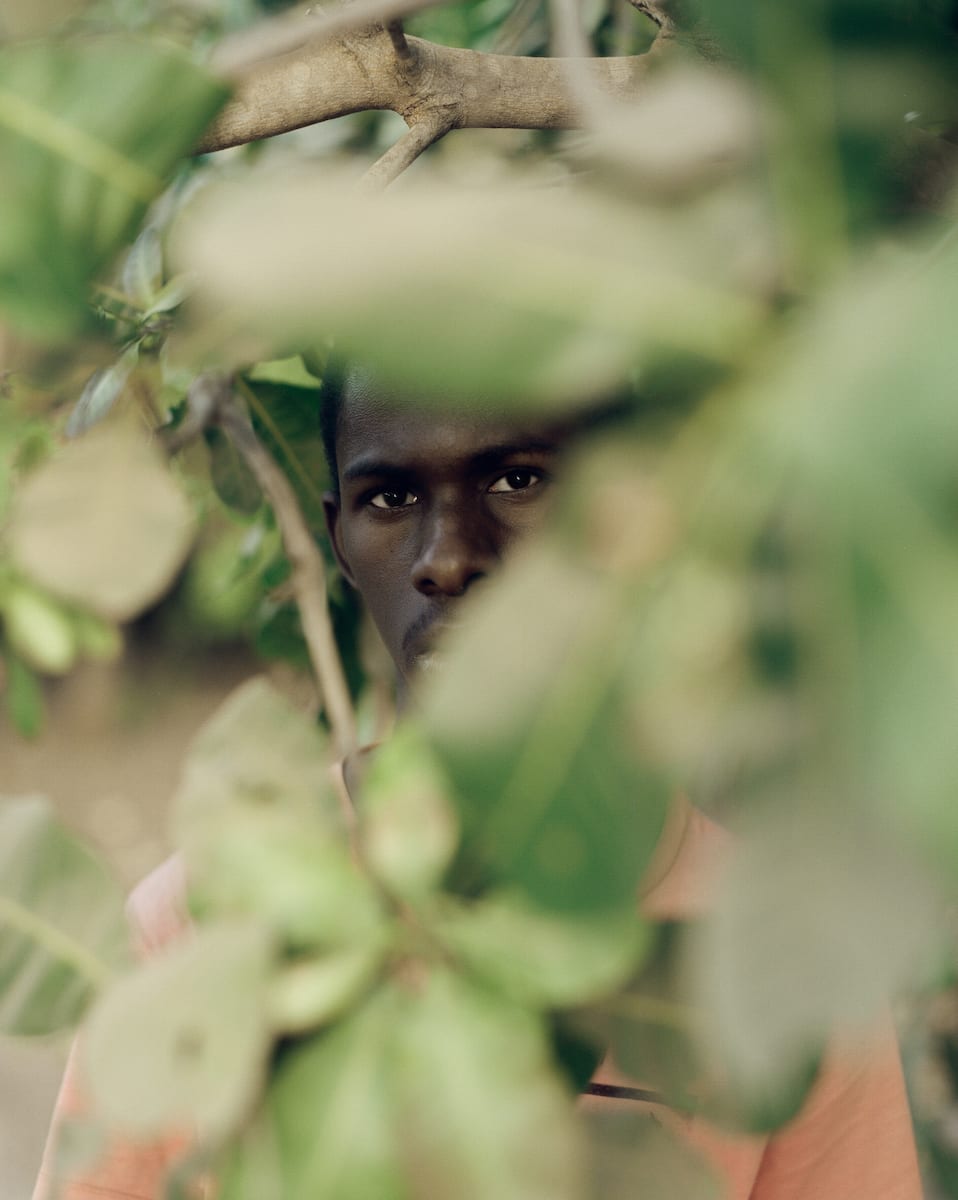
“Kalidou is 23-years-old and is going blind. I could really see his pain and frustration. Some days, if the sun was too bright, he would not even be able to go outside”
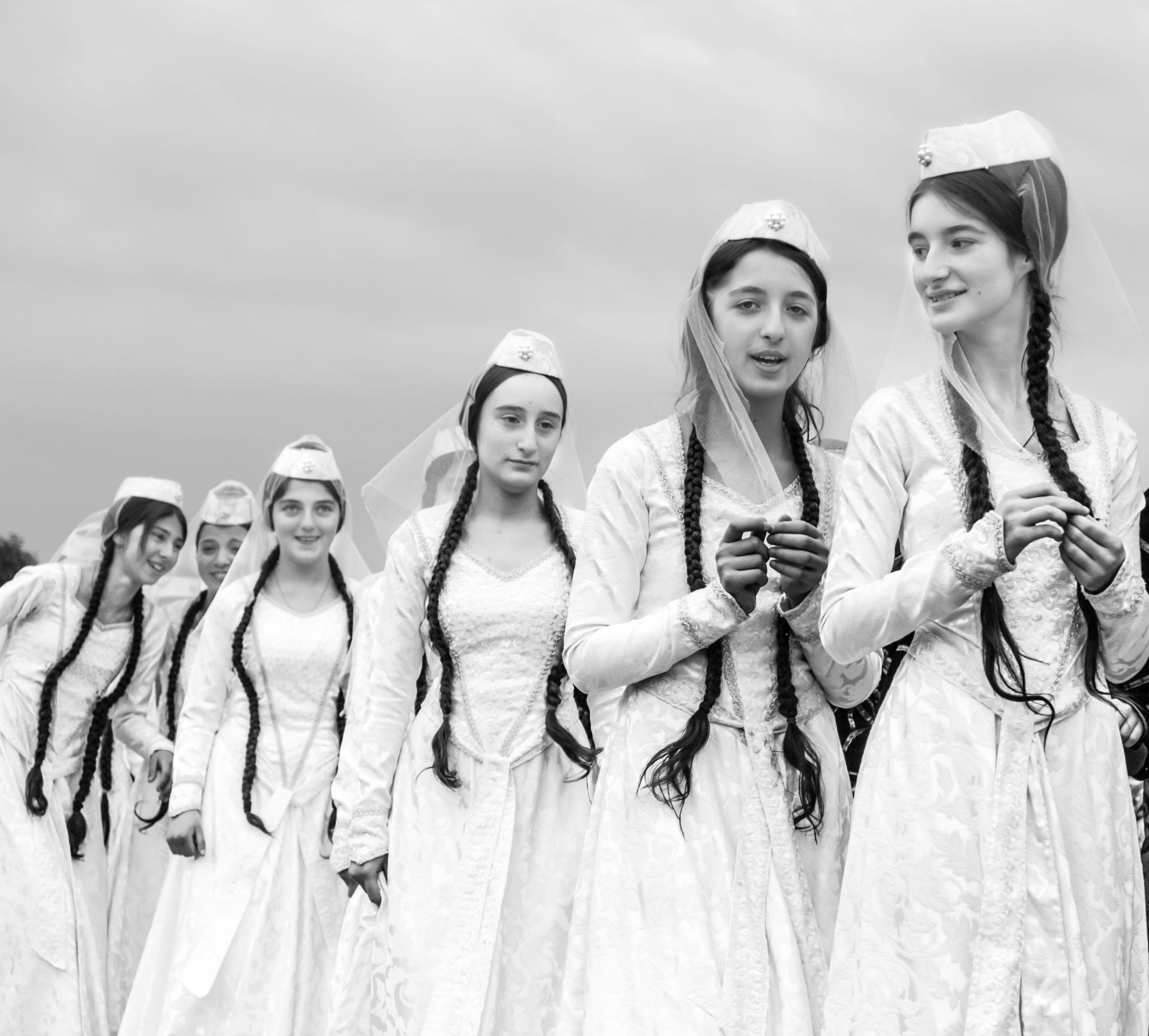
Our followers voted Iranian photographer Hossein Fardinfard’s image as their favourite of the recent Guardian…
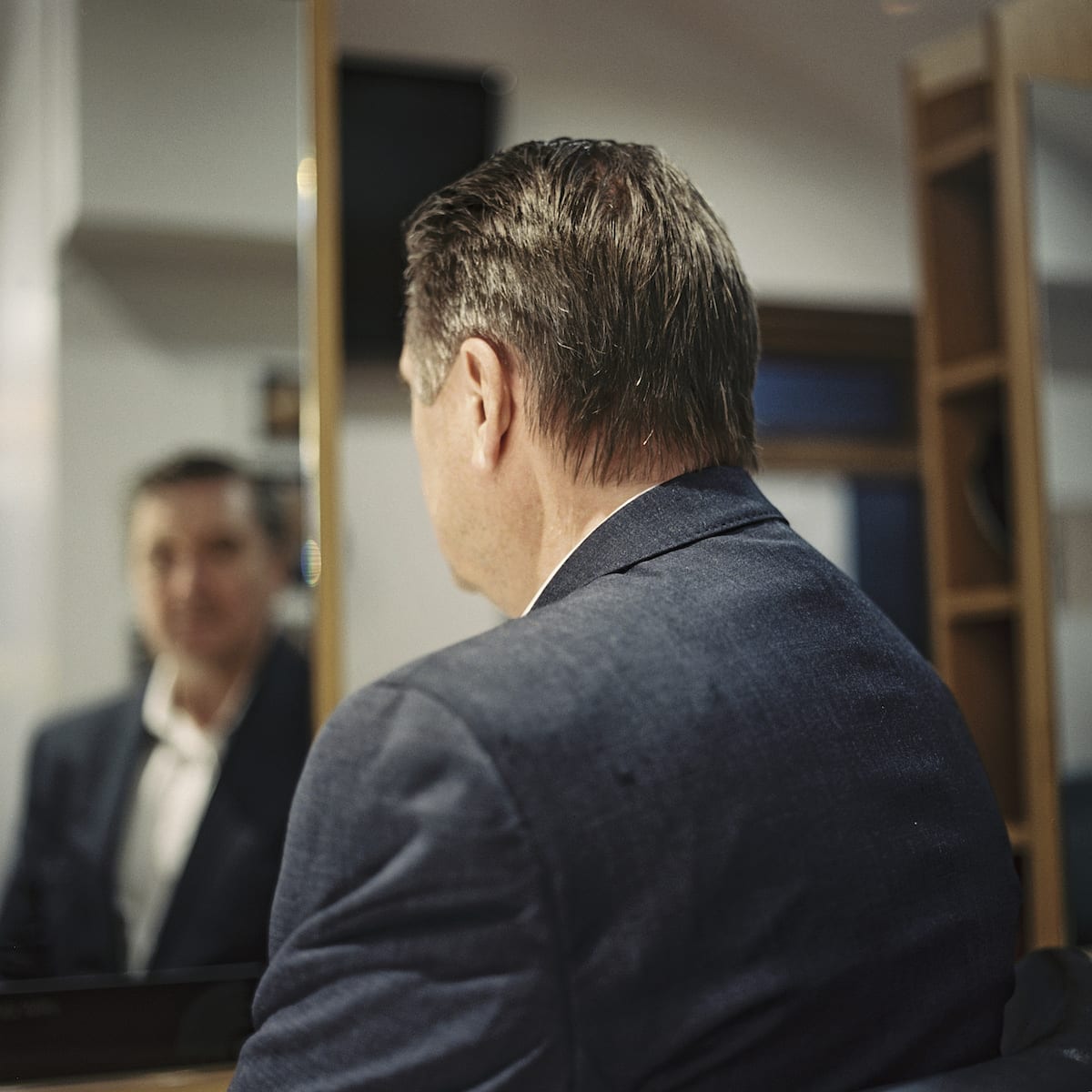
Rhiannon Adam investigates the UK fracking debate. Her work sheds light on the stories of individuals both for and against the contentious practice
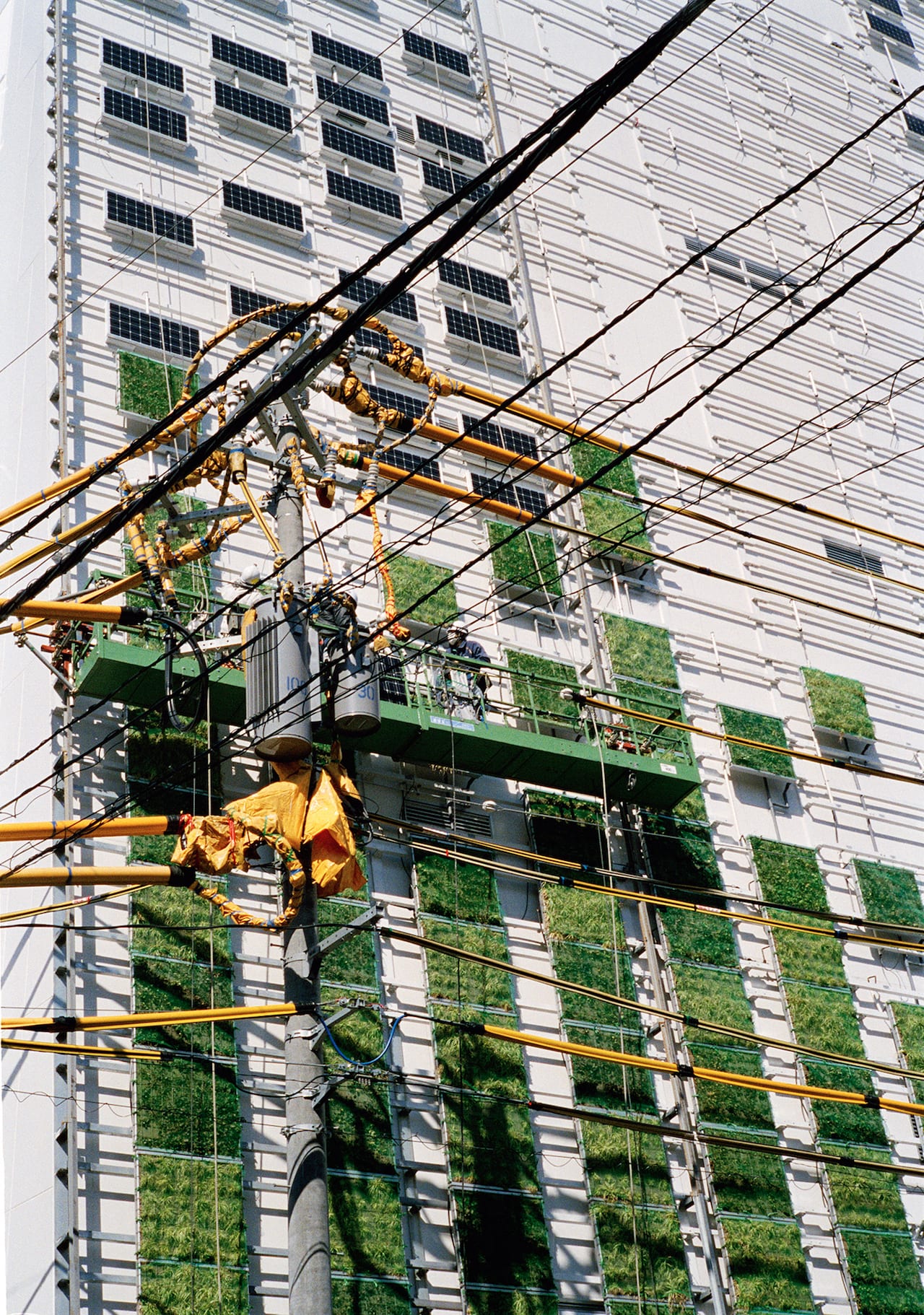
“I felt like I was always playing the same cards. With this project, I wanted to collect the cards and reshuffle them,” says José Pedro Cortes, whose latest book, A Necessary Realism, proposes new ways of seeing old images, gathered from almost 15 years of work and presented in his favourite medium, the photobook.
“The book is always an important moment for me,” says the Portuguese photographer, who is co-founder of the publishing Pierre von Kleist. “They are a mirror into the time I am living in, where I looked for a while in the same area.
“I wanted to fill in the gaps,” he adds. “By trying to break from this idea that images have a connection to a specific geography, and also a specific time, I wanted to take a different look at my archive, as if it were something new.”
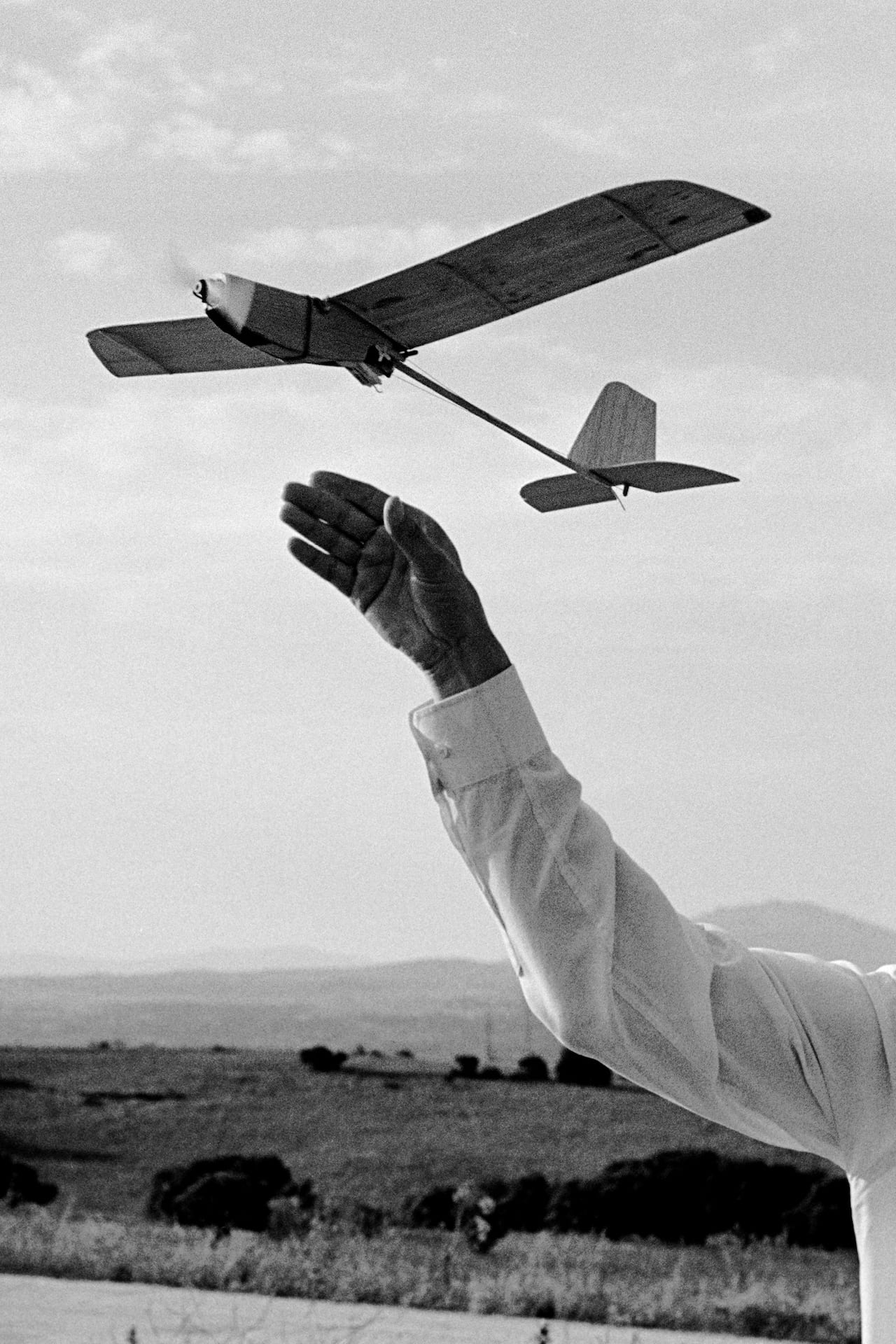
“It was a moment where I could step out of my ordinary and rather boring existence, and shape it into something different,” says Federico Clavarino, who’s photographs from his foundational years at Blank Paper in Madrid are now published as a book
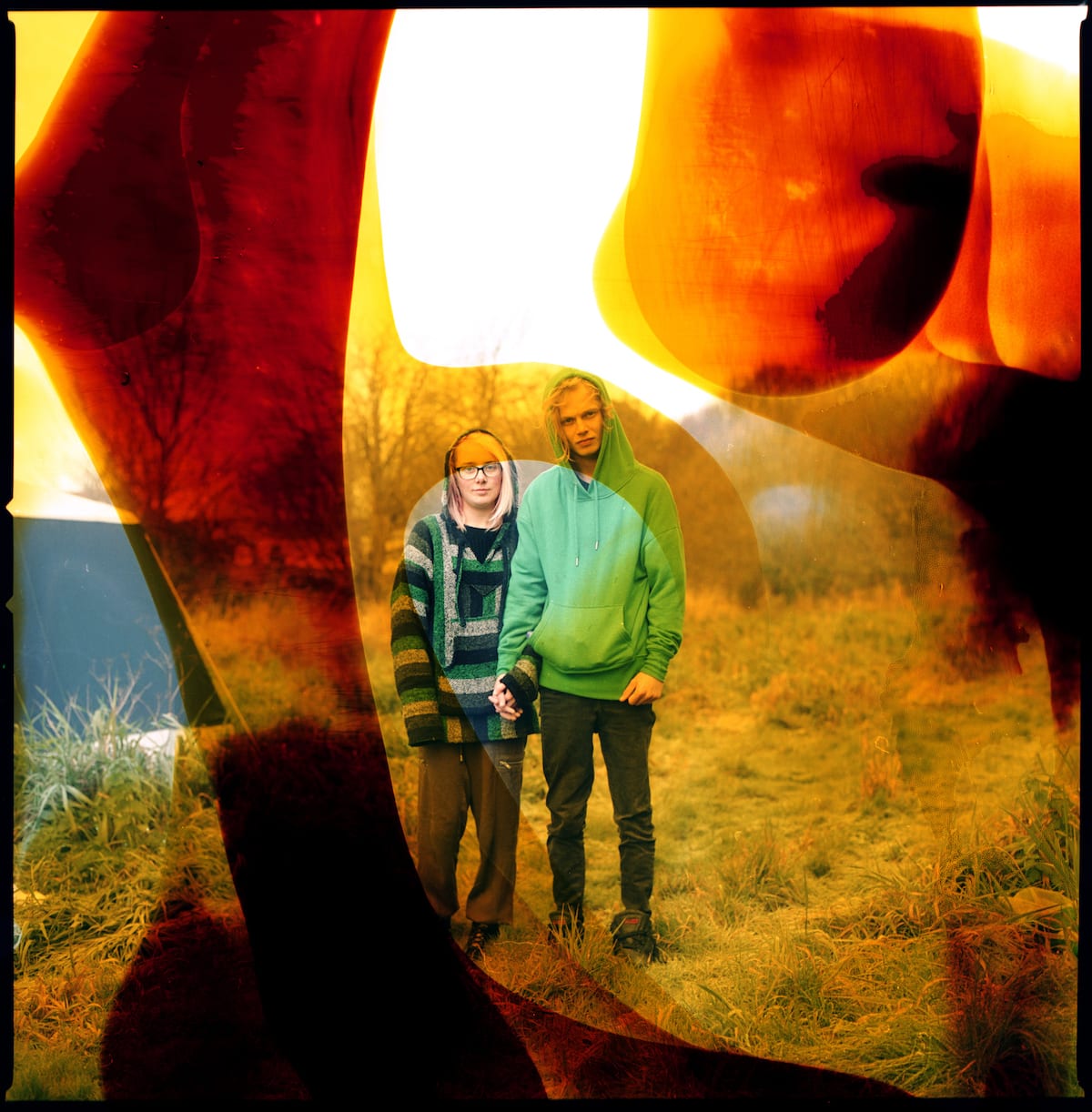
Rhiannon Adam spent four months immersed in the UK fracking debate. Her intimate portraits offer a glimpse into life on the frontline of the fracking resistance
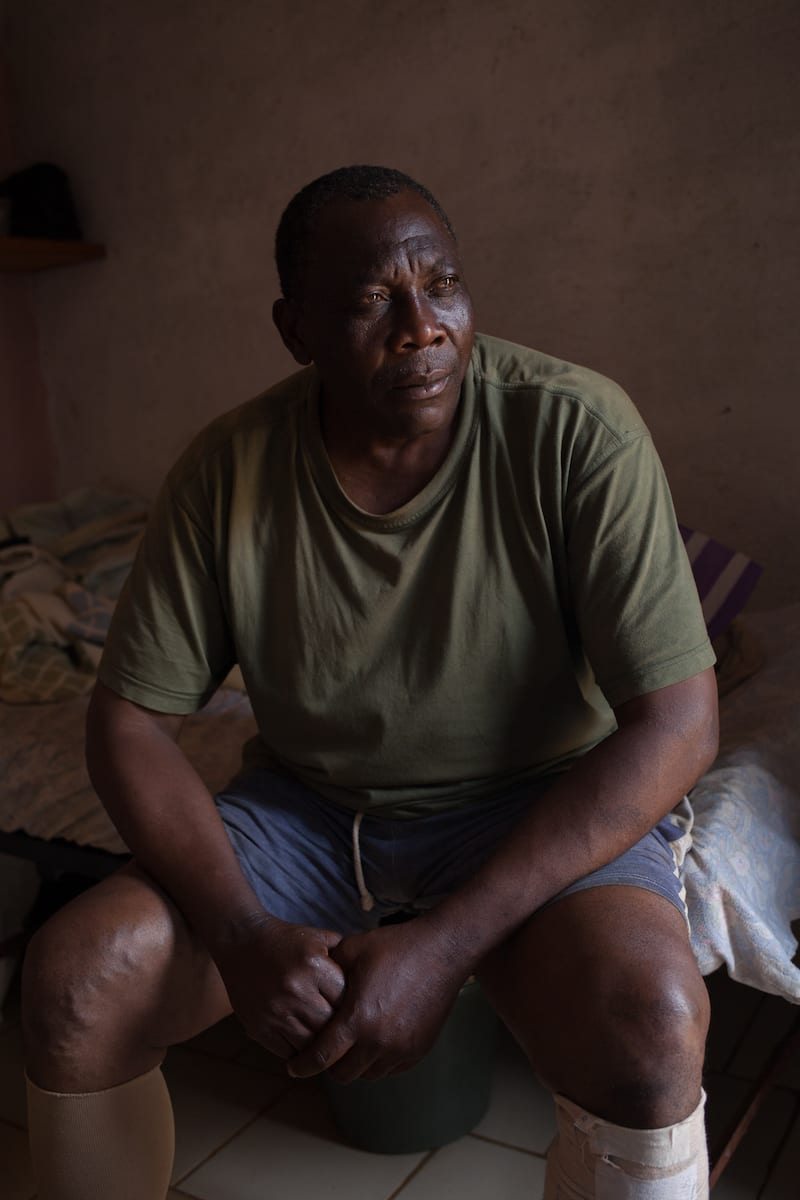
Adrienne Surprenant’s portraits of patients at a wound hospital in western Cameroon seek to remove the stigma of chronic wounds
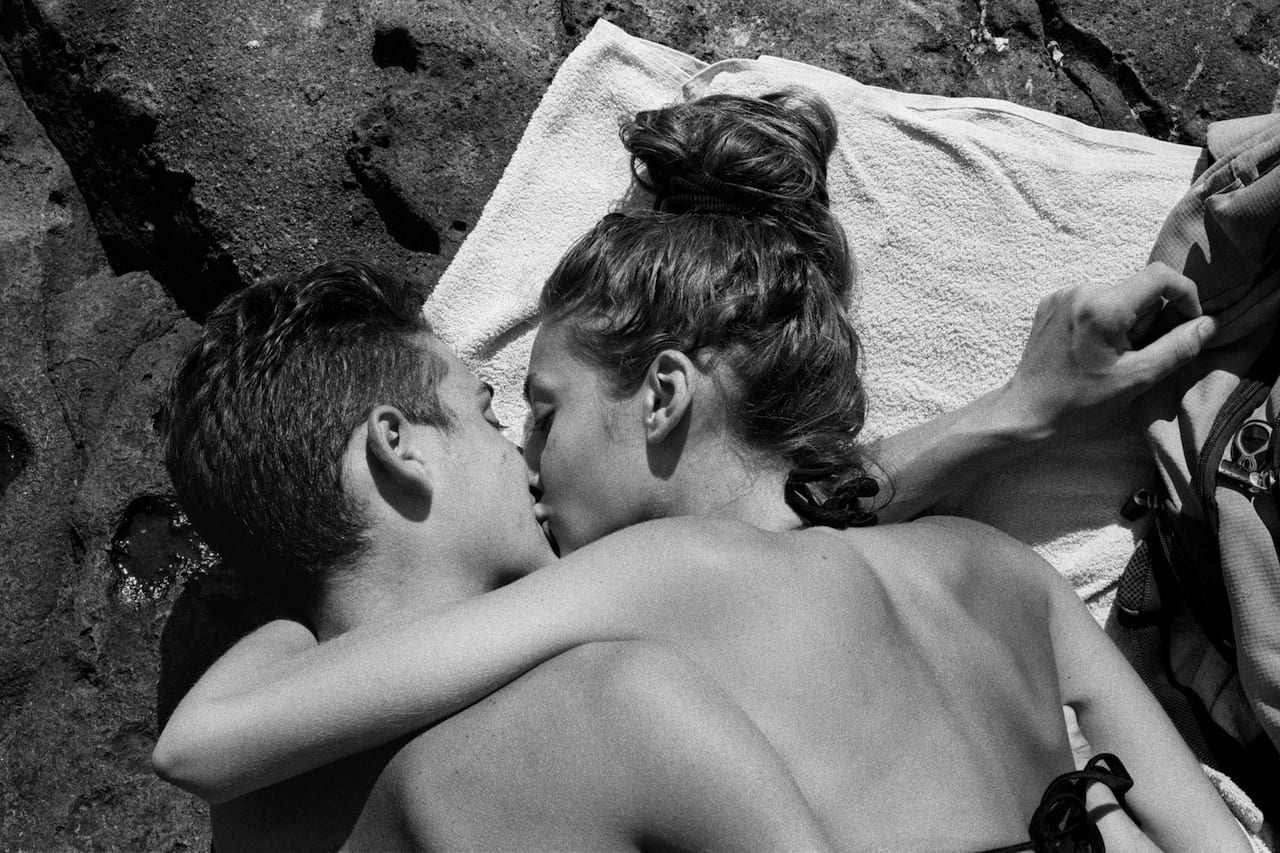
As a medical student specialising in youth and cognitive neuroscience, Claudio Majorana is not a typical documentary photographer. Having grown up with a mother in fine arts and a father in medicine, his attraction to the symbiosis between art and science was initiated at a young age, and his interest in photography – an artistic medium rooted in scientific process – came to him naturally. “Throughout my childhood, I spent tiSme painting in my mother’s atelier, or helping my father develop X-rays in his radiology darkroom. That’s where my interest in images began,” he reflects.
When Majorana was accepted into medical school at 19, he also began photographing voraciously. In the summer of 2011, he encountered a group of kids in the suburbs of Catania, his hometown in Sicily, and began documenting moments in their daily life, rooted in skateboarding culture and the general struggles and raucous habits that colour adolescent life. The result is his series, Head of the Lion.
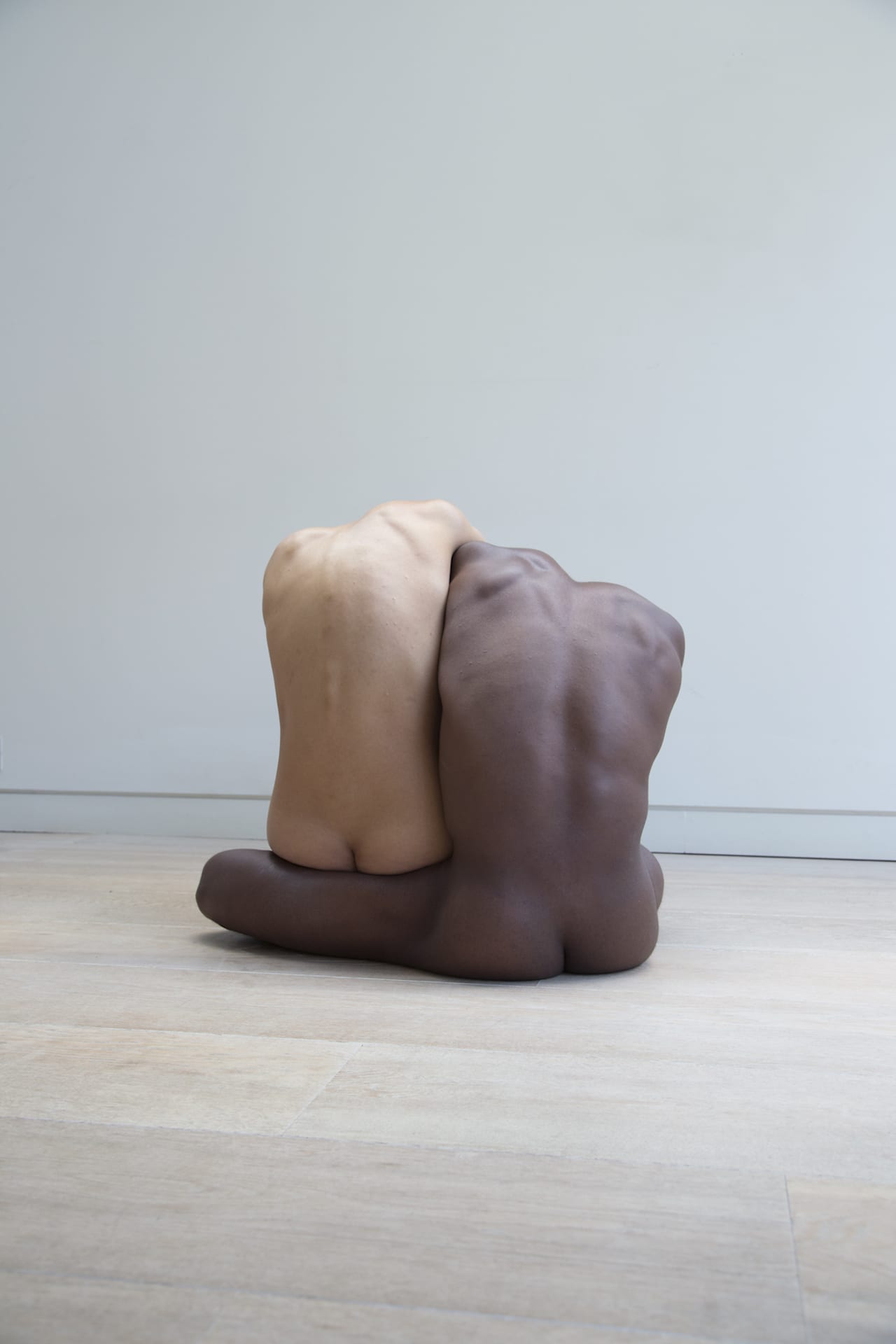
The people in Chloe Rosser’s anonymous human sculptures are sometimes friends or couples, but mostly, they are strangers. They twist, bend, and stretch, before they eventually lock, morphing into curious, intimate, and sometimes grotesque figurines.
“Photography is the only medium which allows me to sculpt with human flesh,” says Rosser, “the human body is the most intimately familiar thing to us. Seeing it in these strange poses affects you deeper than if you were to see a sculpture because it’s real, and you can imagine being it, and feeling what it feels.”
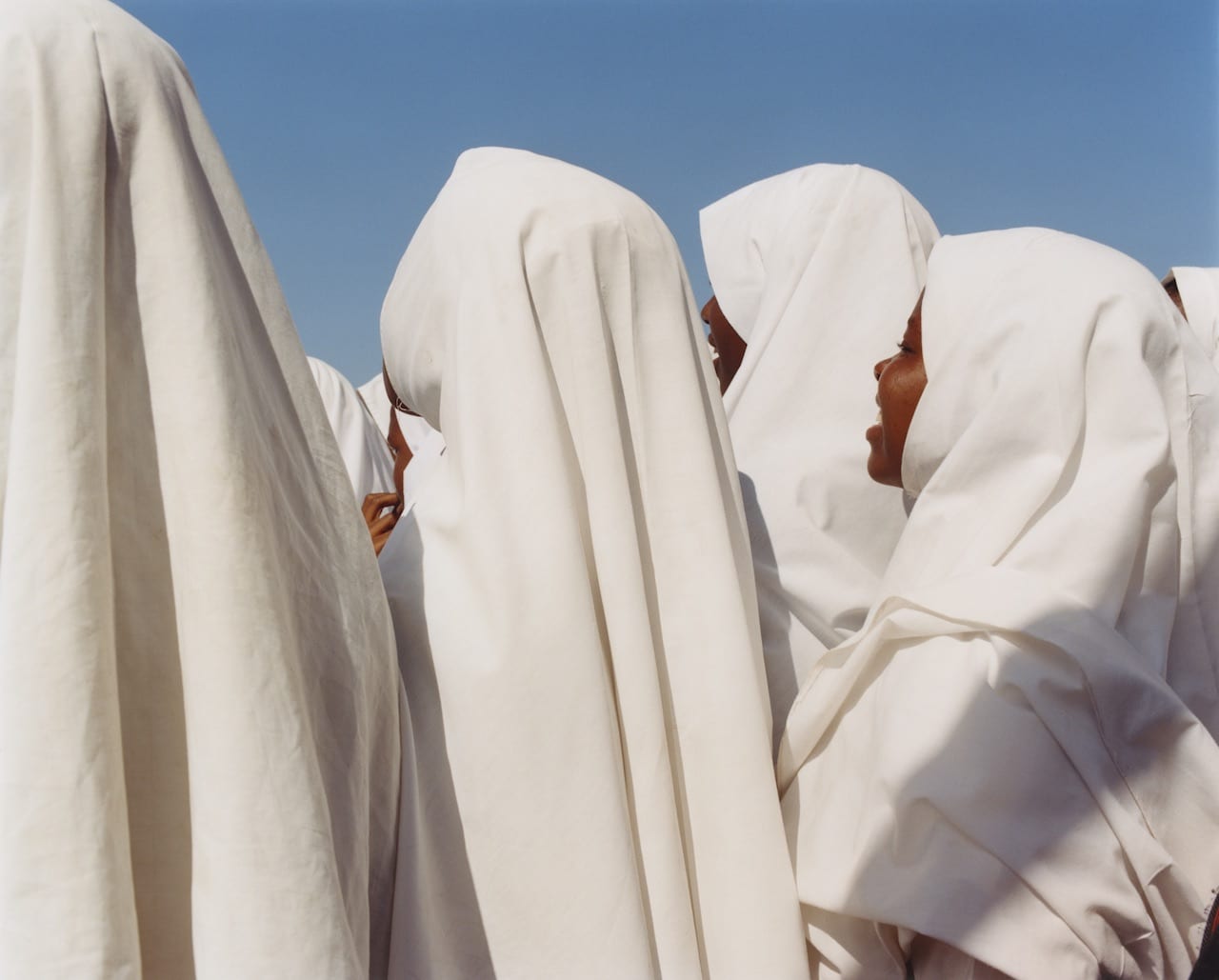
In 2010, when BJP first came across Jamie Hawkesworth, he’d just been shooting in Preston Bus Station along with Adam Murray and Robert Parkinson from the Preston is my Paris zine. Picking out passersby who caught his eye in the rundown but celebrated Brutalist transport hub, Hawkesworth’s images were published in a free newspaper and given to the disadvantaged teenagers who used the buses. They helped save the bus station from demolition, but they also helped launch a stellar career, with Hawkesworth signing up with the prestigious London agency MAP soon afterwards.
Fast-forward to 2018 and Hawkesworth is a celebrated fashion photographer, who’s shot ad campaigns for Alexander McQueen and Marni, and editorial for publications such as Vogue Italia, W, and Purple. He’s also got an exhibition on show in London, a blue painted fence, which shows off his film, drawings, and writing, as well as new photographs from Kenya, Louisiana and Romania. Despite his success he’s still very much the same man BJP first met eight years ago, down-to-earth and modest, with a refreshingly breezy approach to his many talents.
Of his drawings, for example, he says it’s just a case of “having room to get out there and explore, of being open to chance”. “I found myself giving it a try, thinking ‘Oh I’ll just try some charcoal’, and it went from there,” he says. “The great thing about charcoal is it’s easy to get it on [the paper] and see where energy takes you.”