

“No one in the UK has ever pulled a face when I tell them where I am from and I’ve never experienced homophobic abuse. I doubt that would be the case if I was in Bulgaria”
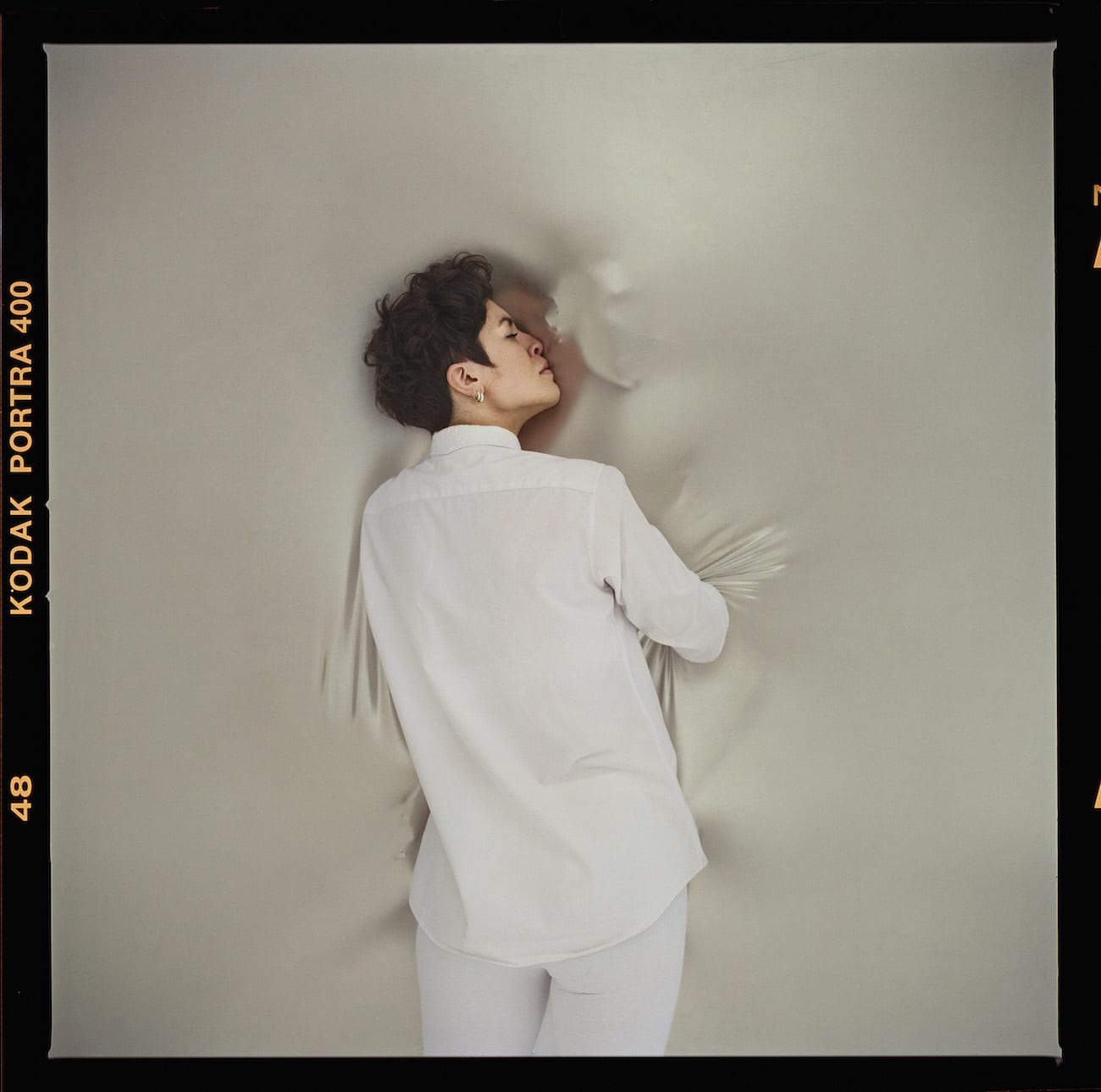
“No one in the UK has ever pulled a face when I tell them where I am from and I’ve never experienced homophobic abuse. I doubt that would be the case if I was in Bulgaria”
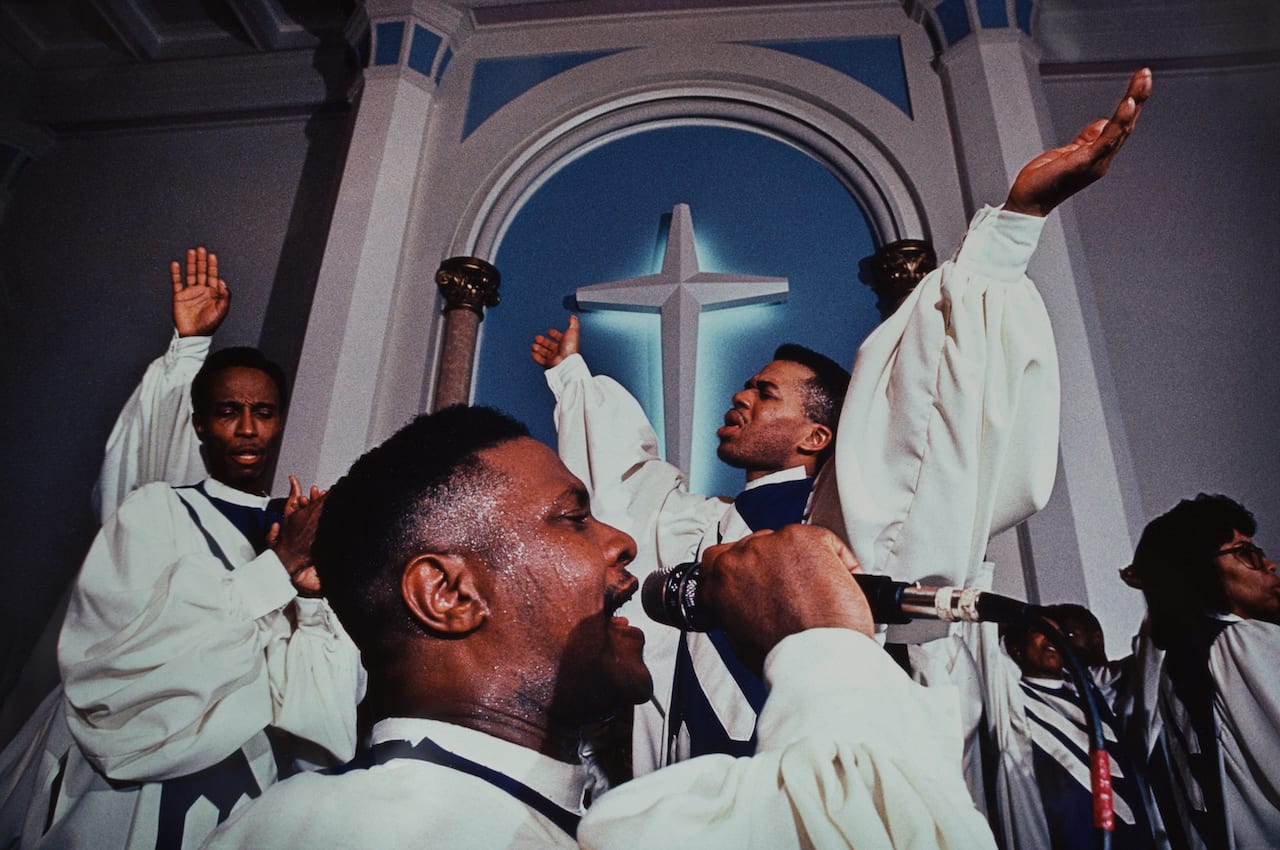
“I never had trouble walking up to people and asking them to take their picture,” photographer Arlene Gottfried (1950-2017) told The Guardian in 2014. Largely unknown to the public for the majority of her career, it was her black-and-white photographs of New York in the 1970s-80s that first sparked an interest in her work. Looking at them, it’s clear that Gottfried had a way with people as well as with images. “Arlene had a way of looking at the world with curiosity and love that was distinctly her own,” says Daniel Cooney, who runs a gallery of the same name currently showing Gottfried’s work.
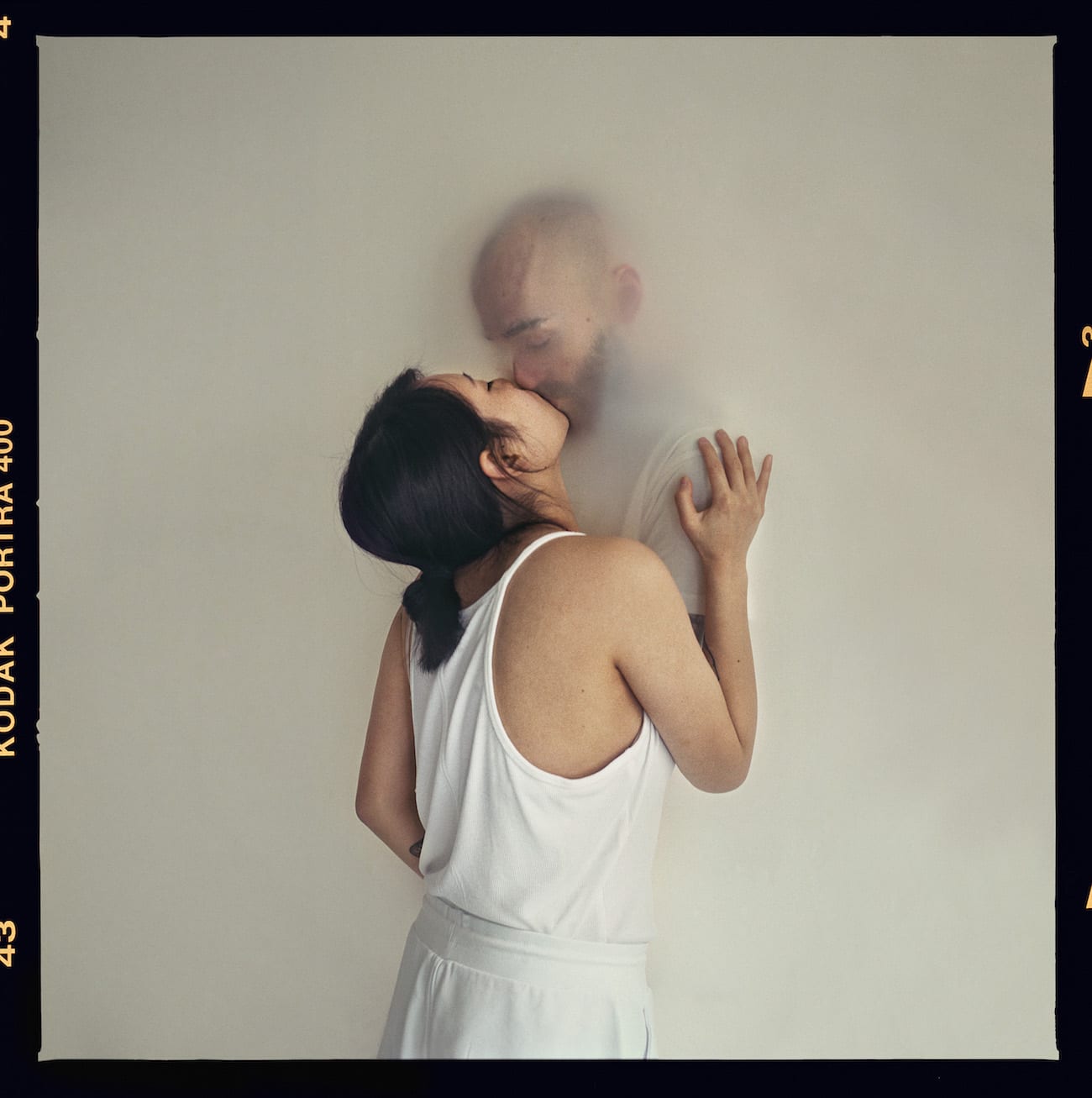
“When Brexit happened, I took it personally. I come from an immigrant family and had been exposed to racism and stereotyping throughout my childhood. After the Brexit vote, I felt that same feeling I had felt as a kid”
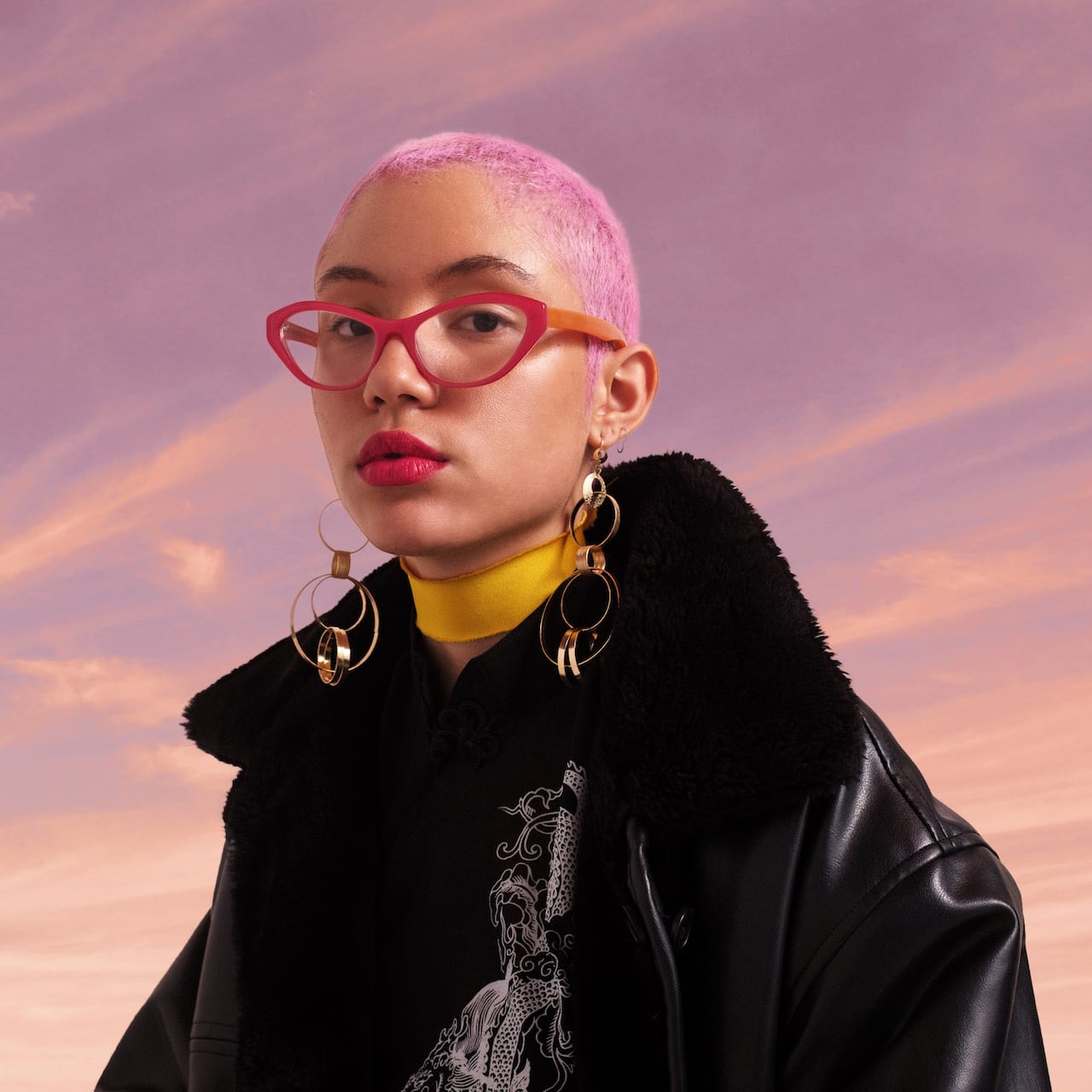
Based in Lagos, Nigeria, A Whitespace Creative Agency is in the business of “creating narratives…
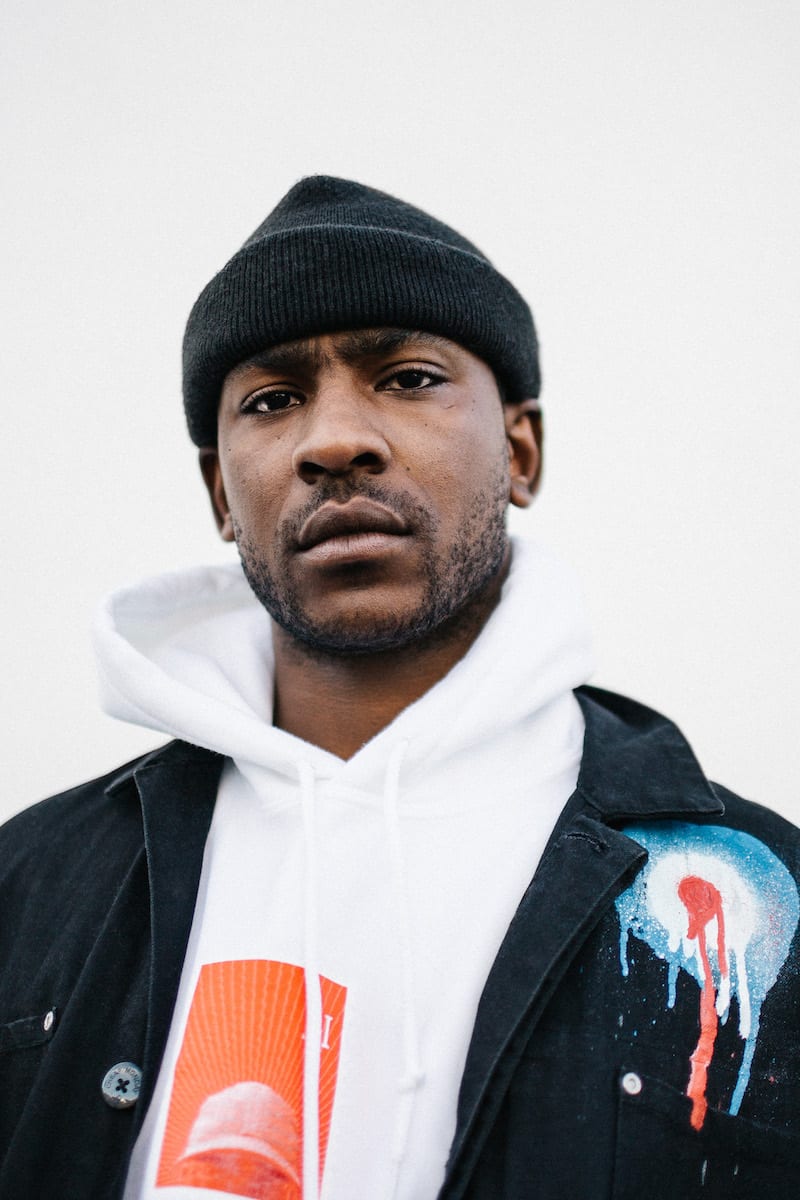
“The media still love to use grime as a buzzword but drag down the artists that keep it going”
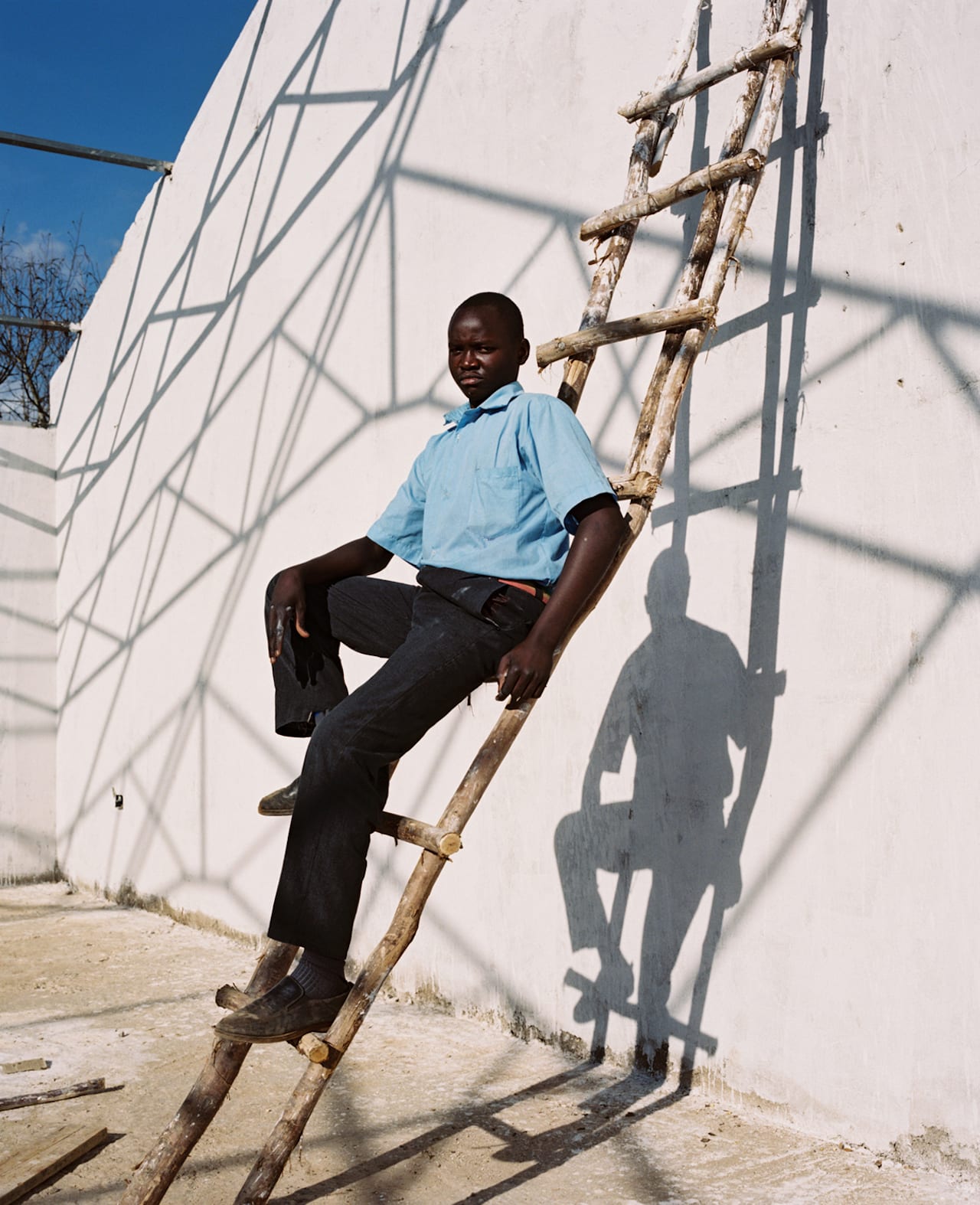
“Human life at its most basic level needs water to survive. It’s tragic that too much of the world does not have access to a sustainable source of water in order to survive, never mind live,” says photographer Sophie Green of her work with Just a Drop, a charity providing access to sustainable clean water solutions in Kenya. Born in the UK and best-known for exploring facets of British culture such as drag racing and horse fairs, Green isn’t an obvious choice for the charity. But Just a Drop approached her because they were drawn to her aesthetic, she says – and, she points out, she’s spent the last two years documenting African culture in Britain.
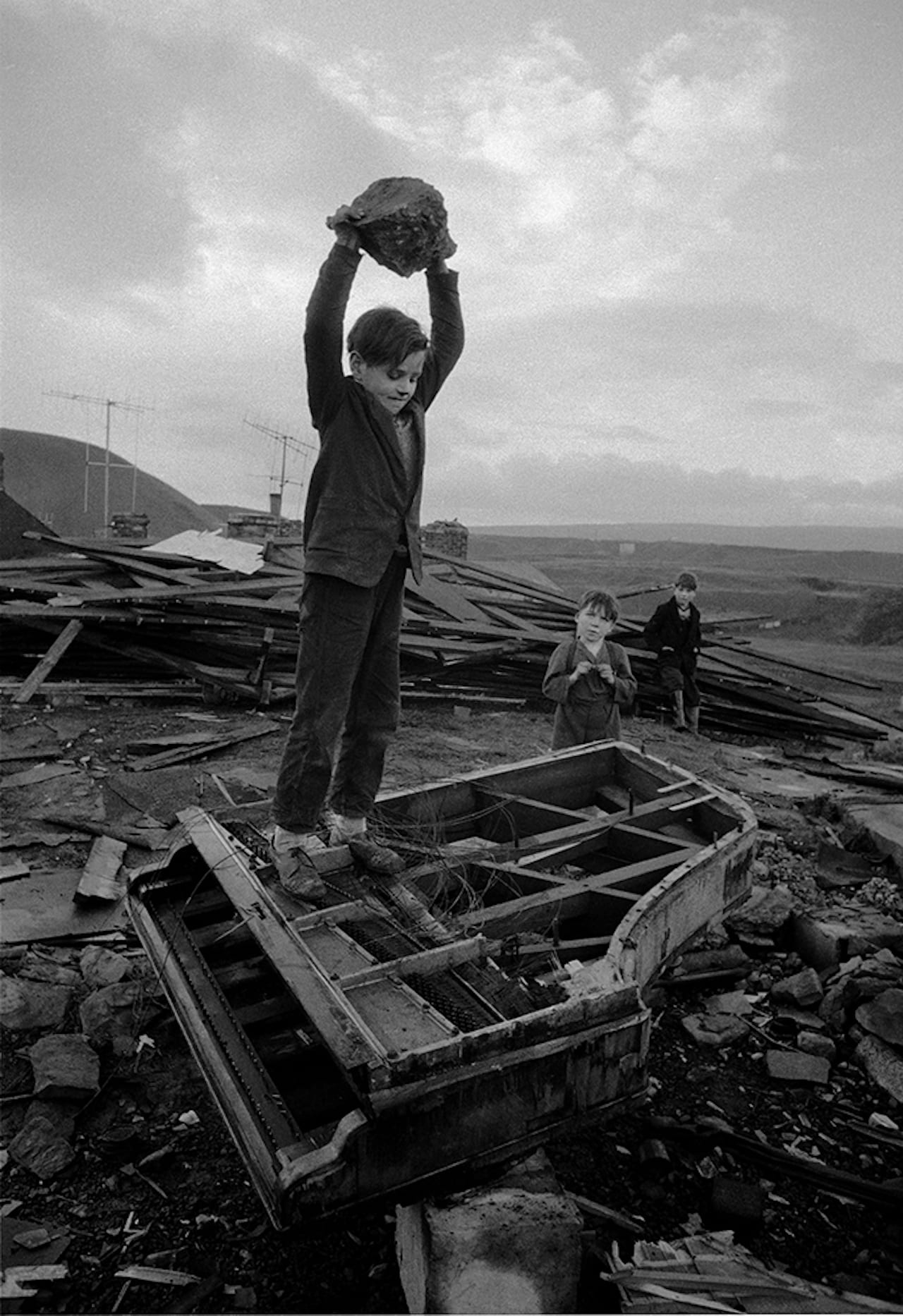
“Philip always hated being called a ‘war photographer,’” says Hannah Watson, director of TJ Boulting Gallery, of Philip Jones Griffiths. “He wasn’t interested in the ‘action’ that you often associated with war photography.” Instead, Watson draws attention to the careful consideration and intelligence behind each of the Magnum photographer’s shots. “In a single image he could give insight and an in-depth analysis to a complex situation,” she says.
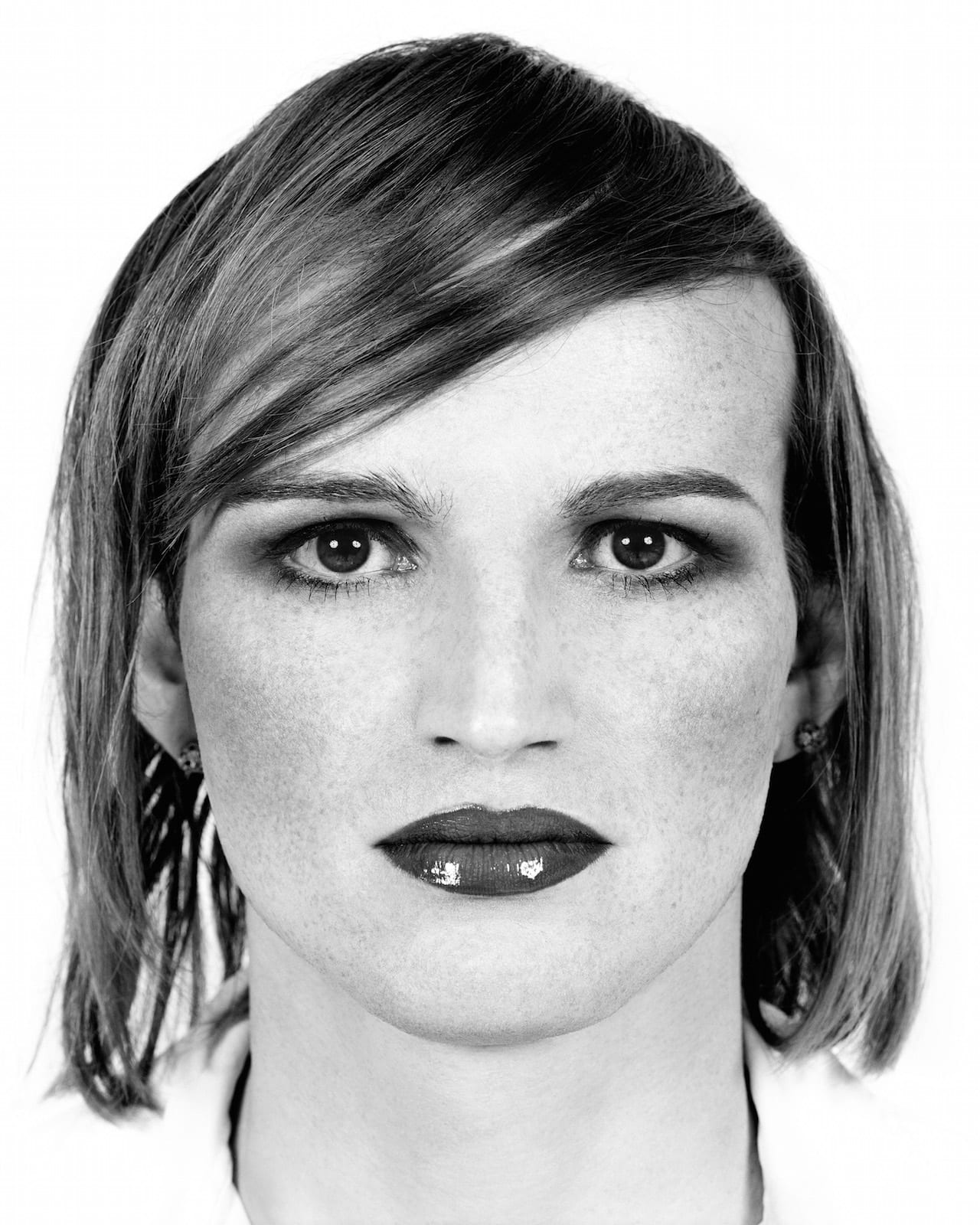
French photographer Valérie Belin’s portraits are not what they seem. Often focusing on the female…
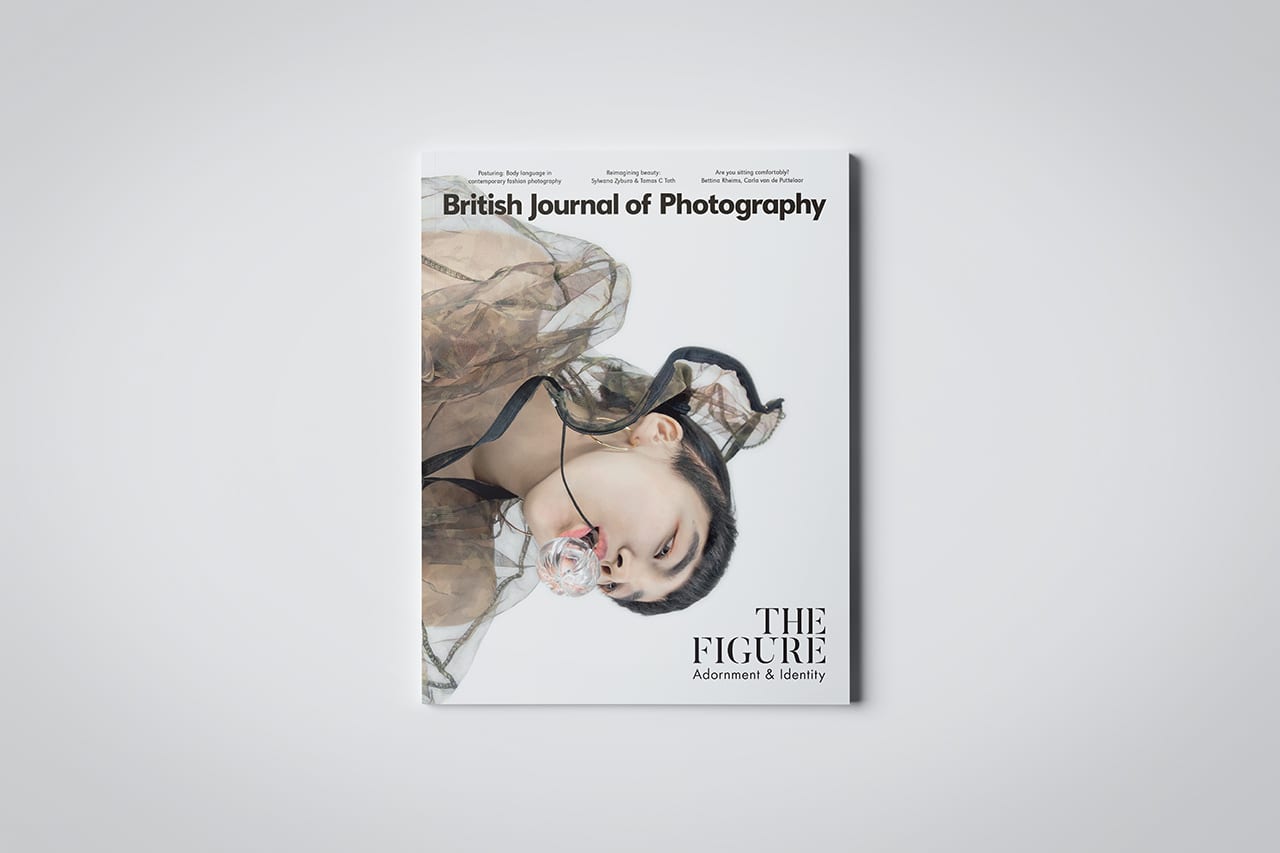
“Throughout human history the depiction of the human body has been curiously investigated,” writes BJP‘s…
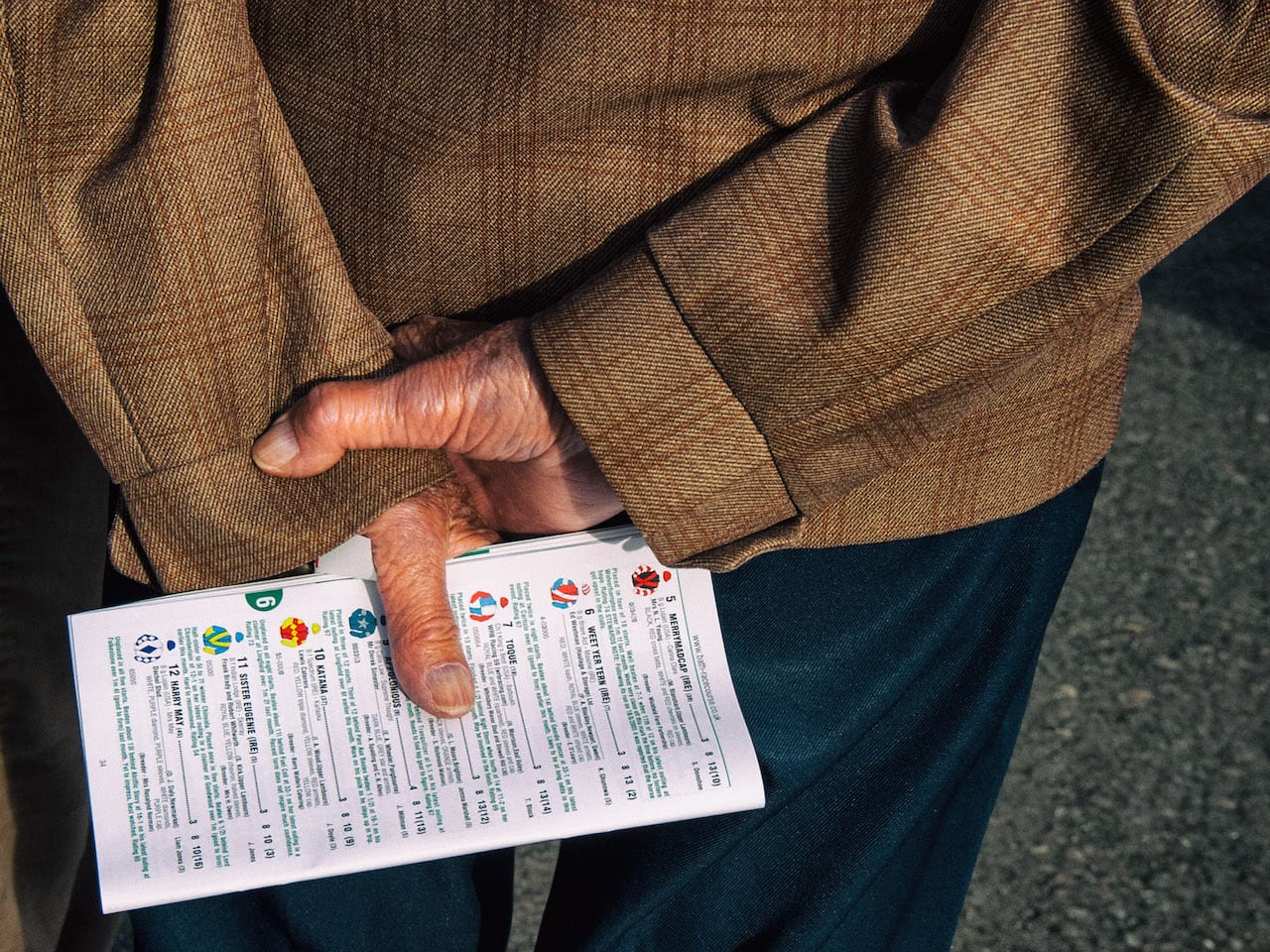
“Back in 2005, I made a list of possible subjects to photograph and taking photos…