
Interviews

Çağdaş Erdoğan speaks out

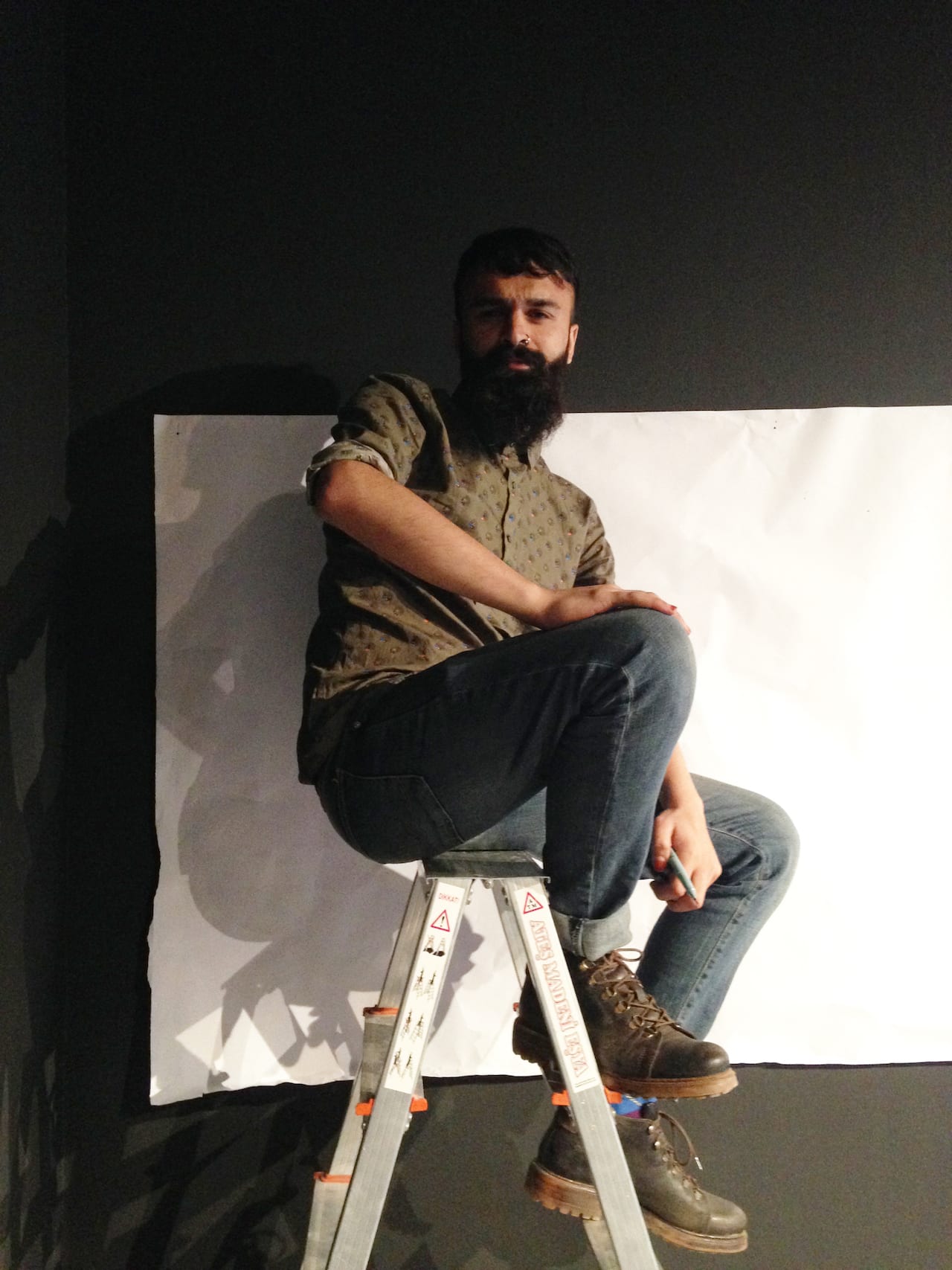
“I was not surprised at all at being arrested,” Çağdaş Erdoğan tells BJP. “It’s enough to say that as we speak there are still 170 reporters in prison in Turkey.”

The 26-year-old only recently regained his freedom, after being arrested on 02 September 2017 for taking photographs in Yoğurtçu Park. Officially he was taken into custody for photographing the Millî İstihbarat Teşkilatı (MİT) building, the home of Turkey’s answer to MI5, the National Intelligence Organisation. “But it is entirely fictitious,” he tells BJP, “because the place where I photographed is just a park and there isn’t any building, or even signs that show the presence of a restricted area where you cannot take pictures. Shortly after, the main reason of my arrest became the fact that I didn’t share any information about the contacts I used for some of my reportage as a journalist.
19 March 2018

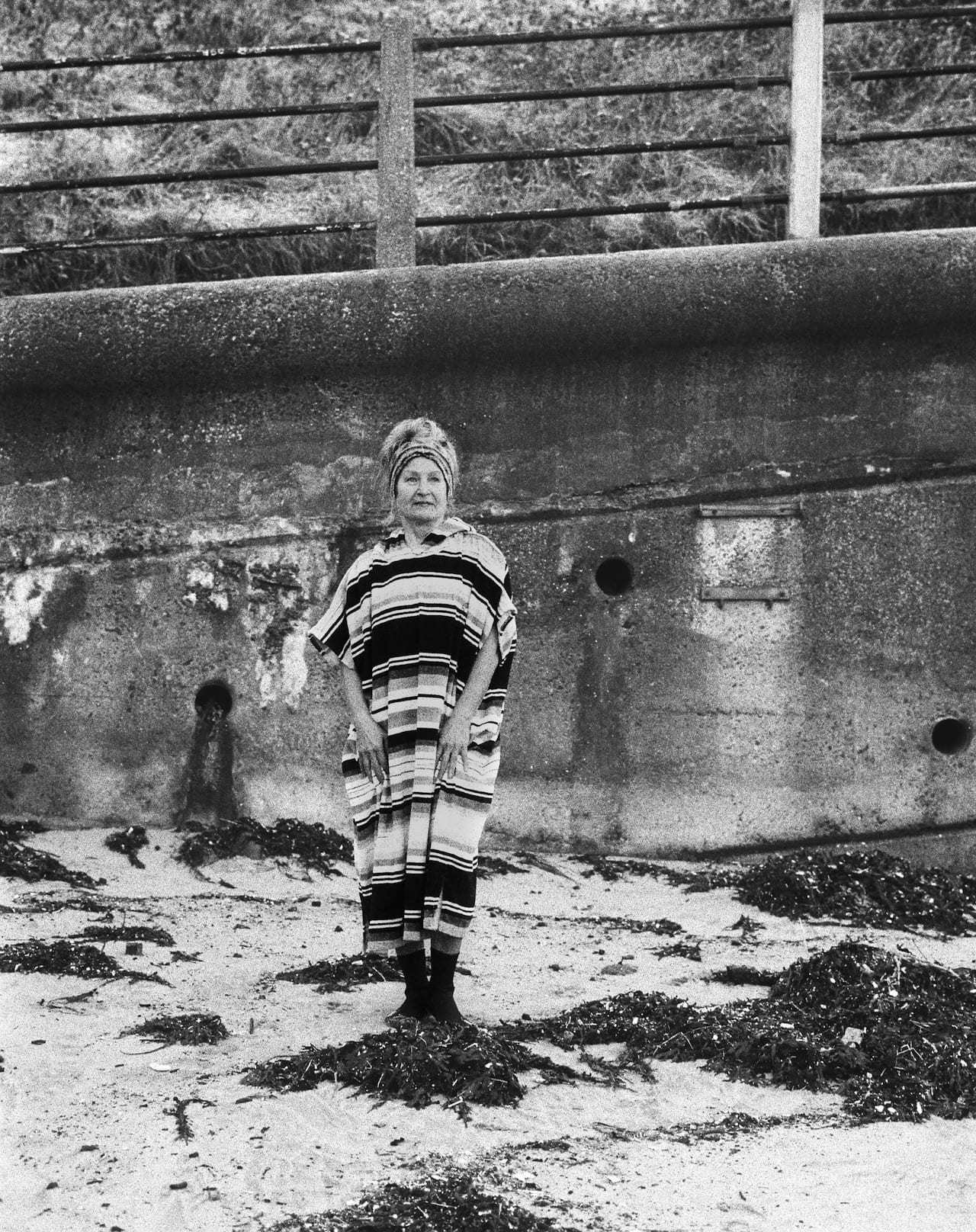
Any Answers: Sirkka-Liisa Konttinen

In 1969 the Finnish-born photographer Sirkka-Liisa Konttinen ditched her filmmaking course, moving to Newcastle with a group of idealistic young ex-students to found the Amber collective, and embarking on a series of long-term projects, including her seminal work on Byker, which was inscribed in the Unesco UK Memory of the World Register. Nearly 50 years on, she continues to live and work in the north-east as a member of Amber

15 March 2018

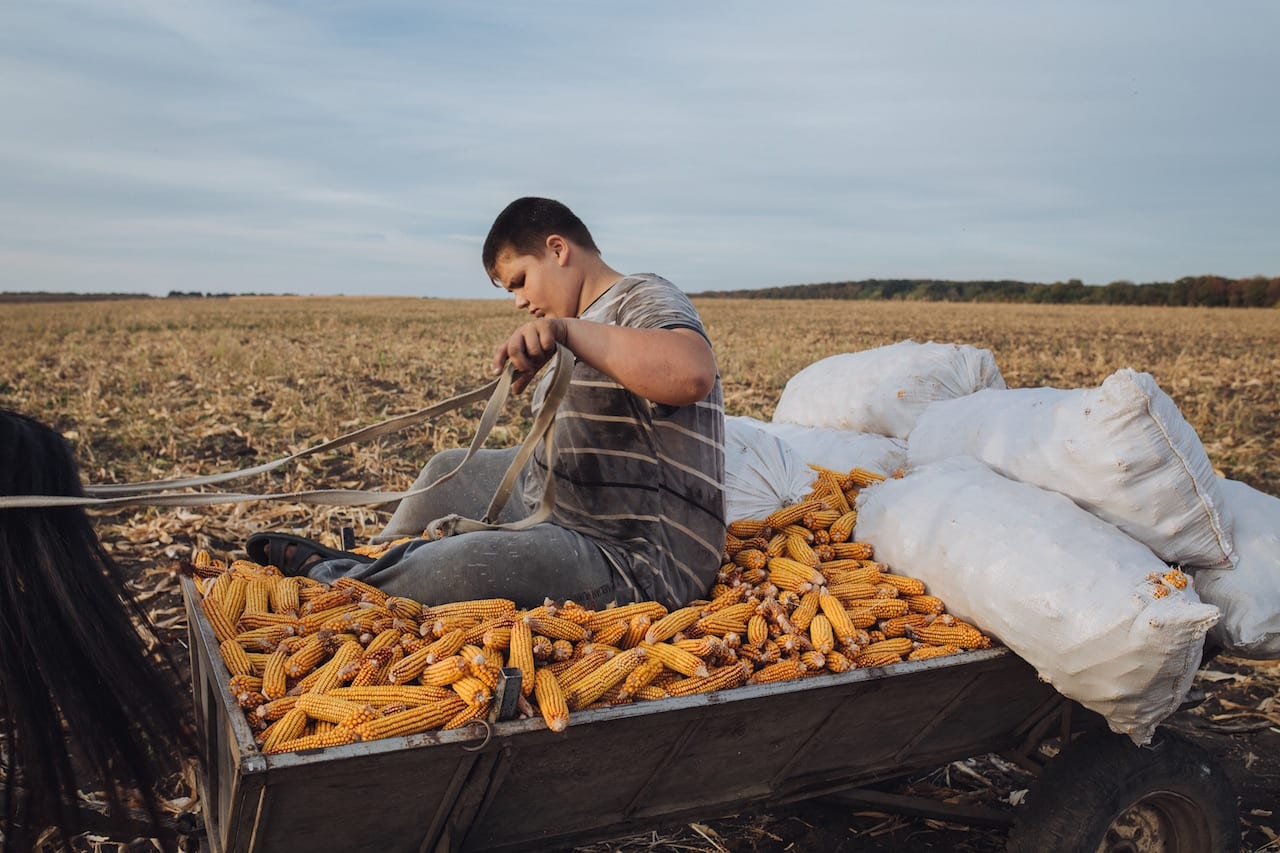
Picturing a rural idyll in the little-acknowledged nation of Transnistria

As Moldova proclaimed its independence during the collapse of the Soviet Union, a 400km stretch of territory wedged between its border with Ukraine also declared itself a separate entity. With its own flag, parliament and currency, Transnistria has all the apparatus of being a nation yet it is only officially acknowledged as an independent state by three other republics, all of them also with limited recognition. Born at the same time as this new state, in 1990, Anton Polyakov and Anya Galatonova are first generation Transnistrians whose work is dedicated to visualising life in the region, believing that photography plays a crucial role in affirming their homeland’s identity.

15 March 2018

Being: New Photography 2018 at MoMA from 18 March

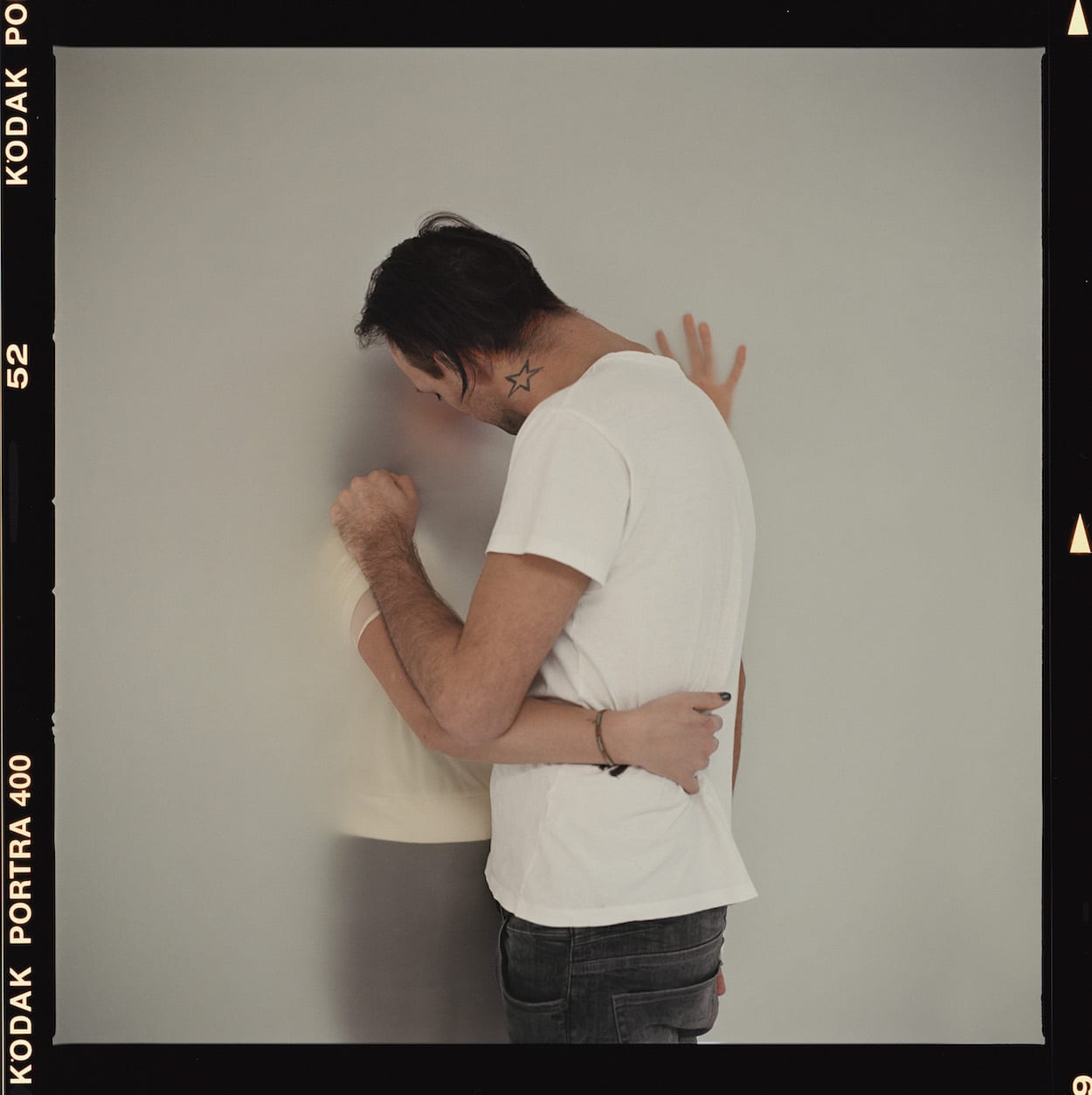
When New York’s Museum of Modern Art first introduced its New Photography series, it did so to locate contemporary work in a dedicated space, often providing the selected image-makers with the opportunity to get their foot in that most revered of doors. The inaugural exhibition opened in August 1985, curated by the late, great John Szarkowski, and over the following 32 years, these shows have remained true to their moniker, tracking some of the most exciting developments in new photography in its myriad forms – be that in books, on screens, in posters or through zines. As the years brought evolved types of media, it fed artists’ appetites both for new ideas and for fresh means by which to execute them. MoMA’s latest instalment, Being: New Photography 2018 (18 March–19 August), is a deft demonstration of how effectively such collections can reflect a moment in contemporary consciousness. Being presents 17 artists working in photo-based media around the world, and “all the works in the exhibition take on charged and layered notions of personhood and subjectivity,” explains Lucy Gallun, its curator and the assistant curator of MoMA’s department of photography.

15 March 2018

Paper Journal goes into print for its fifth anniversary

“The idea for Paper Journal came about during my final year of studying photography at Westminster,” says founding editor Patricia Karallis. Though studying she was also working as a picture editor for a small online arts and culture magazine at the time, and had found that she really enjoyed the research aspect of the role but also had “many ideas in terms of content that didn’t quite fit where I was working at the time”. The answer was simple – she decided “to start my own platform”. She launched Paper Journal online in 2013, with the aim of showcasing photography, fashion and culture in an exciting way. Featuring photography from unknown or new image-makers alongside more established names, Karallis says, “we love to promote new photography and I think that’s been a really strong point for us, and one that draws readers back to the site.”

13 March 2018