

The Copenhagen-based photographer discusses why it is everyday occurrences that catch his eye
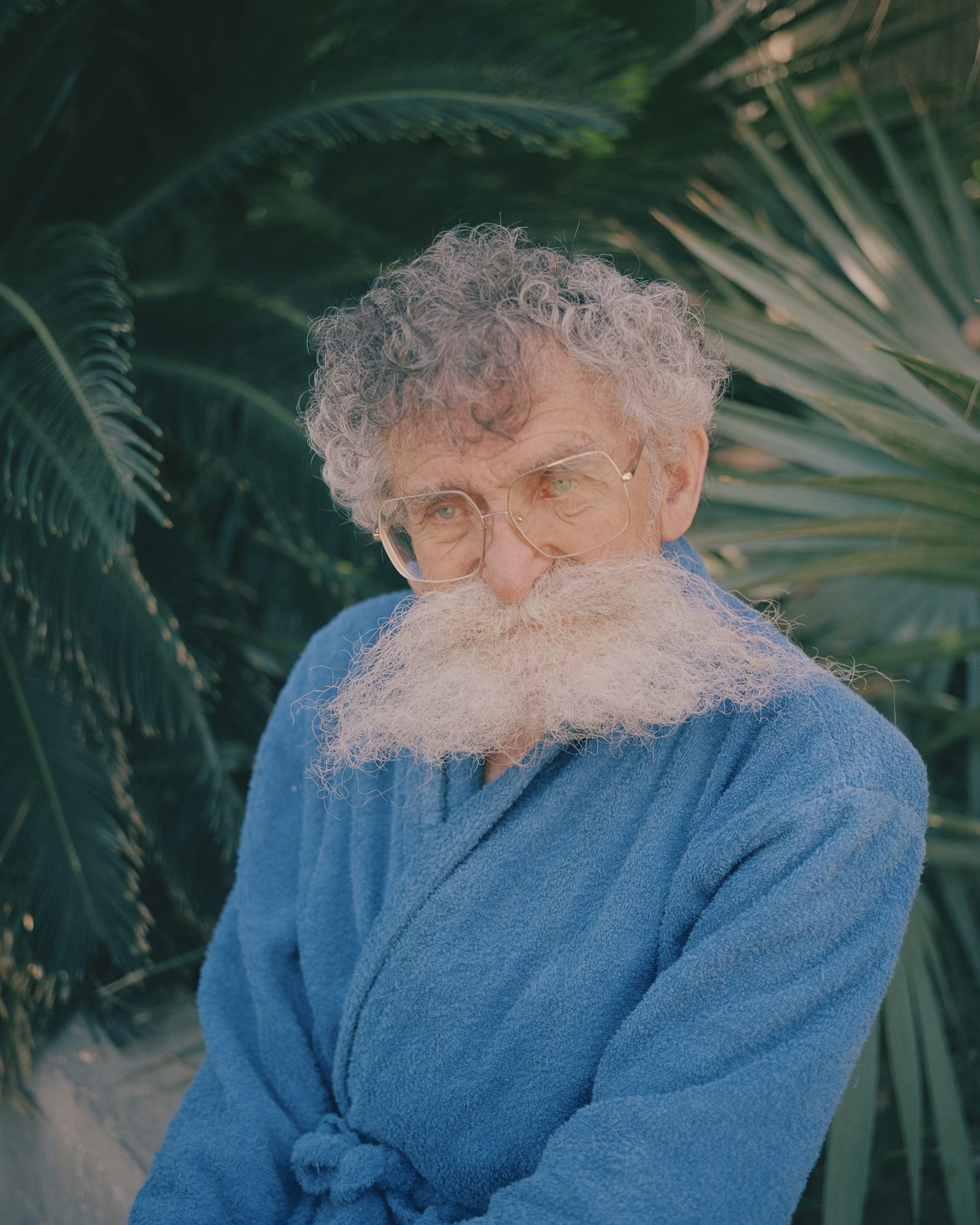
The Copenhagen-based photographer discusses why it is everyday occurrences that catch his eye
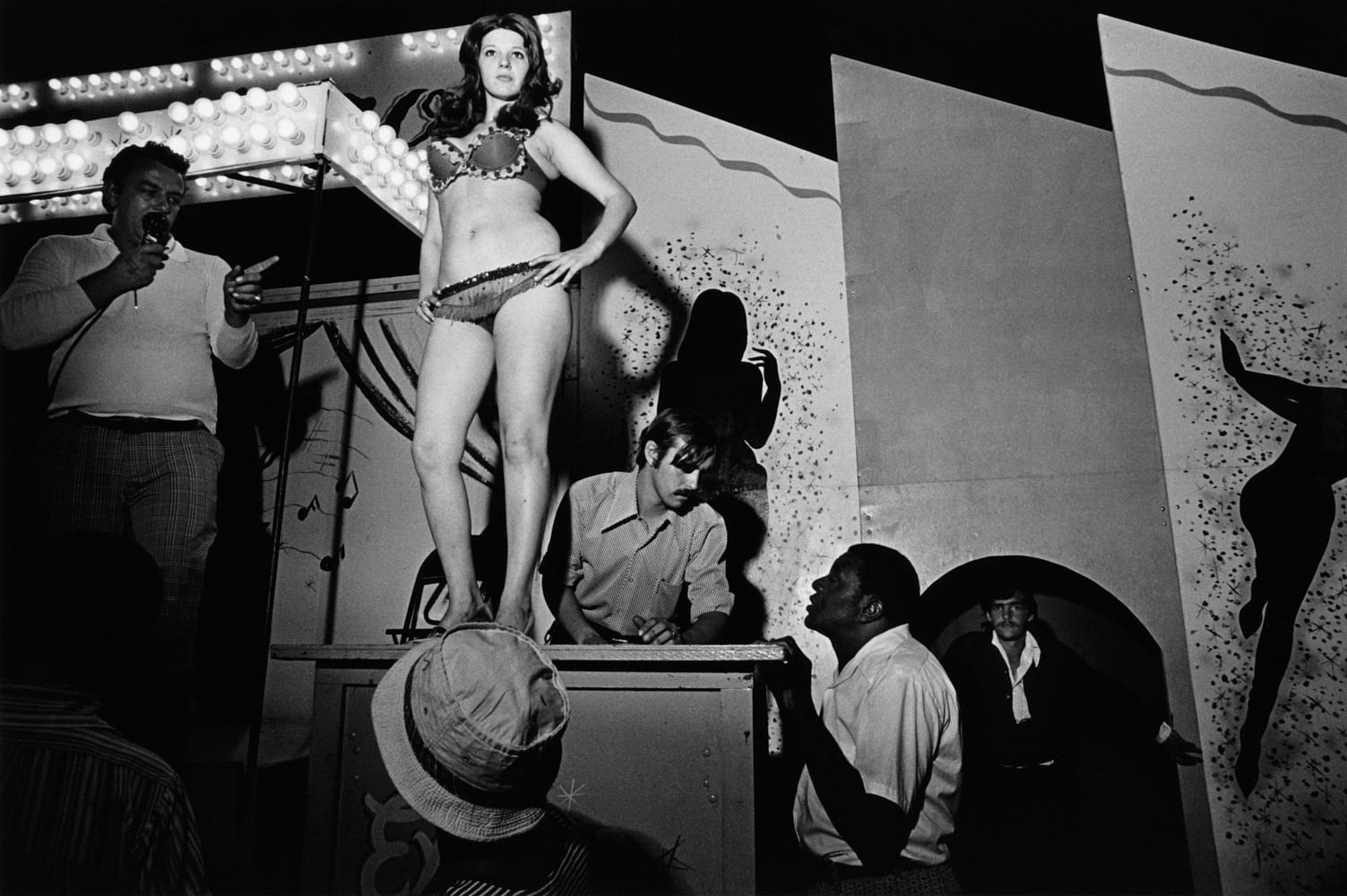
“It’s getting near show time!” the voice would boom out over the cheers of the punters. Susan Meiselas would hover at first near the back of the tent. “Don’t be shy, take your hands out of your pockets, take your money out of your wallets. Rest your elbows on the stage and look up into the whole, the whole goddamn show. Show time! Where they strip to please, not to tease!” Susan Meiselas was 24 when she started Carnival Strippers. It was the summer of 1972, and her photography experience was limited to portraits of her housemates in Cambridge, Massachusetts. She had just completed an MA from Harvard, yet she still was shy and unsure of herself – very unlike the direct intellect of today, who treats Magnum’s offices like second homes.
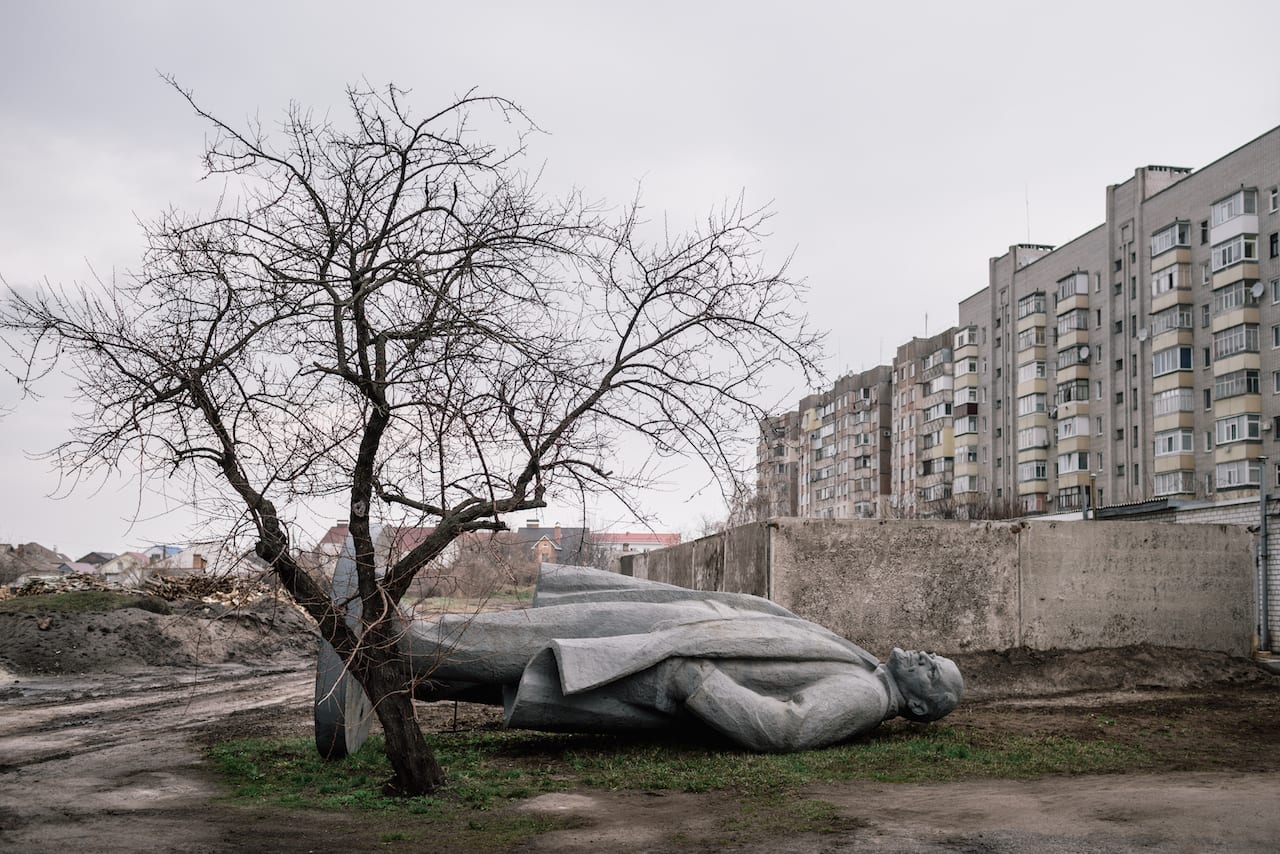
On 08 December 2013, the Bessarabska Lenin statue on Taras Shevchenko Boulevard in Ukraine was demolished in the midst of the Euromaidan revolution. What followed was a wave of symbolic violence that came to be known as Leninfall [or ‘Leninopad’ by Ukrainians]. Seeking to erase all traces of the Ukraine’s Soviet past, the government launched an official decommunisation process, outlawing communist monuments. Prior to these events around 5500 statues of Lenin stood in former Soviet state; today, not one remains. Fascinated by the fate of these statues, Swiss photographer Niels Ackermann and journalist Sébastien Gobert went on a quest to find them, documenting the results in the series Looking for Lenin. Published as a book last year, the series now going on show at Espace Images, Vevey.
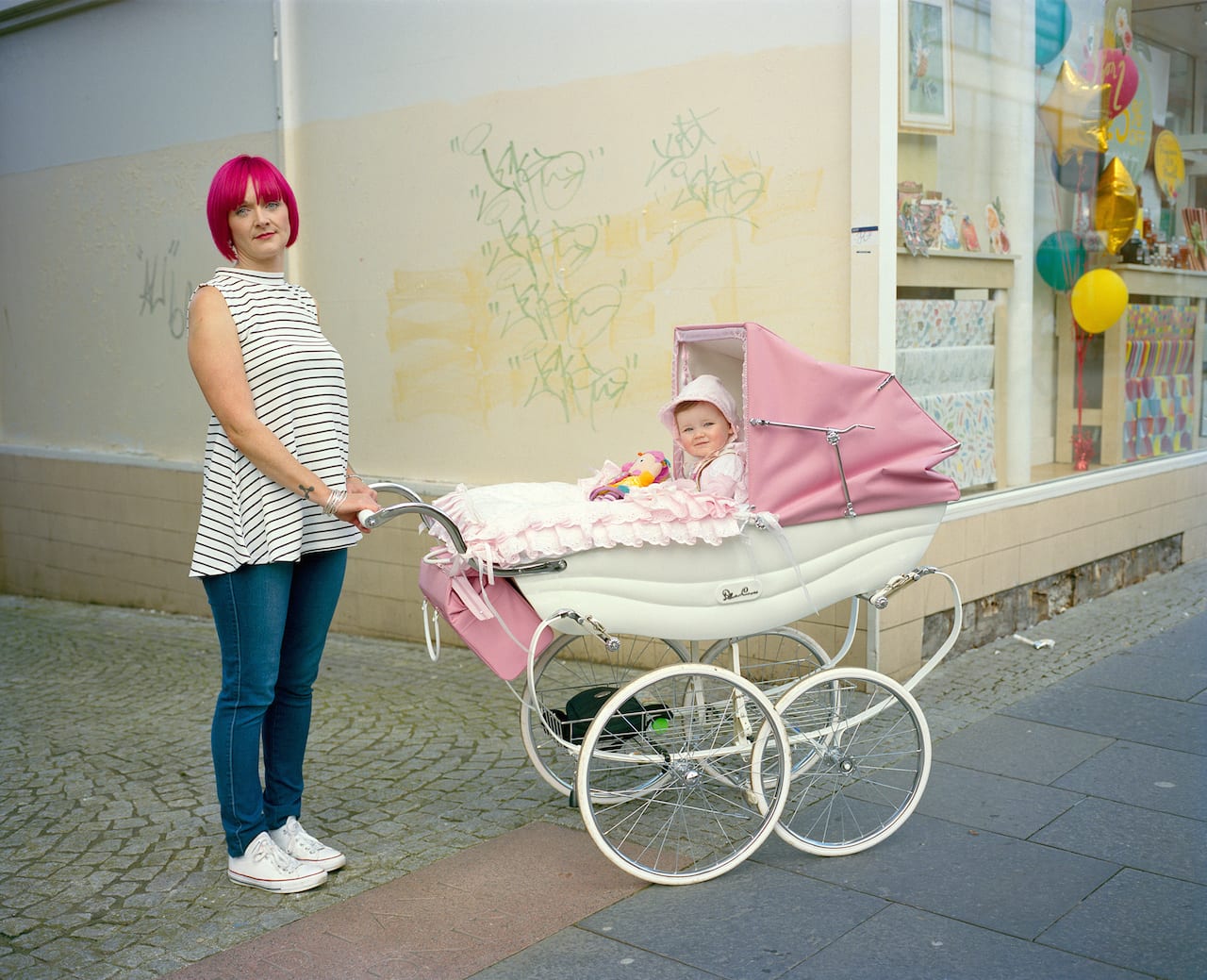
“The term ‘Britishness’ has changed so much over the last ten years, I don’t really know what it means anymore to say ‘I’m British,’” observes Scottish photographer Niall McDiarmid, who has spent almost a decade photographing people in the street across Britain. In 2011 he started work on his latest series, Town to Town, which has just been published as a book and which will be shown at the Martin Parr Foundation in Bristol, UK from 31 January-12 May. Initially focussing on London, it soon expanded beyond the capital city and ended up covering 200 towns, tracing a journey around Britain and its diverse inhabitants.
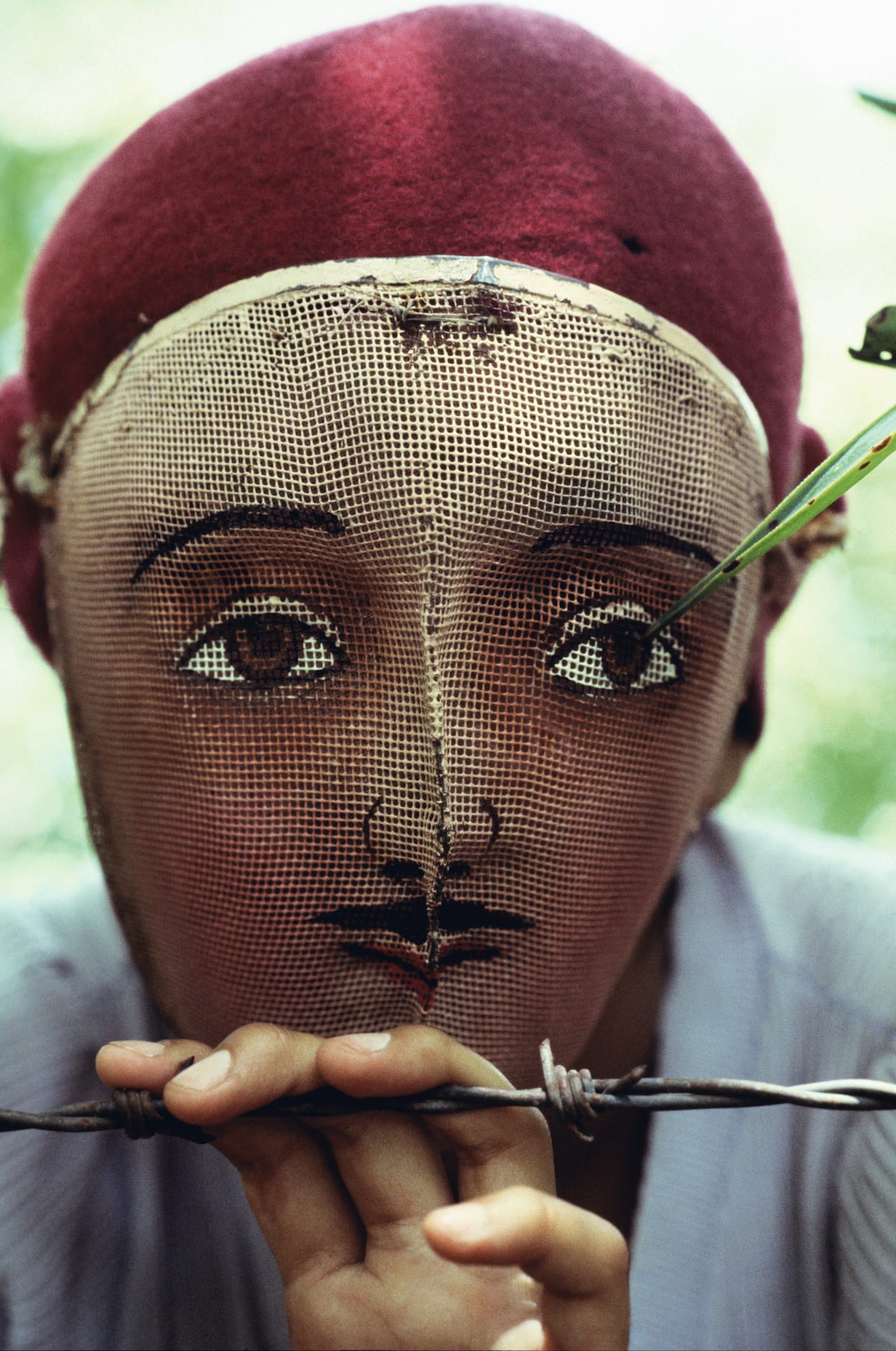
Susan Meiselas has been a pivotal figure in photography since her career began in the 1970s, a decade when the ethical discussion surrounding the inspiration, intent and dissemination of documentary image-making was rampant. Perpetually questioning the motivation and perception of her images, the American has spent her life grappling with these issues, practising what it means to document something outside of her own personal experience. This spring (06 February to 20 May), Jeu de Paume in Paris presents Mediations, a retrospective revisiting her vast oeuvre, beginning with early portraits that include 44 Irving Street (1971) and Carnival Strippers (1972-75).
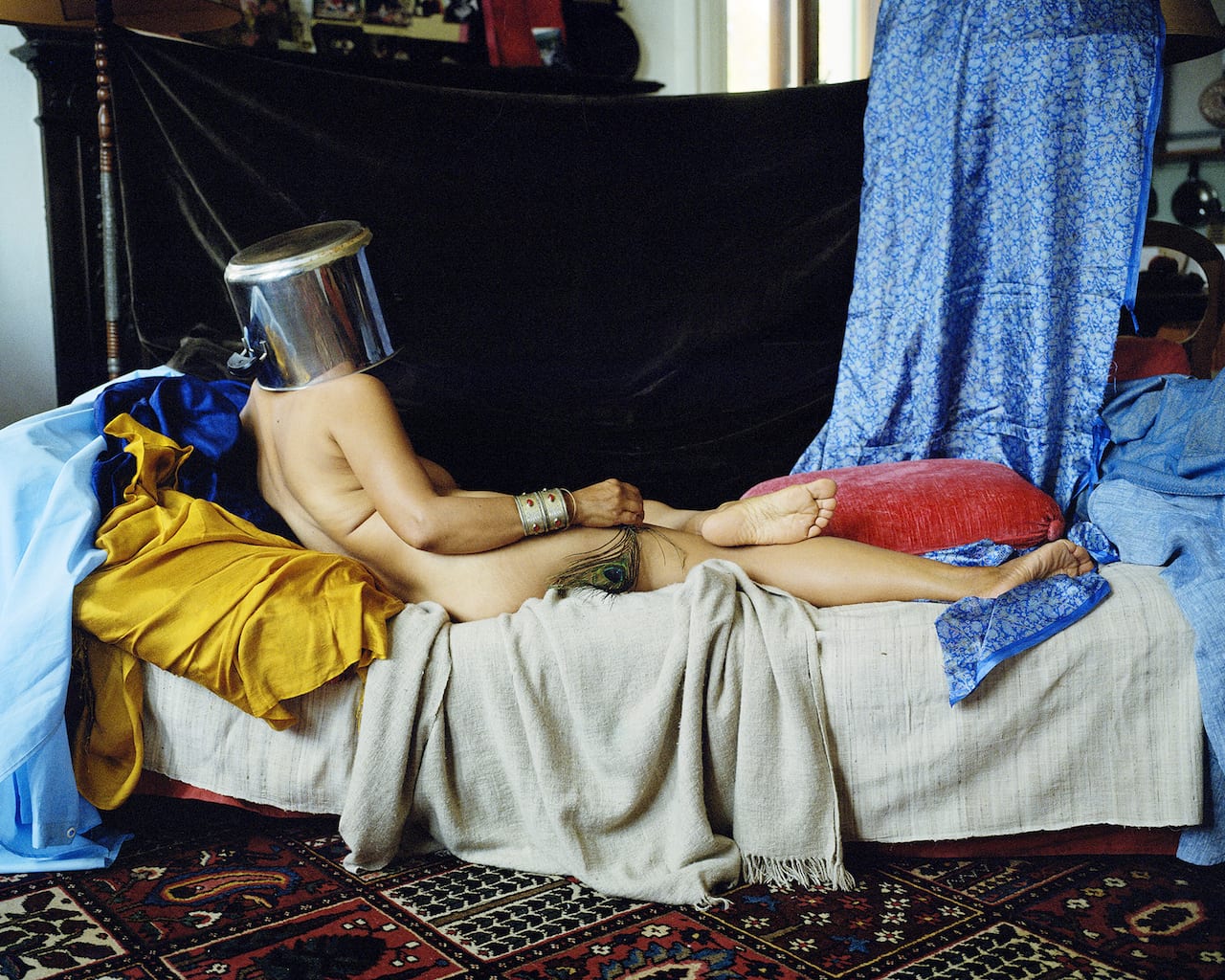
Arunà Canevascini was nominated by Erik Kessels for the richness of her projects, which merge femininity, domesticity and migration. In Villa Argentina, Canevascini examines these themes through elaborately-designed images in which the domestic settings she photographs are disrupted by intrusions from both the history of art and her own family past.
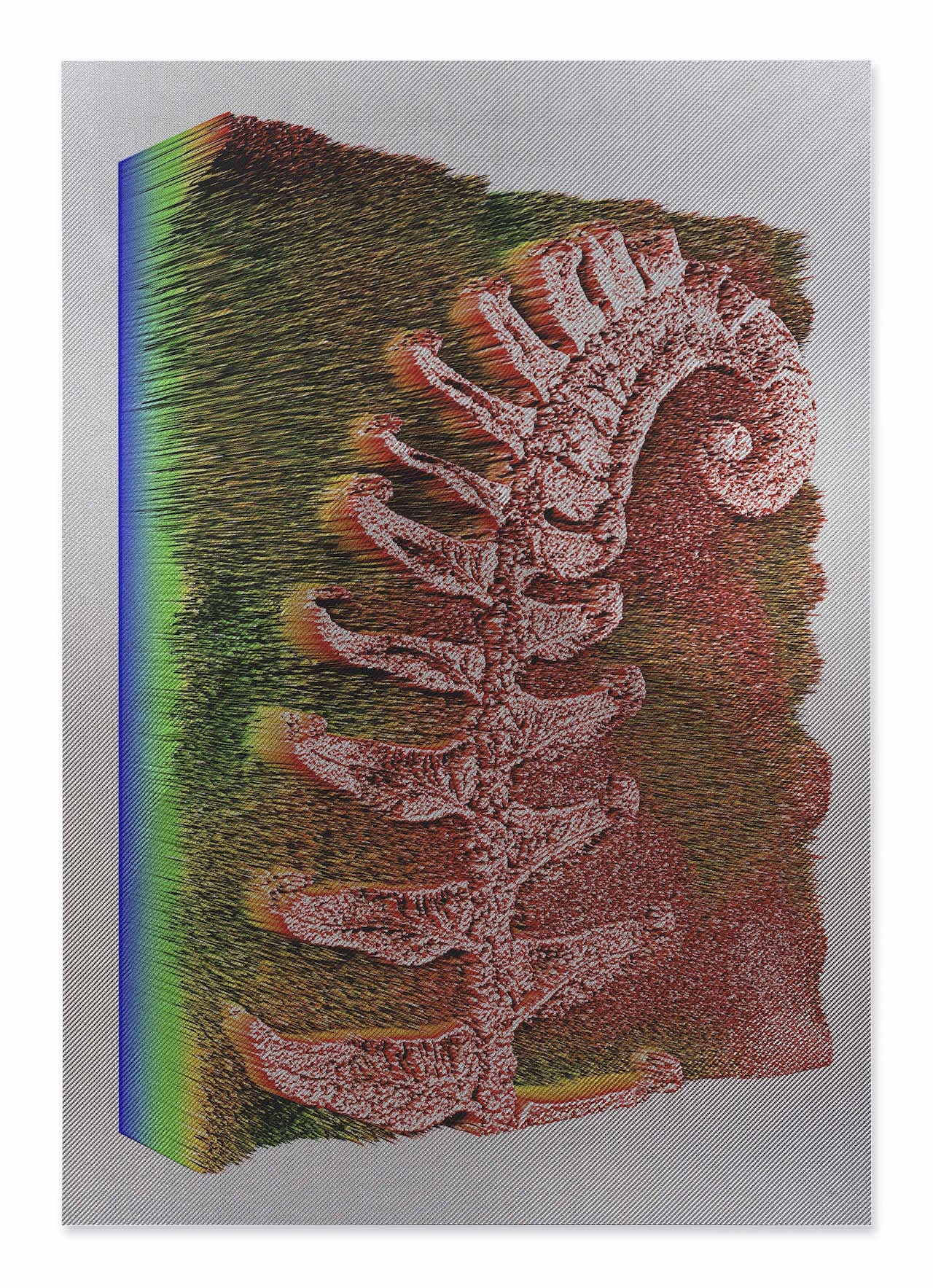
“To look ahead we first need to look back in time,” write Kim Knoppers and Ann-Christin Bertrand, curators of Back to the Future: The 19th Century in the 21st Century – an exhibition that presents contemporary artists whose experimental approach to photography echoes that of the 19th century pioneers of the medium.
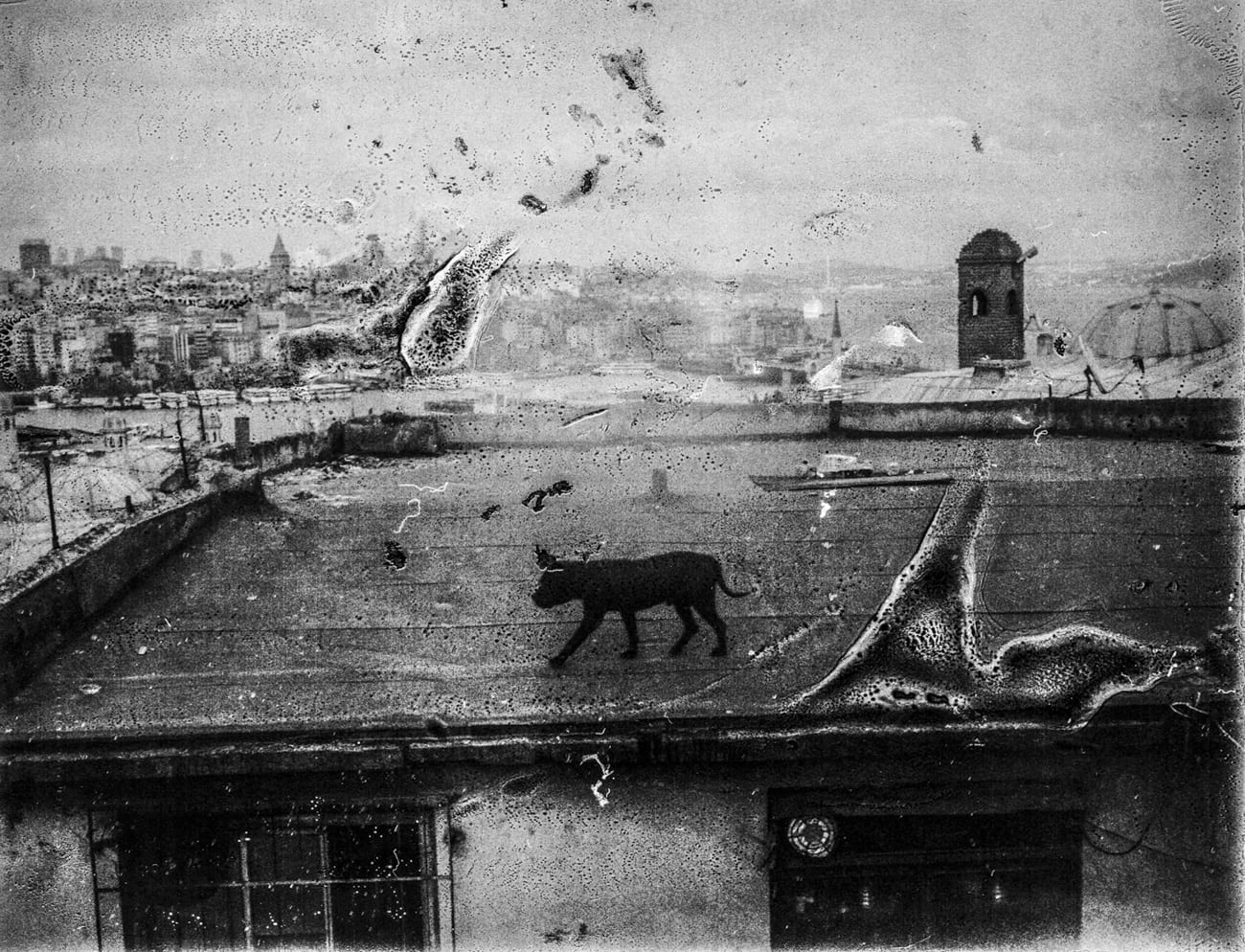
“Photographers have a responsibility to tell these stories,” says Esa Ylijaasko of his project, November…
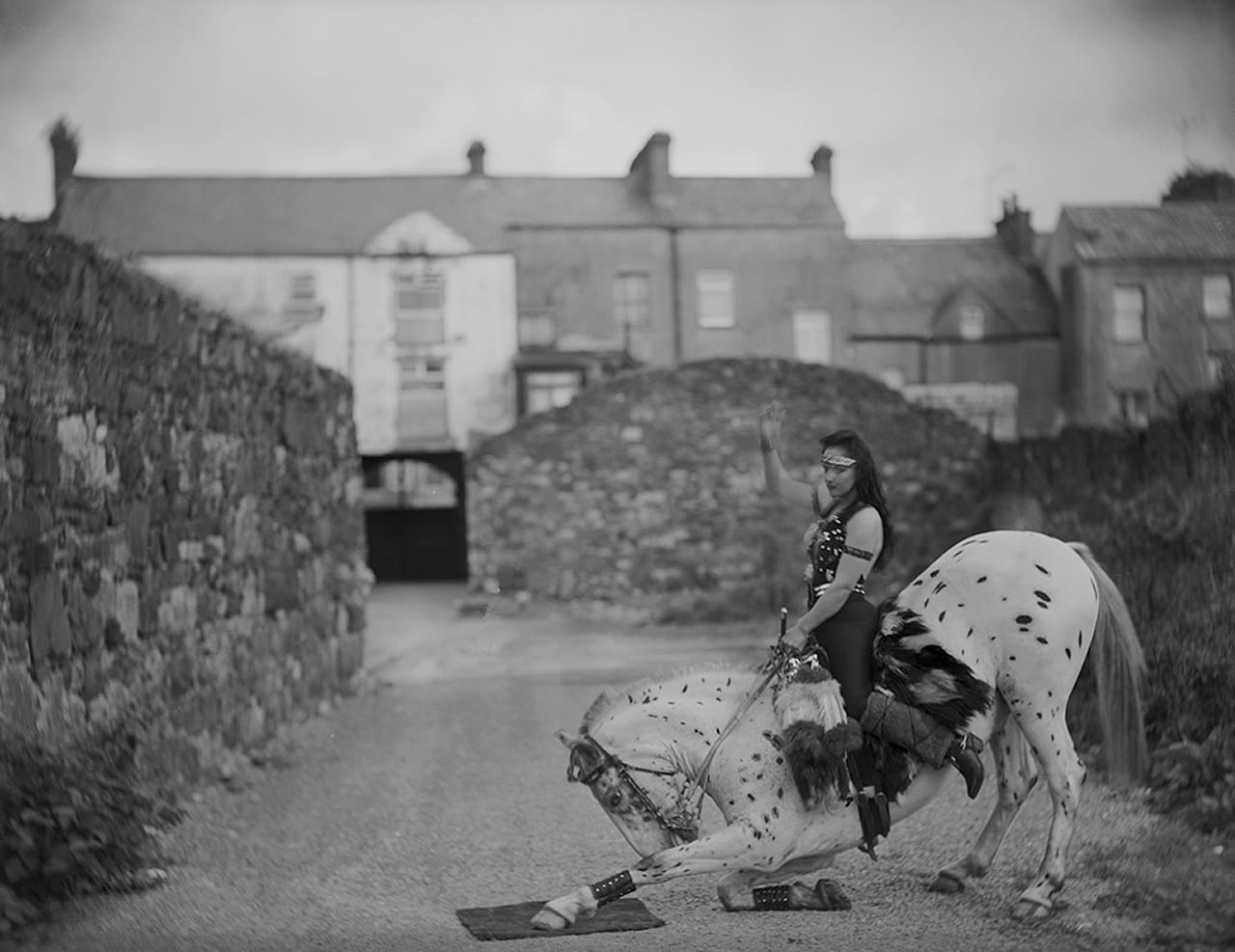
As Peter Lavery’s 50-year project Circus Work goes on show, we revisit an interview with him published in BJP in 1997 – when the series was a mere 30 years in the making. “I started Circus Work at college [Lavery has an MA in Photography from the Royal College of Art]. I was visiting home in Wakefield, and I took in a a performance of the Winships Minicircus in the Queen’s Hall in Leeds. That’s where it started.”
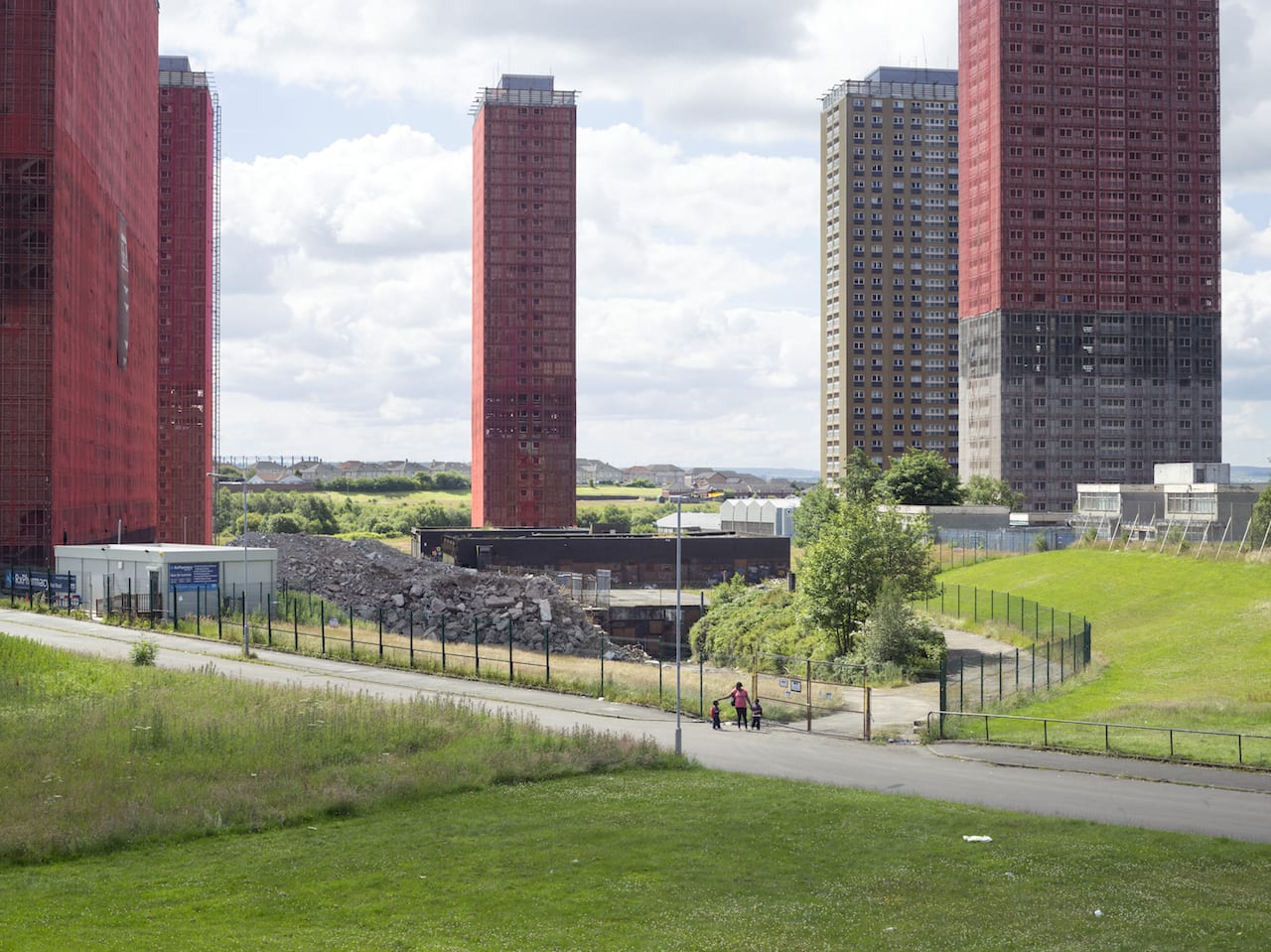
Merrie Albion: Landscape Studies of a Small Island is a concise compendium of Britain over the past few years and is an excellent visual survey of the run-up to Brexit. The photographs examine rich and complex variations of Britain that are now even more poignant after last year’s vote. Images of election campaigning in clean and tidy suburbia, protests, the aftermath of riots in London, diamond jubilee celebrations, rock concerts, a family enjoying Brighton beach, computer screens of the trading floor of Lloyds – the list goes on. Roberts has managed to capture all the major events in juxtaposition with minor situations that are large with meaning, from the dead of the Iraq war being saluted by Army veterans through Wootton Bassett to an depiction of impoverished mothers and children at a youth club in Blackburn. Contained within each photograph are mini dramas, cheap-looking high streets with pound shops set against Victorian architecture. Roberts shows a Britain at odds with itself. Rather than a harmonious society, we sense fragmentation and awkwardness and a yearning for a glorious past that never existed.