

British Journal of Photography is excited to reveal the photographers shortlisted for Austria. The Art of Discovery. Of the eight photographers, one will travel to Austria on an exclusive commission to explore and document the country
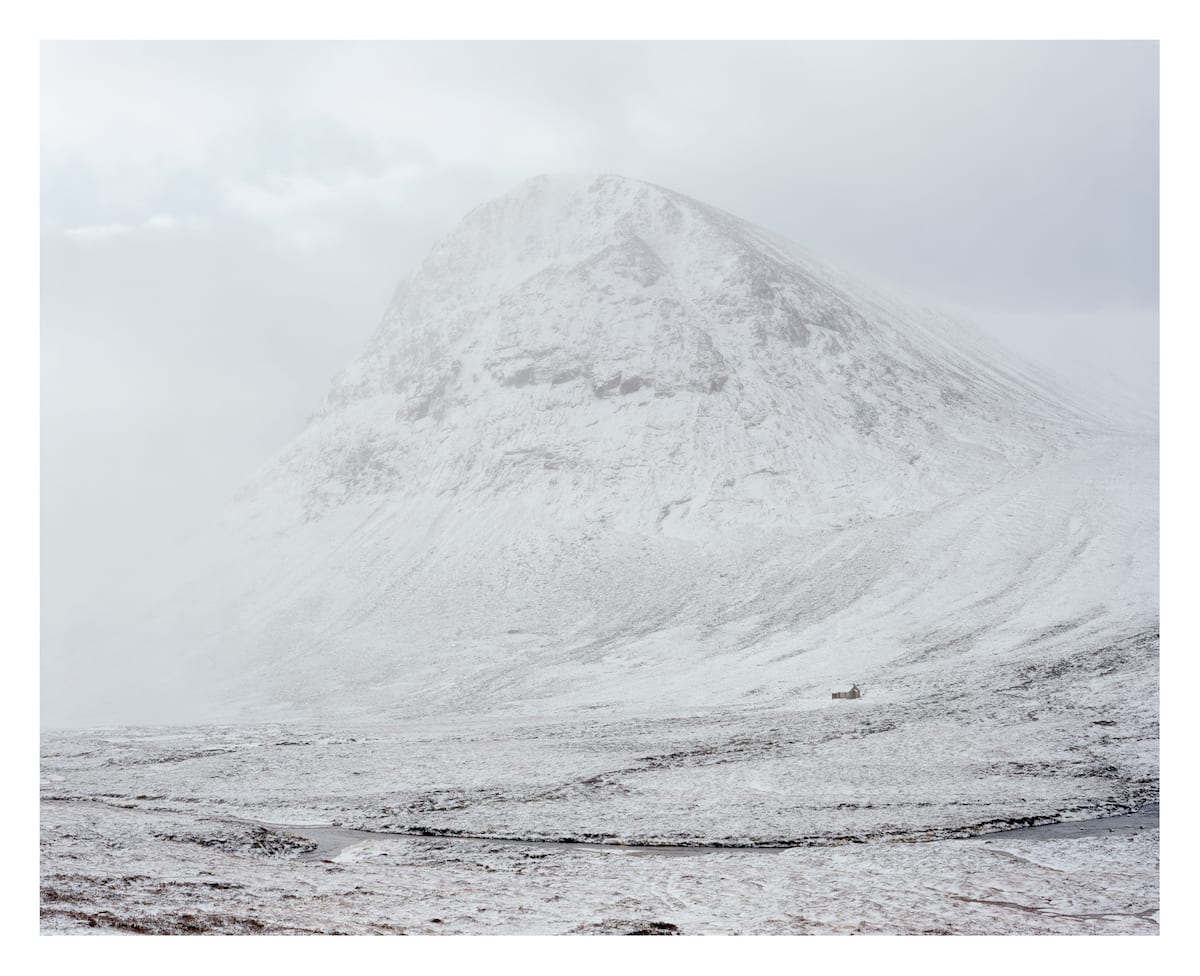
British Journal of Photography is excited to reveal the photographers shortlisted for Austria. The Art of Discovery. Of the eight photographers, one will travel to Austria on an exclusive commission to explore and document the country
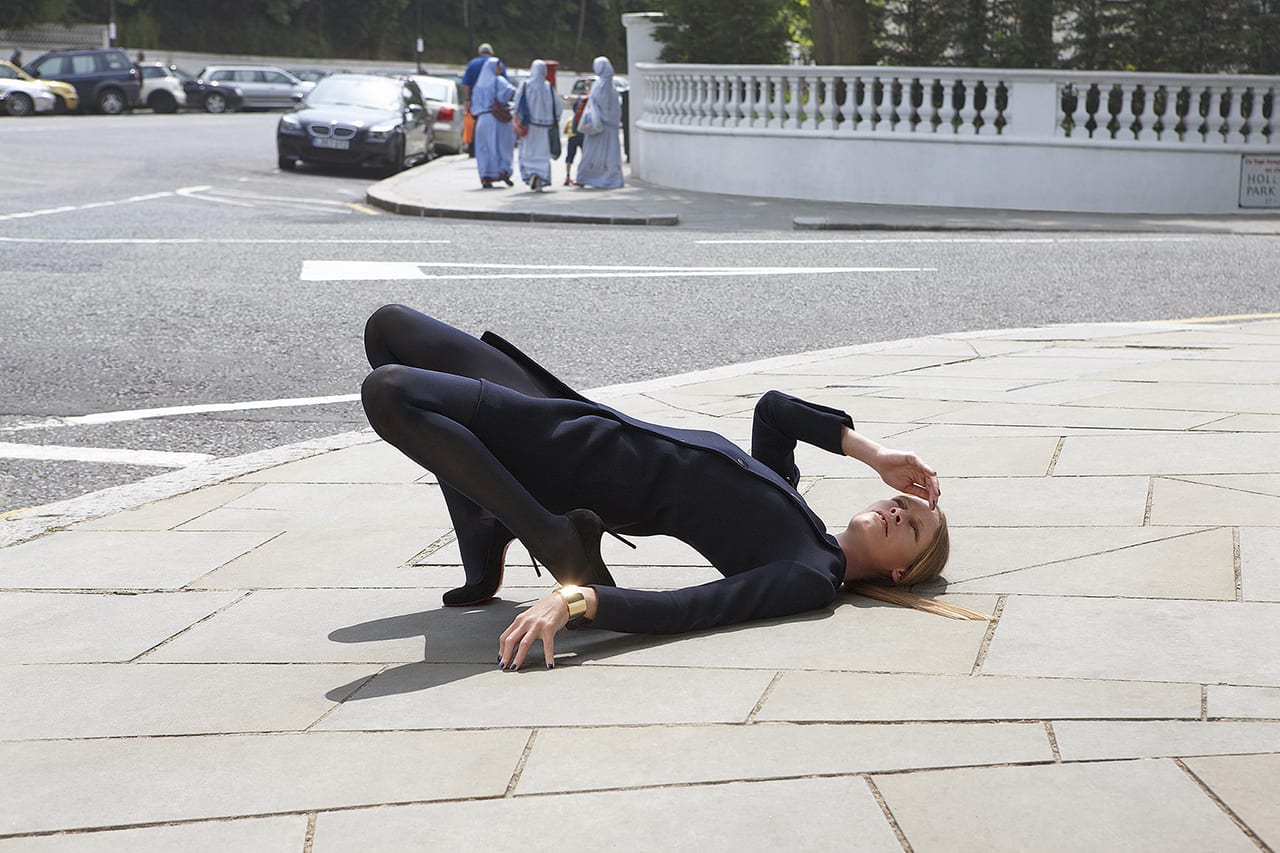
Fashion photography is changing – as Holly Hay and Shonagh Marshall, co-curators of a new three-part project entitled Posturing: Photographing the Body in Fashion, will attest. In November 2017, the pair held a London exhibition which placed 42 framed photographs and six magazine shoots in a west London space. It called into question both the function of this branch of contemporary image-making and the changing role of the figure in fashion imagery, placing work by Johnny Dufort, Marton Perlaki, Charlie Engman, Brianna Capozzi and others side by side. The show was followed by a specially commissioned film by artist Coco Capitán, Learning to Transcend the Physical Barrier That Owning a Body Implies, examining the respective practices of a choreographer, an artist and the founder of a traditional film-based darkroom, interrogating physical selfhood in all of its guises. This month, they launch the third part – a book created with Self Publish, Be Happy, in which photographers, stylists, editors and set designers respond to ideas about the body in fashion.
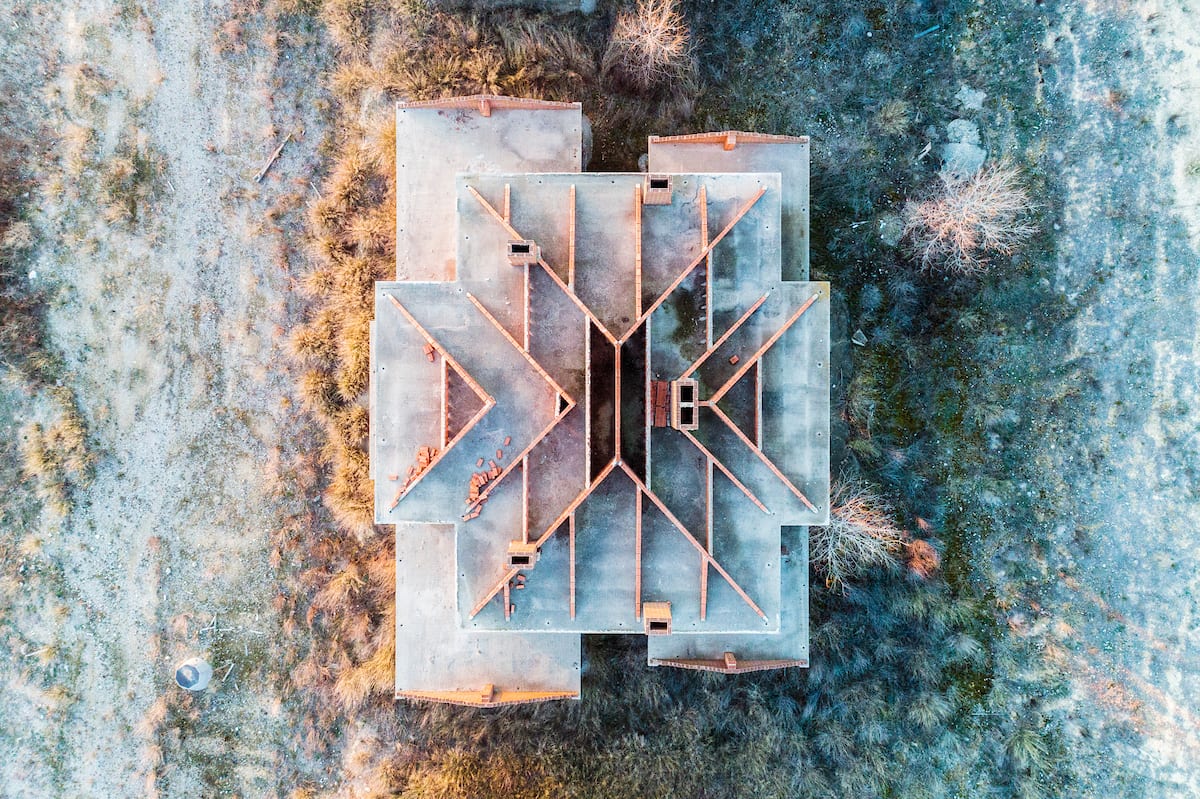
Markel Redondo first photographed Spain’s abundance of abandoned housing developments in 2010. Now, eight years later, he has retraced his footsteps
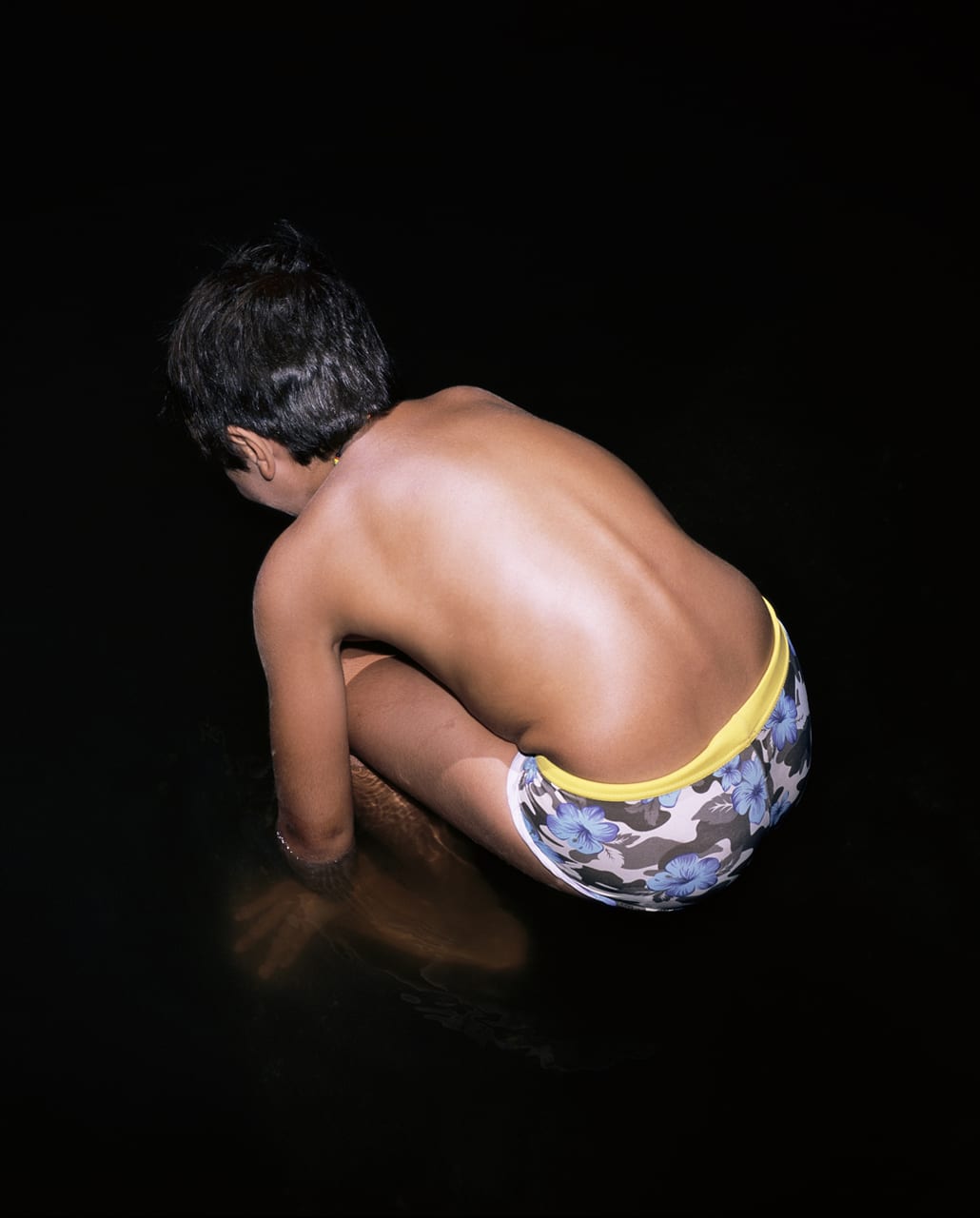
Since childhood, the Portuguese landscape of Beira Interior has held a personal resonance for photographer Tito Mouraz. “I have a relationship and a past with this region,” he says. Encouraged by “a fusion of happy memories”, Mouraz began a new body of work named Fluvial, which focuses on the landscape and the people that come and go there. For Fluvial, he returned to the familiar territory for six consecutive summers between 2011 and 2017. Described by Humberto Brito as an “ode to leisure”, the images blend fiction and reality, capturing meditative junctures by the water. “These are informal moments in the Portuguese society, predominantly migrants returning home from northern Europe for the summer holidays to join their families,” explains Mouraz.
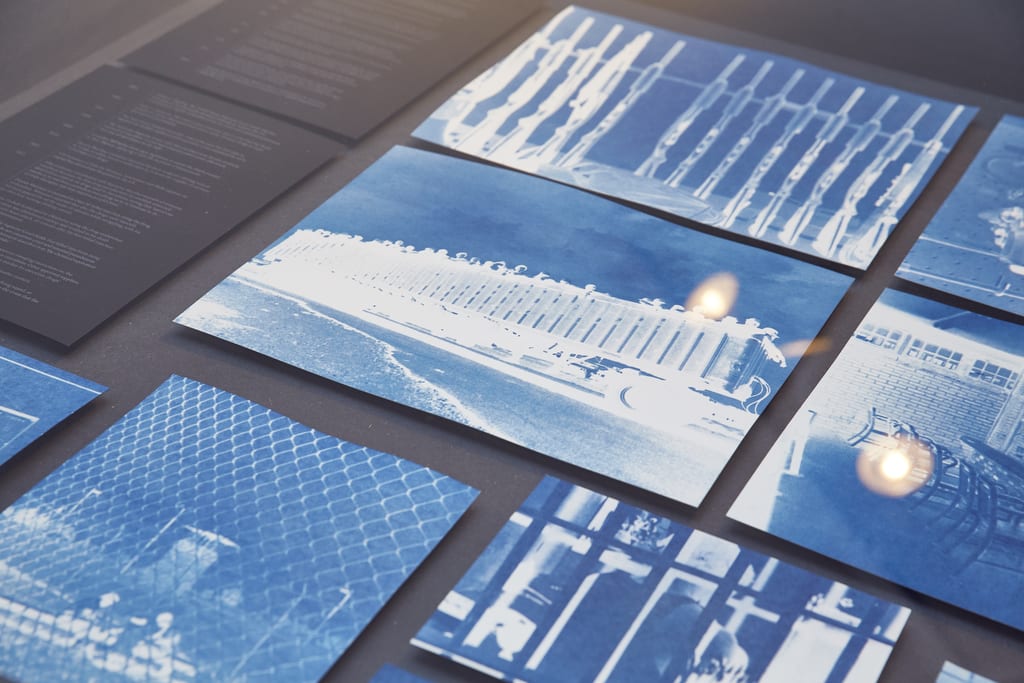
Zelda Cheatle, Christine Santa-Ana and Jaimie Marie Davis reflect on the art of exhibiting work
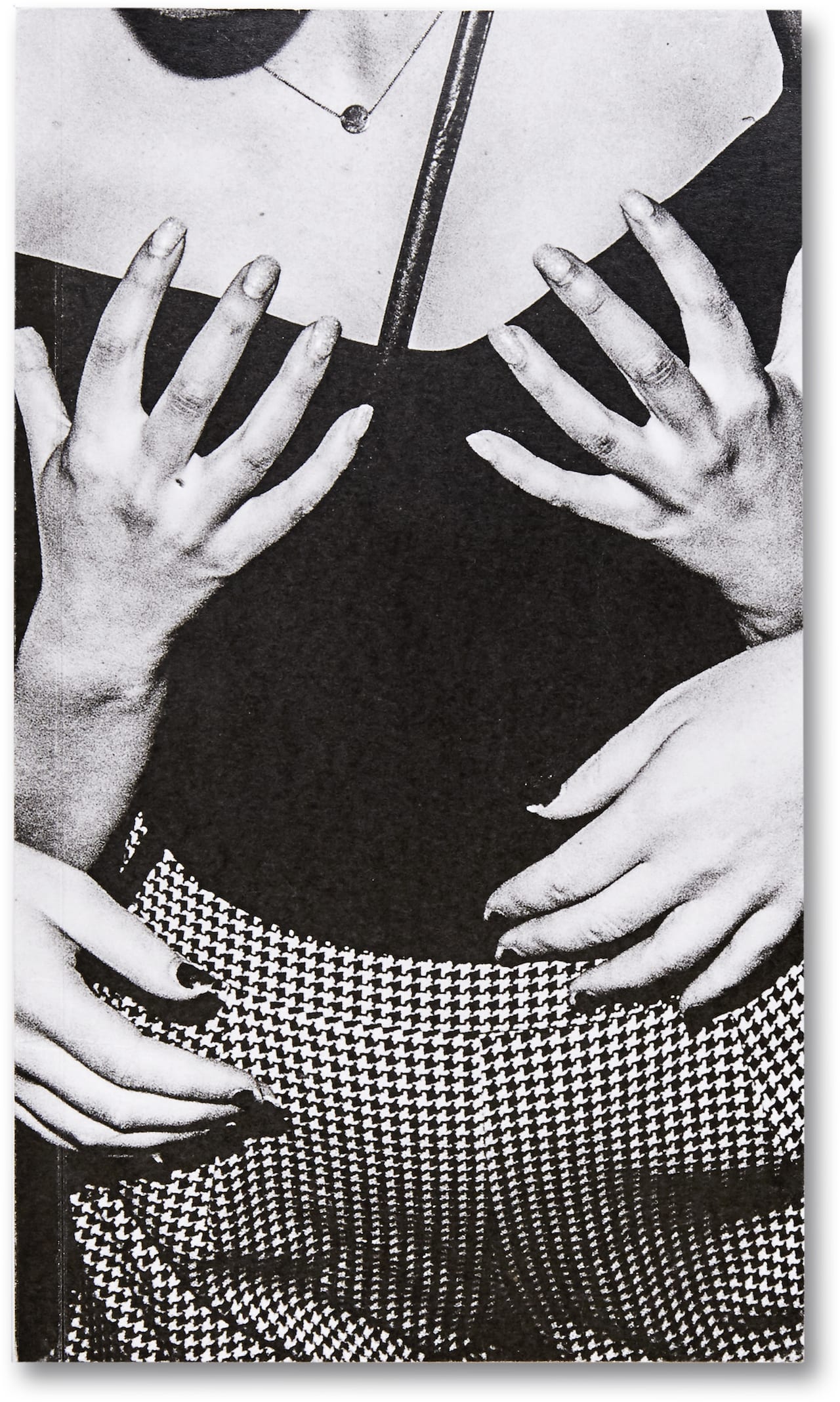
From mass shootings to a family hotel – the shortlist for the 2018 First Book Award is nothing if not eclectic. Set up in 2012 to support emerging talent, the First Book Award is open to previously unpublished photographers who have been nominated by an international panel of experts, and previous winners include Irish photographer Ciarán Óg Arnold, Polish photographer Joanna Piotrowska, and Malagasy photographer Emmanuelle Andrianjafy. The ten shortlisted photographers this year come from all over the world, including Indian photographer Tenzing Dapka, Japanese photographer Hayahisa Tomiyasu, and Australian photographer Lionel Kiernan.
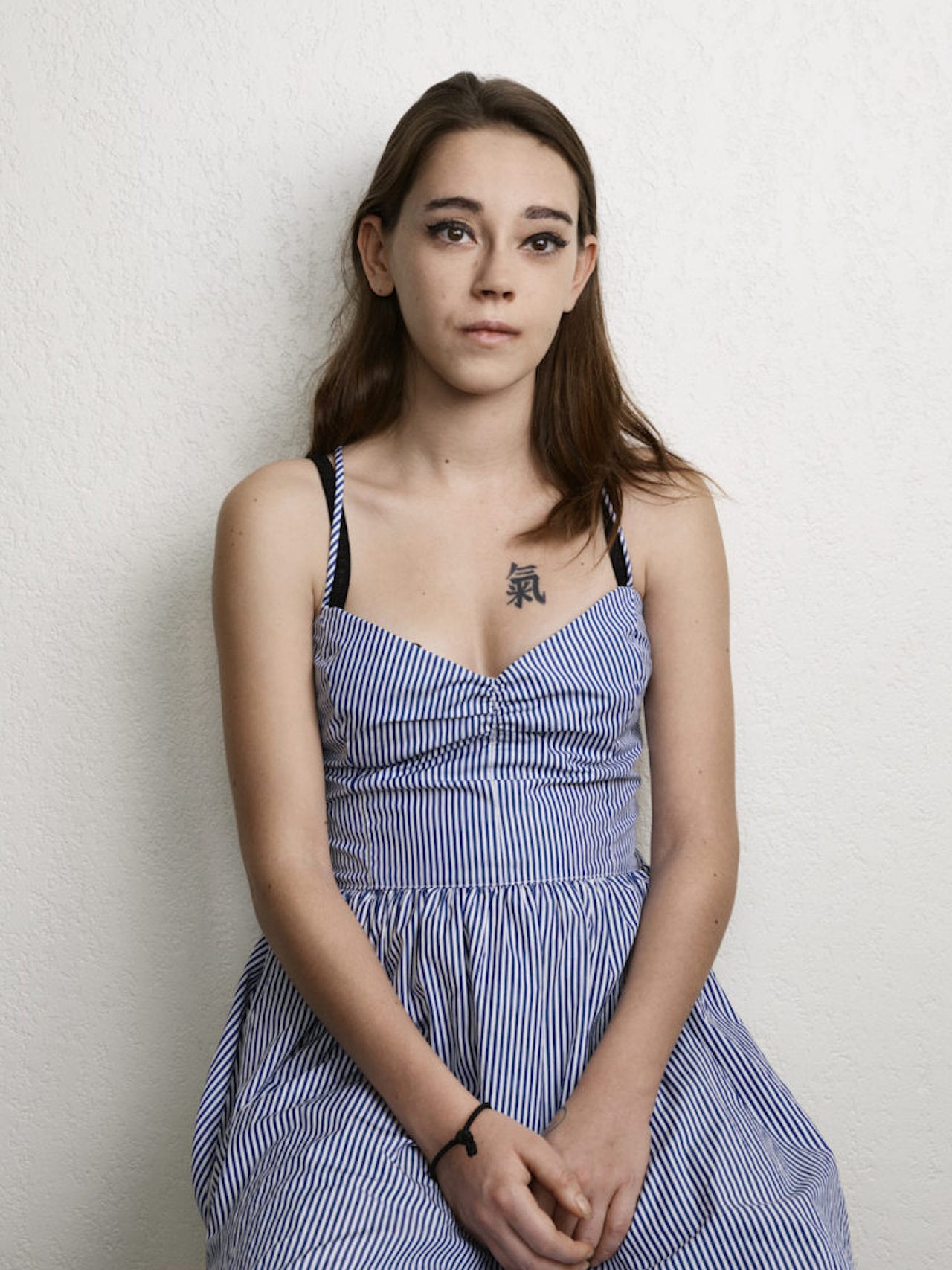
Photographs of women prisoners typically depict them in their cells, behind bars, their femininity stripped away. In contrast to this, French photographer Bettina Rheims has made a series of studio-like portraits of women in four jails across France, images that seek to restore and capture the feminine aspect of their identity. Titled Détenues [Detained], the series comprises 68 frontal portraits shot against white walls in Autumn 2014, and is currently on show in the chapel of Château de Vincennes – a former royal castle near Paris, that housed ‘women of ill repute’ in the 18th and 19th centuries. The exhibition is accompanied by a book, published by Gallimard.
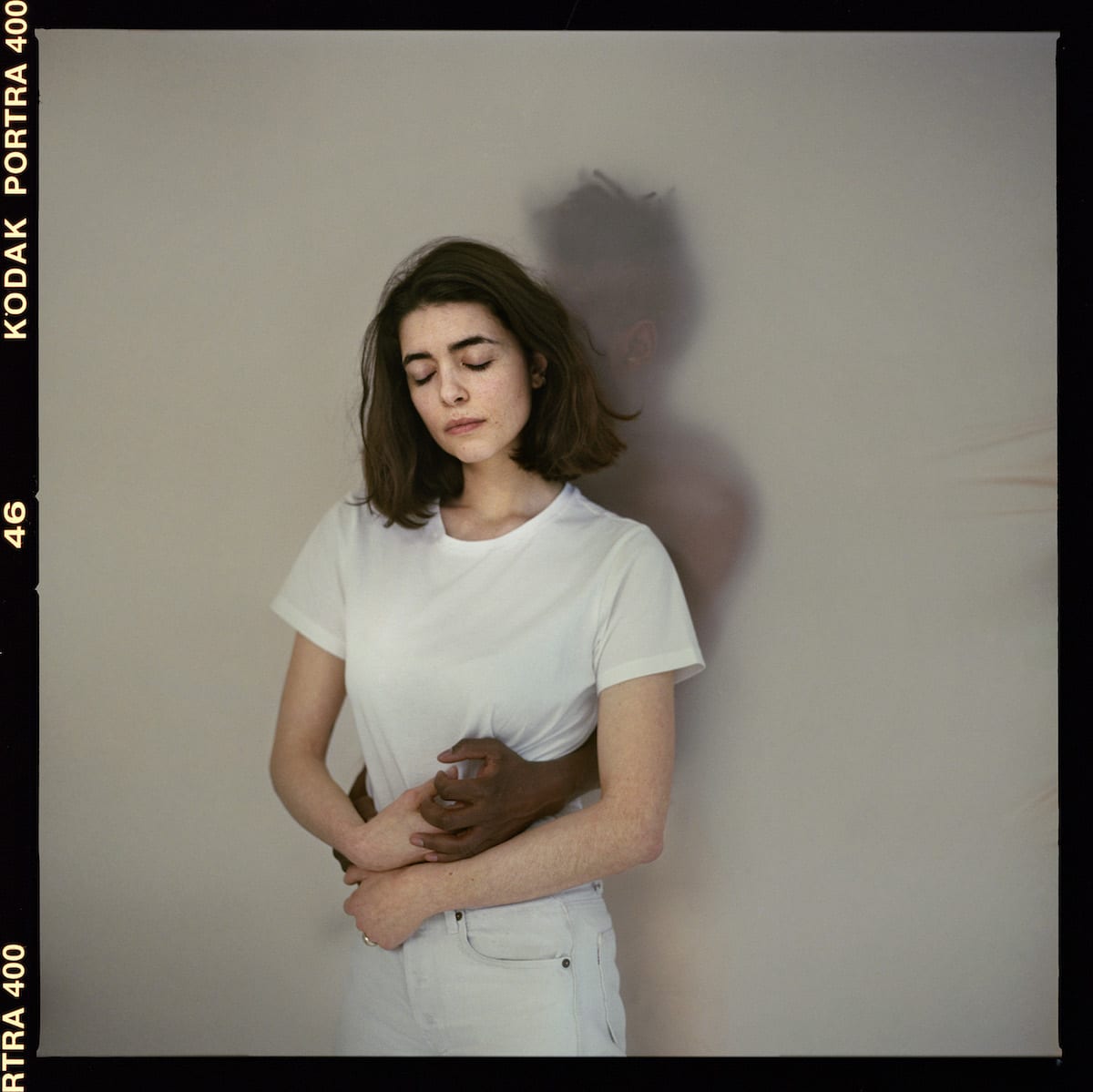
The diverse and prosperous nature of London’s creative industries has long been a draw for EU citizens moving to the capital. But with Brexit looming, is this set to change?
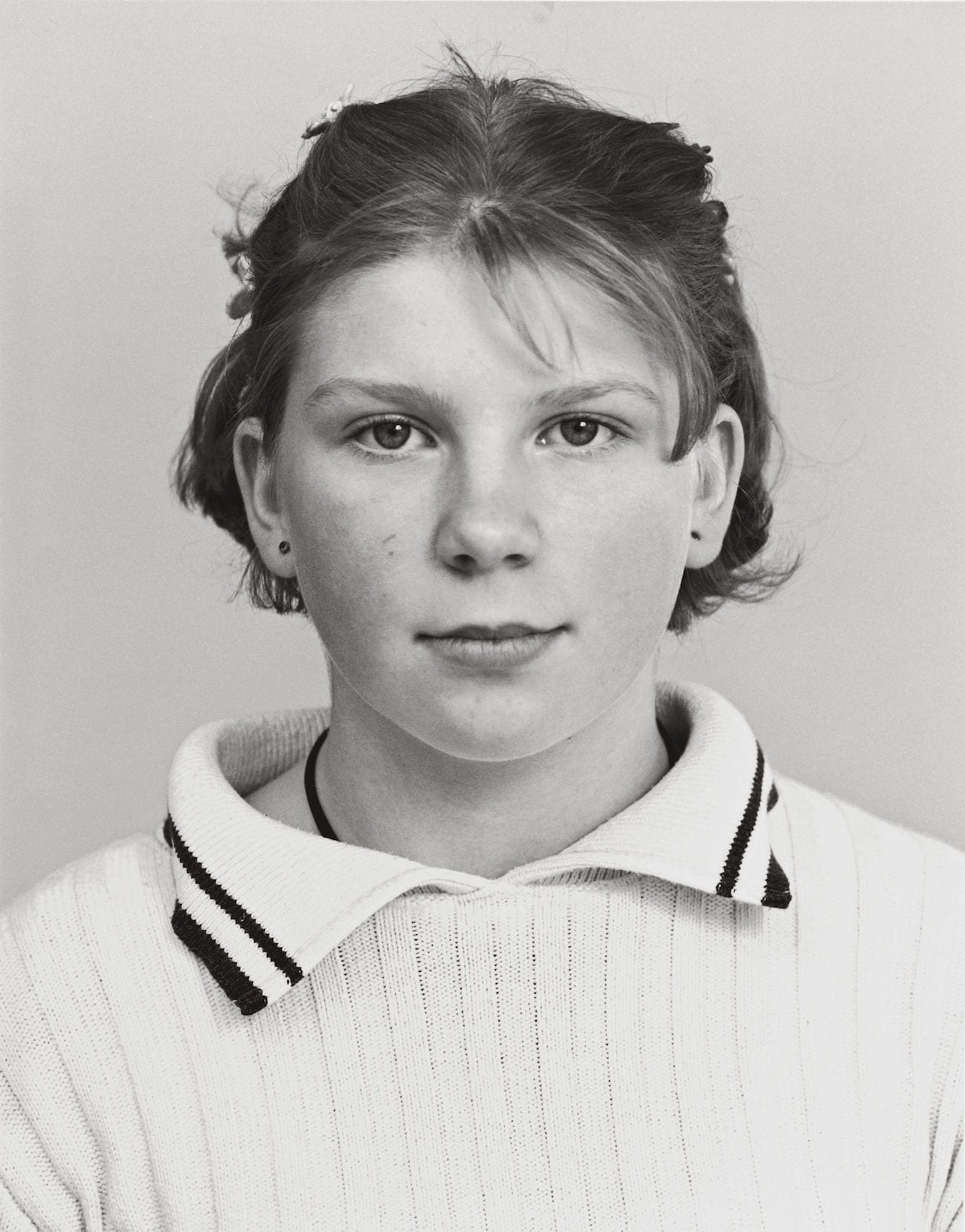
In terms of history and photography, 1938 was a significant year. With Germany’s annexation of Austria, the Munich Agreement, the November Pogrom and the Évian Conference, which addressed the international response to the refugee crisis, it was a decisive point in time, with repercussions that would shape generations to come. It was also the year that six iconic photographers, who would document this shifting world, were born. This spring, the occasion will be honoured with a special celebration at the Sprengel Museum Hannover, titled 1938. Birthday Party with Guests. Initiated to commemorate the 80th anniversary of German photographer Heinrich Riebesehl, whose archive is housed at the museum, the exhibition evolved into a wider historical survey that sketches an international perspective on the second half of the 20th century. Joining Riebesehl are Johan van der Keuken, Josef Koudelka, Boris Mikhailov, Daido Moriyama and Helga Paris. For curator Inka Schube, this wave of artists born in 1938 represents a very particular generation: those who experienced the Second World War as children, too young to remember much more than playing in its rubble but growing up in the world it created.
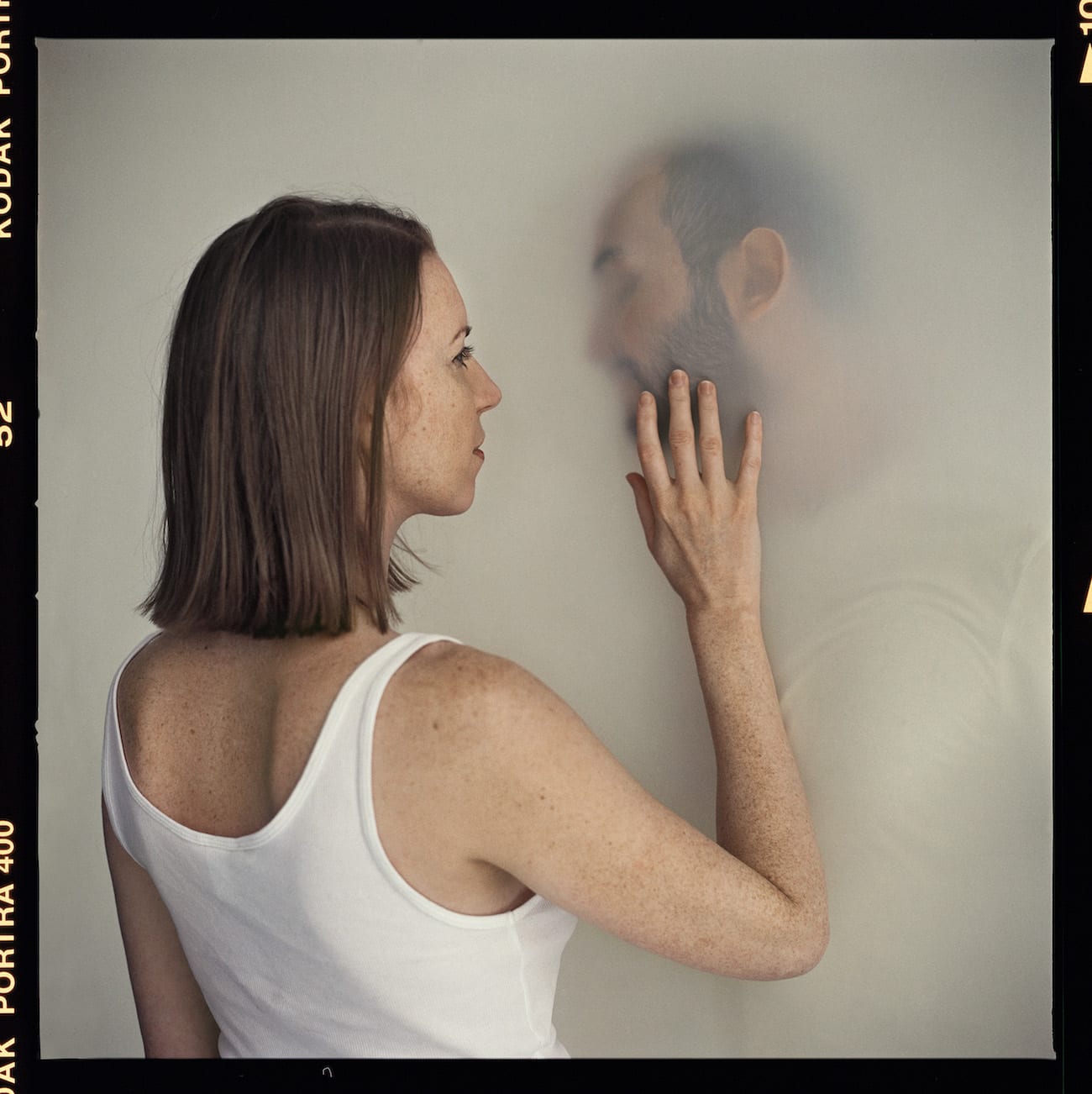
“Maybe we are part of the problem – neither one of us would consider living outside of the M25”