

The diverse and prosperous nature of London’s creative industries has long been a draw for EU citizens moving to the capital. But with Brexit looming, is this set to change?
The diverse and prosperous nature of London’s creative industries has long been a draw for EU citizens moving to the capital. But with Brexit looming, is this set to change?
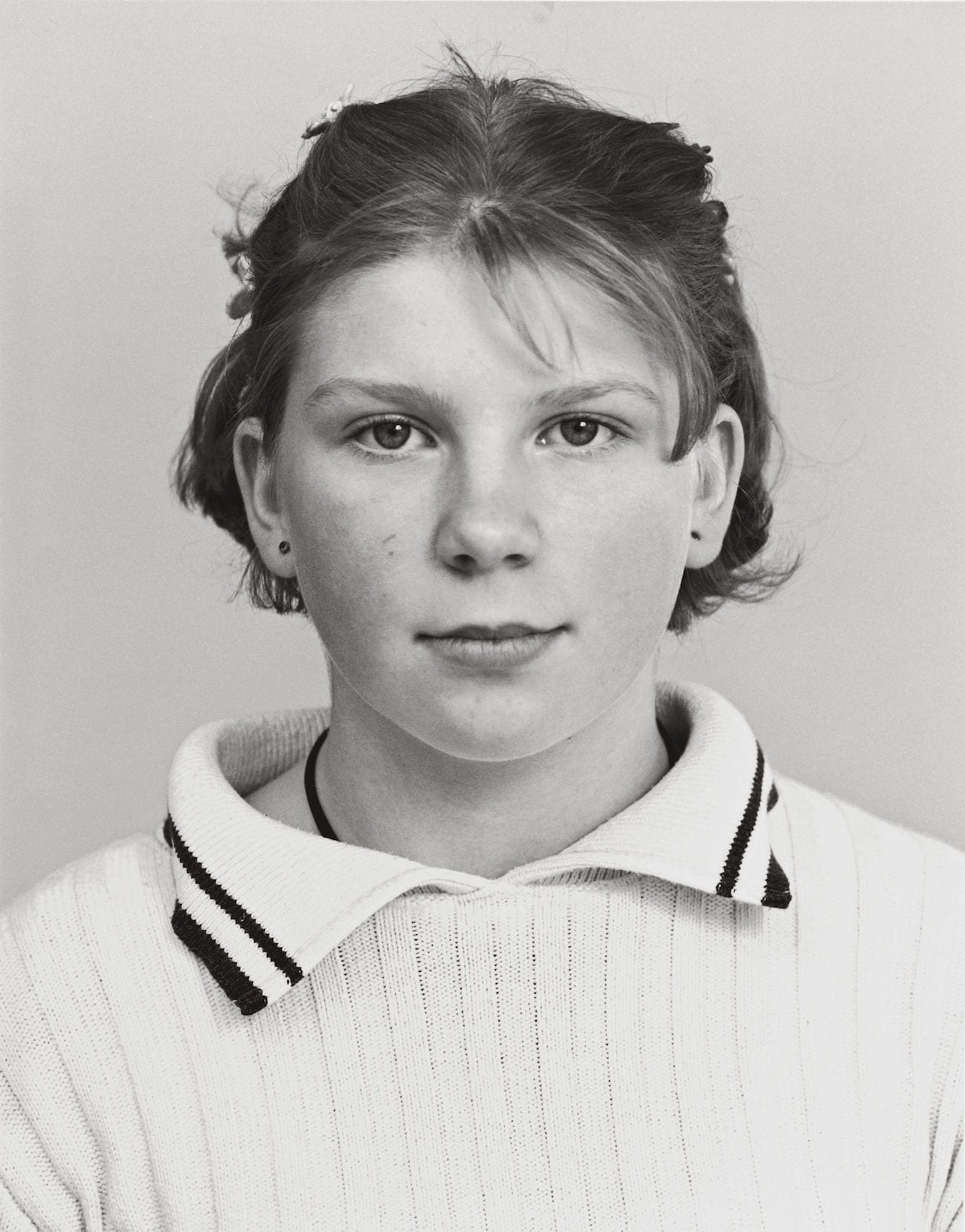
In terms of history and photography, 1938 was a significant year. With Germany’s annexation of Austria, the Munich Agreement, the November Pogrom and the Évian Conference, which addressed the international response to the refugee crisis, it was a decisive point in time, with repercussions that would shape generations to come. It was also the year that six iconic photographers, who would document this shifting world, were born. This spring, the occasion will be honoured with a special celebration at the Sprengel Museum Hannover, titled 1938. Birthday Party with Guests. Initiated to commemorate the 80th anniversary of German photographer Heinrich Riebesehl, whose archive is housed at the museum, the exhibition evolved into a wider historical survey that sketches an international perspective on the second half of the 20th century. Joining Riebesehl are Johan van der Keuken, Josef Koudelka, Boris Mikhailov, Daido Moriyama and Helga Paris. For curator Inka Schube, this wave of artists born in 1938 represents a very particular generation: those who experienced the Second World War as children, too young to remember much more than playing in its rubble but growing up in the world it created.
“Maybe we are part of the problem – neither one of us would consider living outside of the M25”

When Jordan Baumgarten and his wife moved into the neighbourhood of Kensington in Philadelphia in…
Peter James was an instrumental figure in British photography, establishing an outstanding collection of photography at the Library of Birmingham over his 26-year career at the institution, and researching and curating exhibitions at the V&A, National Portrait Gallery, Somerset House, Birmingham Museum and Art Gallery, Ikon Galley, the Library of Birmingham, and many more. He was also a modest and affable man, universally known as Pete and as at home over a curry as in a lecture hall delivering an academic paper. As Hilary Roberts, research curator at the Imperial War Museum, put it in a tribute on James’ Facebook page: “Pete has been a wonderful friend and exceptional colleague for more years than I can remember. His contribution to the world of photography cannot be overstated. It was a privilege to work with him and I will miss him more than I can say.”
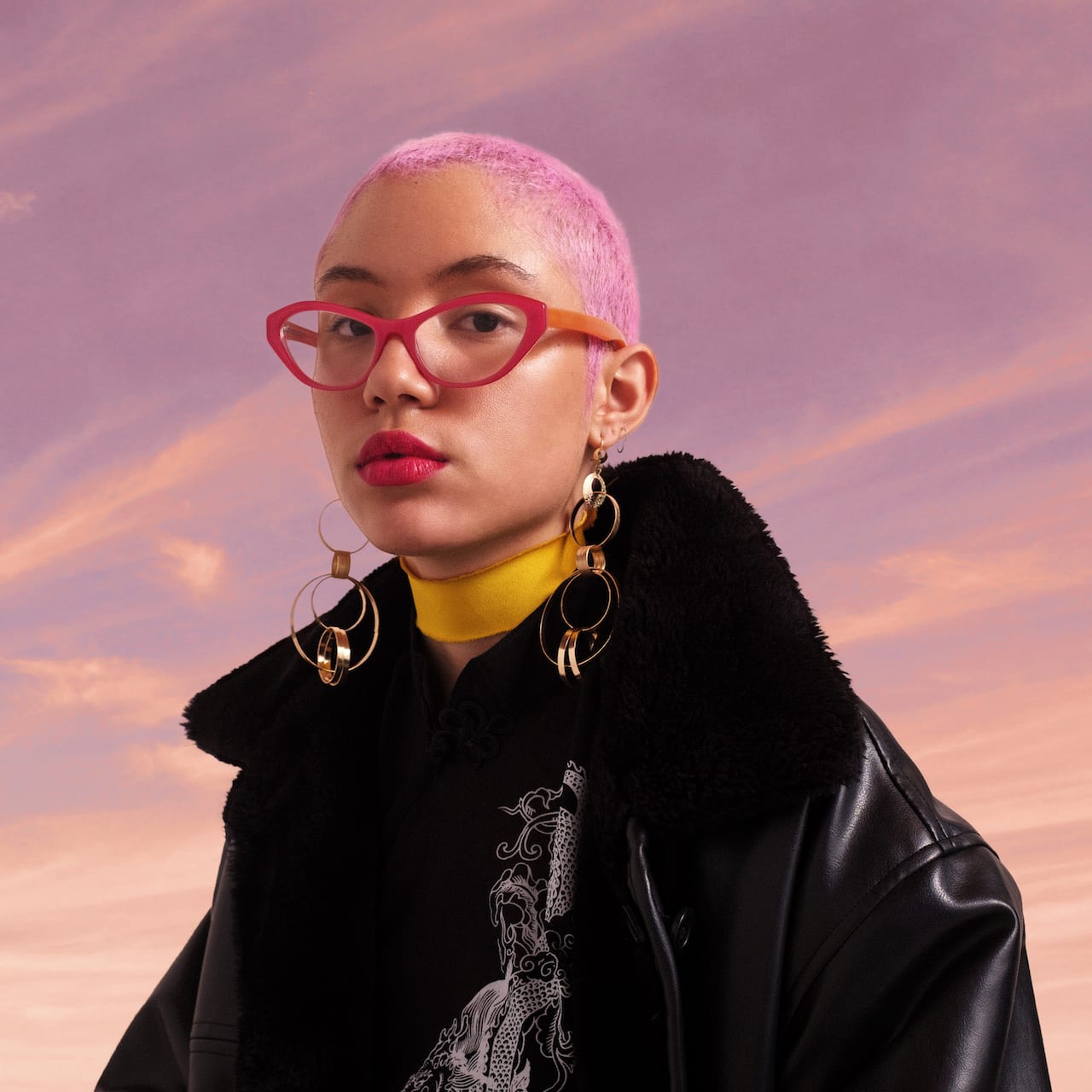
Based in Lagos, Nigeria, A Whitespace Creative Agency is in the business of “creating narratives…
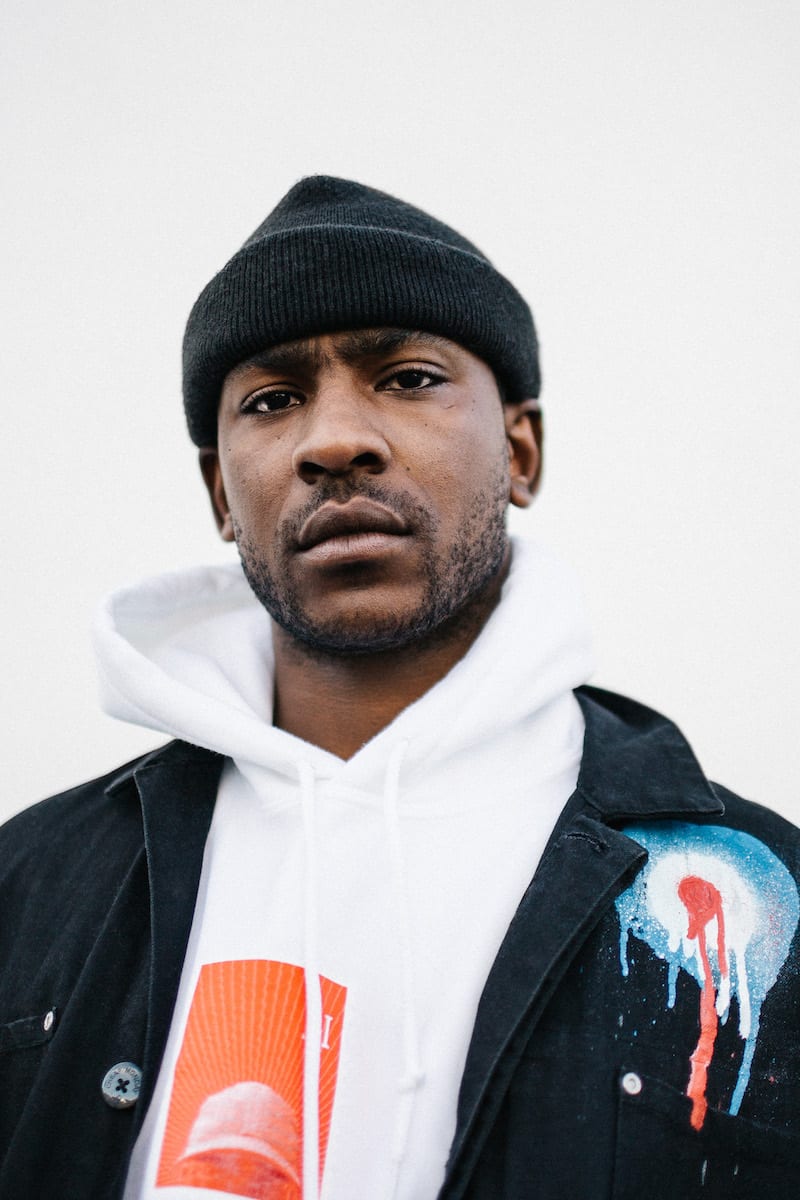
“The media still love to use grime as a buzzword but drag down the artists that keep it going”
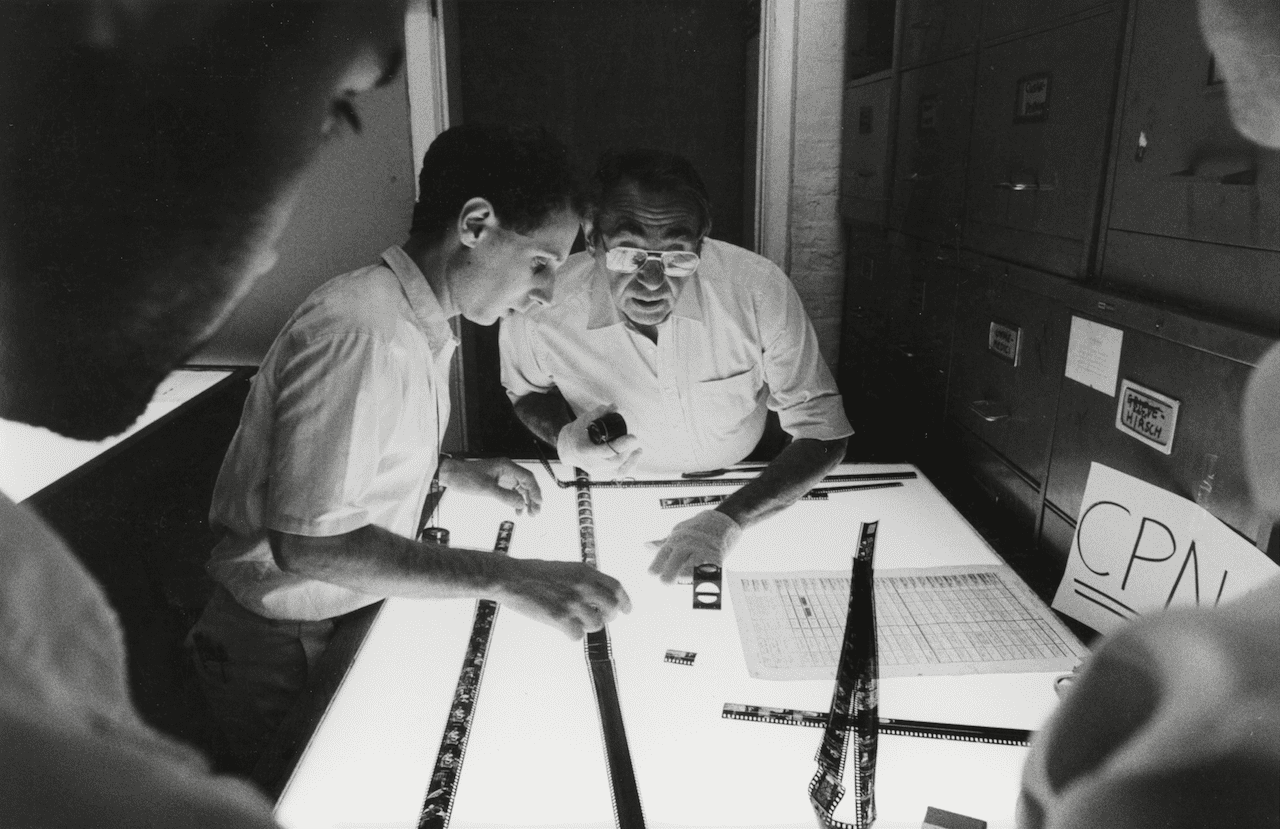
Born Ferenc Saluzinszky in Budapest, Hungary on 12 January 1918, Frank Selby first moved to the UK in 1936 to read Economics at Fitzwilliam College, Cambridge. He returned to make Britain his permanent home in 1939 when, under pressure from the Nazis, his father Imre Saluzinszky was forced to give up his position as editor-in-chief of the Az Est newspaper group. Saluzinszky decided to Anglicise his name and to join the Pioneer Corps of the British Army – a move that happily helped him meet his future wife and business partner Elizabeth Guttman, also from a Jewish-Hungarian family and then working for the French resistance in London. Frank and Elizabeth married in 1948 and within six years had set up Rex Features, a picture agency that become a lynchpin of Britain’s newspaper business.
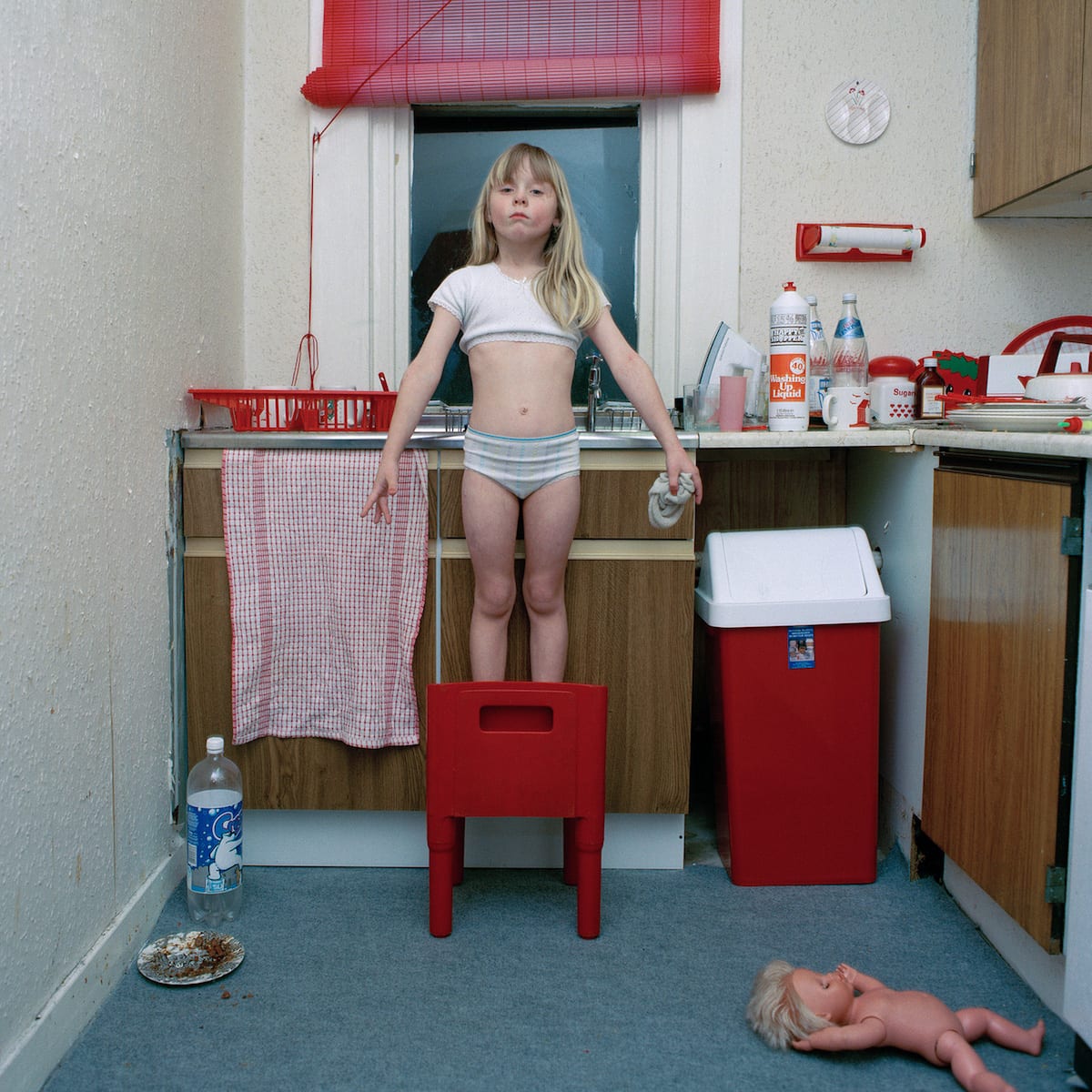
“When I returned to the work, the notion of place became the focus precisely because of what had not changed in their social landscape over 20 years”
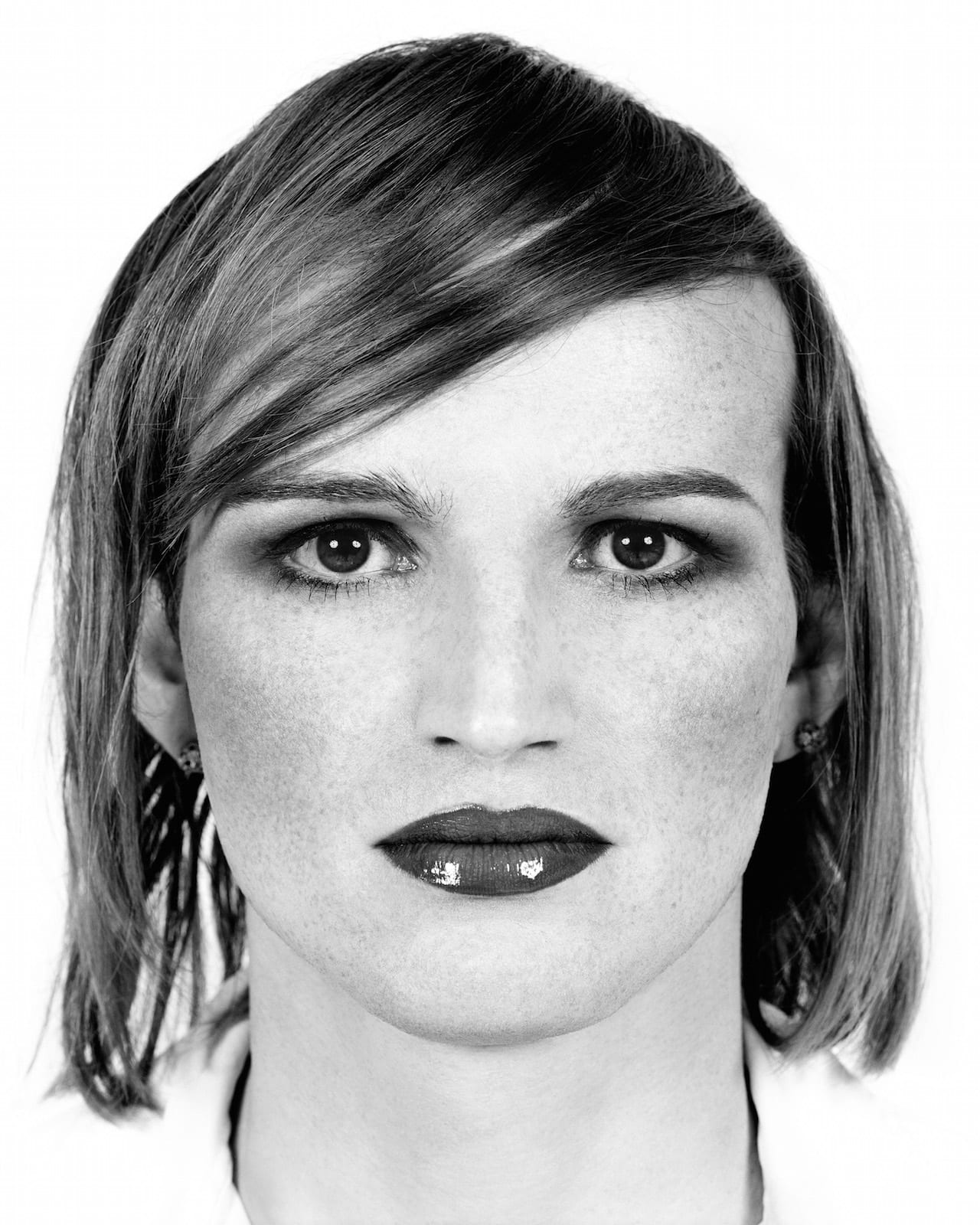
French photographer Valérie Belin’s portraits are not what they seem. Often focusing on the female…