

“I was asked to photograph a concert for one of the bands, and from the…
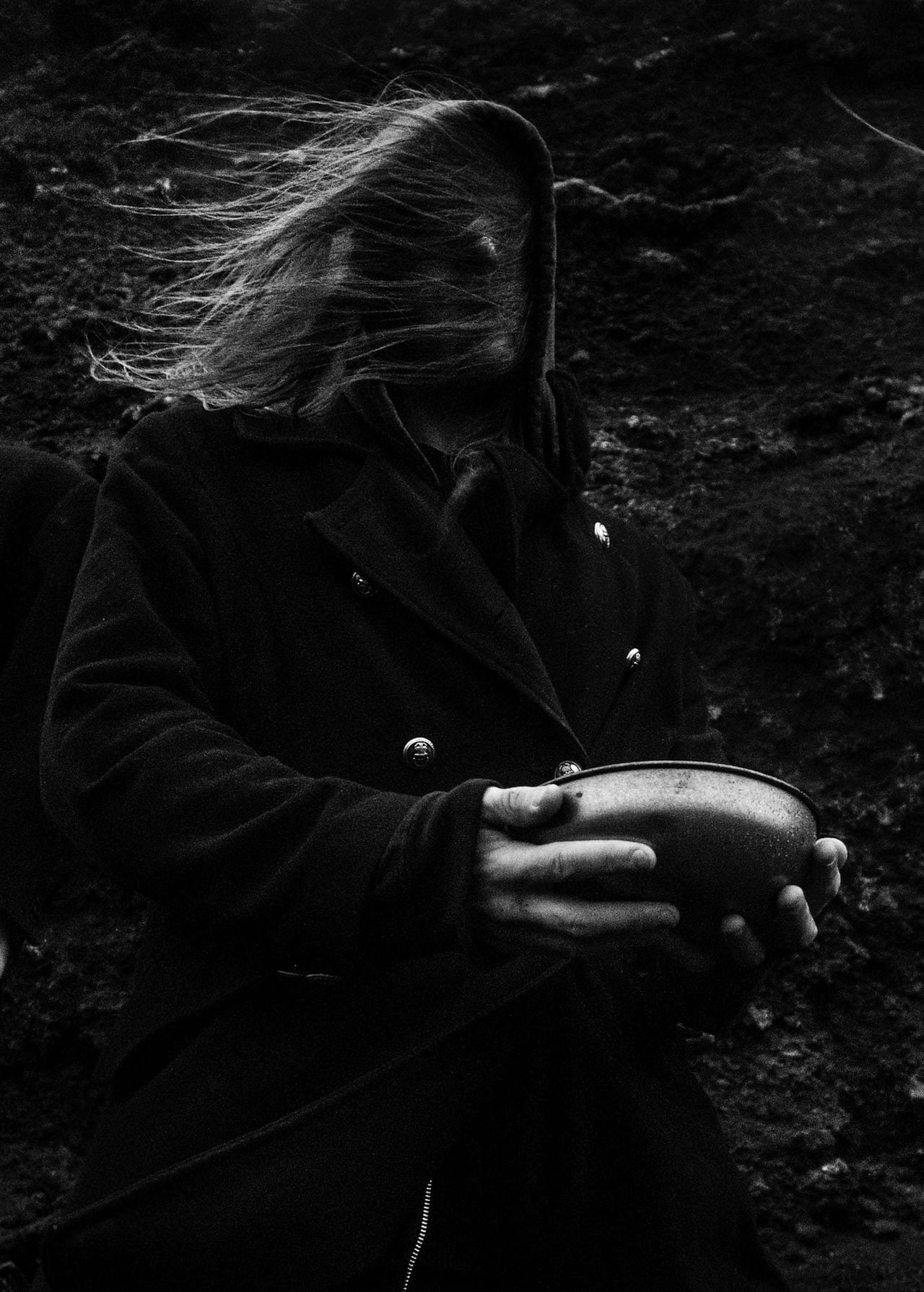
“I was asked to photograph a concert for one of the bands, and from the…
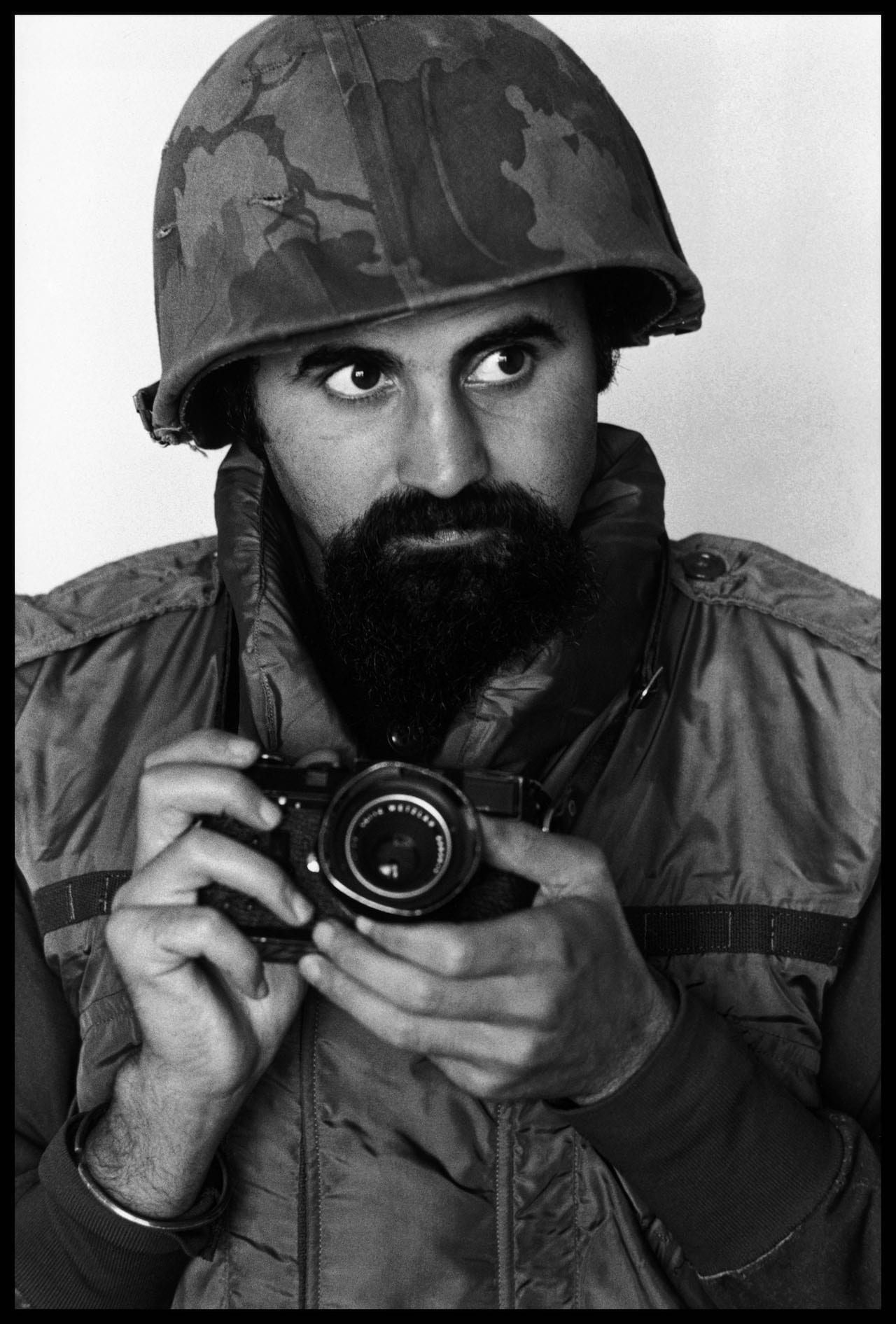
“I used to describe myself as a photojournalist, and was very proud of it,” wrote Abbas in 2017. “The choice was to think of oneself either as a photojournalist or an artist. It wasn’t out of humility that I called myself a photojournalist, but arrogance. I thought photojournalism was superior, but these days I don’t call myself a photojournalist because, although I use the techniques of a photojournalist and get published in magazines and newspapers, I am working at things in depth and over long periods of time. I don’t just make stories about what’s happening. I’m making stories about my way of seeing what’s happening.” Abbas has been described as a “born photographer”, who over his 60-year career covered war and revolution in Vietnam, the Middle East, Bangladesh, Biafra, Chile, Cuba, Apartheid South Africa, and Northern Ireland. He also pursued a lifelong interest in religion in his work, shooting in 29 countries to create the book and exhibition Allah O Akbar: A Journey Through Militant Islam, and publishing long-term series on Christianity, Buddhism, Hinduism, Judaism, and animism.
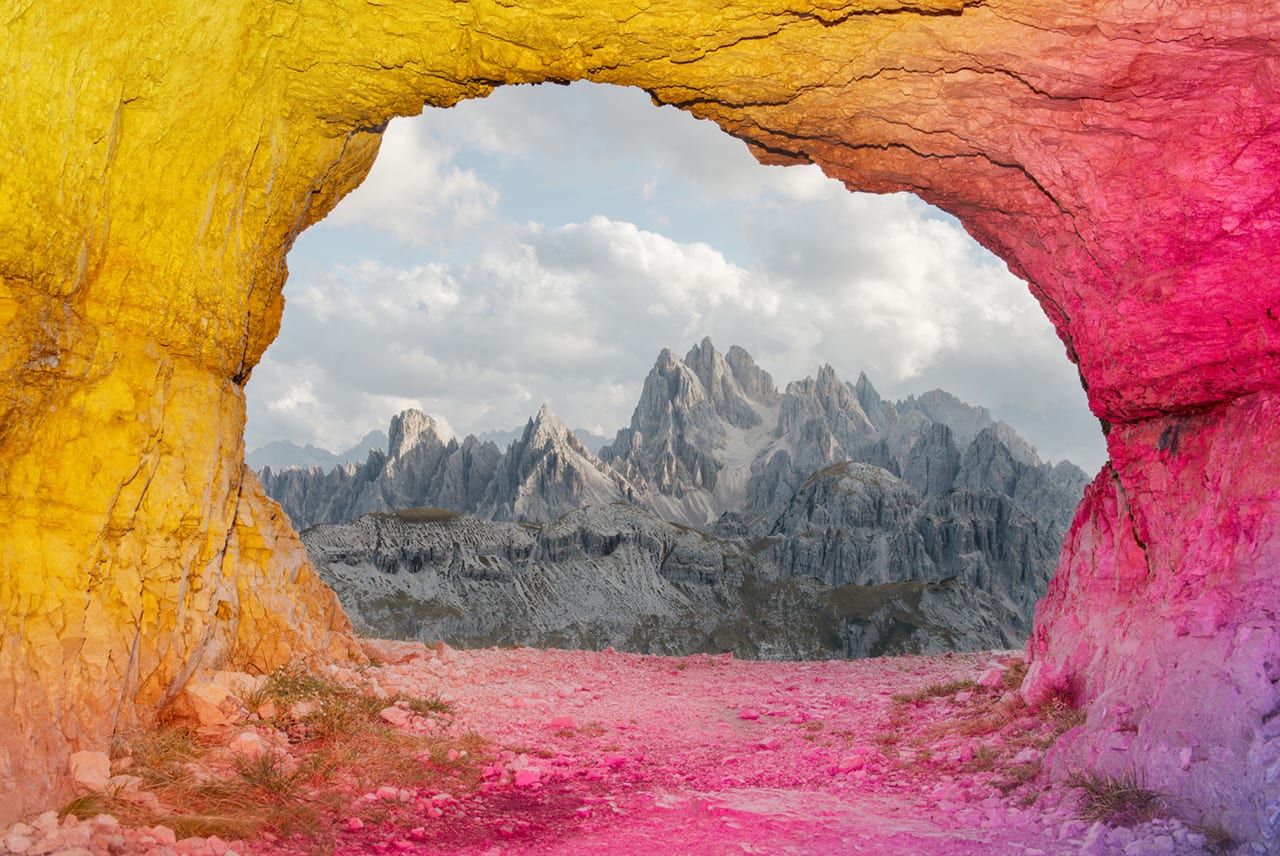
Centred around the theme of New Chic, the works on show at Riga Photomonth this May “are united by quests in the language of photography,” says curator Alnis Stakle. Raising questions about the materiality of photography, he continues, these projects also examine “individual and collective meanings and identities and the rituals of looking and showing off”. Inka and Niclas Lindergård are showing a series titled The Belt of Venus and the Shadow of the Earth, for example, which addresses the materiality of the photograph and photography’s role in the stylisation of the landscape. Through manipulation and the use of colour flashlights “their works become an open portal to the hyperrealistic synthesis of beauty, kitsch and visual desire in the language of photography,” says Stakle, who is director of Multimedia Communication and Photography at Riga Stradins University, and a celebrated photographer in his own right (bjp-online featured his series Theory of R in March 2017).
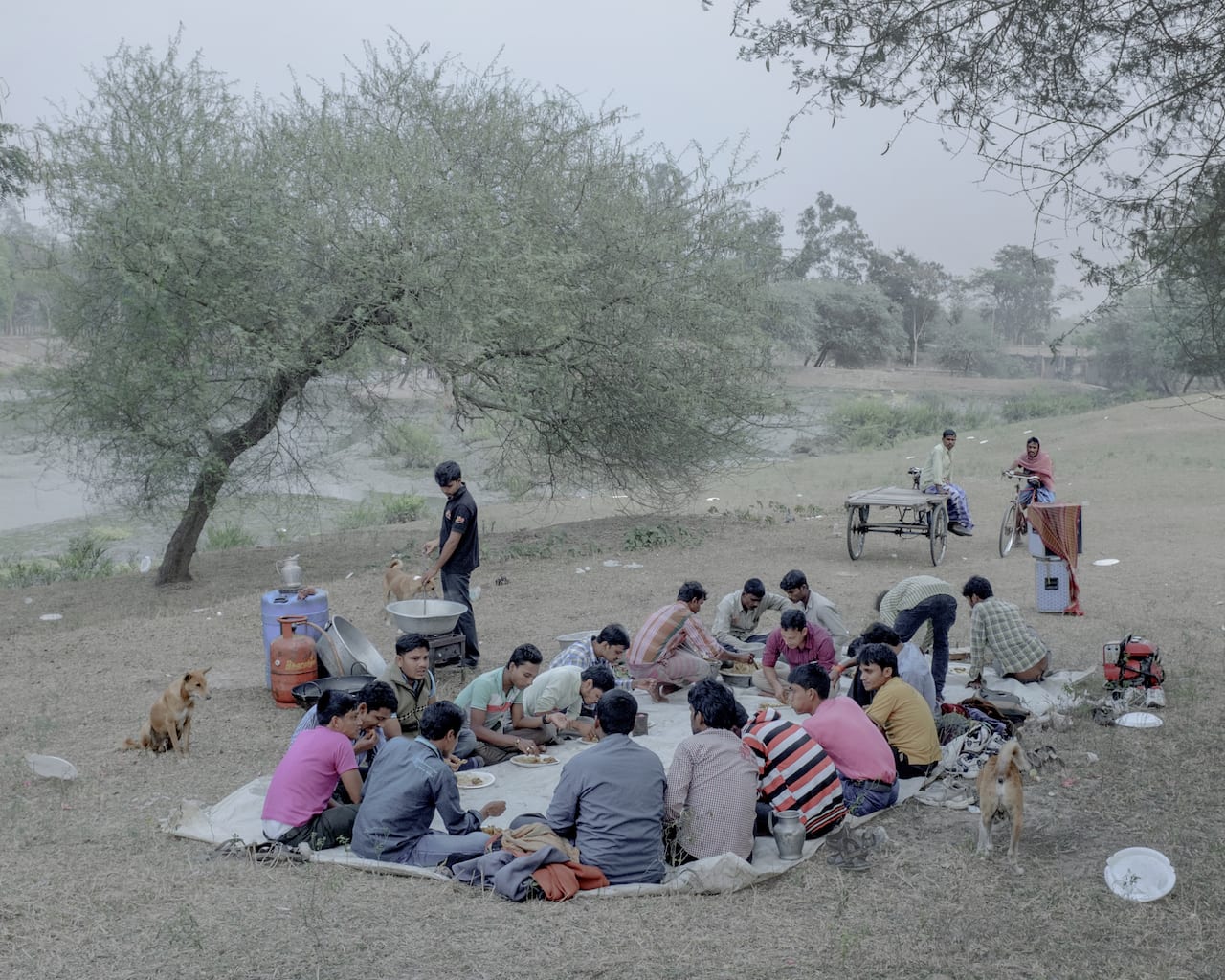
Indian photographer Arko Datto (b.1986) completed two masters degrees in theoretical physics and mathematics before deciding to take a “leap of faith into photography”. After studying photography at the Danish School of Journalism in Aarhus, his long-term projects have since been published in leading international publications, such as TIME and National Geographic. For PIK-NIK, Datto spent the last five winter seasons photographing picnic spots across eastern India, primarily in West Bengal but also in Jharkhand and Orissa. Here, families and colleagues converge for a day of food, drink and revelry before departing at sunset, leaving piles of rubbish in their wake. “Vats of freshly slaughtered chicken, sacks of vegetables and an arsenal of pots, pans and gas cylinders are lugged along, taking cooking en plein air to a whole new level,” says Datto.
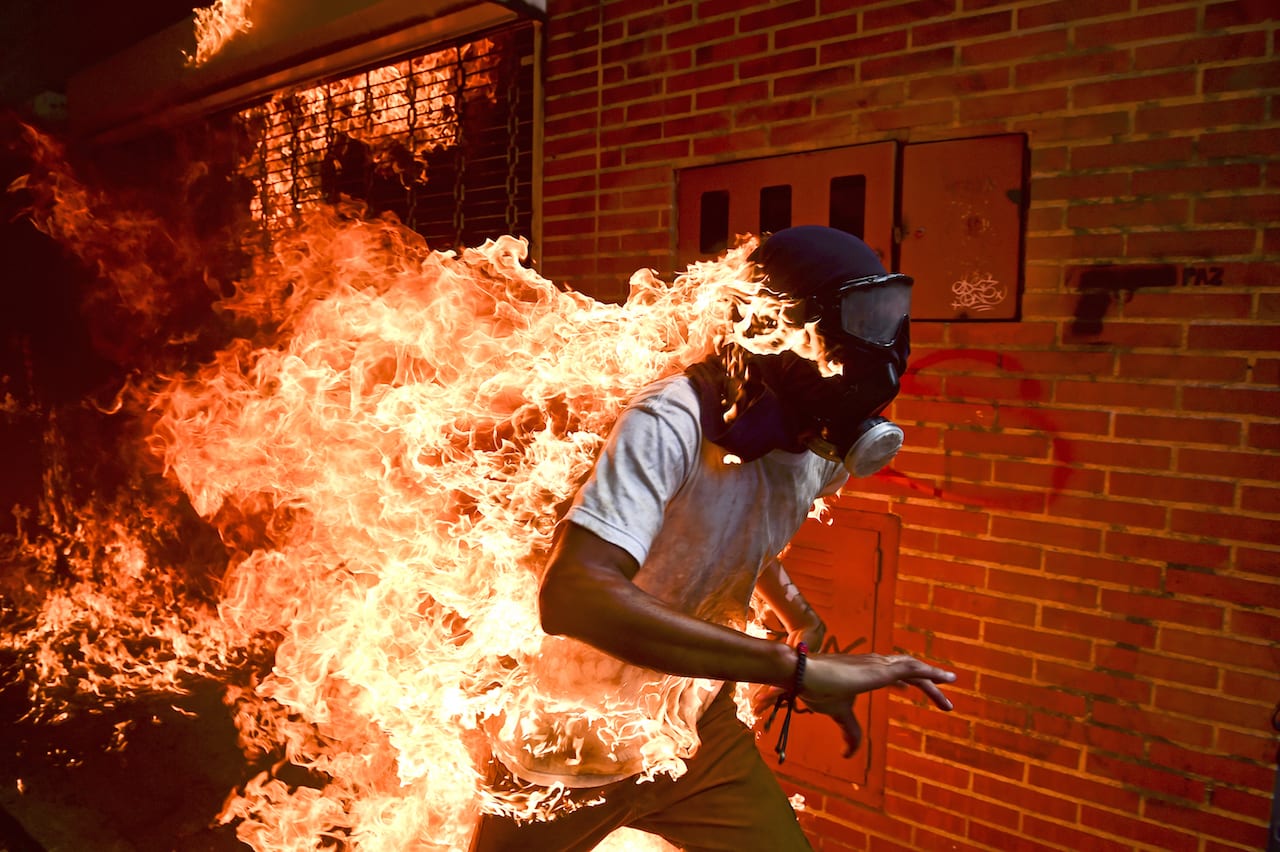
“Normally people don’t get set on fire during the protests, but there were many barricades on fire and the demonstrators use Molotov bombs,” says Ronaldo Schemidt. “I got the photo when a National Guard motorcycle exploded during a clash between demonstrators and government forces. It was lying on the floor, on fire, surrounded by young people. One of the protestors hit the tank, generating an explosion. Then the guy in the photo caught fire. I was standing a few meters away with my back to him, but when I felt the heat of the flames, I got my camera and turned around to start shooting whatever had just happened. It all took just a few seconds, so I didn’t know what I was shooting. I was moved by instinct, it was very quick. I didn’t stop shooting until I realised what was going on. There was somebody on fire running towards me.”
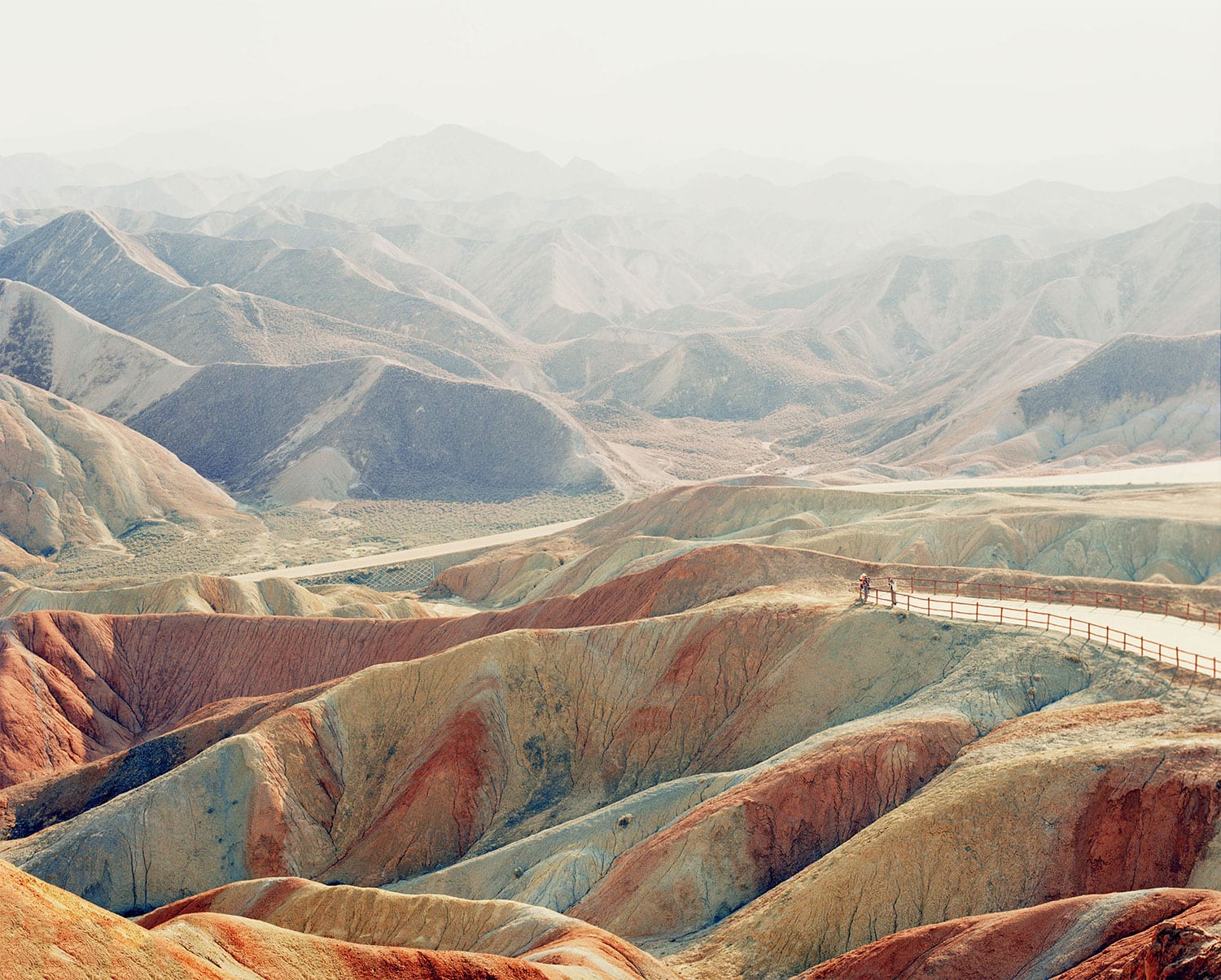
The photographer will spend a week travelling across the country and create a body of work responding to the people and places she encounters
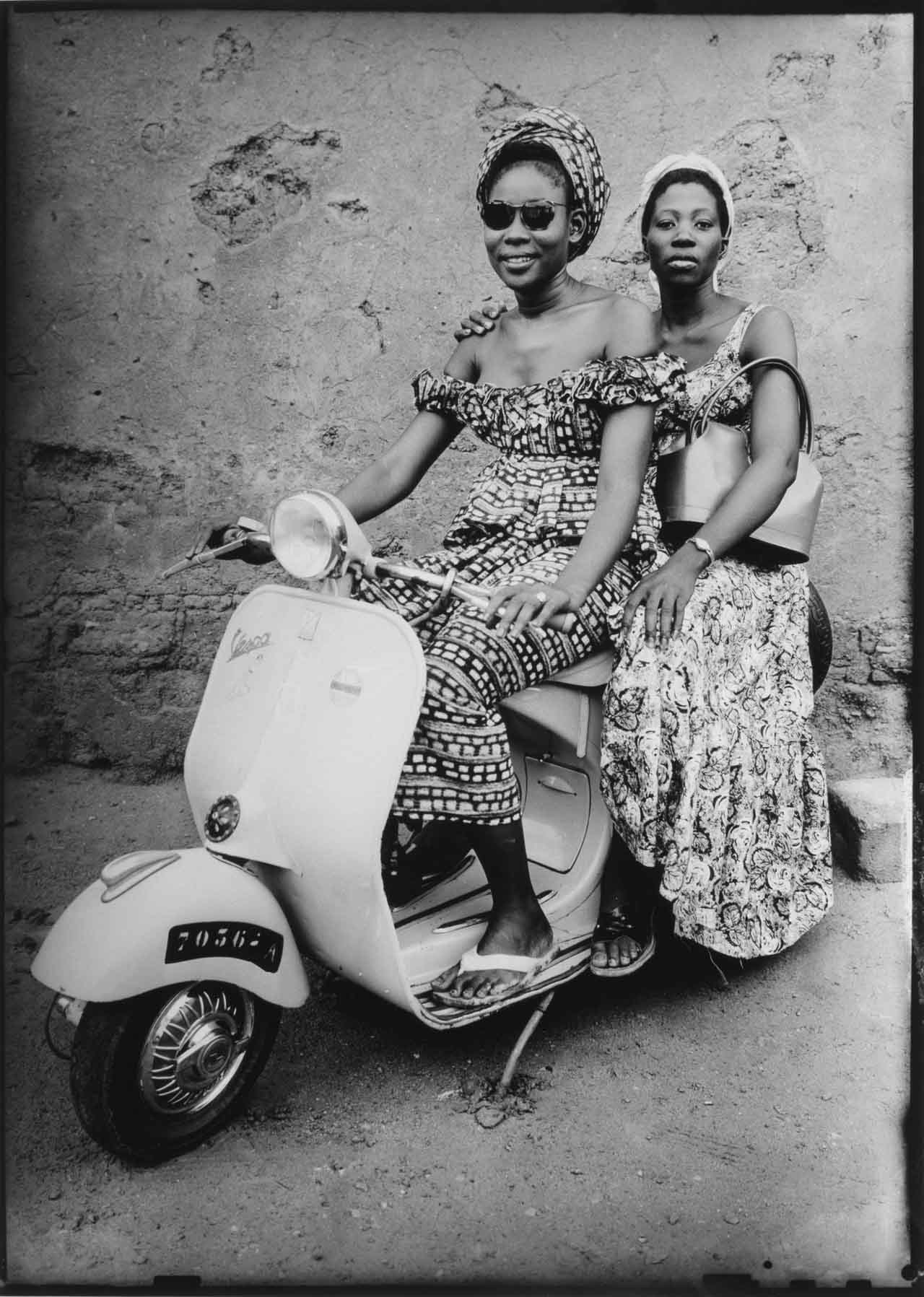
When Seydou Keïta (1921-2001) was given a Kodak Brownie Flash by his uncle in 1935,…
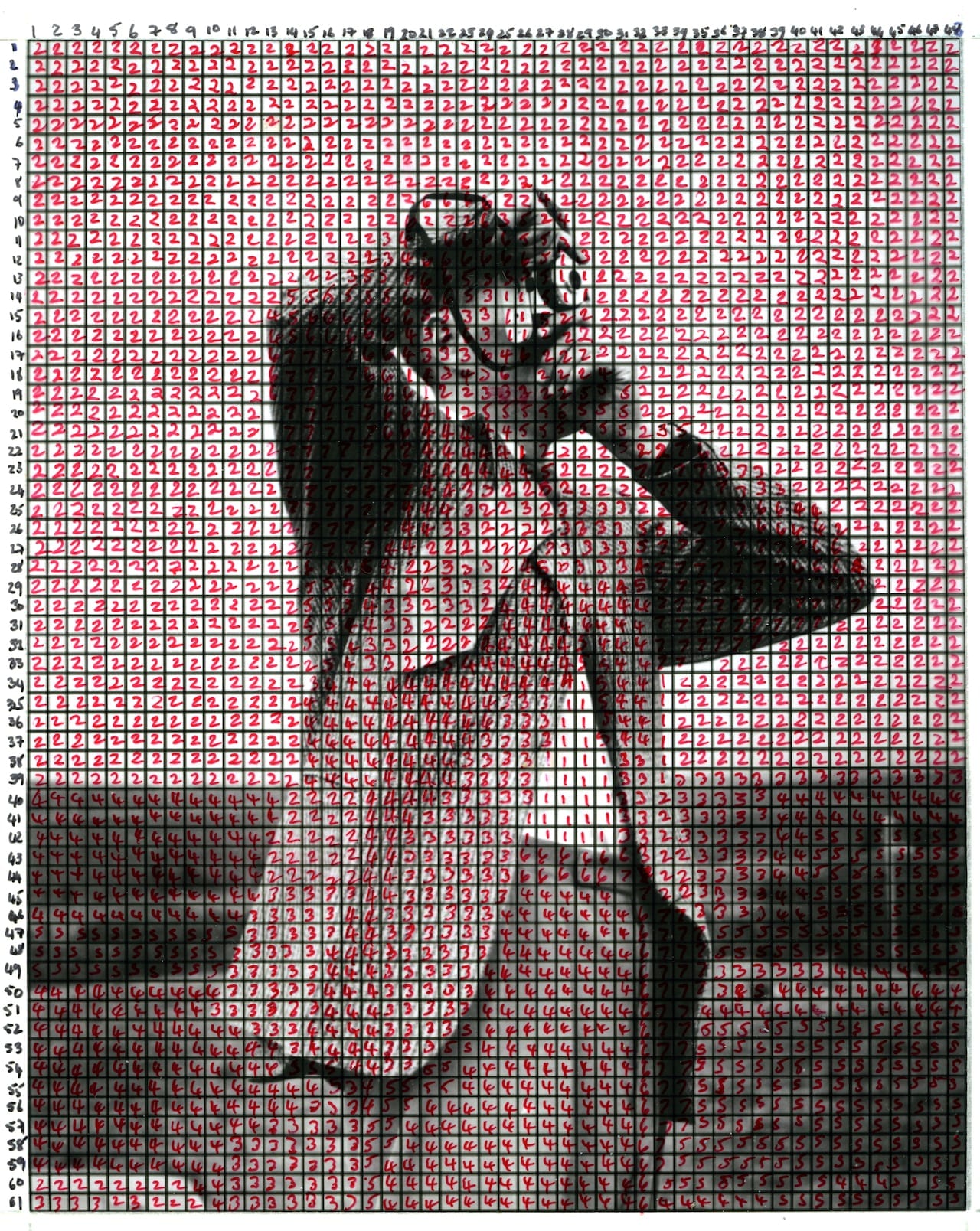
Throughout her career, Clare Strand’s work has been deeply embedded in the act of research.…
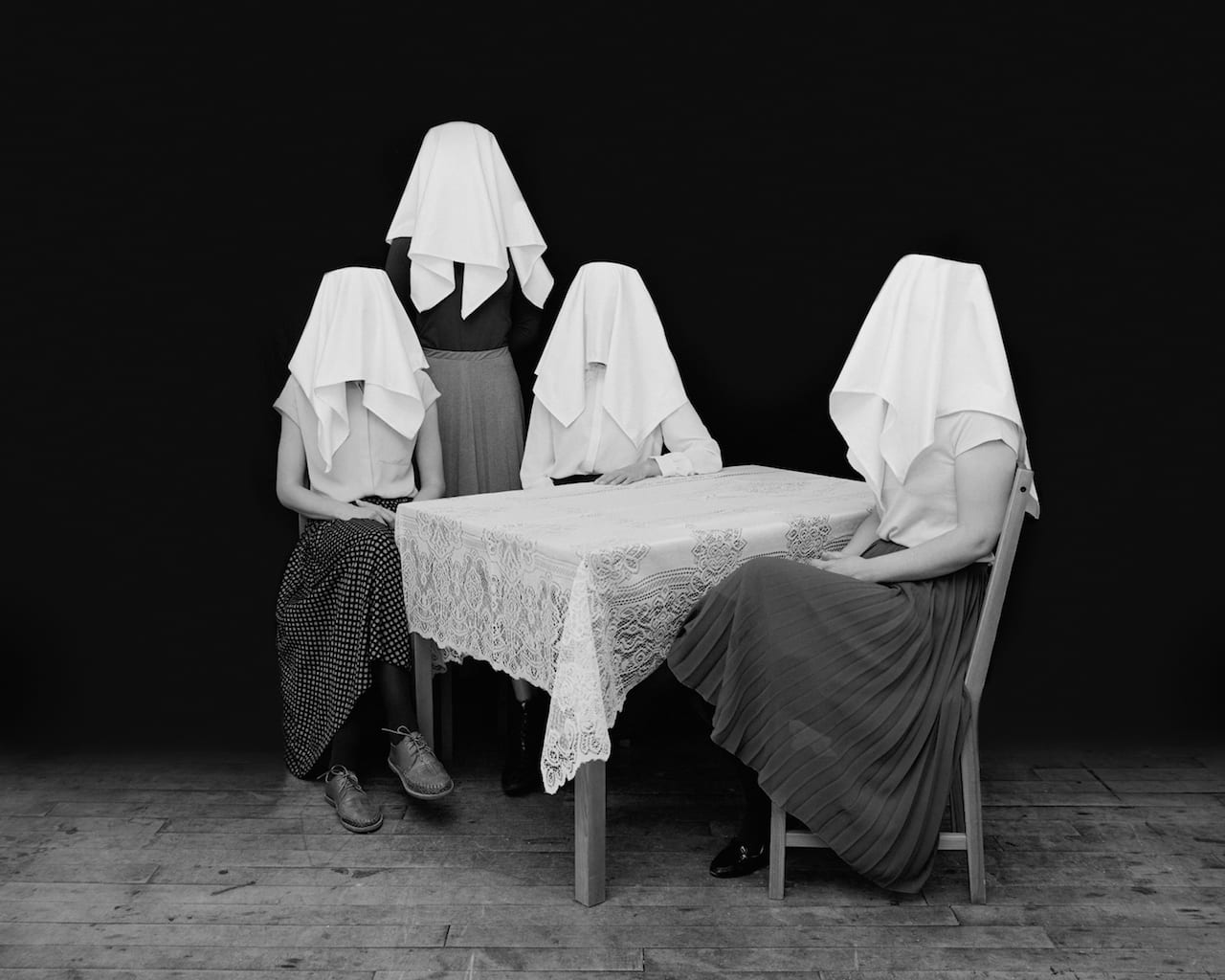
For Czech photographer Tereza Zelenkova, it is the stories behind the images that fascinate her. “I guess a good way of looking at some of my works is as if they were illustrations for a book that does not exist,” says Zelenkova, whose work will be shown in two upcoming solo shows in Amsterdam
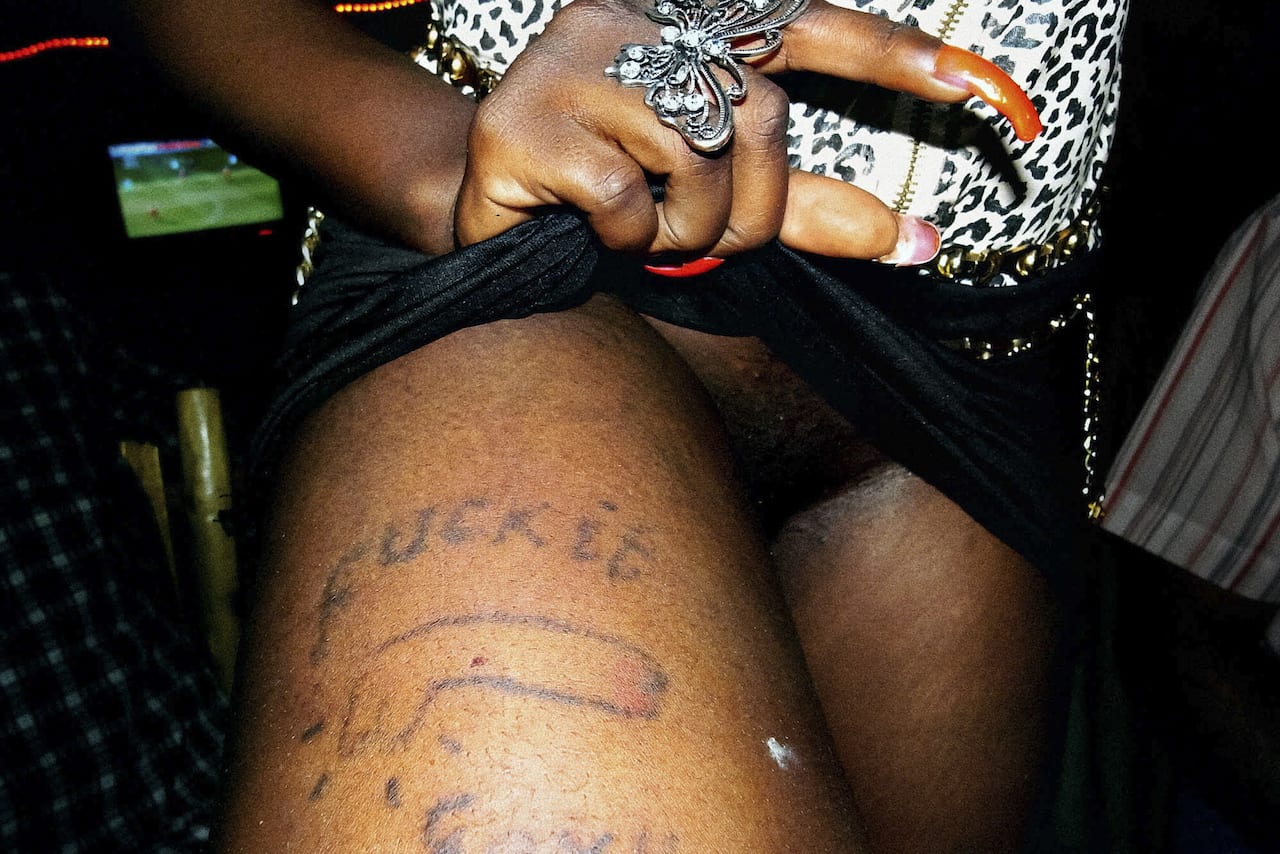
Late in 2010, Michele Sibiloni left the sleepy town in the Emilia Romagna region of Italy where he had lived all his life and moved to Kampala in Uganda, a city eight times larger. He had come to cover the lead up to the 2011 general election in the country, which many had predicted might depose its leader, following the lead of the Jasmine revolution in North African countries. But, despite the jitter, all Sibiloni witnessed once the voting had ended was the swearing-in of President Yoweri Museveni for his fourth term in office since he helped overthrow Idi Amin in 1979. Even so, Sibiloni was hooked. “It’s so different to where I come from,” he tells me, by telephone from his apartment in Kampala. “At the beginning I found it really chaotic, but the more time I spent here, and the more I got to know about the surrounding region of East Africa, the more fascinated I became. In fact, I got really excited.”