
Features

Ones to Watch: Phillip Prokopiou

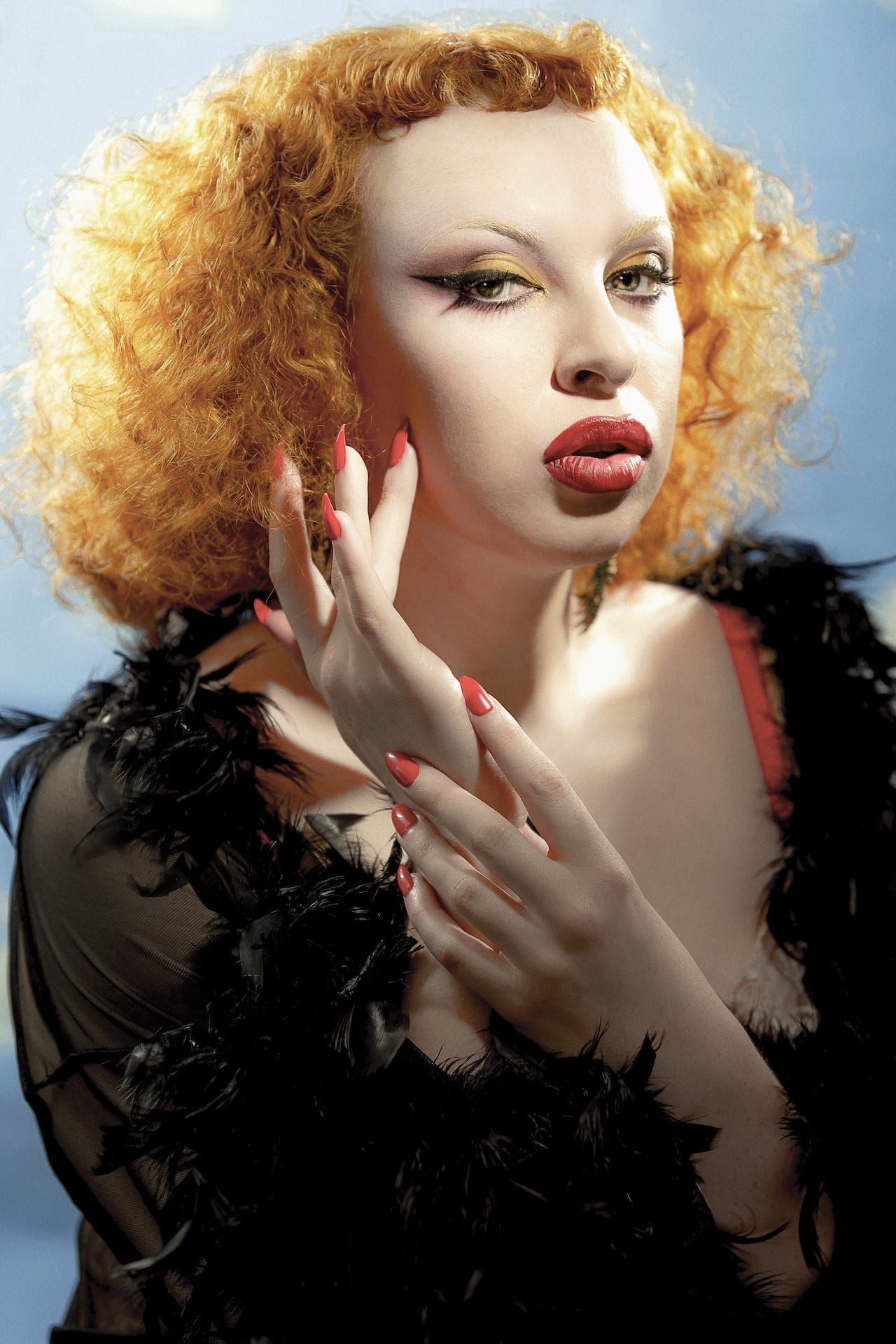
Famously described by Susan Sontag in her 1964 essay Notes on ‘Camp’ as “a sensibility (as distinct from an idea)”, the appreciation of camp was born out of artifice and opulence, a vulgar fascination with theatrical exaggeration. And while it has long been tied up with LGBTQI culture, it has become a compelling way to convey messages without limits. “To me, camp is a very powerful thing,” says Phillip Prokopiou. “It’s a form of satire – a way to exaggerate and ridicule things that are very serious.” Prokopiou, a South Africa-born, London-based photographer behind an eponymous studio, which he co-founded with his partner-in-life-and-art Panagiotis Poimenidis, has long been fascinated with the power of kitsch to communicate our deepest hopes, fears and fantasies – whether they manifest in the form of a moustachioed Virgin Mary (stage name: Virgin Xtravaganzah) sitting chastely in the glow of ‘Gawd’’s glory, or an otherworldly extraterrestrial gazing into the distance.
11 May 2018

Photo London: Nadine Ijewere at Red Hook Labs

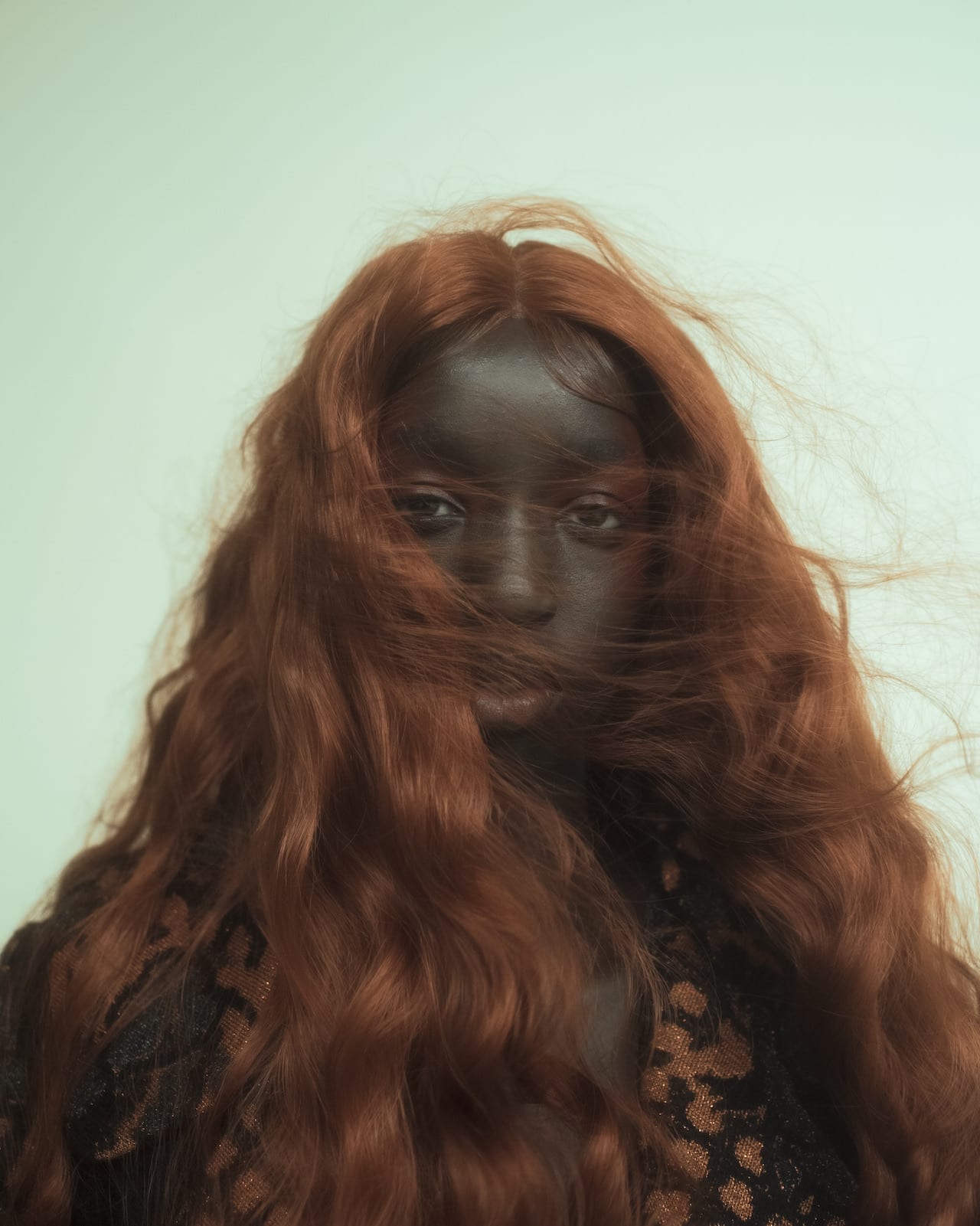
Nadine Ijewere has been interested in fashion imagery since she was a girl but it wasn’t until she studied photography at the London College of Fashion that she began to pick up on some of its more unsettling undertones – particularly the stereotypes used in the portrayal of non-Western cultures. The Misrepresentation of Representation, an early project that she completed at university reflected on Orientalism and how it came to rigidly define certain cultures for a Western audience.

11 May 2018

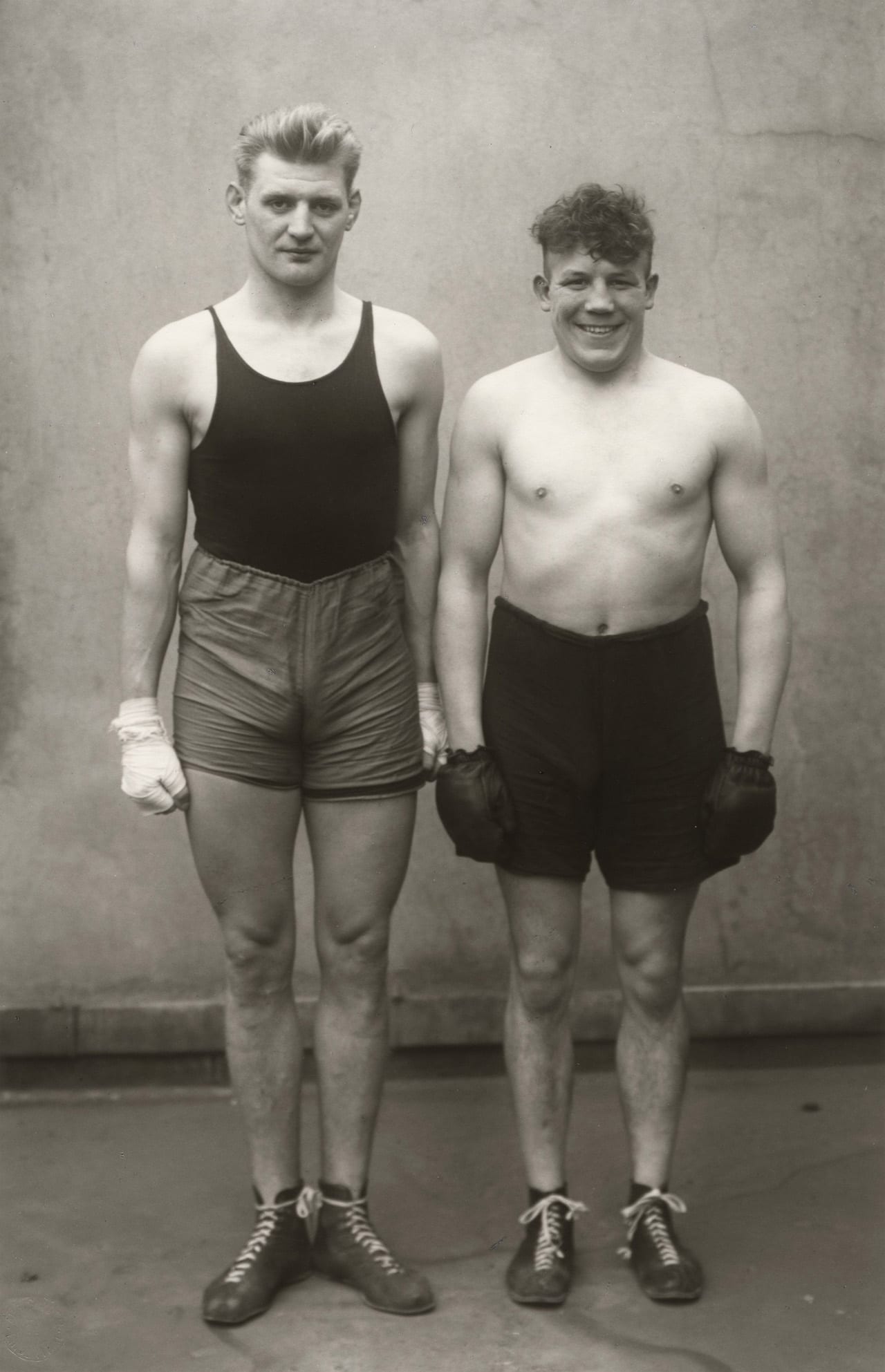
August Sander: Men Without Masks

Born in 1876 in the German mining town of Herdorf, August Sander discovered photography while working at a local slagheap. Serendipitously meeting a landscape photographer working there for a mining company, he went on to assist the image-maker, and by 1909 had opened his own studio in Cologne. Around this time he also started taking portraits of his fellow-Germans, deliberately eschewing the then-prevalent pictorialist approach in favour of recording as much detail as possible. “Nothing seemed to me more appropriate than to project an image of our time with absolute fidelity to nature by means of photography,” he stated. “Let me speak the truth in all honesty about our age and the people of our age.”

11 May 2018

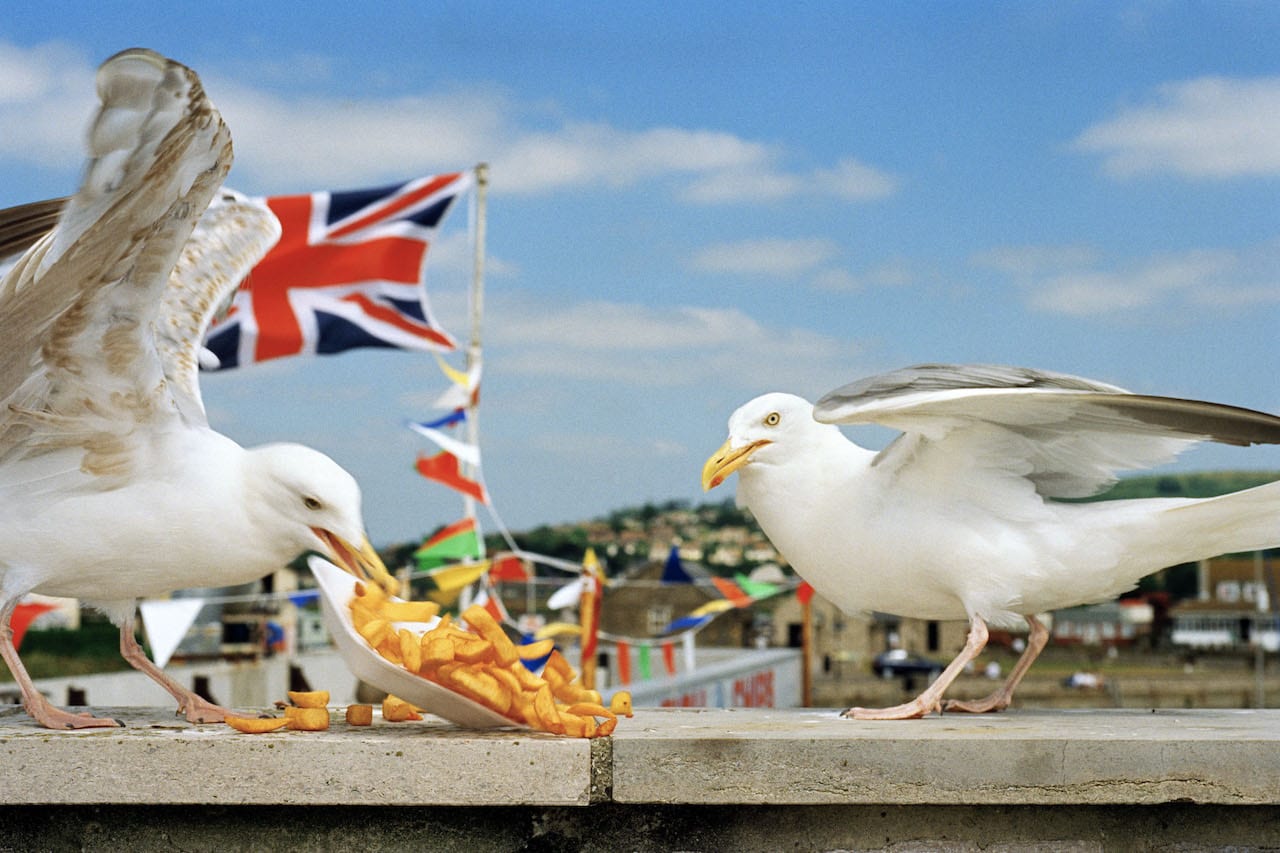
Celebrating the seaside at the National Maritime Museum

In the UK nobody lives more than 72 miles from the sea, and the seaside is entrenched in our culture because of it. “The coastline is significant to Brits whether we live there, or not,” says Simon Roberts, who lives in the seaside town of Brighton, and who has returned to the coast again and again in his work. Now his images are appearing in an exhibition called The Great British Seaside at the National Maritime Museum this spring, alongside work by David Hurn, Martin Parr and the late Tony Ray-Jones.

11 May 2018

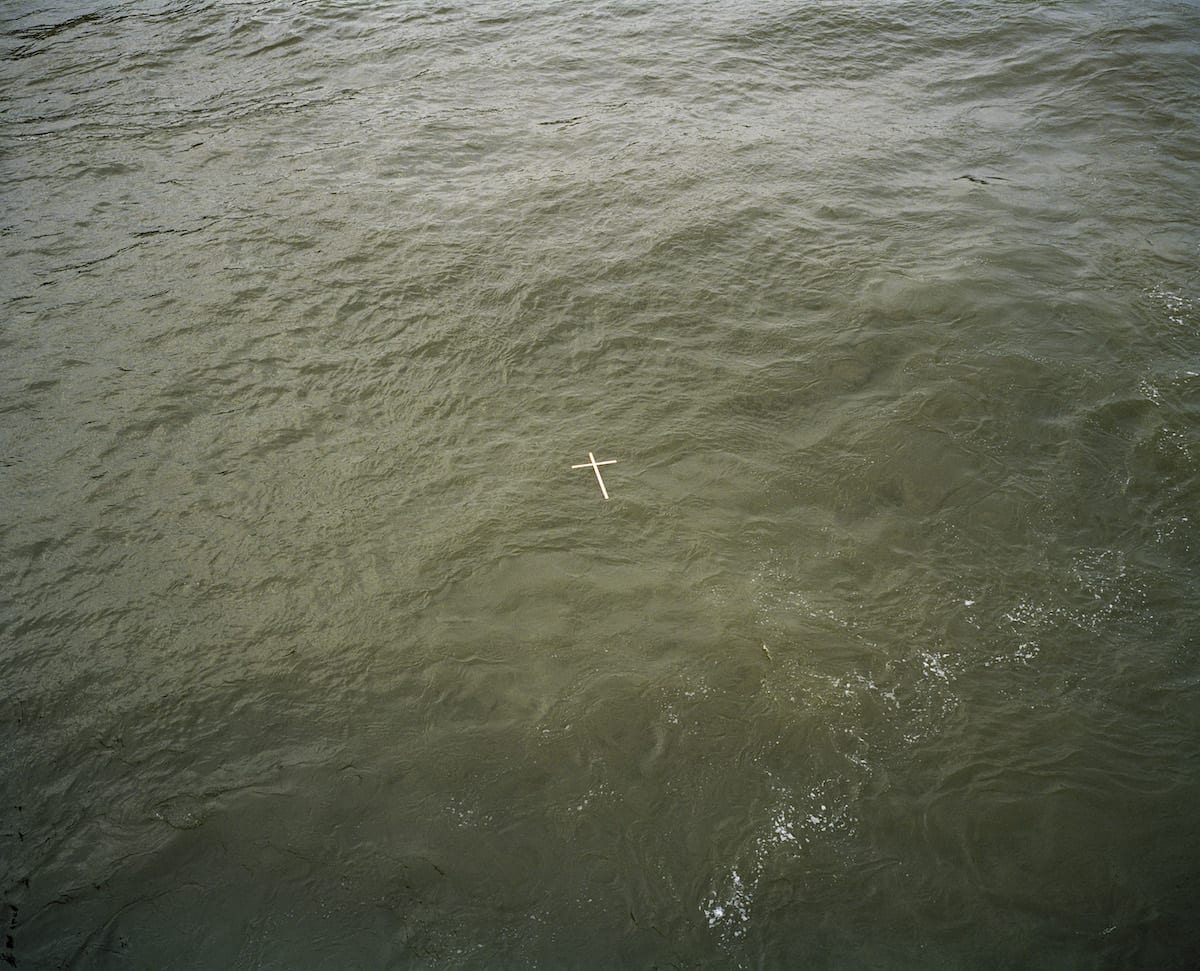
“The water is witness, it carries the DNA”

Chloe Dewe Mathews has spent half a decade documenting life along the River Thames. In a new FullBleed film, produced in association with British Journal of Photography and the Museum of London, the photographer sheds light on the project

11 May 2018

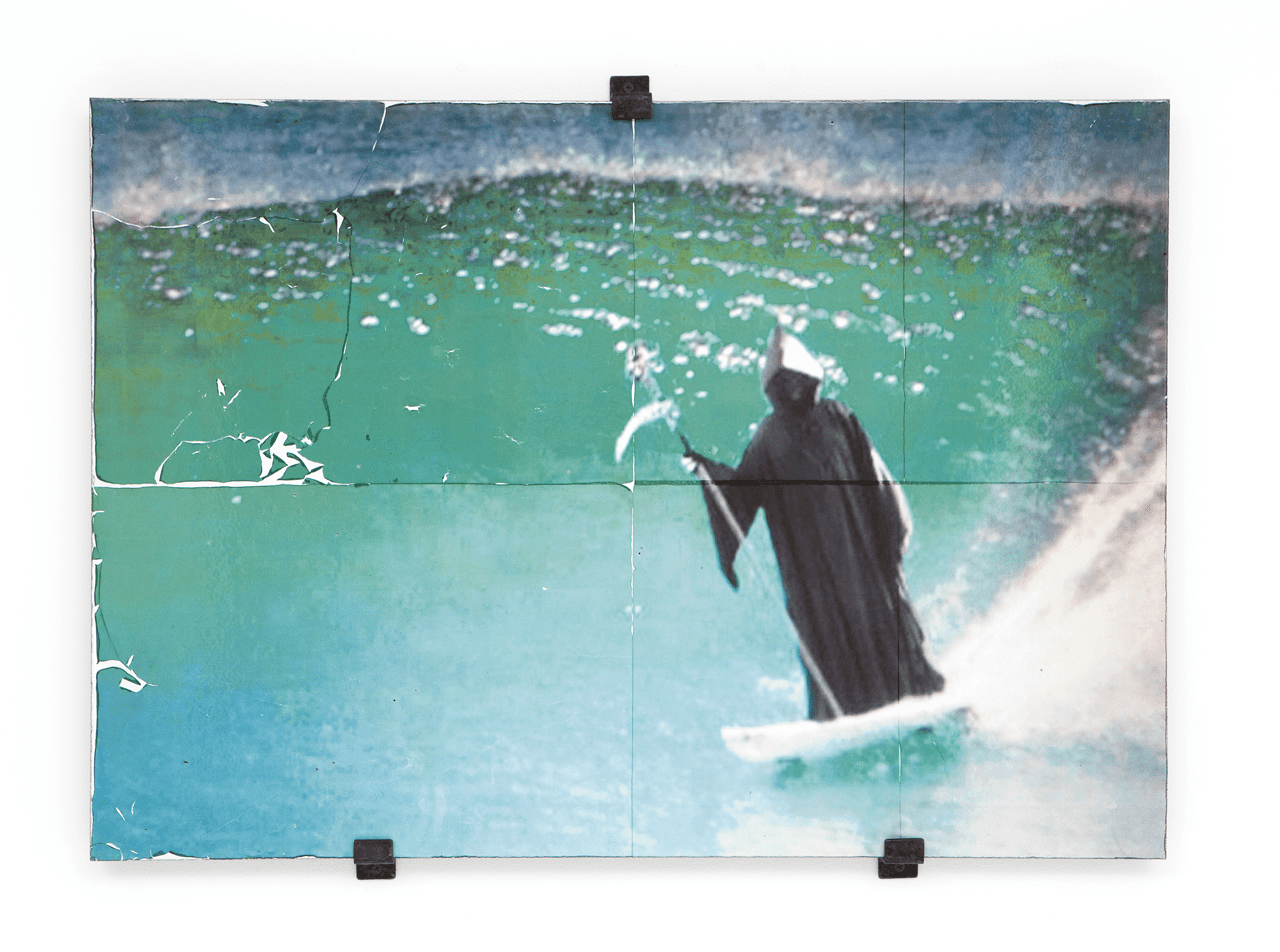
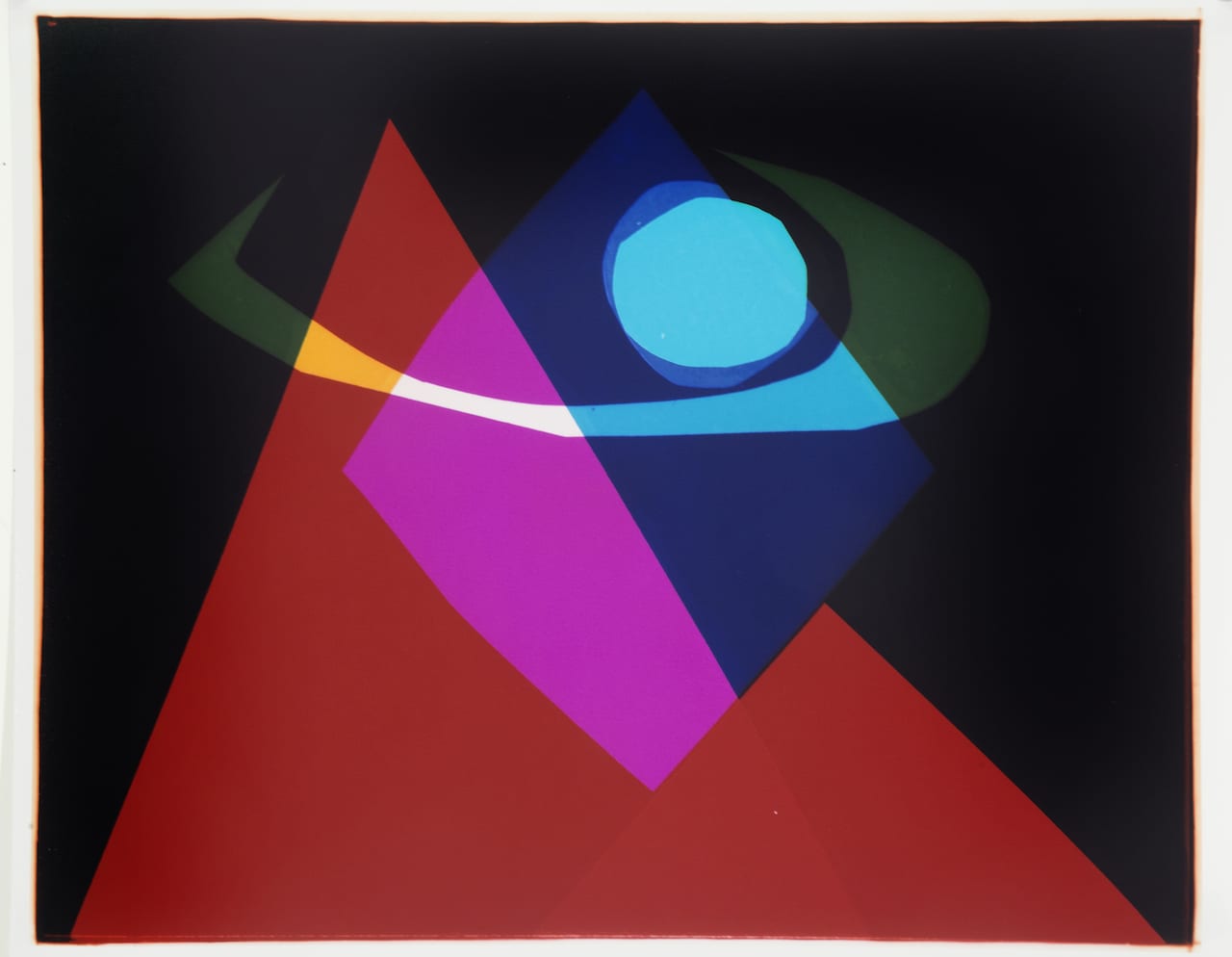
Photo London: Thomas Mailaender at Michael Hoppen

Known for his offbeat experiments with printing processes, Thomas Mailaender is an artist constantly pushing the limits of the medium. He’s worked with found images for 10 years and, as a consequence, tells me that: “I don’t think of myself as a photographer.” Often sourcing images from the internet, but equally happy to raid car boot fairs, flea markets, and charity shops, Mailaender says he is interested in “reproducing images rather than making them myself”. He is, he says, “a compulsive collector of photographs”.

10 May 2018

Photo London: Black Box Projects

Kathleen Fox-Davies and Anna Kirrage first met when they worked together at a Mayfair gallery. Eight years later, they’ve set up their own outfit – Black Box Projects. “We always attended art events together, so we retained a continual dialogue about the art market and our respective interests,” Kirrage tells BJP. “We have always worked in small businesses where there wasn’t necessarily room for growth, so the obvious step was to start out on our own.” Fox-Davies is a photography specialist with over a decade of experience in galleries such as Michael Hoppen, Hasted Hunt and ATLAS, while Kirrage’s experience is in managing art organisations’ PR and strategy. Drawing on their complementary skills, they’ve decided to break the traditional gallery mould and will run Black Box Projects as a series of pop-up installations, rather than opening a permanent space.

9 May 2018

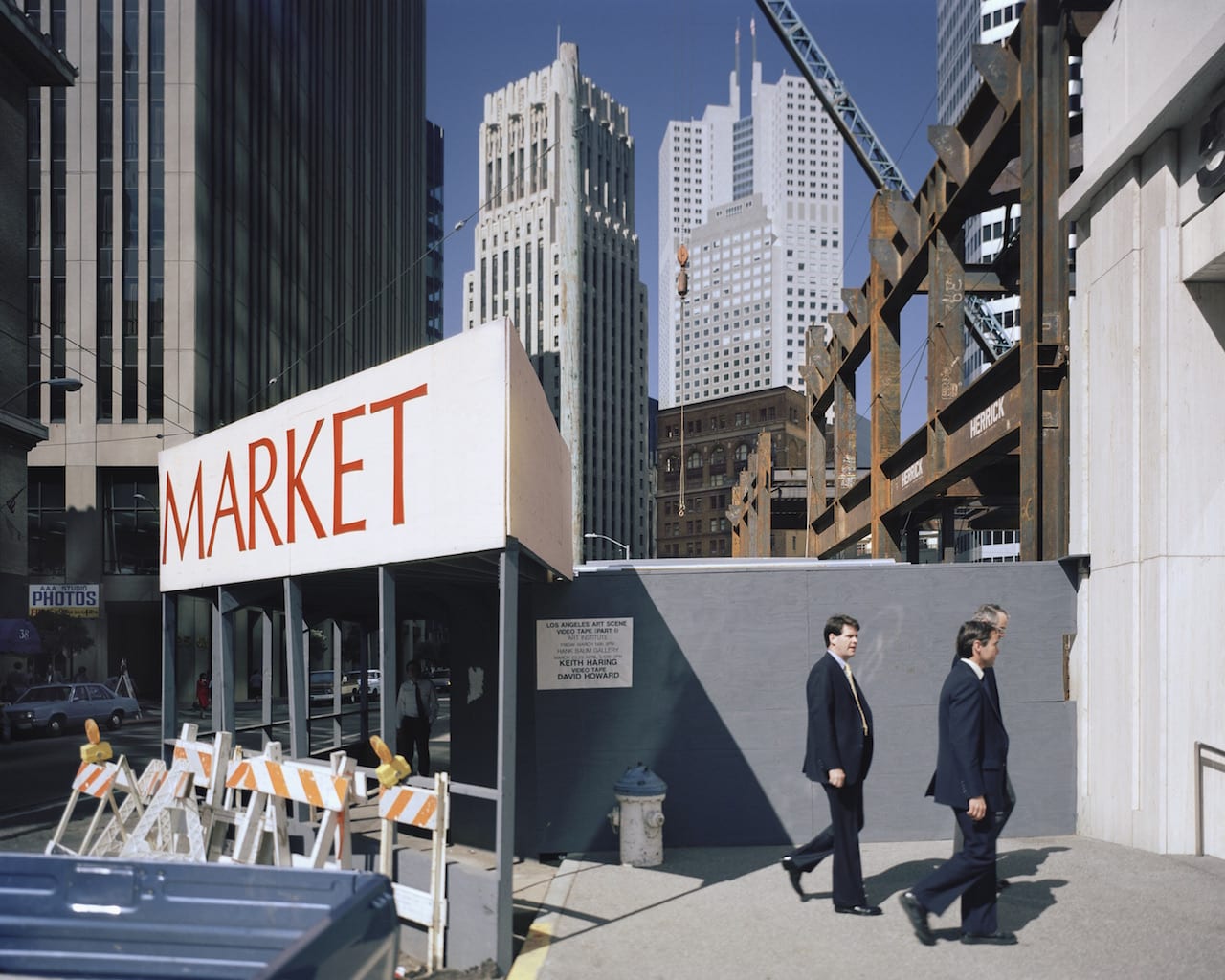
Photo London: Janet Delaney’s radical San Francisco

She stands on a San Francisco rooftop looking out over the South of Market neighbourhood – the area that was the subject and title of her sumptuous 2013 book, published by MACK Books, which led to her solo show at the city’s prestigious De Young Museum. Thousands have now seen the series, but Janet Delaney shot it in the early 1980s, just as the district was being primed for redevelopment and gentrification. Now middle-aged, as a young woman Delaney was fiercely committed to the idea that photography could and should change the world. Thinking of herself as a “cultural worker”, she hoped her project would advocate for the working class people and businesses who had helped make the area so vibrant, and help stop them from being displaced.

3 May 2018

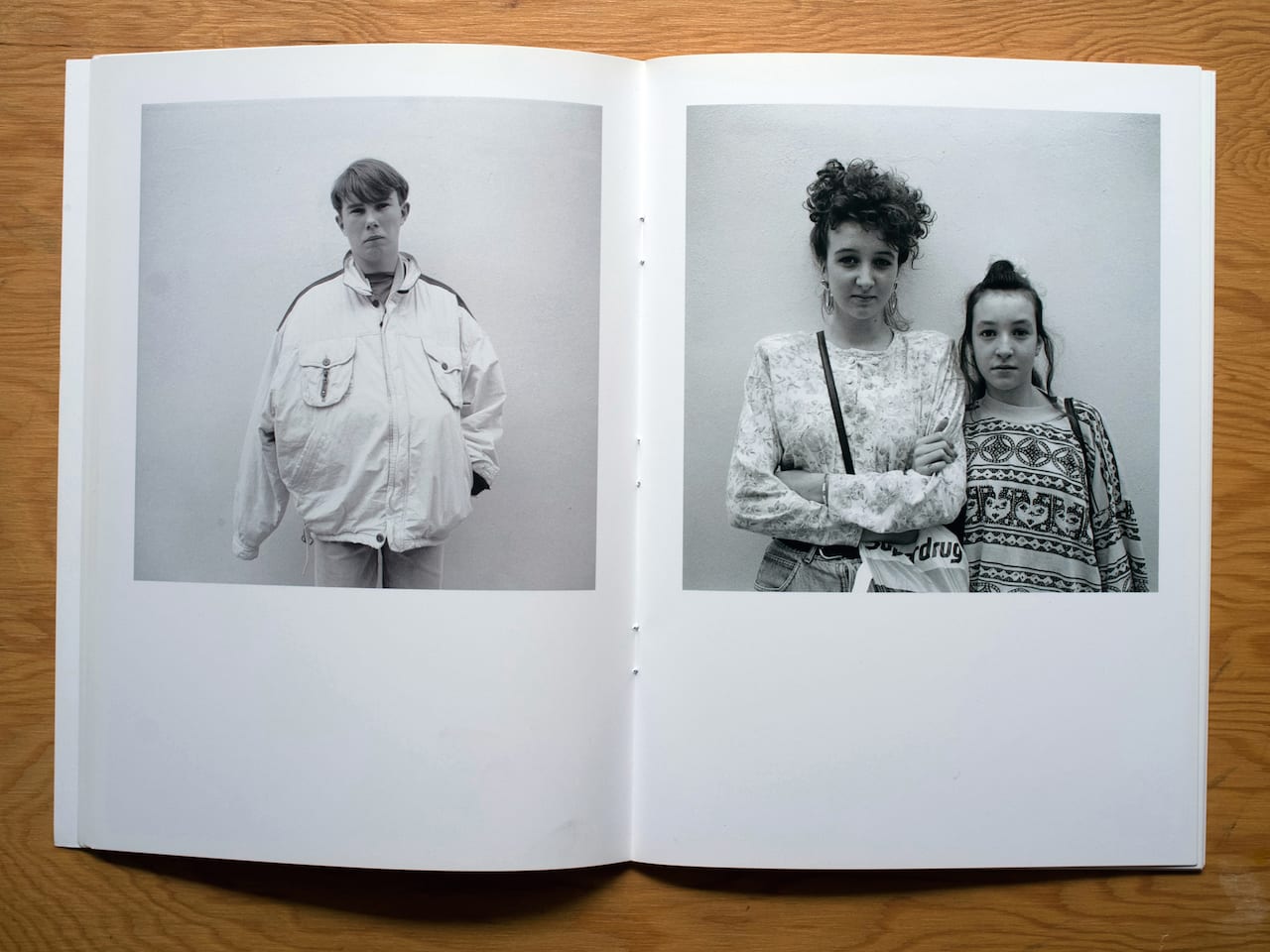
Everyday beauty with Nigel Shafran

Interviewing Nigel Shafran is a circuitous, informal affair. Meeting him at his North London home, I immediately recognise Ruth, his partner and the subject of many of his photographs. I also meet his son Lev, who, though somewhat older, is also still easily discernible from his father’s pictures. The interview takes place in the kitchen familiar from Flowers for ____. Every now and then a friend calls round or phones, with plans made to throw a boomerang around in the park that afternoon, or play ping pong in the evening. Lev occasionally interjects from the living room with his take on the interview process, or on “nattering on about photography” as he puts it. “Sorry. Oh my God!” says Shafran, as the phone rings for the second time. “No worries,” I say. “You’re a busy man.” “A busy family man!” he replies. It doesn’t always make for an easy interview, but it feels appropriate for a photographer who focuses on the everyday, the domestic and the personal.

3 May 2018