
Exhibition

Dagmar Hochova’s Power of Sympathy

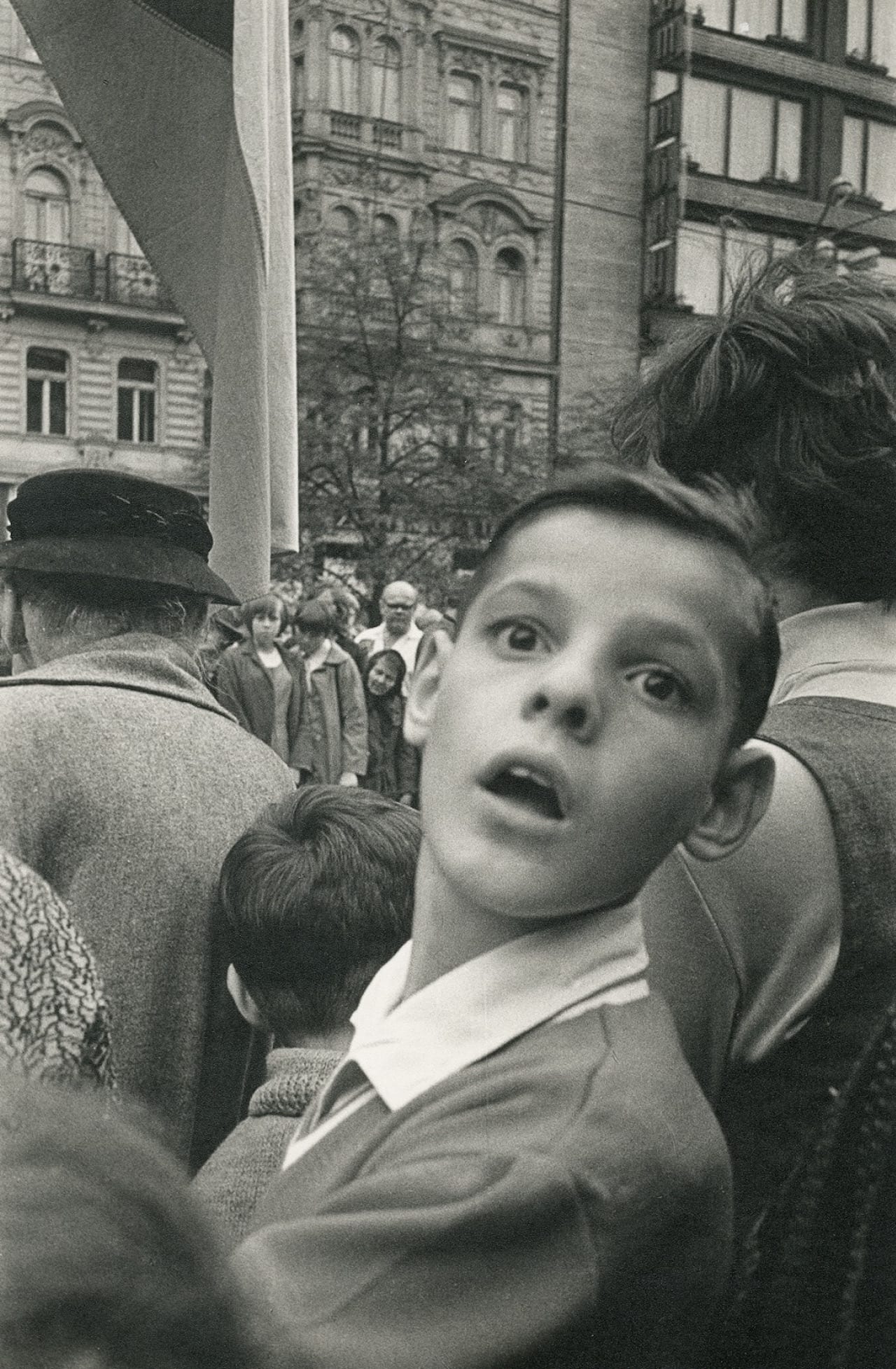
“Childhood is my main theme,” said Dagmar Hochova. “During the totalitarian regime it was one area that could be freely explored and this determined that I sought children out. It was a different era; children played on the streets, in the suburbs. One could see them everywhere.”

Little-known in the UK to this day, Hochova was famous back in Soviet-era Czechoslovakia for her photographs of children. In fact her work extended far beyond this topic but, often critical of the communist regime, much of it could not be published or exhibited until after the 1989 Velvet Revolution.
31 May 2018

Chris Dorley-Brown’s singular vision of East End London

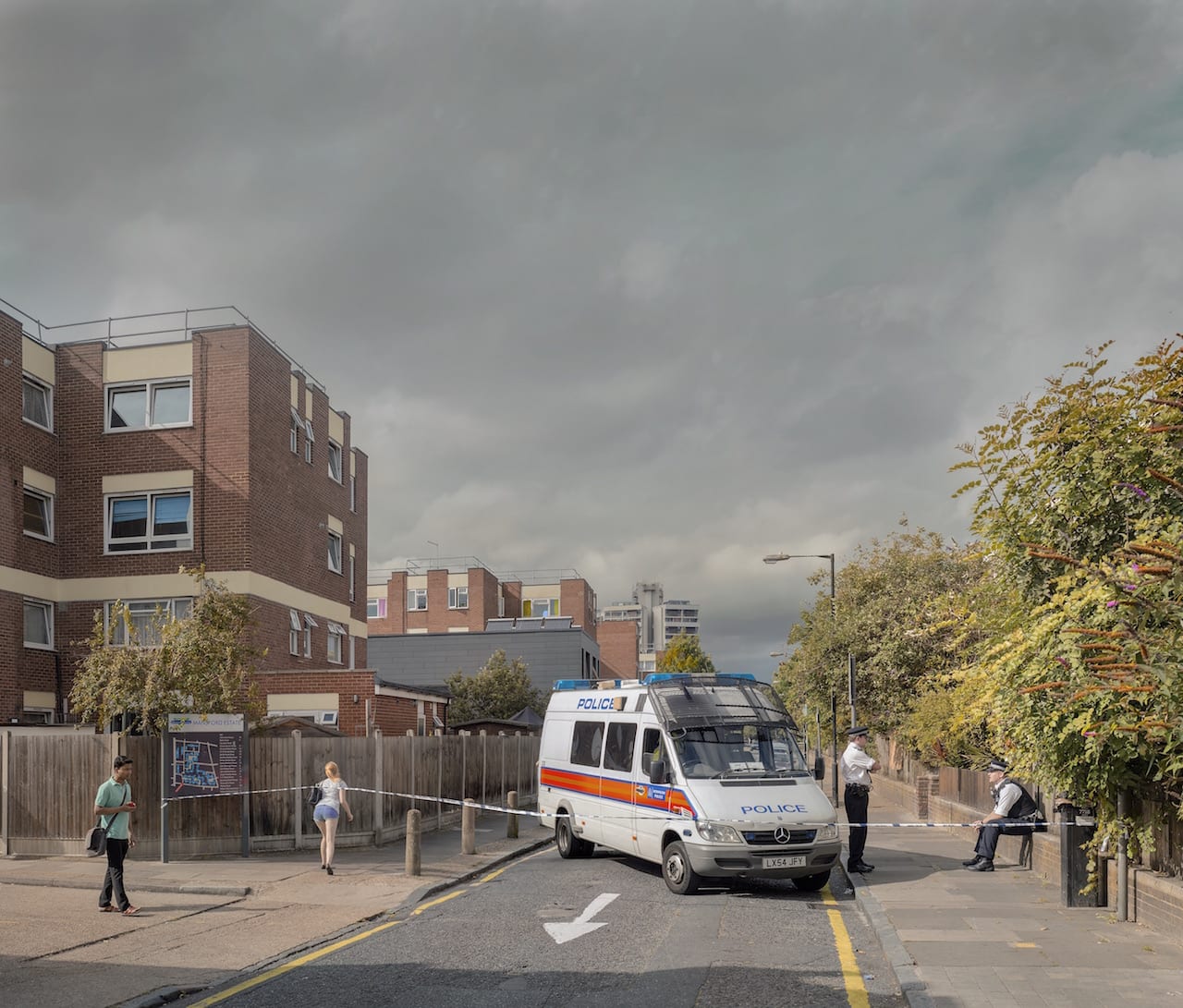
“I don’t have a journalistic bone in my body,” says Chris Dorley-Brown. “I’ve never been to Kosovo. Loads of people do that really well, but I don’t have the urge or the instinct, and that’s partly why I don’t really think of myself as a professional. I do the odd advertising job to earn money, and I think I do it okay, but the phone isn’t ringing off the hook with jobs because I don’t put the energy into promoting myself, since I’m wandering around here all the time. I keep my overheads low and can just about get away with it.” It’s a modest way to sum up an extraordinary body of work – more than 30 years of images, nearly all shot in London’s East End, and most photographed on the street. Some show luxury new developments, others rundown social housing. Some capture crowds of people, some empty streets. Many are one-offs, others – such as the images in The Corners – are manipulated using Photoshop to put various passersby together on one intersection

29 May 2018

Windrush: Portrait of a Generation by Jim Grover

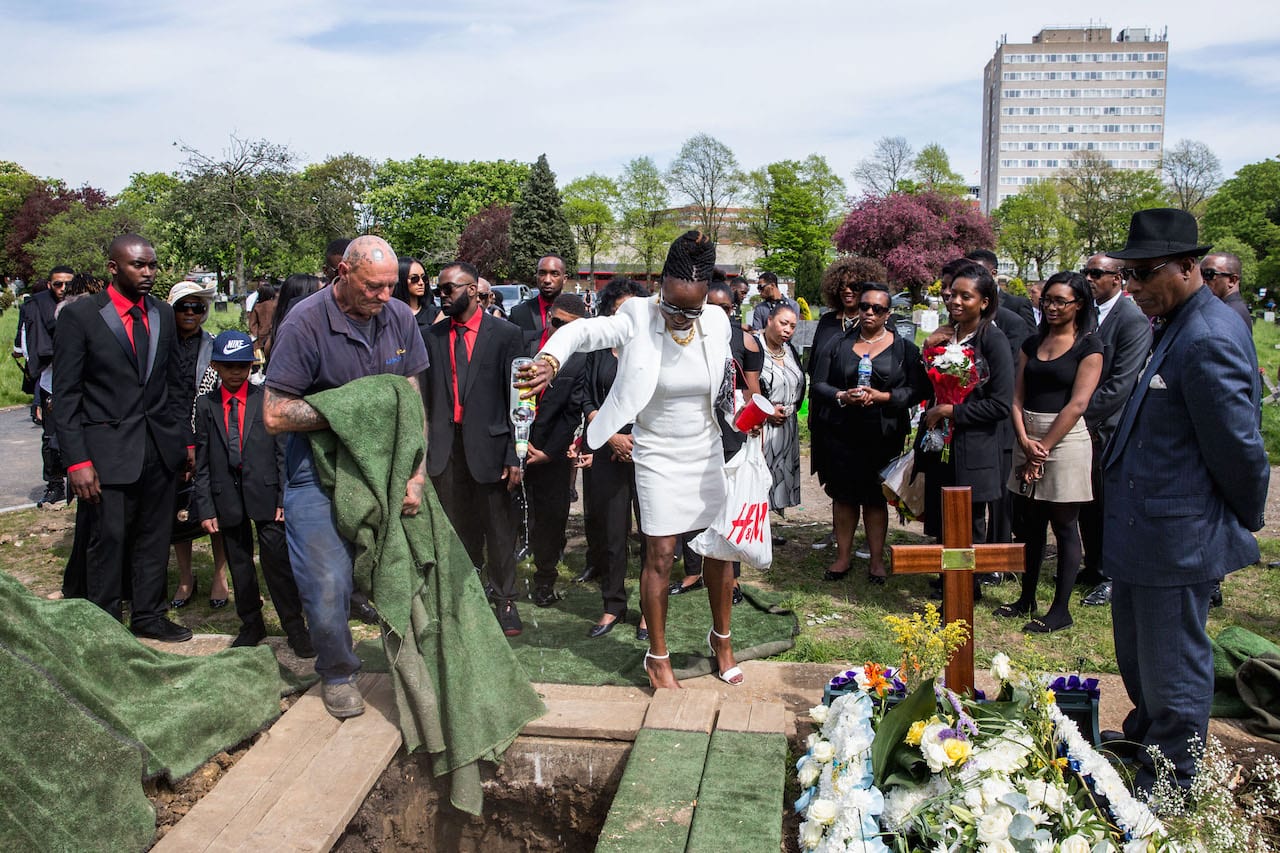
70 years ago, on 22 June 1948, HMT Empire Windrush anchored at Tilbury Docks, Essex, carrying 492 men, women, and children from former British Caribbean colonies, who came to be known as the “Windrush generation”. They crossed the Atlantic in response to Britain’s post-war labour shortages, and are now recognised to have transformed vital parts aspects of British society. Amid the recent scandals surrounding the mistreatment of the Windrushers by the Home Office, Jim Grover’s Windrush: Portrait of a Generation seeks to give a more intimate insight into the lives of one community of Caribbean migrants – and their families – who made a corner of South London their home. On show at gallery@oxo until 10 June, the exhibition doesn’t specifically address current issues, but Grover hopes it will help celebrate a group which “truly deserves our respect and admiration”. 

29 May 2018

Family Values: Polish Photography Now at Calvert 22

“Eastern and Central Europe has a lot of treasure in its photographic histories,” says Kate Bush, speaking about the exhibition she has curated for Calvert 22, Family Values: Polish Photography Now. It’s the first exhibition in the UK to focus exclusively on Polish photography and, says Bush, “hopefully, it will all be part of feeding a greater understanding and interest”. Family Values is part of Calvert 22’s mission to show the cultural and societal change in eastern Europe, the Balkans, Russia and Central Asia through photography, and Bush – who is adjunct curator of photography at Tate Britain – was commissioned by the gallery for the project shortly after the EU referendum. She sees the exhibition as an opportunity to celebrate London’s Polish community, the largest outside of Poland, as well as commemorating the centenary of Poland’s independence.

24 May 2018

Viva Photo España!

Europe boasts more than a hundred photography festivals, but few match the scale and ambition of Photo España in Madrid. This year, the organisation behind it, La Fábrica, celebrates the festival’s 20th edition with a typically eclectic summer season of activities throughout the Spanish capital, encompassing the work of more than 500 artists across dozens of venues that range from the small to the iconic. “The festival is a collective project with a wide variety of institutions, both public and private, supporting it,” says director Claude Bussac, who is hoping that the 2018 edition will “push forward both the formal and geographical boundaries of photography… We aim to celebrate our 20th anniversary questioning photographic meaning and inviting photographers from every continent.”

23 May 2018

Breaking Point at the Hamburg Triennial

The 18-year-old Hamburg Triennial will be directed for the second time by Polish curator Krzysztof Candrowicz, who moved to Hamburg four years ago and set about transforming the it, bringing people and institutions together, and determined to make it more relevant to the viewing public. The 2015 edition was, he says, “The first holistic attempt to create the collaborative framework of the festival. Before, the museums were basically highlighting their own exhibitions, but there was no actual curatorial collective structure.” The determinedly political and environmentally-conscious theme this year was inspired by an amalgamation of many factors, he says, including spending a year “away from structured, mechanised and commercial reality”, travelling around Latin America, Nepal and India. “Breaking Point became, for me, a metaphor for rapid and sometimes unexpected transformation on a personal and global level.”

23 May 2018

Five women star in Work in Process

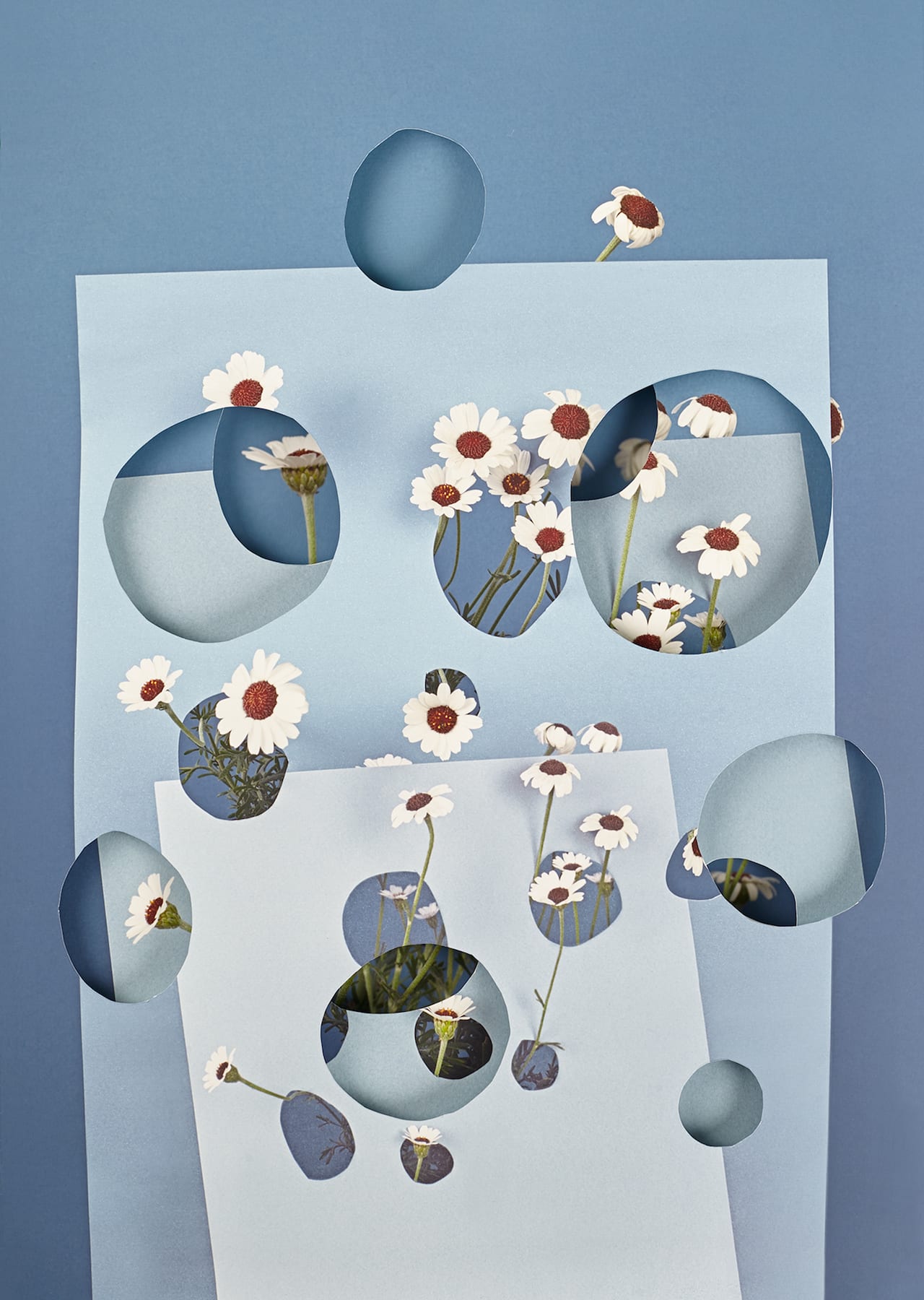
Work in Process is a new exhibition at The Print Sales Gallery, championing the work of five female contemporary artists who use alternative processes in their photography. According to Gemma Barnett, curator of the show, the initial idea was to look at artists who approach photographs as “three-dimensional objects”. She also wanted to focus on women and their approach to photography, which in turn “gave a much more personal feeling” to the exhibition. 

21 May 2018