
Exhibition

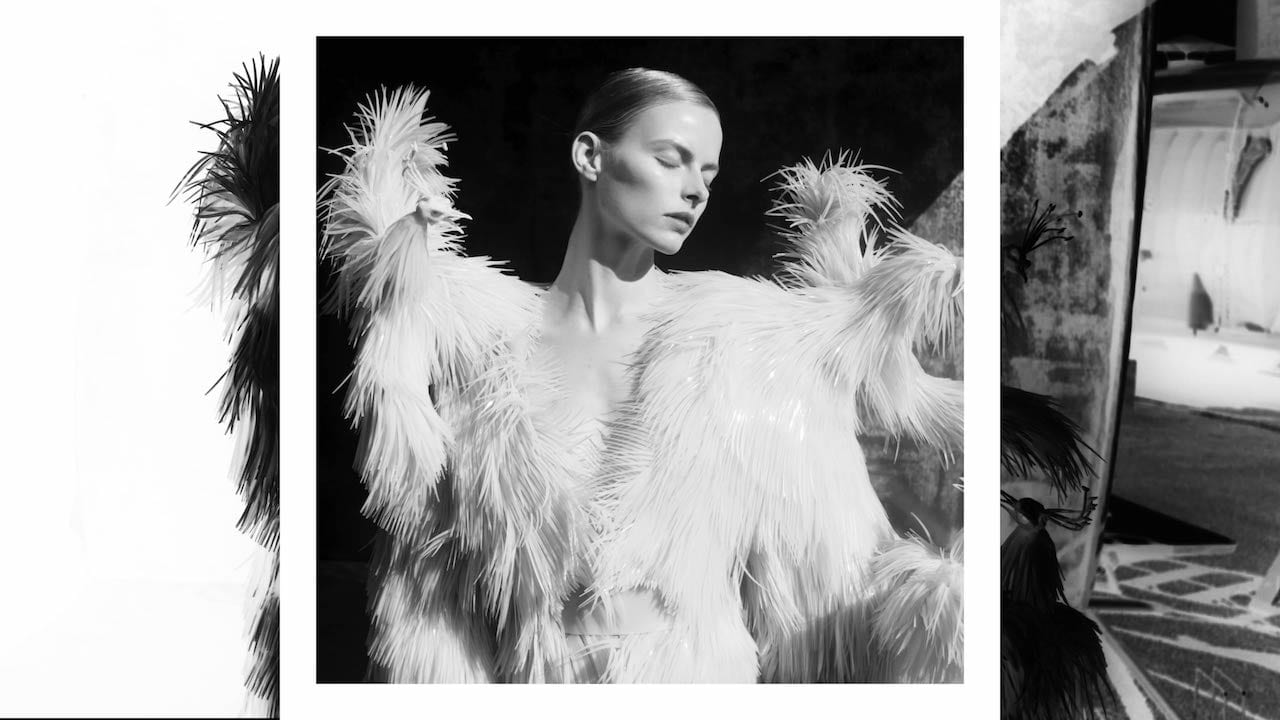
Sølve Sundsbø – Beyond the Still Image

Fashion photographer Sølve Sundsbø was awarded an Emmy in 2011 for his direction of a series of short films, shot for the website of the The New York Times Magazine. The series, 14 Actors Acting commissioned by Kathy Ryan, was acclaimed as a “new approach”, but the Norwegian photographer claims he simply “dabbles” in film.

“I’m not proficient or even adequate yet,” he says. “But film is a way of rejuvenating the work I’ve already done. It’s like a little vitamin boost.” 

Sundsbø’s photography career has been meteoric. Four months into a course at the London College of Printing, he attracted the attention of Nick Knight, and became his assistant for the next four years. Now he’s a regular in Italian Vogue, Visionaire and W magazine. His commercial clients include Chanel, Hermès, Nike and Yves Saint Laurent and, outside the fashion world, Royksopp, Friendly Fires and Coldplay have all chosen his work for their album covers. 
17 October 2018

Alice Mann wins the Taylor Wessing Photographic Portrait Prize

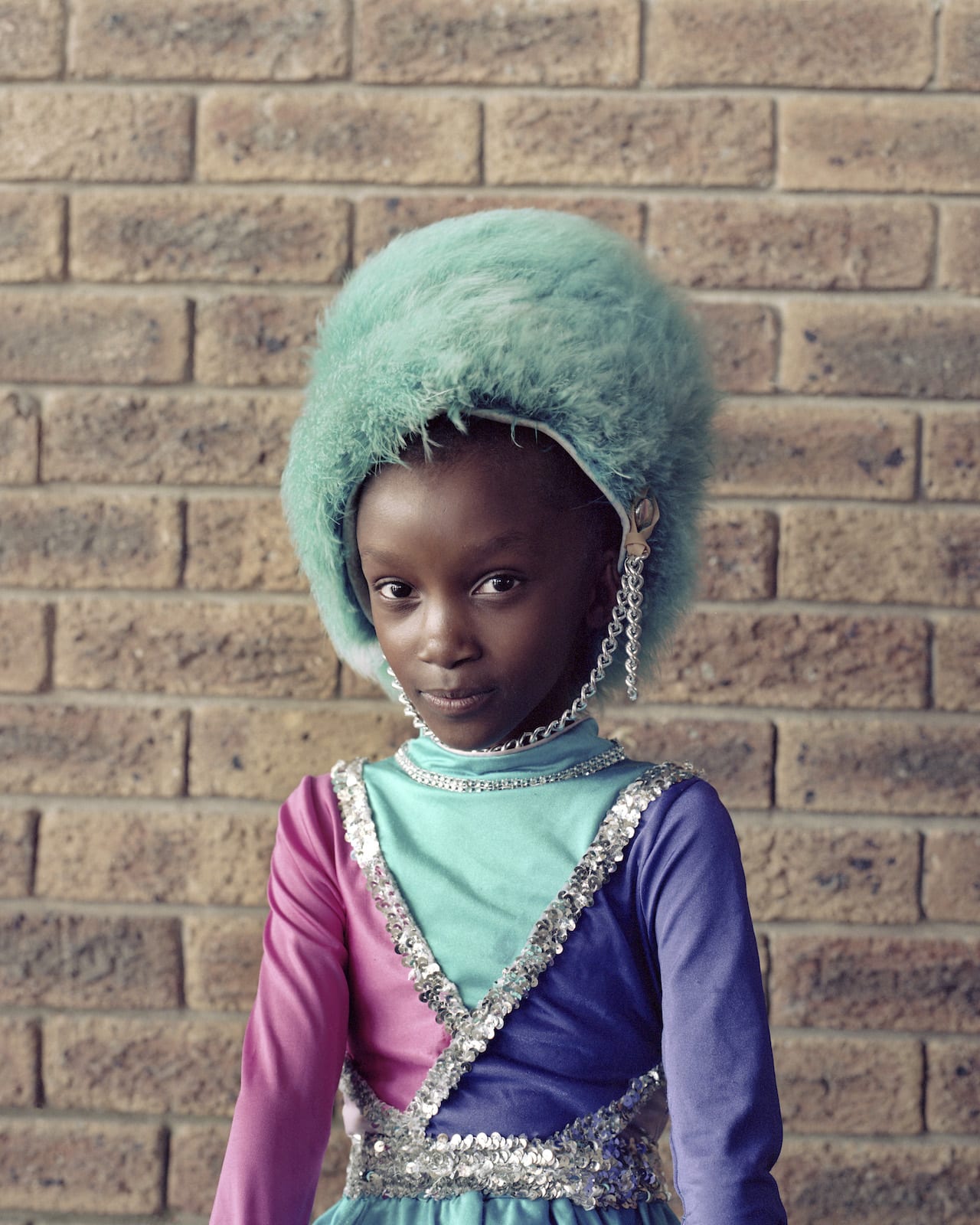
Alice Mann has won the Taylor Wessing Photographic Portrait Prize 2018 with a set of four images of South African drum majorettes – the first time the award has gone to a series not a single shot.

Mann’s photographs show five young girls from Cape Town dressed as ‘drummies’ – a popular hobby for children from some of South Africa’s most disadvantaged communities. Mann, who is now based in London but originally from South Africa, spent three months photographing drum majorettes, and says her winning portraits come from a much larger series.

“The images are part of a much larger body of work, which is a combination of a more documentary approach and portraits,” she explains. “These four portraits are some of my favourite images, especially the one of Riley and Wakiesha because they are so charismatic.

16 October 2018

Photo Vogue Festival: embracing diversity and the many shades of masculinity

Diversity has never been hotter in the fashion industry. This year, more non-white, plus-sized, and transgender models have walked the runway than ever before, and a record number of black women have appeared on the covers of glossies worldwide. Alessia Glaviano, senior picture editor at Vogue Italia and director of the Photo Vogue Festival thinks we owe it to the internet. “I believe that nothing would have happened, or not this fast, in terms of inclusivity, if it wasn’t for social media,” she says. “It’s a progressive platform for talking about race, identity, sexuality, and disability.”

But diversity isn’t just a trend, it’s a reality. Years before #diversity began to take off, forward-thinking publications such as Vogue Italia were already poking holes in the industry’s representation problem, with initiatives such as the July 2008 “all black” issue. Vogue Italia is known for being adventurous, for setting a standard for cutting-edge fashion photography. Over the years has given artistic freedom to commissioned photographers such as Steve Meisel, Ellen von Unwerth and Miles Aldridge, who have shot stories unlikely to be seen elsewhere, engaging with themes such as plastic surgery and domestic violence.

“It’s been in our DNA since the beginning,” says Glaviano. “We’ve always been really engaged and committed to this part of fashion that can be very strong and influential.

“I’ve never believed in boundaries and labelling things,” she adds. “No one cares that Michelangelo was commissioned to create the Sistine Chapel. What they care about is the final result.”

15 October 2018

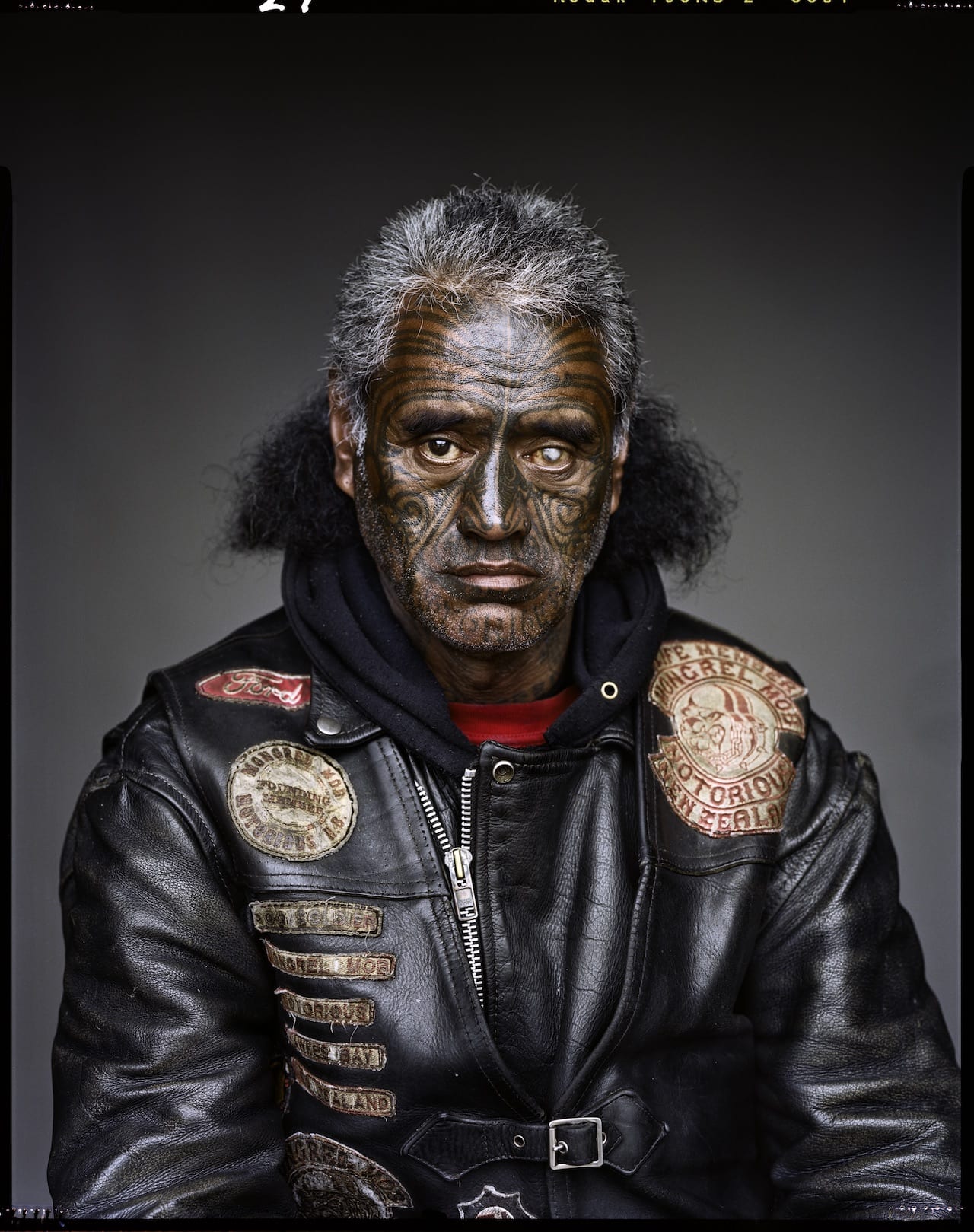
New Zealand’s Mongrel Mob gang, photographed by Jono Rotman

Arresting. Exquisite. Gripping. Chilling. Disgraceful. Unacceptable. These are all words people have used to describe portraits made by Jono Rotman. Created over the last decade, his project Mongrelism presents an intimate look at members of the Mongrel Mob – New Zealand’s largest, most notorious gang. Though he is looking at a subculture as an outsider – a domain regularly mined by photojournalists – Rotman eschews a traditional documentarian approach to his subject matter. In so doing, the project’s scope extends beyond the Mob itself to touch upon issues related to New Zealand’s charged colonial past and self-professed biculturalism, the politics and ethics of portraiture, and the intersections of seemingly disparate human experience.

The New Zealand-born photographer explains that since childhood, “I always felt certain violent and uneasy forces within my country”. In Lockups (1999-2005), Rotman photographed the interiors of prisons and psychiatric hospitals throughout New Zealand, exploring the medium’s ability to convey the fraught “psychic climate” embedded in these state-controlled institutions. The works are eerily devoid of people, a deliberate decision made, says Rotman, “because I wanted to encourage a direct, personal interaction with the spaces. With prisons, for example, as soon as you introduce people into the picture, it becomes easy to think, ‘Here’s the storyline: this place is for those sorts of people. And I can fit it all into my established worldview’.”

12 October 2018

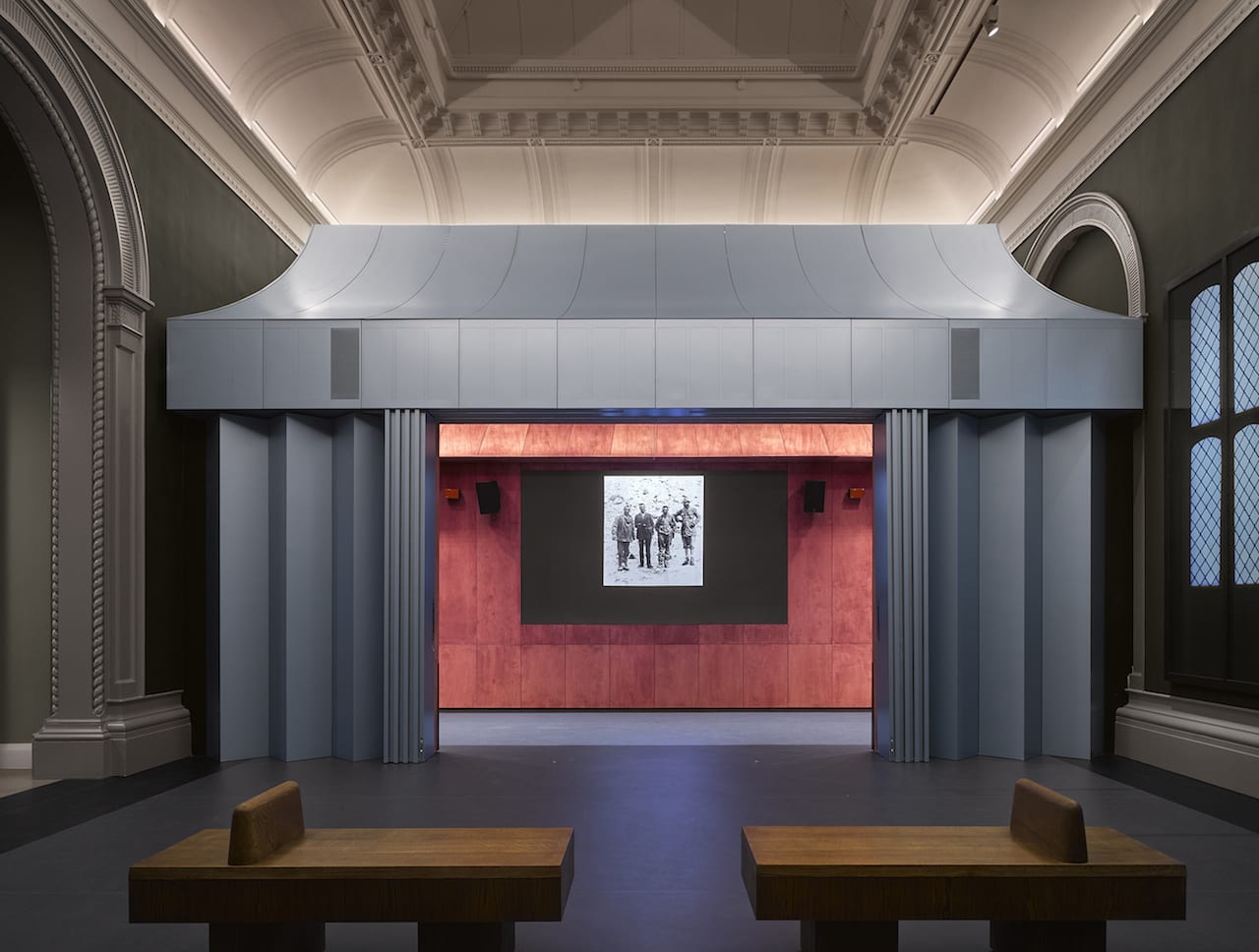
V&A’s new Photography Centre now open

“The new Photography Centre brings to life some of the V&A’s most beautiful original picture galleries and provides a permanent home for one of the finest and most inspiring collections of photography in the world,” says Martin Barnes, senior curator of photographs at the V&A. “The spaces and facilities allow visitors to access, explore and enjoy photography in its many forms.

“The Photography Centre encompasses more than a new gallery space. Beyond its walls lies an associated programme of research, digitisation, learning activities, publications, exhibitions, access to items in stores, and collaborations with other UK and international partners. Photography is one of our most powerful forms of global communication, and I’m thrilled that we can contextualise the past and present of this powerful medium in new and exciting ways.”

It’s an important development for photography in the UK and it opens on Friday – the V&A’s new Photography Centre, which more than doubles the museum’s existing photography space.

10 October 2018

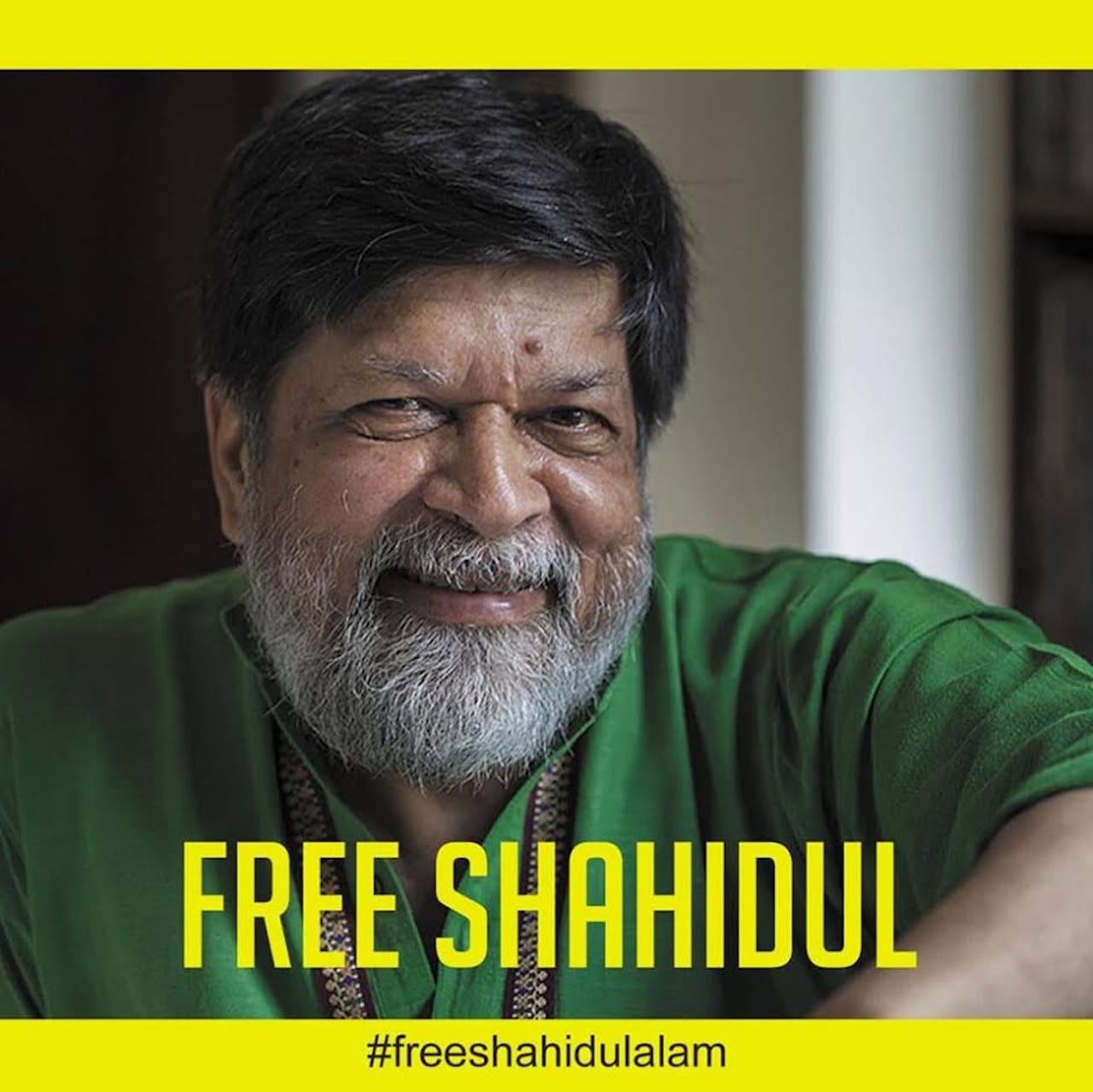
Mass action across the UK supports jailed photographer Shahidul Alam

At 10pm on 05 August, photographer and social activist Shahidul Alam was arrested at his home in Dhaka. The next day he was charged for violating Section 57 of Bangladesh’s Information and Communication Technology Act (ICT), after giving an interview to Al Jazeera on the current wave of student protests in Bangladesh against unsafe roads, in which he said that these actions stemmed from anger about widespread government corruption. He now faces up to 14 years in prison.

According to Amnesty International, which has taken up the photographer’s plight, Section 57 is a “draconian law” that has been used against well over 1000 people since it was introduced in 2006. “Police do not need arrest warrants or official permission to prosecute,”  explains the organisation. “Those accused are mostly denied bail pending their trial and kept locked up for months with no official verdict. Shahidul himself was denied bail on 10 September 2018. Those arrested are often journalists who’ve published articles criticising the government.”

8 October 2018

Ezra Acayan wins the 2018 Ian Parry Scholarship

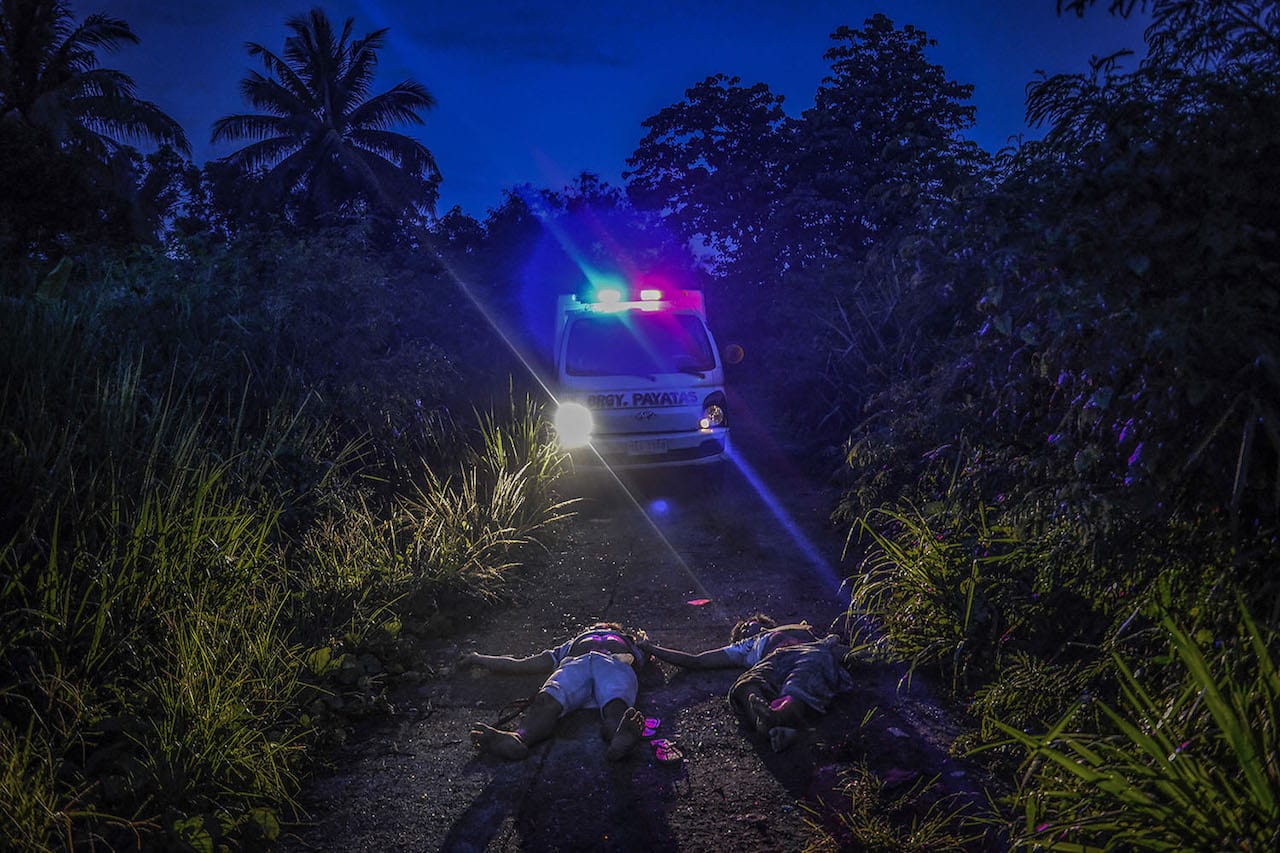
Born in 1993 in the Philippines, Ezra Acayan has won the 2018 Ian Parry Scholarship Award for Achievement for his series Duterte’s War On Drugs Is Not Over, which records the fall out from the war on drugs which President Rodrigo Duterte announced in 2016.

Threatening those connected to drug consumption and sales with the death penalty, Duterte urged members of the public to kill suspected criminals and drug addicts, and allowed the police to act with brutality. In the two years since, an estimated 20,000 people have been murdered and a state of emergency has been declared. The United Nations has appealed to the Philippine government to investigate extrajudicial killings and to prosecute the perpetrators, while the International Criminal Court has announced preliminary examinations into killings linked to the campaign.

Tough and hard-hitting, Acayan’s images aim to “illuminate the violent acts carried out in the Philippines as well as the questionable methods of Duterte and the police”.

5 October 2018

Sabelo Mlangeni’s images of South Africa

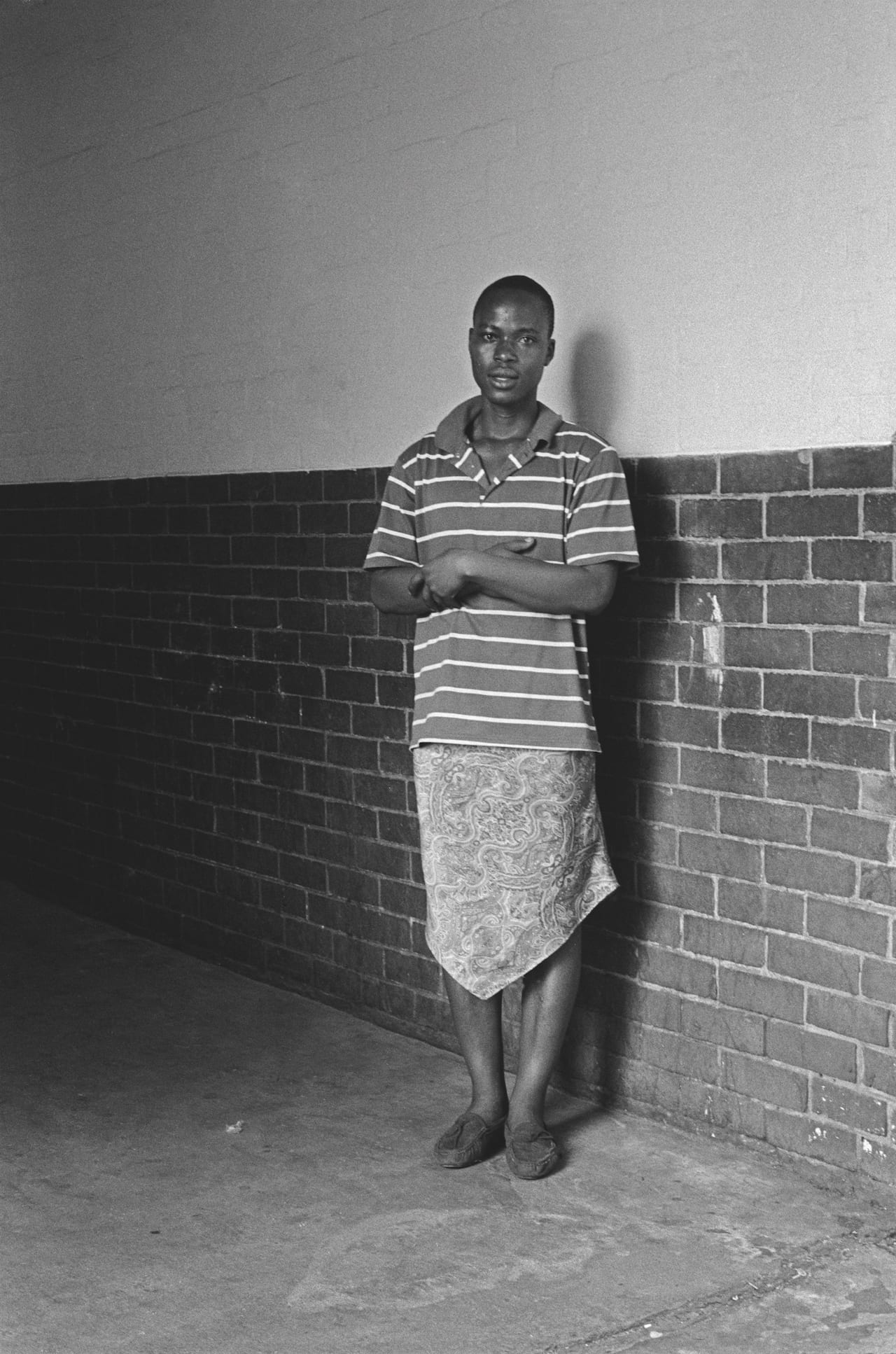
“I have still never seen the first work I made as a photographer,” says Sabelo Mangleni, who started his career as a delivery boy for a local photographer in his hometown in Driefontein, four hours drive east of Johannesburg. The photographer he worked for had been asked to shoot a wedding but, unable to attend herself, asked Mangleni to cover it – sending him off with a camera around his neck and a crash course in photography. After the wedding the newlyweds quickly picked out the images they wanted to remember their day with – so quickly, Mangleni never got to see them. 

Still, the experience of looking for a good photograph and working with people from within a community, got him hooked, and in 2001 Mangleni moved to Johannesburg and joined the Market Photo Workshop. Set up by renowned documentary photographer David Goldblatt in 1989, this well-respected organisation supported young black photographers during apartheid South Africa.

It was an excellent start in photography, but arriving in Johannesburg, Mangleni felt alienated. “I couldn’t understand what people were saying,” he says, describing the struggle to communicate with people in English, which he was still learning at the time. To avoid speaking, he channelled his feelings into photographs of the buildings and architecture, which lead to his first, and ongoing, series Big City.

5 October 2018