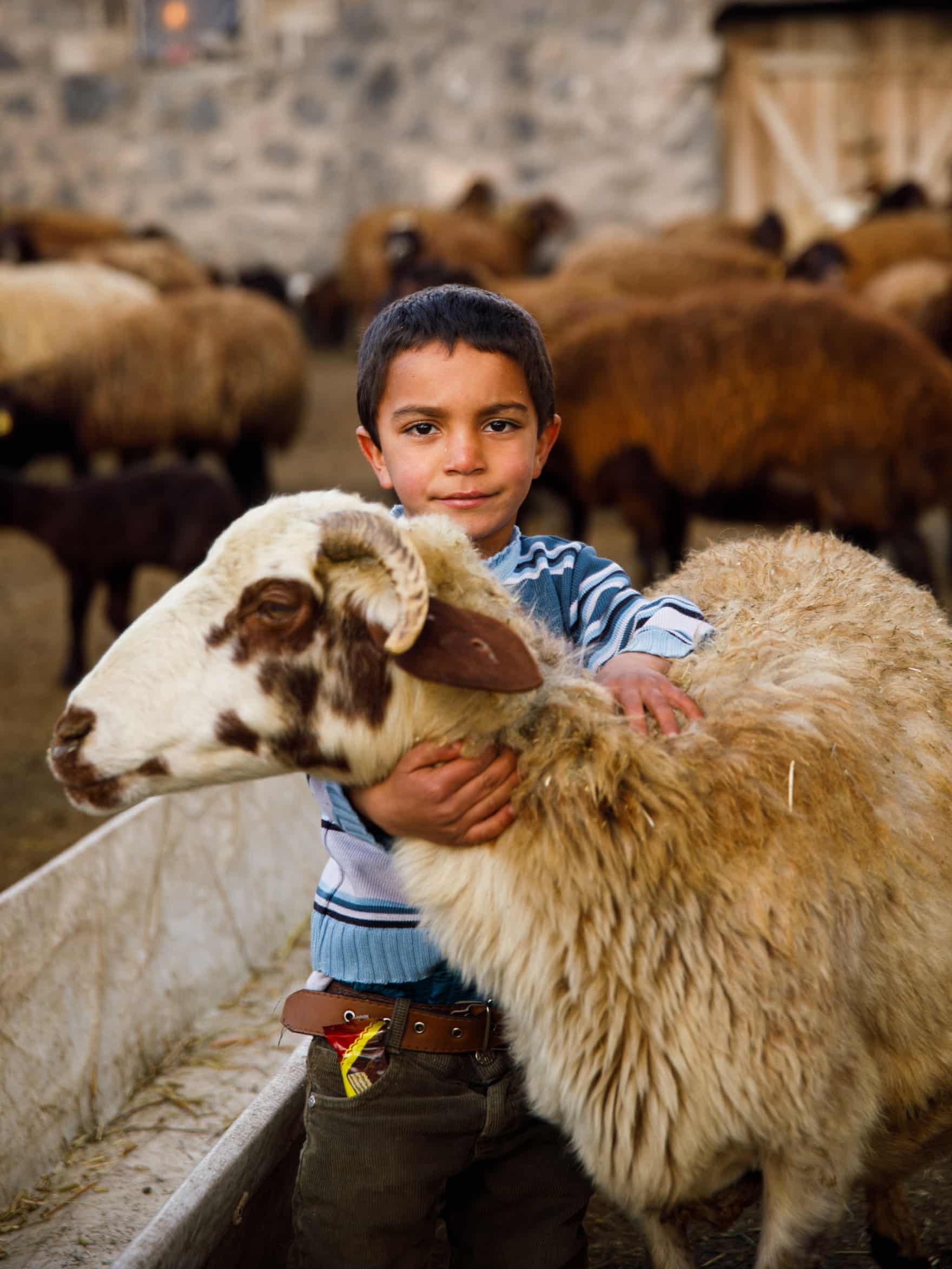

Hakan Kalkan has been featured as one of The Guardian Editor’s Picks of the best…
Fabiana Nunes is a Brazilian photographer based in Zurich, Switzerland. Having worked in the fashion…
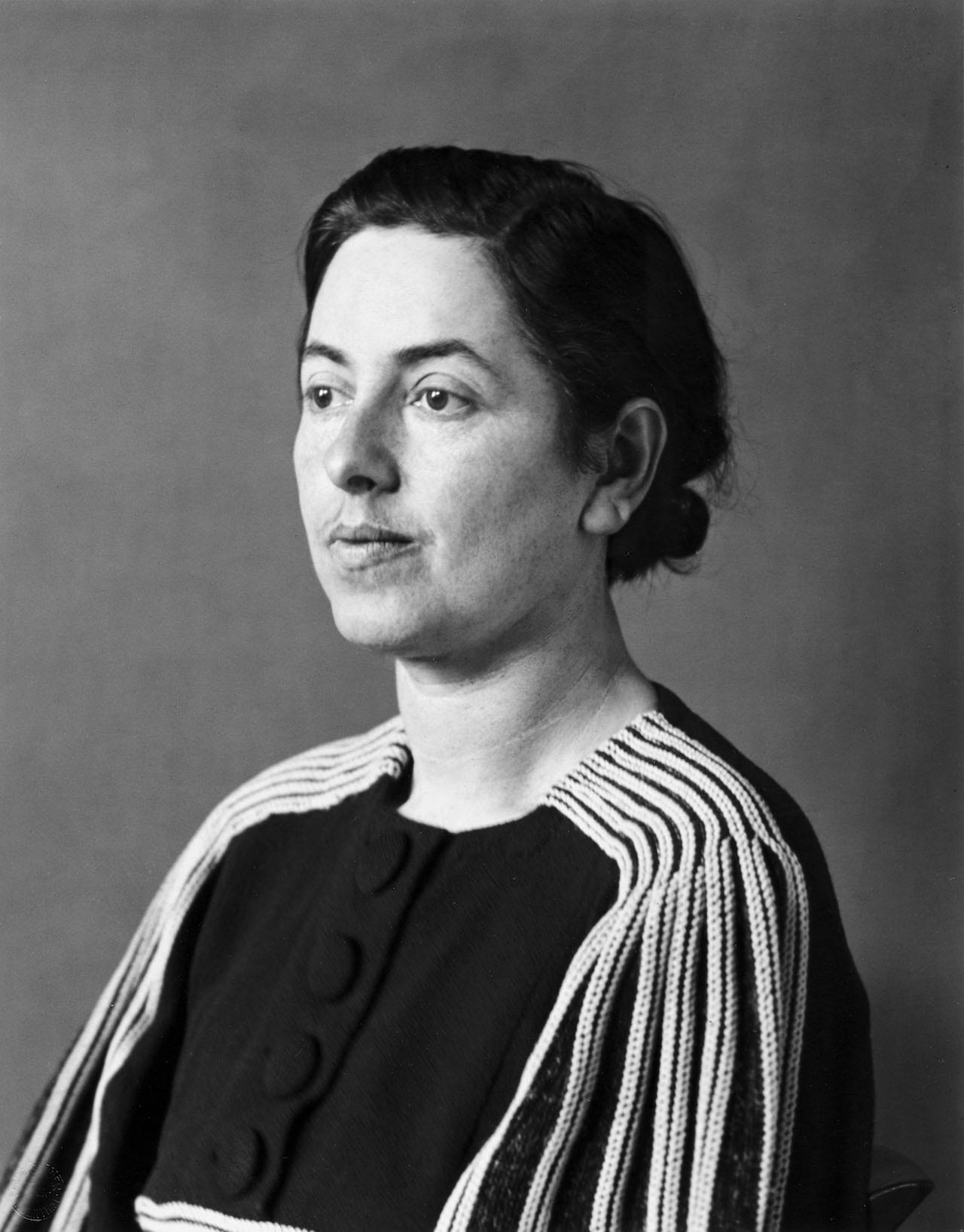
“Nothing seemed to me more appropriate than to project an image of our time with absolute fidelity to nature by means of photography… Let me speak the truth in all honesty about our age and the people of our age.” These are the words of August Sander, one of the most poignant figures in the history of photography, best-known for his ambitious, lifelong project, where he sought to create a comprehensive photographic work that faithfully represented the physiognomy of German society.
People of the 20th Century, as it was eventually named, is an attempt at a social portrait of the everyday German man and woman living in the 1900s – a period of time which, unbeknownst to the photographer at its inception, would give way to two world wars, the largest migration of people in human history, and ethical, economic and political hysteria.
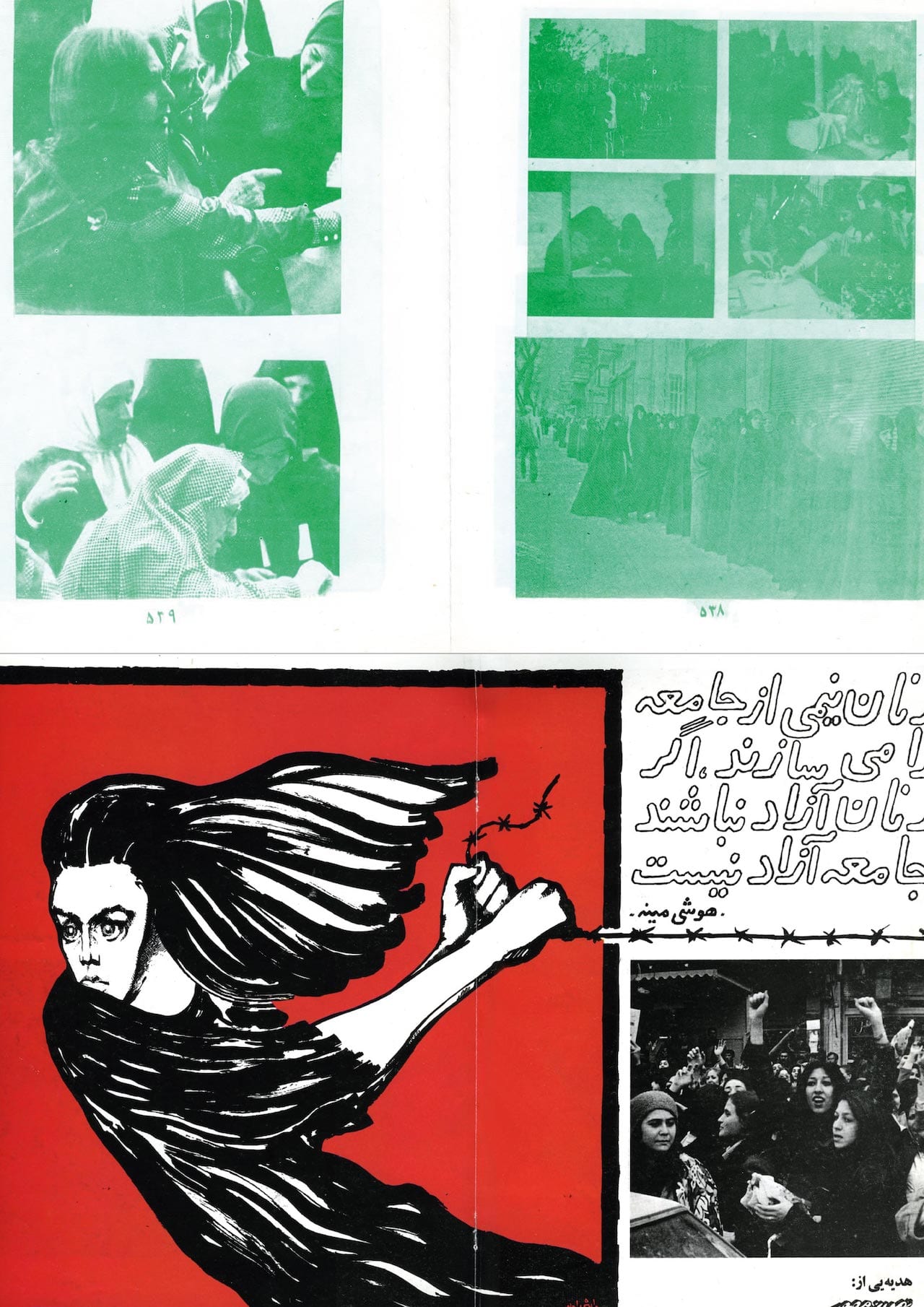
“These documentary practices coalesced into a visual culture which, with its aptitude for capturing and transmitting collective emotions, became a tool for political propaganda,” write Hannah Darabi and Chowra Makaremi. They’re talking about the work produced in Iran in the years 1979-83, the period after the fall of the Shah and at the start of the Islamic government and a time in which freedom of speech briefly flourished, they argue, before descending into something darker.
“These few years stand out on their own in terms of the country’s publishing history,” adds Makaremi. “The creation and distribution of books would never be as unfettered as it was during this period. Nevertheless, at the same moment, books were also progressively becoming instruments of political propaganda and publishing became the laboratory in which to experiment with every form of dissemination of emotions, ideologies, and opinions. This propaganda operated through the production of texts, but also, and especially as of 1979, through visual and pictorial production.”
Darabi is a visual artist and collector who was born in 1981 in Tehran but is now based in Paris; her collection of Iranian photobooks make up the backbone of Le Bal’s latest exhibition, along with her own photographic “reconstructions”, creating using contemporary photographs of Tehran and archive images such as family snaps, press images, and postcards. Makaremi, a tenured researcher and a member of the National Center for Scientific Research (CNRS) in Paris, has “decrypted” the exhibition; in addition, Le Bal and Spector Books have worked with Darabi to create an accompanying photobook, with an introduction by Makaremi.
“People always ask me why I stopped photographing people,” says Anthony Hernandez, who in the…
In 2011 Nigel Poor, a professor of photography at the California State University, began volunteering at the San Quentin State Prison, just north of San Francisco, as a photo history instructor in the prison’s college programme. Two years later, she moved over to work with incarcerated men in the existing prison radio station, but concurrently pulled on her background in photography.
In an exercise Poor calls “mapping”, she asked prisoners to annotate famous photographs. Works by Lee Friedlander, David Hilliard, Stephen Shore and others were pored over by prisoners, resulting in text-laden replicates. These creative brainstorms have been preserved, and now hang on wires sandwiched between glass as works of art, in the first room of an exhibition on show at the Milwaukee Art Museum until 10 March, titled The San Quentin Project: Nigel Poor and the Men of San Quentin State Prison.
Behind a shop vitrine, a human skull, wearing a helmet adorned with a swastika, grins. Next to it, an animal – apparently taxidermic – stands rigid on the floor. The silhouette of a pair of legs belonging to a passer-by on the street reflects in the glass. Above this desultory display, a banner stuck to the top of the window reads, “Mexico… ¡quiero conocerte!”. In this single photograph, taken in 1975 in Chiapas, Graciela Iturbide projects her vision of Mexico: a country of political, religious, social, cultural and economic pluralities and tensions. A place where contrasts present themselves at every turn – sometimes harmonious, sometimes tense.
It is this multilayered image of Mexico that Iturbide has slowly peeled back and revealed through her photography over the last five decades. She has travelled extensively across her own country, between urban and rural landscapes, living with different communities, and moving from the physical to the transcendental, the ancient to the contemporary, witnessing and experiencing the juxtapositions intertwined in Mexican culture.
Portrait of Humanity is a unique photography award. Seeking images that capture life across the…
Our followers voted Iranian photographer Hossein Fardinfard’s image as their favourite of the recent Guardian…