

My advice to younger photographers is not to be a photographer but to be a human says Anders Petersen, the Swedish image-maker behind the celebrated photobook Café Lehmitz
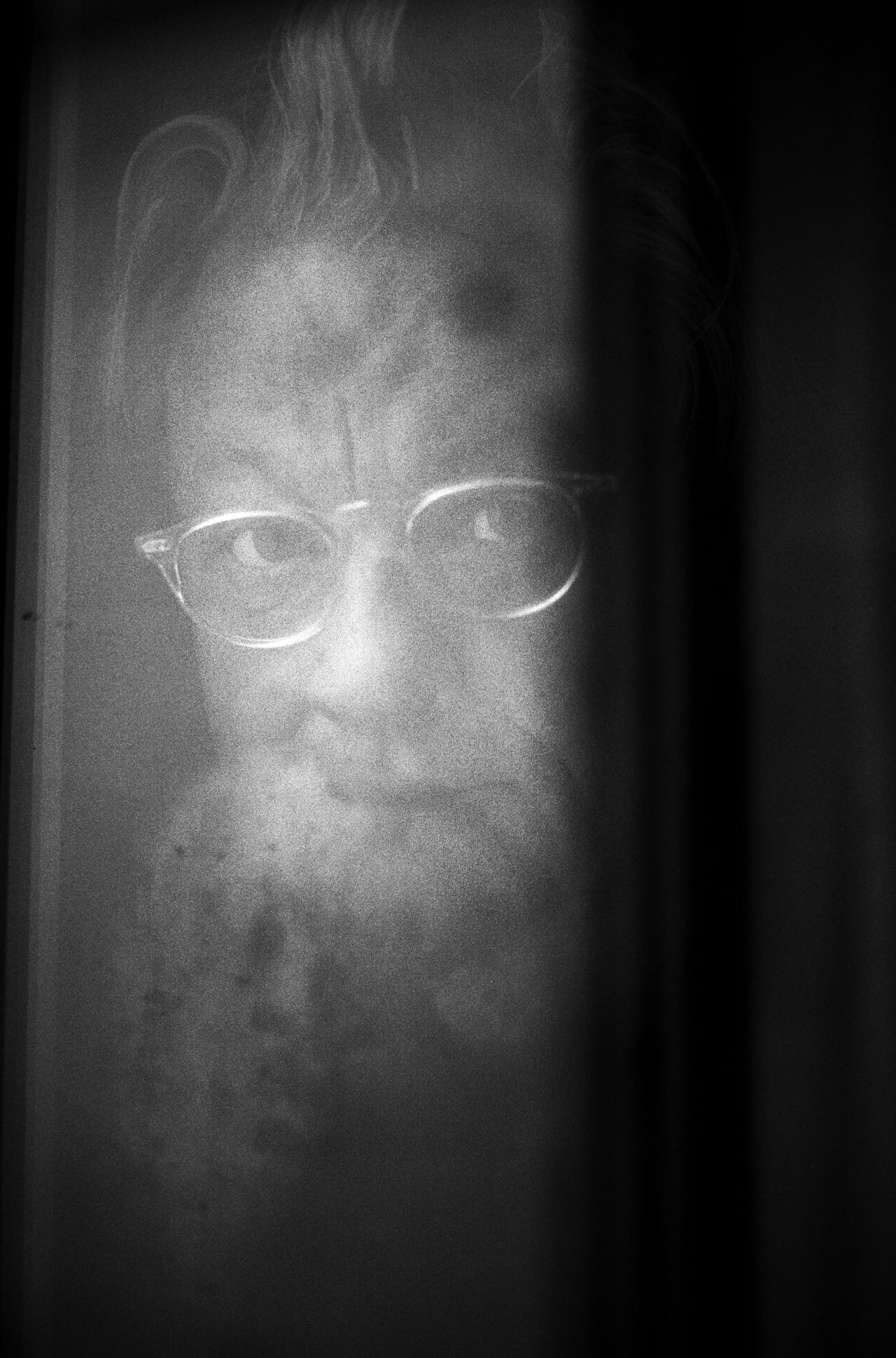
My advice to younger photographers is not to be a photographer but to be a human says Anders Petersen, the Swedish image-maker behind the celebrated photobook Café Lehmitz
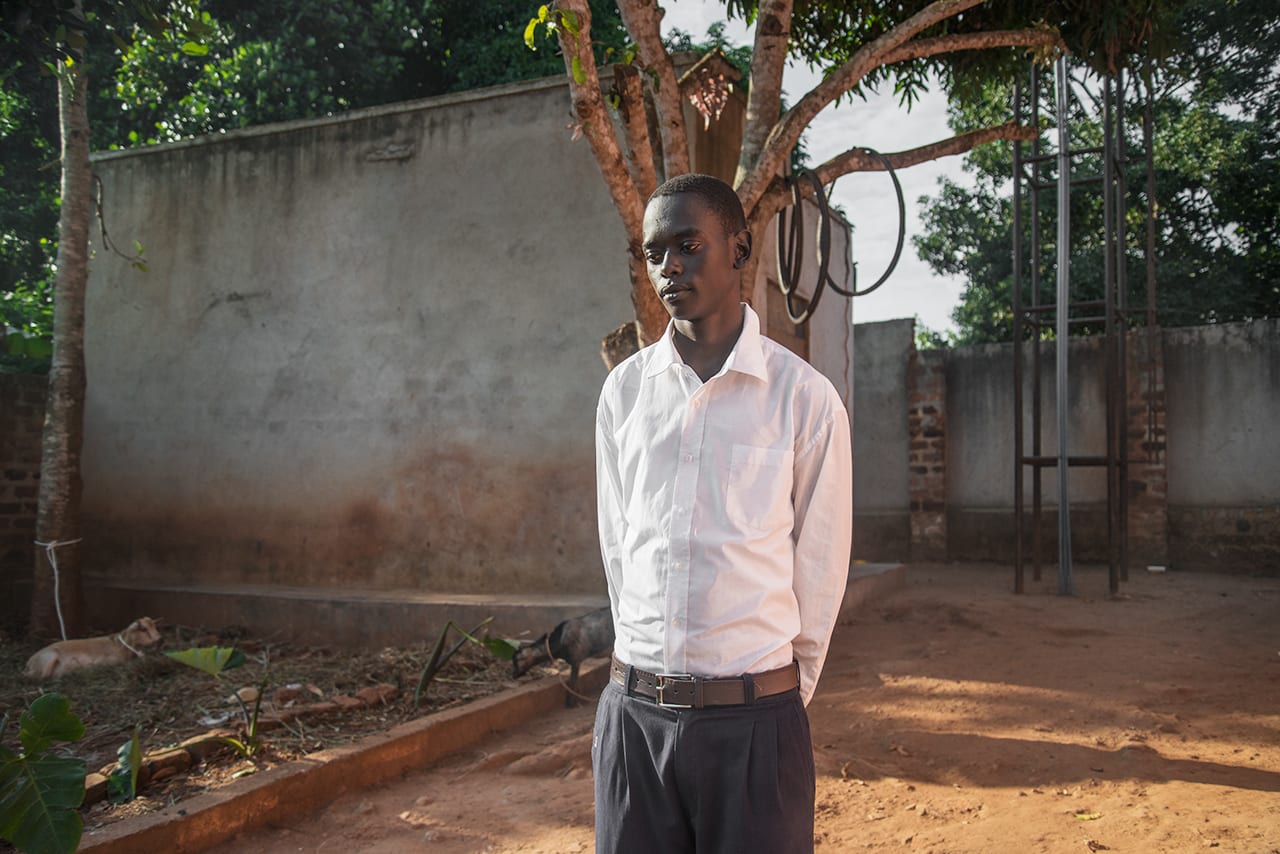
Uganda’s population is one of the youngest in the world, with 77% of the population under the age of 30, and 52% less than 15 years old. It’s also one of the fastest-growing, with a population grown rate of 3.3%, compared to a world average of 1.2%. It’s a dynamic that, as Irish photographer Robert Ellis points out, means the country is poised for rapid change.
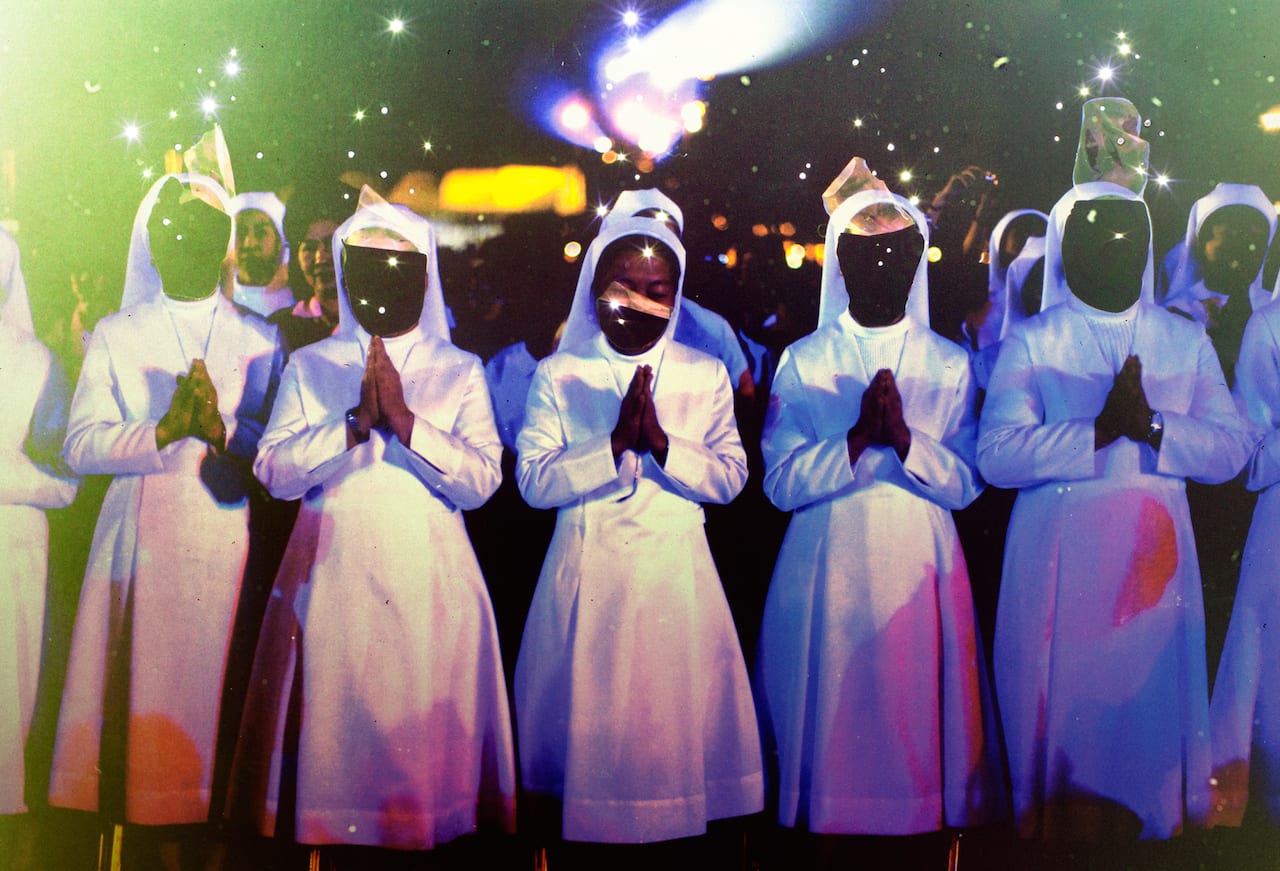
“Just a few days after the opening, soldiers entered the gallery and removed some of the photographs,” says Harit Srikhao, a runner-up in this year’s BJP Breakthrough Awards. The Thai photographer, whose series Whitewash uses the military crackdown in 2010 as its starting point, questions government control, censorship and propaganda. “You are able to talk about politics in public, but if you talk ‘bluntly’, you would be arrested,” says Srikhao.
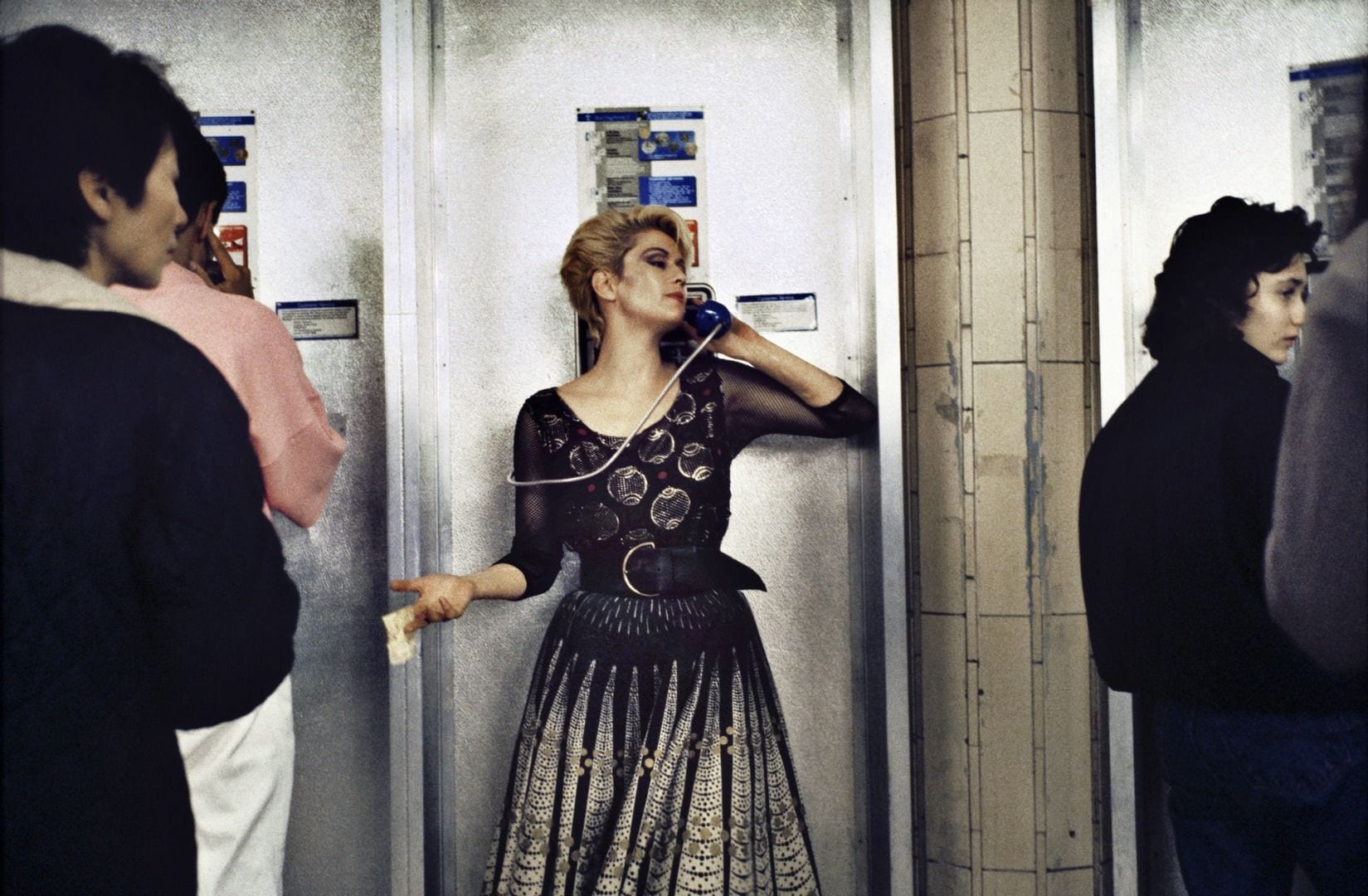
Following our introduction of FullBleed TV, the BJP’s co-produced channel on photographers, we take a look at another of the channel’s short documentary features covering the story of British photographer Bob Mazzer and his iconic, four decade project of life on the London tube.
When Mathias Depardon was released by the Turkish government on 09 June, he had been held in custody for 32 days. Detained on 08 May in Hasankeyf in South East Turkey, the French freelancer had been on his very first day of shooting on assignment for National Geographic. “It was my first day photographing the new settlement of Hasankeyf, 300km from Batman,” he explains, adding that he had been in the region for 10 days and was driving back from Gaziantep when he was stopped.

The celebrated young fashion photographer opens a solo show in Huis Marseilles on 09 September, but was a BJP One to Watch back in January 2014. “On the one hand, he is quite at home documenting passers-by in the grade II-listed Preston Bus Station, the future of which hangs in the balance, or photographing a British polo contest at Cowdray Park, as he did for Man About Town,” wrote Gemma Padley. “On the other, he has shot campaigns for designers Céline and Marc Jacobs, and has been featured in magazines such as i-D and Paris Vogue. In light of this impressive CV, Hawkesworth’s ability to turn his hand to whatever comes his way seems to know no bounds.”
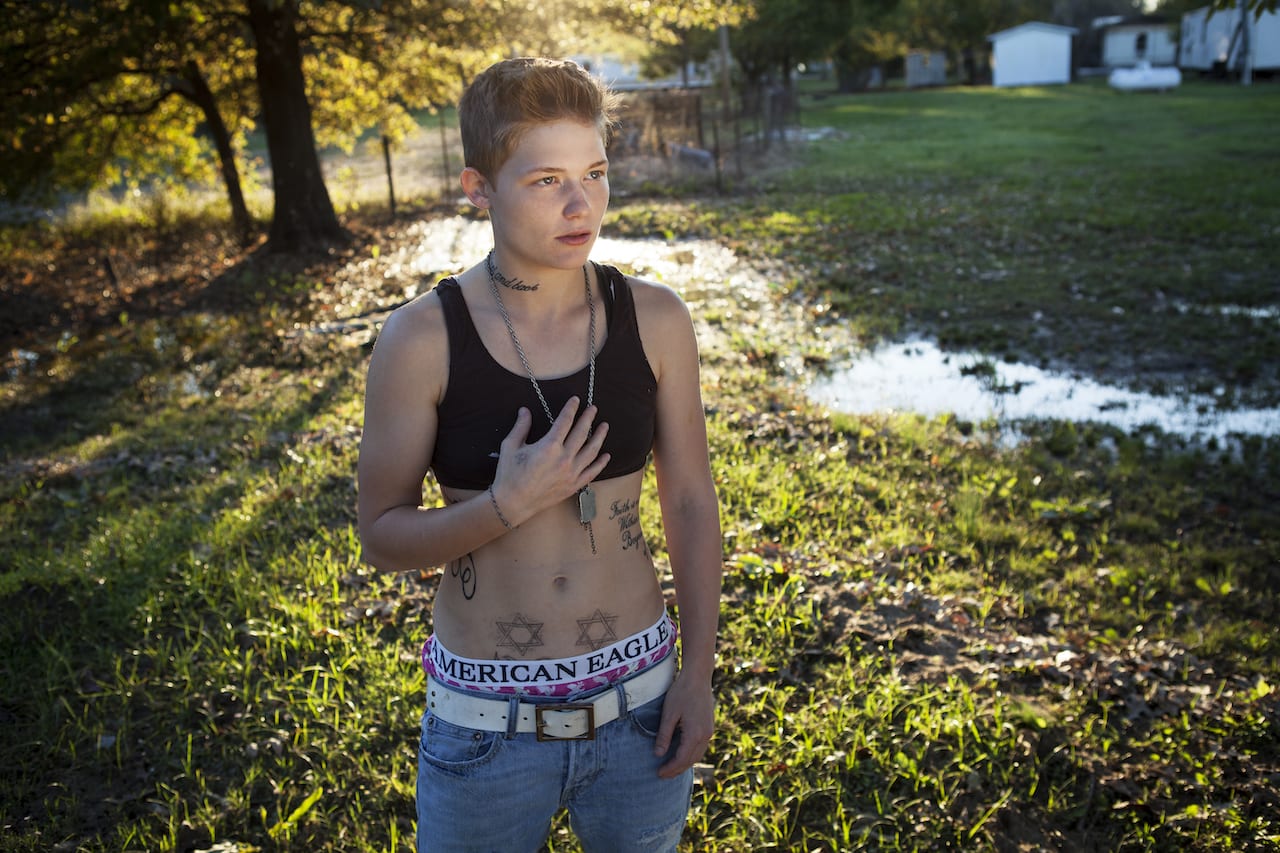
“Most people I meet are not satiated or fulfilled and desire more. Desire to be heard. Desire to be seen. Desire to connect and matter,” says Phyllis B. Dooney, the American photographer behind the photoseries Gravity is Stronger Here. The project, which started as an exploration of the American South, centres on a Greenville family trying to negotiate life in middle America. Their needs and wants are the same as those across the country: to be heard, to be seen, to be accepted.
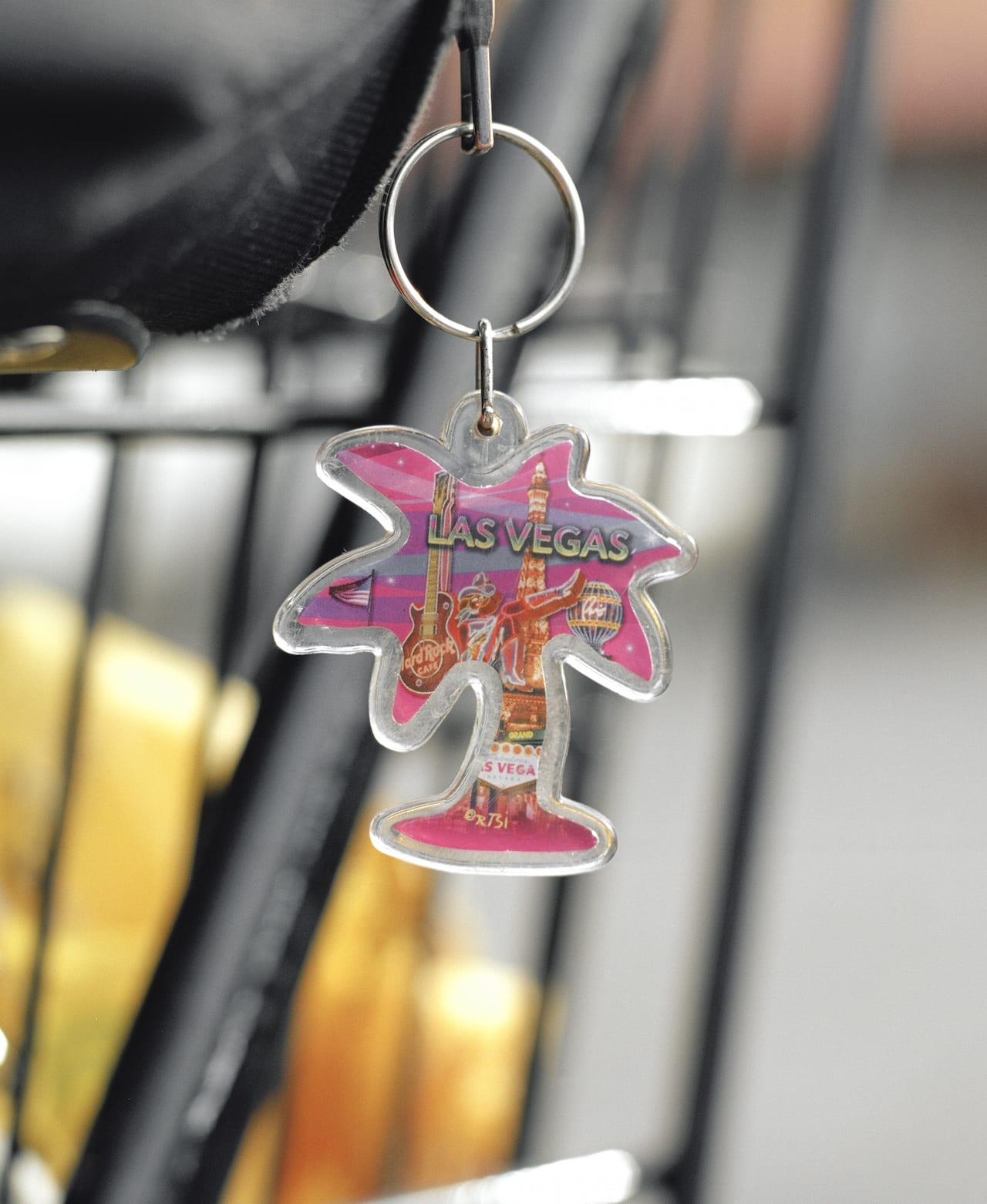
From vacant parking lots to intimate street portraits via expansive stretches of the Mojave Desert, the Las Vegas of Jack Minto’s project, Maryland Parkway, is somewhat unfamiliar. Bypassing the glitzy lights, flamboyant buildings and raging commerce that characterise the famous Strip, the 21-year-old photographer turns his lens on a nondescript parallel road, two miles east of the action and home to many “misplaced” local residents, in a bid to expose the harsh reality of a city divided by economic inequality.
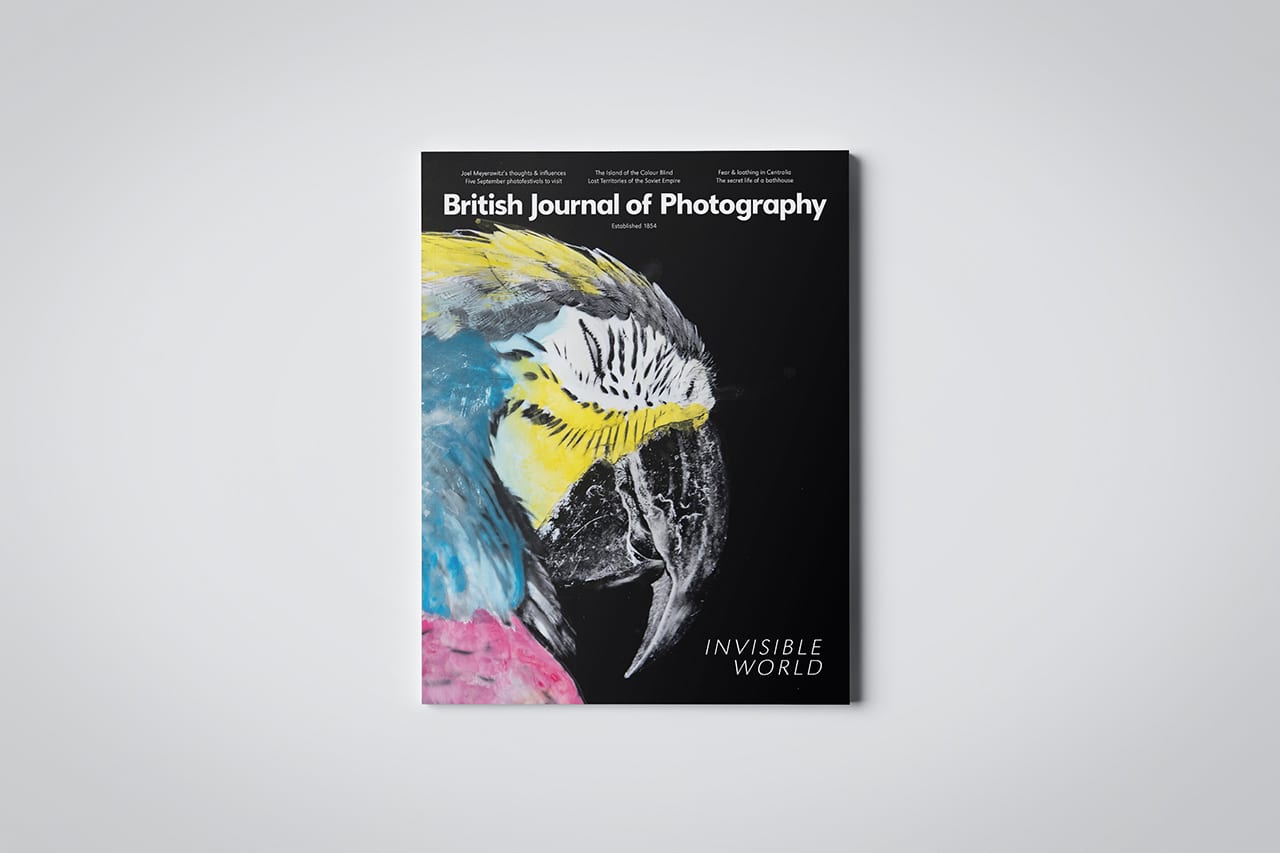
The September issue brings the otherwise invisible into sharp focus. Invisible World explores forgotten conflicts, intimate retreats, abused landscapes and remote islands to uncover the hidden realities and unknown societies behind ordinary backdrops. “As social beings, we all demand to be seen,” says Hoda Afshar, whose latest series, Behold, takes us to an exclusive male-only bathhouse. Her point resonates with all the photoseries explored in this issue: how do we negotiate our surroundings, how do we see our societies, how do we interpret our world? We need to first see the invisible to answer these ever salient questions.
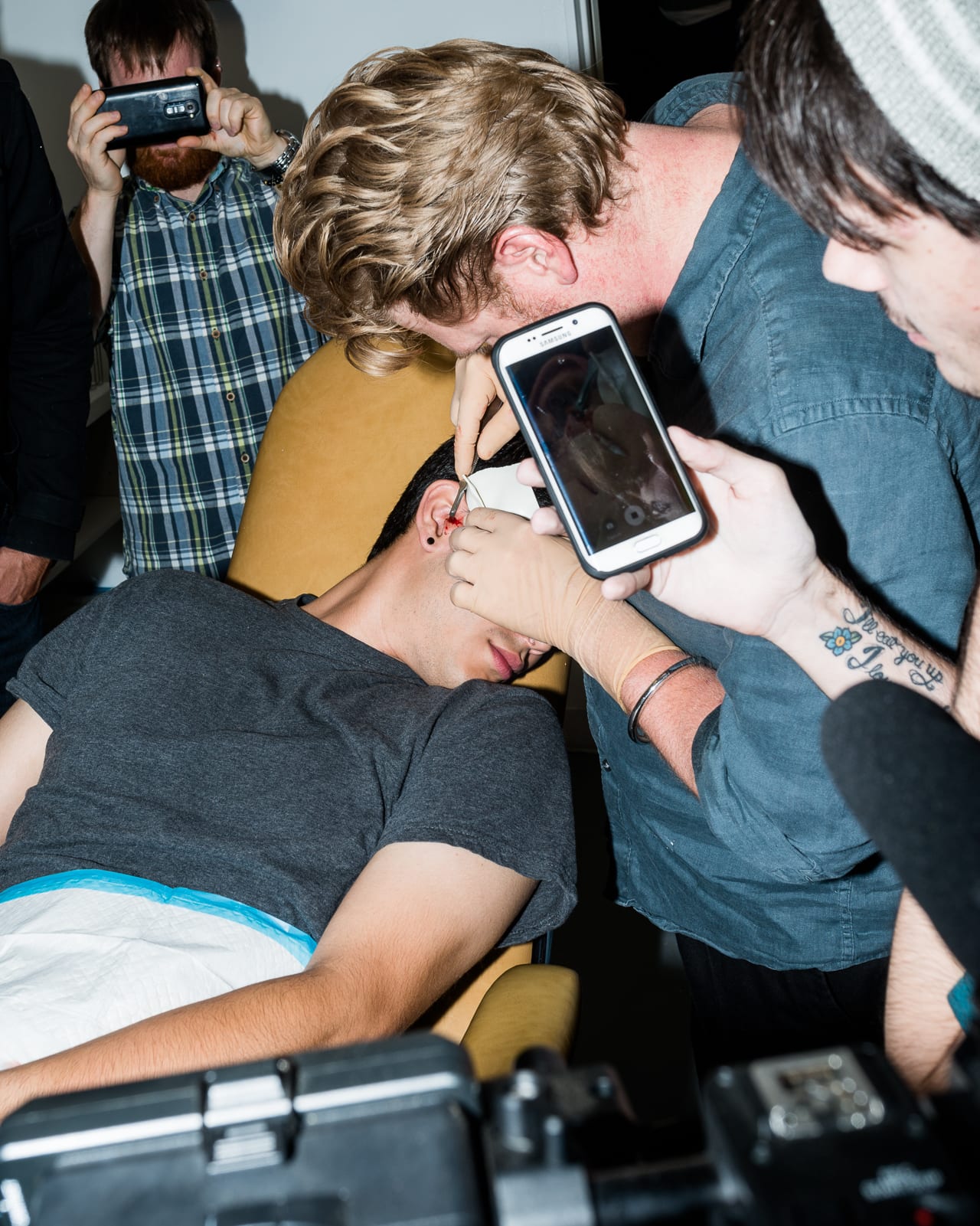
Grinders, which was nominated as a runner-up in this year’s British Journal of Photography Breakthrough Awards, focuses on a community of body hackers who undergo operations to add technology into their body. Like something out of a sci-fi novel, the group hope that slicing their bodies open will enable them to solve mankind’s problems through machine. The combination of man and machine is no longer futuristic fiction.