
Documentary

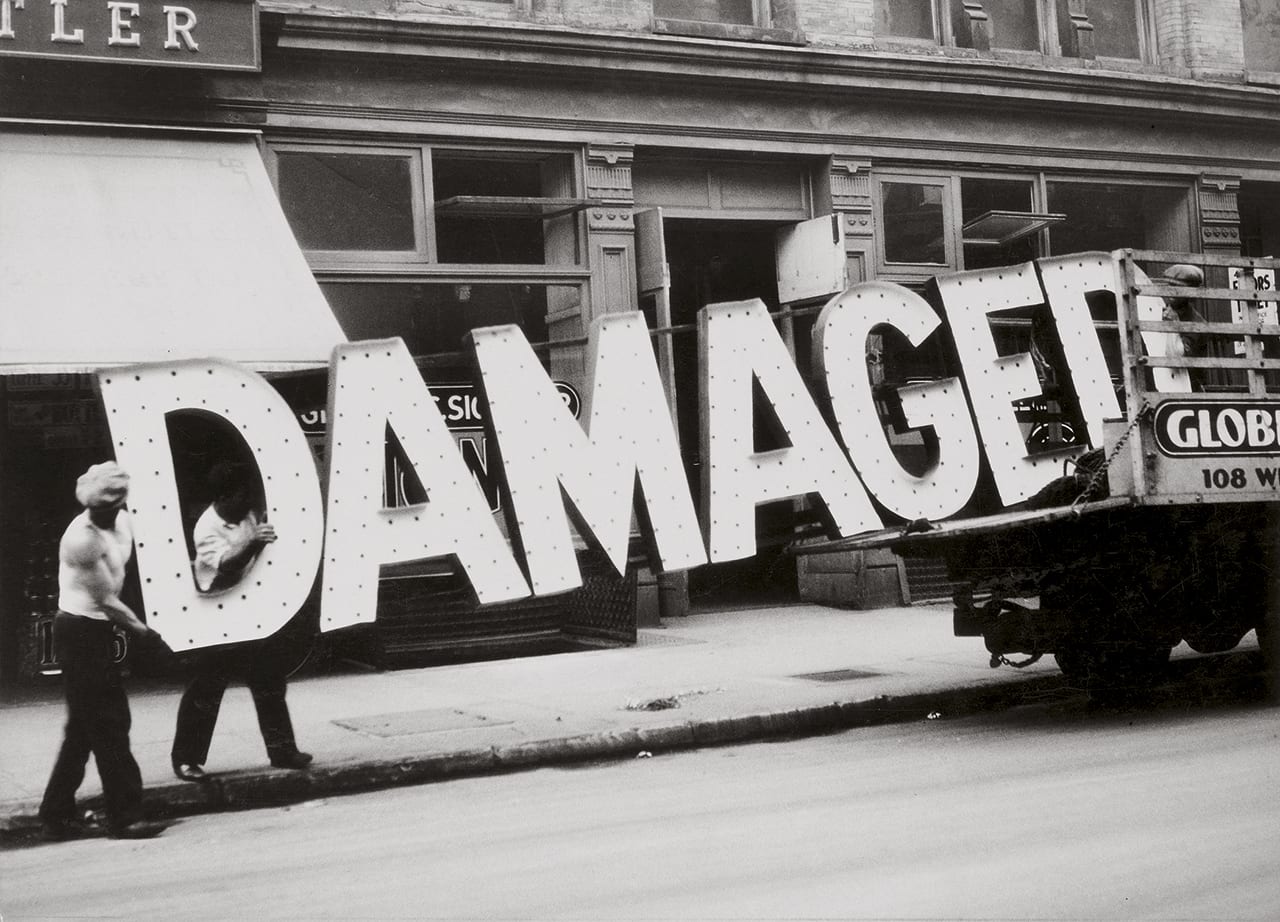
Walker Evans' love of the vernacular at SFMOMA's enormous retrospective

“There are two important things about this show,” says Clément Chéroux, senior curator of photography at SFMOMA. “First, the quantity of work – more than 300 photographs, quite a large selection, because we were able to get support from most of the big institutions – MOMA, the Art Institute of Chicago, the Metropolitan Museum of Art, National Gallery of Canada, the Musée du Quai Branly and so on, and private collections from around the world. Second, is the fact that it is arranged thematically rather than chronologically. Usually when you look at important retrospectives they are chronological, but we organised by theme because we wanted to organise it around Evans’ passion for the vernacular. He was fascinated with vernacular culture.”

5 October 2017

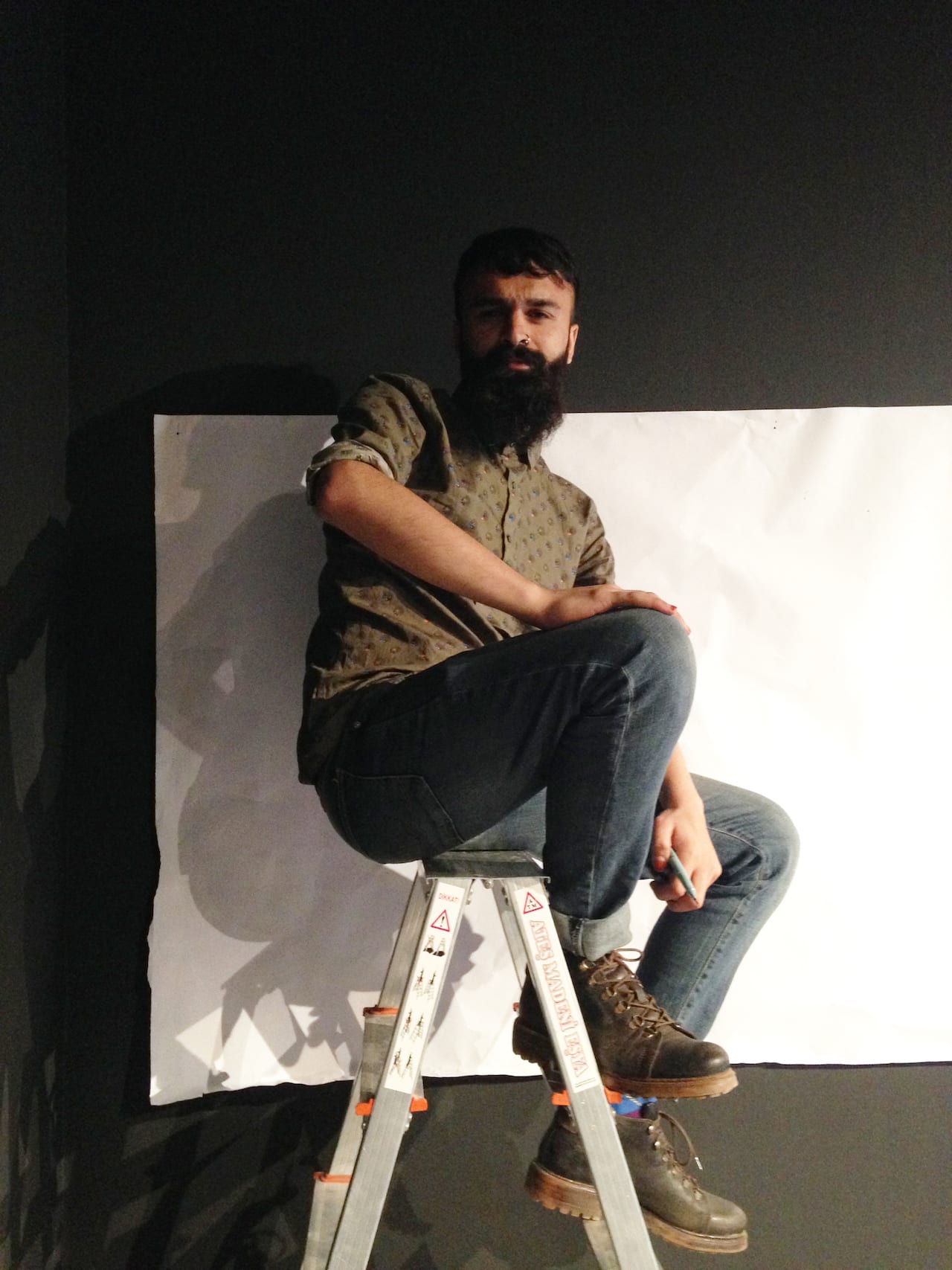
Sanne de Wilde, Arko Datto and Leonard Pongo join NOOR

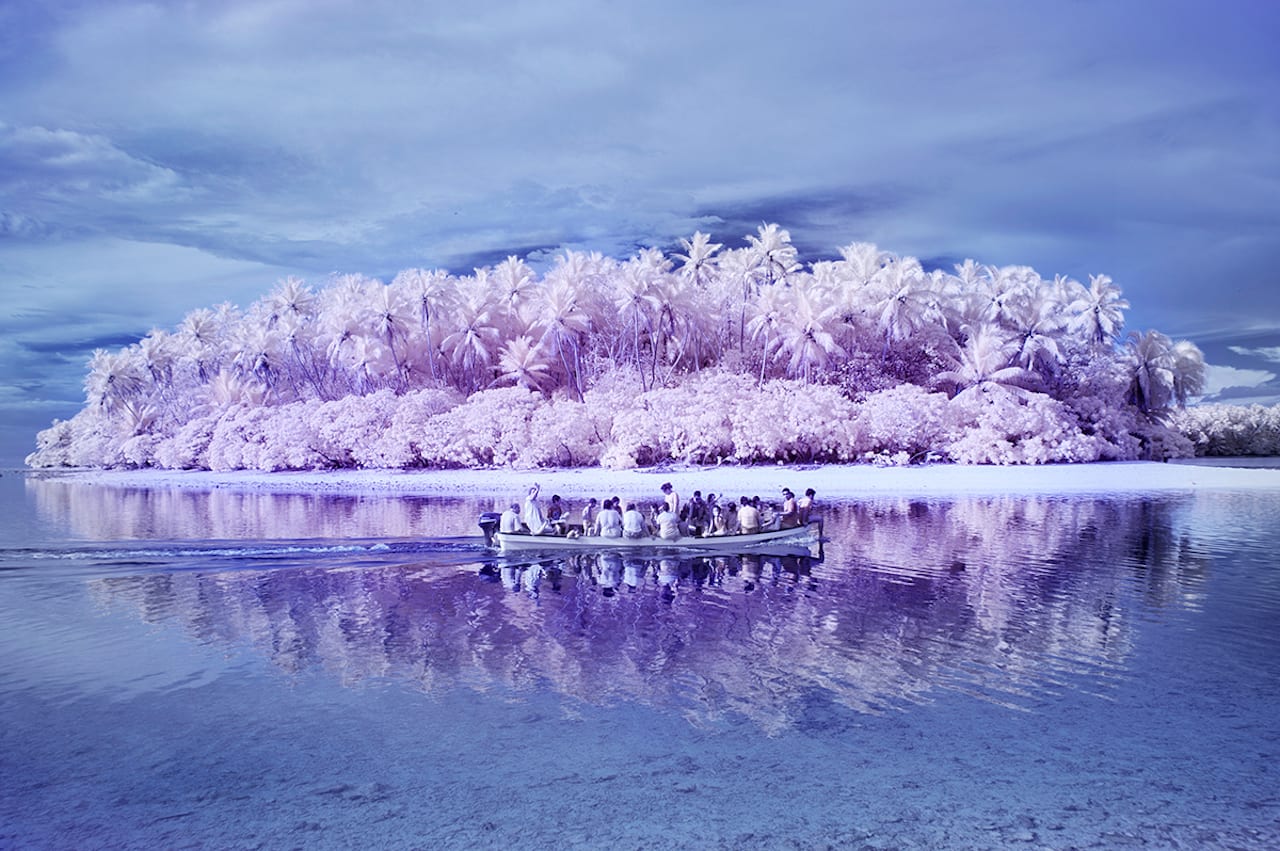
NOOR, the prestigious photo agency and foundation, has signed up three new nominees – Sanne de Wilde, Arko Datto and Leonard Pongo. Hailing from Belgium, India and Belgium/DR Congo respectively, all three are known for their cutting-edge work, rooted in documentary but pushing the aesthetic boundaries of image-making. 

4 October 2017

Photography and loss in Veronica Viacava's Palinopsia

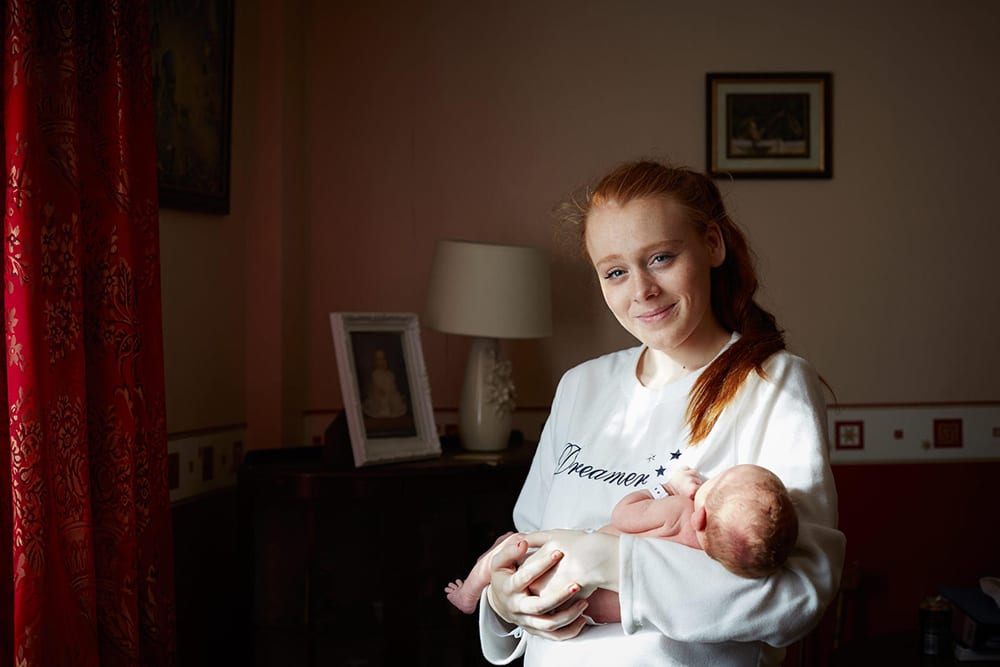
When Veronica Viacava moved to London, straight out of high school in Milan, she had never studied photography. But she had developed an interest in the concept of the photographic image, beyond the physicality of manually taking pictures, and seeking independence from her family, who didn’t approve of her desire to study the arts, enrolled at the University of Middlesex. Viacava has just graduated, and her work has been deeply personal throughout. When she was 17, her mother passed away, which led to intense musings on old family photo albums. By the end of her second year at Middlesex, she had begun to think about the materialisation of memory and “the idea of photography turning the past into an object”, she says. “So that you can look through it.”

2 October 2017

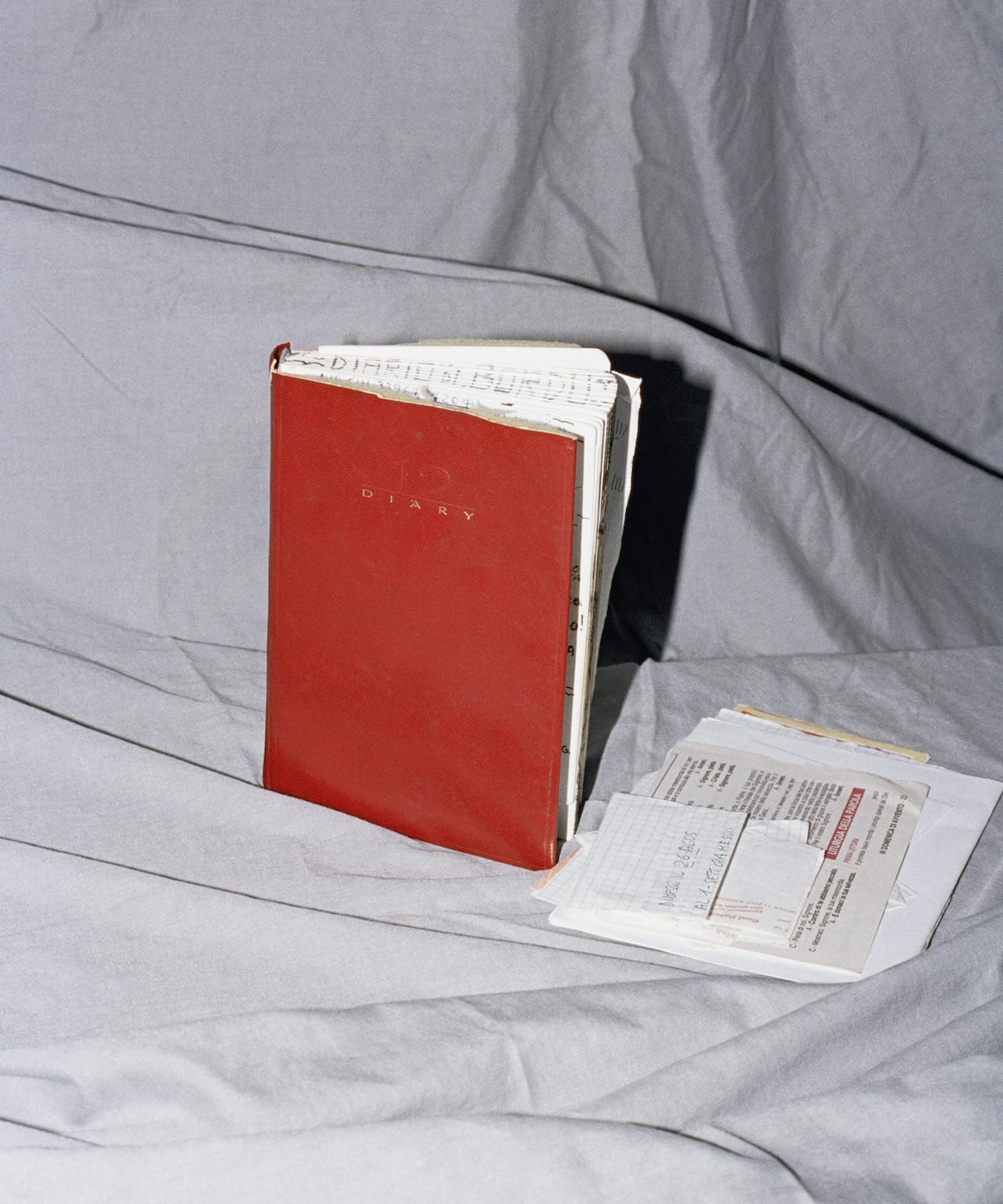
Çağdaş Erdoğan writes from his Istanbul prison

“MY FRIENDS!” writes Çağdaş Erdoğan from the Silivri Prison, Istanbul on 21 September, in a handwritten letter translated by a curator contact and circulated by his publisher Akina Books. “I salute all of you with my heart. Regardless of the illogical times we have been having, I hope you are well. Don’t worry about me. I’m doing well despite the physical and psychological negativities I experienced since the last two weeks.” Erdoğan was taken into custody at the start of September and officially arrested on 13 September, when he was put into pretrial arrest on accusations of membership to a terrorist organisation. In his letter, Erdoğan discusses the reason he was initially apprehended, and discusses some of the reasons he has been given for the terrorism charges.

27 September 2017

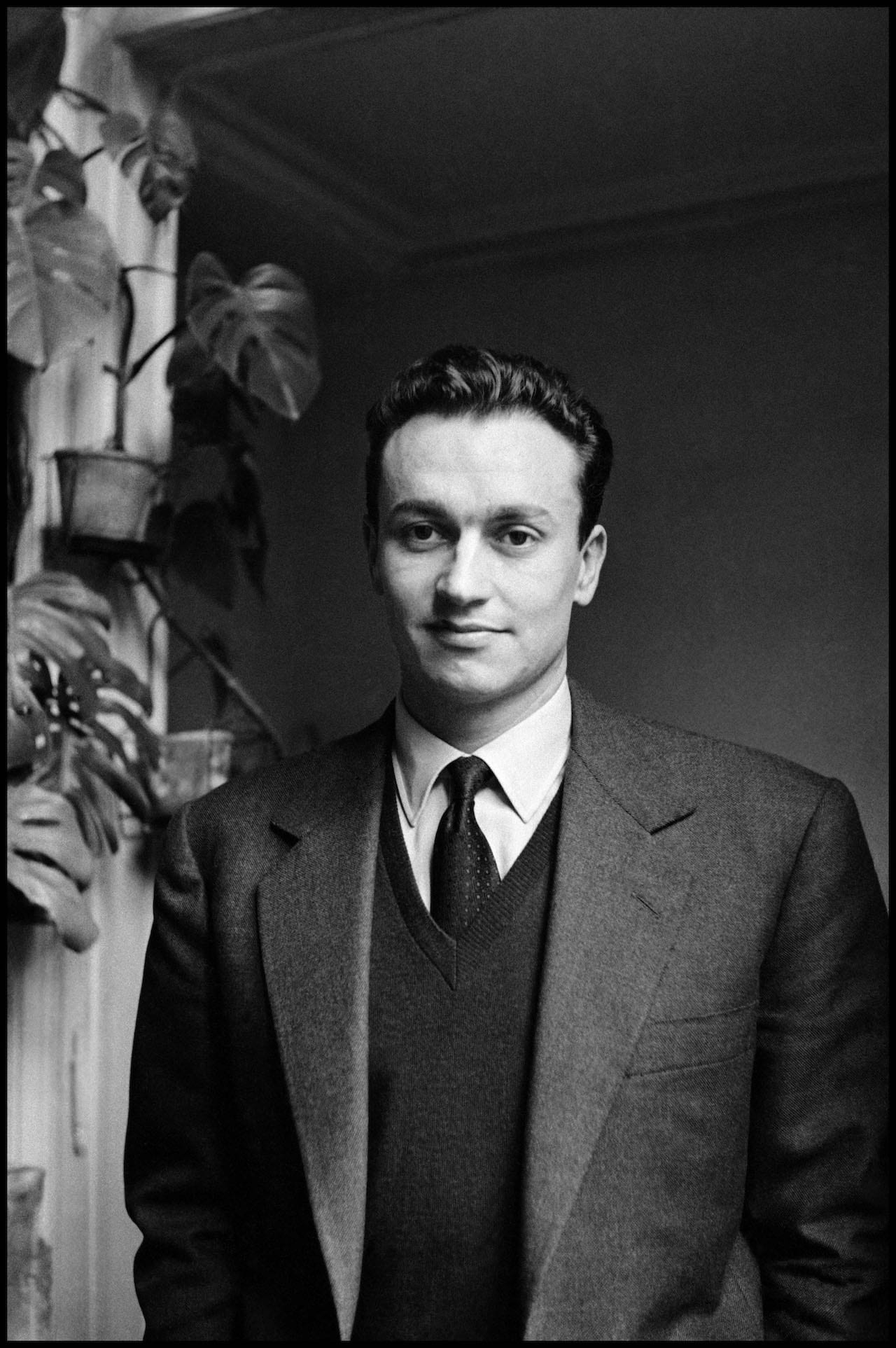
Remembering the legendary Robert Delpire

With a career that spanned seven decades, Robert Delpire, who passed away on 26 September, will be remembered as one of photography’s biggest champions in the 20th century. Best-known for founding the Editions Delpire, which published the work of artists such as Cartier-Bresson, Doisneau and Robert Frank, he also co-founded the Jeu de Paume, set up the Fondation HCB, ran an advertising agency, art directed a magazine and much, much more.

27 September 2017

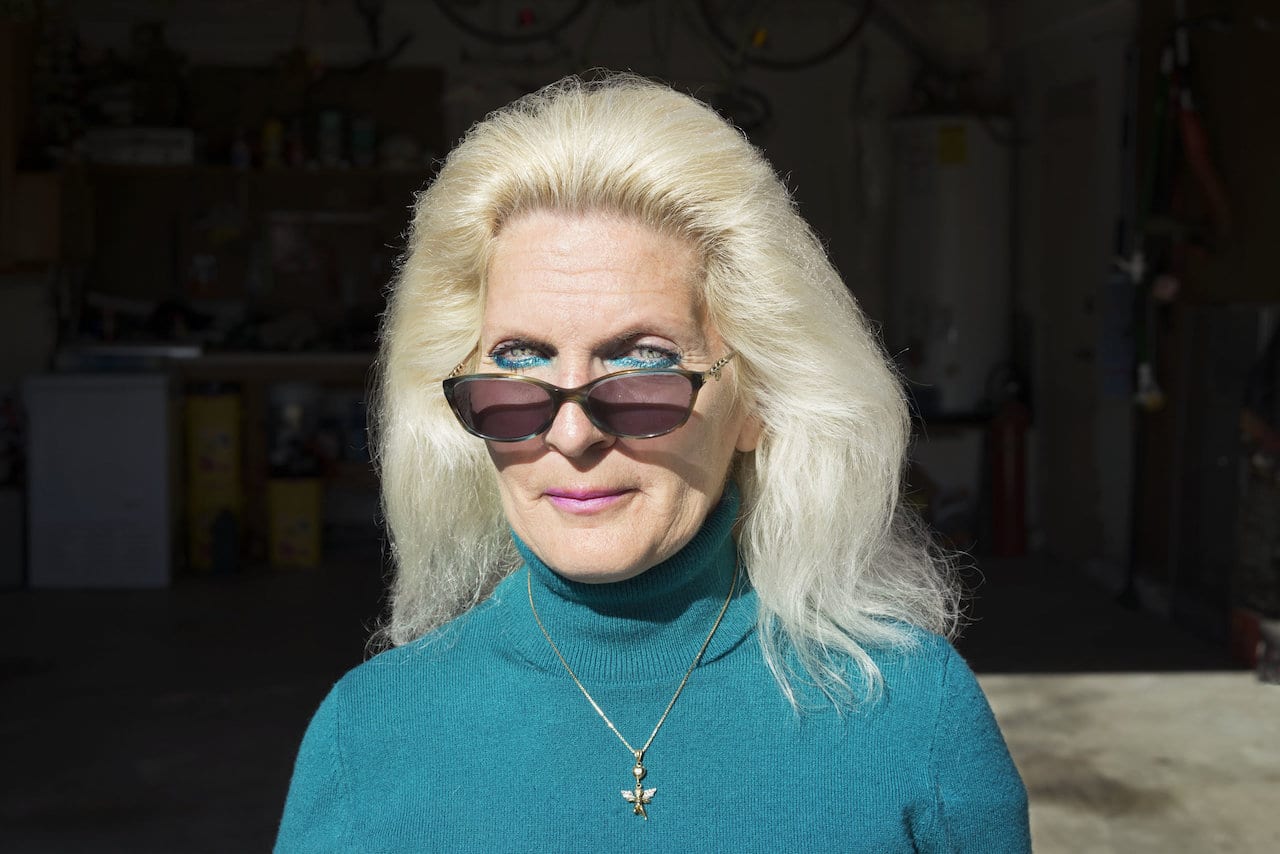
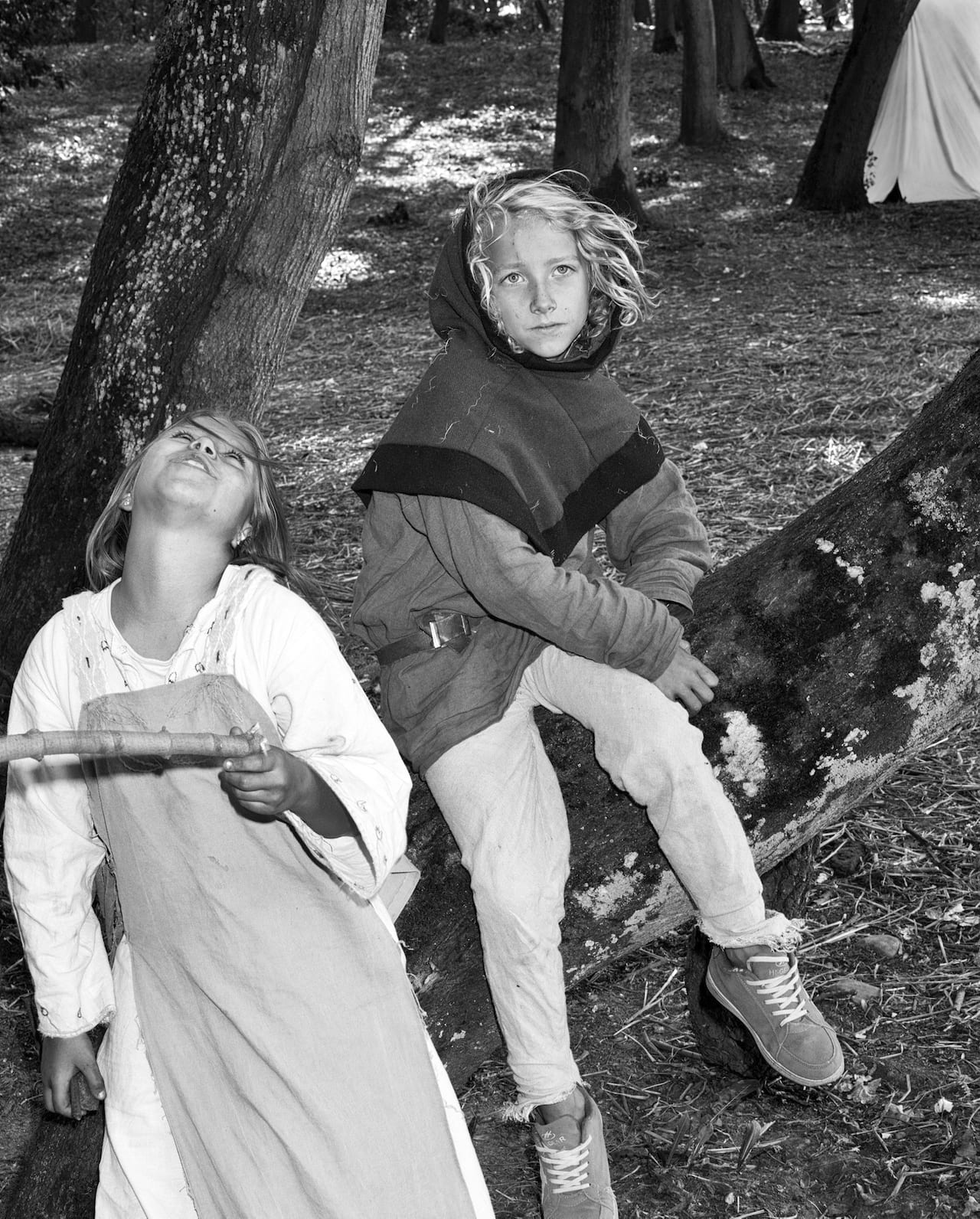
Q&A: Adam Lach creates a wonderland out of small town Polish life

“Neverland came via my participation in the Wrzesnia Collection, a long-term photography project and ongoing photographic residency which is creating an ever-growing photo archive on the Wrzesnia Town and Commune. Every year, the Mayor of Wrzesnia Town and Commune invites one photographer, selected by the curator, to spend some time in the town creating a personal series of images that illustrates the district and its inhabitants. I had a very open brief, it was completely up to me how to portray the place. It’s an extraordinary little city, but it also seems very boring and calm on the face of it. I had to work like a journalist, cooperating with the local newspaper and researching every local event, initiative, meeting or story that could be interesting. All these events were an opportunity to meet the people, to spend some time with the community,” says Polish photographer Adam Lach

26 September 2017

Andrea Grützner wins the ING Unseen Talent Award and €10,000

German photographer Andrea Grützner, who was born in 1984, has won the ING Unseen Talent Award with her series Hive. She now wins €10,000 to develop a new project and, along with the other shortlisted photographers, the opportunity to develop her work under the guidance of Nadav Kander, the UK-based photographer best-known for his huge commission for The New York Times Magazine, Obama’s People.

25 September 2017

Tate Britain appoints Kate Bush to the new post of Adjunct Curator of Photography

Tate was famously slow to institutionalise photography, staging its first photography show (Cruel + Tender: The real in the 20th century photography) in 2003, and appointing its first photography curator, Simon Baker, in 2009. Now, hot on the heels of its acquisition of Martin Parr’s 12,000-strong photobook collection, its now made another major commitment to photography, appointing Kate Bush in the new post of Adjunct Curator of Photography. Bush, who was previously Head of Photography at the Science Museum Group, and prior to that Head of Art Galleries at the Barbican Centre in London, starts at Tate Britain in October.

22 September 2017

On the road with the carnies in 1970s America

Randal Levenson stumbled upon fairgrounds almost by accident in 1971 – travelling from Ottawa to Maine to visit a friend, he found he was there at the same time as the Fryeberg fair. He spent eight days photographing its agricultural and carnival exhibits and, intrigued, went on to the next fair, the last of the season, in Topsham, living in a tent in the woods opposite to be as near to the site as possible. From there Levenson decided to shoot a book-long project on the so-called carnies, and worked on the project for the next ten years. He spent nearly all of 1974-78 on the road with various sideshows and carnivals, shooting from under a dark cloth on a large-format camera on a tripod. “I photographed freaks as normal people,” he told Vice back in 2014. “I found most to be fairly noble individuals.”

22 September 2017
Raw and compelling narratives of our time from today’s leading documentary photographers.