
Documentary

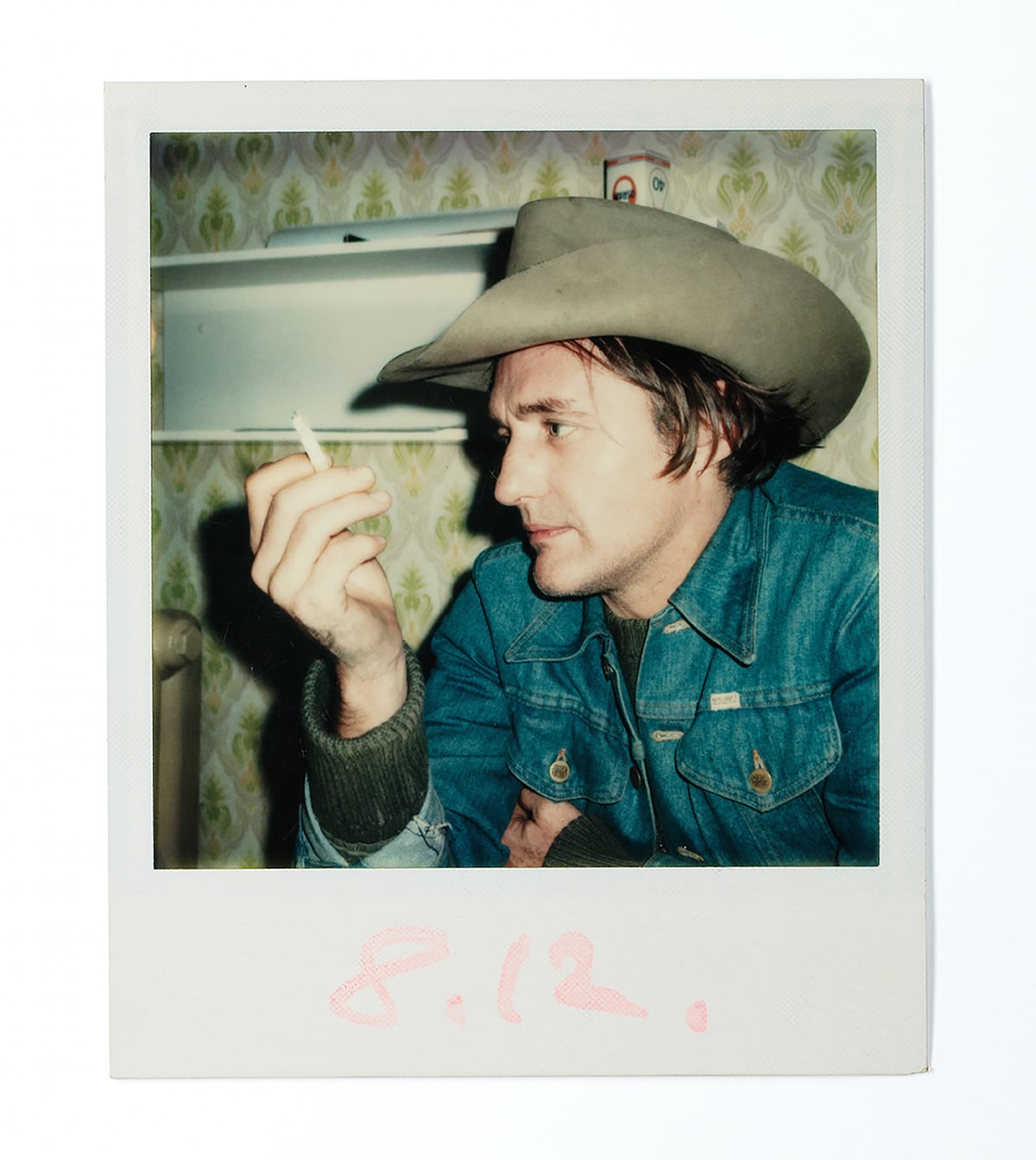
Wim Wenders' Instant Stories is a love letter to the Polaroid

Wim Wenders was given a new Polaroid camera yesterday. It was a gift. He doesn’t plan on using it. “It’s funny,” he says quietly, before pausing to carefully frame what he wants to say next. “I picked up this new One Step 2 camera and instantly everything came back to me. My hands remembered how to hold it and how to use it. But it was definitely a nostalgic act, and that felt a bit strange. When I took all these thousands of Polaroids between the late 1960s and early 80s it was anything but nostalgic. At the time, that was modernity.”

2 November 2017

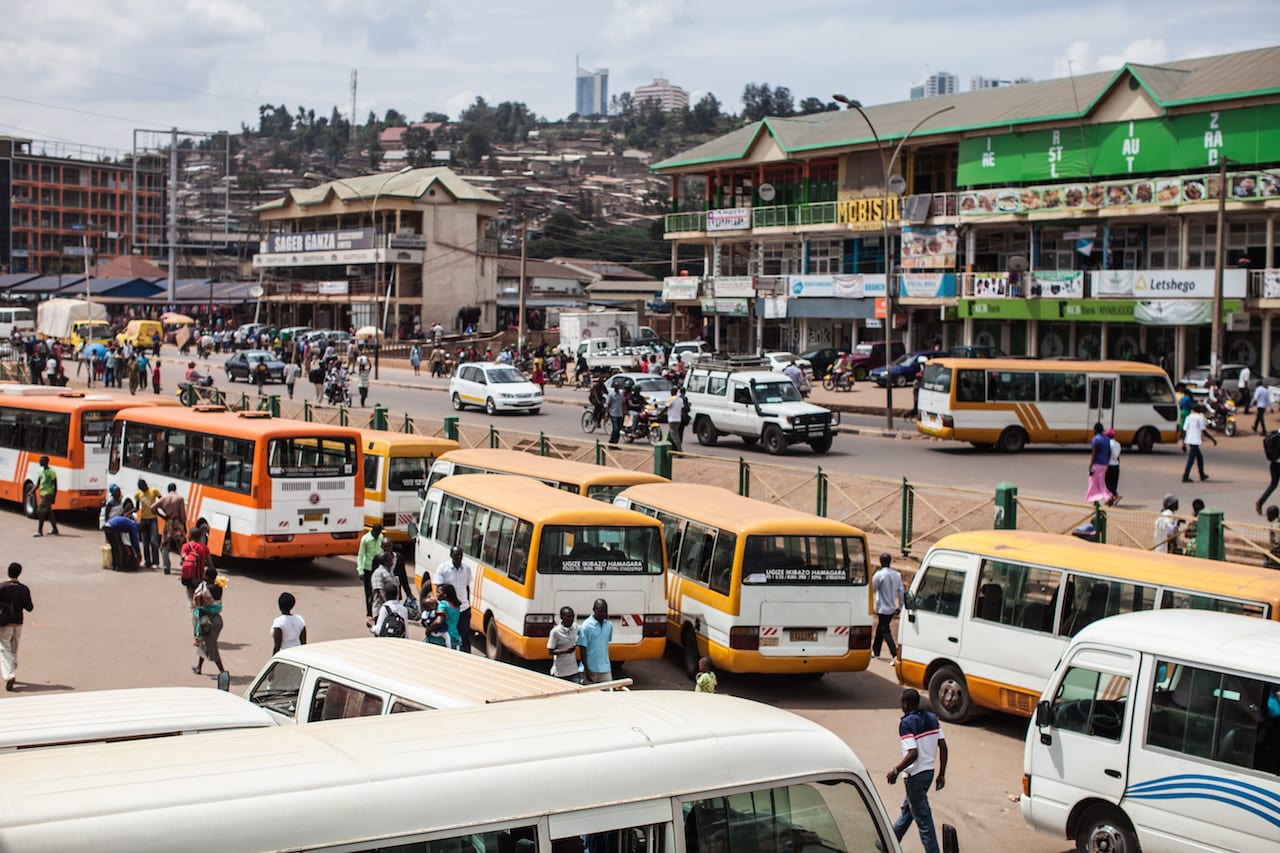
Jacques Nkinzingabo's Rwanda has a million solutions

“Rwanda is a country in progress,” says Jacques Nkinzingabo, a photographer born in Rwanda in 1994 – the year of the infamous genocide in which 500,000-1,000,000 Tutsi were killed by the Hutu majority government. “It’s one of the countries with the youngest population in Africa: most of them were born after the genocide,” he continues. “Of course, they have read the news, books, seen images online, but they didn’t experience it. So now they’re building their country. There is a mind-set now that there is no Hutu or Tutsi anymore; everyone is Rwandese. These people want to look beyond the past.”

2 November 2017

Nola Minolfi shows a man who never saw the sea

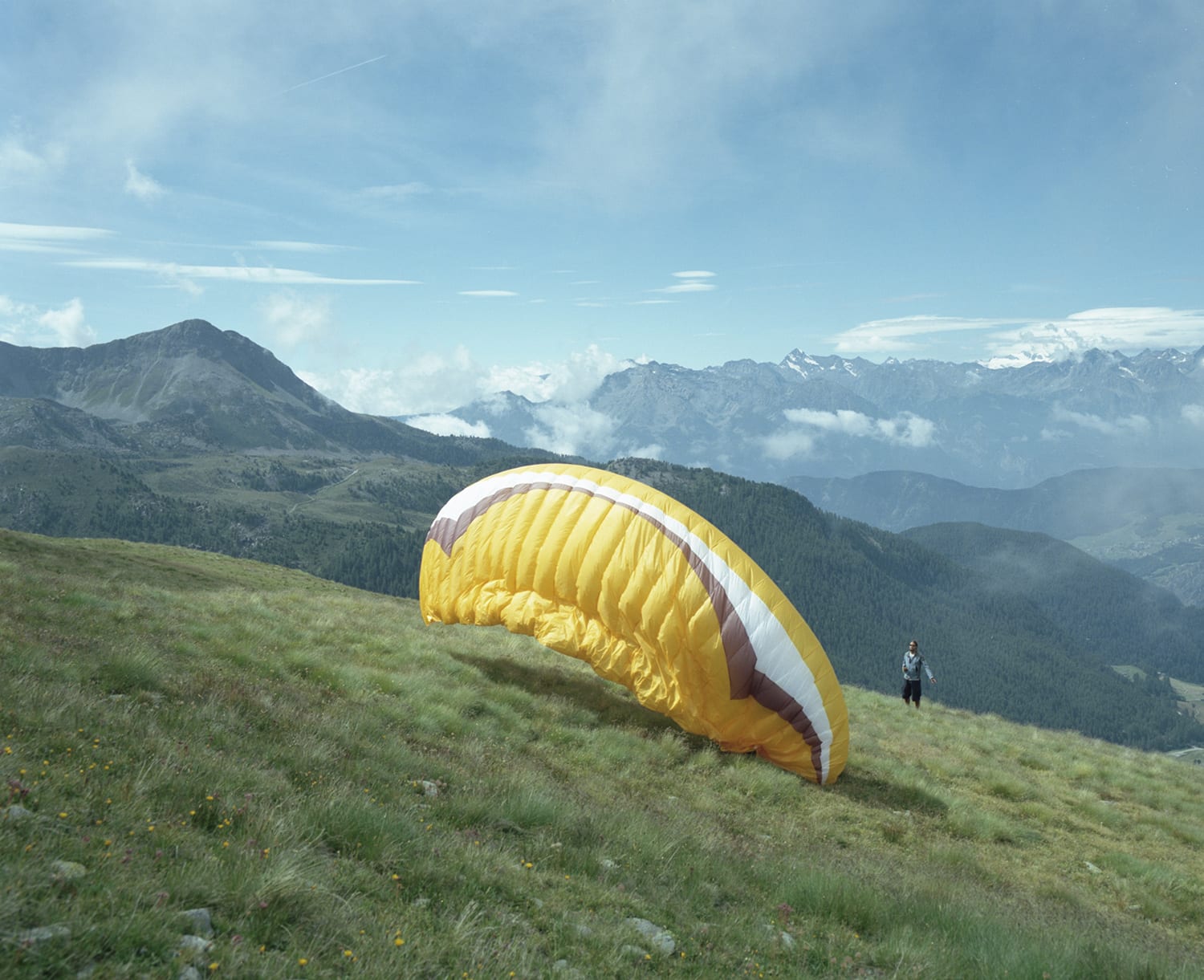
Nola Minolfi was born in Buenos Aires but raised in Milan, from where she and her family would regularly holiday in a remote village in the Italian Alps. To this day there are no cars in Chamois; in fact, there are no roads and the only way to reach the community of fewer than 100 inhabitants is by foot or cable car. The paths leading up to the six hamlets have no names, so when the postman visits he calls ahead to arrange a time to meet in the main square. A key member of the community is 84-year-old Emilio, who Minolta first met when she began work on her project The man who never saw the sea. To find him she took a snowy trail from Chamois that leads to a bridge across a river. From there she followed the instructions written on a tiny map, telling her where to go after a fork in the path: “Turn right, down towards the altiport and then right again after the wooden cross. First house on the left.”

1 November 2017

Zsolt Ficsór finds beauty in everyday Budapest

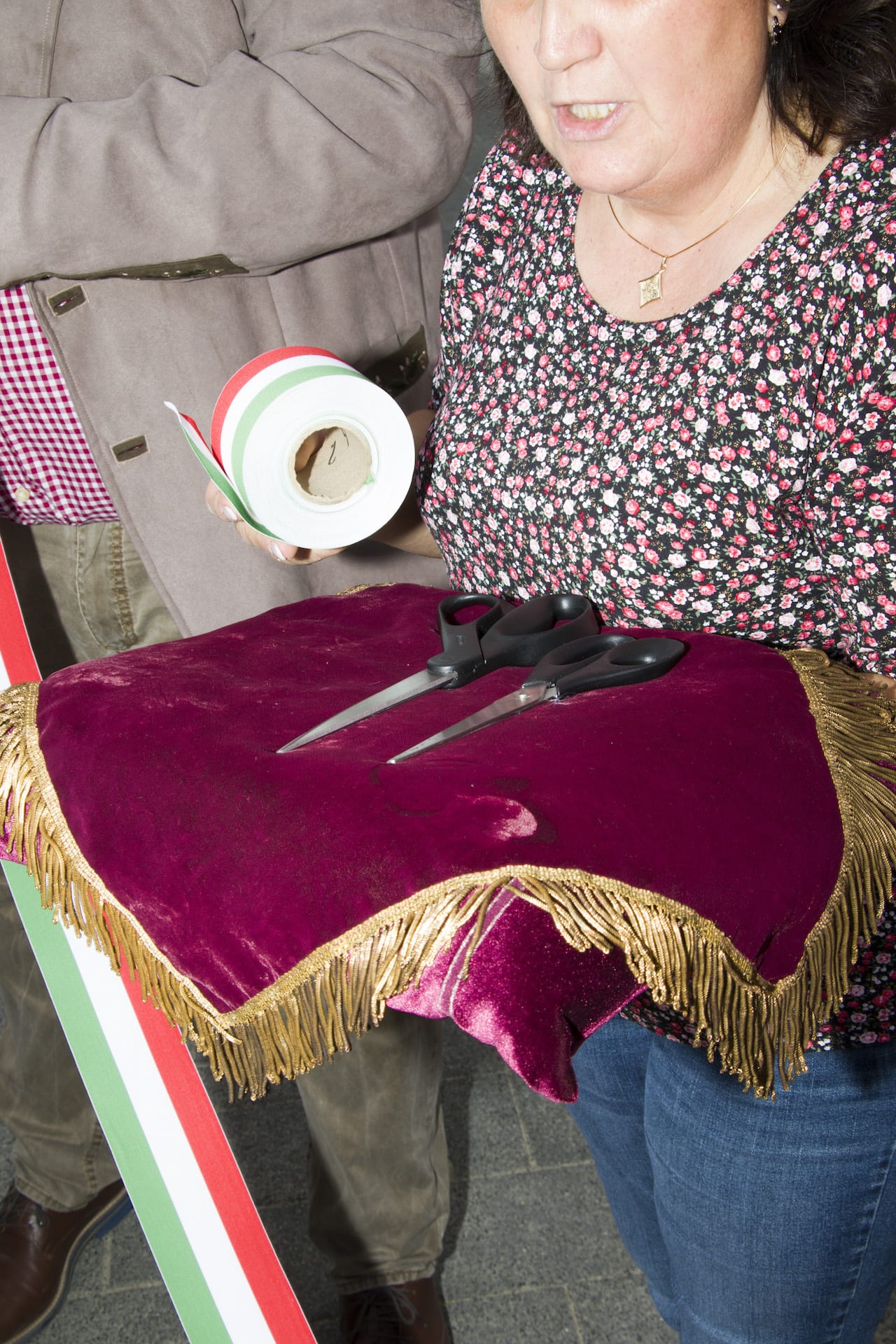
At 28, Zsolt Ficsór is part of this new generation, using his collective, MAMA Photobooks, to help promote local artists’ self-published work. In October Ficsór brought MAMA to Photo Book London at The Old Truman Brewery, Brick Lane, for example, while in September, he was invited to take part in the five-day Magnum workshop at the Capa Contemporary Photography Centre in Budapest. Lead by celebrated Magnum photographers Antoine d’Agata and Matt Black, this workshop was a masterclass in developing his style of urban documentary photography, he says, which stems from his fascination with “interacting with this surreal and unreal world that we are living in right here here, right now”.

31 October 2017

Shooting the Bitter Summer on Bari's Canalone Beach

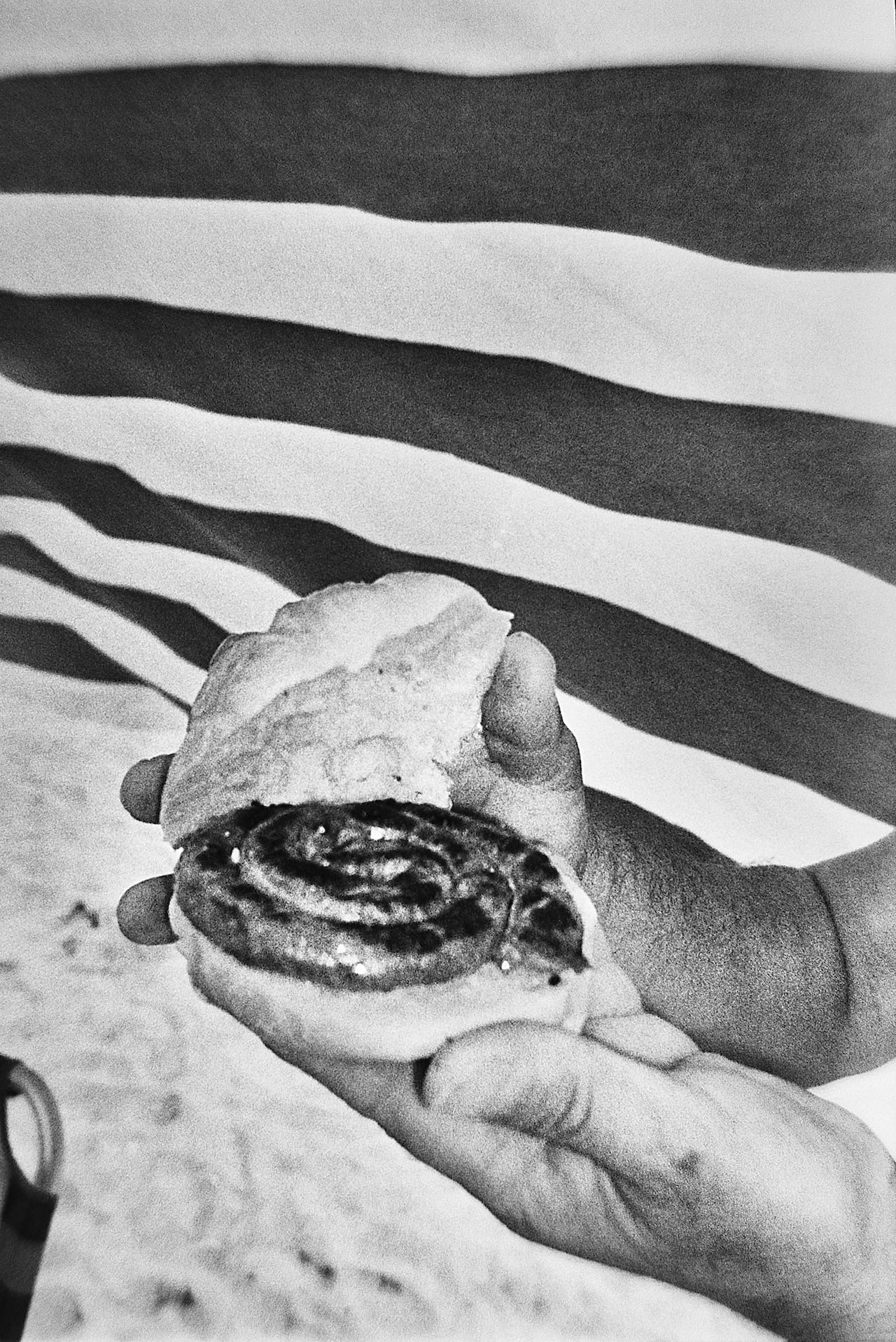
Puglia’s undulating coastline on the Adriatic and Ionian seas offers respite to locals during the summer months, when temperatures can rise above 40°C in southern Italy. August in particular is a time when whole extended families flee to the region’s coastal spots to escape the prolonged, infernal heatwaves. But Puglia’s medieval hill towns, teetering on clifftops overlooking sparkling water, are out of reach to millions of Italians in the grip of economic hardship and many Apulians seek relief closer to their own doorsteps. Photography duo Jean-Marc Caimi and Valentina Piccinni had been working together in Puglia on two projects focused on environmental issues before deciding to make their latest work, Bitter Summer, documenting holidaymakers on a makeshift beach in Puglia’s capital Bari, the largest port city in the Adriatic.

30 October 2017

New show Catharsis makes the private public

“Her project talks about the identity that the state wants women to project in public,” says Vivienne Gamble, director of Seen Fifteen and now curator of the show Catharsis for Belfast Exposed. “She comes from a family where they didn’t have those rules behind closed doors at home. She was conflicted about having this public-facing image, and this different, much more relaxed and liberal, private existence.” She’s talking about Shenasmenah, a project by Iranian-born photographer, filmmaker and curator Amak Mahmoodian included in the three-person Catharsis show.

20 October 2017

Eva Roefs finds everyday magic on the Flemish coast

Eva Roefs has an affinity for capturing bizarre moments in exceptionally mundane situations. The young Amsterdam-based photographer grew up in south Holland in a small town called Loosbroek, and says the monotonous surroundings spurred her search for the absurd as soon as she started photographing at age 13. A decade on, Roefs’ latest series West Flemish Coast applies her signature ethereal stylings to documentary subject matter. “I started thinking, ‘Why go to Australia, Canada or South America when beauty can also be found at my neighbour’s house?’” says Roefs. “So I decided to go to Belgium, where people have smaller holidays that aren’t particularly fancy. It’s just family, the sea, food – not very good food – and animals, all together. It’s not at all like going to surf in Australia or going to Dubai to see big buildings. It really is the root of holidays and how they began.”

20 October 2017
Raw and compelling narratives of our time from today’s leading documentary photographers.