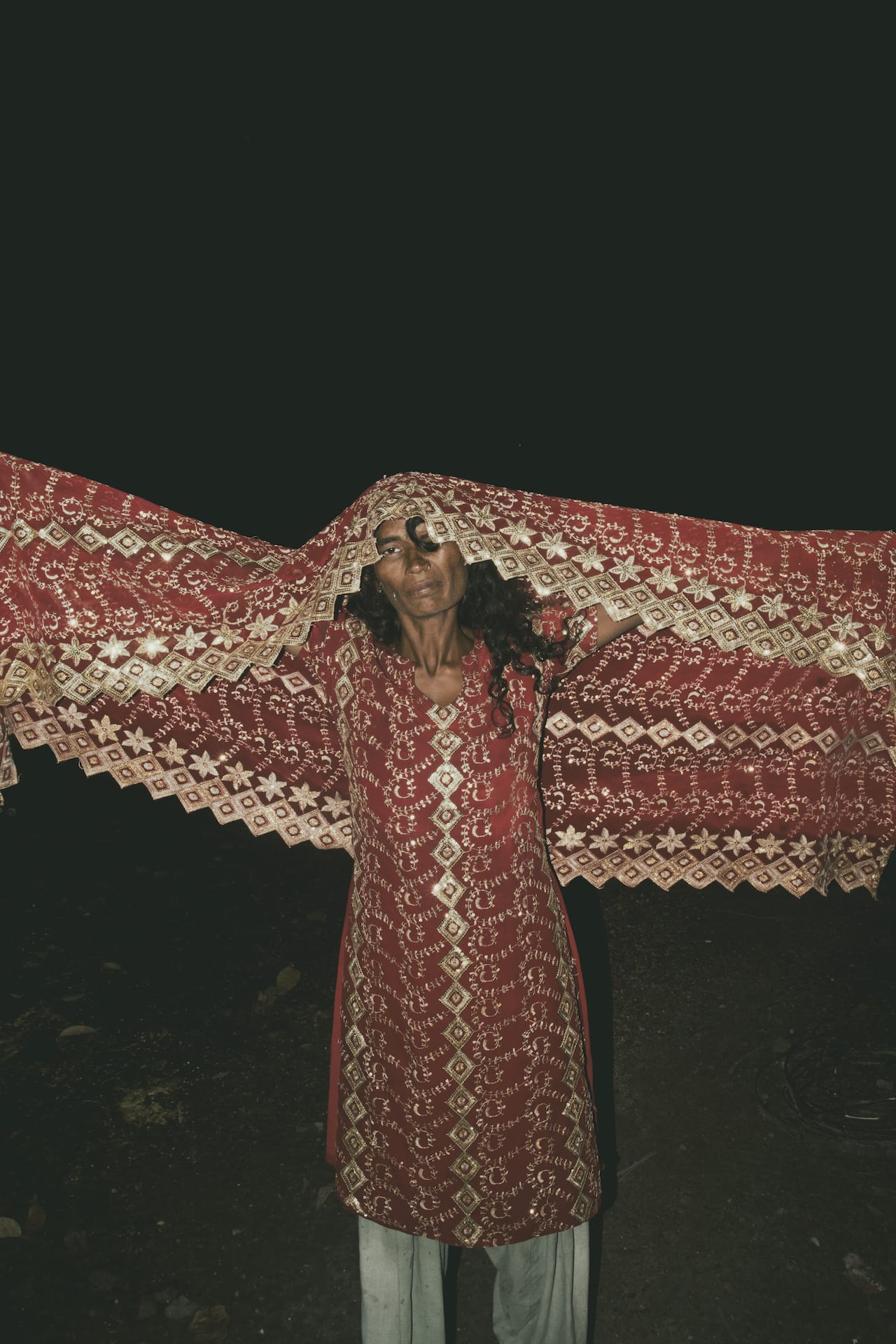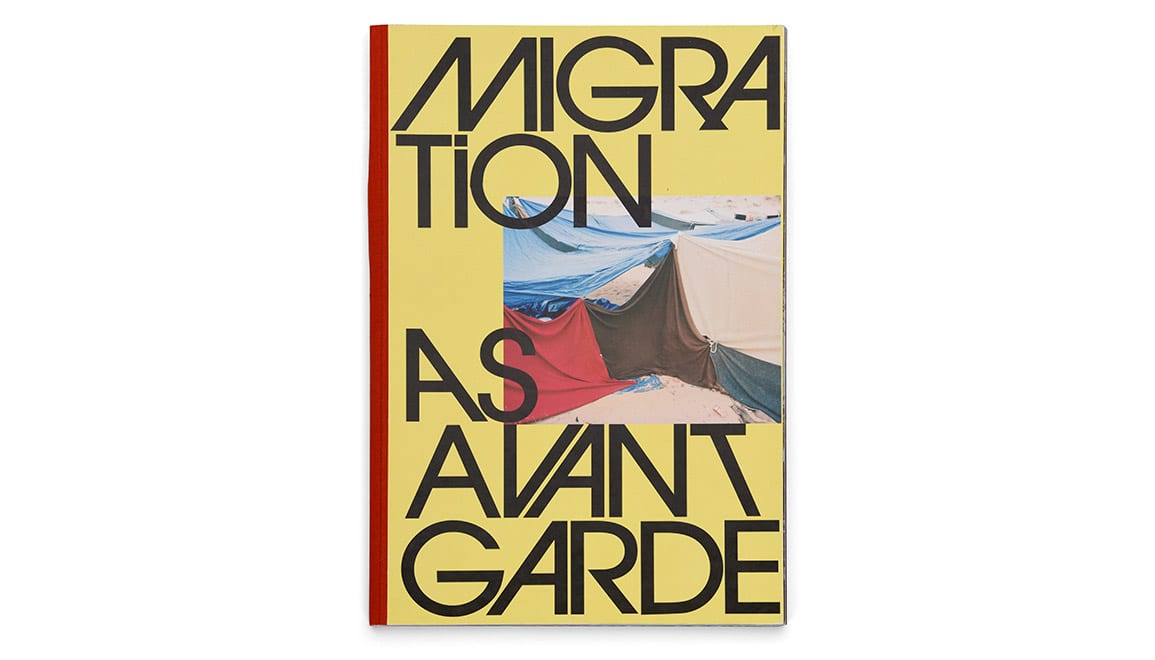

Established back in 2008, the Fotobookfestival Kassel was the first festival devoted to the photobook…
“Eastern and Central Europe has a lot of treasure in its photographic histories,” says Kate Bush, speaking about the exhibition she has curated for Calvert 22, Family Values: Polish Photography Now. It’s the first exhibition in the UK to focus exclusively on Polish photography and, says Bush, “hopefully, it will all be part of feeding a greater understanding and interest”. Family Values is part of Calvert 22’s mission to show the cultural and societal change in eastern Europe, the Balkans, Russia and Central Asia through photography, and Bush – who is adjunct curator of photography at Tate Britain – was commissioned by the gallery for the project shortly after the EU referendum. She sees the exhibition as an opportunity to celebrate London’s Polish community, the largest outside of Poland, as well as commemorating the centenary of Poland’s independence.
Europe boasts more than a hundred photography festivals, but few match the scale and ambition of Photo España in Madrid. This year, the organisation behind it, La Fábrica, celebrates the festival’s 20th edition with a typically eclectic summer season of activities throughout the Spanish capital, encompassing the work of more than 500 artists across dozens of venues that range from the small to the iconic. “The festival is a collective project with a wide variety of institutions, both public and private, supporting it,” says director Claude Bussac, who is hoping that the 2018 edition will “push forward both the formal and geographical boundaries of photography… We aim to celebrate our 20th anniversary questioning photographic meaning and inviting photographers from every continent.”
The 18-year-old Hamburg Triennial will be directed for the second time by Polish curator Krzysztof Candrowicz, who moved to Hamburg four years ago and set about transforming the it, bringing people and institutions together, and determined to make it more relevant to the viewing public. The 2015 edition was, he says, “The first holistic attempt to create the collaborative framework of the festival. Before, the museums were basically highlighting their own exhibitions, but there was no actual curatorial collective structure.” The determinedly political and environmentally-conscious theme this year was inspired by an amalgamation of many factors, he says, including spending a year “away from structured, mechanised and commercial reality”, travelling around Latin America, Nepal and India. “Breaking Point became, for me, a metaphor for rapid and sometimes unexpected transformation on a personal and global level.”
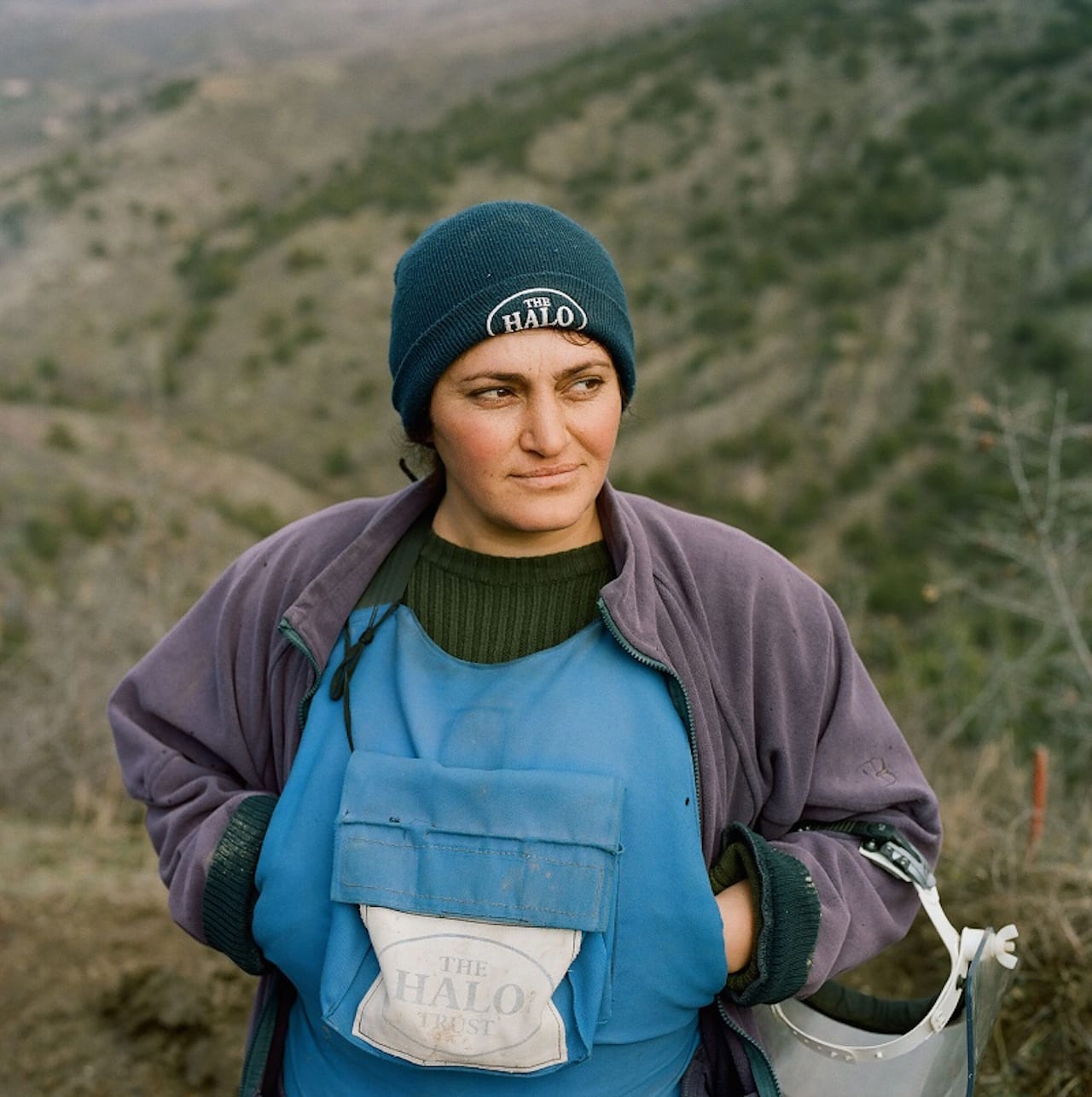
Unexploded landmines are responsible for the deaths of 15-20,000 people every year, and currently contaminate 78 countries worldwide. Nagorno Karabakh, a landlocked, mountainous region in South Caucasus, Eastern Europe, has one of the highest per capita incidences of landmine accidents in the world, and a third of the victims are children. Eva Clifford, former online writer at BJP, spent a week with the world’s largest mine clearance organisation, HALO, and their first female demining team in Nagorno Karabakh. Since employing its first female demining team in 2015, HALO now employs 11 women, with more undergoing training this year.
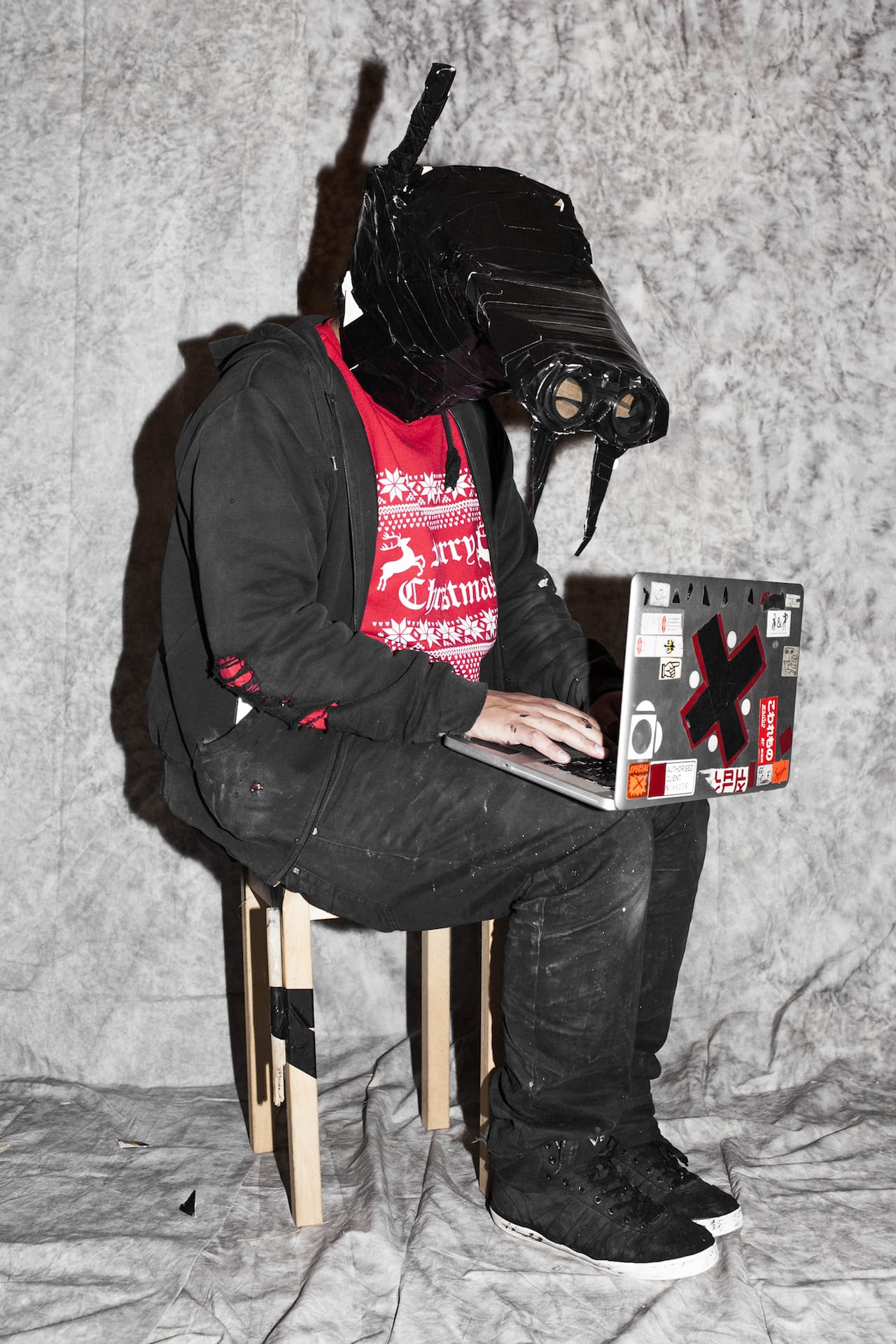
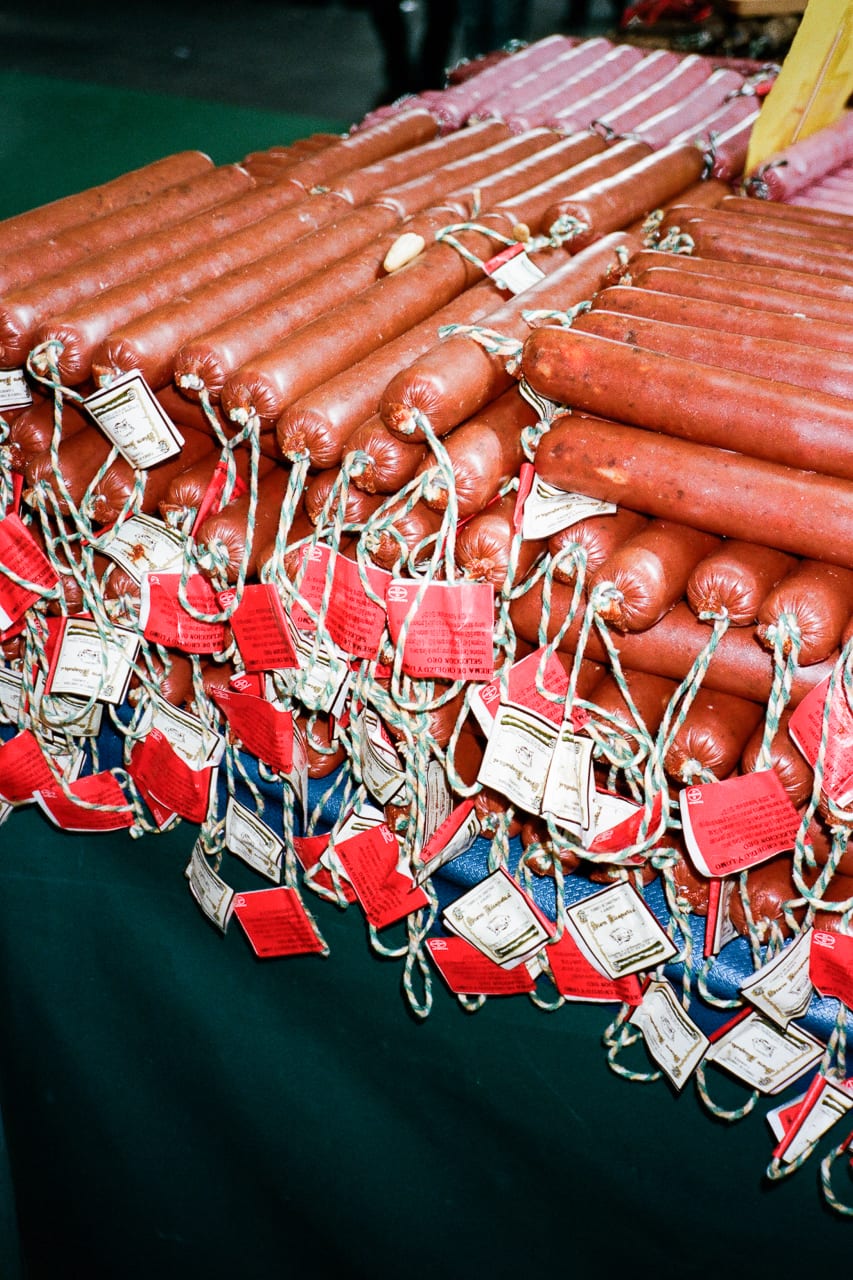
José David Valiente’s graphic flash-lit images render his native Spain in an uncanny light. Drawn to the peculiar and mysterious, his projects steer towards the oddities of everyday human behaviour. From documenting the surreal atmosphere and prized pigs of the Semana Porcina – an annual food-farming fair held in his hometown, Lorca – to capturing the dark energy of the underground punk scene, the 31-year-old’s offbeat vision sheds light on diverse aspects of Spanish society.
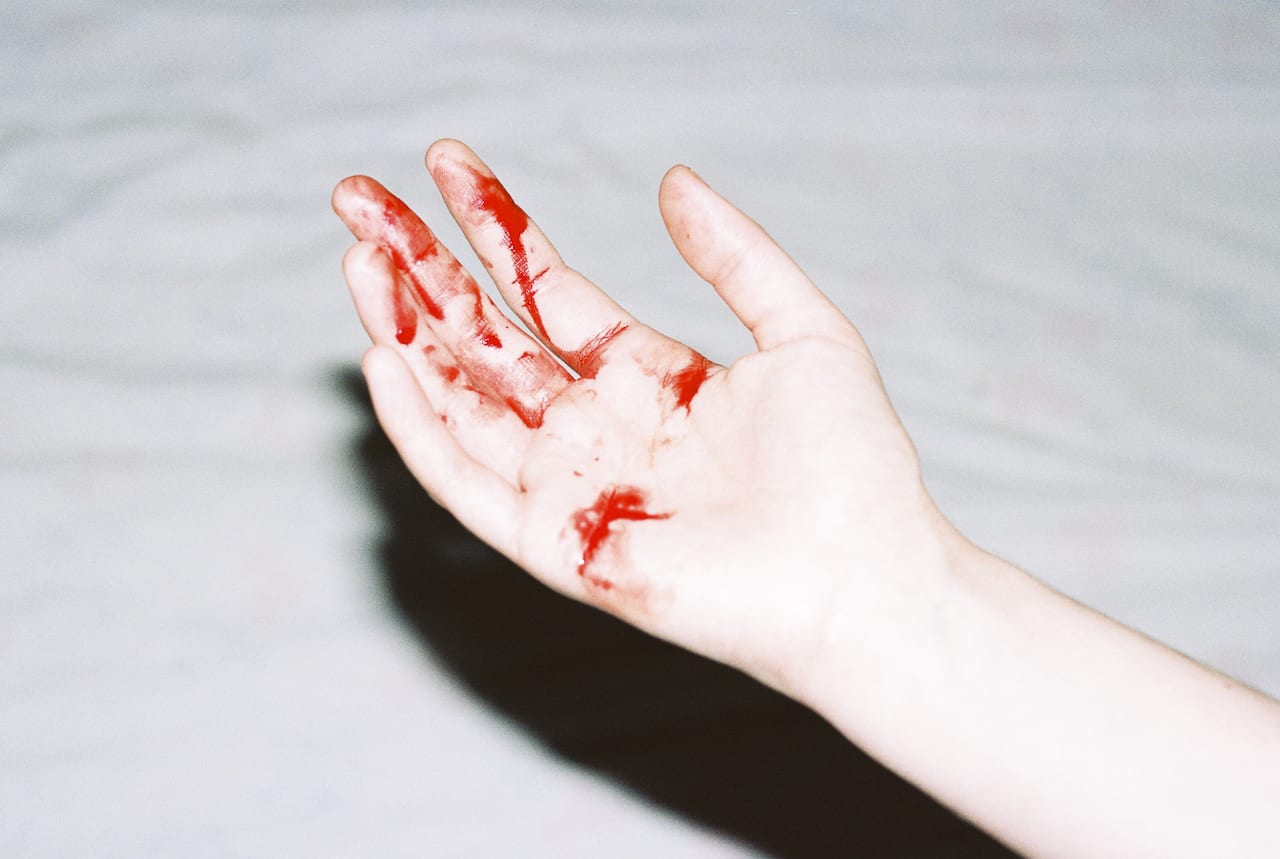
Emerging Spanish photographers JD Valiente and Sole Satana headed to Semana Porcina in Lorca, to shoot a project they called Fiambre, “dead body”, on the pork products and pigs that they found there
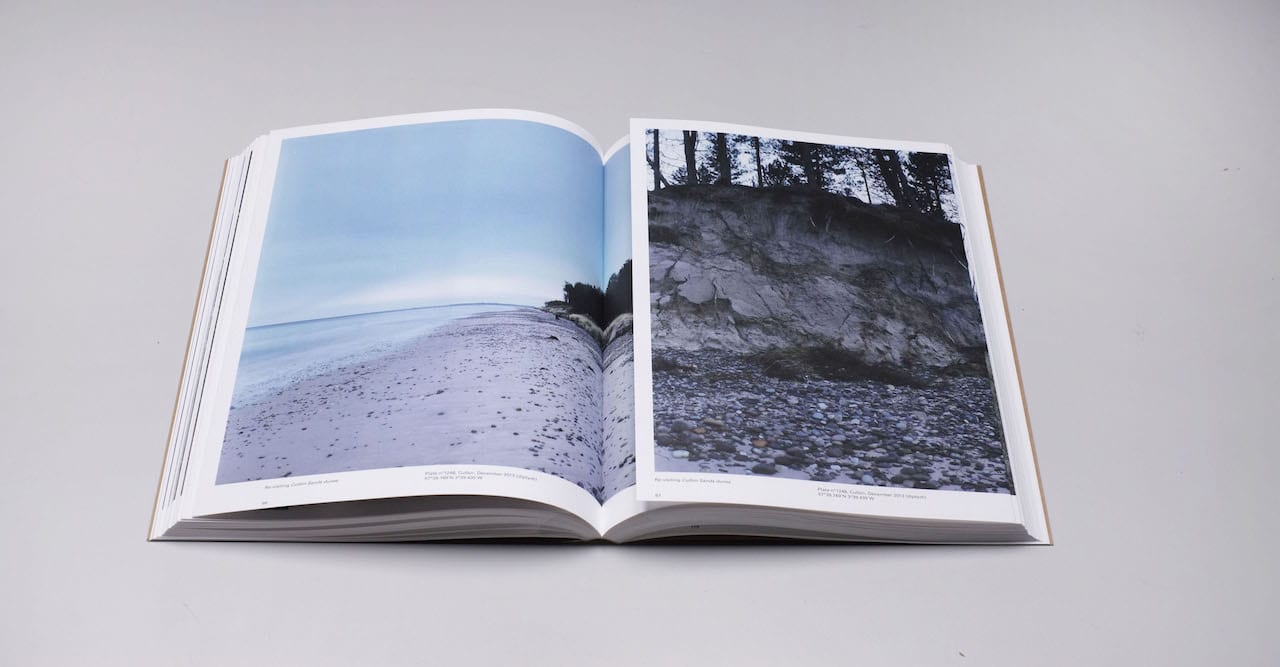
Chrystel Lebas has won the Kraszna-Krausz Foundation Photography Book Award, beating off the two other shortlisted photographers – Stephen Gill and Dayanita Singh. Lebas won the prize for Field Studies: Walking through Landscapes and Archives, which she published with Dutch outfit FW: Books. Field Studies is framed by the work of 20th century botanist Sir Edward James Salisbury, particularly his glass plate negatives from the 1920s, retracing his steps and making new images in the same Scottish landscapes. Gill was shortlisted for Night Procession, which he self-published through his imprint Nobody Books; Singh was shortlisted for her multi-book project Museum Bhavan, which was published by Steidl.
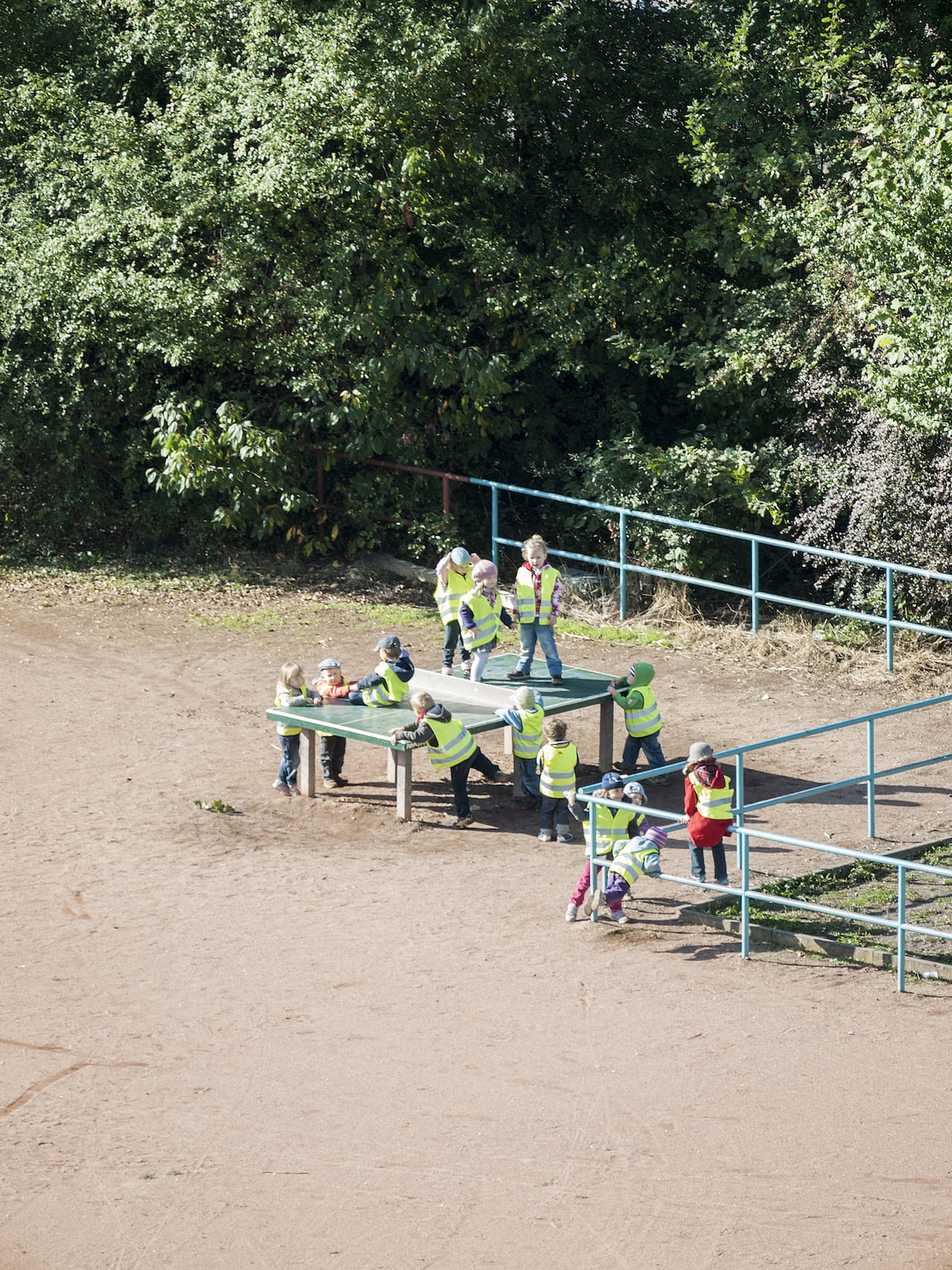
It’s a prestigious prize, which earns the winner an exhibition at Photo London plus a photobook published by the well-regraded specialist MACK Books. This year it’s gone to Hayahisa Tomiyasu for his book dummy TTP. Shot from the window of his eighth-floor student flat in Leipzig, Germany, TTP shows a park with a ping pong table, shot at various times of day and in various seasons, and showing different protagonists each time. The table is used as a tischtennisplatte (table tennis table, as a sun lounger, as a climbing frame, as a skate obstacle, and as much more, and, states MACK Books “thanks to Tomiyasu’s sustained curiosity, we observe the habits, humour, and idiosyncrasies of human behaviour”.
Hacking into the live feed of a CCTV camera is “shockingly easy” says Marcus DeSieno, whose new book, No Man’s Land, presents a series of landscape photographs captured on surveillance cameras around the world. He got the idea for the project back in 2013, after seeing a couple of park rangers attach a security camera to a tree in the Everglades National Park, Florida. Even though the cameras were ineffective at night, when most trespassers would plan to break in, the wardens said that the purpose of installing them was to instigate fear, and “act as a symbol of power”.