

Nadya Sheremetova and Yury Gudkov from the St Petersburg-based photography gallery, publishing house, and creative hub pick out their top five of 2017 – including the second edition of FotoDepartament’s Presence festival
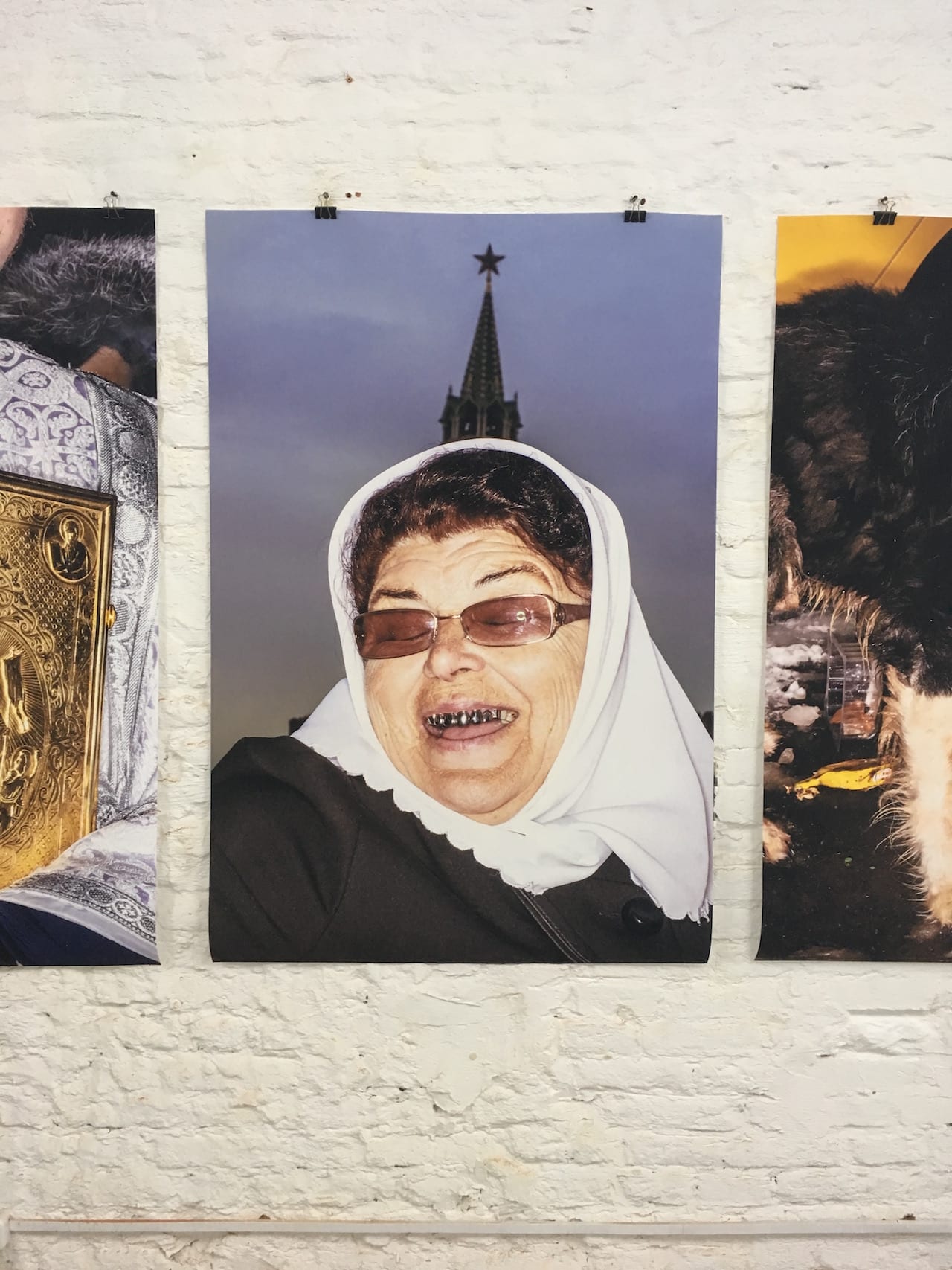
Nadya Sheremetova and Yury Gudkov from the St Petersburg-based photography gallery, publishing house, and creative hub pick out their top five of 2017 – including the second edition of FotoDepartament’s Presence festival
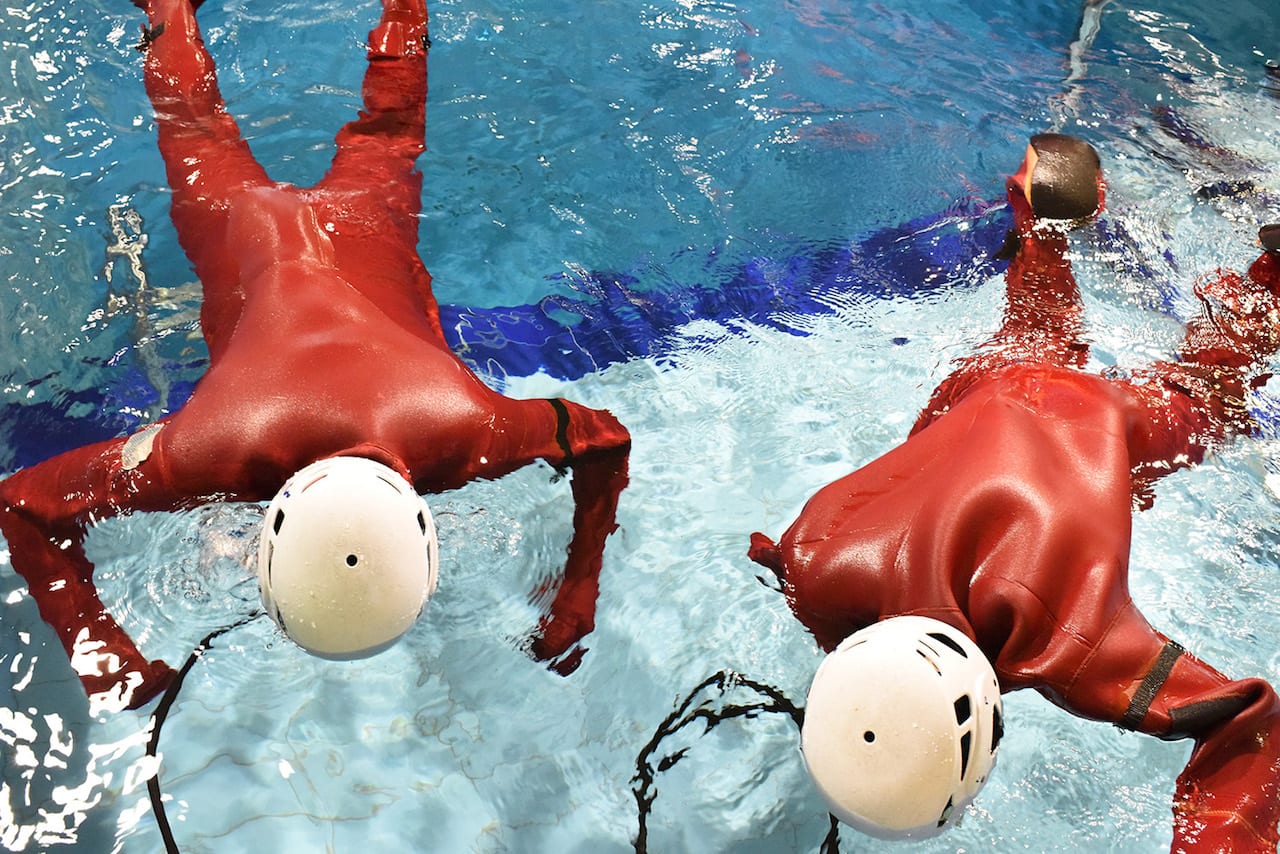
Vogue Italia’s picture editor picks out Monica Alcazar Duarte’s The New Colonists as one of her top five of 2017 – and throws in one more selection for luck
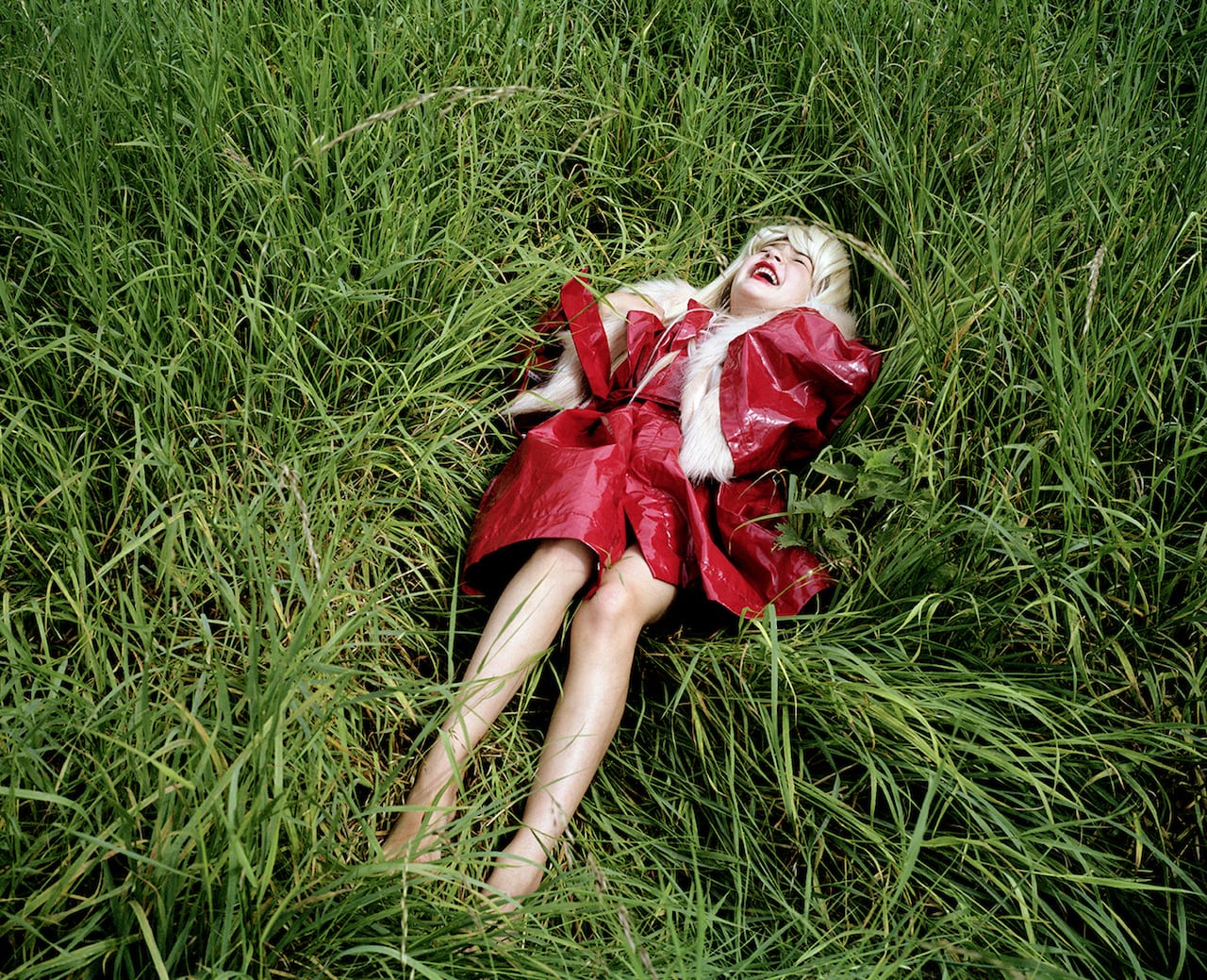
Inspired by personal identity, the natural world, and the fear of dying, the three young artists in this year’s Jerwood/Photoworks Awards exhibition are presenting very different work. Picked out as winners in January 2017, all three have received a year of mentoring on their work from industry specialists such as photographer Mitch Epstein, publisher Michael Mack, and gallerist Maureen Paley. They each also received a bursary of £5000 and access to a production fund of another £5000, to make new work which goes on show in London’s Jerwood Space from 17 January-11 March then tours to Bradford and Belfast.
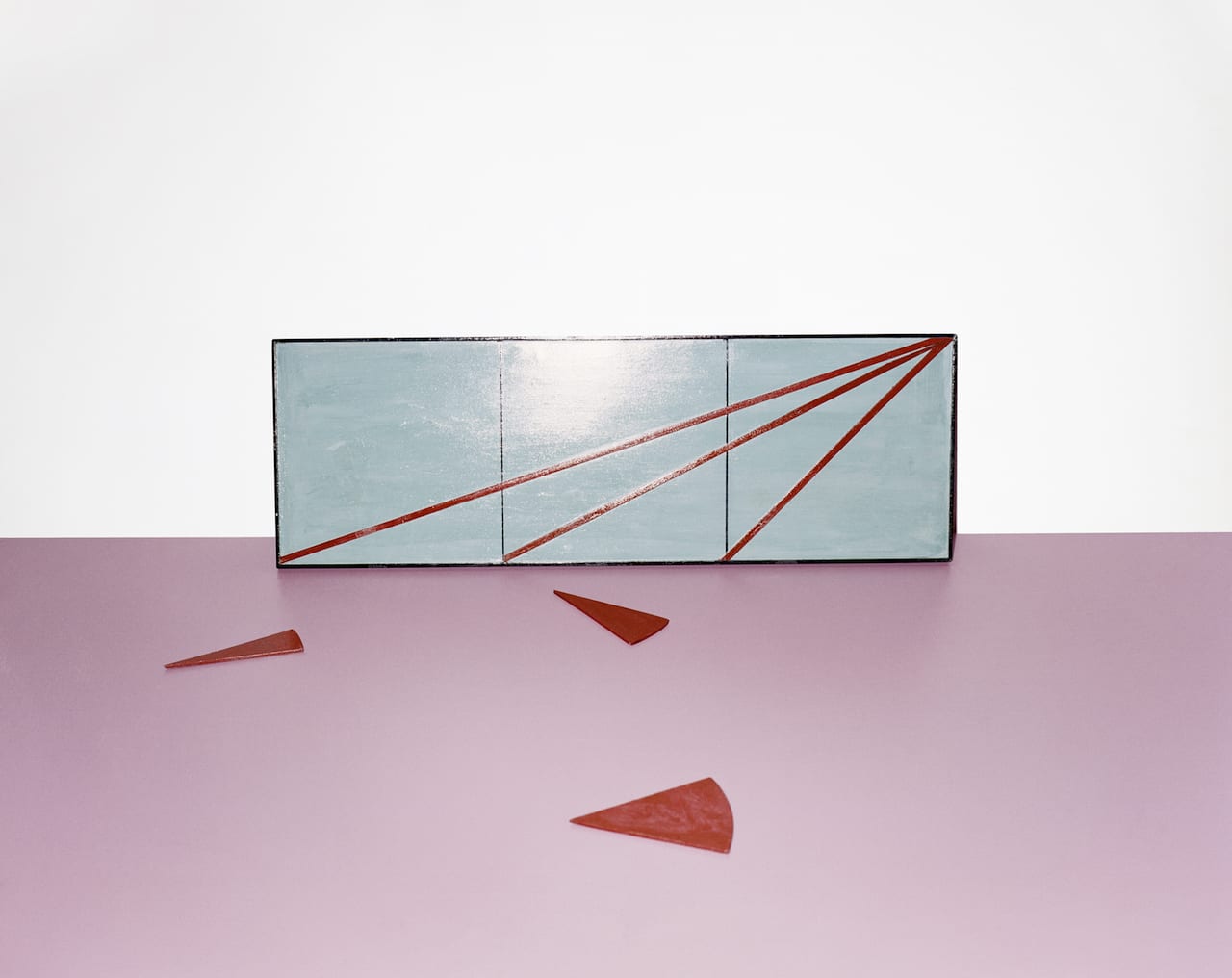
It’s the 21st year of the prize, and this year the shortlisted projects by Mathieu Asselin, Rafal Milach, Batia Suter, and Luke Willis Thompson all “reflect a shared concern with the production and manipulation of knowledge and systems of representation through visual formats”, say the organisers of the Deutsche Börse Photography Foundation Prize 2018. Mathieu Asselin (b. 1973, France) has been nominated for Monsanto: A Photographic Investigation, which was published this year by Actes Sud and exhibited at Les Rencontres d’Arles, and which has already won the First Book of the Year in the Paris Photo-Aperture Foundation Photobook Awards 2017.
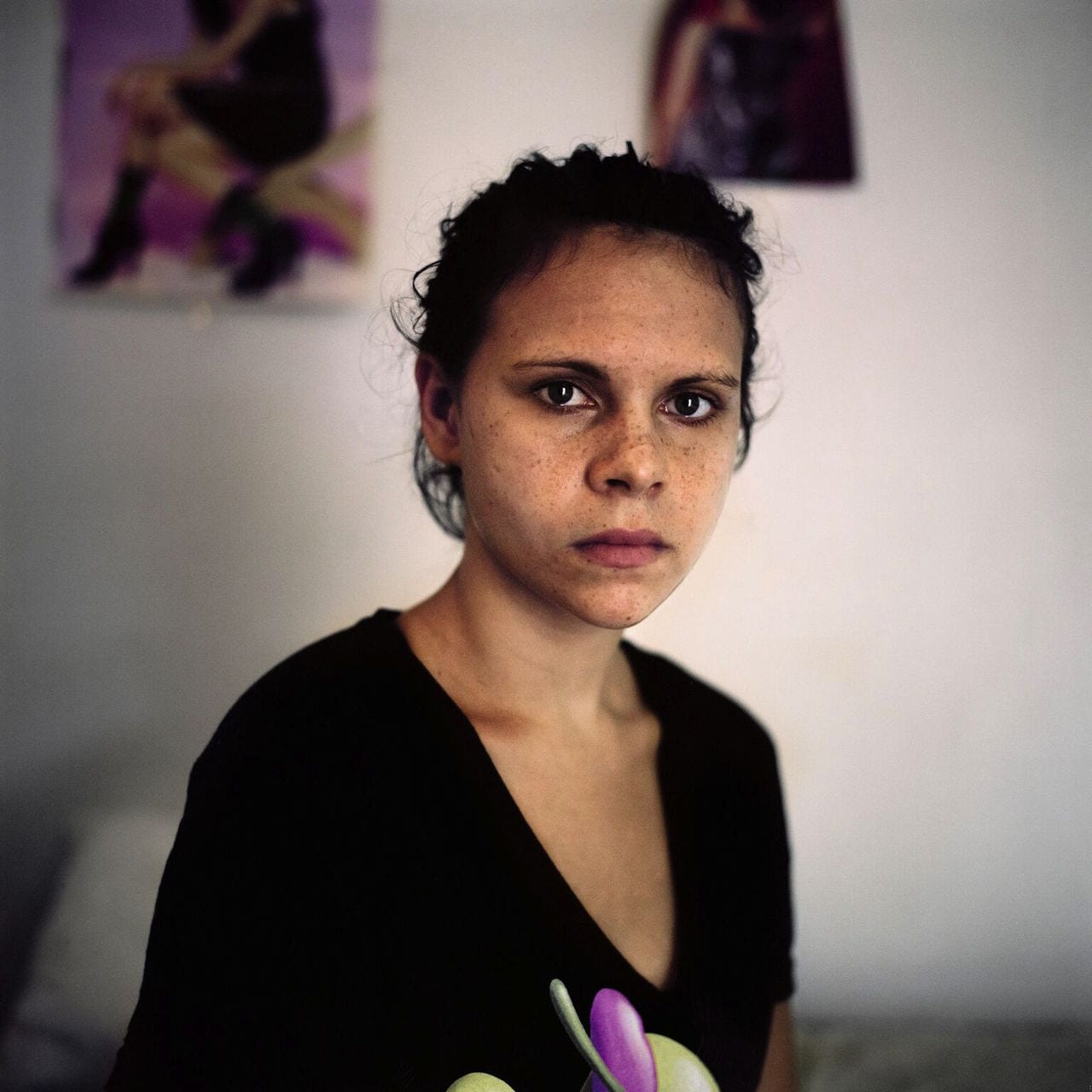
“You’ll Know It When You Feel It feels rooted in a fundamental desire to understand members of her family and her immediate community – and to allow her audience to see these individuals in the same empathetic light.” Rosella has won first prize and £5000 in the inaugural PHmuseum Women Photographers Grant for a shot in her native Australia; the £2000 second prize went to Egyptian photographer Heba Khamis, whose project on breast ironing, Banned Beauty, was shot in Cameroon.
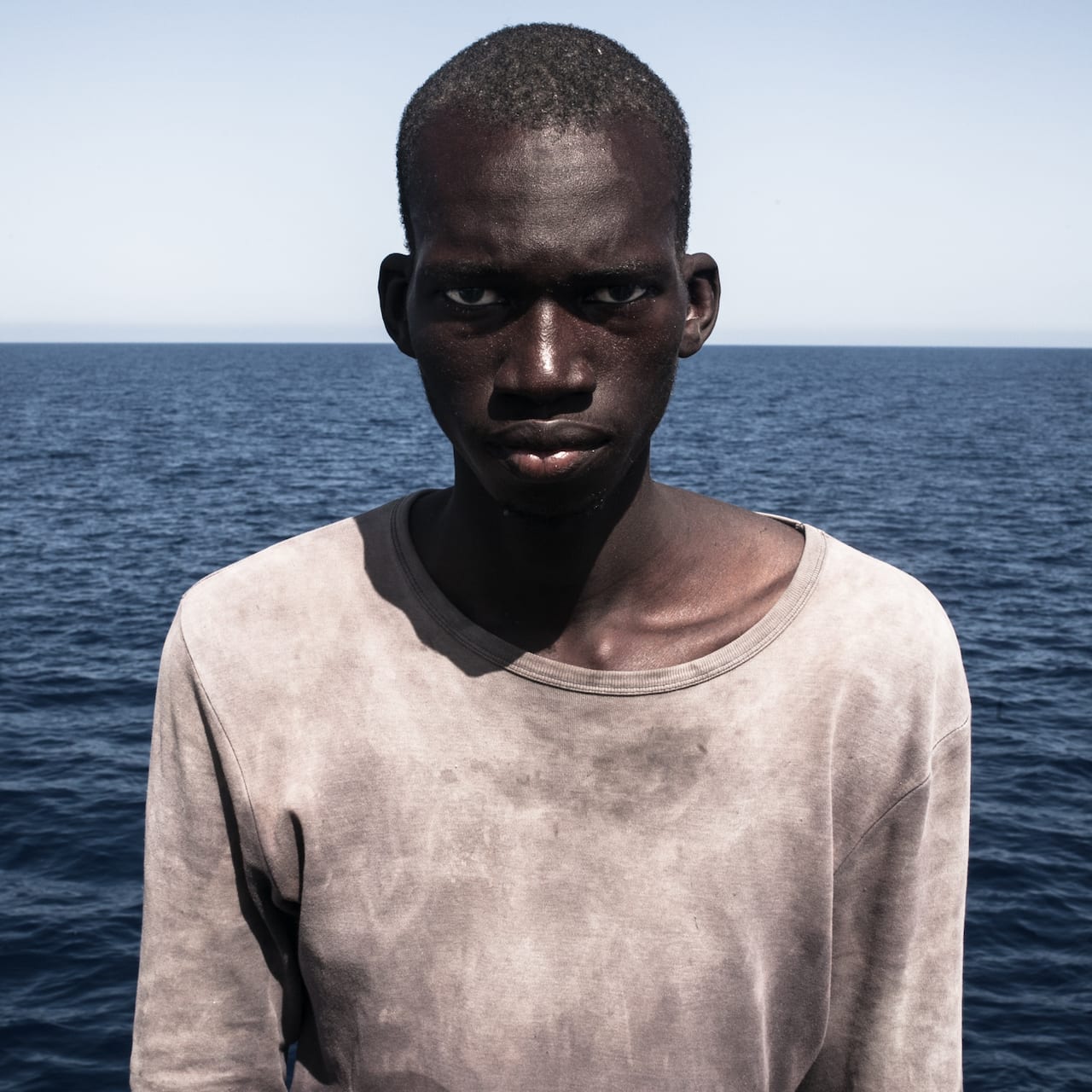
“This image documents a transcendental fact in the life of the person portrayed: Amadou had just been rescued from the sea by a European vessel,” says Dezfuli. “Apparently his dream is fulfilled. However, fear, mistrust and uncertainty are present, as well as determination and strength.” For his series, Passengers, photographer Cesar Dezfuli took a sequence of 118 photographs in 120 minutes as a boat load of refugees were rescued just off the coast of Libya. These people had journeyed from different countries looking for a better future in Europe.
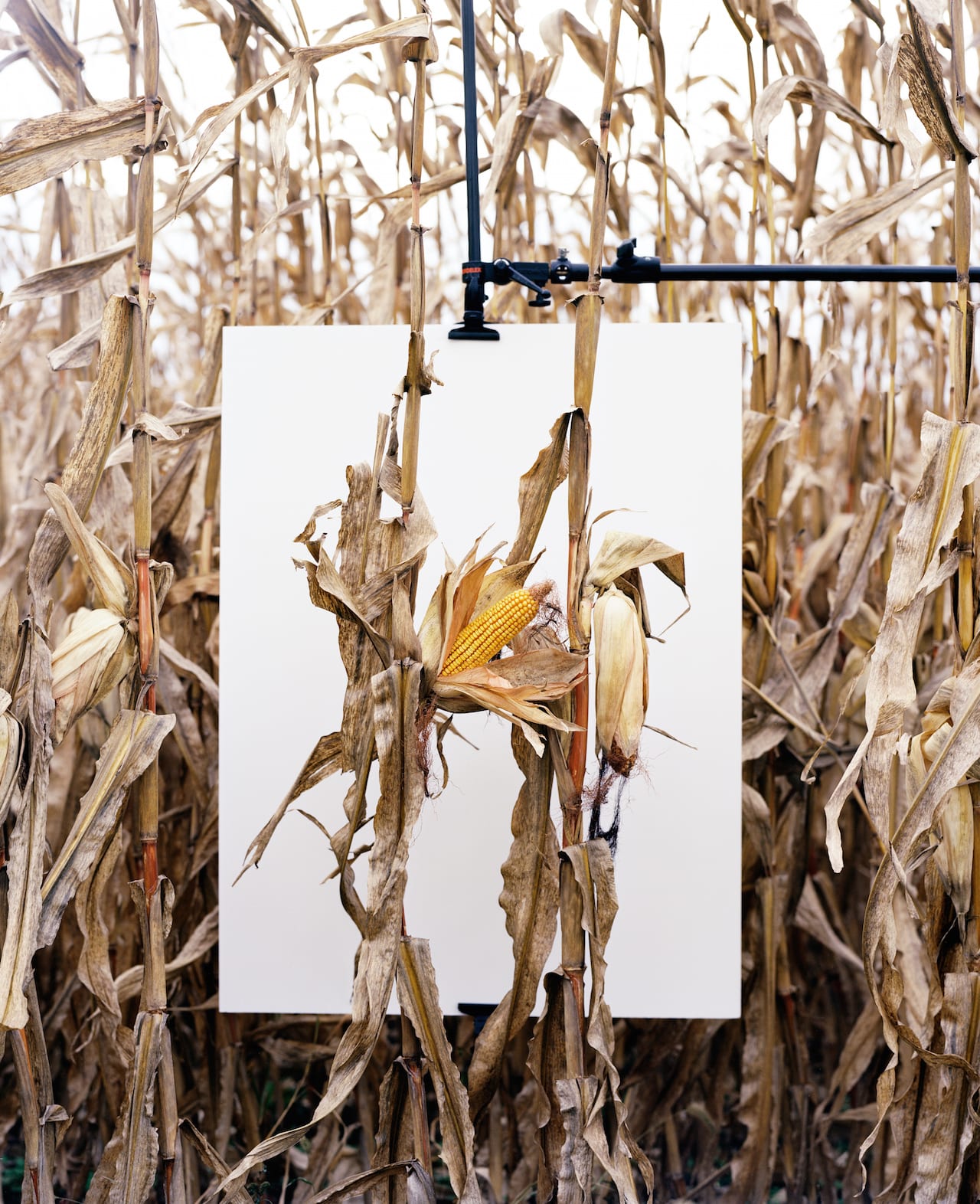
“On s’engage, on va le faire” – that is, “We’re in, we’ll do it”. The…
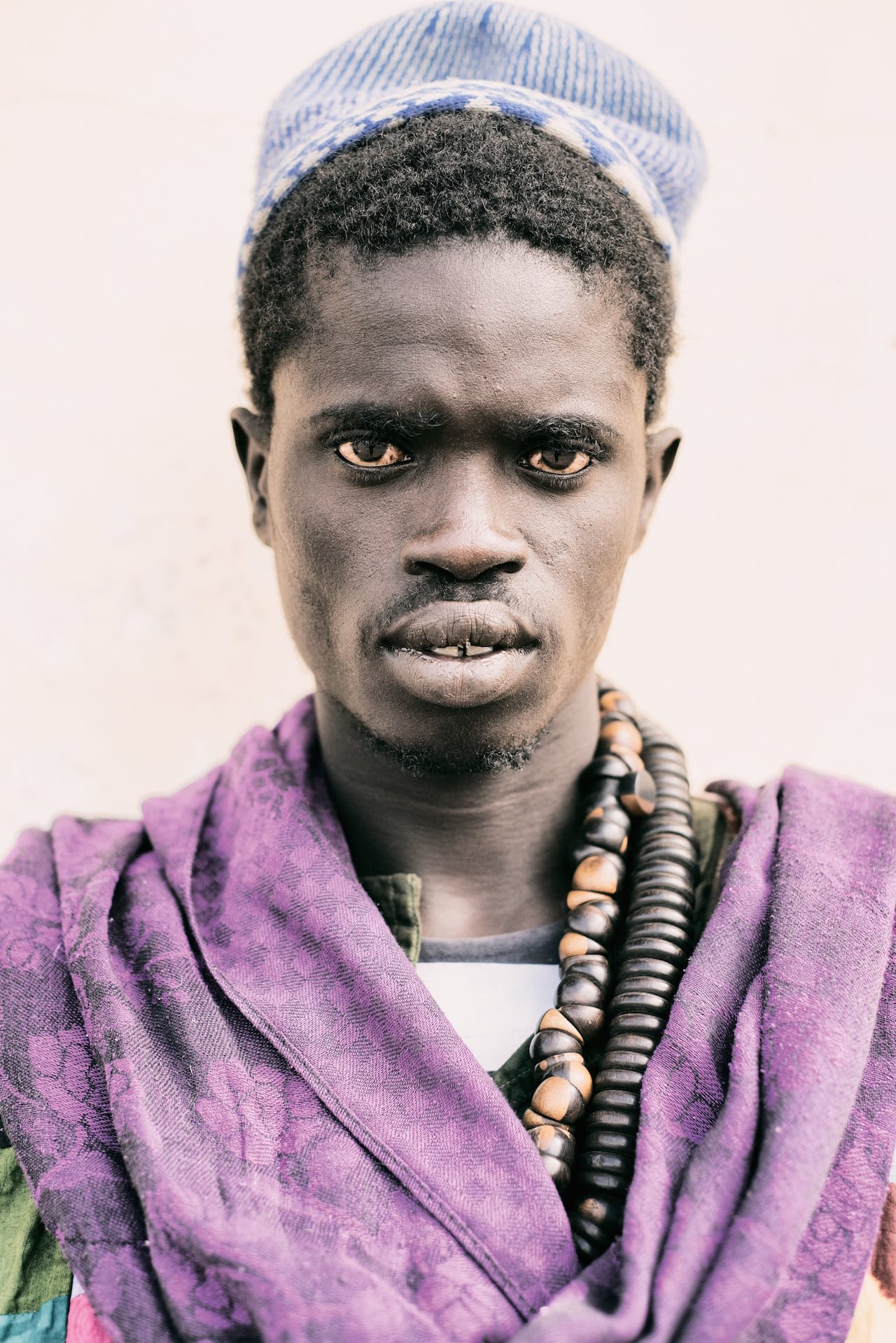
Born in 1983, Emmanuelle Andrianjafy grew up in Madagascar and worked as an engineer in France before moving to Dakar in 2011. Relocation to Senegal proved quite a shock. “It’s very energetic, very hectic, very loud,” she told BJP for the June Ones to Watch issue. “It’s very different to where I’ve lived before. It’s by the sea but it’s not peaceful; the landscape is harsh and dry. I was tempted to not deal with it and just stay at home.”
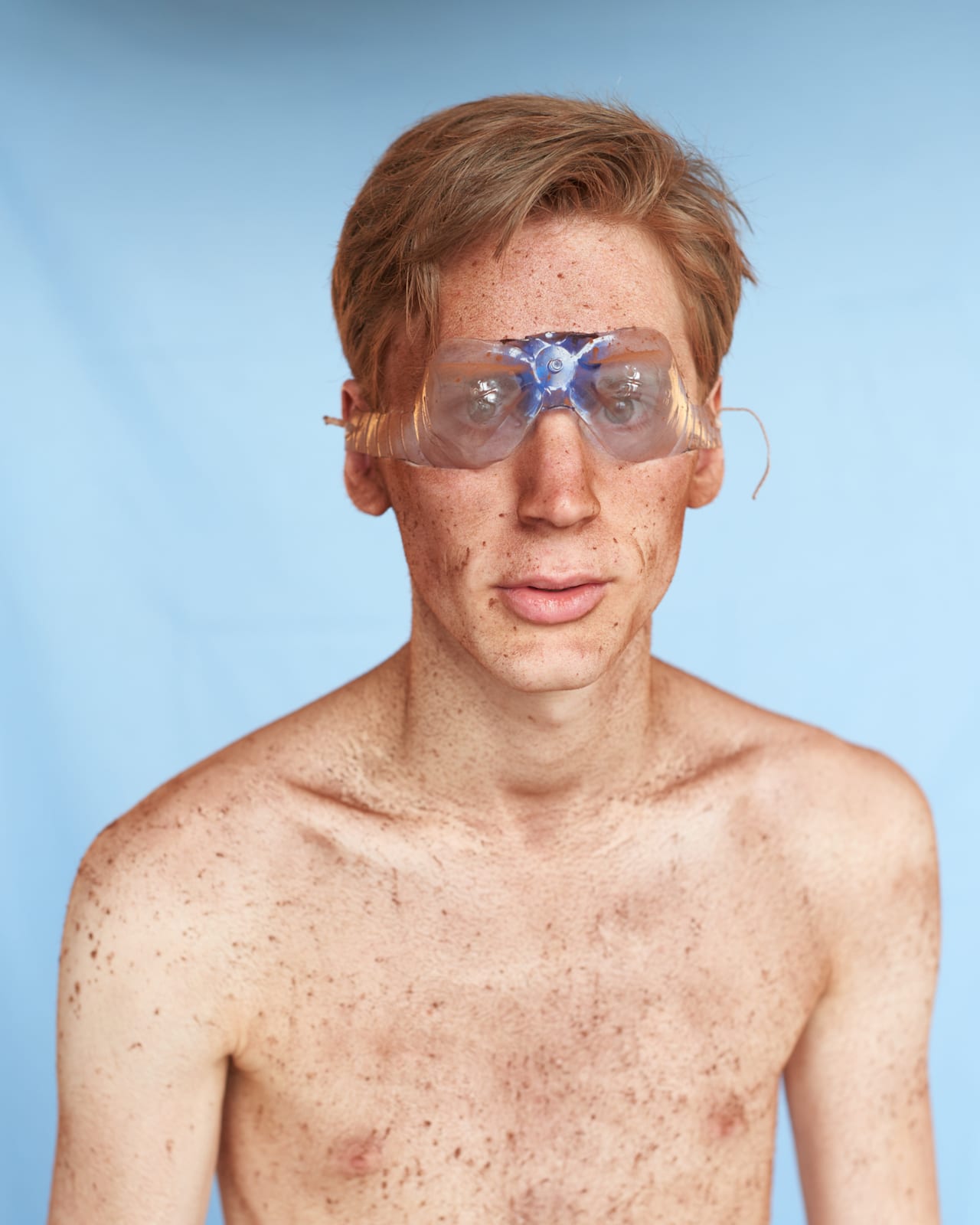
Taking inspiration from the DIY culture of his homeland during the Soviet era, Belarusian photographer Alexey Shlyk’s series of playfully staged photographs explores craftsmanship and resourcefulness.
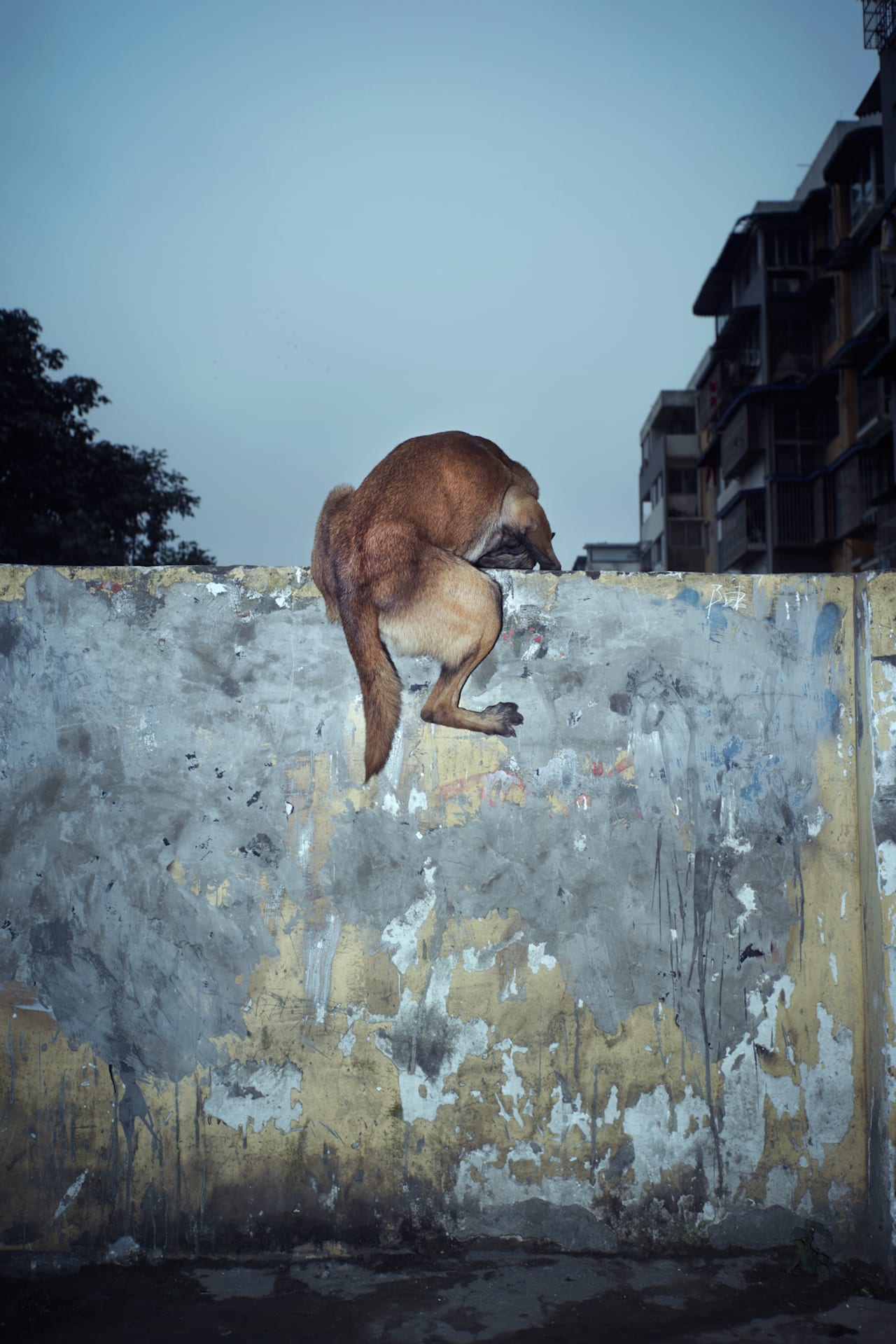
“You’ve probably never heard of Feng Li’s photography,” wrote Leo de Boisgisson in American Suburb X in March; that was true at the time, but it’s changed rapidly since September, when the Chinese artist was nominated for the prestigious Paris Photo-Aperture Foundation First Photobook award. He made the shortlist for his first publication, White Night, which was published by Jiazazhi Press in July and contains 160 images shot from 2005-2015. The title is inspired by the Bible, specifically the Book of Job and a phrase which reads “They meet with darkness in the daytime, and grope in the noonday as in the night”.