

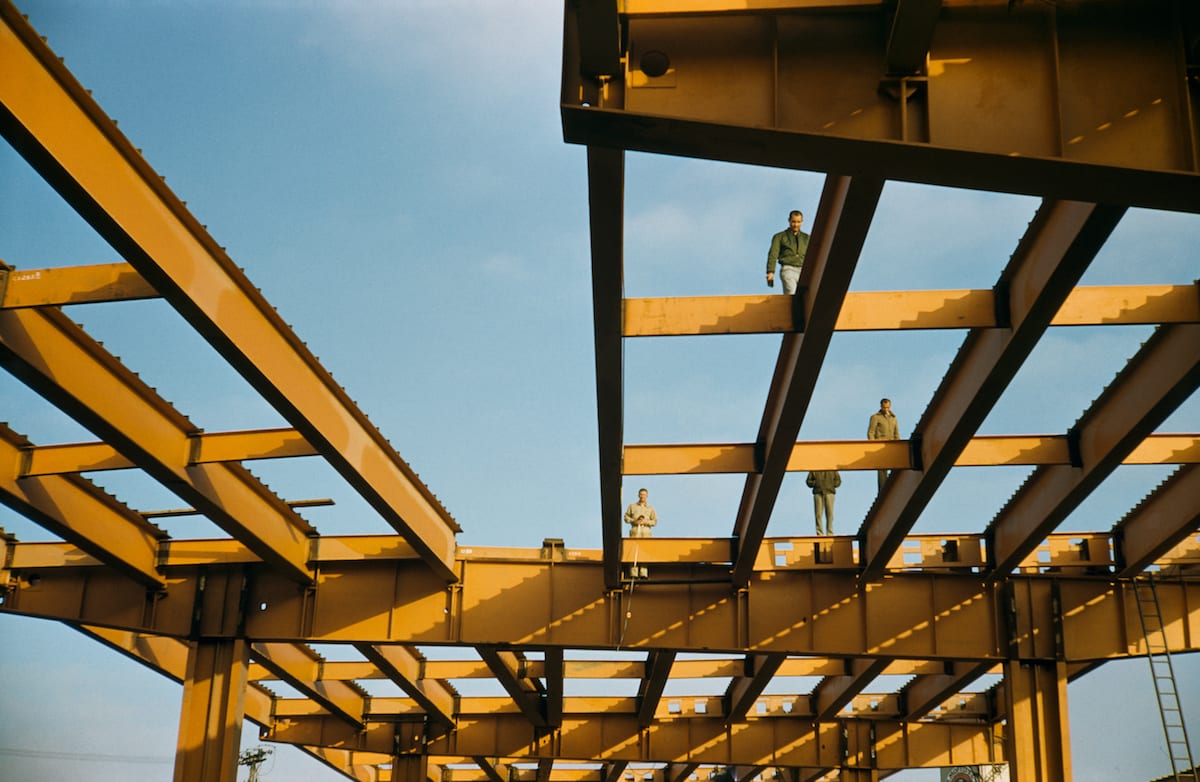
The Magnum photographer’s images of 1950s America were never printed during his lifetime; an exhibition…
7 June 2019
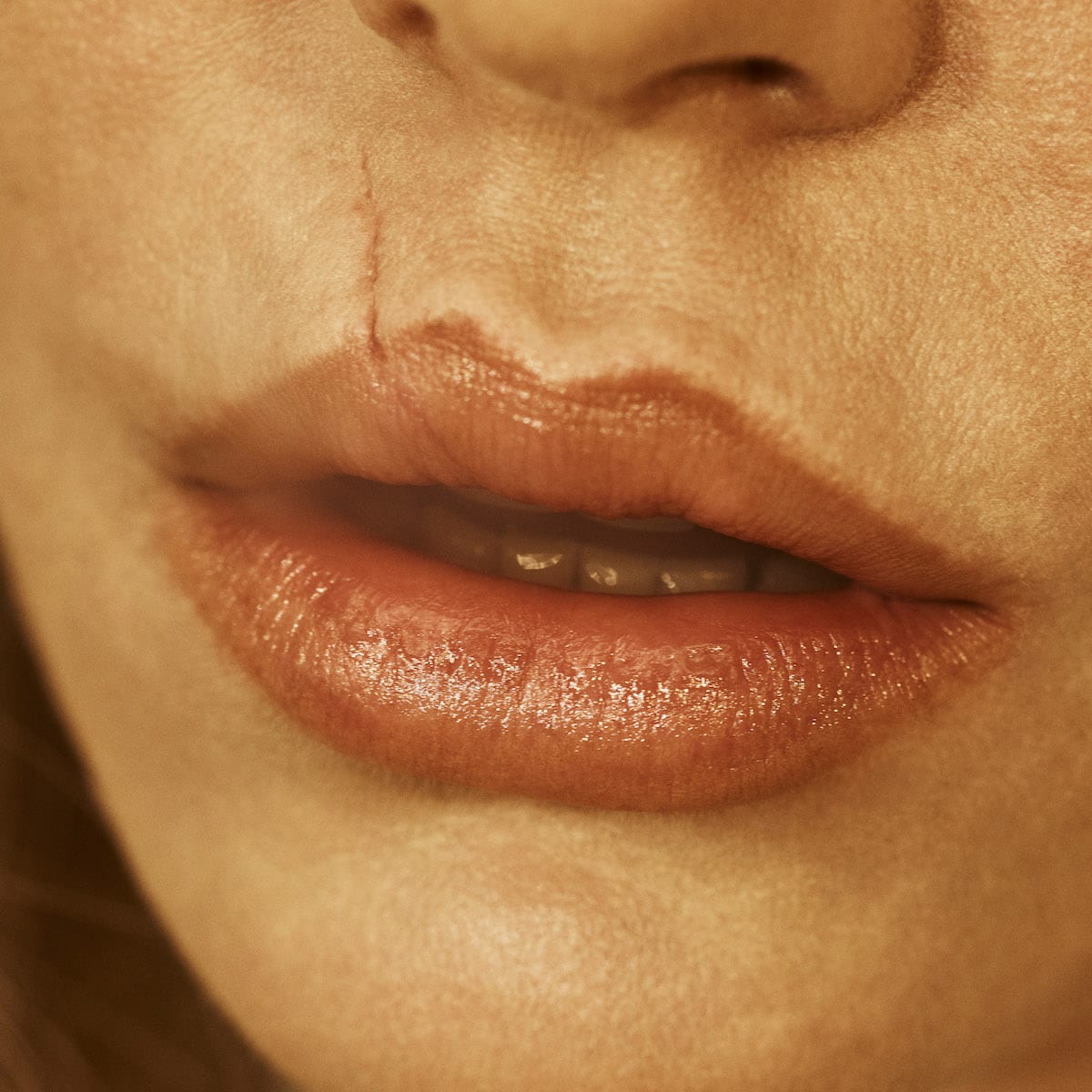
In his debut exhibition, Sejersen takes us on an unsettling visual journey set to the beat of a drum
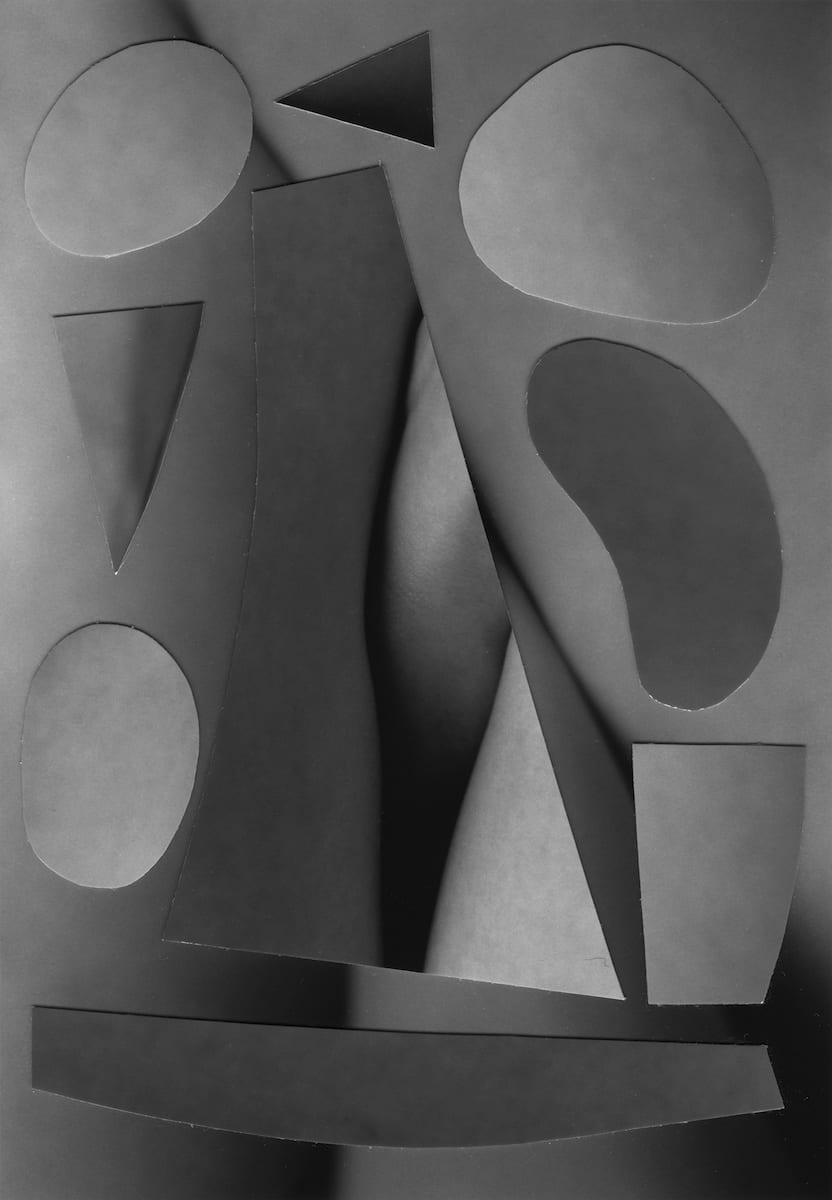
Drawing on the visual language of Cubism, the Vietnamese photographer creates whimsical renditions of the nude form
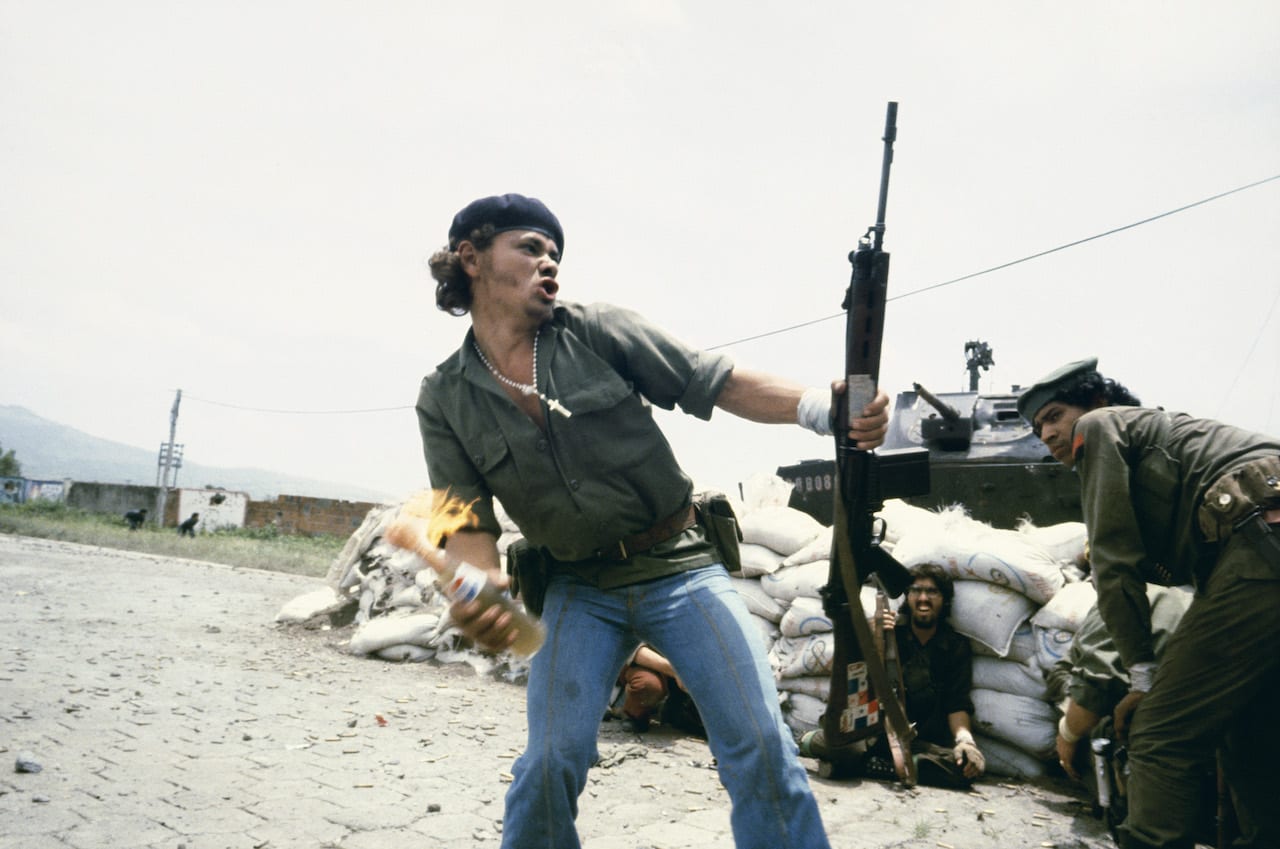
Now in its 22nd year, the Deutsche Börse Photography Foundation Prize is awarded each year to image-makers who’ve made the biggest contribution to the medium in the previous 12 months in Europe. This year the shortlisted artists are: Laia Abril, for her publication On Abortion; Susan Meiselas, for the retrospective exhibition Mediations; Arwed Messmer, for his exhibition RAF – No Evidence / Kein Beweis; and Mark Ruwedel, for the exhibition Artist and Society: Mark Ruwedel. The winner of the £30,000 prize will be announced at The Photographers’ Gallery on 16 May 2019.
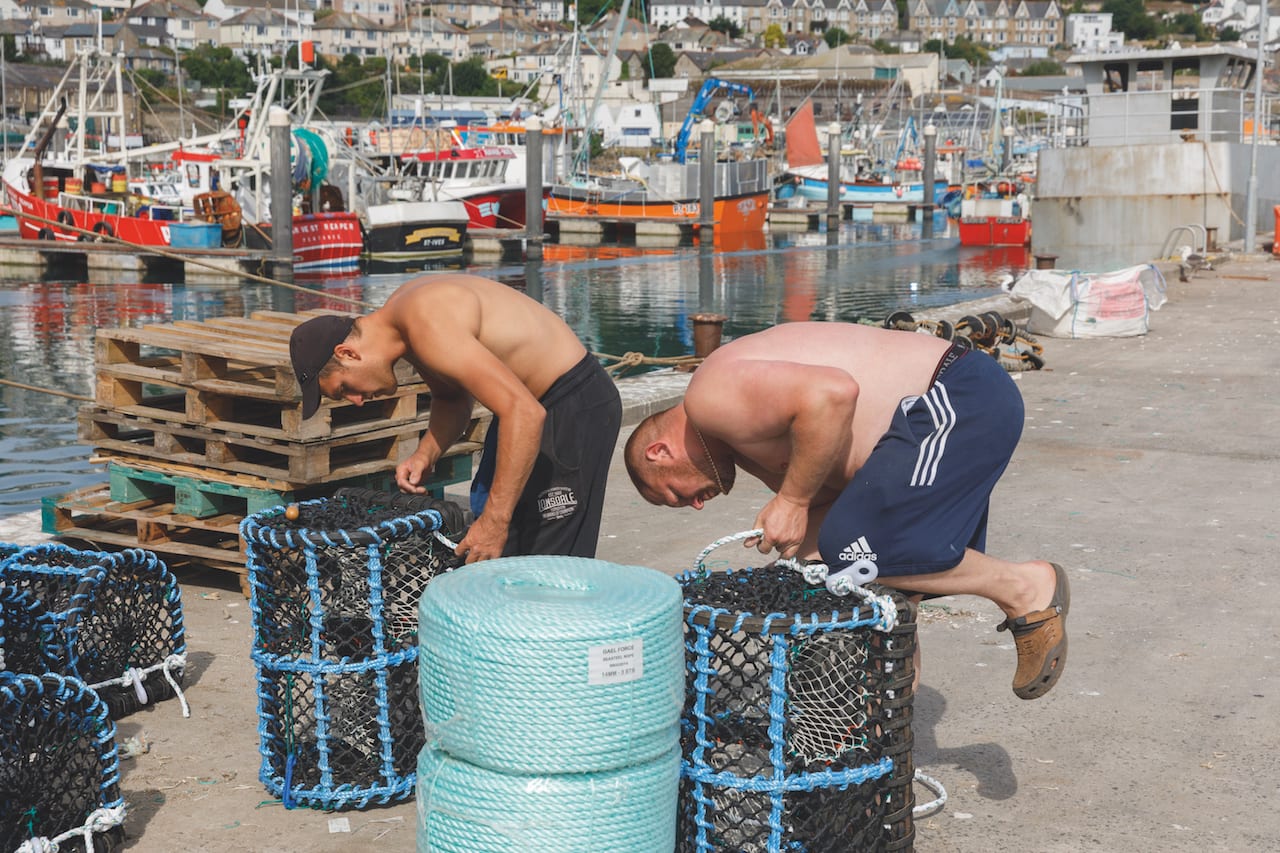
When the Portrait Gallery was established in London in the mid-19th century, its role was envisioned “to consist of those persons who are most honourably commemorated in British history”. Opening in an era when photography was still a new and untried technology, the National Portrait Gallery (as it later became known) was intended to be the national repository of the images, chiefly paintings and drawings, of those men and, much later, women who represented what was best among the British hierarchy of achievements, skills and aptitudes. Its function was to hold up a mirror to Britain that reflected its qualities back to those who came to observe them, as object lessons about how to aspire to, or more simply respect, the qualities and moral standing of the great and the good.
This conception of the NPG may still be widespread in the public mind, as even Martin Parr thought his work would be an ill-fit for a contemporary exhibition along these lines. “I never thought of myself as a portrait photographer,” he says, “and when I first met Phillip Prodger [NPG’s former head of photographs], I told him I had only a few celebrity portraits. I just put a lightbox together and sent them to him, though I was quite surprised at what I had.” Prodger, however, had other ideas, seeing in Parr the work of a social observer who could also offer a portrait of a nation at a key point in its history. So it is that the NPG put together Only Human, on show from 07 March to 27 May, bringing together some of Parr’s most famous photographs alongside a number of works never exhibited before.
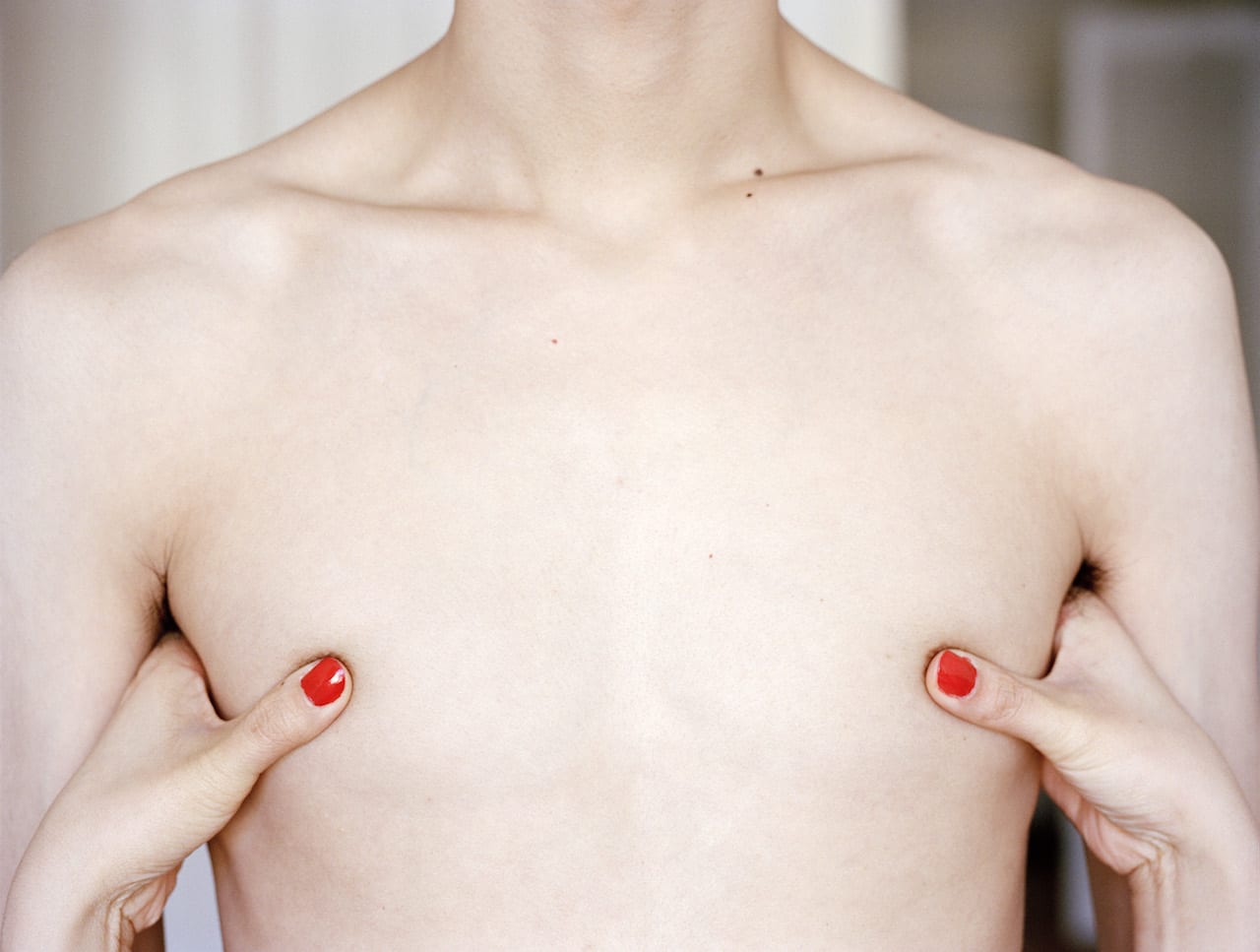
BJP-online Loves Lei Lei and Pixy Liao win at the 2018 Jimei x Arles festival
bjp-online has been following both Lei Lei and Pixy Liao for a while, so we were happy to see them both win prizes at the Jimei x Arles festival. Lei Lei picked up the Jimei x Arles Discovery Award, giving him 200,000 RMB plus a spot in Arles’ prestigious Discovery Award exhibition and competition next summer; Pixy Liao won the Jimei × Arles – Madame Figaro Women Photographers Award. And bjp-online loves the Jimei x Arles initiative in general, which is packed with interesting work by image-makers from China and beyond. Plus six other key stories from the last week
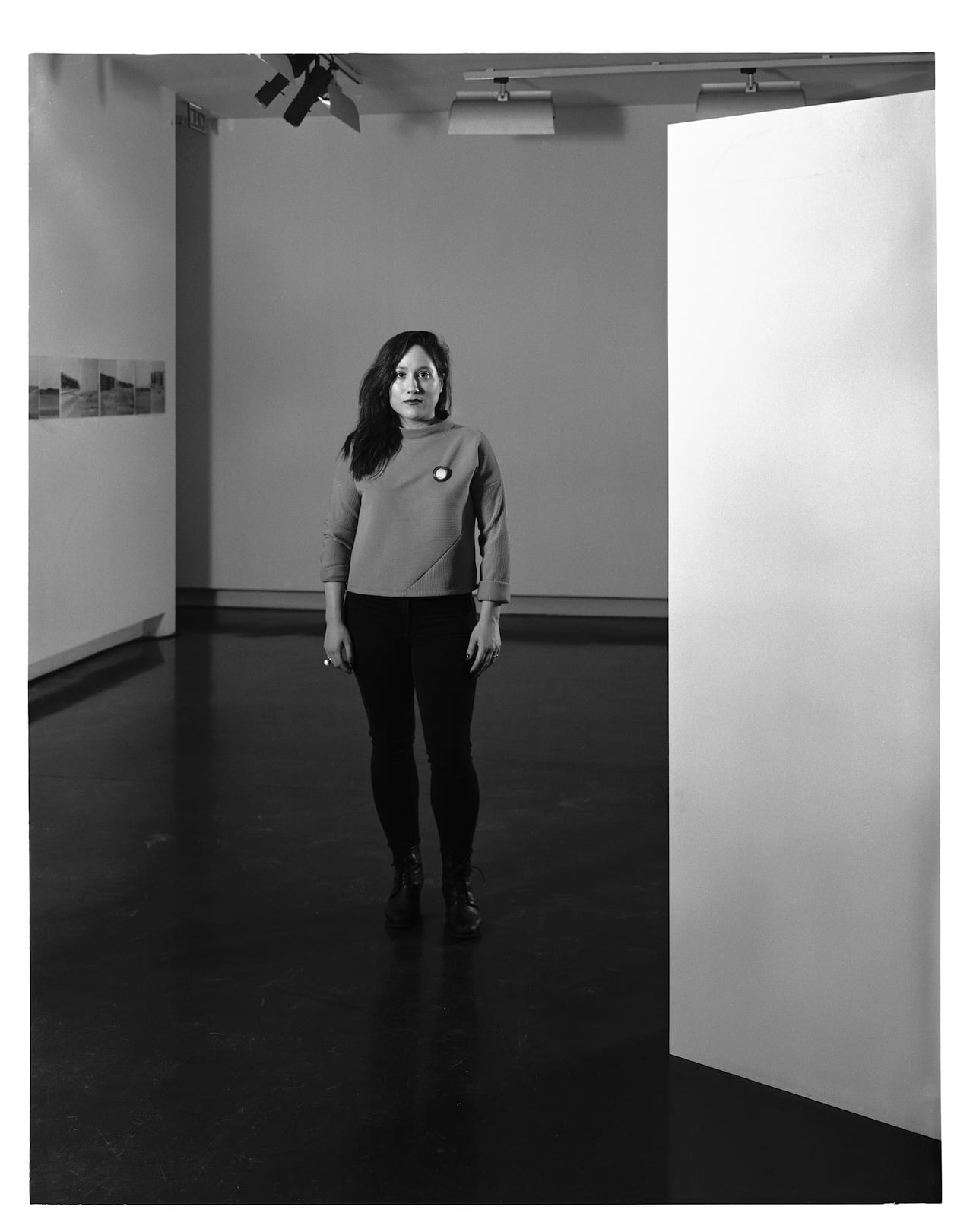
Originally trained as a journalist, Barcelona-born Laia Abril expanded her storytelling methods after studying at New York’s ICP. She is best-known for the first chapter of her long-term project A History of Misogyny, On Abortion, which recently won the Paris Photo-Aperture Foundation PhotoBook of the Year Award and has been shortlisted for the 2019 Deutsche Börse Photography Foundation Prize
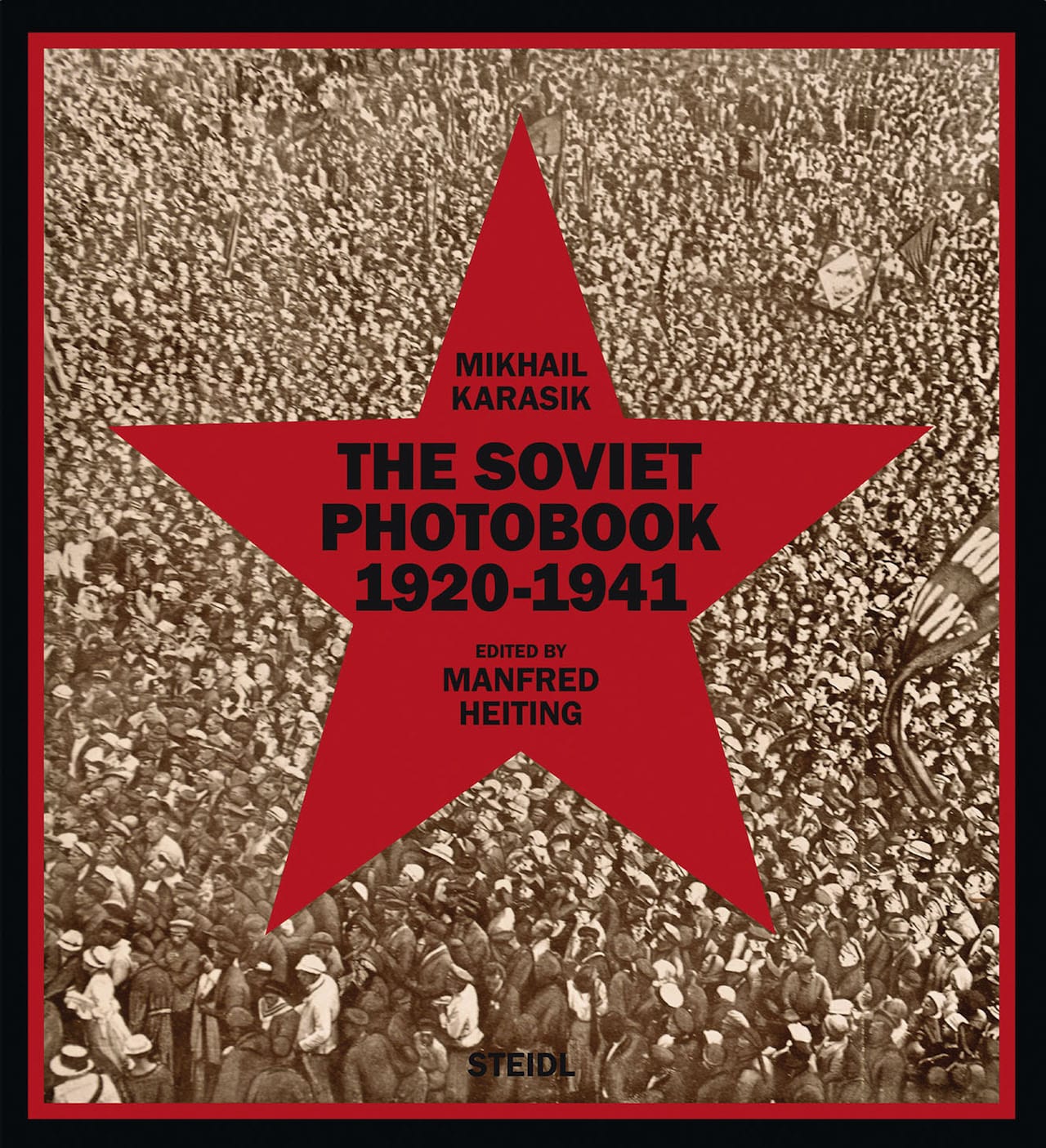
So far the wildfires in California have claimed the lives of 94 people and laid waste to 1,667,855 acres of land this year. And, according to Dutch paper NRC Handelsblad, they’ve also consumed a world-renown library of photobooks, put together over the last six years by Dutch collector Manfred Heiting.
Based at Cutberth Road, Malibu, Heiting’s collection included vintage photographs, posters, ceramics and art deco furniture – and at least 36,000 photobooks. Residents in this area were told to evacuate a week ago, and the coastal town is now “a war zone”, Heiting told NRC Handelsblad. At the time of the report on 20 November, Heiting has not yet been given the green light to visit his house but he stated that: “On satellite photos I can see that everything in my neighborhood has disappeared. Two or three houses may have survived. The rest was pulverized in a ten-minute fire storm.”
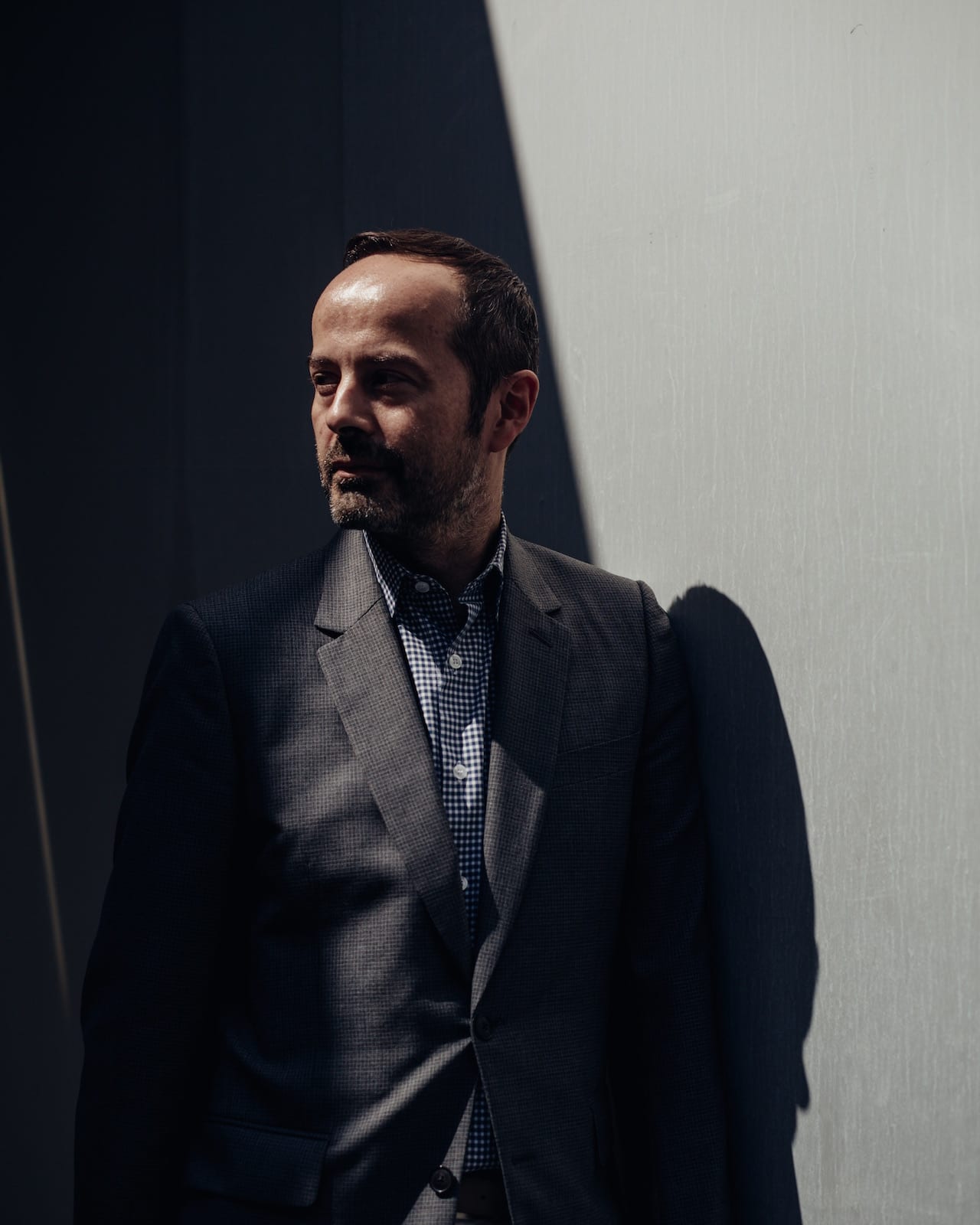
The Parisian curator Quentin Bajac has spent the past two decades working in three of the world’s leading cultural destinations – starting out at the Musée d’Orsay, he moved to Centre Pompidou, and then the most coveted post of all, chief curator of photography at MoMA in New York. Here he shares his insights into photography and life with BJP editorial director Simon Bainbridge
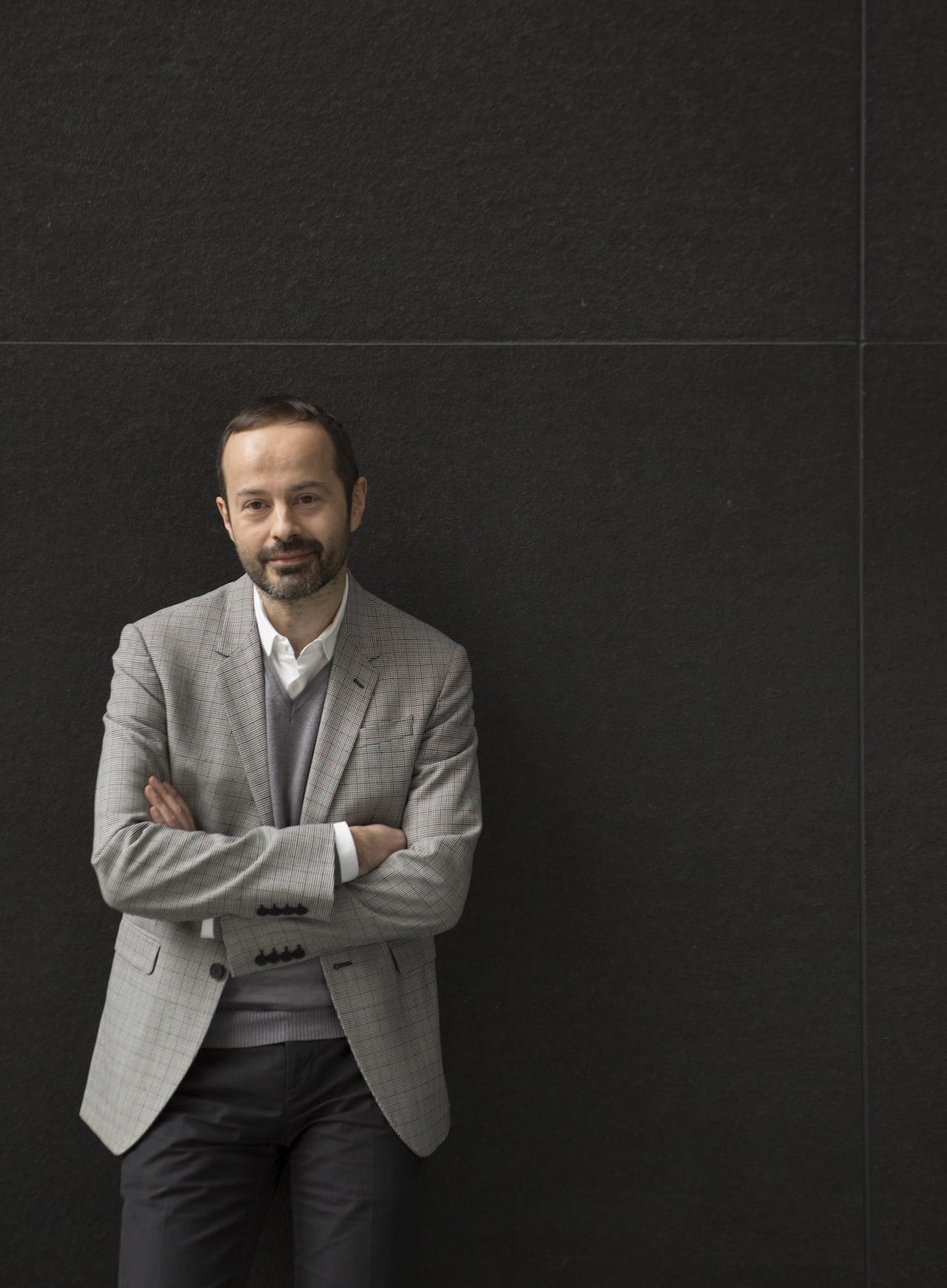
Quentin Bajac is leaving the coveted role of chief curator of photography at New York’s Museum of Modern Art for a new job in Paris – director of the Jeu de Paume. He succeeds Marta Gili at the Jeu de Paume, who announced in June that she would resign as the museum’s director after 12 years in the role. MoMA has stated that it will “immediately launch a search for a new chief curator of photography”, a role first made famous by John Szarkowski from 1962 to 1991.