


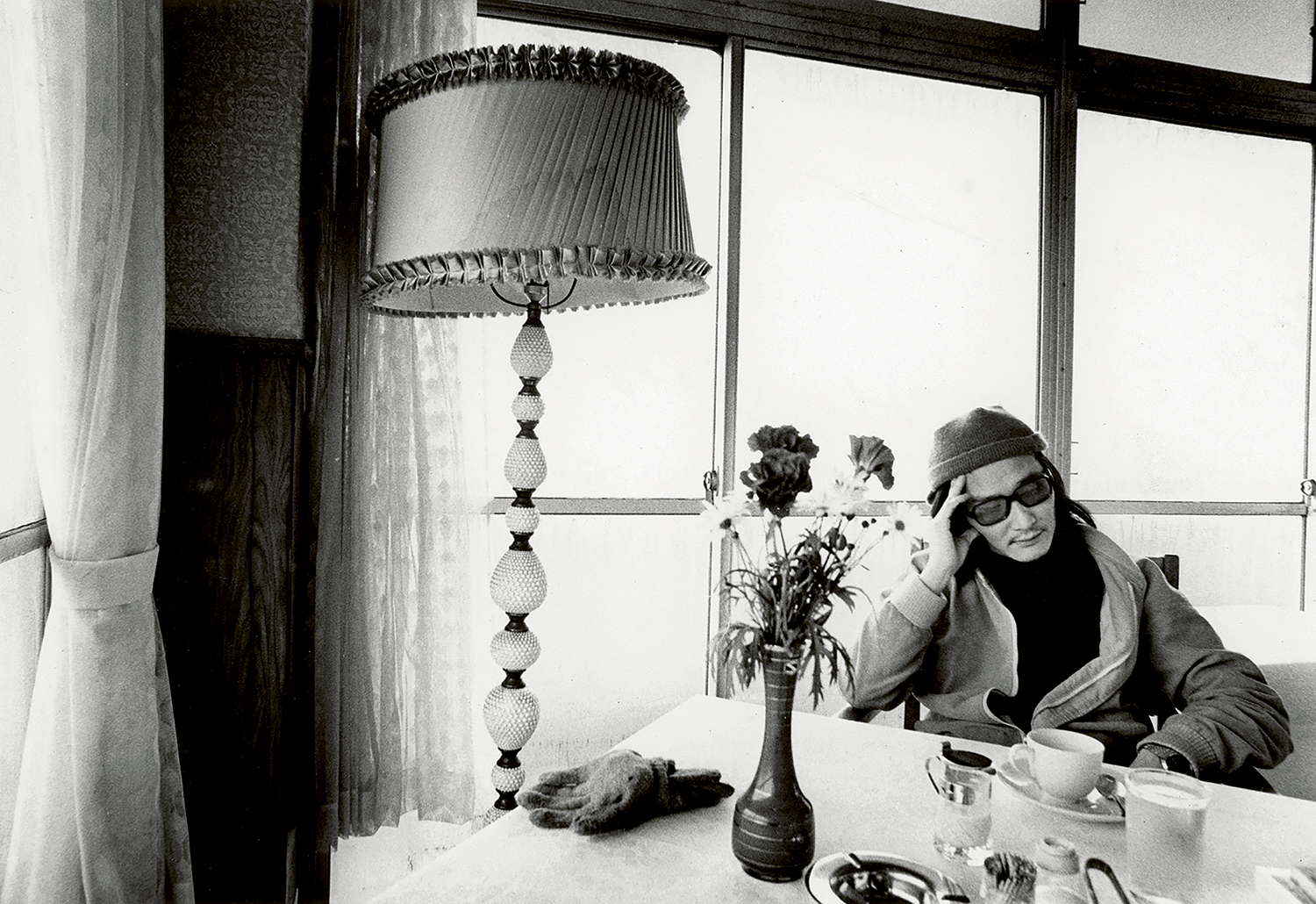
Takuma Nakahira in the coffee shop at the Nagisa Hotel in Zushi, Japan, February 1972, from At the Limits of the Gaze: Selected Writings by Takuma Nakahira (Aperture, 2025) © The Estate of Isao Sekiguchii
Takuma Nakahira was a prolific theorist as well as a cutting-edge image-maker and co-founder of the radical Provoke magazine. Now, for the first time, his key 1970s essays have been translated into English
Takuma Nakahira is not famous in the West, and in Japan is perhaps best-known as a photographer. But the co-founder of the legendary Provoke magazine was also a prolific critic and essayist, exploring the medium of photography in articles in art magazines and literary journals which were eventually collected into books. Now a selection of his essays has been published in English for the first time, edited and translated by Japanese photography experts Daniel Abbe and Franz Prichard. At the Limits of the Gaze collects 10 texts published between 1970–75, ranging from jazz to Eugène Atget to mass media, and showing Nakahira to be radical, cosmopolitan and still keenly relevant.
“Nakahira considered what it means to be ‘contemporary’, the idea that folks such as Walter Benjamin had iterated certain ideas much earlier in modernity’s history,” says Prichard. “Being a leftist, Nakahira was adamant that the material conditions hadn’t really changed between his time and that earlier moment; he drew attention to this ongoingness. And the political potency of his questioning and interrogation of power vis-à-vis visual media has only amplified over time. The conditions have not diminished, they’ve only gotten more intensive – and the intensification of the integration of the visual media that surrounds us impels us to return, again and again, to these questions.”
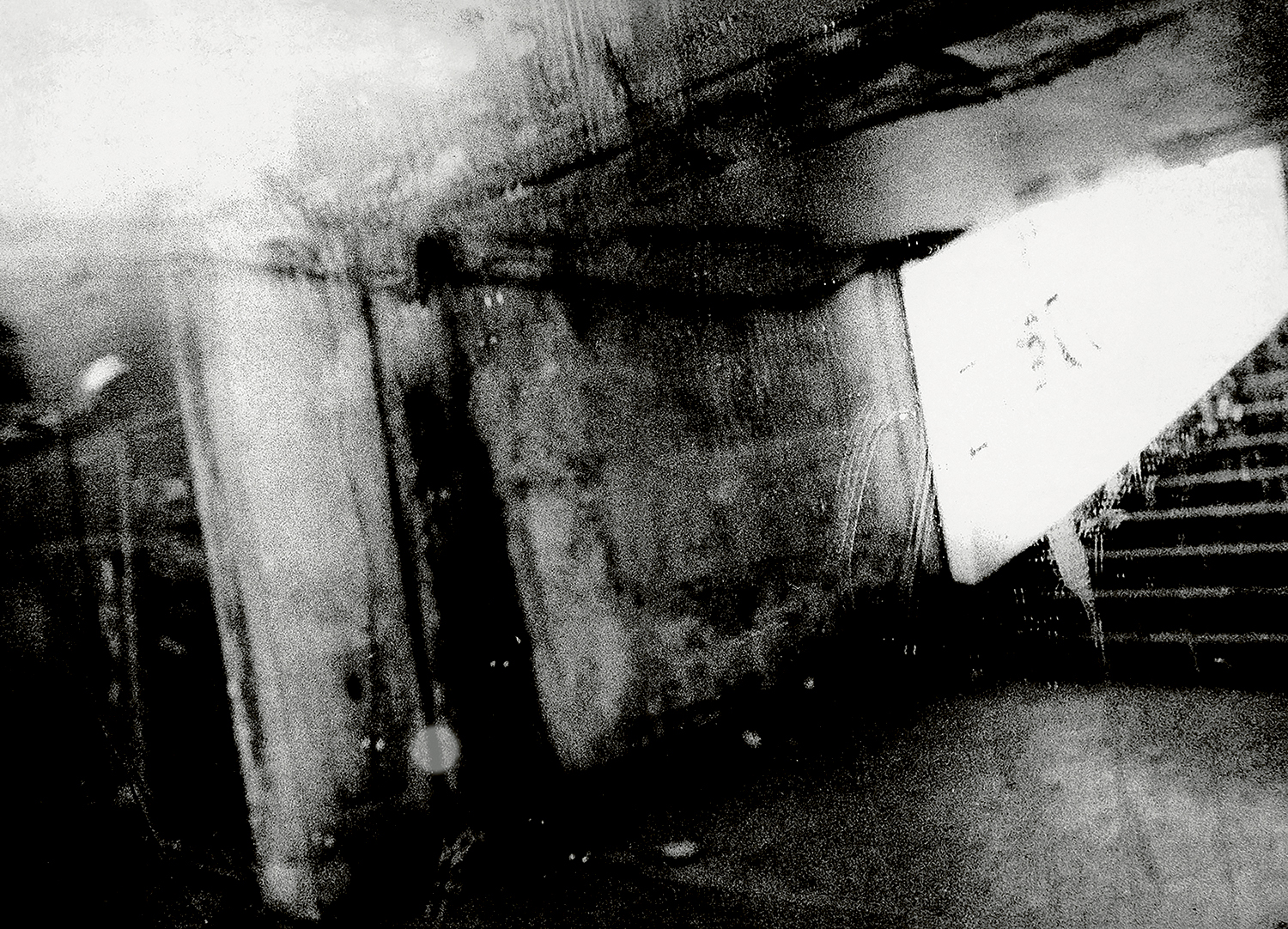
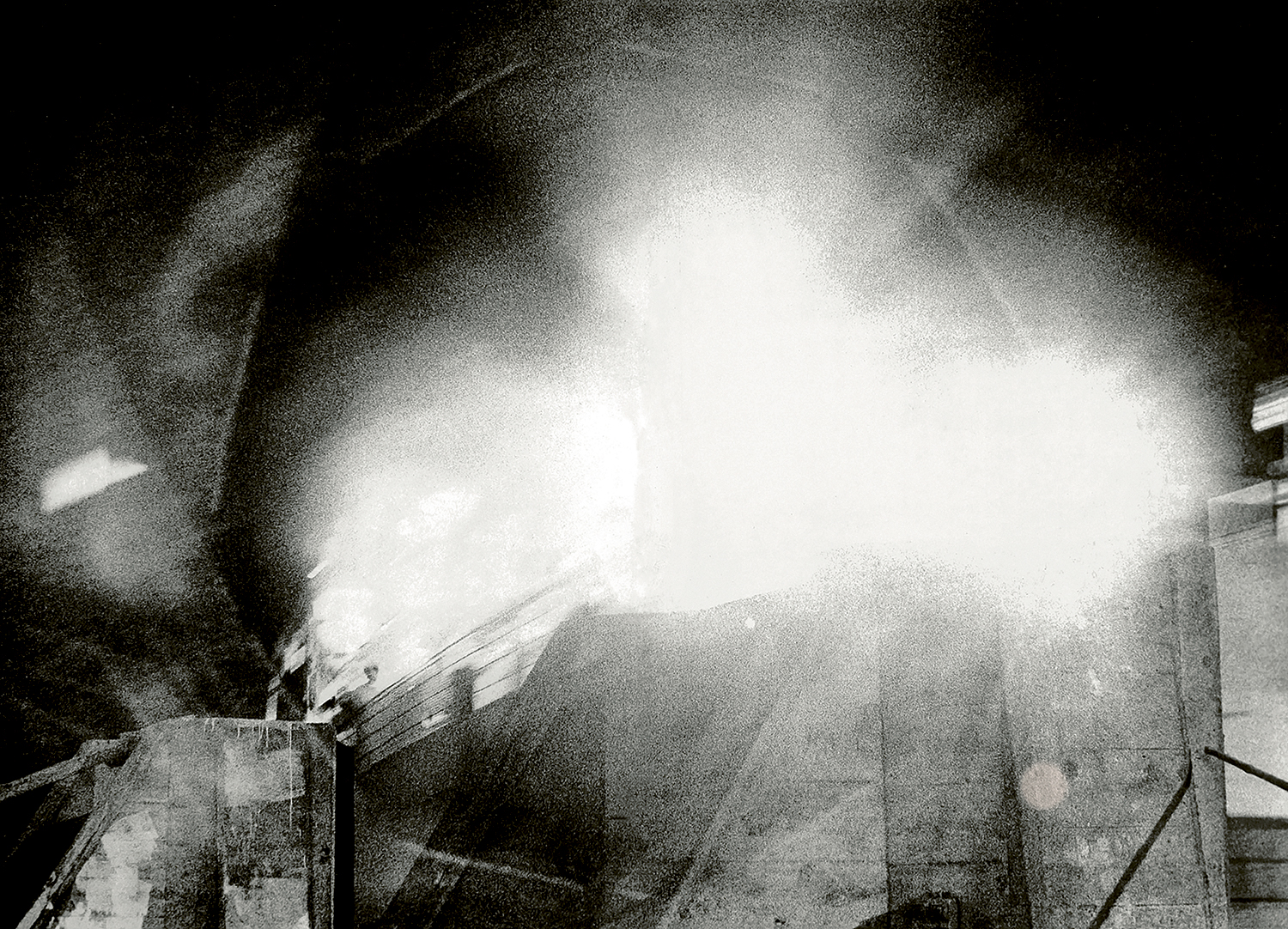
“The political potency of Nakahira’s questioning and interrogation of power vis-à-vis visual media has only amplified over time” – Franz Prichard
As Prichard points out, Nakahira’s approach to photography was inseparable from his politics. Provoke was founded in 1968 amid protests in Japan, France, Czechoslovakia and beyond, and questioned images as part of a wider interrogation of how we relate to the world; Nakahira published a photobook in 1970 titled For a Language to Come. The magazine and book both reject easy paths from photography to knowledge, and abandon straight documentary in favour of images further from legibility, but closer to lived experience. Both also question the power structure embedded in the camera’s one-way gaze. As Nakahira wrote in his 1972 essay The Illusion Called Document: From Document to Monument: “…Against our immediate association of the word document with an objective, impersonal viewpoint, I wanted to rethink this word through an emphasis only on the endless encounter between the world and the self.”
In his 1975 essay The Will Toward History: Surrealism’s Potential Power, Nakahira writes that surrealism was an attempt at the total liberation of the human, meanwhile, and argues, “this is why it was the first shot fired against the logic of positivism, which supports the modern system of capital”. His 1973 essay Why an Illustrated Botanical Guide? argues along similar lines, emphasising subjectivity and dialogue over insensitive, hubristic authority. “Looking cannot happen apart from the body,” he writes, adding, “As much as I may look at the world, it will always throw the gaze of things back to me at the same time.”
But Nakahira’s position also shifted over time, Abbe and Prichard point out; he became disillusioned with the new photographic language he and Provoke had tried to build after it was co-opted for advertising, and by the mid-70s was writing less politically. He also varied his subjects according to magazine commission, from avant-garde small press journals to the more established Asahi Camera. At the Limits of the Gaze includes essays from his two collections – Why an Illustrated Botanical Guide? Collected Writings on Images (1973) and Duel on Photography (1977, co-authored with Kishin Shinoyama) – and therefore “two discursive moments where he’s collecting his thoughts in very different ways, in very different contexts”, Prichard explains. He and Abbe emphasise that their book translates a fraction of Nakahira’s total output too – they knew it will often serve as an introduction, says Abbe, though they left “as many hints as possible to what else is there”.
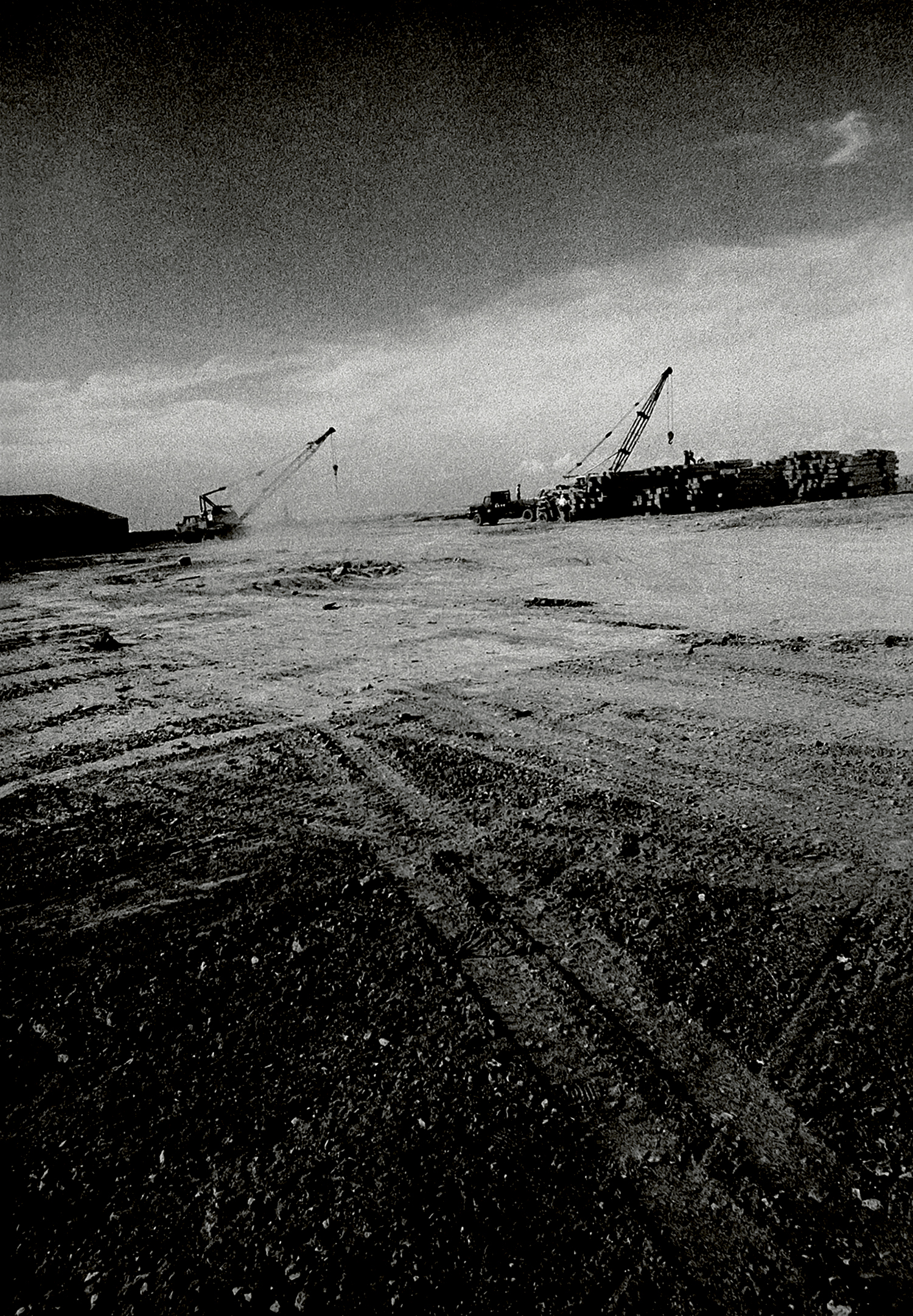
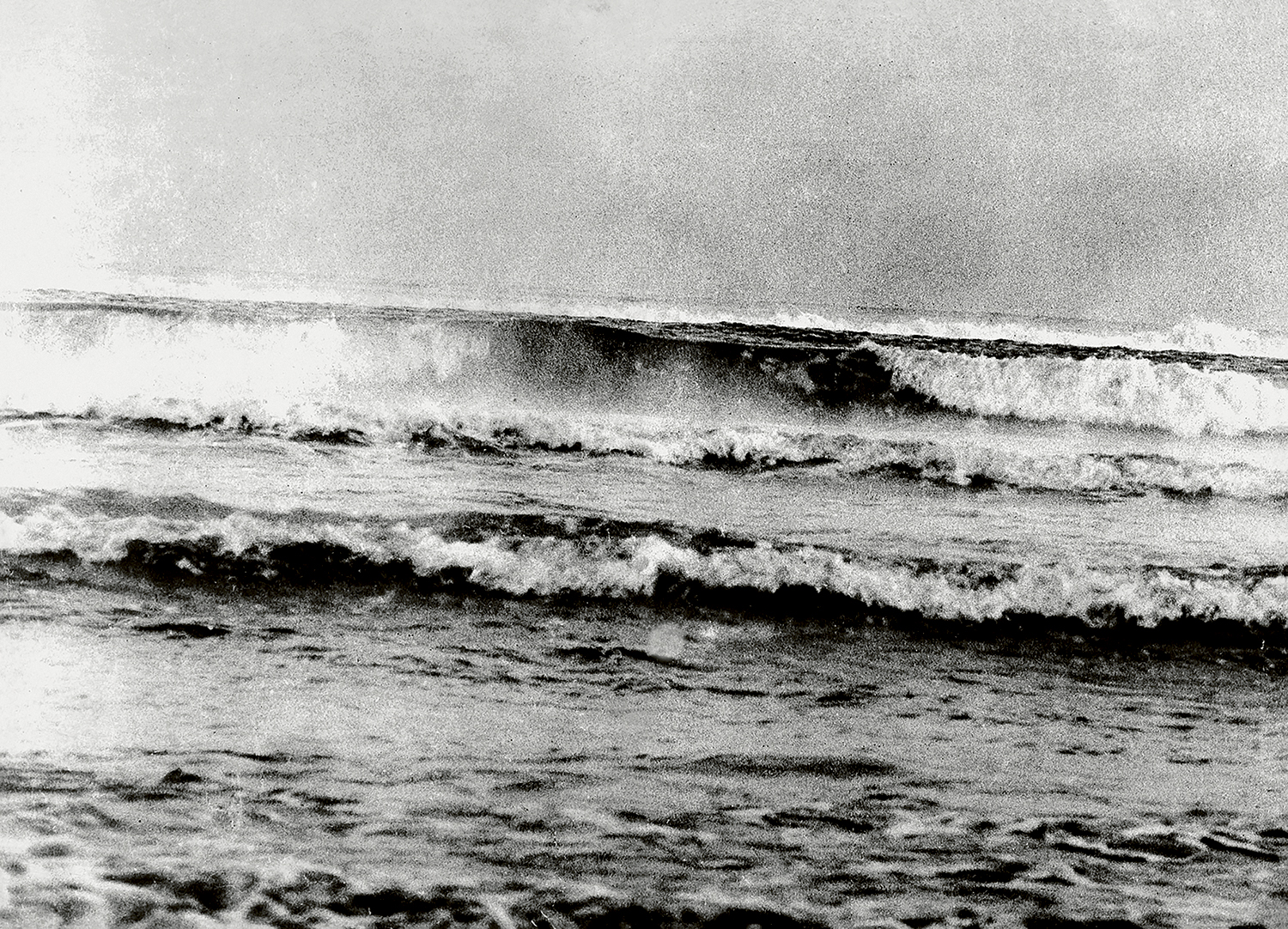
Originally interested in poetry, Nakahira also experimented with his writing, sometimes adopting the impersonal stance of a conventional essayist, at other times a first-person, more diaristic approach. His 1976 text Interlude passionately narrates burning his notebooks and negatives, and drinking with a passing stranger, referencing the burn of the harsh liquor and his own “clouded consciousness”. “I had no idea what I would do after this. But I will never take a photograph again, I thought. I cannot become a collector of memories, I thought,” he writes, later adding, “There was no boundary between the sea and the sky, just the jet-black celestial sphere.”
Nakahira’s writing here is lyrical, and this essay points to overlaps between his writing and photography; elsewhere he highlights the differences between text and images, however, contrasting a visual document of an individual tree with the generalised – or universal, or even objective – ‘tree’ summoned by the word, in his 1970 essay Has Photography Been Able to Provoke Language?. At times Nakahira’s writing informs the photography and vice versa, Abbe notes, but in general direct links are rare. “They aren’t on separate tracks as if they never intersect, but they are only loosely touching,” he smiles.
Even so, Nakahira is a key read for those interested in images and visual culture – or in mapping anti-imperial perspectives. A critic of America’s postwar role in Japan, Nakahira also questioned Japanese history, and in particular the nation’s approach to the Pacific Okinawa Islands. “Old people sell their things without uttering a word,” he writes in My Naked-Eye Reflex: 1974, Okinawa, Summer. “What does the silence of those men and women say?”
At the Limits of the Gaze: Selected Writings by Takuma Nakahira, edited by Daniel Abbe and Franz Prichard, is published by Aperture, priced $30.