

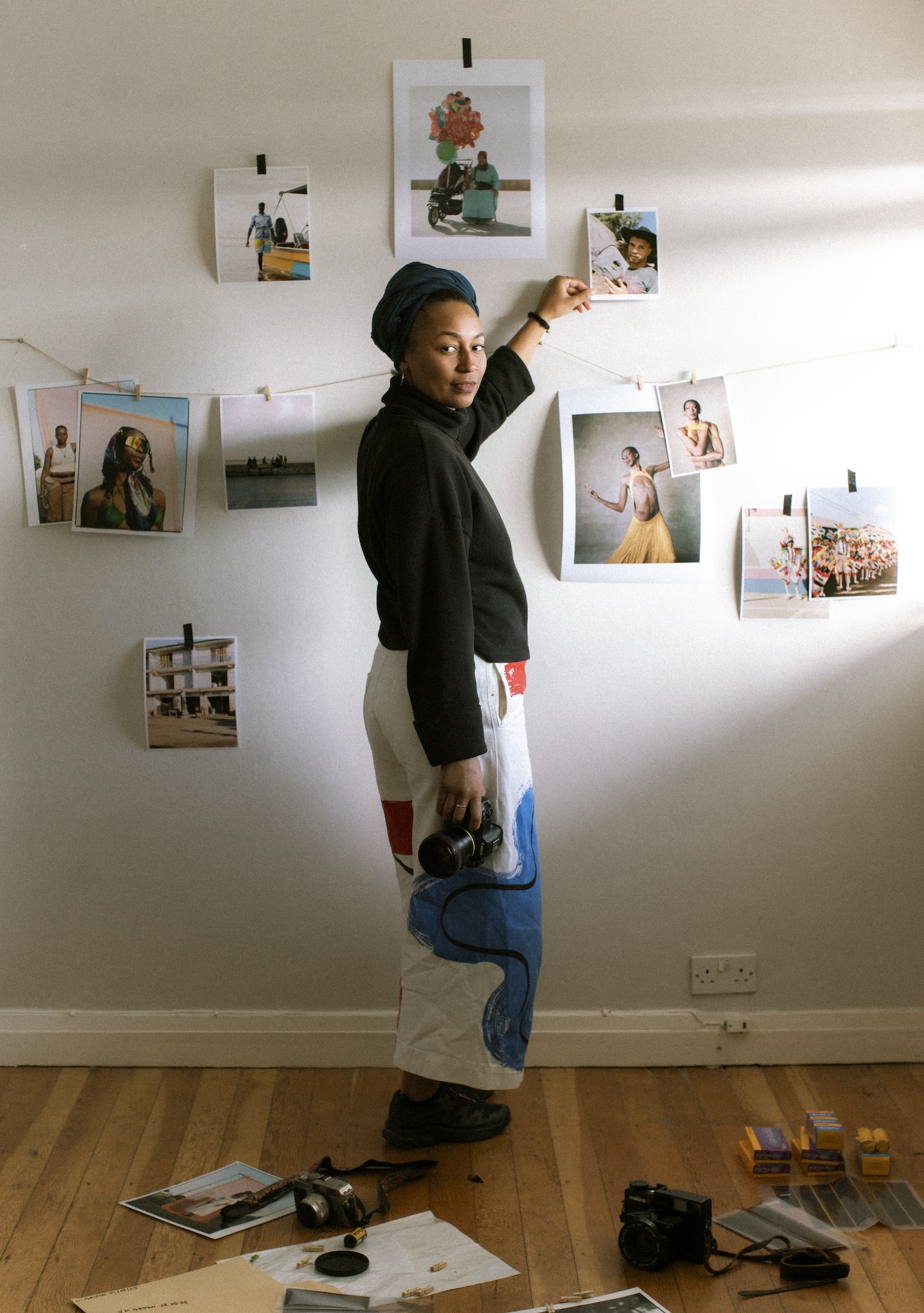
©Joyce Nicholls
In partnership with MPB, British Journal of Photography sits down with Daisy Gaston to find out more about her work and approach
It’s five years since Daisy Gaston put out Times Like These, the short film she’d made during lockdown with Joyce Nicholls, capturing momentary reflections on that strange time out of time. It seemed to resonate with many and she still gets work from it to this day, she says, its dreamlike quality only emphasised by her decision to shoot the film’s diaristic sequences on 16mm.
“That’s where I really pivoted into doing more directing work, taking it more seriously,” she recalls, speaking on a video call from her home in London. The film is a montage of different experiences of lockdown, good and bad. And for Gaston herself, it proved to be a valuable career break: “I guess I came out with a bit of a game plan.”
©Daisy Gaston
“I take a lot of influence from the people that I’m shooting”
– Daisy Gaston
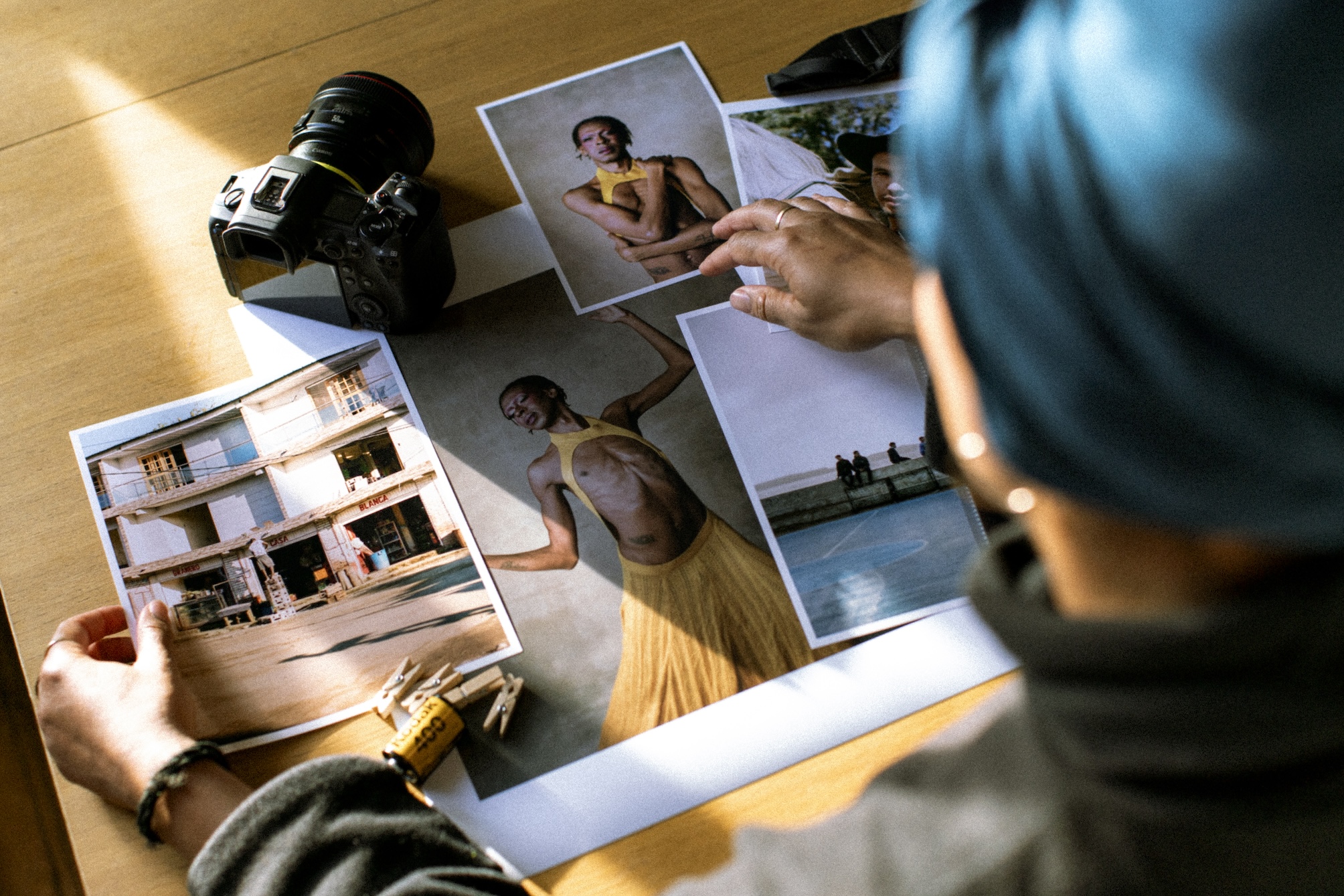
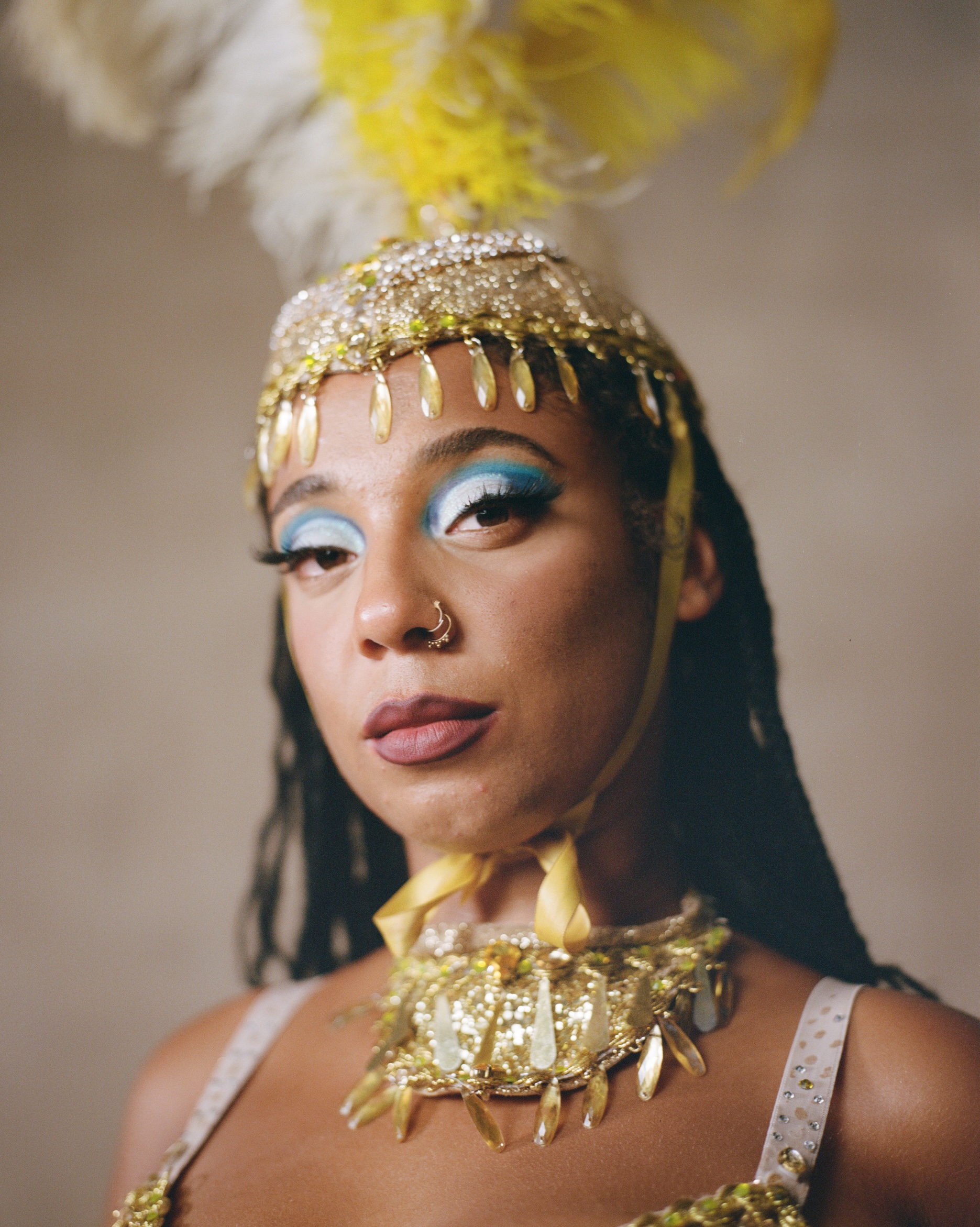
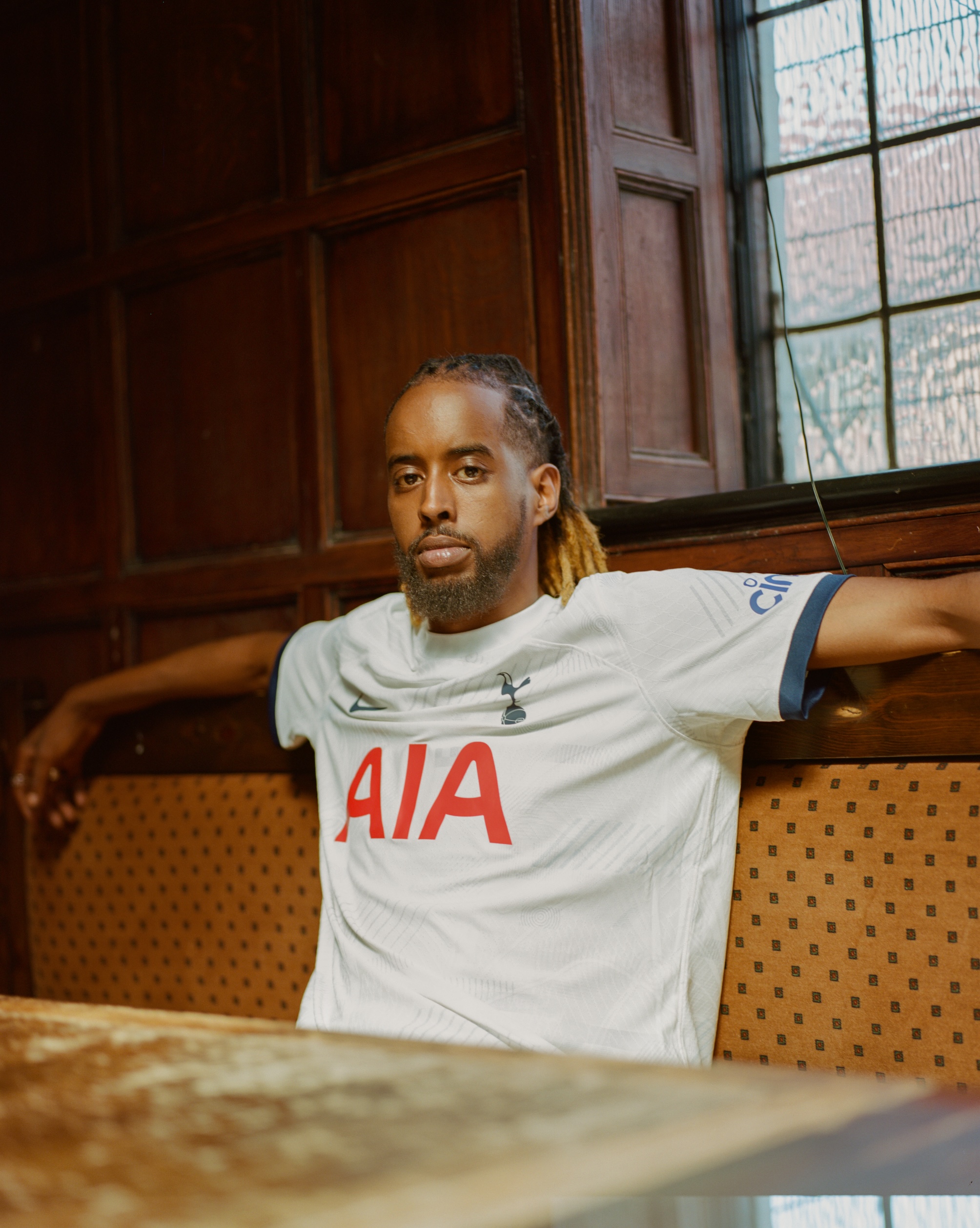
Just before we spoke I browsed her Instagram, looking for cues about the work she’s most proud of. Her most recent posts include a portrait series shot backstage at last year’s We Out Here music festival, and a selection of pictures from a series titled, In Their Light, capturing “the Black performer scene in London and beyond” – shot in a similar vein, posed away from the stage in a way that quietly focuses down on costume and personal expression.
“I was drawn to the subtle details; the quiet power, the fluidity of gender expression, the strength held within the stillness and their poses,” she writes in the post, explaining that the project was inspired by her sister’s entry into this world as a burlesque dancer who goes by the stage name of Ezme Pump.
Another post celebrates her first venture into directing motion graphics, a commission from the Mayor of London to celebrate Black History Month. Others showcase her directing work, including a recent campaign for Sky Sports and The Women’s Super League. Asked how she would describe her varied work, Gaston says that it is “documentary-led, but elevated, and at points more stylised,” before pondering on the importance of colour in her portrait-based commissions and personal work, which she describes as “passion projects”. Community is another fascination, she says: “I take a lot of influence from the people that I’m shooting.”
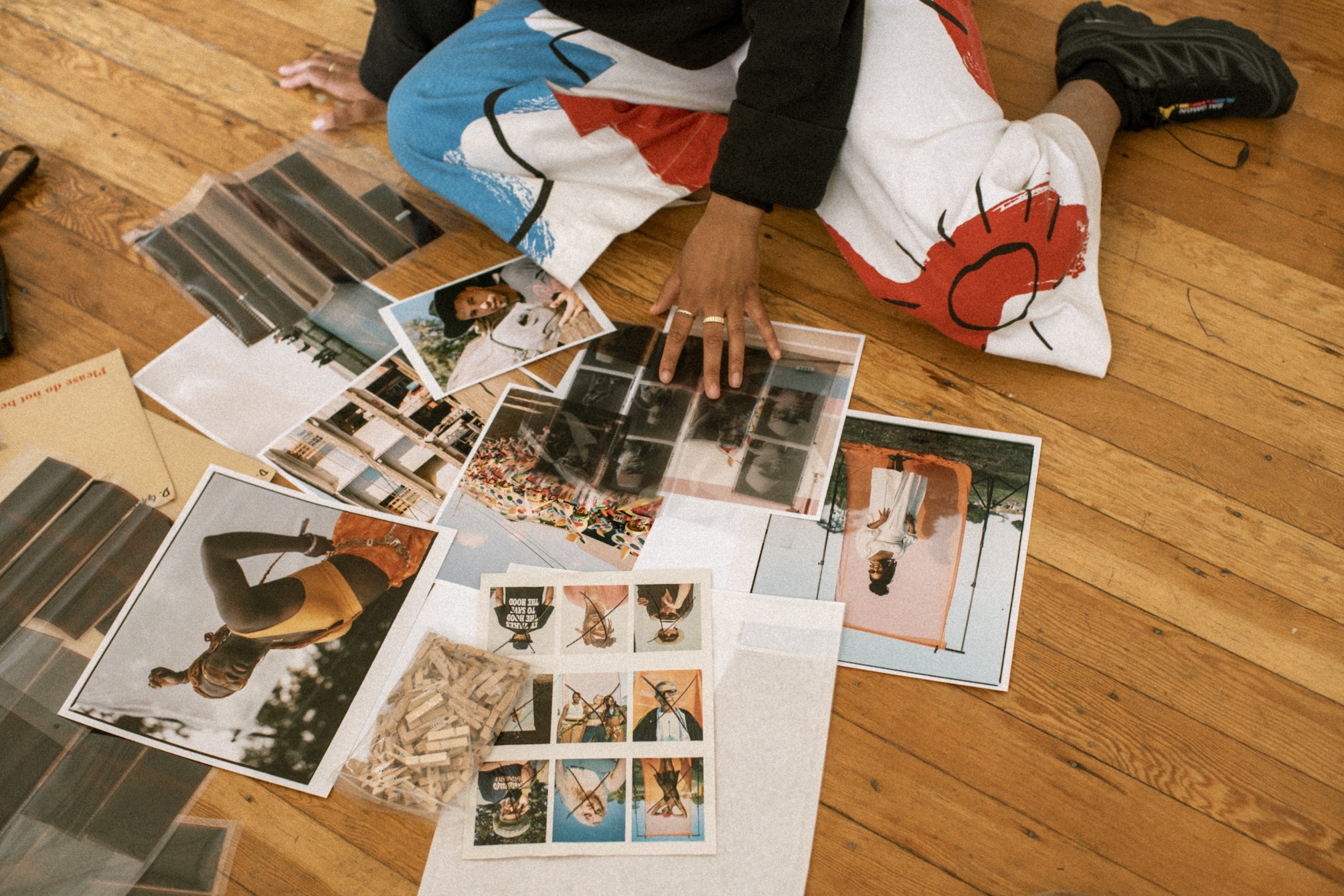
All these elements came together in The Parade, her series shot on the Caribbean island of Curaçao, which was one of the winners of BJP’s Portrait of Humanity in 2021, and which went on to feature in National Geographic Travel, The Times and photofestivals across three continents. Her images star young performers from the Yupi troop at the annual Carnival parade, dressed in colourful costumes designed by Ludgene Balentien. “He is somebody that everybody on the island knows and respects,” says Gaston, “and he’s also one of the [few] renowned queer males on the island,” and so the project felt important, she says, even in just acknowledging that.
Commercial clients seem to appreciate the natural feel of her images. Assignments include a short film for Vogue that celebrates street style in her new home south of the river. She shot stills and motion for a Peloton campaign featuring bestselling author Candice Braithwaite. She has been commissioned by sportswear brands such as Nike and Ellesse, and made short documentaries for Tate Modern, Resident Advisor and i-D. Her subjects range from everyday people, such as the capital’s rollerskating community, to collaborations with Olivia Dean and Alexa Chung.
Gaston is self-taught, starting her career in video and working her way up from assisting to directing, but always shooting stills for herself. Mirroring her experience shooting with a 16mm movie camera, she began taking photography more seriously when she bought a Mamiya RZ67, which was revelatory. “I just fell in love with analogue. It’s really magical,” she says. “The camera slows you down. You only have 10 shots on a roll, so they have to count. You have to be more intentional about what you’re shooting, who you’re shooting, the lighting, the composition – everything.”
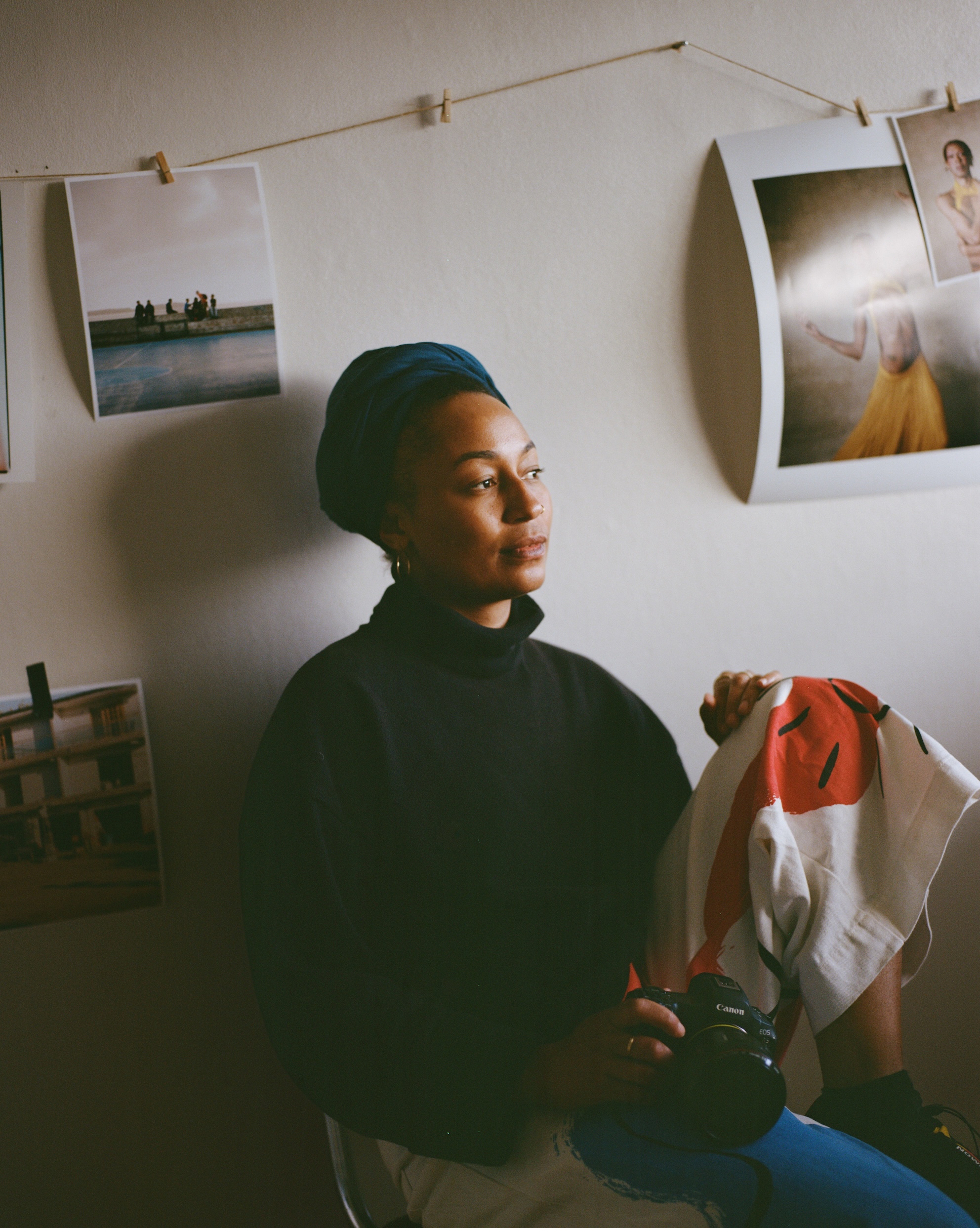
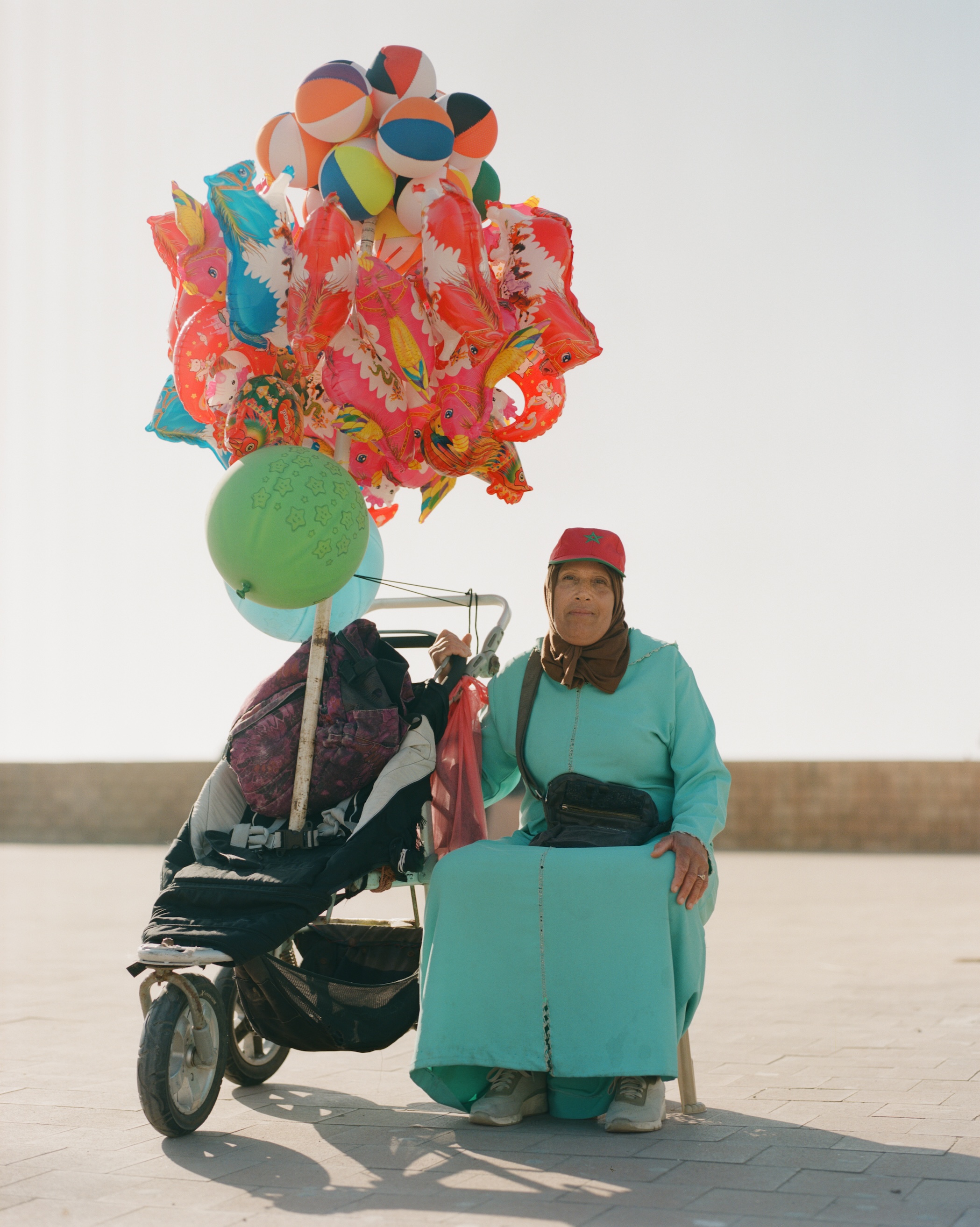
The RZ67, first introduced more than four decades ago, was designed for professional studio work and quickly gained plaudits for its large negatives, high-quality lenses and waist-level finder, and once-modern touches such as a revolving back and electronic leaf shutter. “I shoot a bit rogue,” says Gaston, referring to her mostly handheld approach. “I found that I was able to connect a lot more with my subjects. People are a bit less intimidated. They drop their guard. They’re quite intrigued by this older, bigger camera – even the sounds of its chunky shutter.”
Gaston also shoots 35mm, and has a professional digital camera, a Canon EOS R5, and lenses. “I am quite minimal with my kit compared to what I rent,” she says, adding that she has tended to trade in equipment in order to upgrade, selling through MPB. “Lately, I have been thinking about buying a digital medium format camera. As a freelancer, you have to be quite thoughtful about what kit you’re going to invest in. We do live in an age when you have to keep [your finger] on the pulse, to think about what you’ll need next. And MPB is an amazing platform for doing that – for buying and selling.”
“We’re in a lucky period of time in the sense that you can create something credible with a smaller setup like [a Sony] FX3 or FX6s or an a7s III”
– Daisy Gaston
The kit varies greatly when she’s working on film sets or locations as a director. “We’re in a lucky period of time in the sense that you can create something credible with a smaller setup like [a Sony] FX3 or FX6s or an a7s III – you can get incredible results out of those kinds of cameras. But when I’m scaling up for work with bigger clients, especially sports brands and those kinds of commissions, I have used much bigger cameras, like Arris. That’s the crème de la crème when it comes to shooting moving image.”
Being able to shoot both still and moving image is an advantage, of course. “I do get asked to do it quite a lot,” she says. “But they have to be approached differently because they are completely different jobs. If I’m directing a shoot, then there will be a DP and a whole crew. People are looking to my vision of how we’re going to bring it all together. So I’m managing that, wanting that to come to life. If I’m asked to also do photography, then there need to be pauses in the day; specific times set out where I am the person that’s picking up the camera and bringing that vision to life.
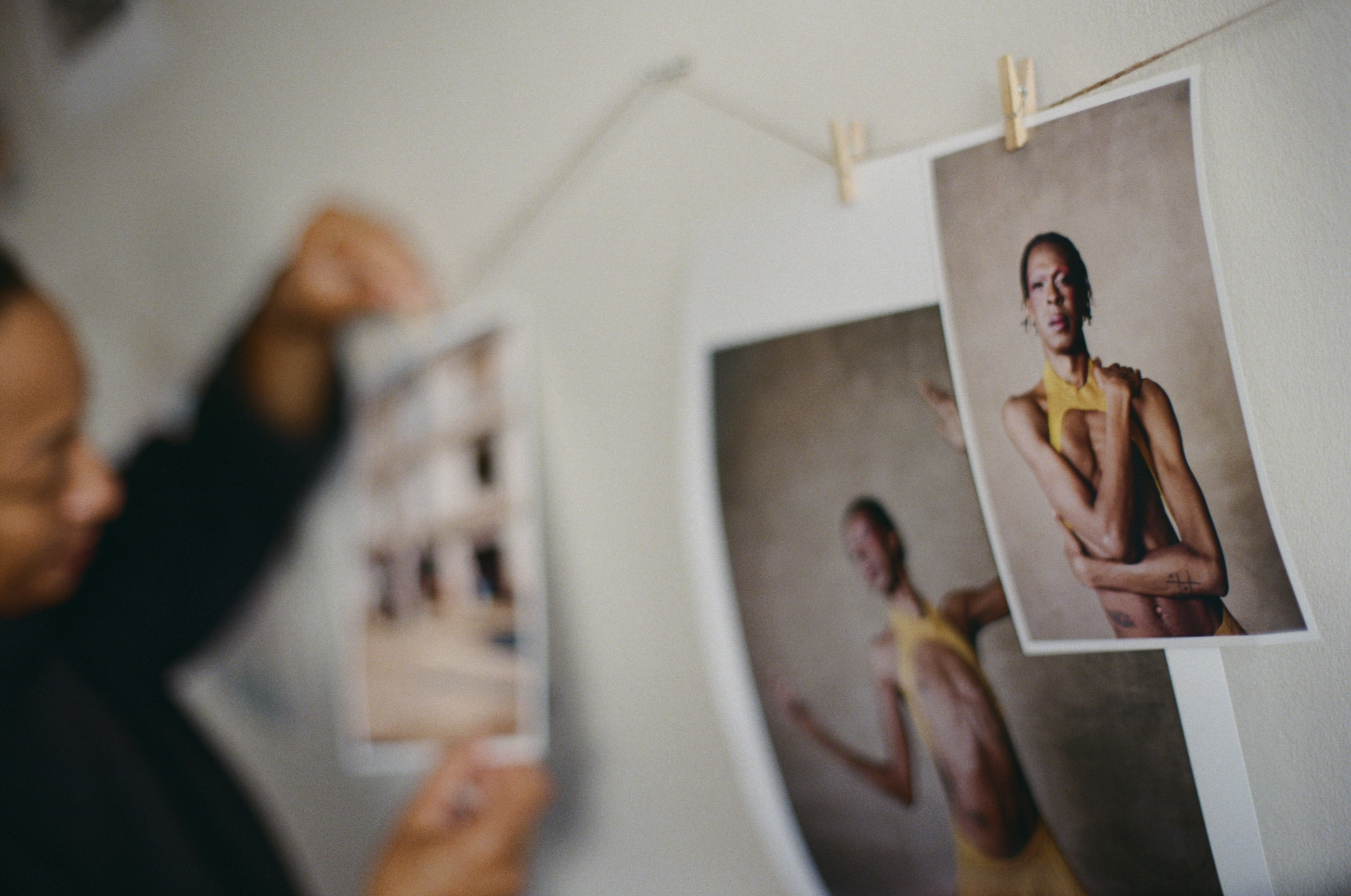
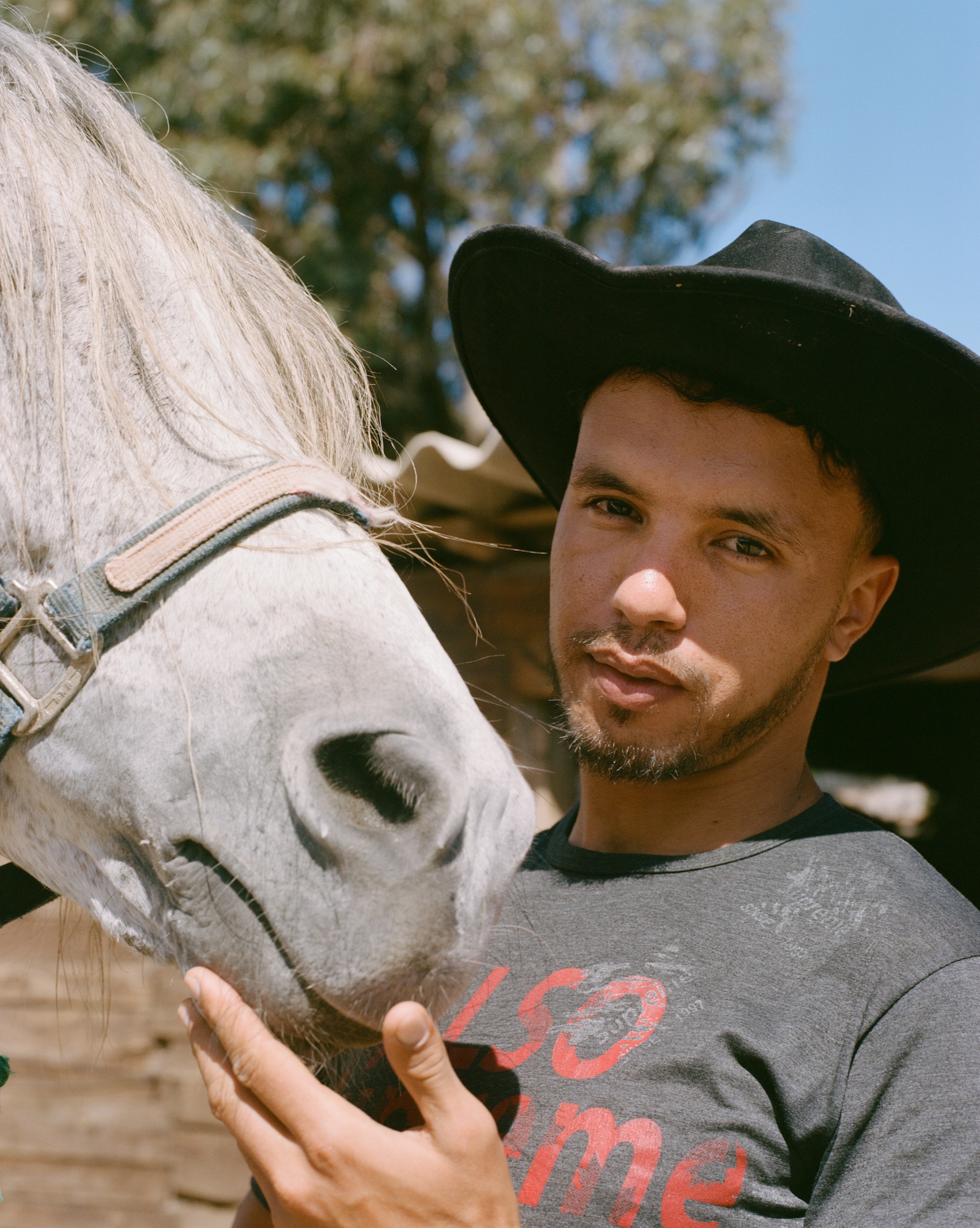
“With moving image you are imagining how scenes come together, how they cut together. Whereas photography is about moments and you have to think about them individually. With the right lighting, the right face, the right expression, you can capture something very personal. It’s that slowing down process.”
All this speaks of her confidence in what she is doing, and in being the person everyone looks towards at a shoot. Yet her confidence is not innate. “Growing up in London, the opportunities are all around you, but that can feel quite intimidating,” she reflects. “It’s very easy to have imposter syndrome… you can’t necessarily place yourself in those forward-moving steps. But, thinking back to Covid, that time was pivotal. I can see that there’s much more ahead now.”
And it’s not just her that’s changed. A couple of days after the interview, she sends me an email note. “I think when I was younger, I rarely saw representation of people who looked like me in these spaces. That’s shifted a lot over time as things have become more open and diverse.”
In Partnership with MPB
MPB is the UK’s top camera reseller. They are quicker, easier and safer than dealing with marketplaces, all sorted at the right price. Get your instant quote today.
Shop Daisy’s Kit
