
All images © Kwame Dapaa
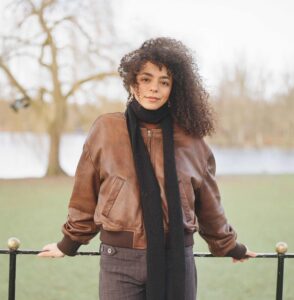
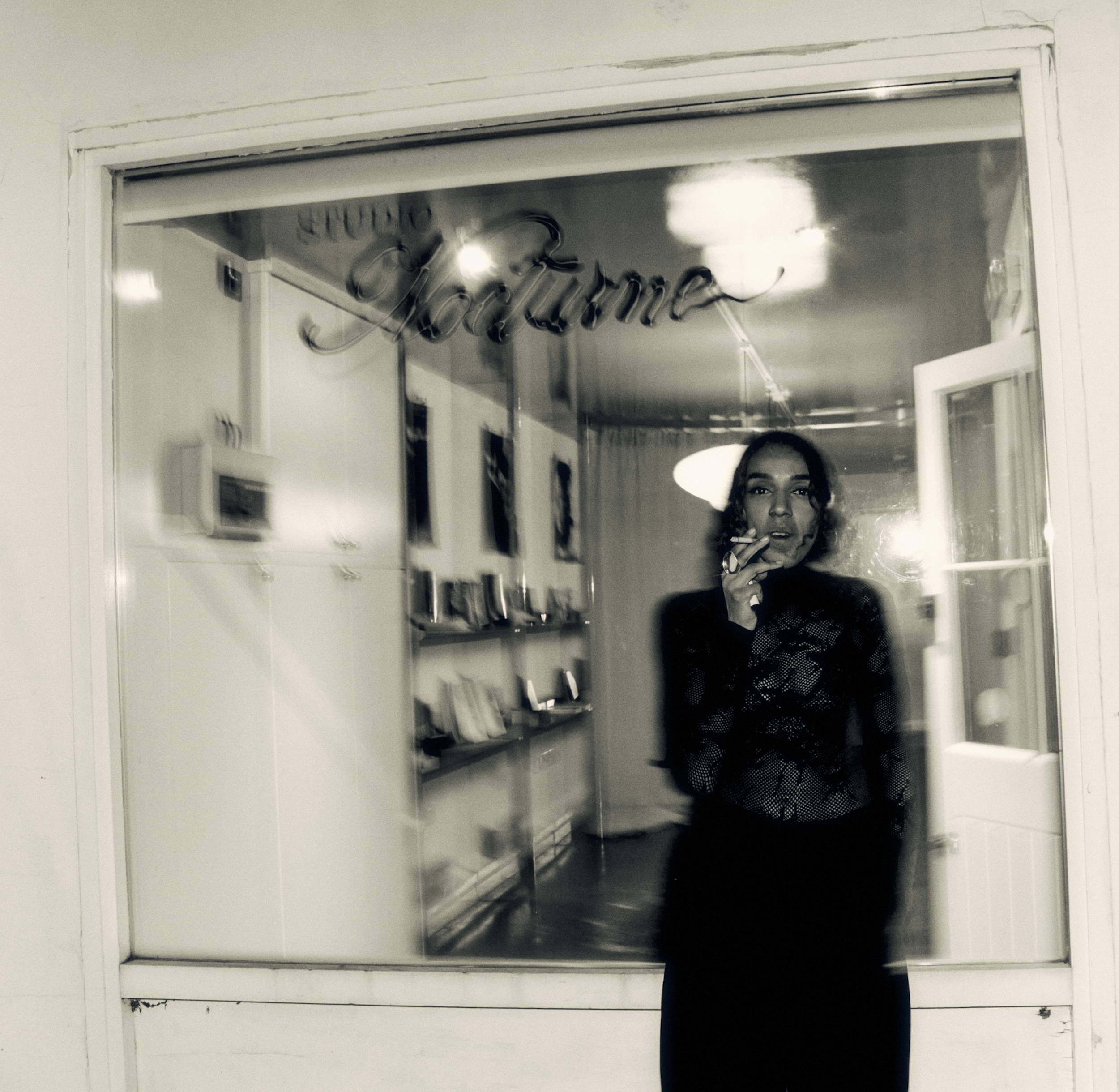
The former co-director at Claire de Rouen and curator of the Alaïa Bookstore, Flora Gau tells BJP about her new labour of love
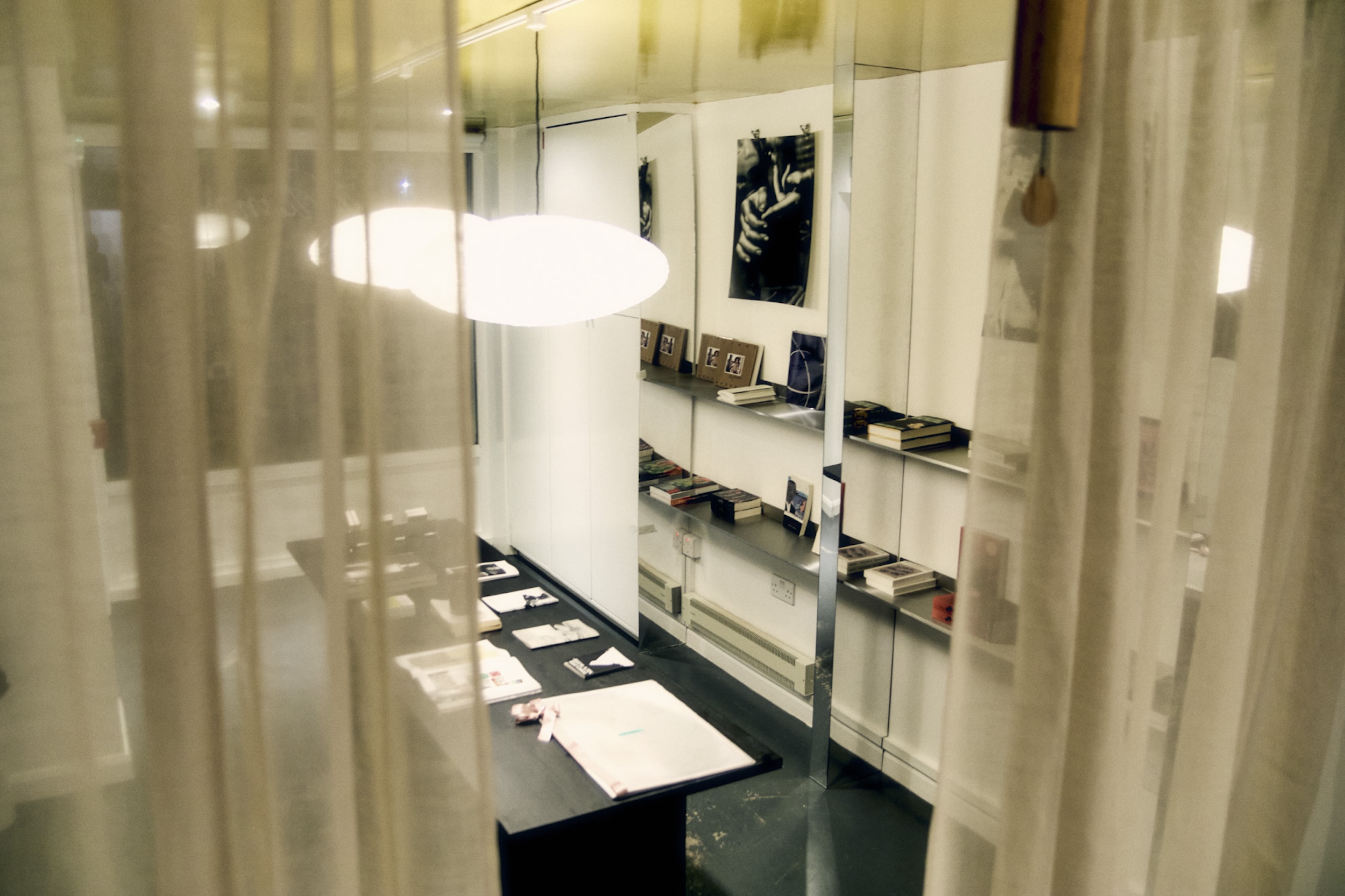
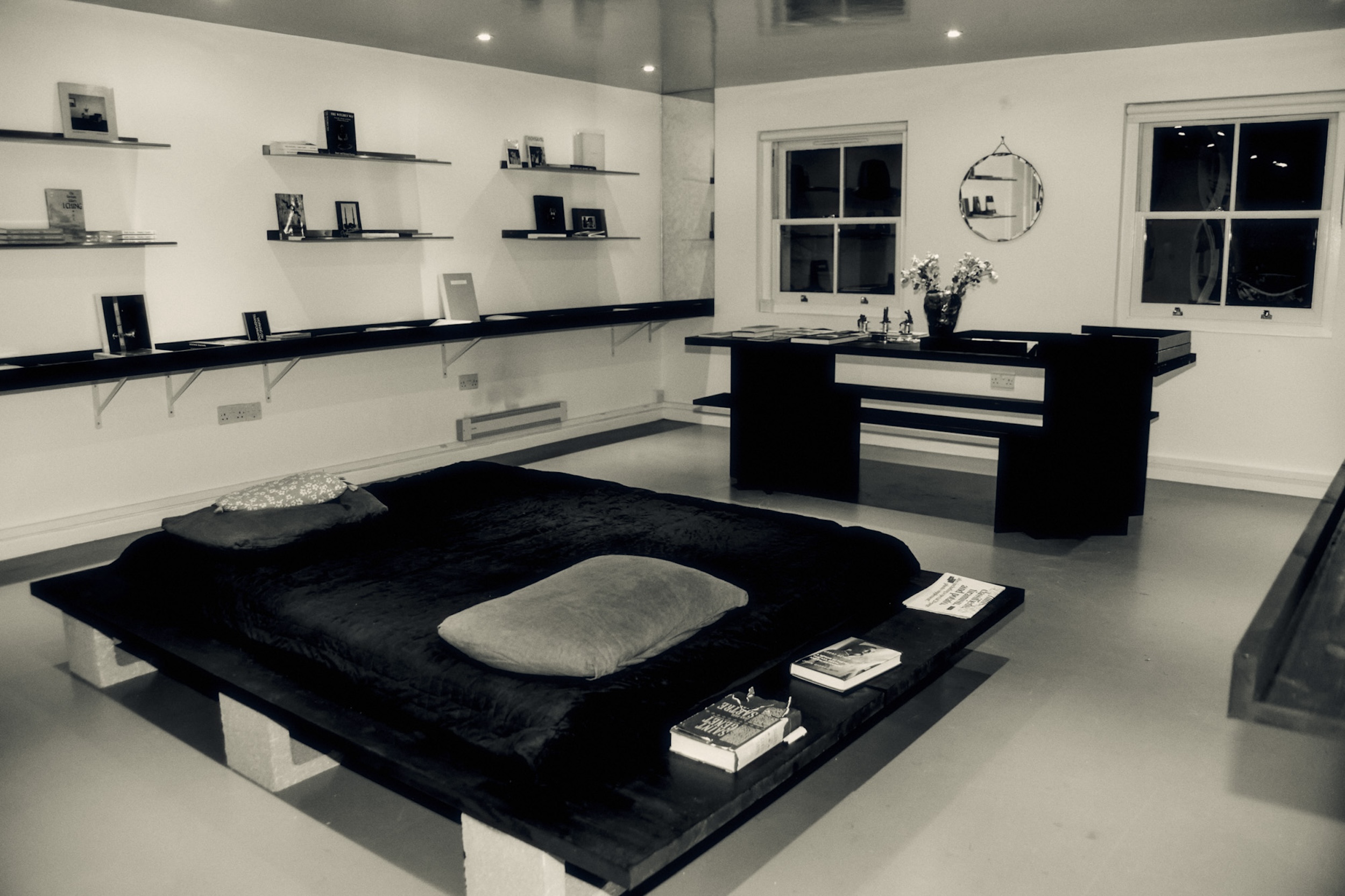
On a chilly evening in late February, one East London townhouse was contradictingly warm with a buzzy energy. It was the opening of Studio Nocturne, a space for rare and collectible editions and radical publications, as well as art and photography, set over two floors of a classic De Beauvoir townhouse.
The store, designed by Mitchell + Corti Architects, is the brainchild of Flora Gau, former co-director at Claire de Rouen and curator of the Alaïa Bookstore. “It was quite intimidating,” Gau admits of the opening night. “It’s the first time that I’m doing this,” she tells me on the second floor of the space – I’m laying comfortably on one of the bed-style furniture in the centre of the space as I conduct the interview. Gau follows up: “It was very satisfying to see people excited… it really felt like people were meeting each other. That’s exactly what I wanted to create for this space.”
That emphasis on encounter – on exchange rather than transaction – sits at the core of Studio Nocturne. Rather than a ‘bookshop’, it is conceived as a social and intellectual environment: a place where books act as catalysts for conversation, connection, and creative identity. Gau and I laugh as we describe it as ‘matchmaking’ between person and book, or artwork.
Gau’s path to opening such a space is rooted in photography. Originally from a provincial city in France, her early relationship to the medium was shaped by books. “I was self-taught,” she says. “I started educating myself on photography through books… that was my first relationship with it.”
“When it’s a book I really love, it’s hard to let it go… but I always feel like it’s going to the right home”
After moving to Paris, she worked as a set assistant in a fashion studio before assisting photographers and eventually attending art school. A short trip to London turned into a permanent relocation – “I was supposed to stay for two weeks… and I actually never left” – marking the beginning of a career, beginning at Weber Gallery, that would move fluidly between image-making, creative direction and publishing.
Her time at Claire de Rouen and later at the Alaïa Bookstore proved formative. At Claire de Rouen, she was deeply involved in shaping the shop’s identity; curating, organising events, and sourcing titles. At Alaïa, she was given remarkable autonomy. “They didn’t check on anything before the opening,” she recalls. “I did the entire curation… around 1,200 volumes.” The experience, she says, gave her the confidence to strike out independently: “I was like, okay, if I did that, I can certainly do Nocturne.”
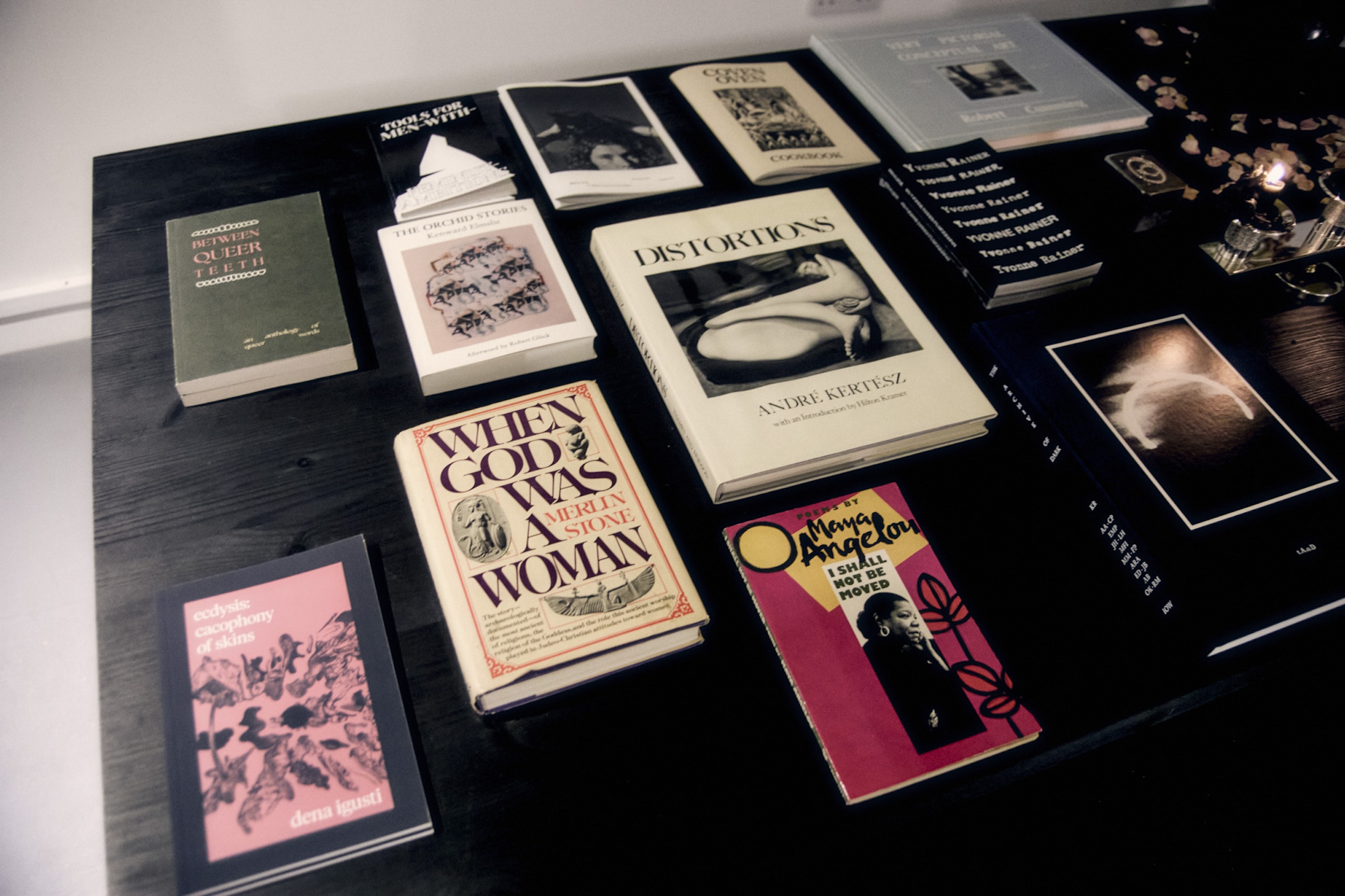
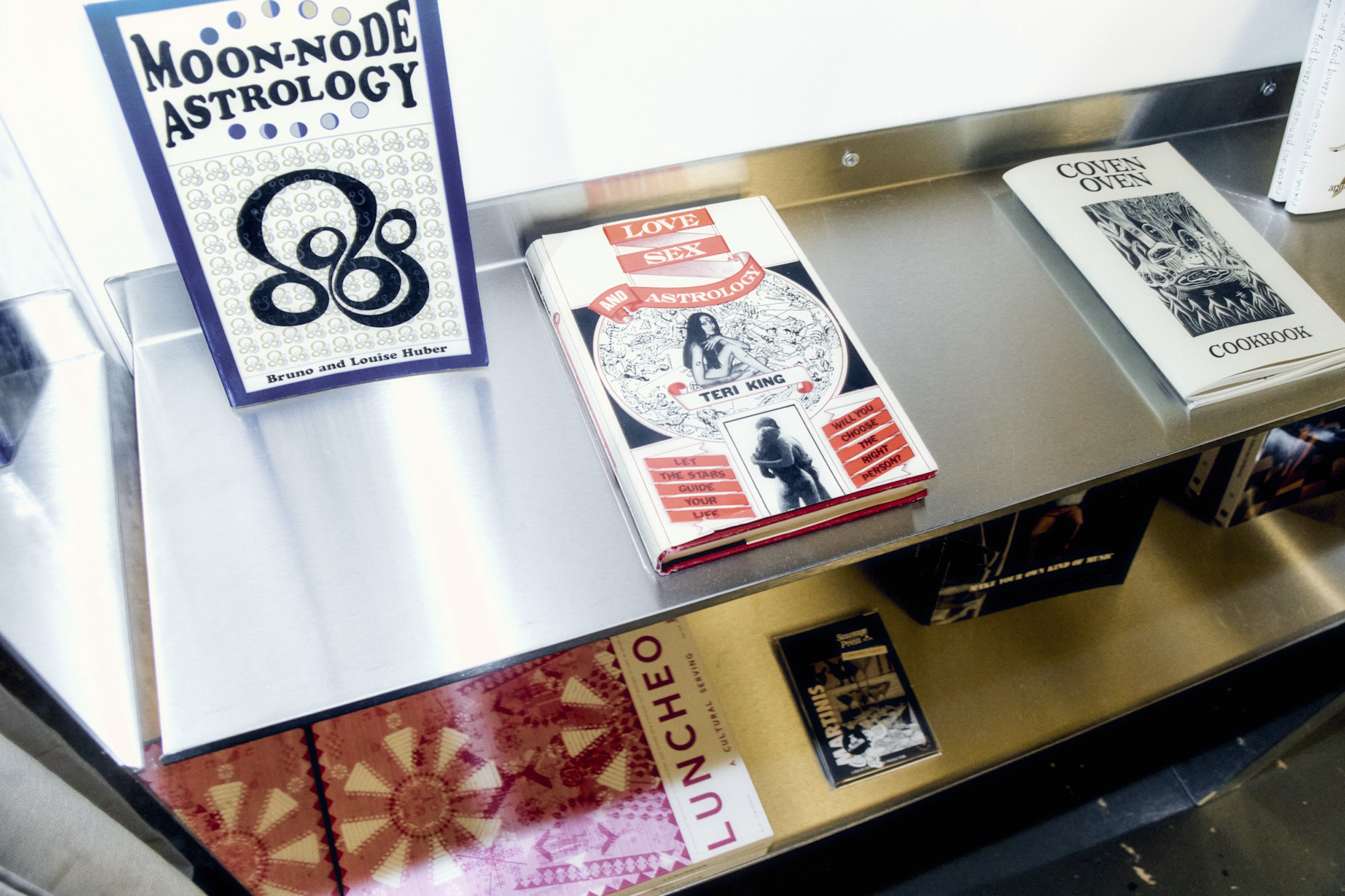
Yet Studio Nocturne is not simply an extension of those projects – it is a distillation of Gau’s own sensibility. “It’s very personal,” she says. “We all have different lexicons in doing that.” While comparisons to other independent bookspaces in London are inevitable, Gau resists the idea of competition. “No one can be me, and I can’t be them.” Nocturne’s inimitability is evident in the way that Gau’s personality shines through the book curation: vintage books on witchcraft, African voodoo printed material, and a beautiful edition of Langston Hughes poetry fronted by archival image of the writer in his native Harlem, New York.
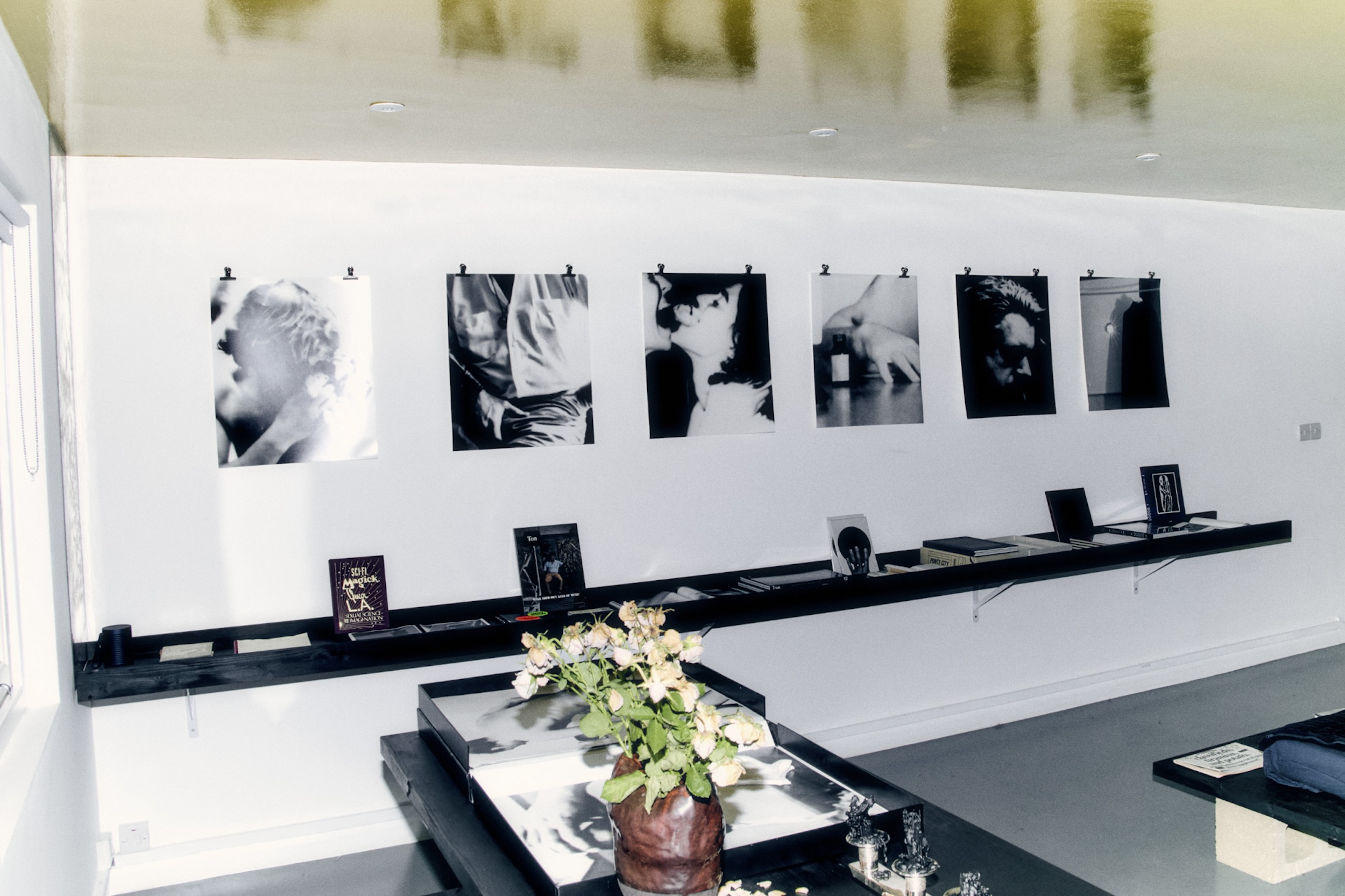
Alongside its publishing focus, Studio Nocturne also functions as an exhibition space, particularly for photography and visual work. Currently, a collection of unique prints by Peter Tomka is on view and for sale, offering visitors a chance to engage directly with the artist’s practice. Tomka, whose first monograph was published by TBW Books, works across photography and conceptual imagery, creating pieces that blend intimacy with careful materiality. “Fashion has always been fed by art references,” Gau notes, “and books and images are part of that language.” At Nocturne, those references come to life, allowing visitors to experience photography in dialogue with the curated book collection.
The space also hosts events that bring artists and audiences together. Last week, it held a photobook signing for Camille Bibault Waddington’s The Office, published by Empire Books, creating an opportunity for visitors to connect with the artist directly. Looking ahead, April will see an exhibition of photographic and video work by Adémidé Udoma. For Gau, these initiatives are integral to the space’s mission: “What I wanted was for people to meet, to share inspirations,” she says. Studio Nocturne thus positions itself as both a platform and a meeting point, where books, images, and ideas intersect in an intimate and highly curated environment.
What defines Nocturne is its underlying philosophy: books as tools for self-construction. Gau describes this as “building your own mythology.” She explains: “If you really want to know who I am, I could show you five different books… That’s what I’m trying to do here, selecting tools for people to do that.”
This idea extends to how visitors engage with the space. Books are not simply objects to be purchased, but to be lived with. “Seeing an object leaving this space and knowing that it’s going to have its own life with someone, it’s great,” she says. “When it’s a book I really love, it’s hard to let it go… but I always feel like it’s going to the right home.”
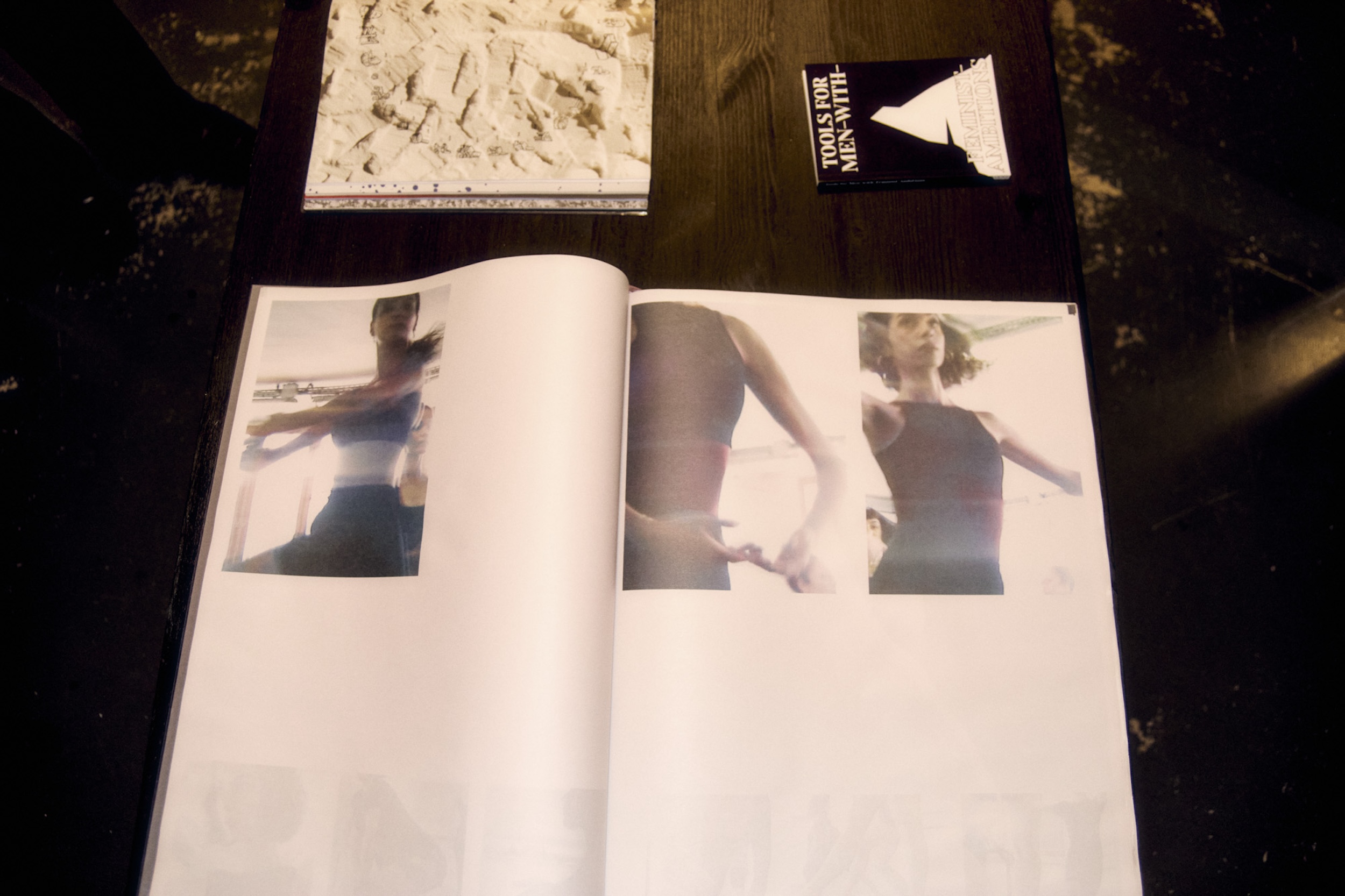
The selection itself reflects this ethos. Alongside rare and collectible editions, there is a strong emphasis on poetry and radical publishing – formats that align with Gau’s own reading habits. “I’m a very slow reader,” she notes. “But poetry is a very big part of the curation… as well as essays.” The result is a space that privileges intimacy and reflection over spectacle.
Studio Nocturne also emerges at a moment when physical, independent spaces are gaining renewed importance. In contrast to the digital saturation of recent years, Gau sees a broader cultural shift toward autonomy and analogue experience. “I think it’s a general historical moment,” she says. “People are going independent… they don’t want to wait six months to get an answer anymore.”
That urgency and freedom is evident in the speed at which Nocturne came together. “It took me three weeks to do that,” she says. The space is both a personal statement and part of a wider movement across East London: a growing network of highly curated, independent venues that foreground individual vision.