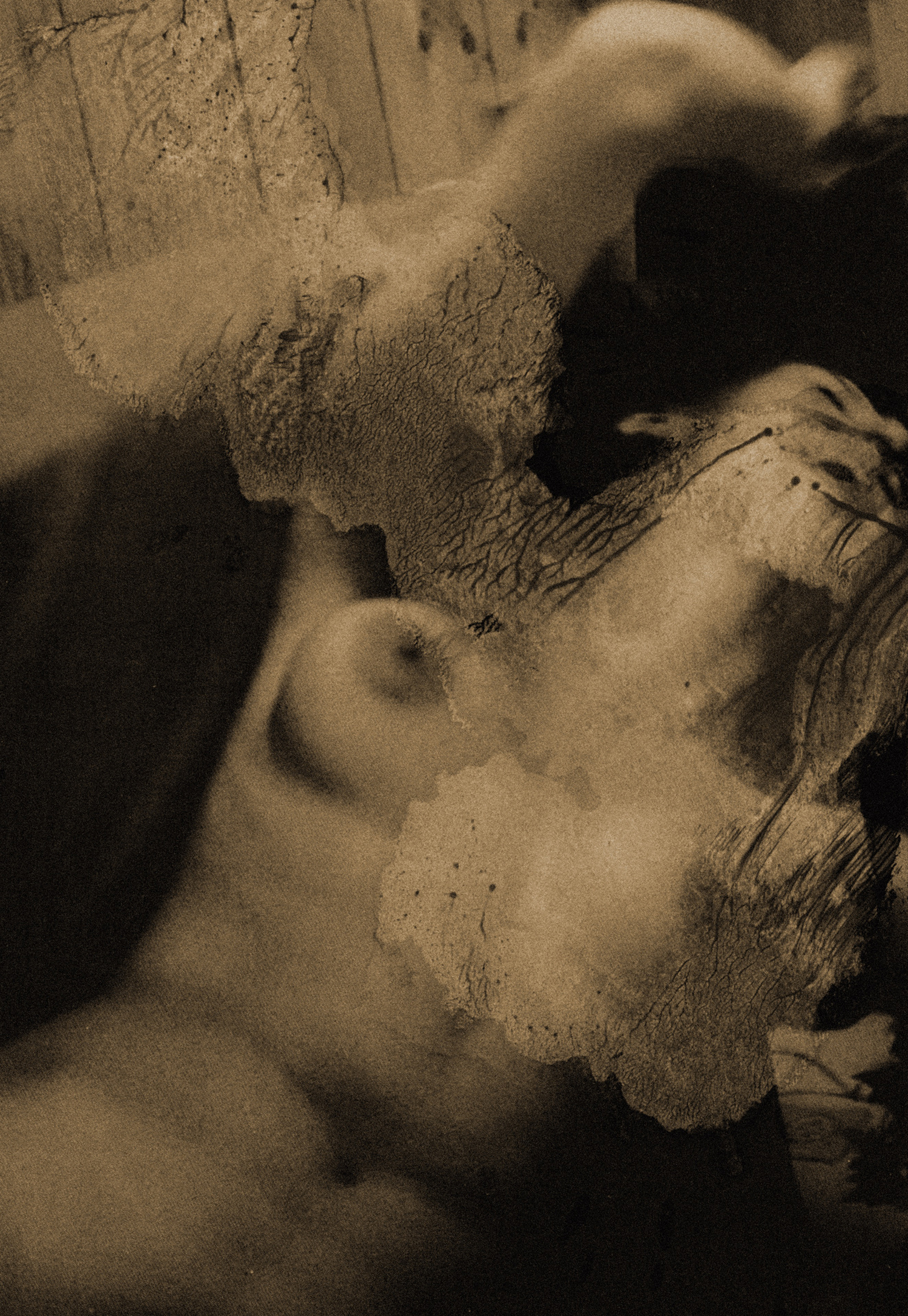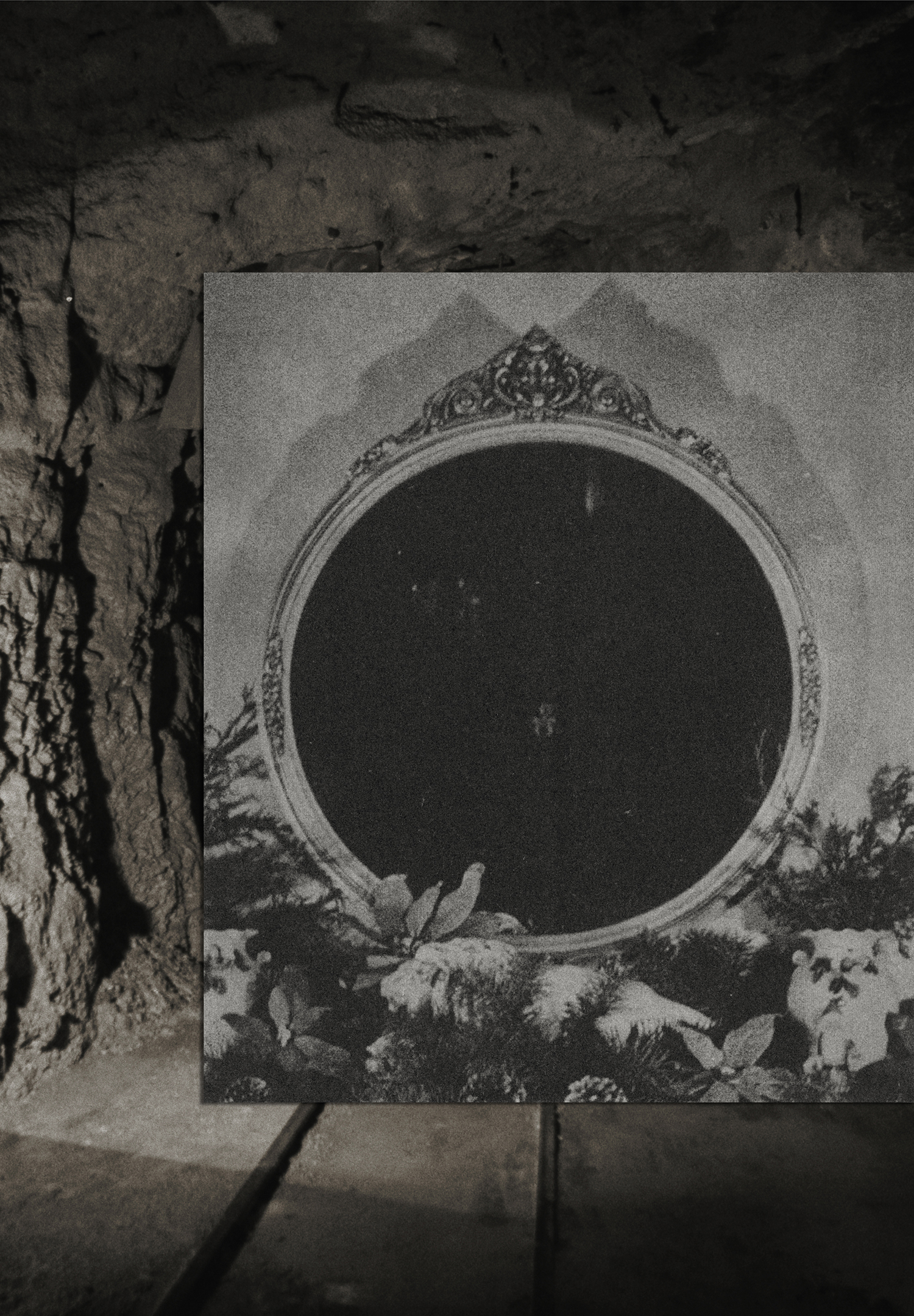

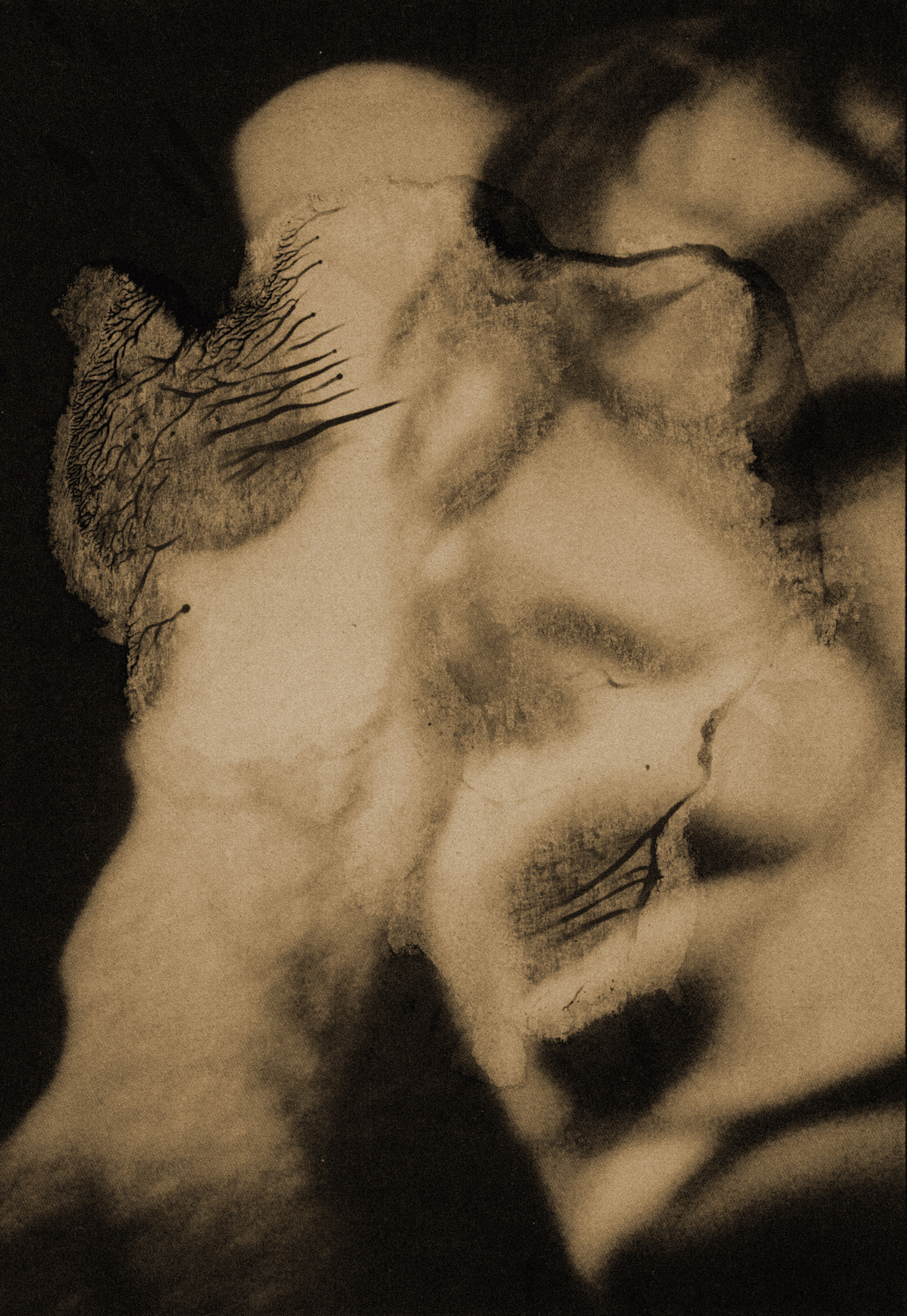
All images from the book And Then There Was the Night. Courtesy of Outer Space Press
Working as Outer Space Press and using found photographs, Magdalena Wysocka and Claudio Pogo create subversive books such as evocative vampire story And Then There Was the Night
Magdalena Wysocka and Claudio Pogo have been a creative duo since 2016, making new work with found photographs and publishing the results in handmade books. Sourcing images from flea markets, eBay and other uncurated spaces, and favouring the esoteric, the specialist and the taboo, they create unconventional, subversive narratives, published under the name Outer Space Press.
Their recent book, And Then There Was the Night, is a good case in point. Its roots and some of its images come from a series of handmade zines, sold online by a vendor also peddling household equipment and car tyres; the books were one-offs, featuring consecutive photographs of a 1920s French porn film, glued into place and carefully numbered. The name of the film in German, Der Chef und die Sekretärinnen (‘The Boss and the Secretary’), and the fact it was a 16mm were also noted, plus a stamp attributing each pamphlet to the Sammlung (‘Collection’) Wladyslaw Kuzdrzal-Kicki, and a date from 1966.
Transfixed by the books, Wysocka and Pogo tried to trace Kuzdrzal-Kicki, eventually finding an occult publisher in Munich who had helped him put out a more conventional book in 1978. Titled The Order of the Dragon, it was a history of an aristocratic 15th-century chivalric order, which had inspired Vlad the Impaler’s father to take the name ‘Dracul’ AKA ‘Dracula’. Kuzdrzal-Kicki had considered himself Vlad’s last living ancestor, said the publisher, and had resided in Munich in the 1960s and 70s; he was known as ‘The Vampire from Dachau Moor’, a name adding a layer of real horror in referencing the infamous Nazi concentration camp sited just outside the city.
Part of the city’s alternative underworld, Kuzdrzal-Kicki was rumoured to have taken part in orgies and rituals, as referenced in the personal correspondence and newspaper clippings the publisher also passed on. “All these things where you’re like, ‘Jesus! This is spiralling out of control!’” says Pogo. “Finding his name unfolded this whole madness, it just became more and more and more. We even asked friends’ parents, who had been part of Munich’s hippy scene, and they were like, ‘Oh yeah, he was around’. It was like an urban legend, but this guy really took on this persona and this vampire character.”
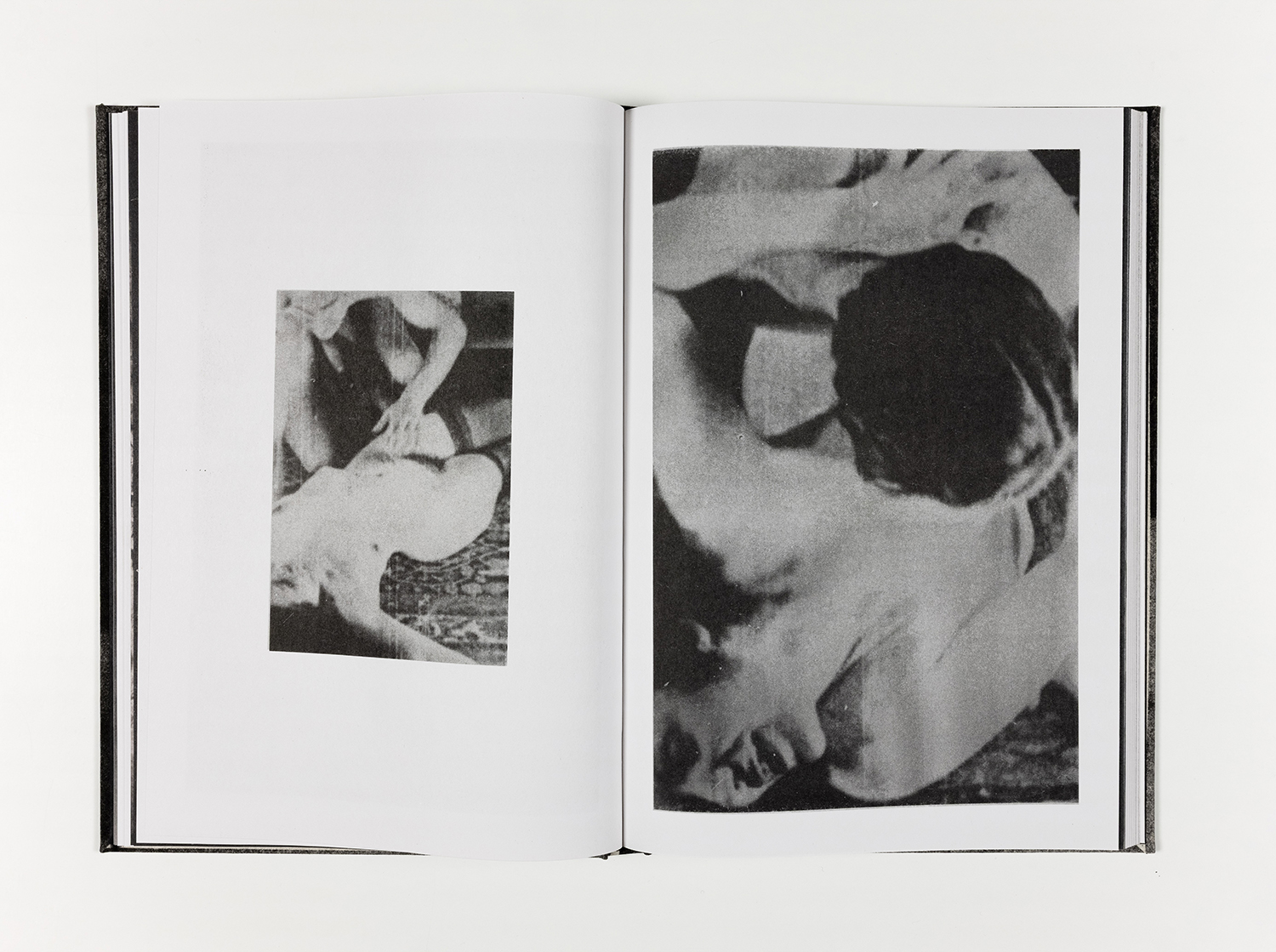
“We don’t analyse what part is pretty, what part we accept, what we don’t. We have quite a huge acceptance of mistakes” – Claudio Pogo
The vampire connection reminded Pogo and Wysocka of Bram Stoker’s Dracula and rereading the book, they were surprised to remember that the narrative unfolds via letters, diary entries, telegrams and newspaper reports. These layers add an evidentiary or even sleuthing air to the gothic horror and they were inspired to take a similar approach. Their resulting book mixes the images from the porn film and shots of The Order of the Dragon history, plus the newspaper cuttings and correspondence sent from Germany. It also includes an incongruously normcore Playboy cover, from an issue which mentions Kuzdrzal-Kicki in an article on Munich’s occult-sex scene. The journalist was later murdered.
To this potent mix Wysocka and Pogo added found photographs from their collection, including material from a quasi-scientific Image Encyclopaedia of Sexuality, published by a Viennese institute for sexuality in the 1950s. “It looks like science, but the book includes some extremely explicit images,” says Wysocka. “There are some really shocking images, lots of violence and darker themes connected to desire. Nothing is censored.”
“But the booklets [showing the 1920s film] also get super explicit,” adds Pogo. “It’s like a parallel universe because, while we know the 1920s were wild, this is ‘Wow!’. At the same time, the narrative of this movie [‘The Boss and His Secretary’], is not far from [pornography] nowadays. It’s still a classic theme.”
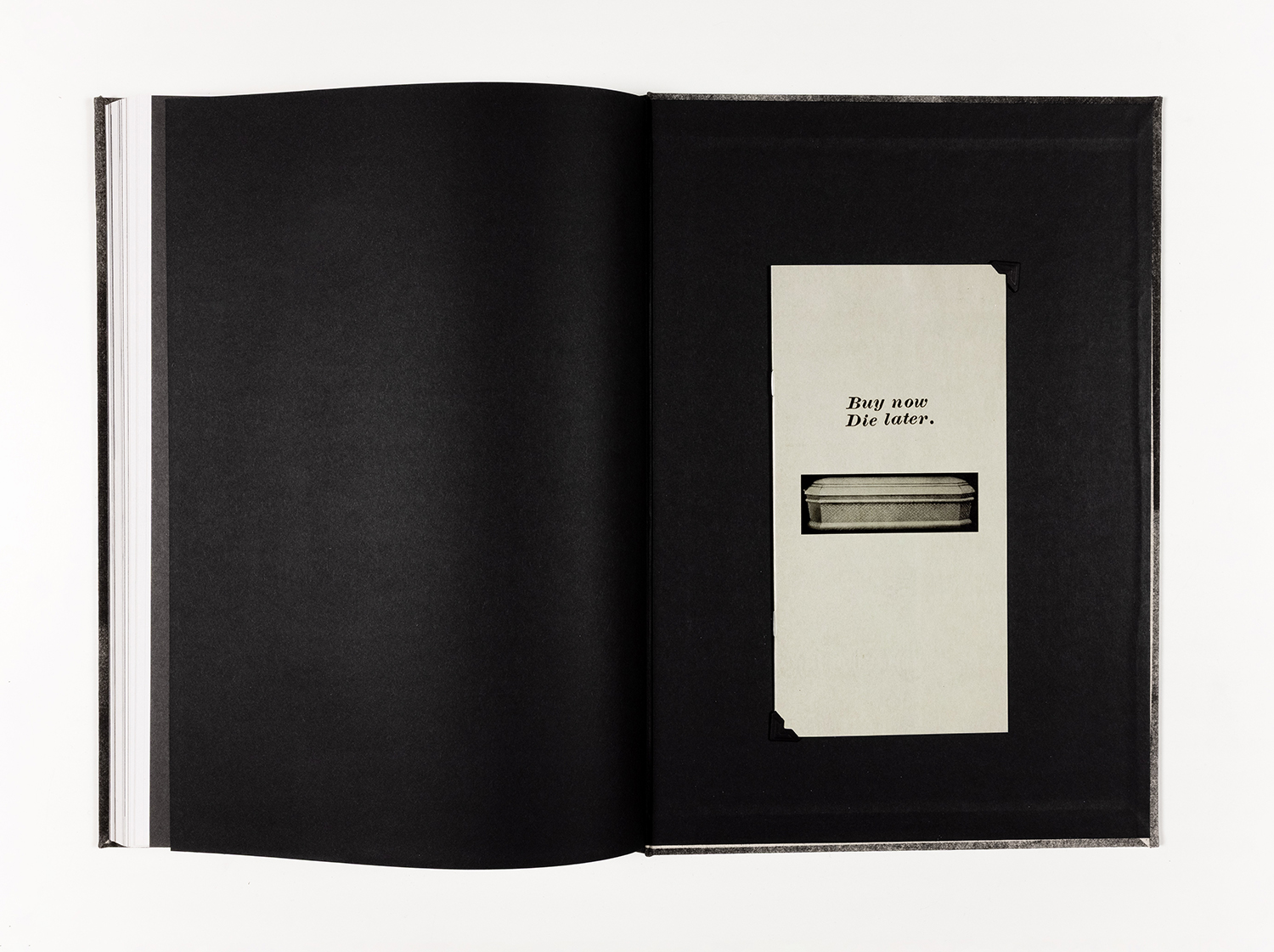
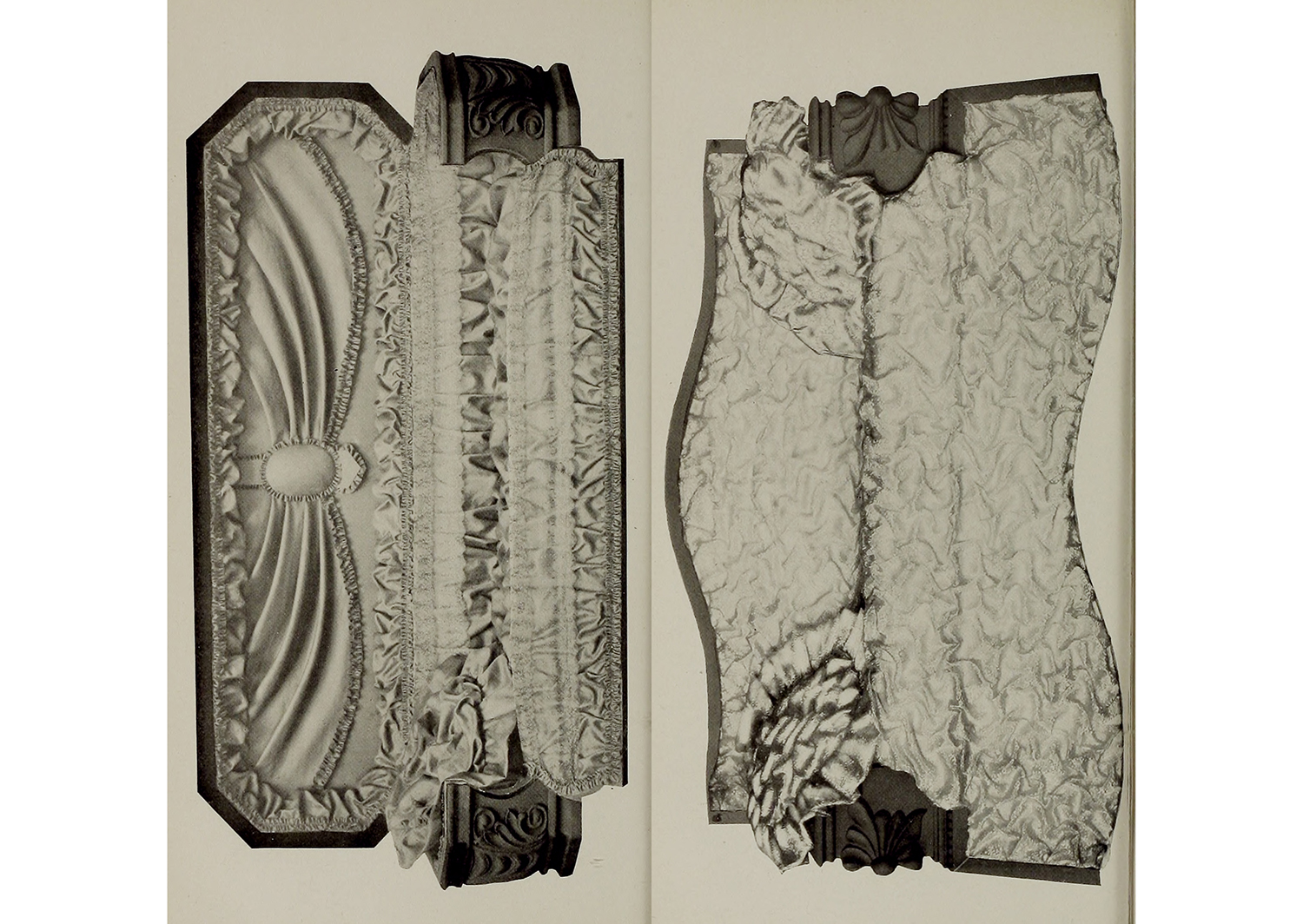
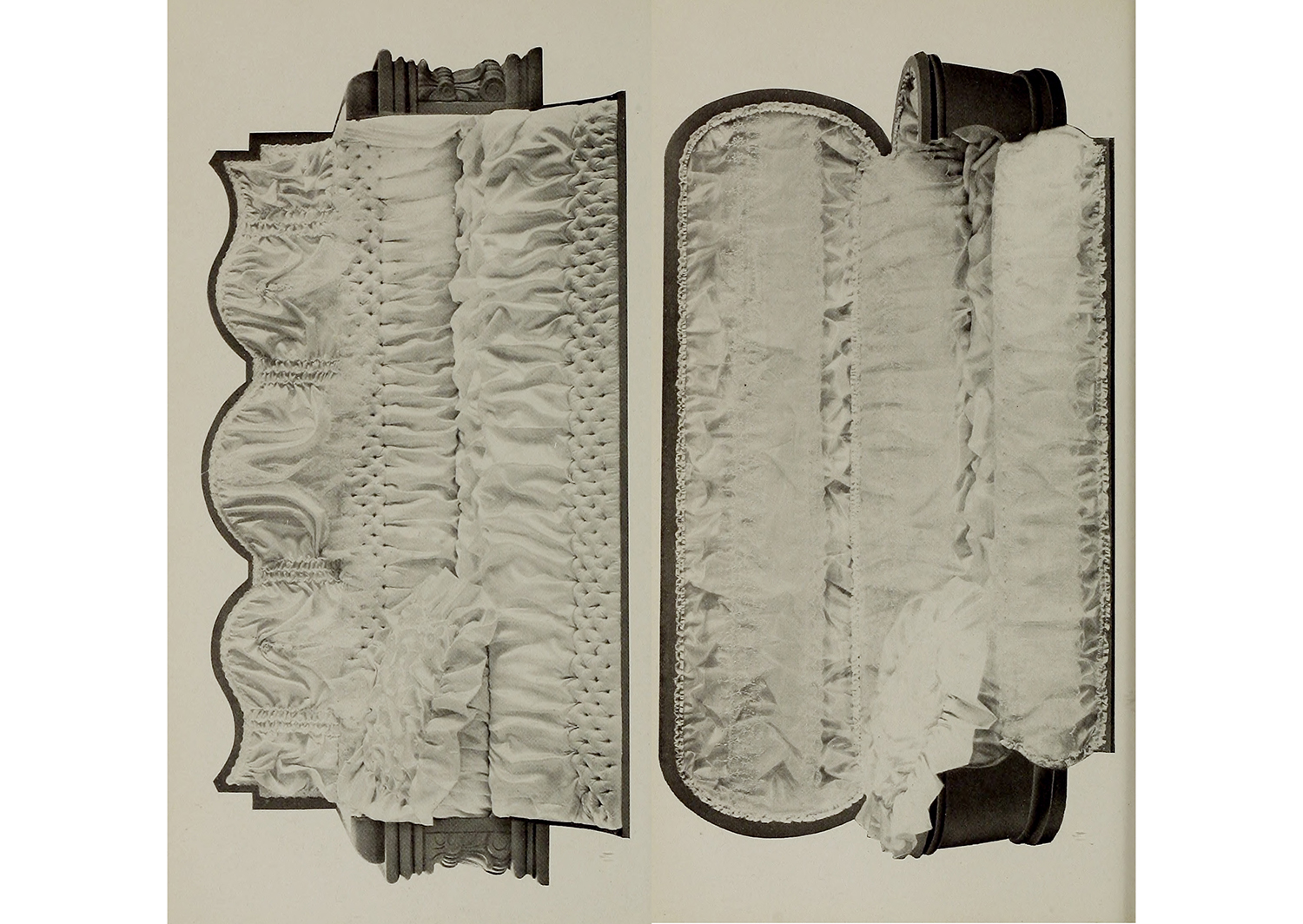
And Then There Was the Night has other images too, including documentation of individuals ritually killed as vampires in Wysocka’s native Poland. Towards the end of the book there are shots of skulls and, in a tragicomic turn, a reproduction of a catalogue of lavish coffins dating back to the 1900s. The pamphlet is titled Buy Now Die Later, an actual 1950s slogan which for Wysocka and Pogo adds an important dash of dark humour; there is humour in everything they do, they say, though they also take it all seriously. But the references to death suggest memento mori too, the idea you must remember that you will die, and therefore embrace life; the conjunction of sex and death intimates vampires, meanwhile, and their erotic undead adventures.
The figure of the vampire both inspired and runs through the book, but Wysocka and Pogo wanted the narrative to evoke rather than tell, and were keen to avoid cartoon-y Halloween Draculas. “It slowly unfolds, it’s obviously about something on a dark side, but it’s not clear,” says Pogo. “Ultimately the way to make something more mysterious and interesting is to not show it. We all learned that from Alien – in the first film you [barely] see the alien, and it’s so scary. We also wanted to almost show our sources, to let others follow as we did.”
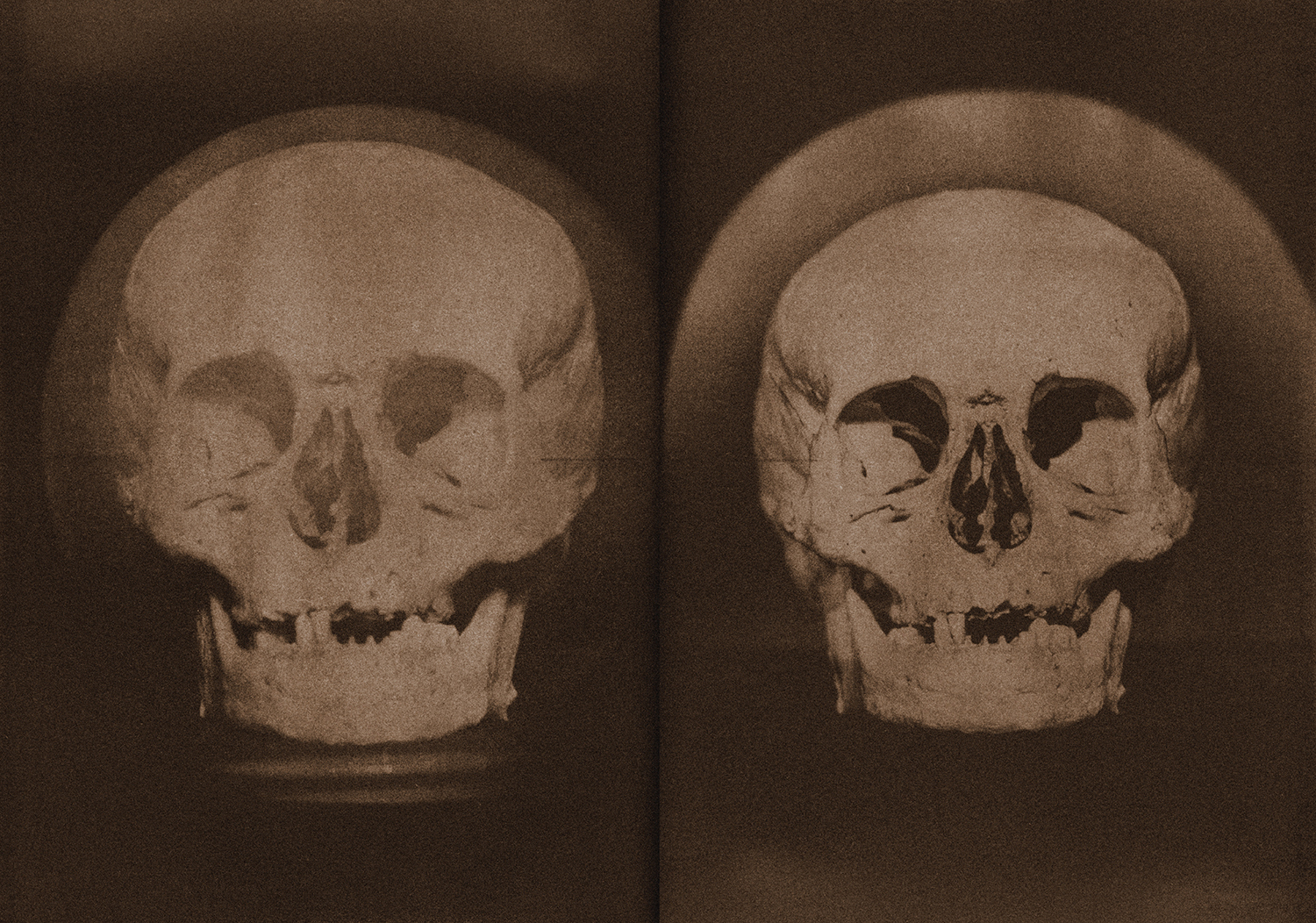
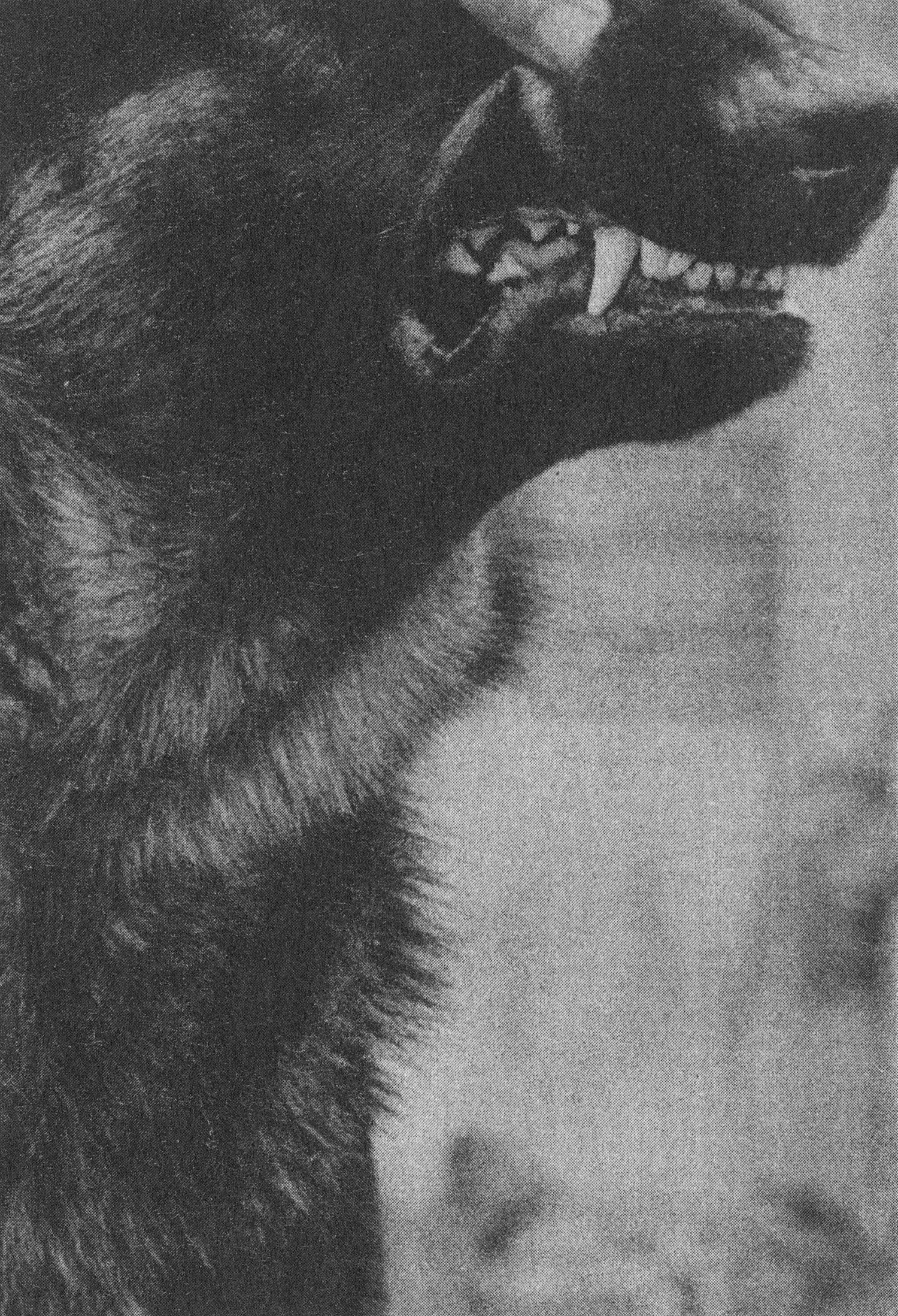
The layering is conveyed through the book design, the images sometimes literally tipped-in over each other; it is tempting to say this offers a sense of discovery, but actually that is just what it resists. As with Bram Stoker’s Dracula, the mounting evidence only uncovers further mystery and similarly, as the title suggests, And Then There Was the Night is a journey into darkness not light. The images are often literally obscure, some shots under- or over-exposed, others displaying heavy dot-matrix patterns, many corroded beyond recognition; Wysocka and Pogo also deliberately further damaged the images.
“Here, myth is resistance: to surveillance culture, to historical sanitisation, to the endless demand for legibility,” reads the precis of the book, written by close friend and Tipi Bookshop founder Andrea Copetti. “In embracing the fragmented, the erotic, the obscure, the artists reclaim a visual space for slowness, for suspicion, for doubt. Where contemporary media insists on immediacy and exposure, this work luxuriates in concealment. Darkness is not absence here, but potential – the site where new, untameable narratives form. The night becomes a kind of radical archive: not to preserve, but to transform; not to show, but to suggest.”
Wysocka and Pogo also chose extremely light-sensitive paper for the book – it will start bleaching almost immediately in the sun, they say, like a vampire that needs to stay in the shade. They also printed the images with a risograph, always their favoured approach, but particularly apt in this case. “Risograph is quite a rough machine but we embrace that instead of fighting against it,” explains Pogo. “We don’t analyse what part is pretty, what part we accept, what we don’t. We have quite a huge acceptance of mistakes.”
The risograph inks will rub off on readers’ hands meaning they will leave grubby fingerprints on the book, both ‘dirty’ and hinting at the judiciary. And Then There Was the Night is a physical experience, involving smell, touch as well as sight, and reading it suggests an embodied, and even emotional, response, like feeling one’s way in the dark – or like sex or pain. The physical sensation of reading books intrigues Wysocka and Pogo, though Pogo laughs he is sometimes “grossed out” by the intimate aspect of porn magazines when he is browsing old second-hand copies. It is funny, but then it is also serious, both porn and horror testing the distanced, dispassionate view which underlies photography, or polite society, or perhaps even rationality. Wysocka and Pogo operate as Outer Space Press, but here they are working with something close.
And Then There Was the Night is part of their wider interest in the untold or ignored, the subversive or unacceptable; as they point out, pornography is a huge area of photography, but it is written out of respectable narratives. They find nude photographs in contemporary photobooks “extremely safe and boring”, for example, and add that our view of history is similarly sanitised. “Pornography was always there!” Pogo laughs. “It went through all the mediums, from prints to magazines to 16mm to VHS to DVD to online.”
“Whenever technologies change, sex is the first thing that adapts,” adds Wysocka. “So now with AI, suddenly it’s also like, ‘OK, how can we use it for porn?’ People forget that technology is often actually selling sex – we forget how big that was to the internet, and now to VR as well.”
Wysocka and Pogo have worked with similar material before, for example in their Dead Pages series; publication Dead Pages no.2 ero records a collection of flyers for mail-order erotic books and magazines, neatly hole-punched and secured in a folder. Wysocka and Pogo found the collection in a flea market and were intrigued by both its neat sense of order, and the fact it documents covert, underground distribution. In 2023 Wysocka also published an Outer Space Press book titled Dirty, though here the title is tongue-in-cheek. Rather than smutty content, it shows images from a late-19th century archive, damaged over time and therefore labelled ‘schmutzig’ by the AI software platform Clarifai.
In fact the images in Dirty showed nature and landscapes, at a time of rapid industrialisation (and pollution) and scientific discovery; Wysocka and Pogo are often drawn to scientific photographs, they say, which they find similar to porn in that they do not aim for beauty. “The word ‘art’ is not really in the room,” says Pogo. “This photography comes from somewhere else. It’s photography with a purpose, that no one saw as beautiful because it had that purpose. But we pick the stuff that is visually stimulating and say, ‘You’ve been something else before, but now you’re art’.”
And whatever the images they chose, Wysocka and Pogo are free to do what they want. Making their publications by hand, they distribute via book fairs and a network of fans; they have built this network up over nearly a decade, so it is composed of people who like what they do. In this, they point out, they are not so different to the erotic mail-order publishers, or the occult specialist who told them about Kuzdrzal-Kicki. “There is no one to tell us, ‘If you put this image in, you can’t sell 2000 copies’,” says Pogo. “That’s not interesting to us. We will never limit ourselves.”