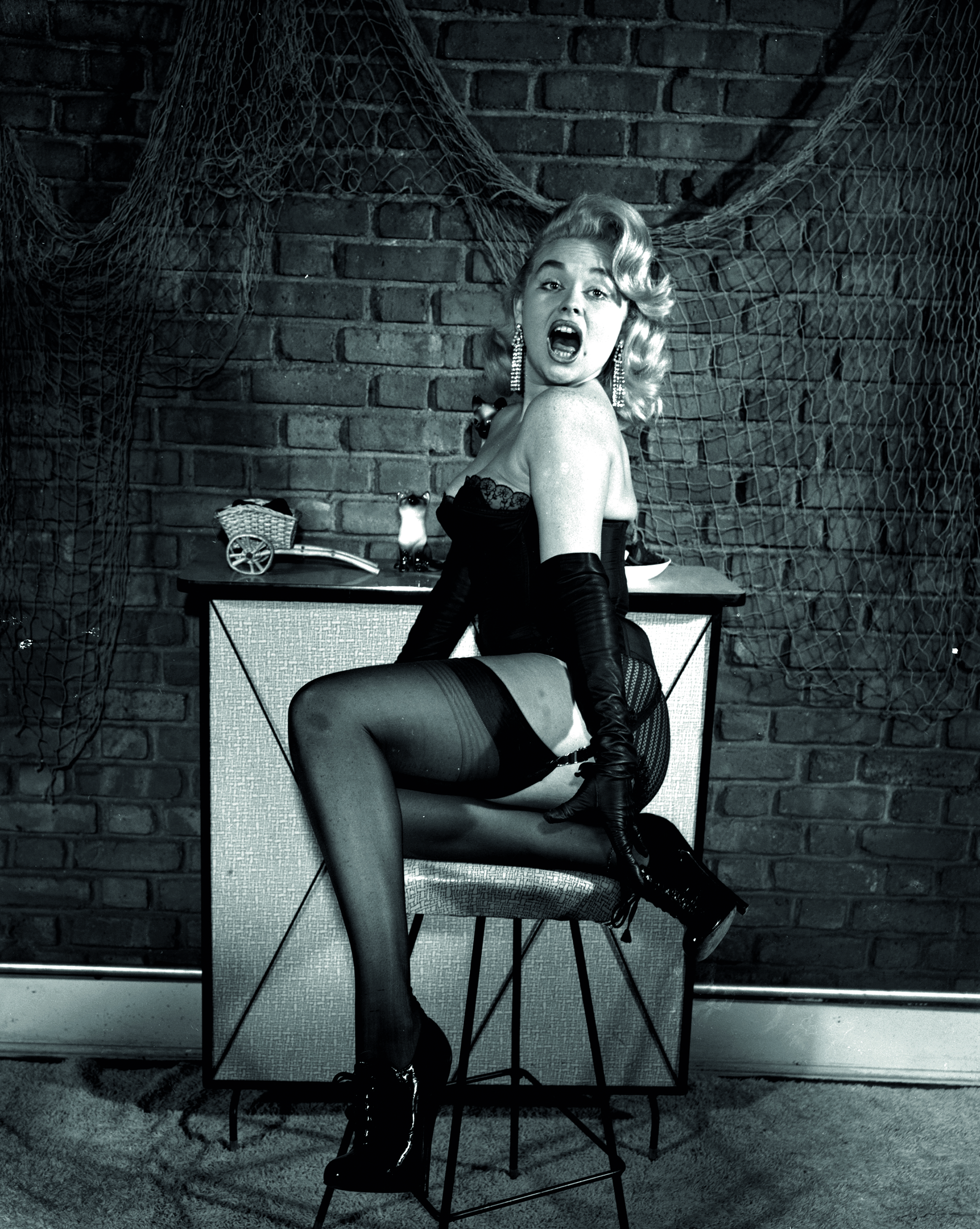


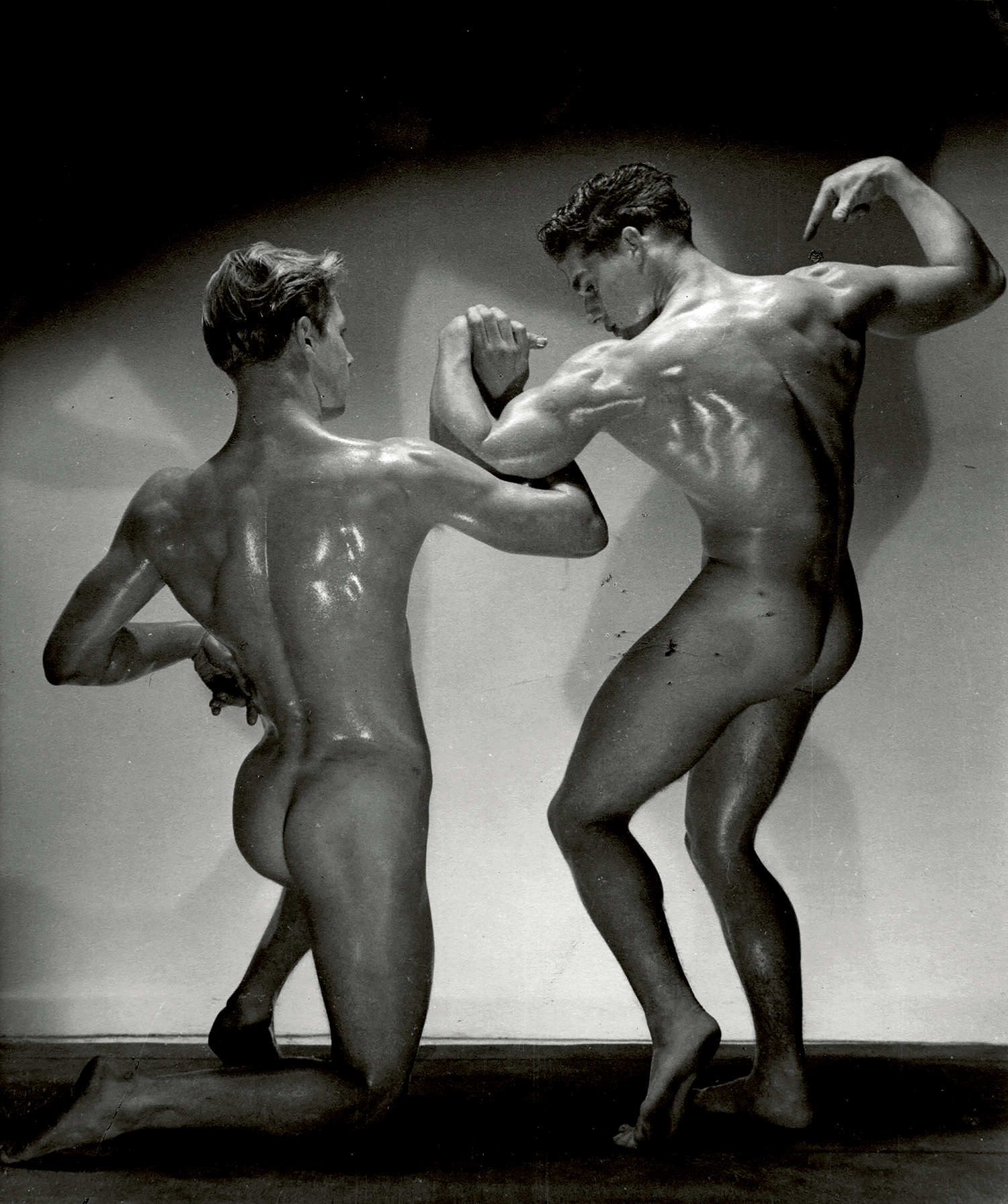
Example of physique photography in the Bishopsgate Institute archive
Photography historian Annebella Pollen consults Stefan Dickers and the queer collections of Bishopsgate Institute, an archive in which all predilections are welcome
“Watch out,” archivist Stefan Dickers remarks, as we manoeuvre our way around a Victorian library, past piles of papers awaiting processing. “There are willies on the table.”
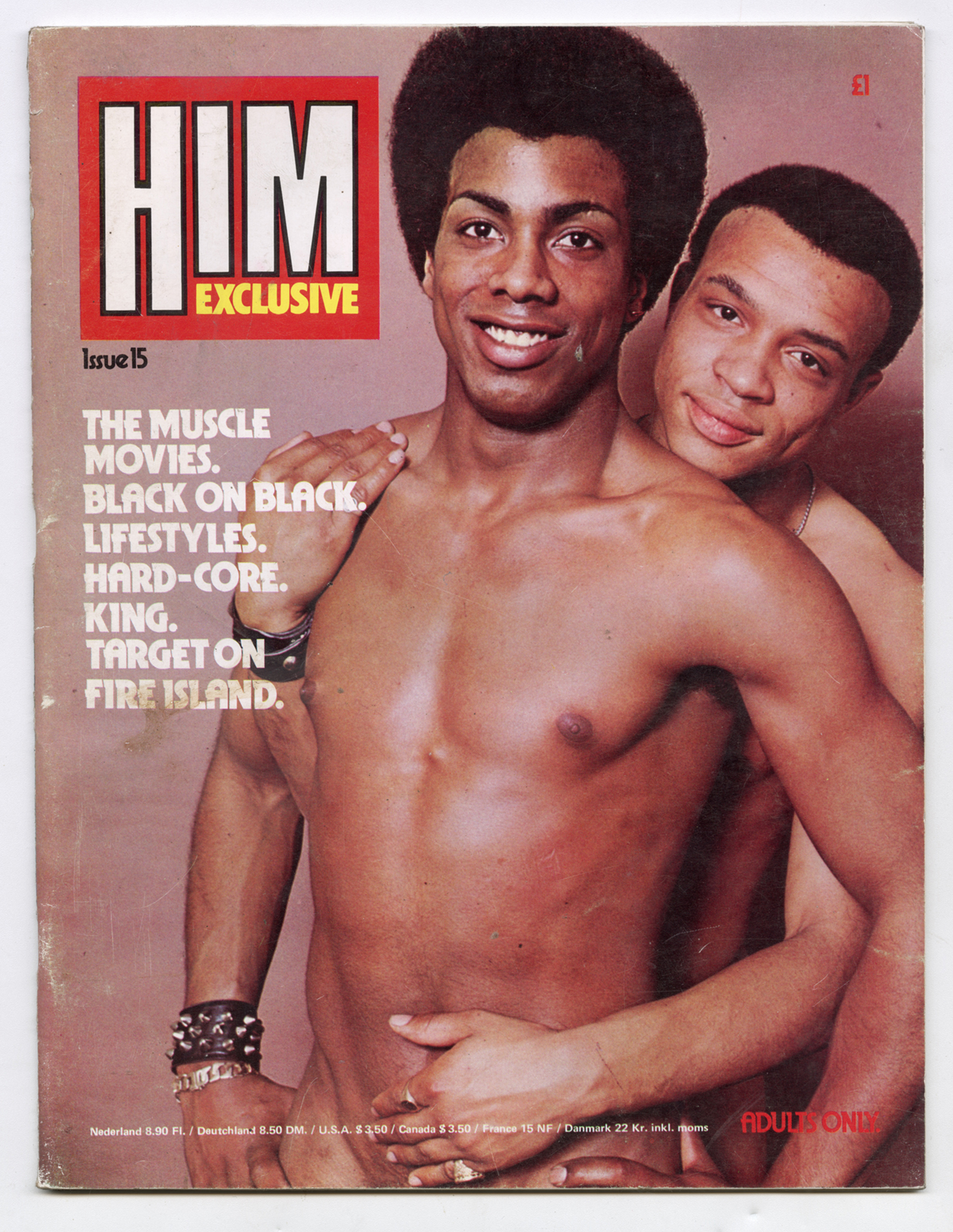
The body parts in question are among a sprawling new deposit of materials relating to Operation Spanner, the 1987–1990 police investigation into same-sex male sadomasochism which tested the legal limits of sexual consent. Specifically, amid this abundant paperwork, the willies are on show in a pile of gay porn magazines from the 1980s. We leaf through lavishly illustrated copies of Him, each issue bursting with colour photographs of smooth and muscular naked men, posing in an imaginative variety of sexual positions. Incongruously, they all have flaccid penises. The magazines had to toe the line on obscenity law to stay in business.
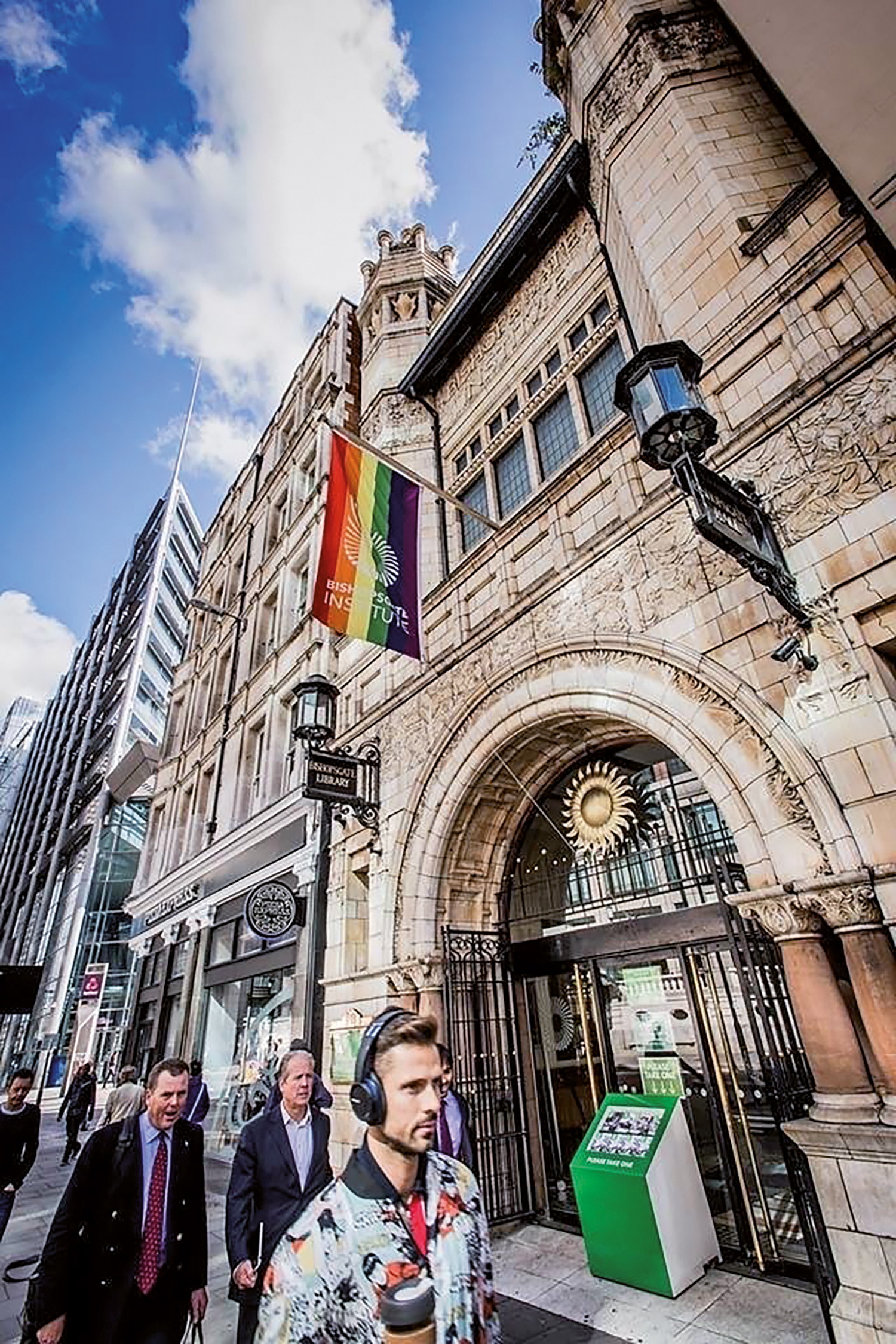
Much of the material Dickers rates shows rather less restraint. A self-confessed pervert as well as an experienced archivist, Dickers has spent 20 years at Bishopsgate Institute, near Liverpool Street station in London, transforming it from a long-standing repository, mostly known only to historians interested in London life, to what it is today – an international magnet for the collection and preservation of records of queer sexual pleasures and related LGBTQIA+ community engagement.
Especially since 2016, when Dickers launched the kink collections, the institute’s archive has shifted radically. In reflection of its holdings, the reading room is now festooned with multicoloured Pride flags and mirrored mannequins; researchers consult their files alongside nightclub remnants, including a human-shaped iron gibbet cage from former east London leather bar, The Backstreet.
“I’m not poring over photographs considering their ‘compositional merit’… I’m interested in the social history of the photograph – what tropes it shows, what ideals, what communities and what practices” – Stefan Dickers
The success of his experiment is backed up by numbers, with thousands of visitors flocking to consult the LGBTQIA+ material each year. One in-person event, Kink in the Archives, sold 500 tickets in just two hours. “Every day, people come to browse material who have never previously entered an archive,” says Dickers. “Every day, people bring objects to deposit that otherwise wouldn’t find a willing home.” I see this in action soon after we discuss it. A man in his sixties bends the ear of the staff about his life as he draws ring binders from a plastic bag.
Dickers is dressed all in black. He wears a tweed flat cap and an enduring mischievous twinkle in his eye. This is a man who loves his job and can speak endlessly and passionately about his mission. Quick to laugh, he has an amusing Les Dawson-like habit of dramatically whispering when mentioning “unmentionables”. Unsurprisingly, given the nature of his interests, unmentionables frequently take conversational centre stage.
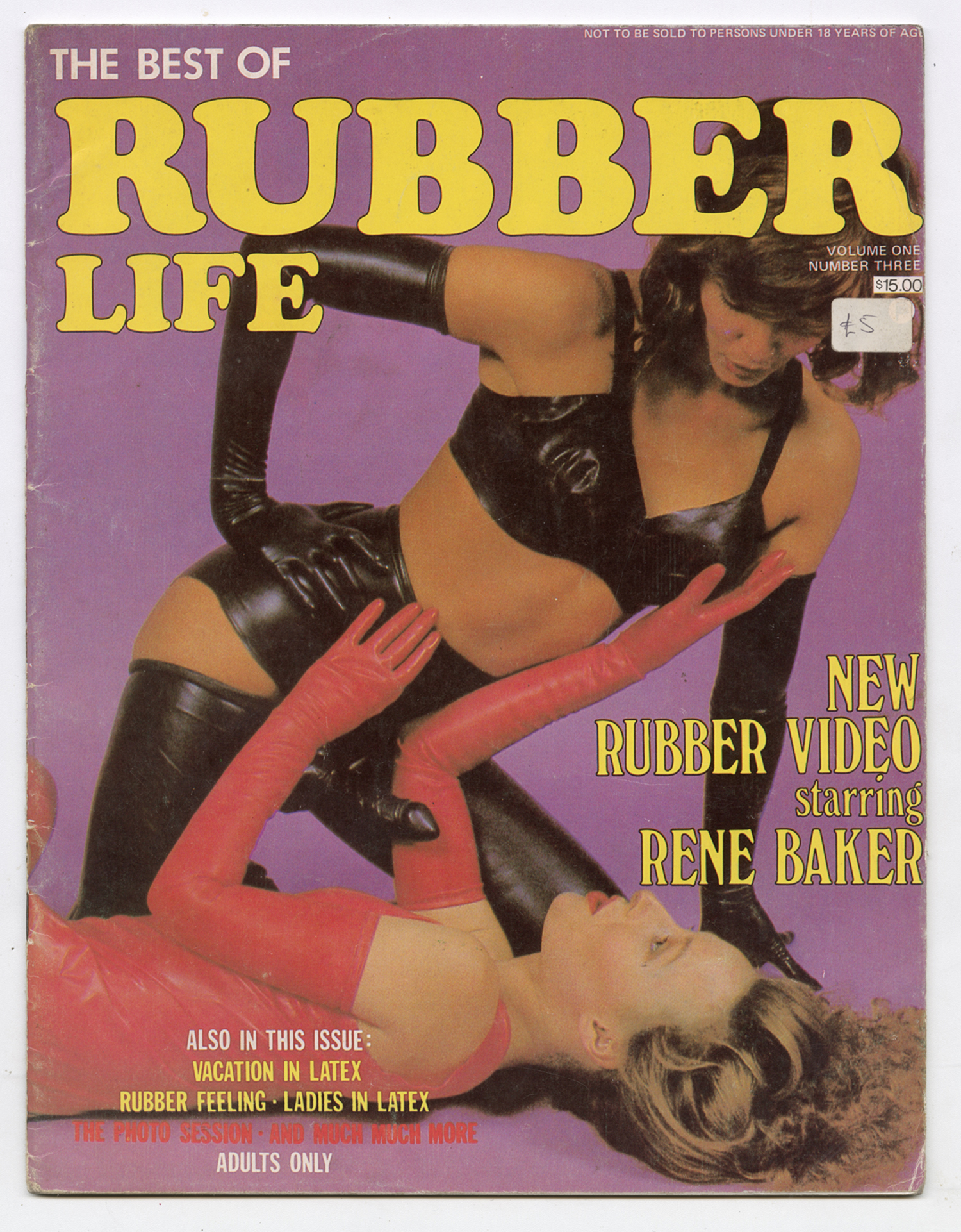
“Help yourself to any items on the trolley,” he says encouragingly as I eye a stash of 1980s magazines, selected to provide a mixed taster for those unsure where to begin, with 14 storerooms crammed with leather harnesses, latex boots, scholarly tomes, how-to manuals and photographs. I peruse copies of Rubber Lovers: A Profusion of Rubber Delights; Rubber Quarterly (International Edition) and The Best of Rubber Life. These contain, as might be expected, photograph after photograph of young female models wearing skin-tight scanty garments – and, perhaps more surprisingly, portrayals of practical rainwear, perfectly suited to the wet day of my visit.
“Every archive is a reflection of its archivist,” states Dickers, certain that his predilections inform what he collects. But he is also adamant that the Bishopsgate archive is for everyone (as long as they are over 18). The new collections attract new kinds of engagement, even empowerment, and the visual material is an important part of this. “The depiction of sexuality became more visually arresting and spectacular from the 1970s on,” Dickers says, “especially in pornographic magazines.”
Older producers and collectors of print periodicals are passing away or passing them on, and younger generations are intrigued. The illustrated magazine is unfamiliar to those in their twenties, as the contemporary medium for such content is almost solely digital. Like the revival of interest in vinyl records and VHS cassettes among those too young to remember their mundane ubiquity, these visitors are fascinated by the laborious rigmarole required to access the sexual culture of the recent past, its network of cult publications and its clandestine distribution hubs.
“I’ve been privileged to create an archive from scratch,” Dickers says. Most archivists do not have the resources to do this, but he has both vision and budget. Bishopsgate Institute is relatively well-off, with endowments established by the Christian Church dating back 500 years. Those founding finances now support different kinds of devotion, and visitors come not only to discover the past, but to make new culture with it. “We have young activists coming to create new campaigns inspired by earlier examples. Tattoo artists come to revive historic designs. Young queer people can see that they’ve always been here; there were people like them long before them,” says Dickers.
Photography, to Dickers, is not interesting for aesthetic reasons. “I’m not poring over photographs considering their ‘compositional merit’,” he says, adopting the tones of a patrician art historian. “Neither am I interested in analysing it academically for the semiotics of the image. I’m interested in the social history of the photograph – what tropes it shows, what ideals, what communities and what practices.”
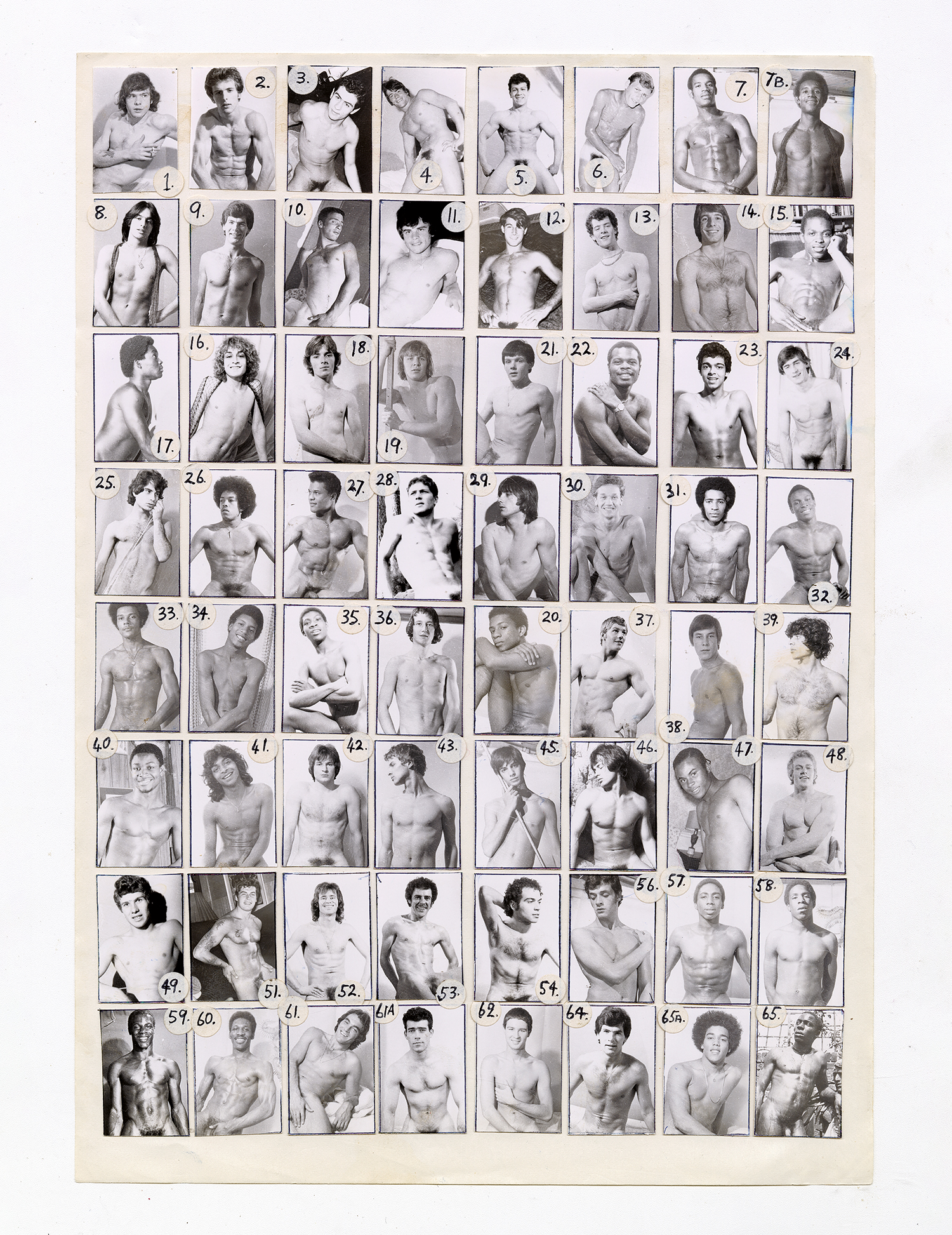
Bishopsgate Institute holds photographic prints as well as magazines, and explicit queer images come to it from all directions. Sometimes the origins are surprising – as in the case of two amateur albums, including the most graphic gay male photographs Dickers had ever seen. The albums had been compiled by the relatives of a donor, and the images were shot in domestic living rooms of the 1940s. “That’s more important to me than photographs by famous people,” Dickers explains, “although we have that too.”
Commercial markets are expanding for famous queer photographers’ work, so Dickers is touched when it is freely donated. The growing attention given to this kind of material – as seen in The Photographers’ Gallery 2023 show A Hard Man is Good to Find!, curated by Alistair O’Neill – has brought major prominence to its leading producers. “There’s now a huge collector market for some of these photographers, such as John S Barrington and Cain of London,” says Dickers. “Physique photography goes for a lot of money now, hundreds of pounds a print.”
Dickers always understood the historic value of photography. Starting his role at Bishopsgate in 2005, he could see the local area evolving fast, as the East End gentrified and new buildings replaced the old. “From about 2006, every six months for about three years, I made the archive assistants take photographs of the surrounding area,” he says. “It was a period of rapid change in London, and we mapped that. That is already a valuable document of transformation.”
These days Dickers dedicates more time to caring for other people’s photographs than creating his own, and he admits that Bishopsgate “has become more of a photography archive than I ever intended”. The institute has developed a reputation for photography, which is partly self-perpetuating. If one photographer places their archive, word quickly spreads to others seeking homes for their work. But also, importantly, the copyright remains with the photographers. “We don’t make any money when the images are used,” says Dickers.
Not all of the photography archives relate to kink or the LGBTQIA+ community, with Bishopsgate aiming to document both everyday life and those who have campaigned for social, political and cultural change. Format, the radical female photographic agency, which ran from 1983 to 2003, stores its archival prints at Bishopsgate, for example, ensuring the photographs are safe but retaining reproduction fees. Format’s work was recently exhibited at Tate Britain, in the exhibition Women in Revolt: Art and Activism in the UK 1970–1990.
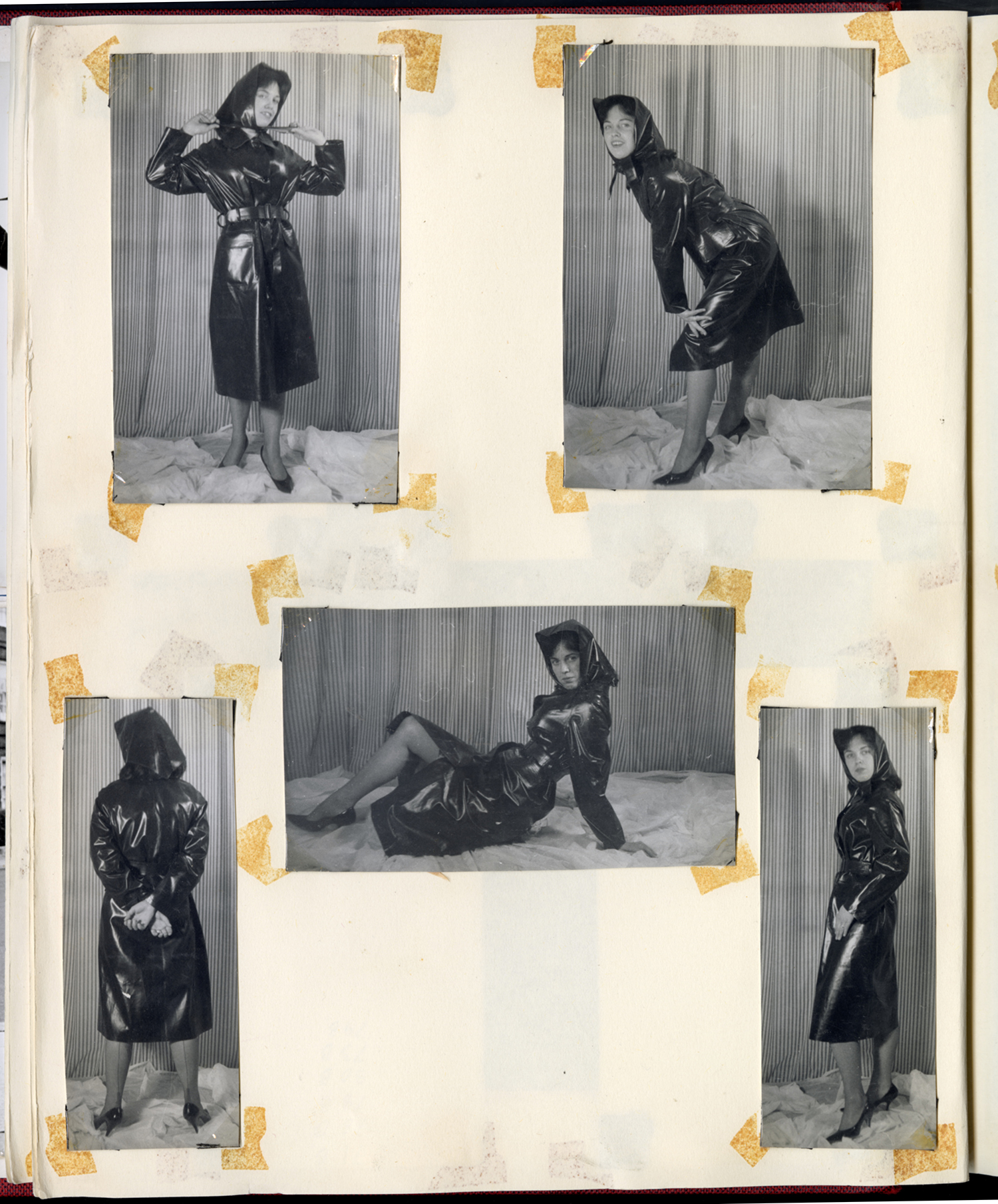
As we roll back the racks of endless publications – Swish for spanking; Forced Womanhood for bondage – my eyes alight on a set of scrapbooks with covers familiar from my childhood. These versions have very different content to my compilations of birthday cards and pictures snipped from comics. They represent the private trove of an elderly former member of the Conservative Party although, in a donation brokered by the rubber fetishists of the Mackintosh Society, the collector’s name was never revealed to Dickers. He was merely dubbed Codename Adam.
The dozen or so scrapbooks comprehensively document any image of a woman dressed in rubber or plastic from around 1960 to 2000, many of which have come from mainstream sources, such as mail-order clothes catalogues and tabloid newspapers. Some subject matter seems wholly unerotic, such as sou’wester hats and knee-length waterproofs. The scrapbooks’ insistent singularity and meticulousness is impressive; they are simultaneously boring and fascinating.
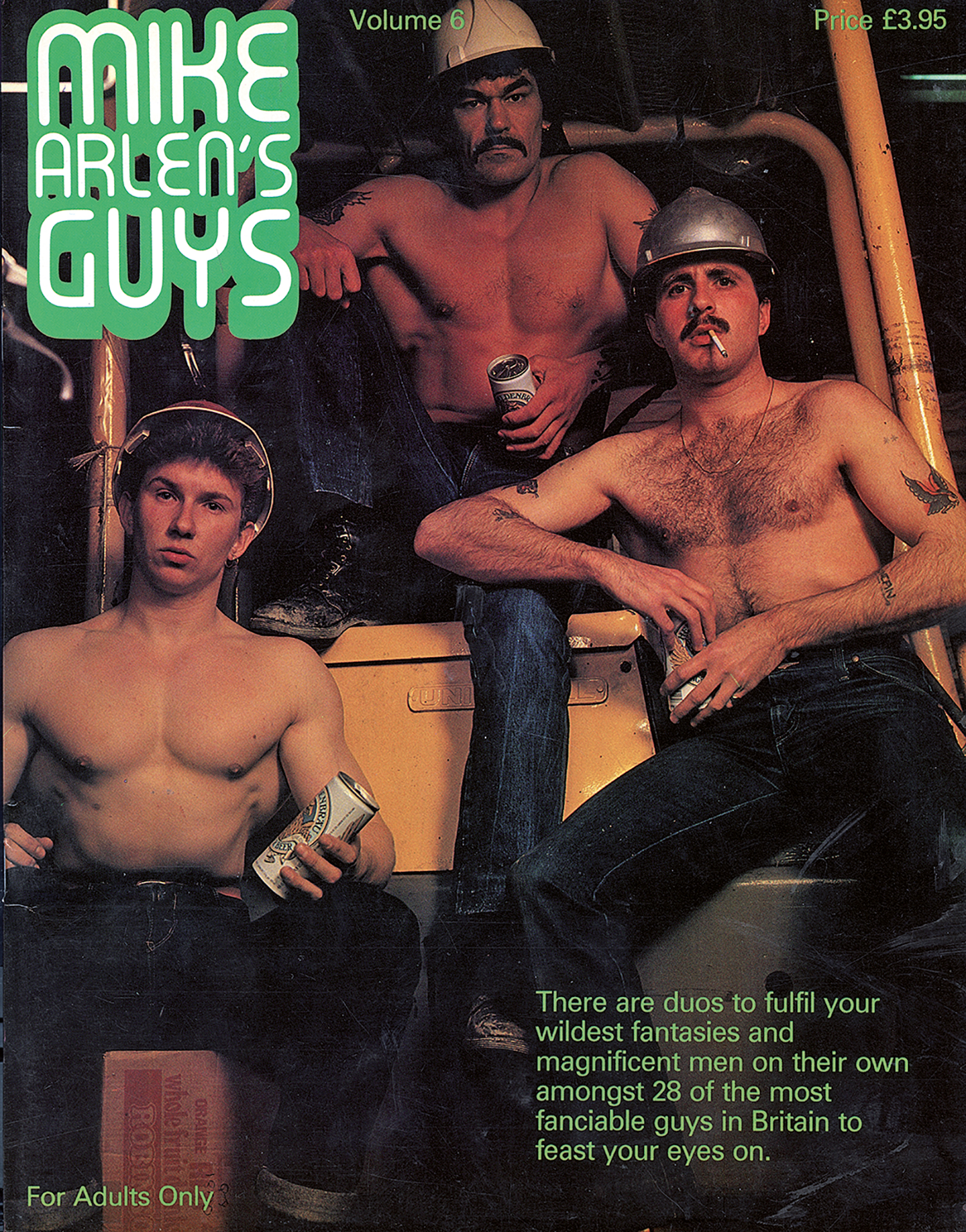
And therein lies a paradox about material designed for sexual stimulation because, when there are 14 storerooms full of it, excitement can turn to tedium. I view a collection of Mike Arlen photographs of beautiful young men with huge spurting cocks, but they blur into visual noise because of their sheer number. My eyes drift to the patterned carpets and wallpaper of their domestic environments. Historic pornography, I note, frequently features an antiquated television in the background. I marvel at the curiosity of socks and shoes, the only items of clothing left on. Dickers has heard this observation before; it is a professional condition. “Colleagues get anaesthetised to the penis,” he says.
Dickers cannot be accused of ennui, however. A passionate advocate of archives, he is inspiring a new generation to take up a profession they might not otherwise have known or been enthused by. “When I grew up, I couldn’t see this kind of stuff recorded anywhere,” he tells me. “Consequently, I couldn’t see myself. So I feel I want to pull it together for a new generation.”
Importantly, the archive is not only dedicated to preserving old material: “We also put out calls for contemporary photographers and content creators.” Kinky contemporary performers can deposit their photographs in the archives, and they do so with enthusiasm from all around the world. What are the limits? “Very few,” says Dickers. “We don’t judge aesthetically. We don’t restrict how much photographers can donate. They might select their best five prints, or they might submit 20,000 digital files.”
With permissive attitudes to archival content, Dickers and his team are similarly easy-going about welcoming visitors. No appointment is needed; just wander in. “The archive has been queered, not only in terms of sexuality, but also in terms of form,” says Dickers. “We recently accepted 250,000 bondage photographs generated by the US-based Centurian publishing company, established in 1969. We take vinyl records, we take gas masks, we even take human tissue,” he notes, signalling the remnants of gender-affirming top surgery.
As I depart, the final shelves are stocked with Boyz magazine, a free London paper packed with pin-up photographs and pick-up ads, typically collected by gay London clubbers at the end of a night out. Published from 1991 to 2024, it is now clothbound into blue library volumes, with gold-tooled titles and dates on the spines. The magazine’s position in the archive formalises the informal. It demonstrates, materially, that the ephemeral visual culture of passing sexual pleasures is as worthy of record as the most traditionally consecrated historical scripts.