

“Folkestone is a hidden gem – inspiring, by the sea, relatively affordable, and only an hour…
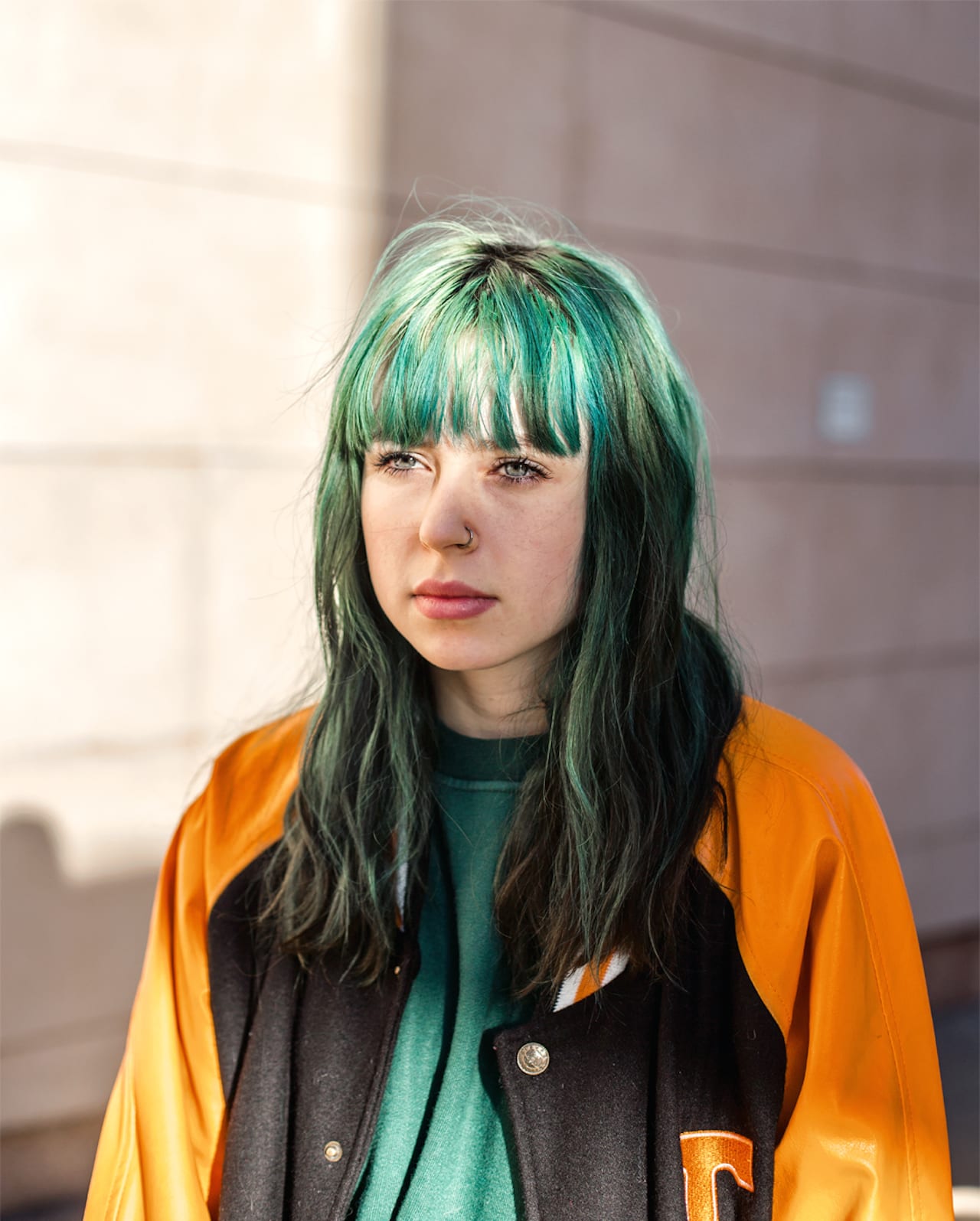
“Folkestone is a hidden gem – inspiring, by the sea, relatively affordable, and only an hour…
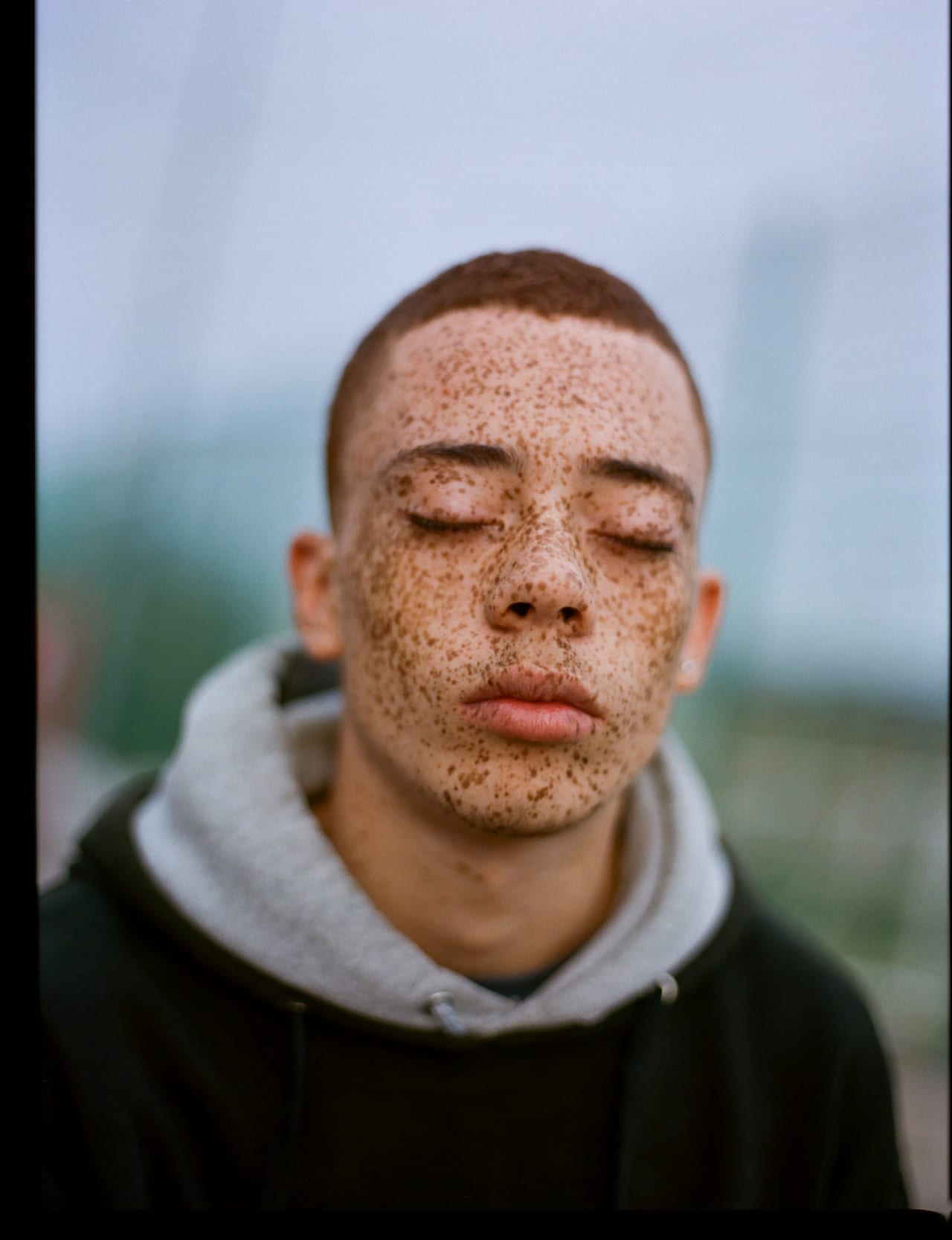
London-based photographer Rosie Matheson has worked on a number of editorial projects for clients such…
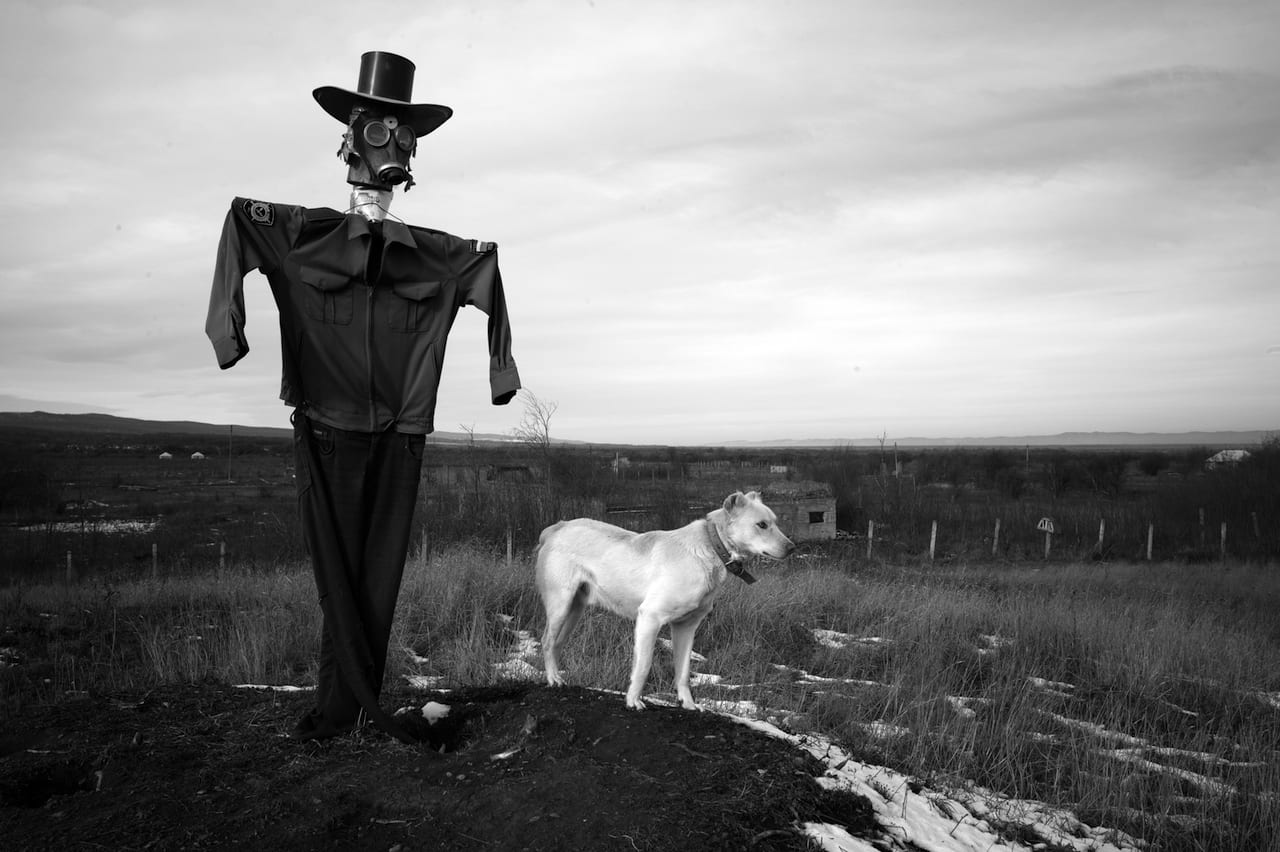
“The end of war does not mean peace,” says Sara Terry, founder of The Aftermath Project. “Every story of war includes a chapter that almost always goes untold – the story of the aftermath, which day by day becomes the prologue of the future.” It was in September 2000 that Terry decided to go to Bosnia. Six weeks earlier she had come across a story reporting on so-called ‘Bosnia fatigue’, the factor that meant that, five years after the end of the Bosnian War, the reporters were long gone and the international aid agencies were shipping out. Frustrated by the idea that people could forget what had happened, Terry felt compelled “to capture the images that are the all-too-often forgotten companions of the vivid pictures of war itself.” Terry had started out as a print reporter but went on to produce formative photographic work in Bosnia, which she published as Aftermath: Bosnia’s Long Road to Peace. The experience also led her to set up The Aftermath Project in 2003, with the aim of telling post-conflict stories from around the world and throughout time.
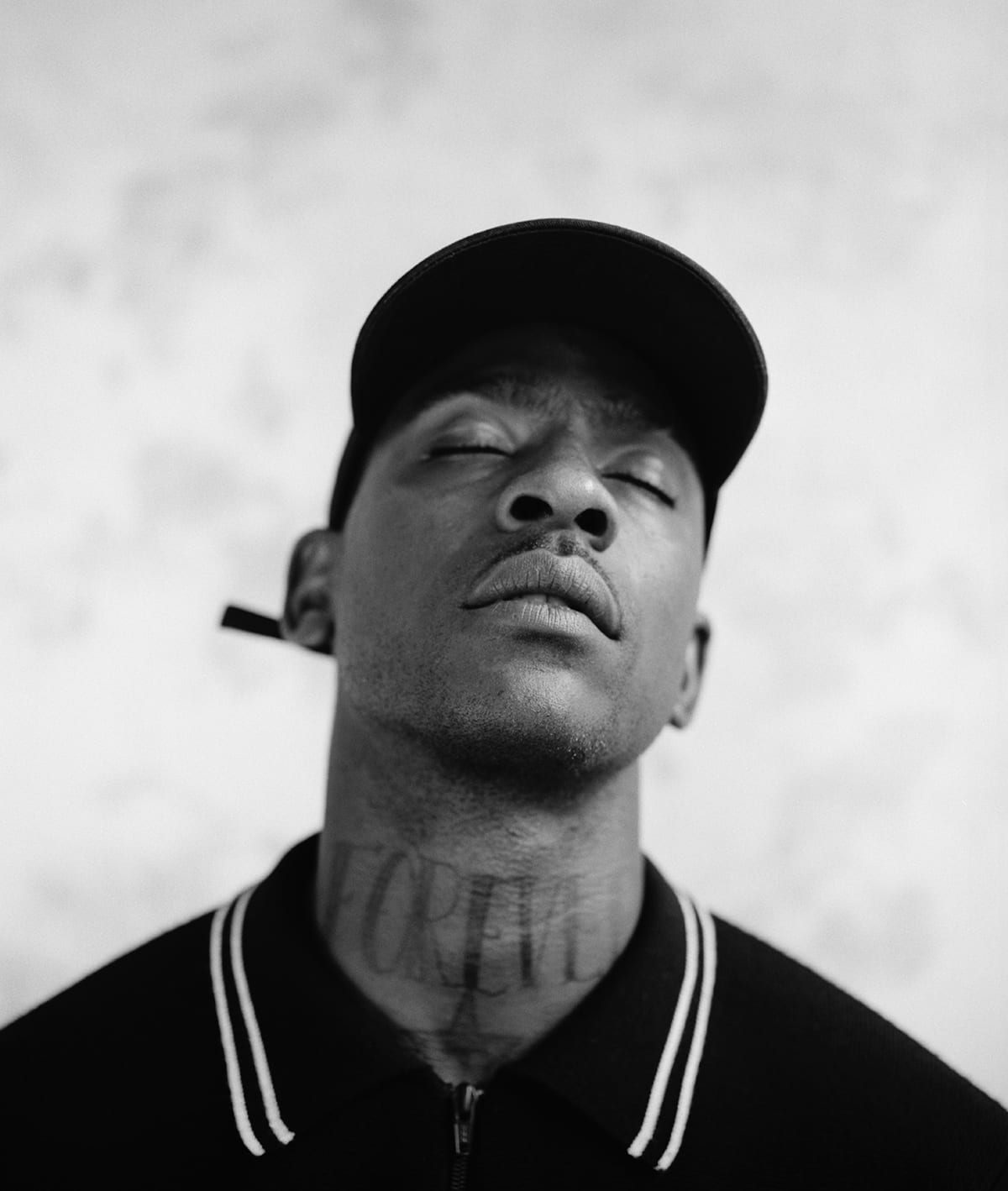
View our gallery of last year’s winning portraits for inspiration here. BJP welcomes entries for…
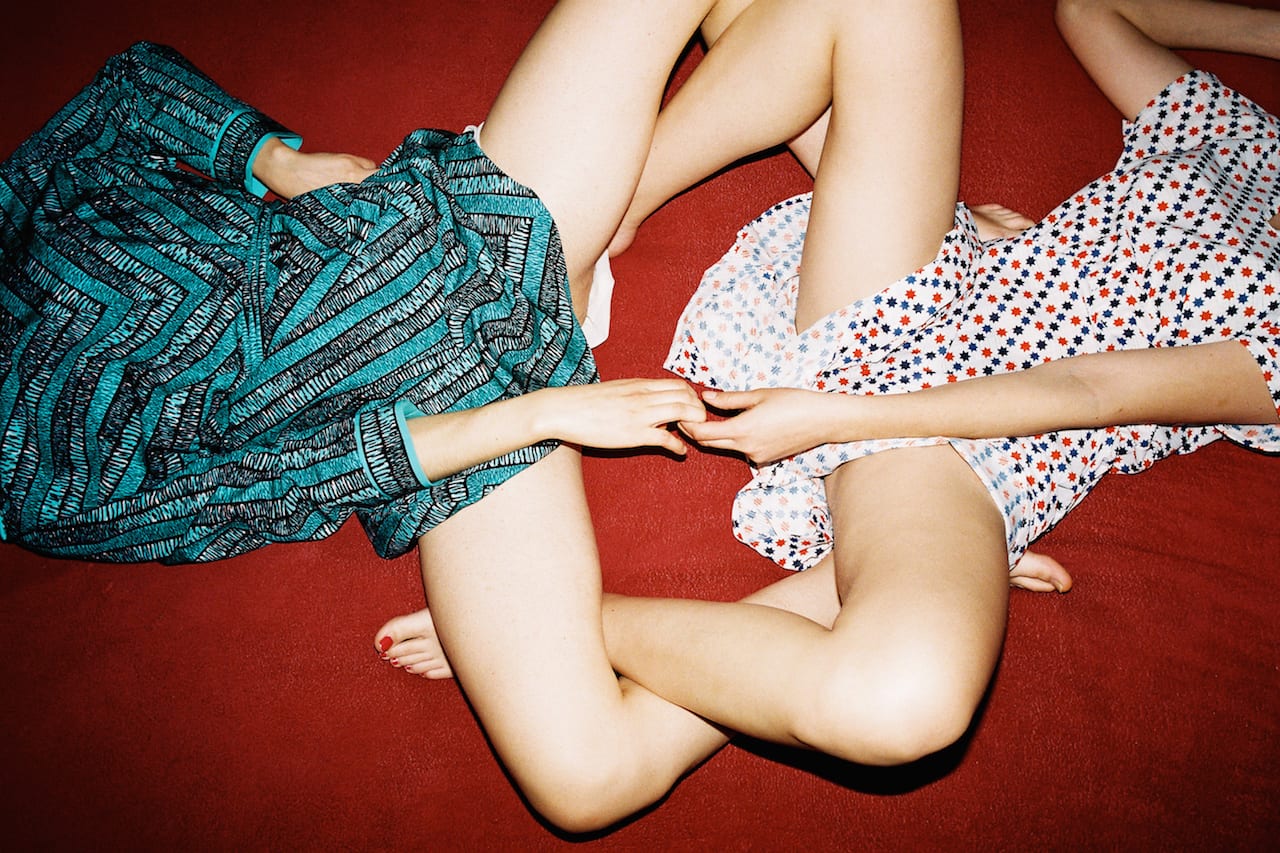
“It is a very progressive, very independent festival. It’s not part of the city’s art establishment. It’s dynamic, because the organisers are working way out on a limb,” says Susan Bright, ‘godmother’ of the Circulation(s) festival of young European photography, which takes place in Paris from 17 March-06 May
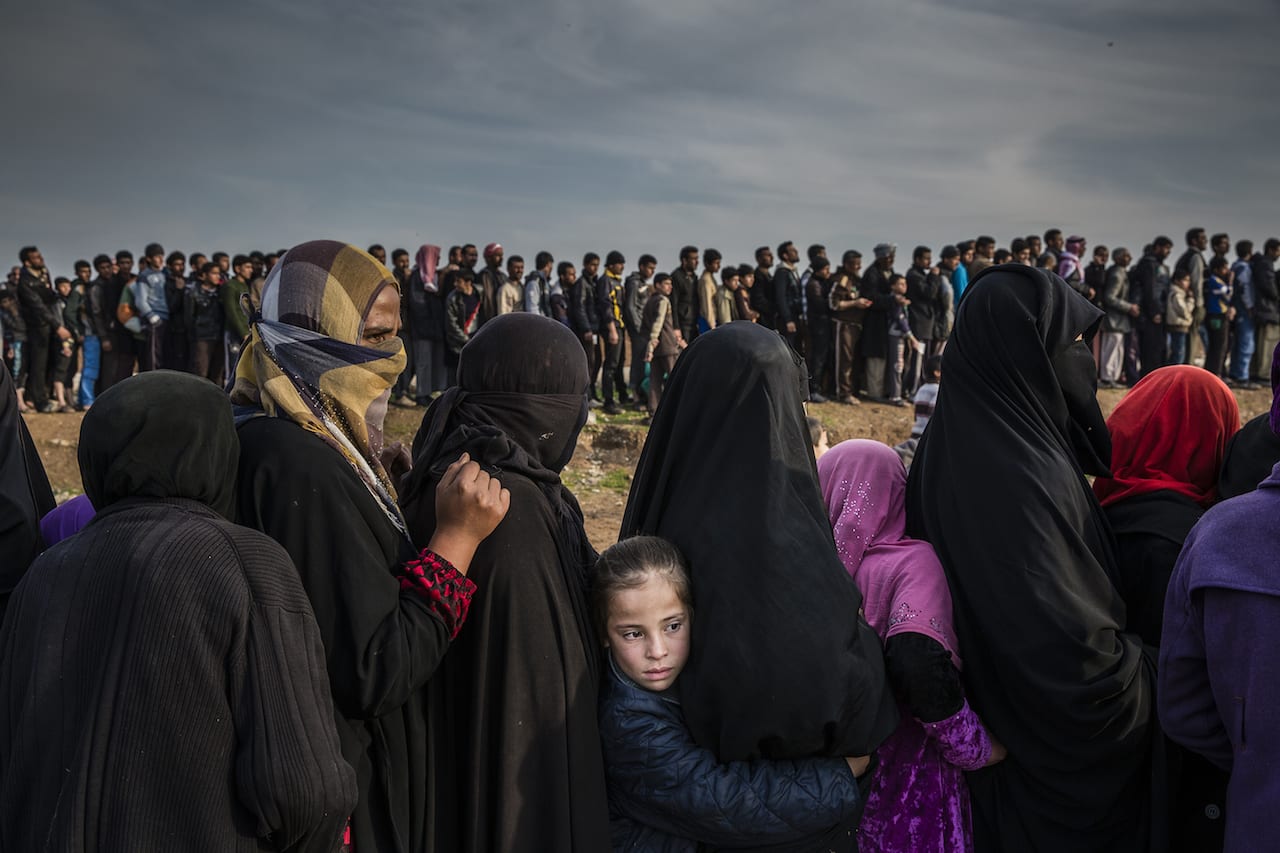
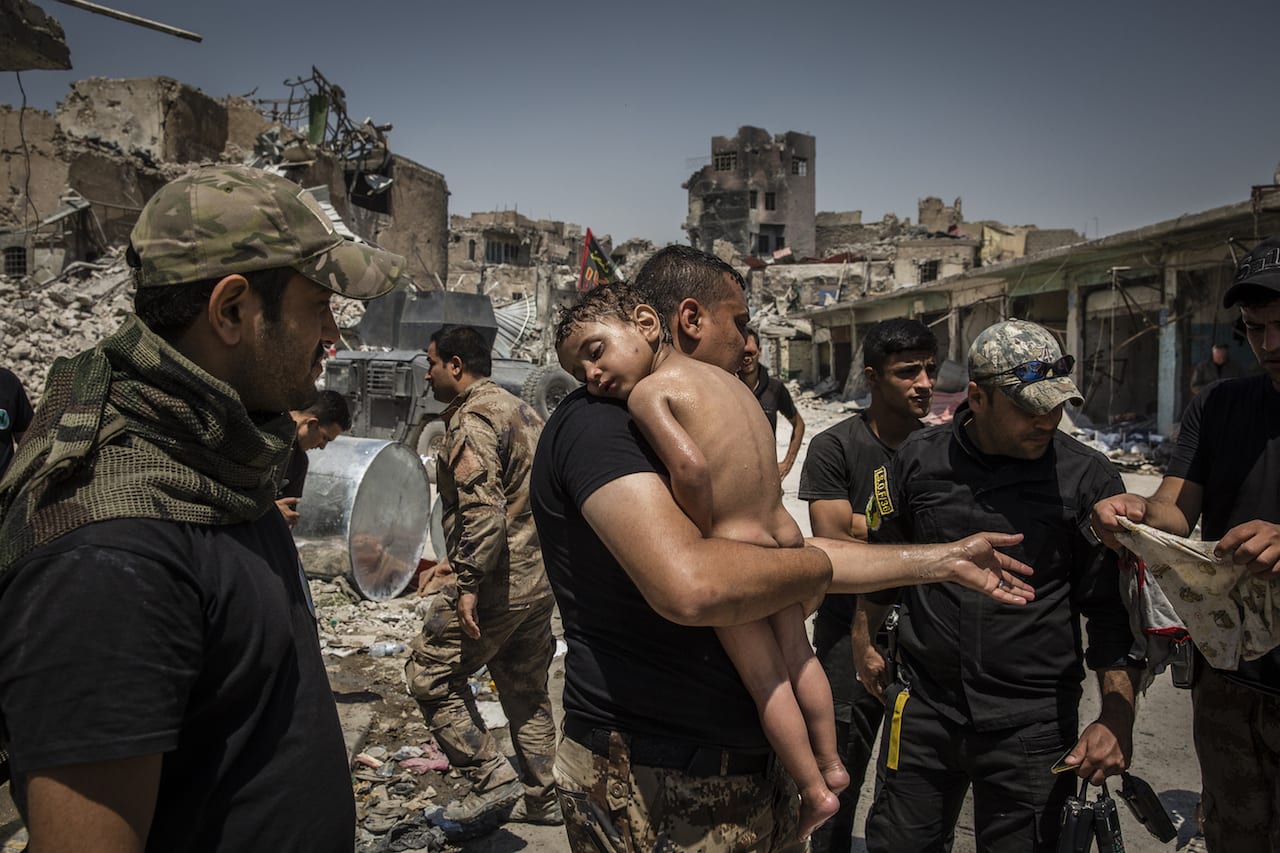
“It’s crazy, I can’t believe it,” says Ivor Prickett, of his two nominations for the World Press Photo of the Year award. “Out of a line up of six, to have two images seems insane considering the amount of great work being produced last year. I can’t quite believe it.” He’s on the phone from Iraq where he’s headed back back to Mosul, the city he’s been photographing for well over a year. Iraq’s second biggest city, Mosul was taken by ISIS militants in June 2014; in October 2016 Iraqi troops began a major offensive to regain the city, the largest military operation since the 2003 invasion of Iraq, and Prickett joined them right away. Originally from Ireland, he’s been based in the Middle East since 2009 and says that “as a reporter in the region, I couldn’t help but cover it”.
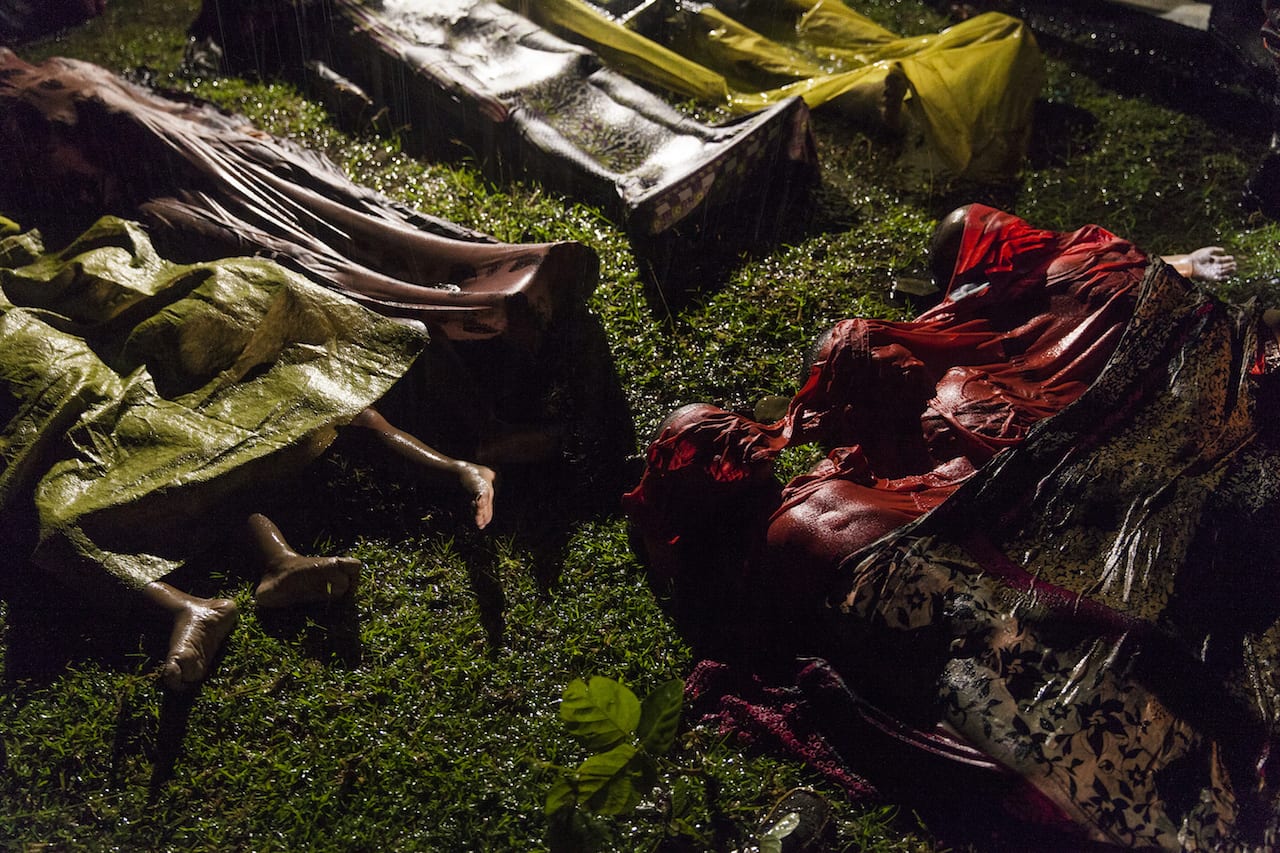
Born in Australia in 1969, Patrick Brown lived in the Middle East and Africa before…
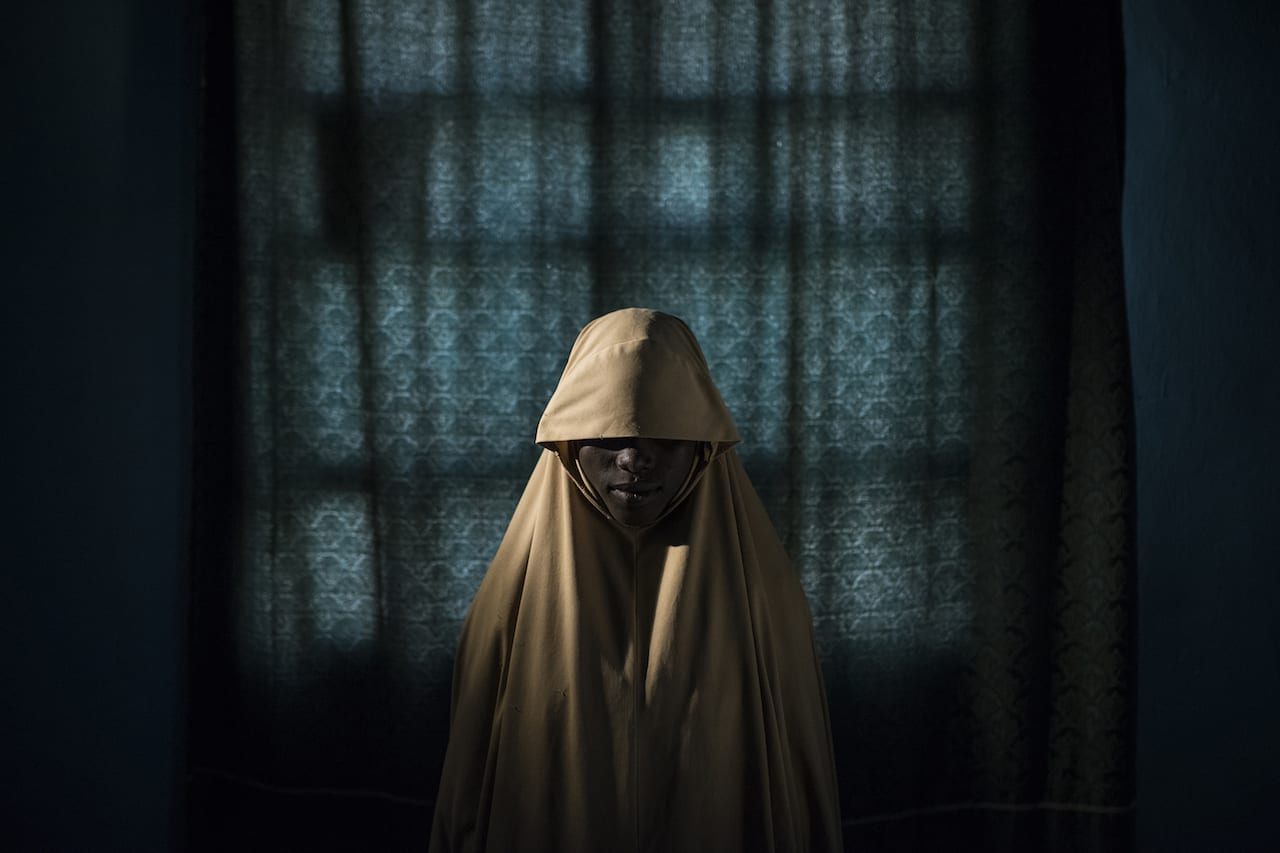
Born in Australia in 1978, Adam Ferguson studied photography at Griffith University. He first won…
This year, he says, all the images have been thoroughly checked before the shortlists have been announced, let alone the winners. “All the checking is already done – all raw files, where the images were shot, everything,” he tells BJP. “We know how important it is that everything can be trusted, and we keep asking questions until we are satisfied. We wouldn’t announce the shortlists unless we were.”
“If you are asked to think what is the photo of the year, you have to try to have something about the events of that year, and that sends you to a news or documentary photography,” says Magdalena Herrera, director of photography for Geo France and chair of the jury for the 2018 World Press Photo Contest. “But we were looking for a point of view, the photographer’s point of view. We weren’t looking for an opinion, but for images in which someone had been able to take the photographic tool to envisage their part. Even if you are a documentary photographer, you choose the moment when you take the shot. YOU are the one reporting.