

Long before the public sat up and took notice of the staggering number of refugees…

Long before the public sat up and took notice of the staggering number of refugees…
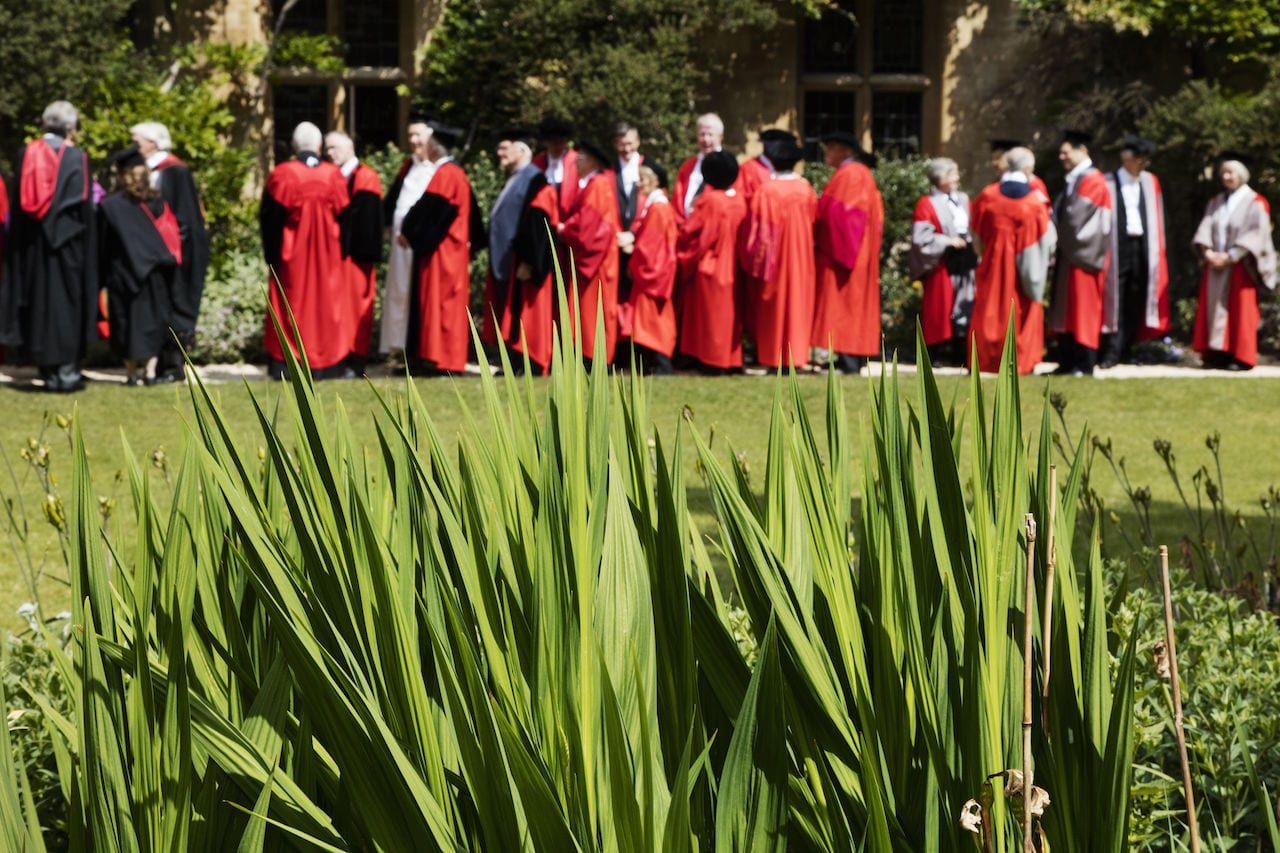
“You could say I’m a member of the establishment,” says Martin Parr, the Magnum Photos member who has published early 50 monographs, had solo shows at The Barbican, Jeu de Paume, and Maison Europeenne de la Photographie, guest-directed the Rencontres d’Arles, and co-authored The Photobook: A History. We’re discussing his latest exhibition and book, Oxford, which was shot on commission for the world-famous university, is going on show in its Weston Library, and will be published by the Oxford University Press.
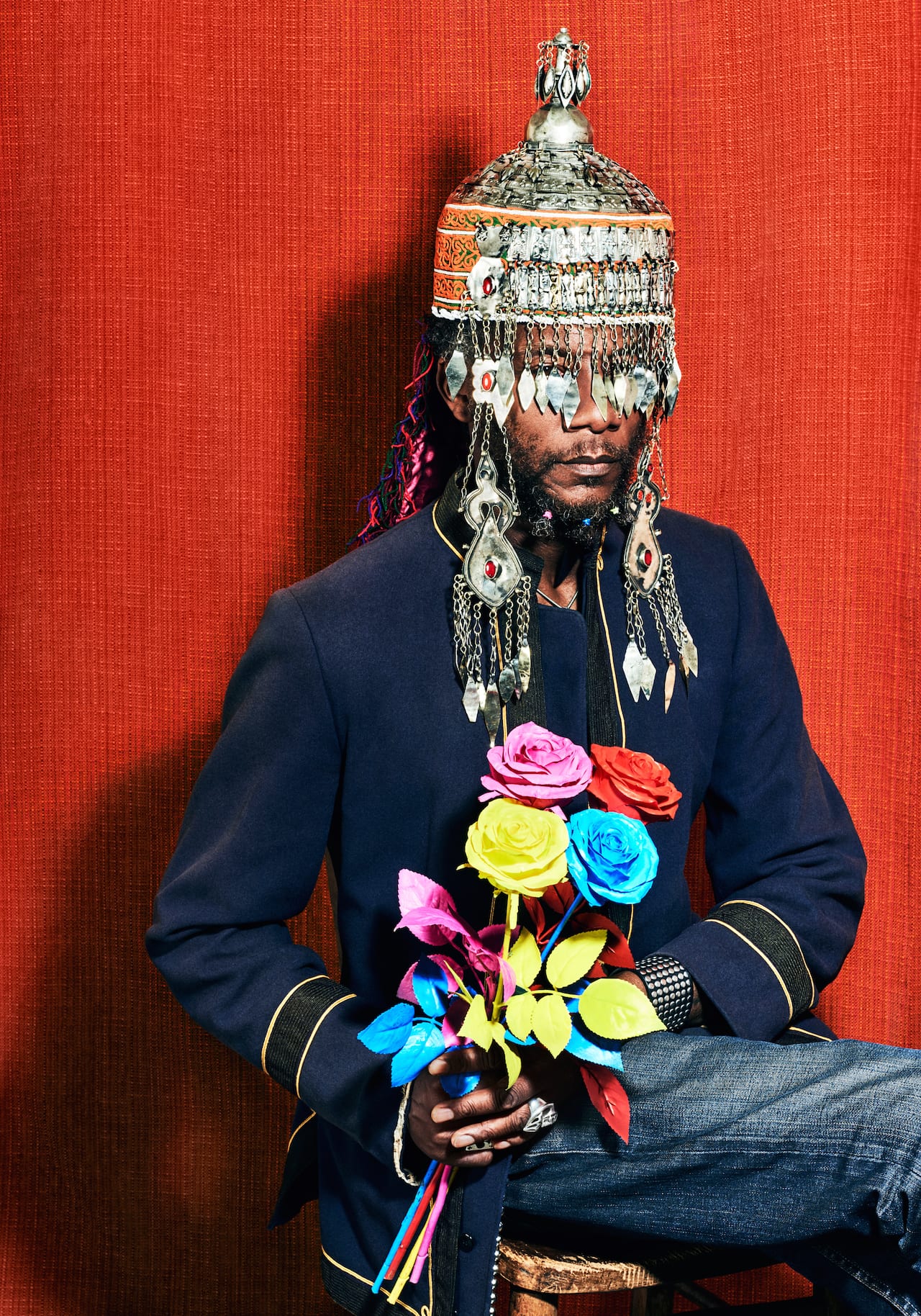
“The Beatles were inspired by different things on that album: it was created out of everyday things and everyday notions, even though people view it as a psychedelic masterpiece,” says Dean Chalkley ahead of a new exhibition launching in Shoreditch this week. His collection, Reverberation, takes its inspiration from Sgt Pepper’s Lonely Hearts Club Band, 50 years on from its release. Just like the original album, Reverberation is set to take people on a treasure hunt to find hidden meanings out of everyday realities.
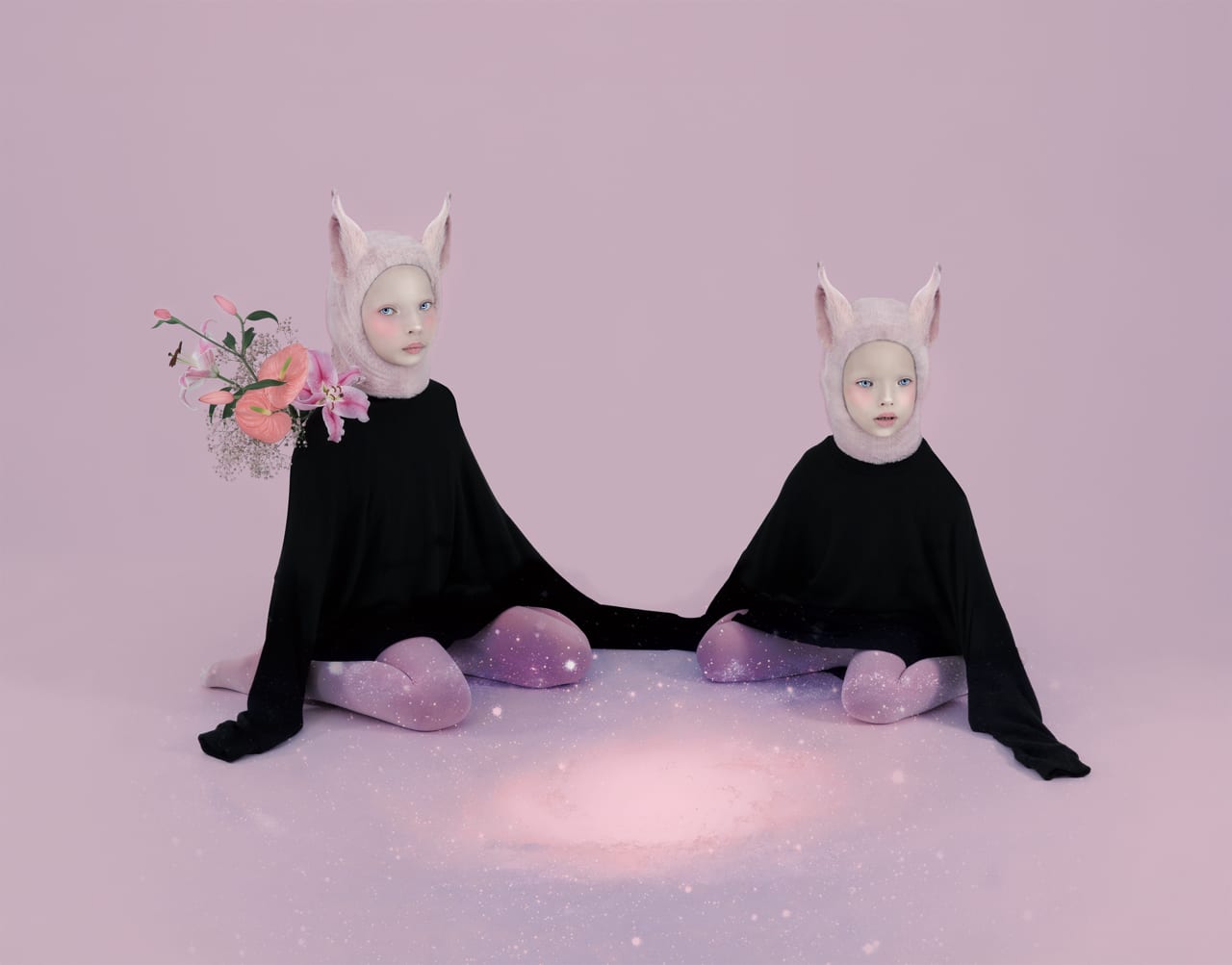
“We are criticising everything; art, science, politics, animal rights, human rights, simply anything we can imagine. Yet we continuously declare our opinions as correct under our perfect profile pages. Are we really so good? I don’t think so,” says Karakas. Her project, The Anatomy of Things, transports her subjects to an altered reality, where everything is perceived to be perfect and everyone looks the same. This disquieting vision plays with our ideas of perfection and our global obsession with curating our lives online.
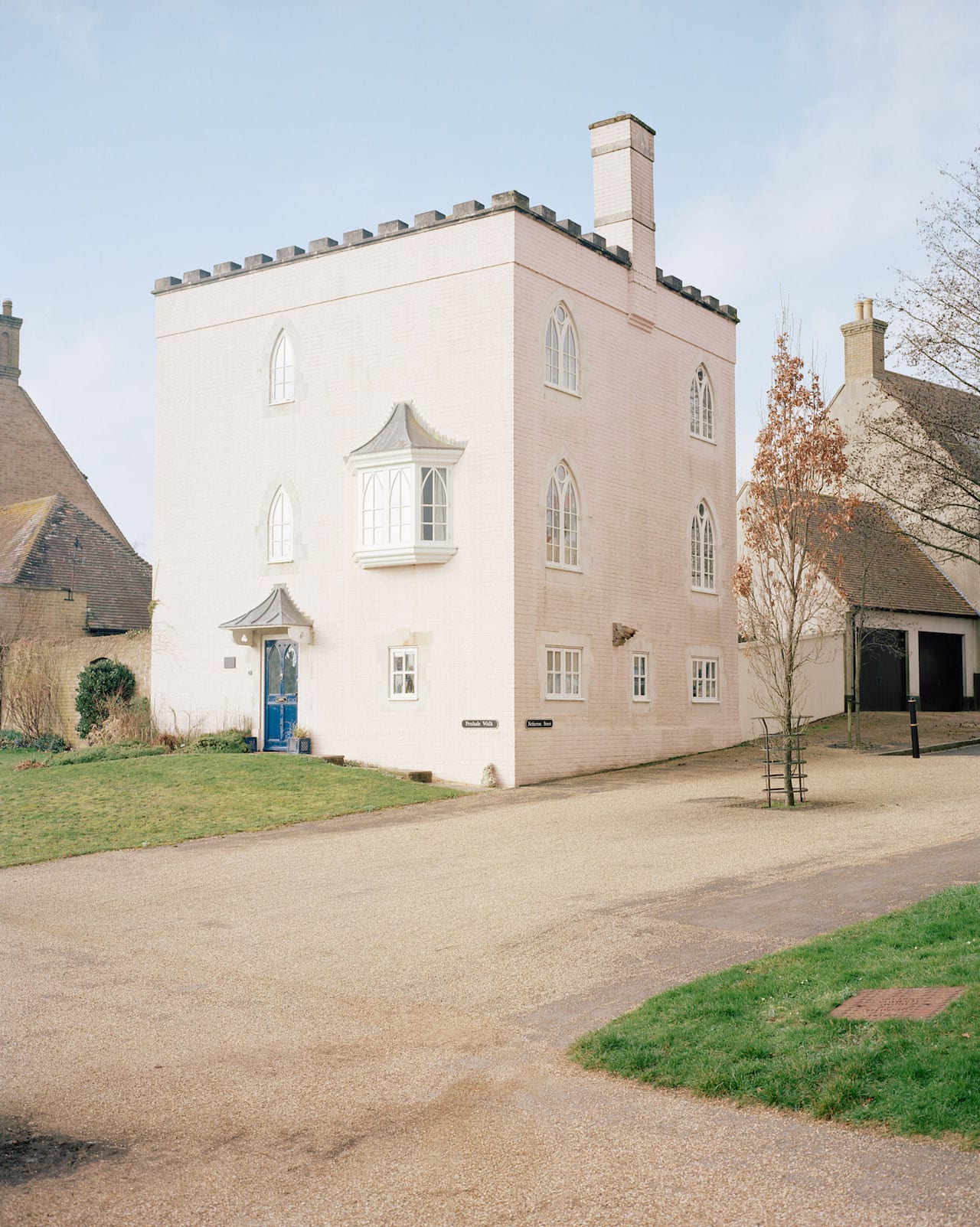
The 22 year-old has shot Poundbury and Milton Keynes, among others, to pick out how we shape the environment – and how it then shapes us. “I quickly realised the importance of human presence within these urban environments; how we change them over time and how the environment changes us.”
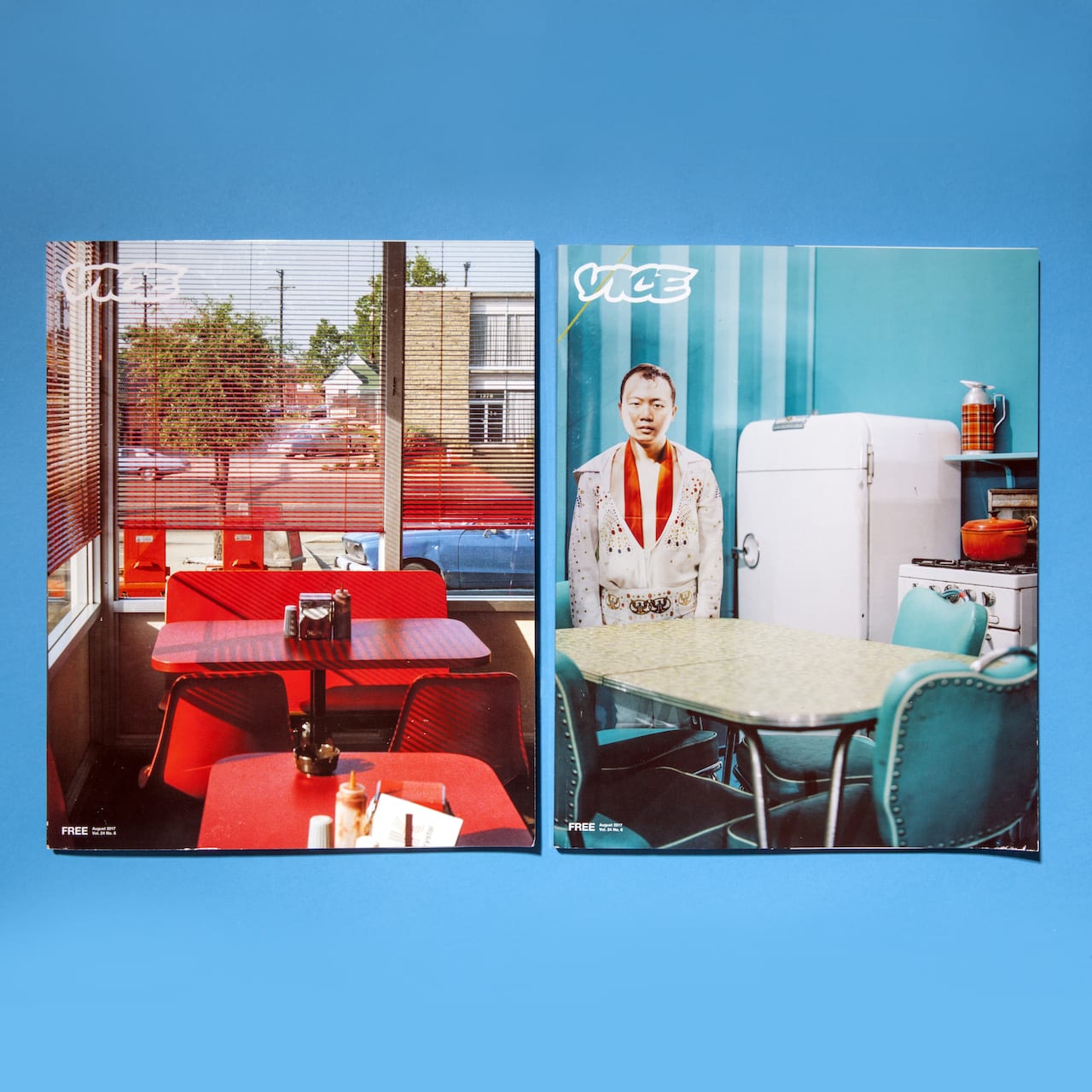
When George Pitts died earlier this year, Vice photo editor Elizabeth Renstrom was struck by how much he had influenced her work and her approach to photography. Deciding the theme for this year’s photo issue seemed a natural progression: Idols. The issue presents up-and-coming photographers alongside the more established names that have made a big impact on their craft.
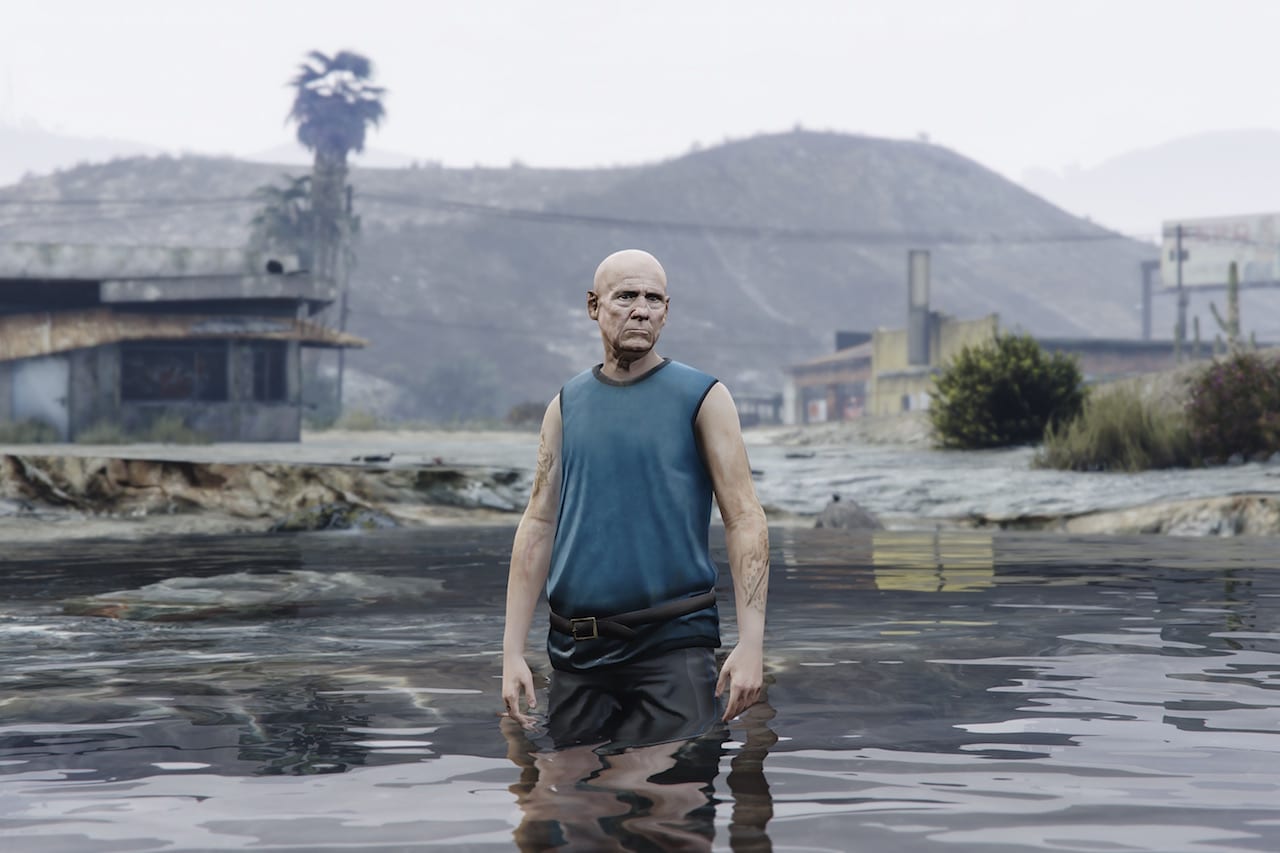
“The work that I make tends to comment on contemporary issues that disproportionately affect young people,” says Ollie Ma’, whose big projects to date were inspired by Grand Theft Auto and Adam Curtis
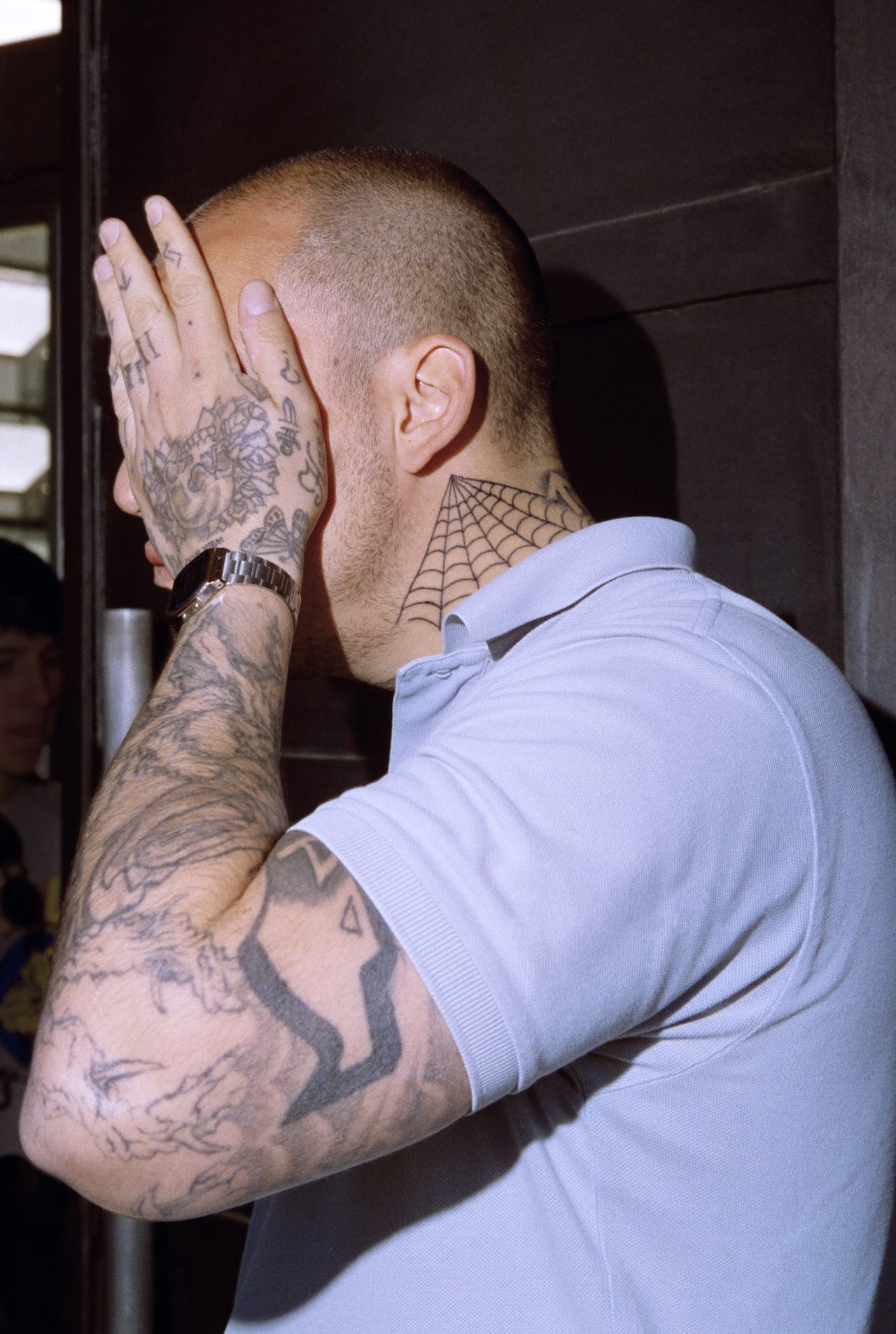
Luke Richard’s project Under Black Sun reflects on the rise of far-right politics in contemporary Italy through the concept of the New Man – a form of idealised masculinity created by Mussolini during his reign as dictator, and propagated through various forms of meticulously controlled media. Appropriating the virile symbolism and values of Ancient Rome, the New Man model drew on Rome’s imperial history to whip up support for the New Italy that was to be delivered under a Fascist government – a pattern Richards believes resonates today.
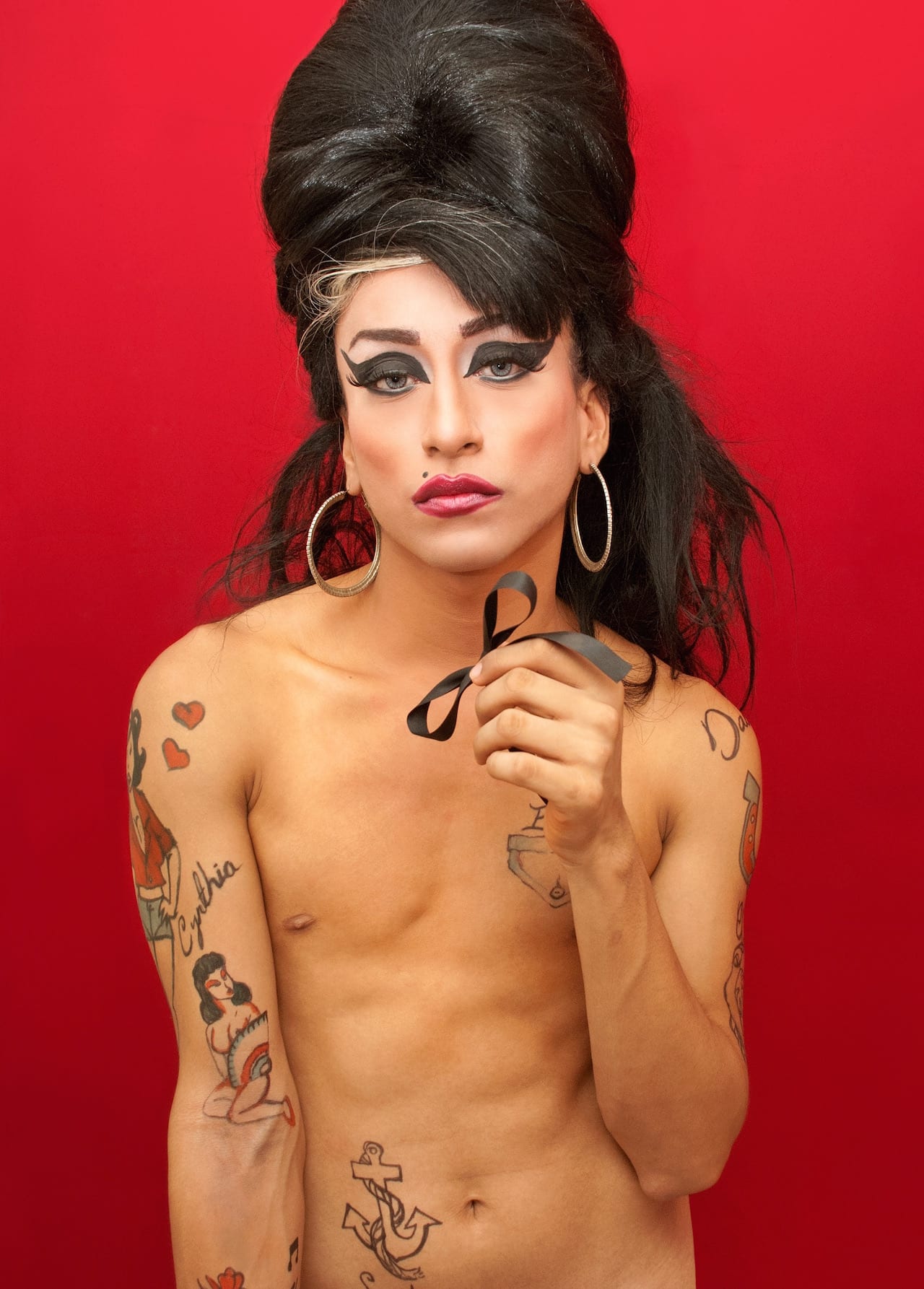
For its 15th birthday, North America’s leading photofestival takes on a new name. Momenta: Biennale de l’image is designed to denote a more studied approach than the previous Month of Photography identity and is entirely in keeping with the direction of the festival – in recent years, under the creative direction of artists, curators and academics including Joan Fontcuberta, Paul Wombell and Marie Frase, it has addressed themes such as the ‘post-photographic’ condition and the impact of automation in image-making. This year’s invited curator is Ami Barak, a French visual authority.
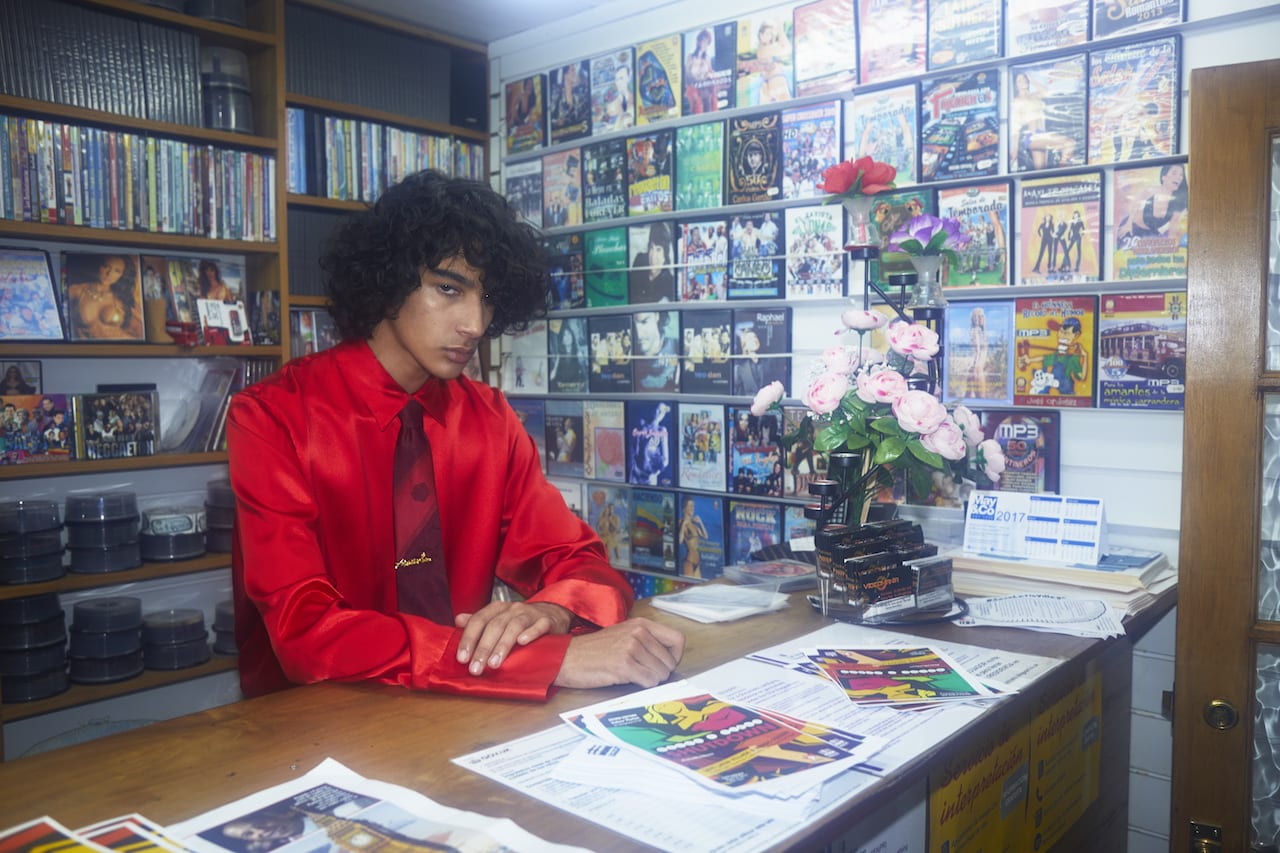
“The idea was why don’t we go back to the market and put these clothes back in their home, back where they came from,” says Britt Lloyd, a young fashion photographer from North London. Working in digital photography for Showstudio, Lloyd has recently collaborated with Martine Rose and Machine-A to shoot a captivating menswear range which speaks to the communities of Seven Sisters and North London. Lloyd’s bold series does not follow traditional stylings of the male fashion industry, which she believes needs to change quickly.