
Projects

"Healthy, positive representations of women" from Katie Burdon

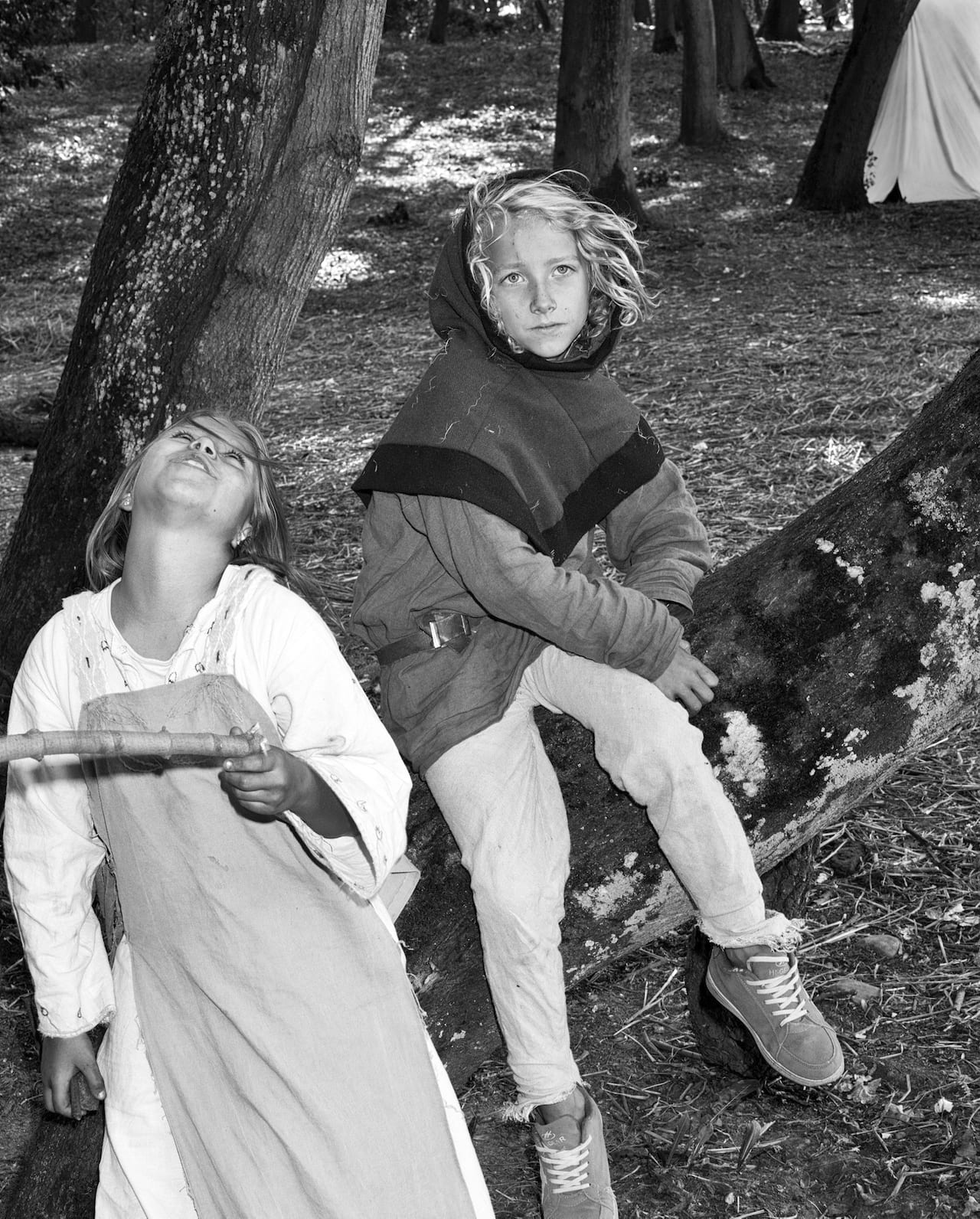
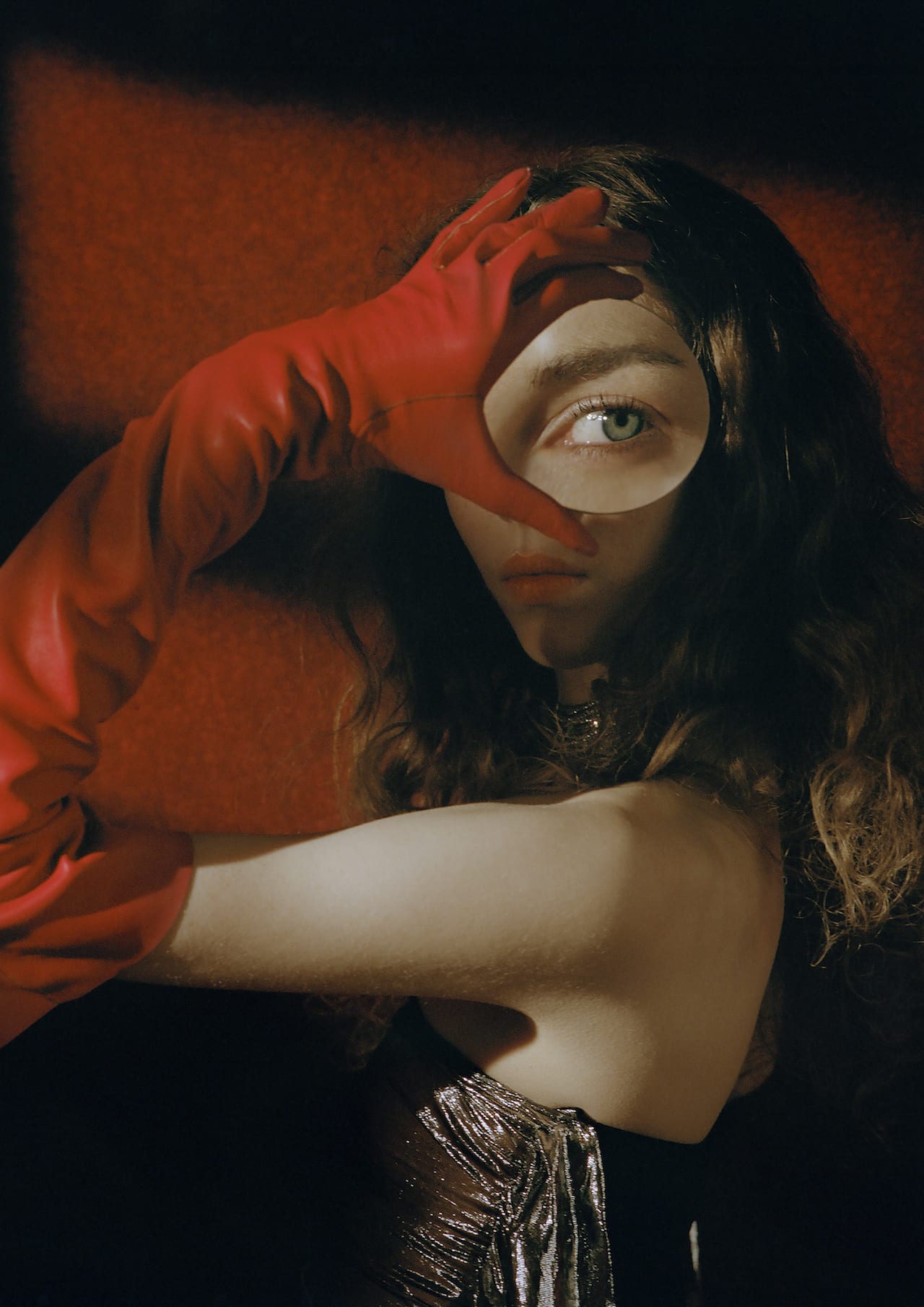
Katie Burdon’s ethereal fashion images make no secret of a childhood spent outside in the English countryside. A Cornish native, the 20-year-old first began taking photographs when she was 14, using her friends as models and the picturesque fields, woods, and seaside of her surroundings as her backdrop. Now a graduate of the University of Bournemouth, her practice has evolved into an intimate and considered portrayal of femininity through fashion photography. With a rich yet hazy 1970s-inspired palette and surreal undertones, Burdon’s photographs are elegant in their composition, yet still capture something of the raw and playful nature of youth. Determined to counteract the impossible beauty standards of the imagery she grew up with, the young photographer prefers being real and “celebrating women”, choosing models with big personalities.
5 October 2017

Sanne de Wilde, Arko Datto and Leonard Pongo join NOOR

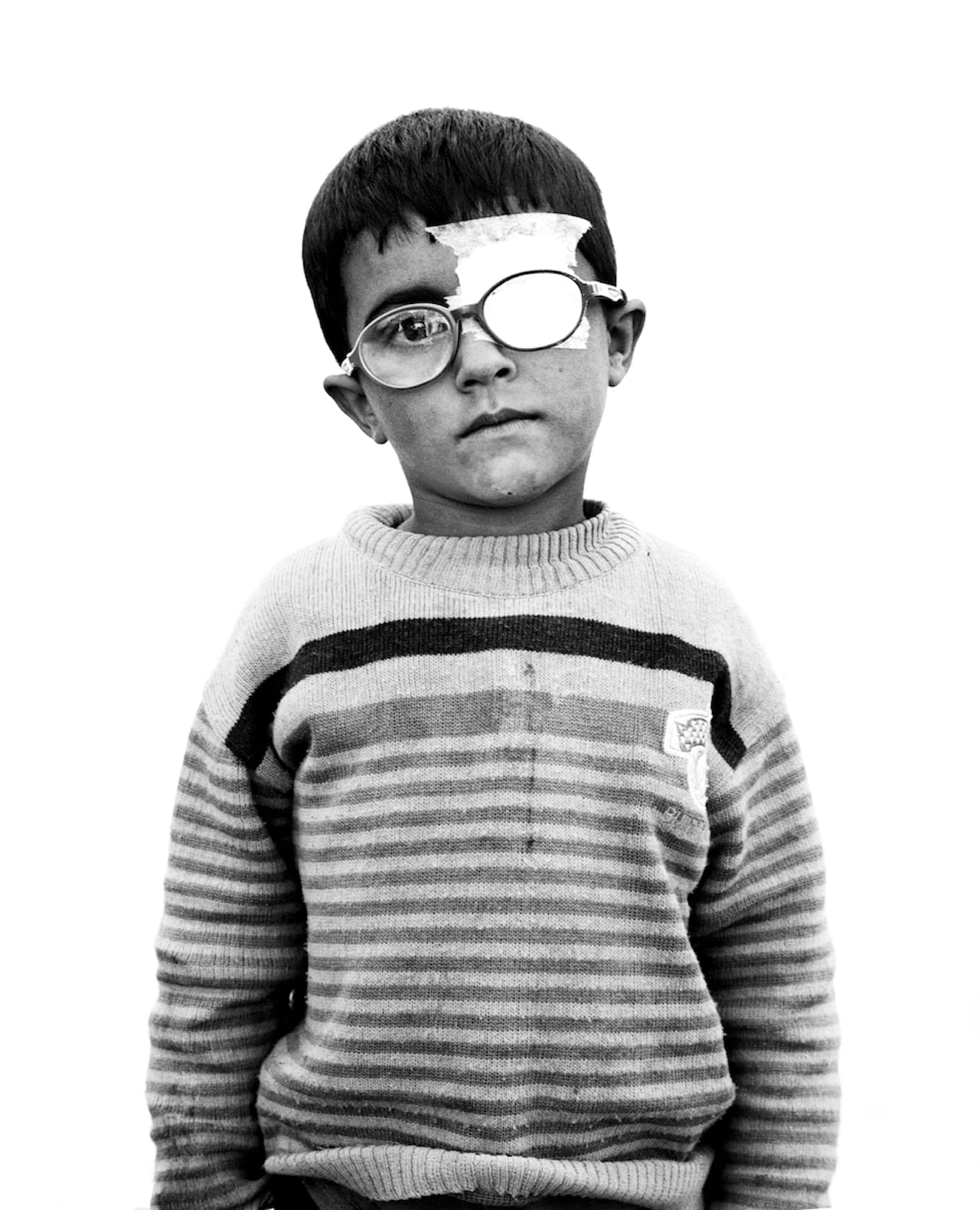
NOOR, the prestigious photo agency and foundation, has signed up three new nominees – Sanne de Wilde, Arko Datto and Leonard Pongo. Hailing from Belgium, India and Belgium/DR Congo respectively, all three are known for their cutting-edge work, rooted in documentary but pushing the aesthetic boundaries of image-making. 

4 October 2017

Time and the unreal in the work of David Infante

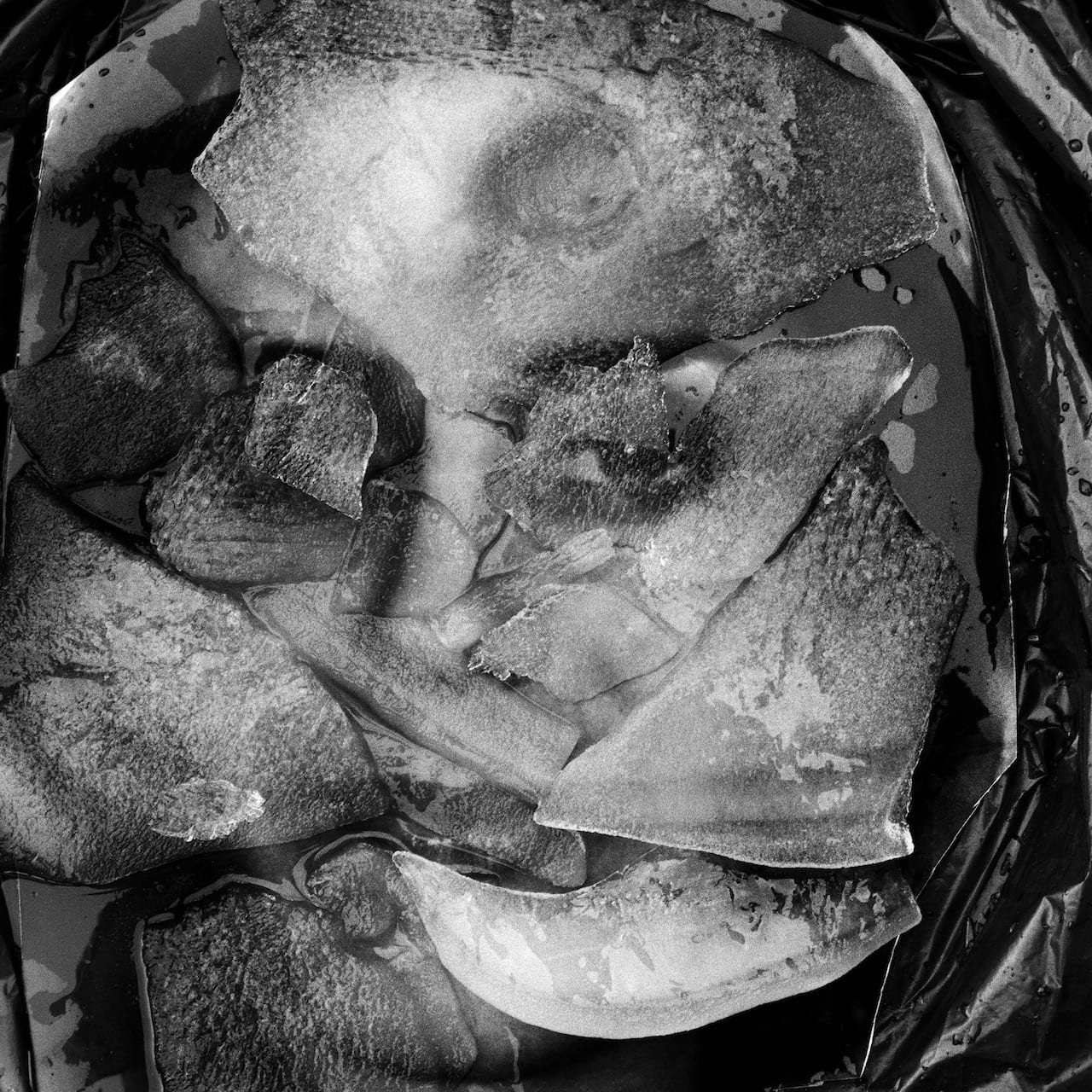
“In this series, I dissolve images and fragments of time,” says French photographer David Infante. The monochrome ‘portraits’ that make up Mirror without a memory certainly feel as if they are unfixed, spanning time as they shift and melt under a fragmented surface. Triggered by a period of solitude in London, he resurrected images from his archive, reprocessing his memories by selecting photographs, cutting them up and combining snippets to give them new forms. For Infante, slowing down time or wrestling many layers of it into one frame takes us into what he calls “parallel worlds”: a space to reflect and search for new meanings beyond the surface of the everyday. The photographer, who has just completed an MA at the Royal College of Art in London and is based in southern Portugal, ascribes his meditative approach to his early experience with analogue photography. “It brought me concentration and contemplation,” he explains.

3 October 2017

Photography and loss in Veronica Viacava's Palinopsia

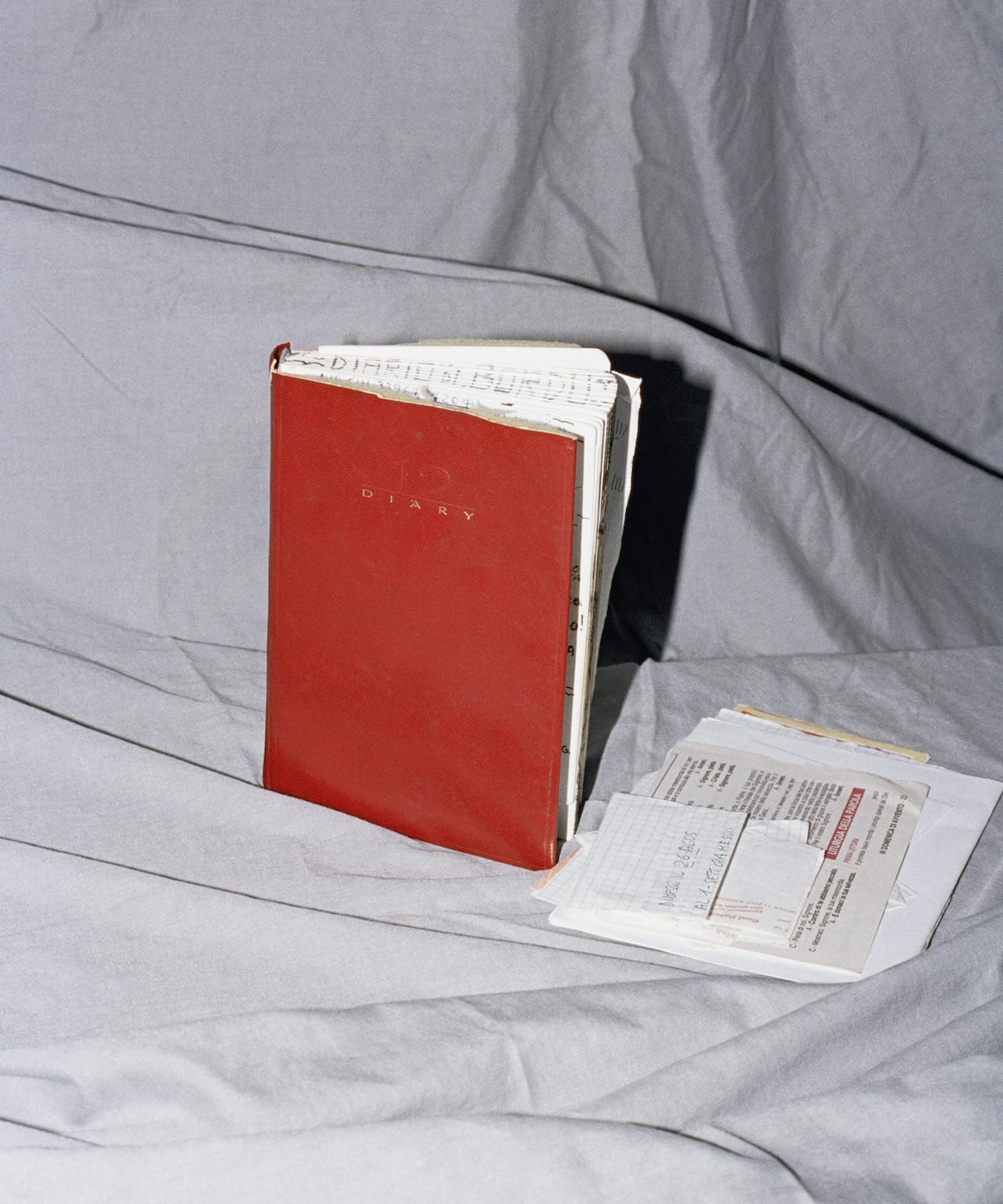
When Veronica Viacava moved to London, straight out of high school in Milan, she had never studied photography. But she had developed an interest in the concept of the photographic image, beyond the physicality of manually taking pictures, and seeking independence from her family, who didn’t approve of her desire to study the arts, enrolled at the University of Middlesex. Viacava has just graduated, and her work has been deeply personal throughout. When she was 17, her mother passed away, which led to intense musings on old family photo albums. By the end of her second year at Middlesex, she had begun to think about the materialisation of memory and “the idea of photography turning the past into an object”, she says. “So that you can look through it.”

2 October 2017

Q&A: Adam Lach creates a wonderland out of small town Polish life

“Neverland came via my participation in the Wrzesnia Collection, a long-term photography project and ongoing photographic residency which is creating an ever-growing photo archive on the Wrzesnia Town and Commune. Every year, the Mayor of Wrzesnia Town and Commune invites one photographer, selected by the curator, to spend some time in the town creating a personal series of images that illustrates the district and its inhabitants. I had a very open brief, it was completely up to me how to portray the place. It’s an extraordinary little city, but it also seems very boring and calm on the face of it. I had to work like a journalist, cooperating with the local newspaper and researching every local event, initiative, meeting or story that could be interesting. All these events were an opportunity to meet the people, to spend some time with the community,” says Polish photographer Adam Lach

26 September 2017

Andrea Grützner wins the ING Unseen Talent Award and €10,000

German photographer Andrea Grützner, who was born in 1984, has won the ING Unseen Talent Award with her series Hive. She now wins €10,000 to develop a new project and, along with the other shortlisted photographers, the opportunity to develop her work under the guidance of Nadav Kander, the UK-based photographer best-known for his huge commission for The New York Times Magazine, Obama’s People.

25 September 2017

Helping refugees starts in London with Giles Duley's interactive exhibition

“The exhibition just becomes this transition point. There will be new artwork created by the exhibition. I think that’s exciting: it means it becomes alive. These often tragic stories will continue living in other forms, whether through painting or through music, so it’s about making the exhibition a place of life and a celebration of that life,” says Giles Duley, the photographer who has spent months travelling Europe and the Middle East to document the refugee crisis with UNHCR. Taking images from his photobook, I Can Only Tell You What I See, the display will feature artists in residence, a soundscape from Massive Attack and will host an evening supper so as visitors can sit and discuss the work and the wider problems surrounding the refugee crisis.

25 September 2017

In Paris: Jonas Bendiksen's Last Testament

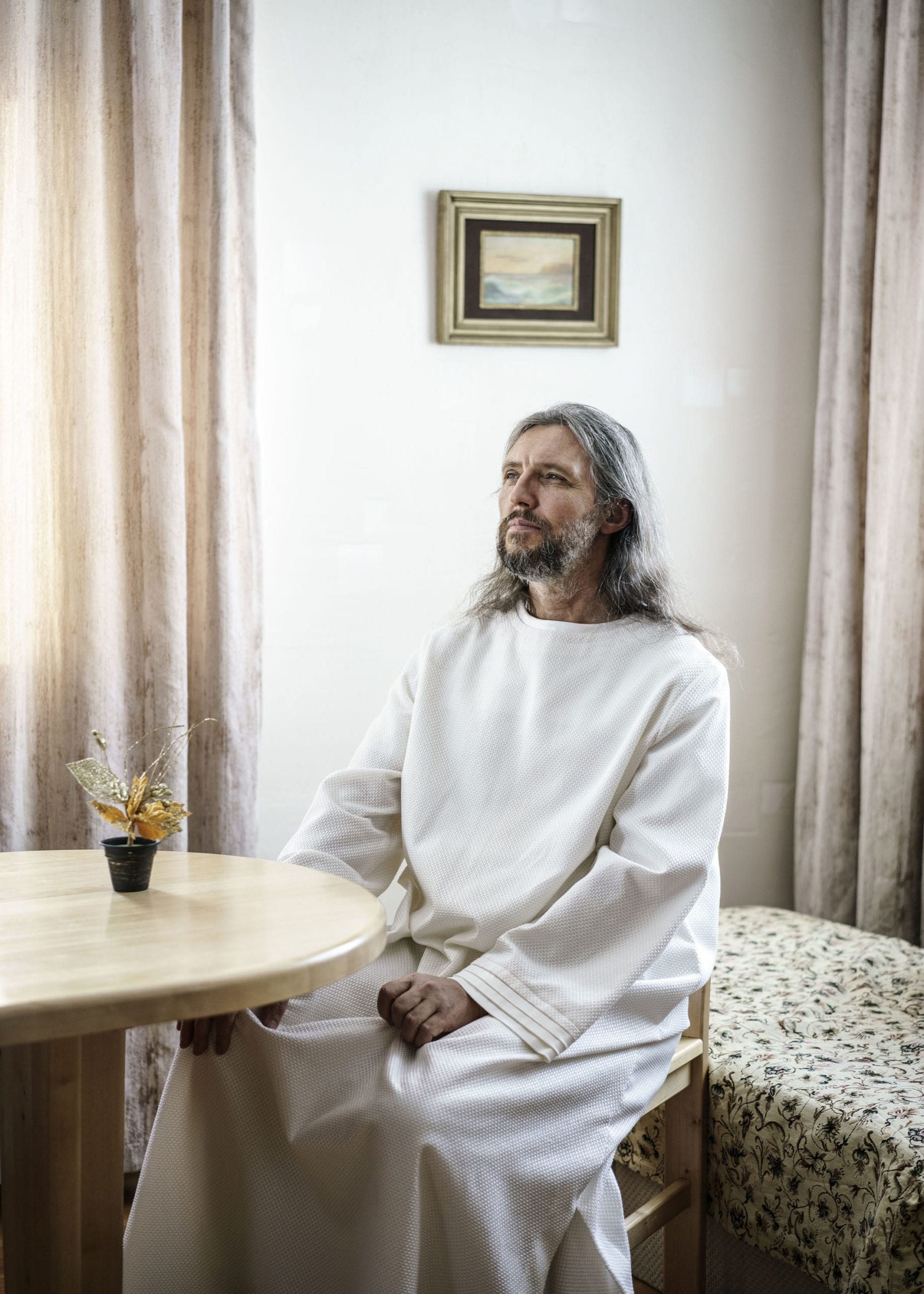
In the latest book from Jonas Bendiksen, the Norwegian photographer takes us on a global journey of spiritual exploration, seen through the worldview of seven fascinating individuals who literally believe themselves to be the Second Coming of Jesus Christ. It’s an expansive and sumptuously designed book of more than 140 photographs and several thousand words of accompanying textual scriptures, co-published by GOST and Aperture. In it, Bendiksen portrays himself as a photographic apostle, asking why the Bible story of a returning Messiah has remained so potent. “My approach here was to ask, who is this person and who are their followers,” he explains. “By immersing myself in their revelations and spending time with their disciples, I’ve tried to produce images that illustrate the human longing for faith, meaning, and salvation.”

22 September 2017

On the road with the carnies in 1970s America

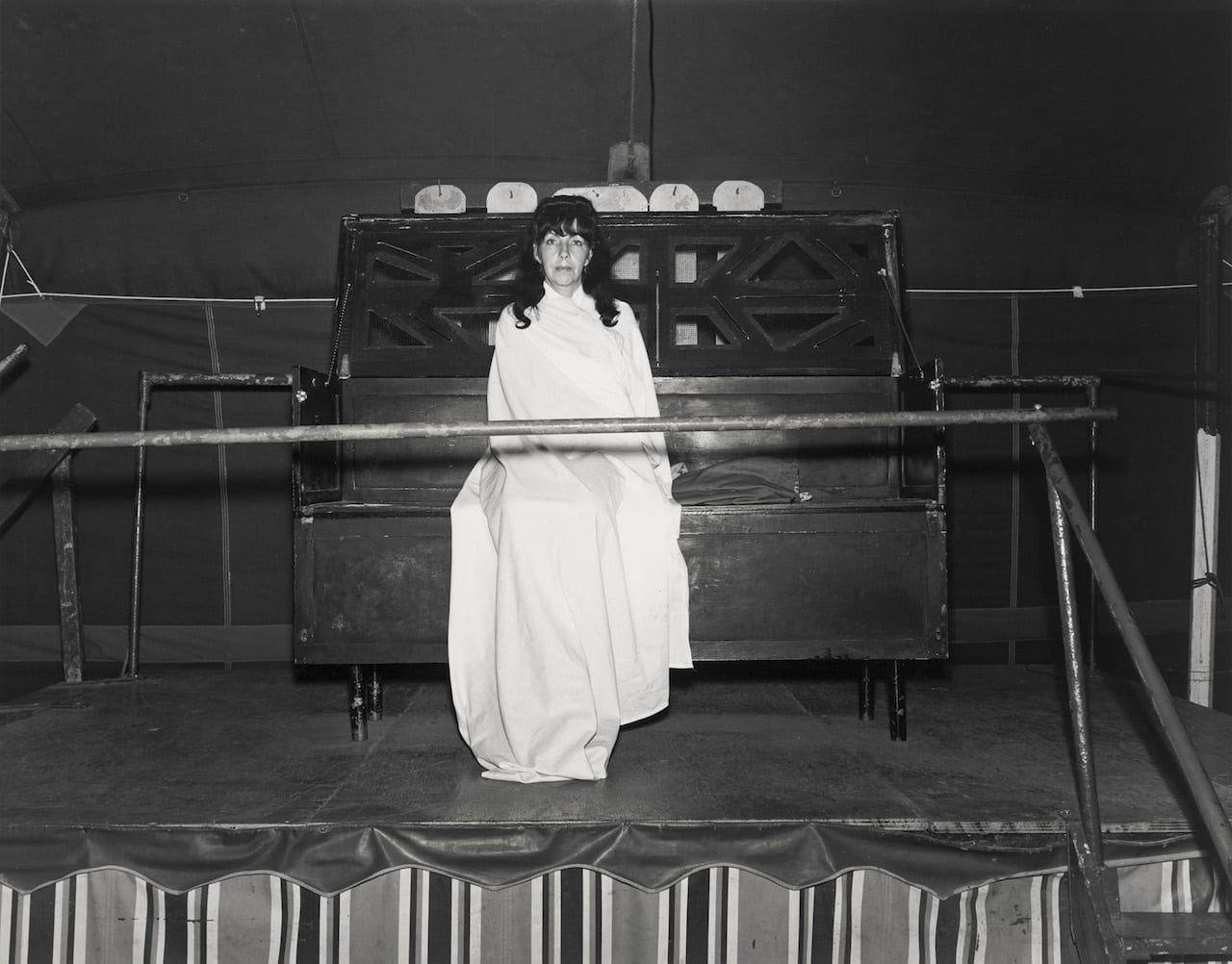
Randal Levenson stumbled upon fairgrounds almost by accident in 1971 – travelling from Ottawa to Maine to visit a friend, he found he was there at the same time as the Fryeberg fair. He spent eight days photographing its agricultural and carnival exhibits and, intrigued, went on to the next fair, the last of the season, in Topsham, living in a tent in the woods opposite to be as near to the site as possible. From there Levenson decided to shoot a book-long project on the so-called carnies, and worked on the project for the next ten years. He spent nearly all of 1974-78 on the road with various sideshows and carnivals, shooting from under a dark cloth on a large-format camera on a tripod. “I photographed freaks as normal people,” he told Vice back in 2014. “I found most to be fairly noble individuals.”

22 September 2017
In this collection, we discover the concepts behind new and ongoing work by both emerging and leading practitioners.