
Projects

Little-known Kyrgyzstan through Elliott Verdier's lens

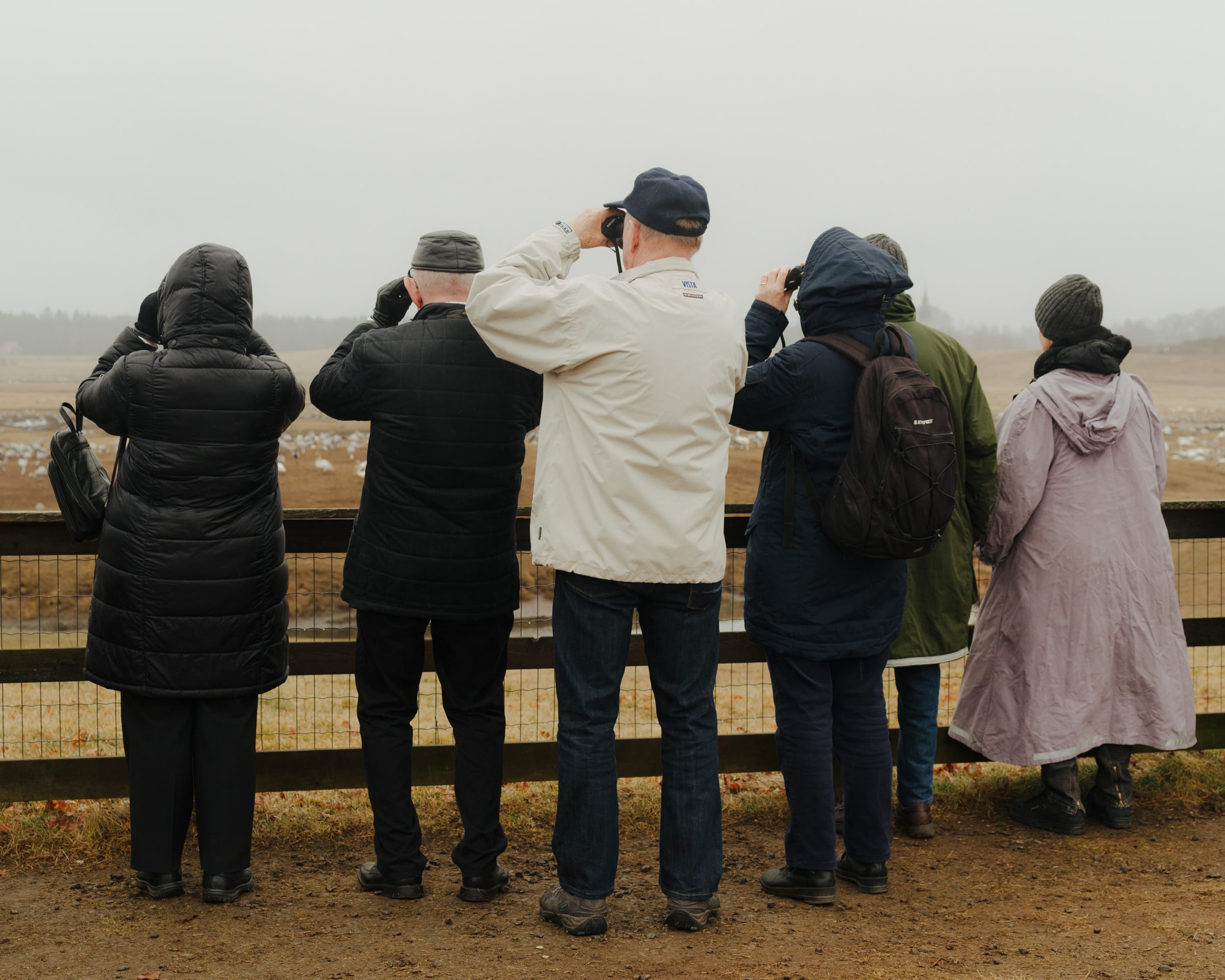
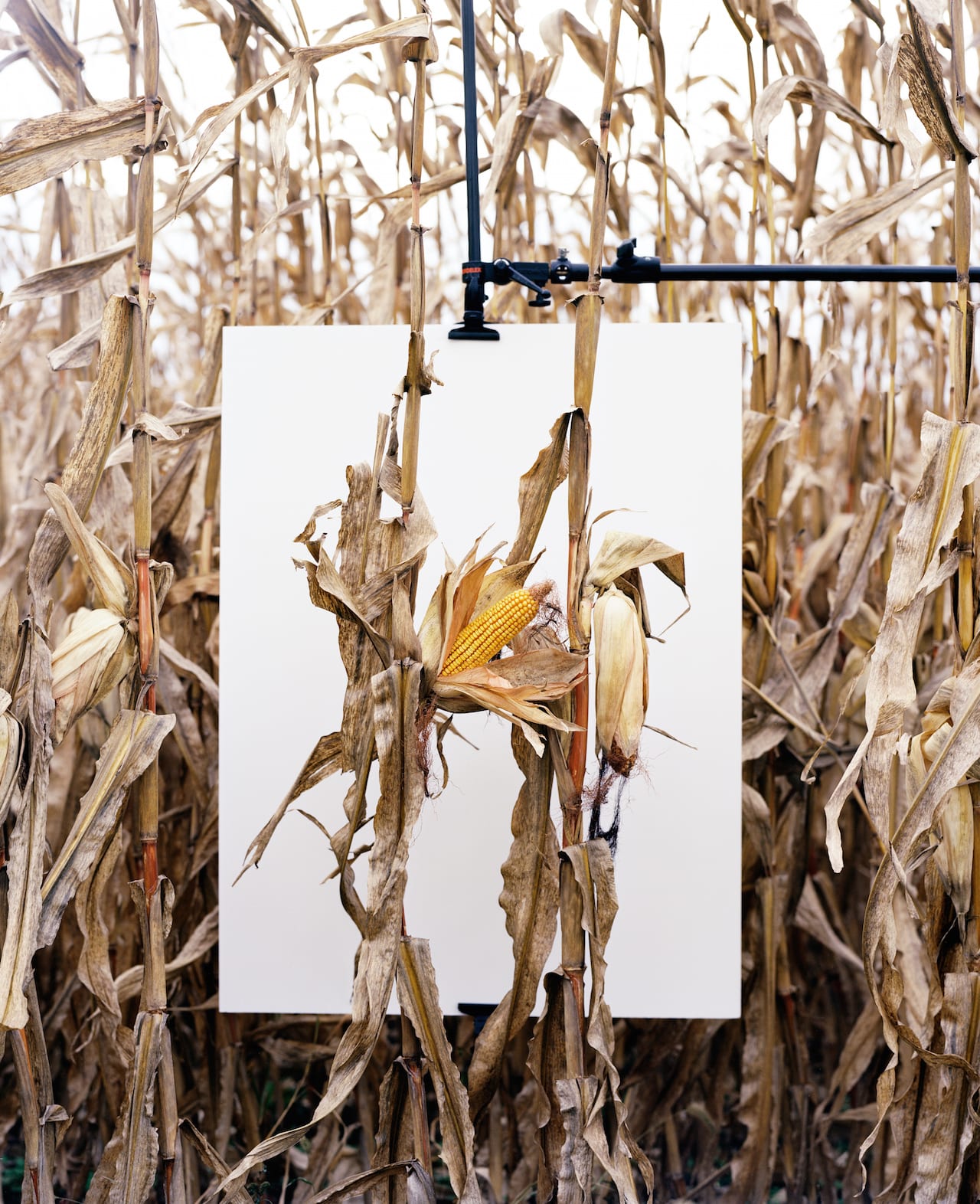
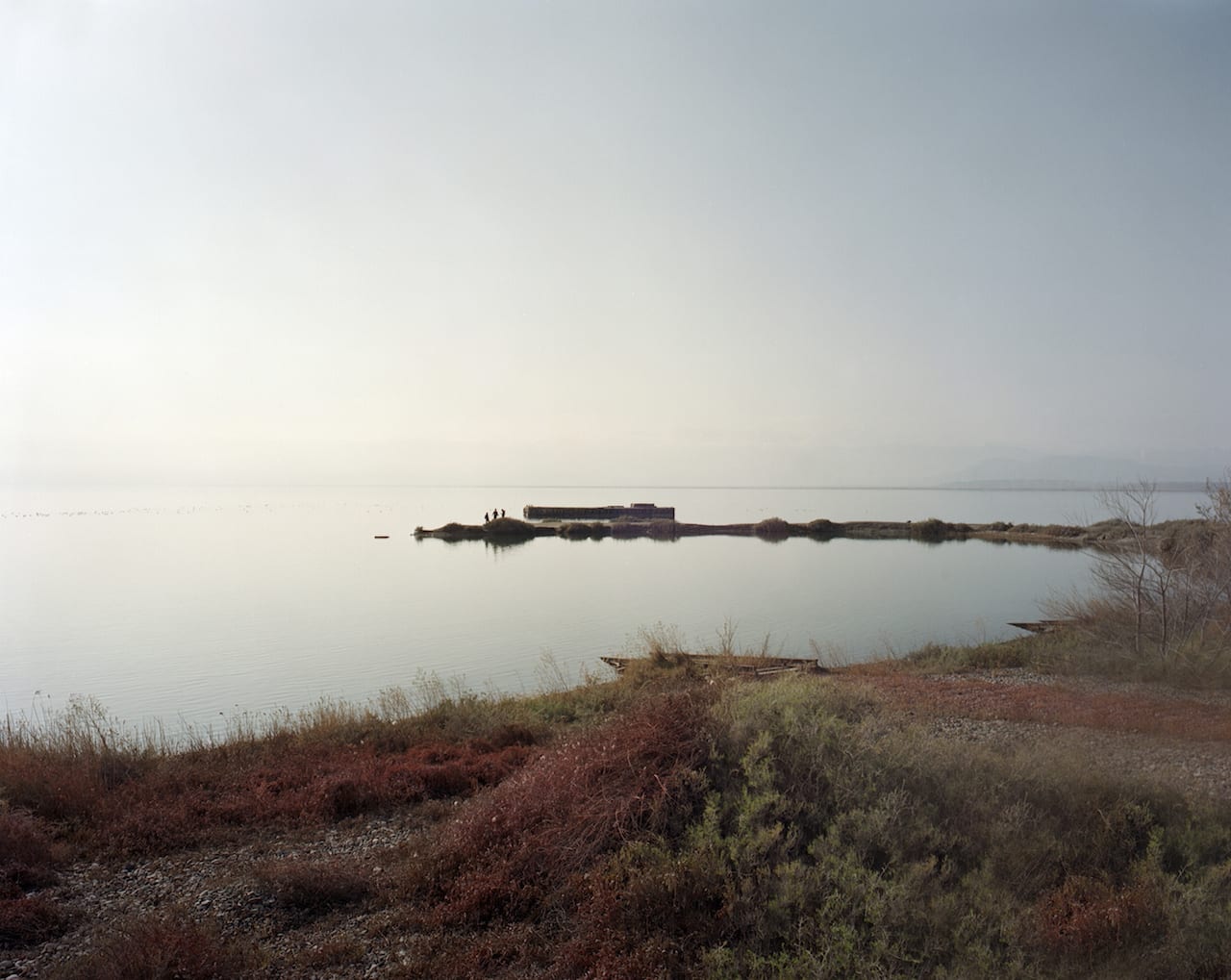
French documentary photographer Elliott Verdier’s A Shaded Path highlights the endless paradoxes of a region fossilised by its longstanding history of being forgotten. Kyrgyzstan is a peculiar place, completely landlocked by mountain ranges – a feature that has preserved its culture while simultaneously reinforcing its susceptibility to external domination. Since its official relinquishment from Soviet control in the early 1990s, the country has returned to its resting state of self-sufficient isolation. From October 2016 to February 2017, Verdier photographed Kyrgyzstan’s industrial factories, embedded in sprawling landscapes that are populated by the touching subjects in his accompanying portraits. Shortly after settling into his daily routine, the photographer began to notice a marked difference between the collective nostalgia of the country’s older and younger generations
16 November 2017

In The Ward, Gideon Mendel started his career-spanning battle against the stigma of HIV/AIDS

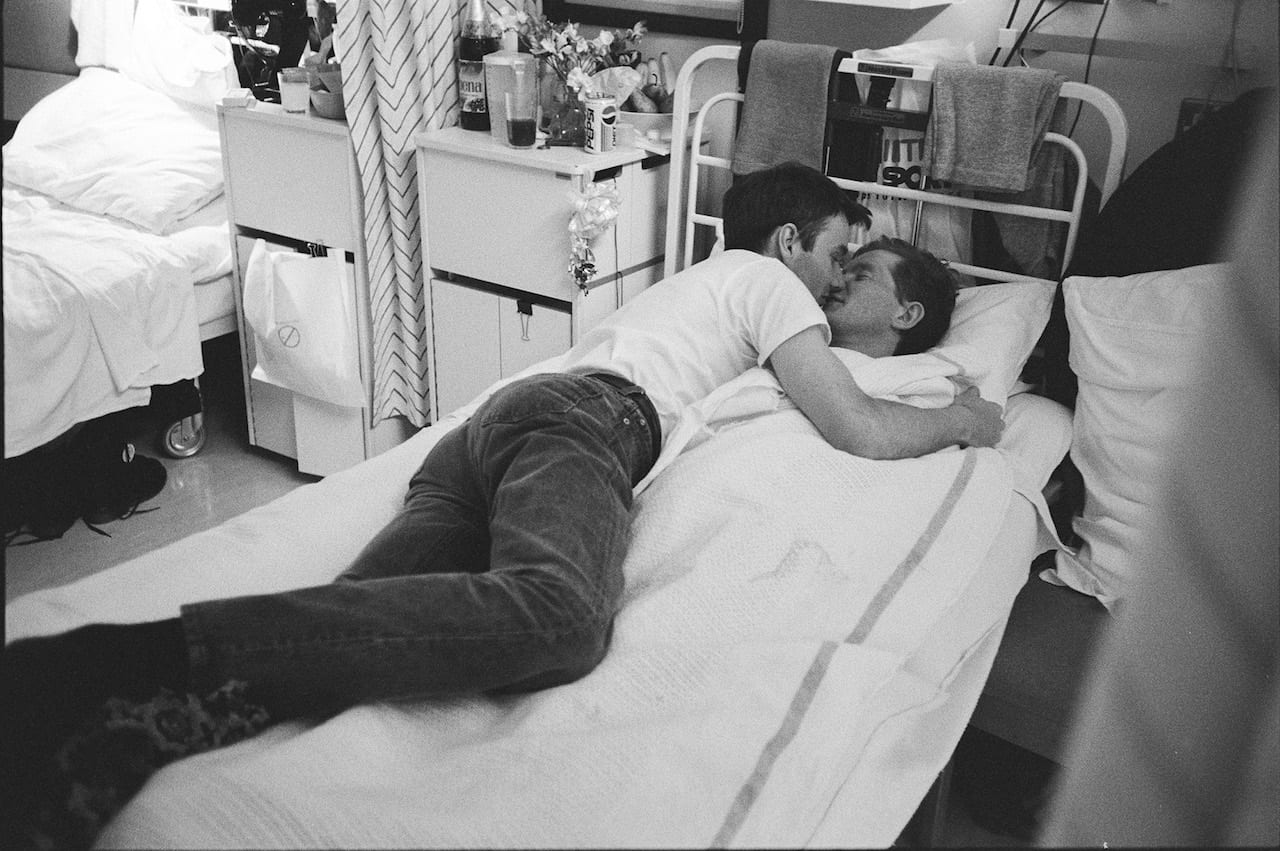
“The central thing is that the images are humanising and affectionate,” says Gideon Mendel says of his series The Ward. “They are life-affirming pictures, even though everyone they focused on did sadly die within a year of me taking them.” Originally from South Africa, Gideon Mendel is a committed photojournalist who has spent much of the last 20 years raising awareness of the global HIV/AIDS crisis, publishing numerous books on the subject shot in various countries. Now, as part of the Fitzrovia Chapel’s Lineage Programme, he’s showing his first-ever work on it.

16 November 2017

Vicente Paredes' hard-hitting Pony Congo goes on show at Espace Images Vevey

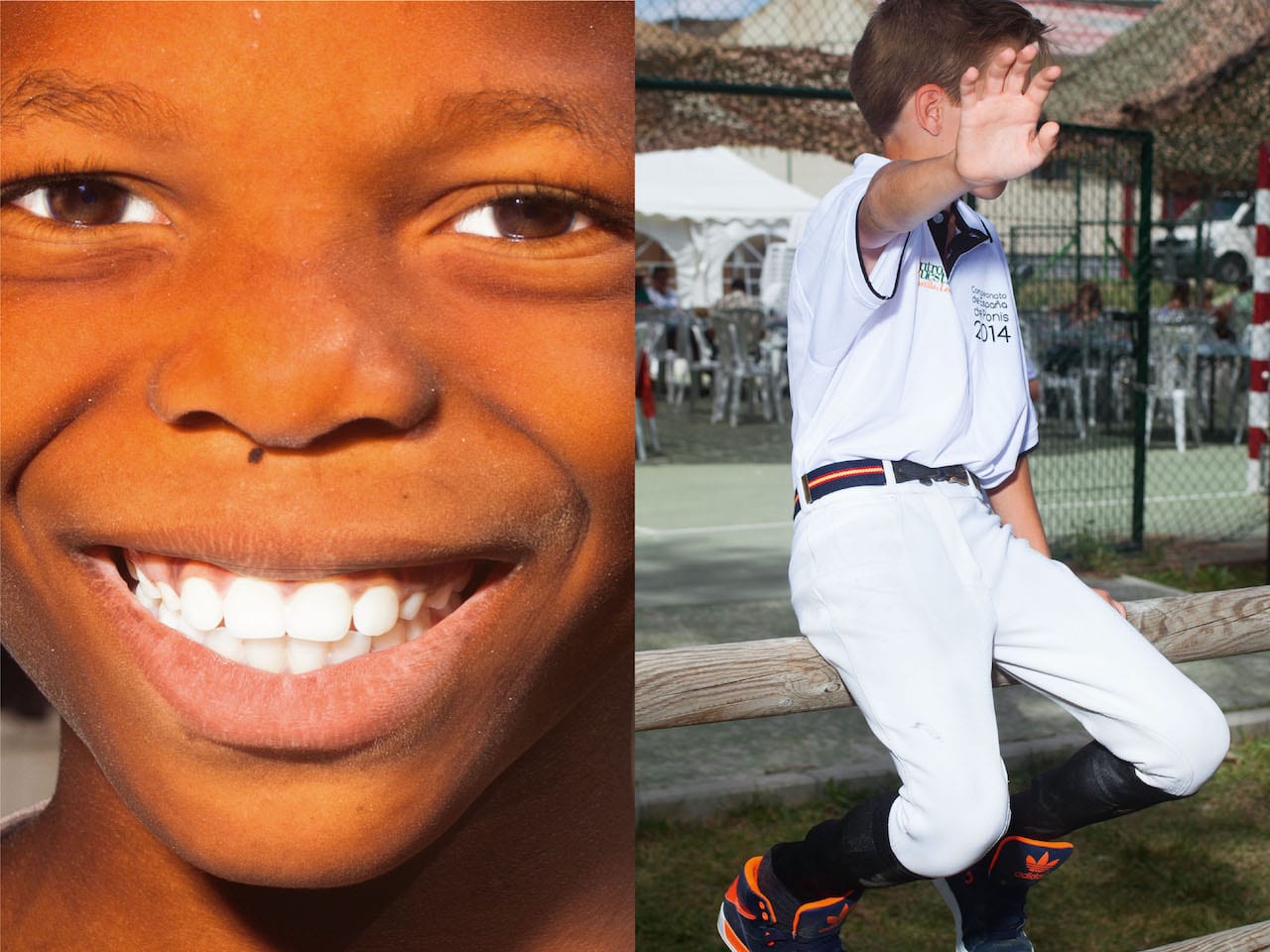
Contrasting images of children shot in Congo and in Spain, Vicente Paredes questions perceptions of wealth and happiness, freedom and self-consciousness. Pony Congo is now going on show at Espace Images Vevey; this is an update of a BJP interview first published in 2016. “You have to bear in mind that the kids in my book will never meet in real life. It is the viewer who must imagine what would happen if they were to meet. Ideas such as colonialism, misery, pity and mistrust are in our minds, not in the pictures themselves.”

16 November 2017

Raphaela Rosella wins the first PHmuseum Women Photographers' Grant

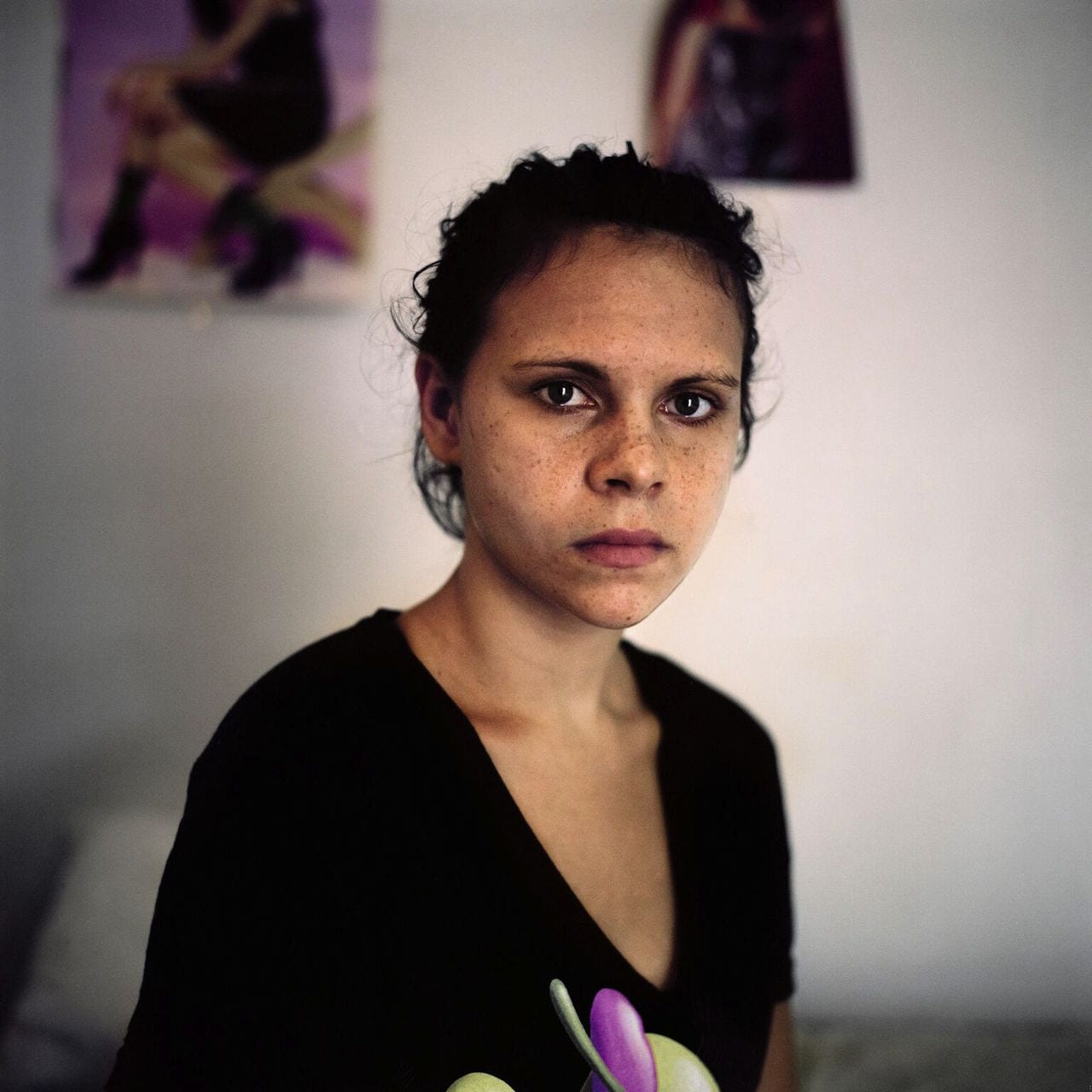
“You’ll Know It When You Feel It feels rooted in a fundamental desire to understand members of her family and her immediate community – and to allow her audience to see these individuals in the same empathetic light.” Rosella has won first prize and £5000 in the inaugural PHmuseum Women Photographers Grant for a shot in her native Australia; the £2000 second prize went to Egyptian photographer Heba Khamis, whose project on breast ironing, Banned Beauty, was shot in Cameroon.

15 November 2017

Dan Wilton is getting away from it all with Crane

Dan Wilton wants to slow down. That’s all. The London-based photographer is best known for his intimate portraits, having shot world-famous musicians and recording artists from Stormzy to James Blake over the years. In 2015, he travelled to Los Angeles’ Runyon Canyon with writer Josh Jones to photograph and interview the characters they found there, turning the result into a book. But for his new publication Crane, he wanted to rein it back, taking a step away from the lives of others and creating something more distant, quiet and reflective.

14 November 2017

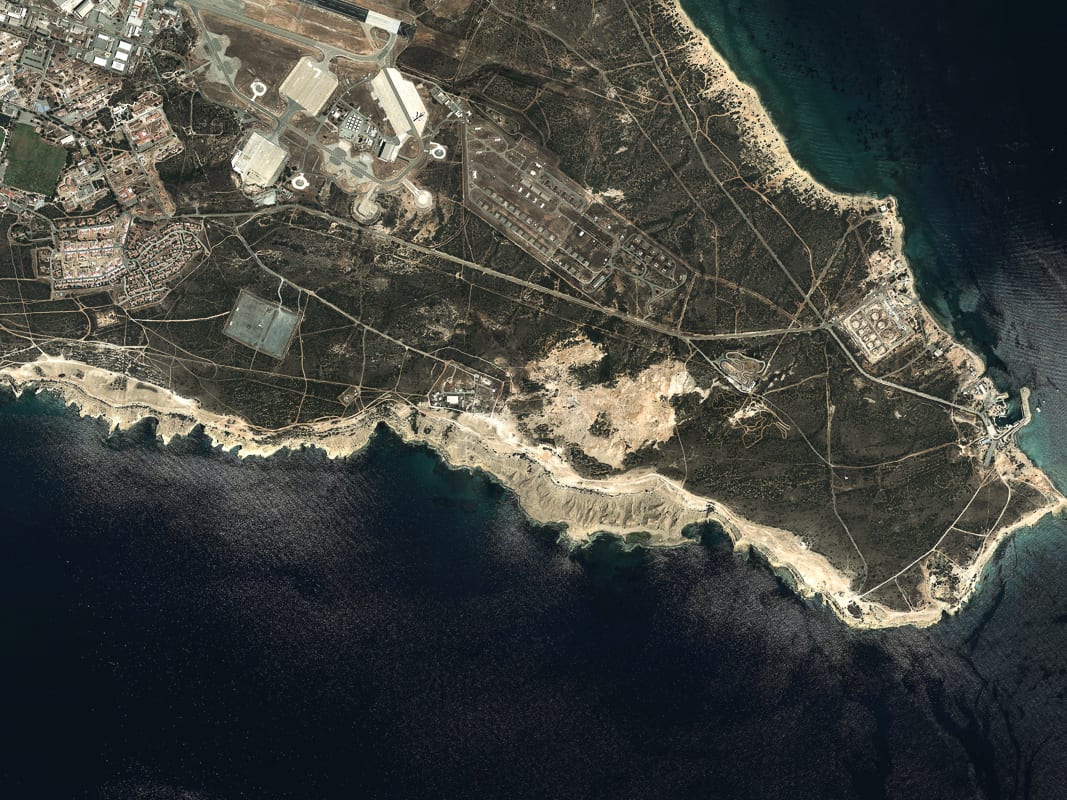
Lewis Bush's Shadows of the State visualises secret radio signals

“Really, it was only in the Snowden revelations that we realised how often these agencies don’t act in our best interest,” says Lewis Bush. “In some ways I hope that a project like this can make people think about how these abstract but very powerful forces in the world can be visualised when you find the right strategy.” He’s talking about his new project, Shadow of the State, a new photobook that investigates and exposes mysterious broadcasts dating back to the Cold War. Bush has spent the past two years seeking out the sources of these broadcasts, covert sites across the globe from North Korea and Russia to Washington and Cuba.

13 November 2017

Mahtab Hussain's You Get Me?

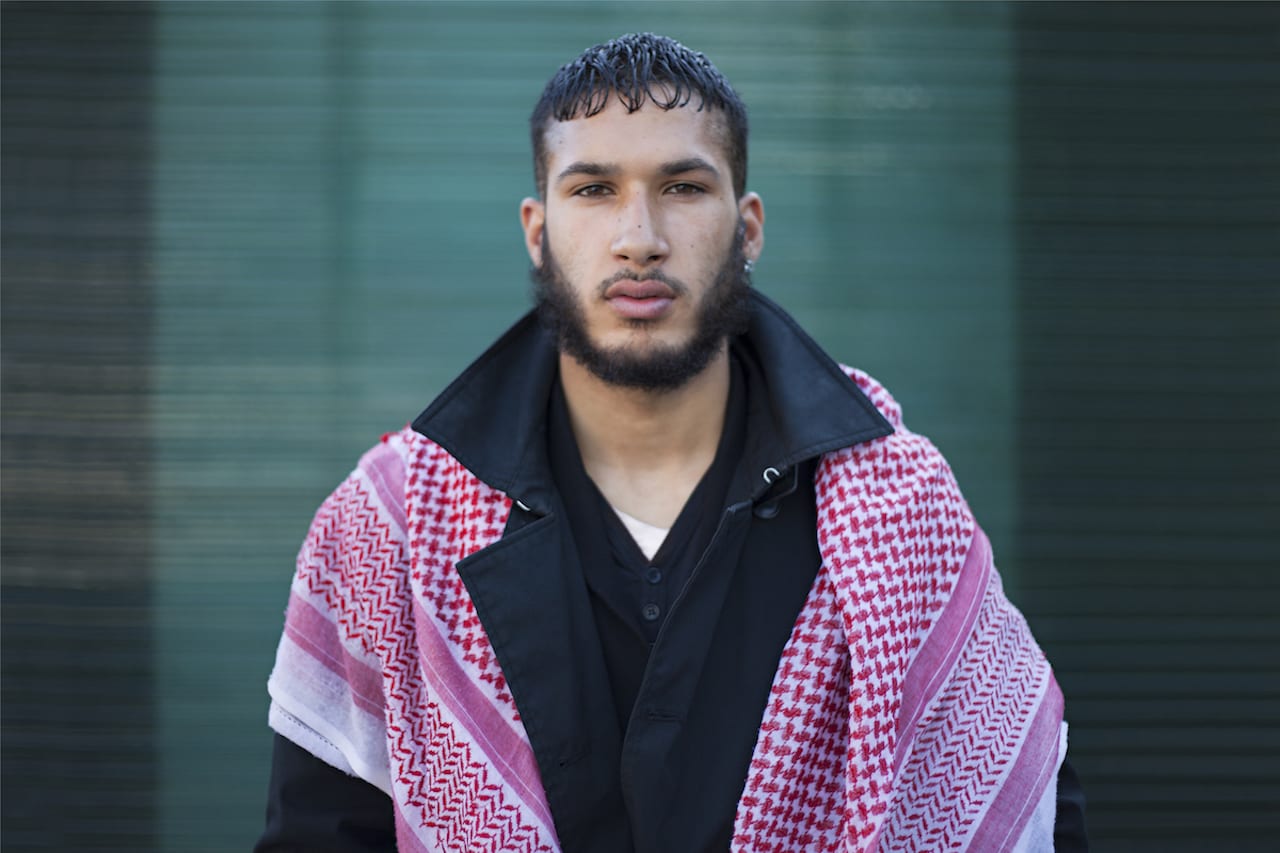
“When 9/11 happened, I was four, so obviously I didn’t really know what was going on. But in terms of now, of how Muslims are portrayed in the media, I think it’s a very one-sided story. We’re all terrorists, evil, who want to take over this country. I mean, thinking back now, I was only four, so all I’ve experienced is that this country hates me.” So says one of the sitters in Mahtab Hussain’s You Get Me?, a series of portraits shot over nine years in Birmingham, Nottingham and London. It shows young, working class, British Asian men, a group which has been negatively depicted in the media since 9/11 but which Hussain hopes to portray in a more nuanced way.

10 November 2017

In Paris: Colin Pantall shakes up "the mythology of the family"

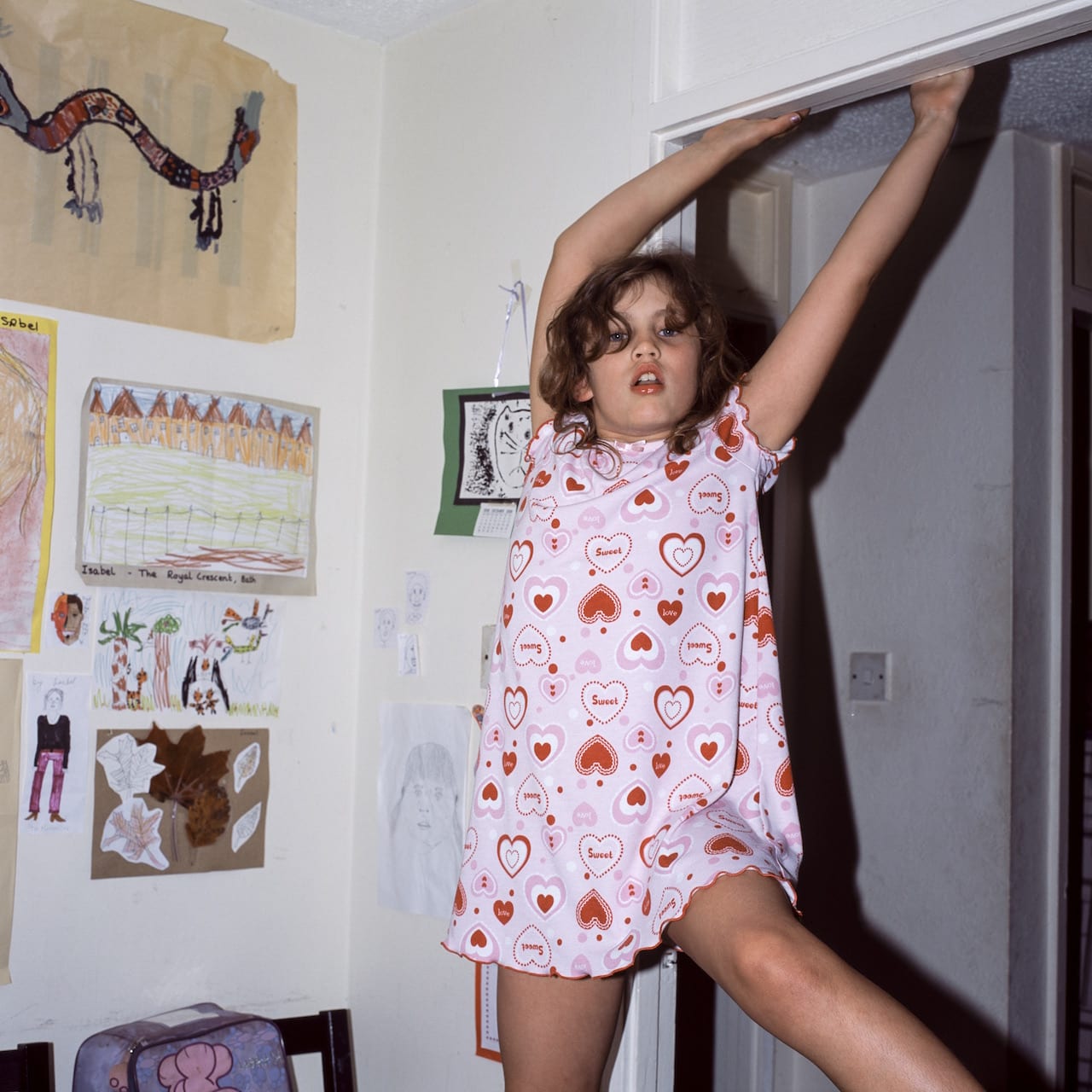
Colin Pantall began photographing his daughter, Isabel, in the delivery room moments after she was born. From then on, “it was just constant”, he says. Previously, the pictures he took were architectural, environmental, sometimes historical; but becoming a father re-oriented him entirely. The transition wasn’t effortless. In the early days his experience of fatherhood was spiked with feelings of claustrophobia and intense anxiety – fear of Isabel’s death, fear of his own. A sense that he could easily become obsolete.

9 November 2017
In this collection, we discover the concepts behind new and ongoing work by both emerging and leading practitioners.