

“Folkestone is a hidden gem – inspiring, by the sea, relatively affordable, and only an hour…
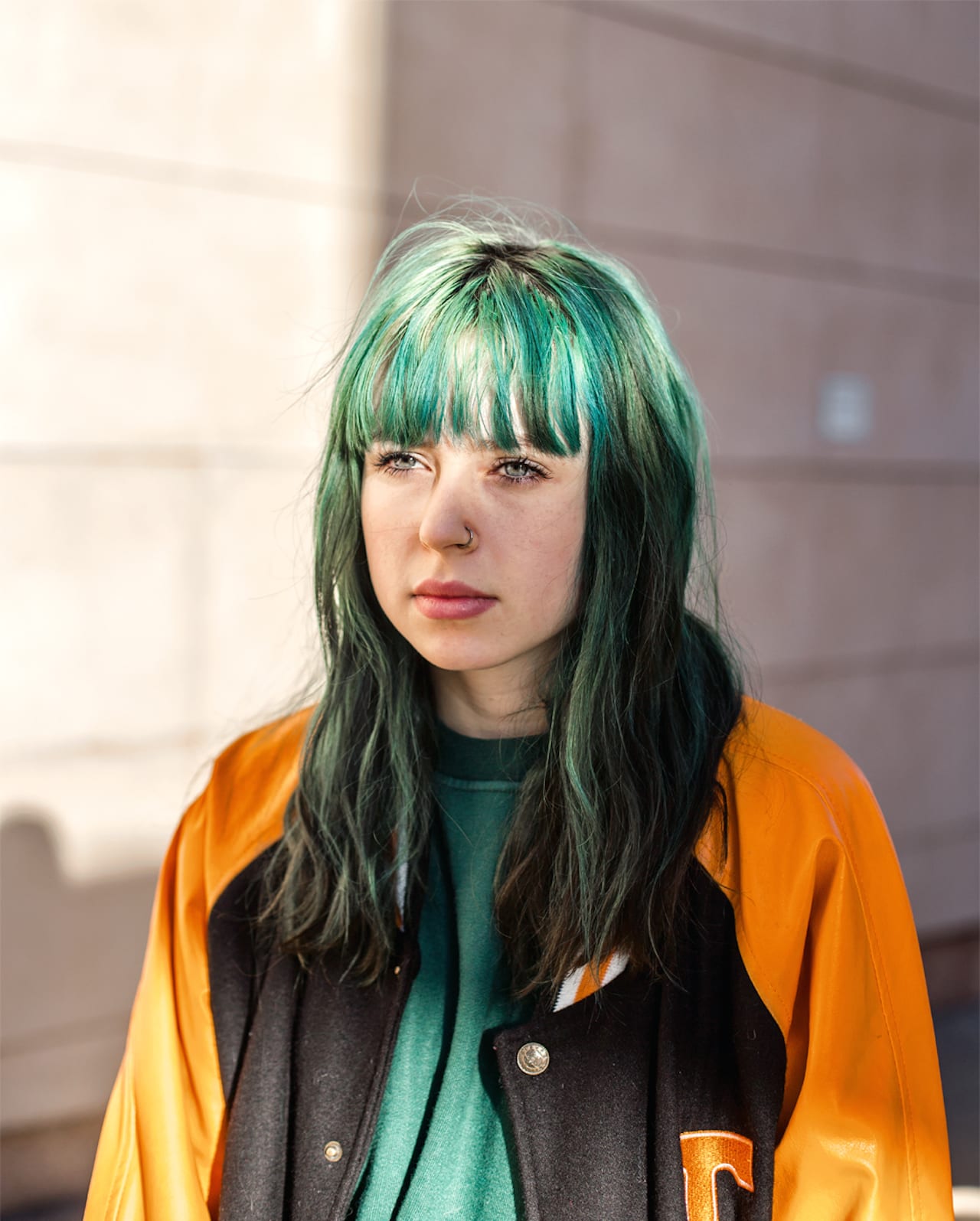
“Folkestone is a hidden gem – inspiring, by the sea, relatively affordable, and only an hour…
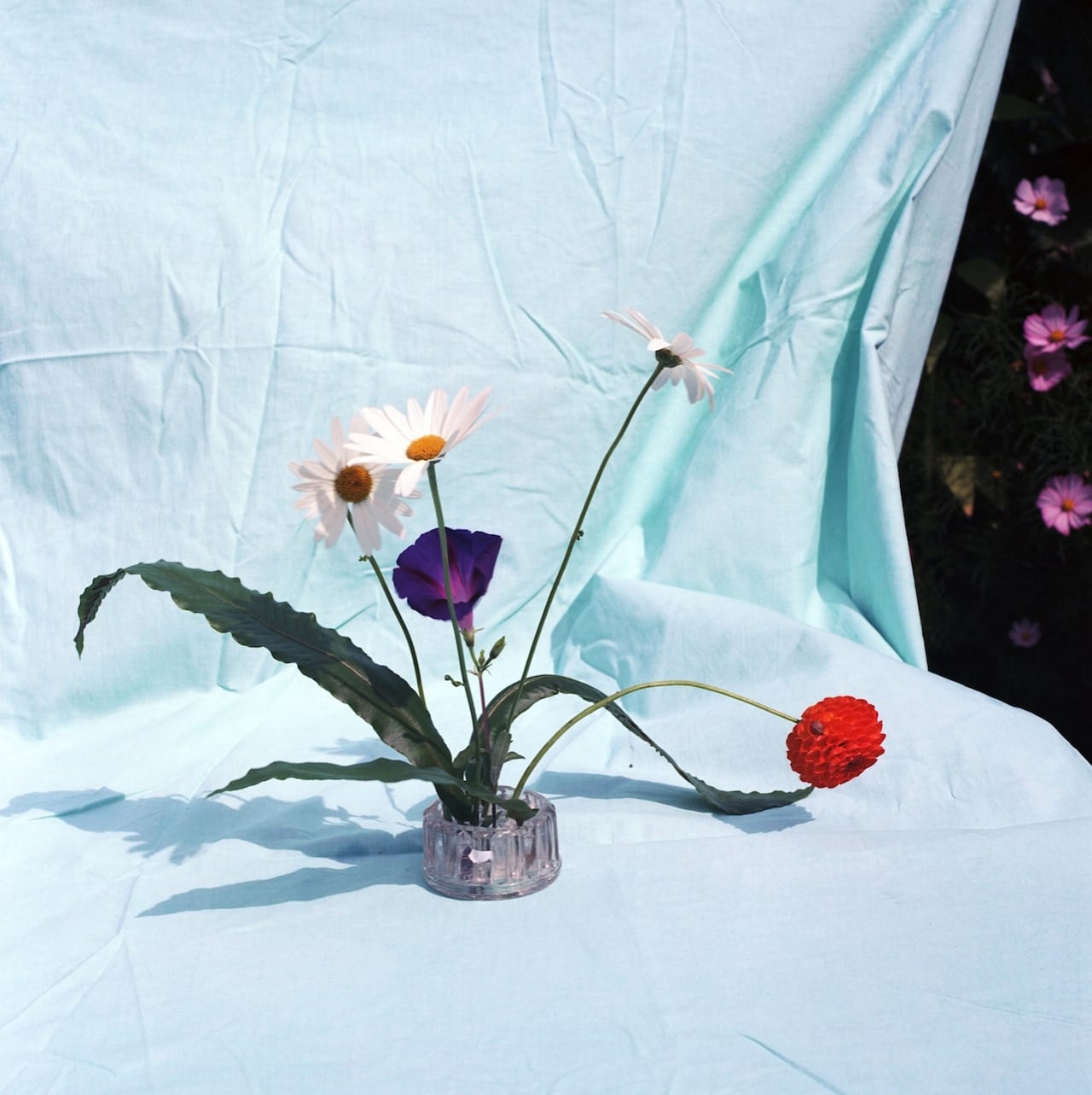
“The Garden Gate Project has a reputation in my neighbourhood,” says Jason Evans, who has just published a zine with participants from the Margate-based charity. “Established almost 20 years ago for people with learning difficulties and/or mental ill health, the Garden Gate Project is visited by various members of the community for a range of seasonal activities.” He was volunteering there two years ago when the organisers realised he was a photographer, and invited him to come up with ideas for the programme, which centres mainly on Horticultural Therapy. His first project with GGP was Tool Shed Dark Room, which saw Evans improvising with participants “without mains electricity or an enlarger to make photograms using materials from the garden”.
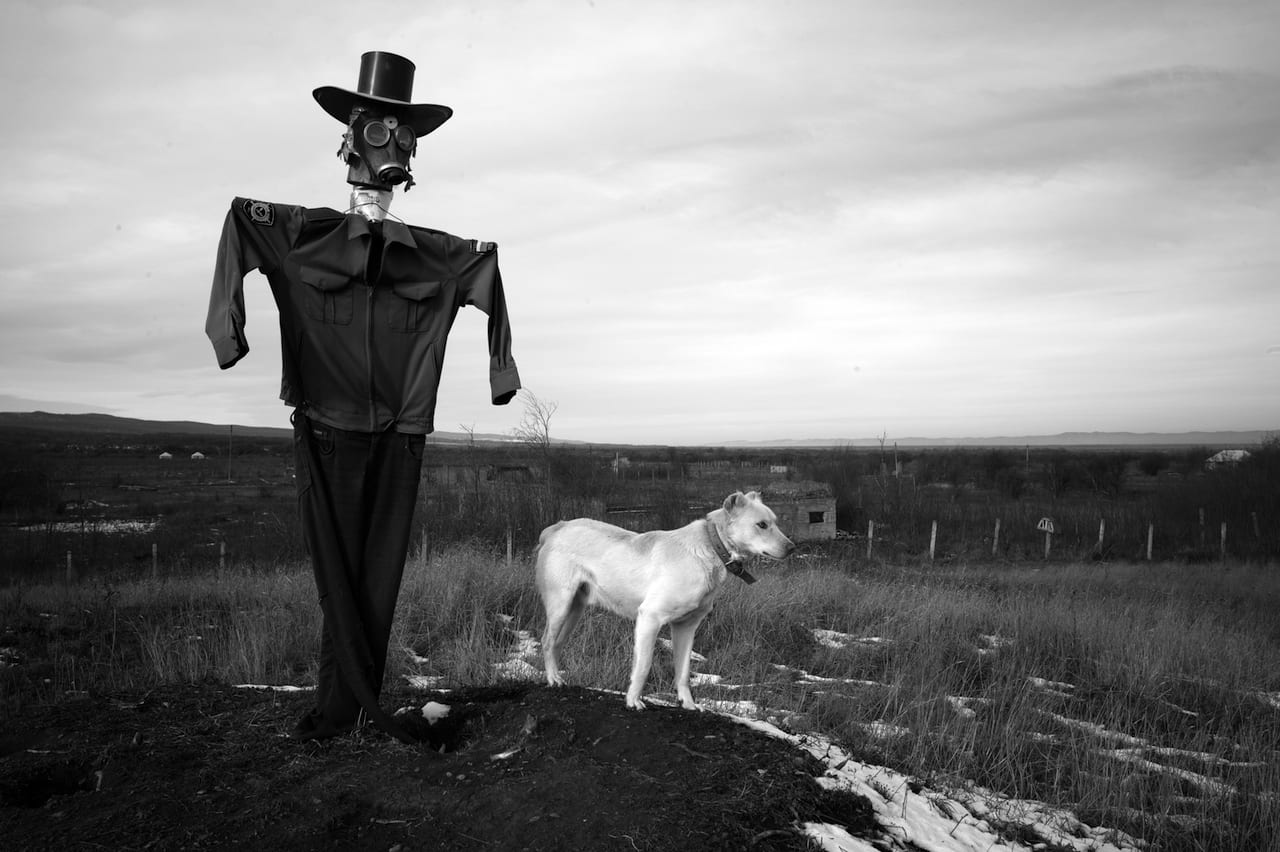
“The end of war does not mean peace,” says Sara Terry, founder of The Aftermath Project. “Every story of war includes a chapter that almost always goes untold – the story of the aftermath, which day by day becomes the prologue of the future.” It was in September 2000 that Terry decided to go to Bosnia. Six weeks earlier she had come across a story reporting on so-called ‘Bosnia fatigue’, the factor that meant that, five years after the end of the Bosnian War, the reporters were long gone and the international aid agencies were shipping out. Frustrated by the idea that people could forget what had happened, Terry felt compelled “to capture the images that are the all-too-often forgotten companions of the vivid pictures of war itself.” Terry had started out as a print reporter but went on to produce formative photographic work in Bosnia, which she published as Aftermath: Bosnia’s Long Road to Peace. The experience also led her to set up The Aftermath Project in 2003, with the aim of telling post-conflict stories from around the world and throughout time.
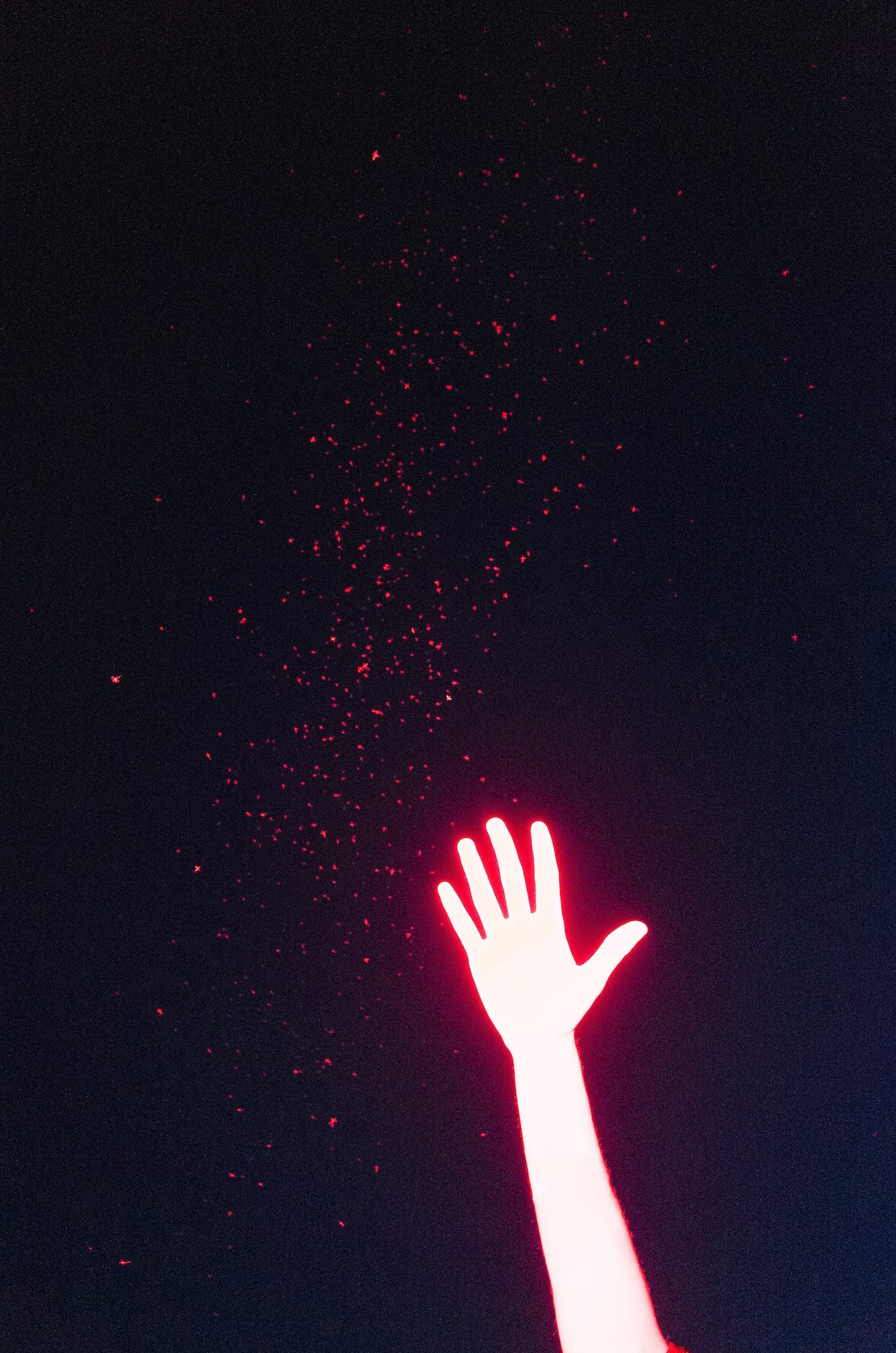
What does Eastern Europe look like 25 years after the fall of Communism? And how do young image-makers there see it? Calvert 22 is investigating, with an exhibition titled Post-Soviet Visions: image and identity in the new Eastern Europe. Curated by Ekow Eshun, creative director of Calvert 22 Foundation, and freelance writer and curator Anastasiia Fedorova, the exhibition includes work by 14 emerging photographers born in Eastern Europe and Russia – Armen Parsadanov, David Meskhi, Dima Komarov, Genia Volkov, Grigor Devejiev, Hassan Kurbanbaev, Ieva Raudsepa, Jędrzej Franek, Masha Demianova, Michal Korta, Patrick Bienert & Max von Gumppenberg, Paulina Korobkiewicz, and Pavel Milyakov.
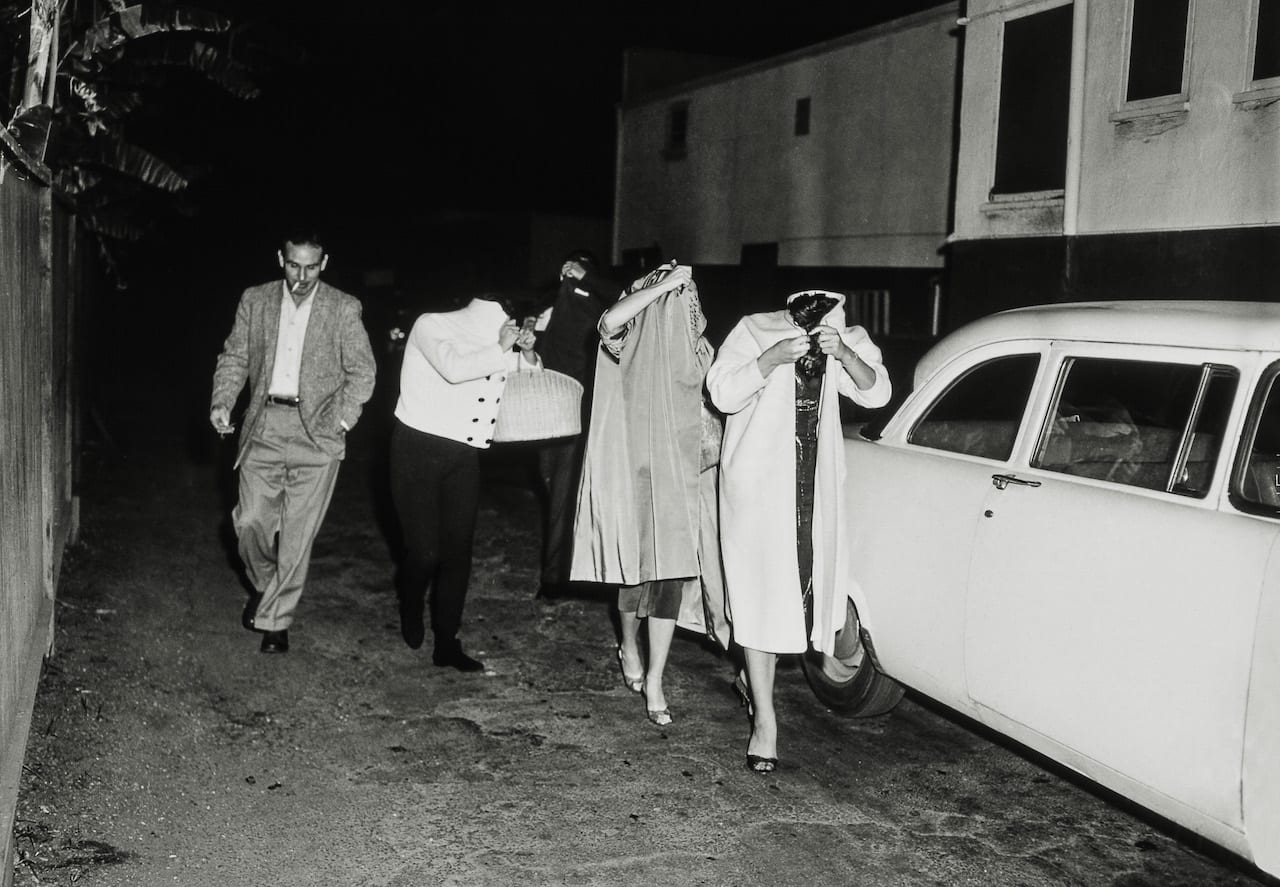
“The streets were dark with something more than night,” wrote Raymond Chandler in The Simple Art of Murder (1950). Born in Chicago but brought up in Los Angeles, Chandler helped create the genre that became synonymous with the City of Angels – the grimy, morally ambiguous Noir. And, suggests a new book by Taschen’s executive editor Jim Heimann, there’s good reason why LA gave birth to Noir. A small (though already shady) city until 1892, it was transformed when oil was discovered in modern day Echo Park. The black gold brought in money, and with it corruption, and a series of lurid real-life crimes. At the same time, Hollywood and the burgeoning newspaper industry helped ensure a plentiful supply of photographers, documenting both the good and the bad to be found.
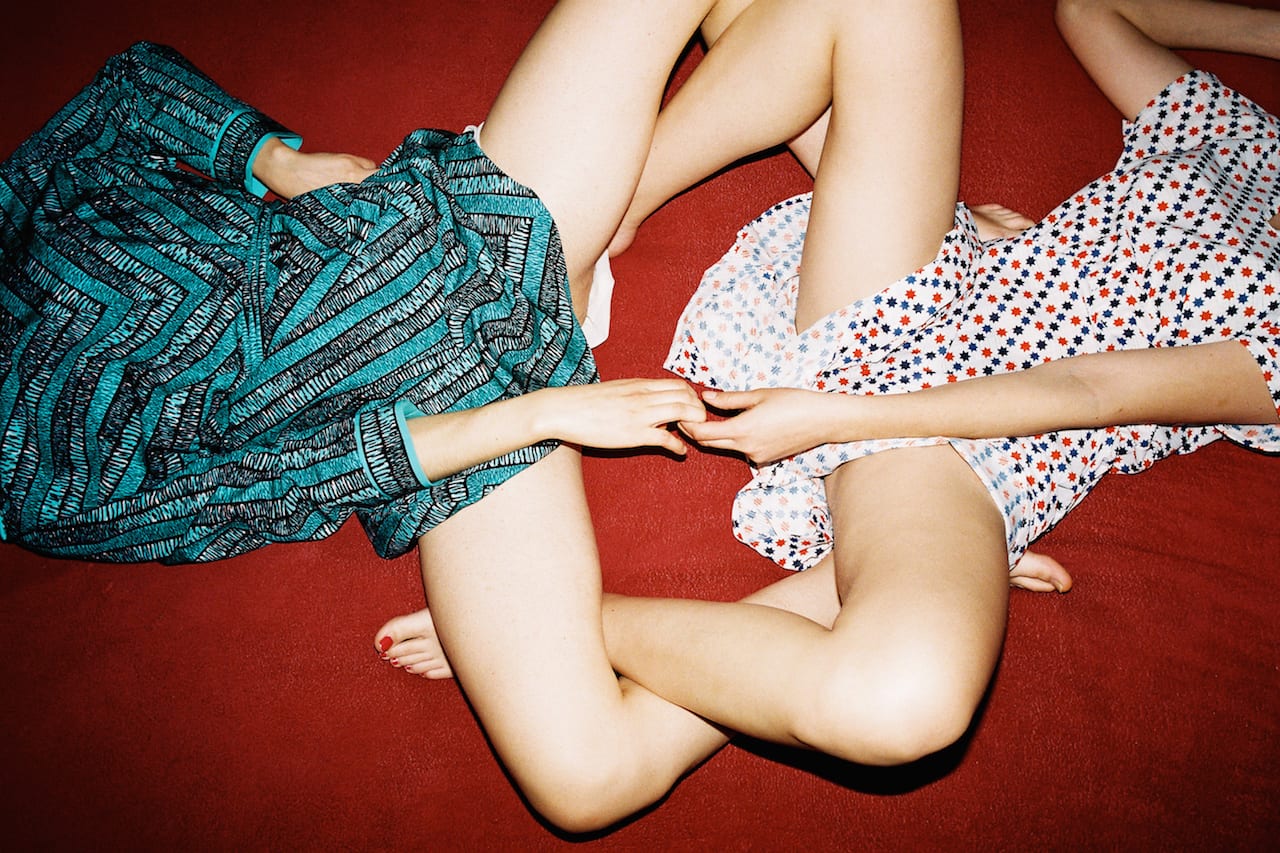
“It is a very progressive, very independent festival. It’s not part of the city’s art establishment. It’s dynamic, because the organisers are working way out on a limb,” says Susan Bright, ‘godmother’ of the Circulation(s) festival of young European photography, which takes place in Paris from 17 March-06 May
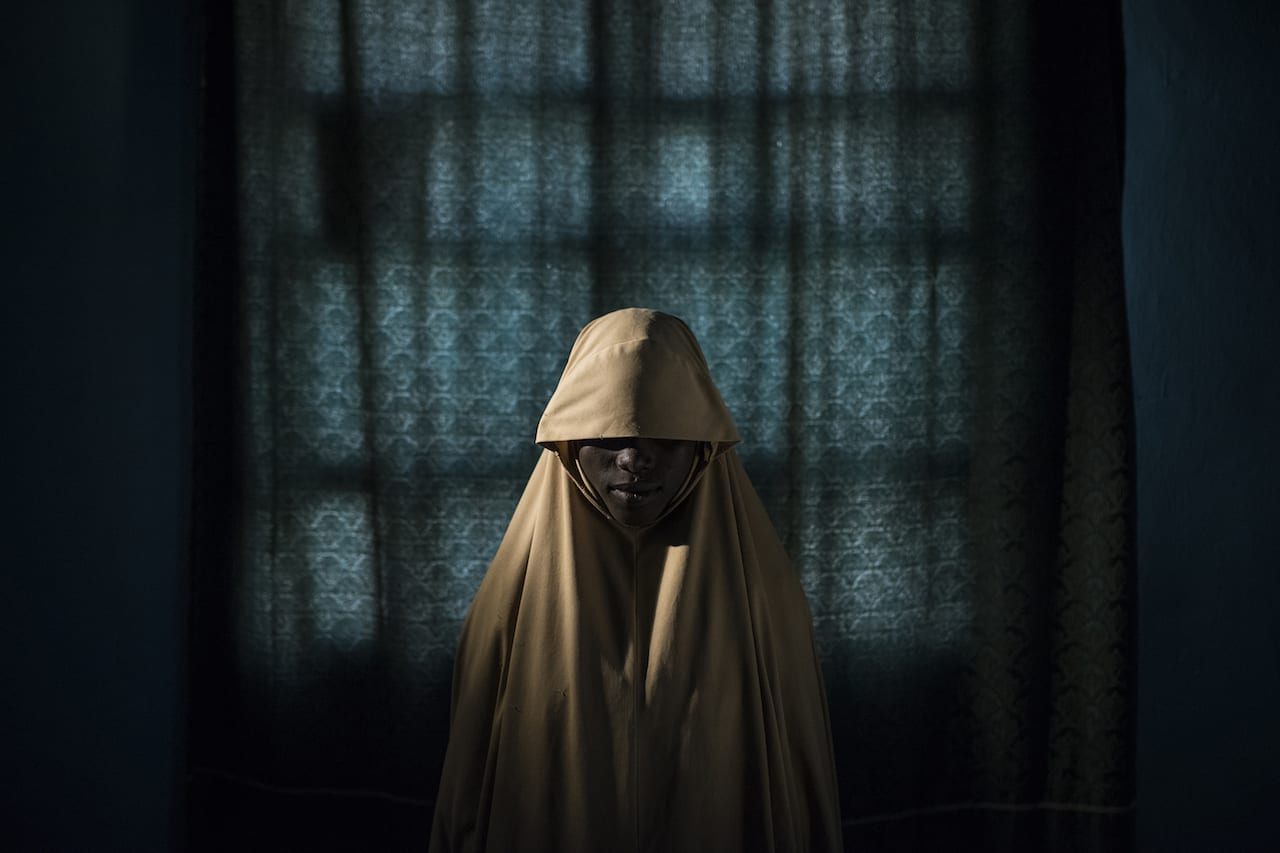
Born in Australia in 1978, Adam Ferguson studied photography at Griffith University. He first won…
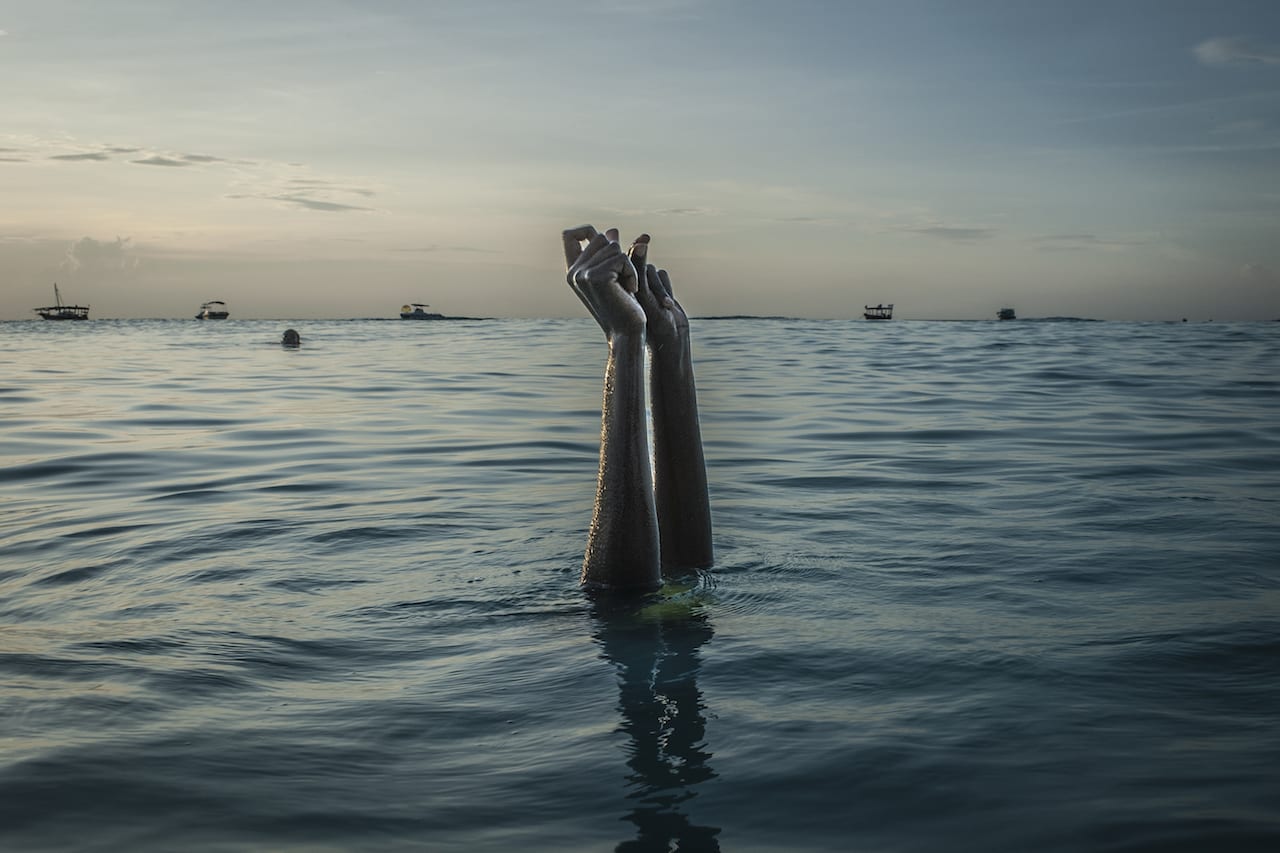
This year, he says, all the images have been thoroughly checked before the shortlists have been announced, let alone the winners. “All the checking is already done – all raw files, where the images were shot, everything,” he tells BJP. “We know how important it is that everything can be trusted, and we keep asking questions until we are satisfied. We wouldn’t announce the shortlists unless we were.”
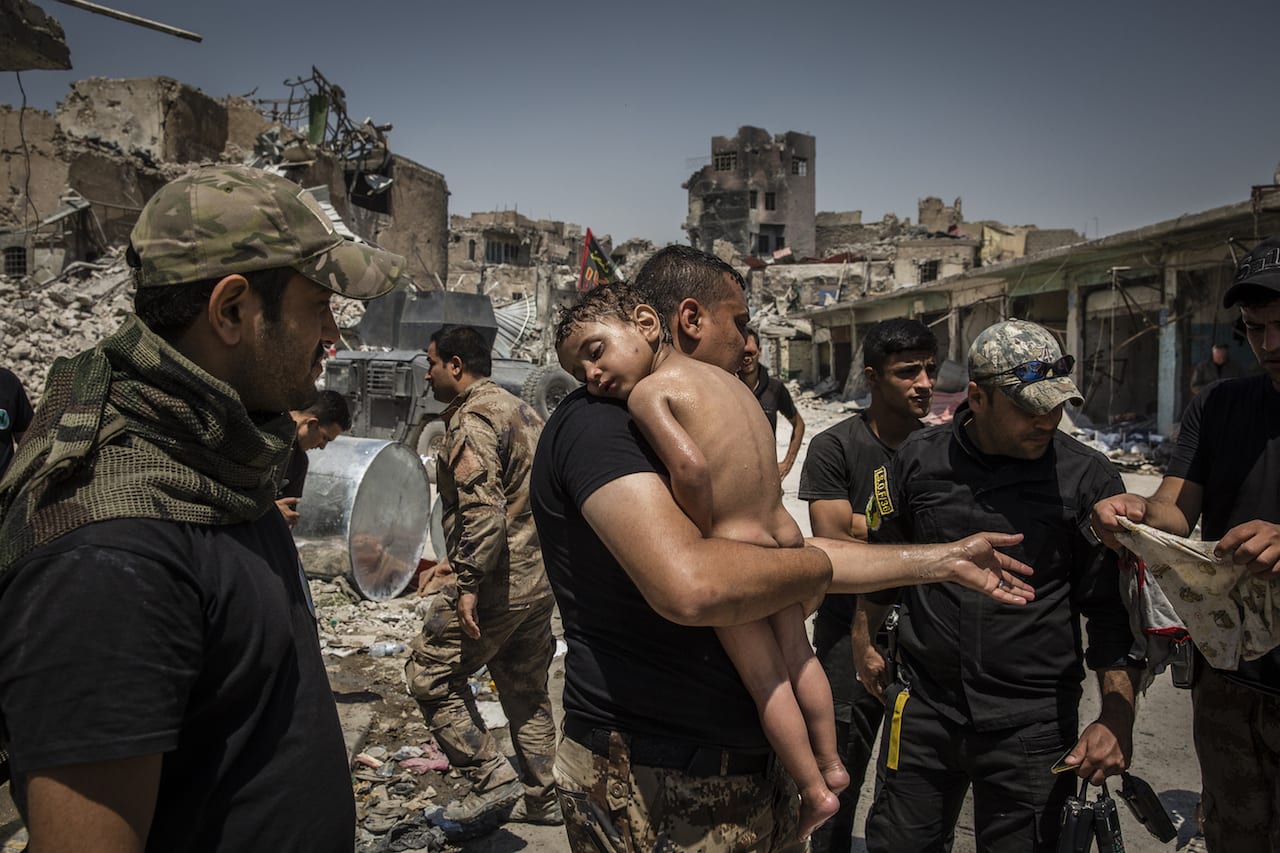
“If you are asked to think what is the photo of the year, you have to try to have something about the events of that year, and that sends you to a news or documentary photography,” says Magdalena Herrera, director of photography for Geo France and chair of the jury for the 2018 World Press Photo Contest. “But we were looking for a point of view, the photographer’s point of view. We weren’t looking for an opinion, but for images in which someone had been able to take the photographic tool to envisage their part. Even if you are a documentary photographer, you choose the moment when you take the shot. YOU are the one reporting.

Marrakech is a hub of arts-related activity this February. On the 24th, 1-54 Contemporary African Art Fair launches its first edition on the continent, and on the same day the Museum of African Contemporary Art Al Maaden opens a special exhibition and programme, Africa Is No Island. Curated by Afrique in visu, the latter exhibition is a physical embodiment of everything the photography platform has been working towards since it was started a decade ago online with the mission to develop a professional network for photographers across the continent and the wider diaspora.