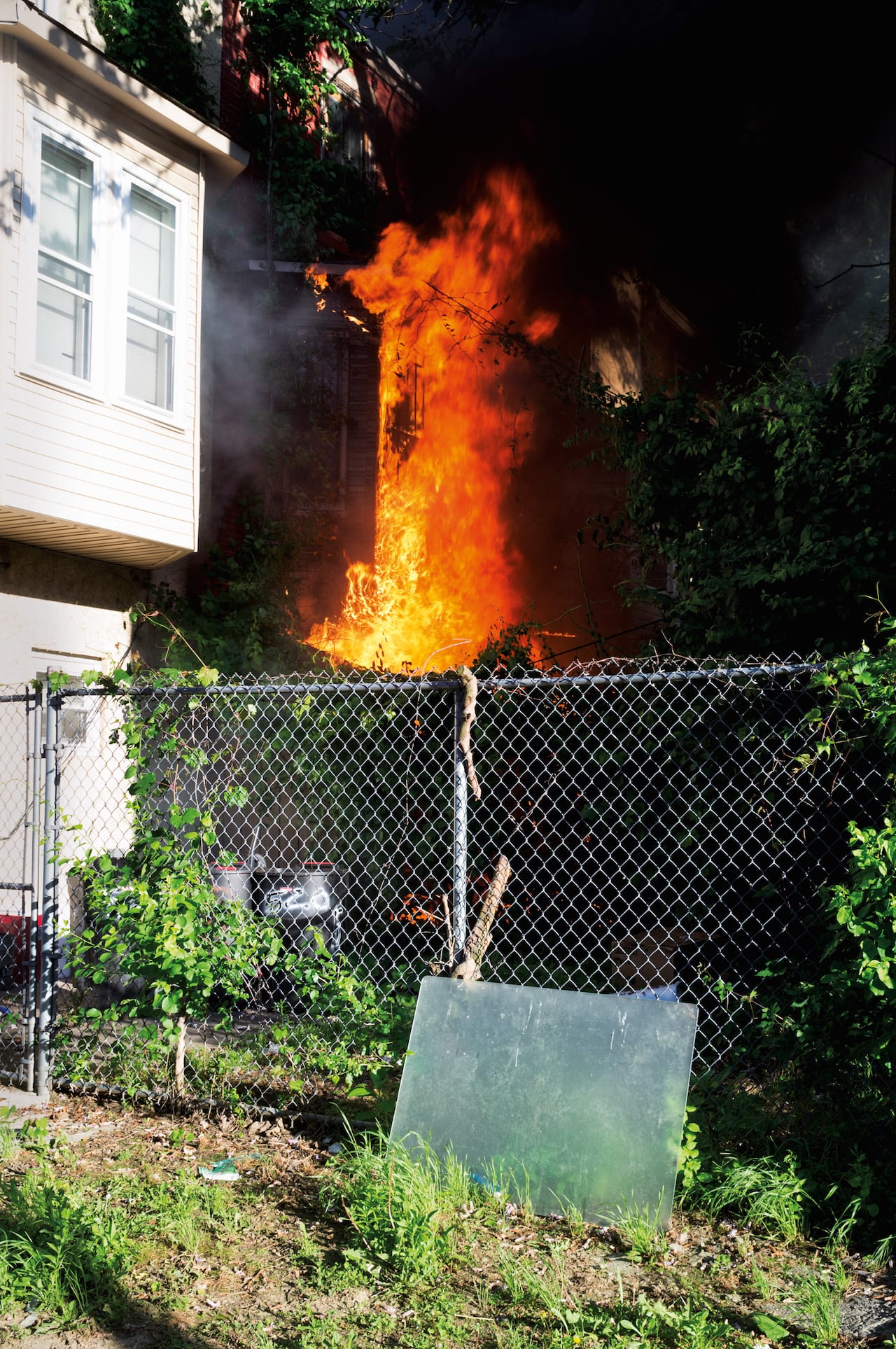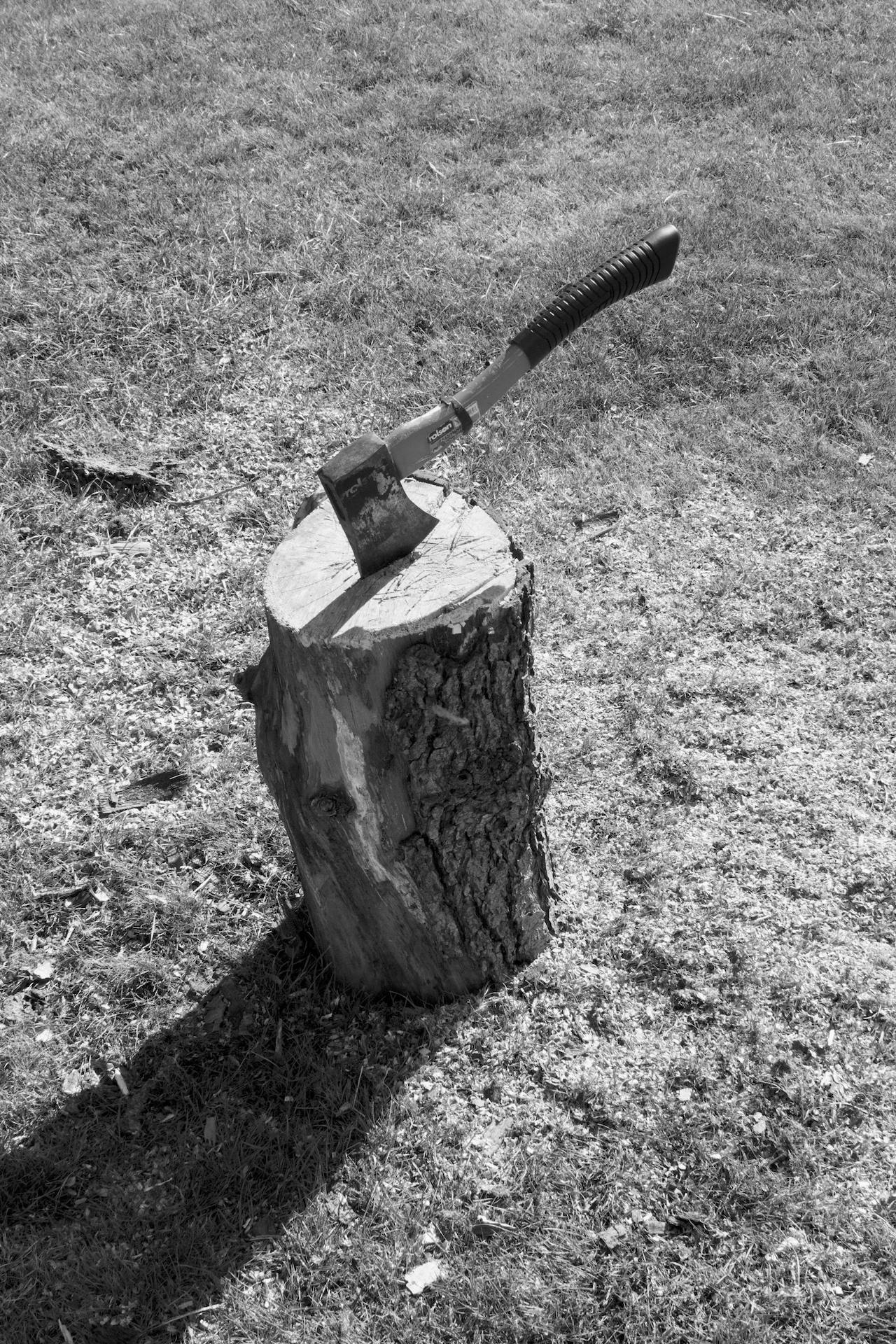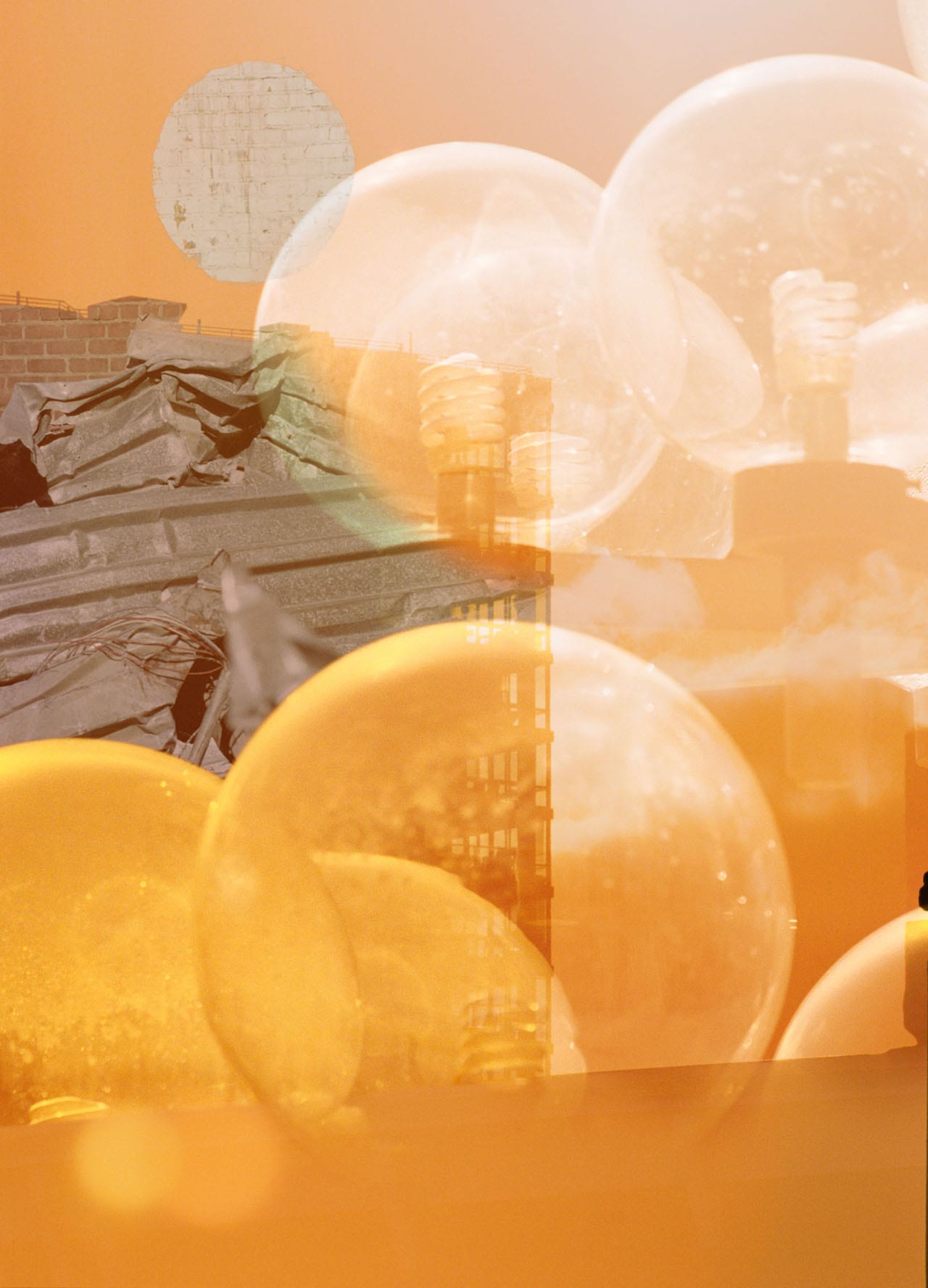

When Jordan Baumgarten and his wife moved into the neighbourhood of Kensington in Philadelphia in…
Peter James was an instrumental figure in British photography, establishing an outstanding collection of photography at the Library of Birmingham over his 26-year career at the institution, and researching and curating exhibitions at the V&A, National Portrait Gallery, Somerset House, Birmingham Museum and Art Gallery, Ikon Galley, the Library of Birmingham, and many more. He was also a modest and affable man, universally known as Pete and as at home over a curry as in a lecture hall delivering an academic paper. As Hilary Roberts, research curator at the Imperial War Museum, put it in a tribute on James’ Facebook page: “Pete has been a wonderful friend and exceptional colleague for more years than I can remember. His contribution to the world of photography cannot be overstated. It was a privilege to work with him and I will miss him more than I can say.”
“The idea for Paper Journal came about during my final year of studying photography at Westminster,” says founding editor Patricia Karallis. Though studying she was also working as a picture editor for a small online arts and culture magazine at the time, and had found that she really enjoyed the research aspect of the role but also had “many ideas in terms of content that didn’t quite fit where I was working at the time”. The answer was simple – she decided “to start my own platform”. She launched Paper Journal online in 2013, with the aim of showcasing photography, fashion and culture in an exciting way. Featuring photography from unknown or new image-makers alongside more established names, Karallis says, “we love to promote new photography and I think that’s been a really strong point for us, and one that draws readers back to the site.”
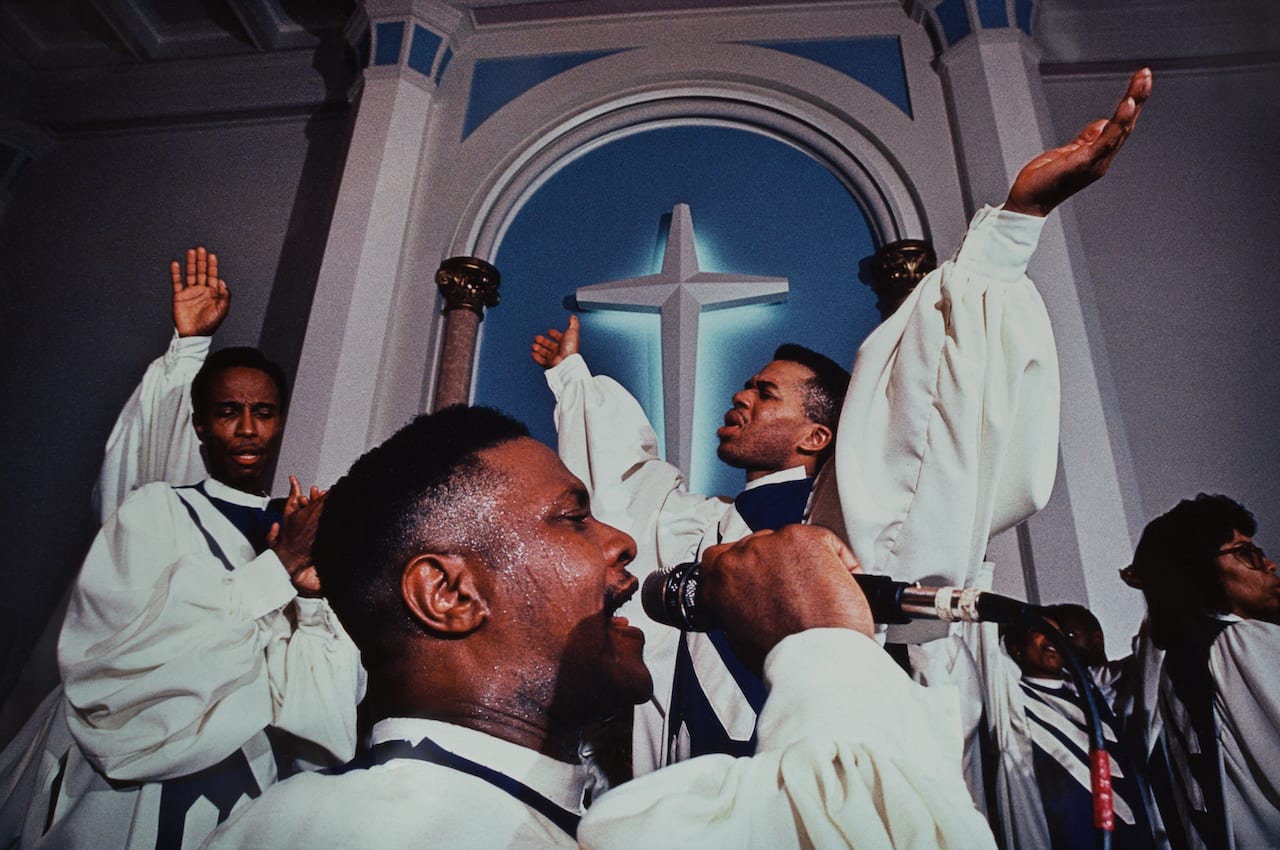
“I never had trouble walking up to people and asking them to take their picture,” photographer Arlene Gottfried (1950-2017) told The Guardian in 2014. Largely unknown to the public for the majority of her career, it was her black-and-white photographs of New York in the 1970s-80s that first sparked an interest in her work. Looking at them, it’s clear that Gottfried had a way with people as well as with images. “Arlene had a way of looking at the world with curiosity and love that was distinctly her own,” says Daniel Cooney, who runs a gallery of the same name currently showing Gottfried’s work.
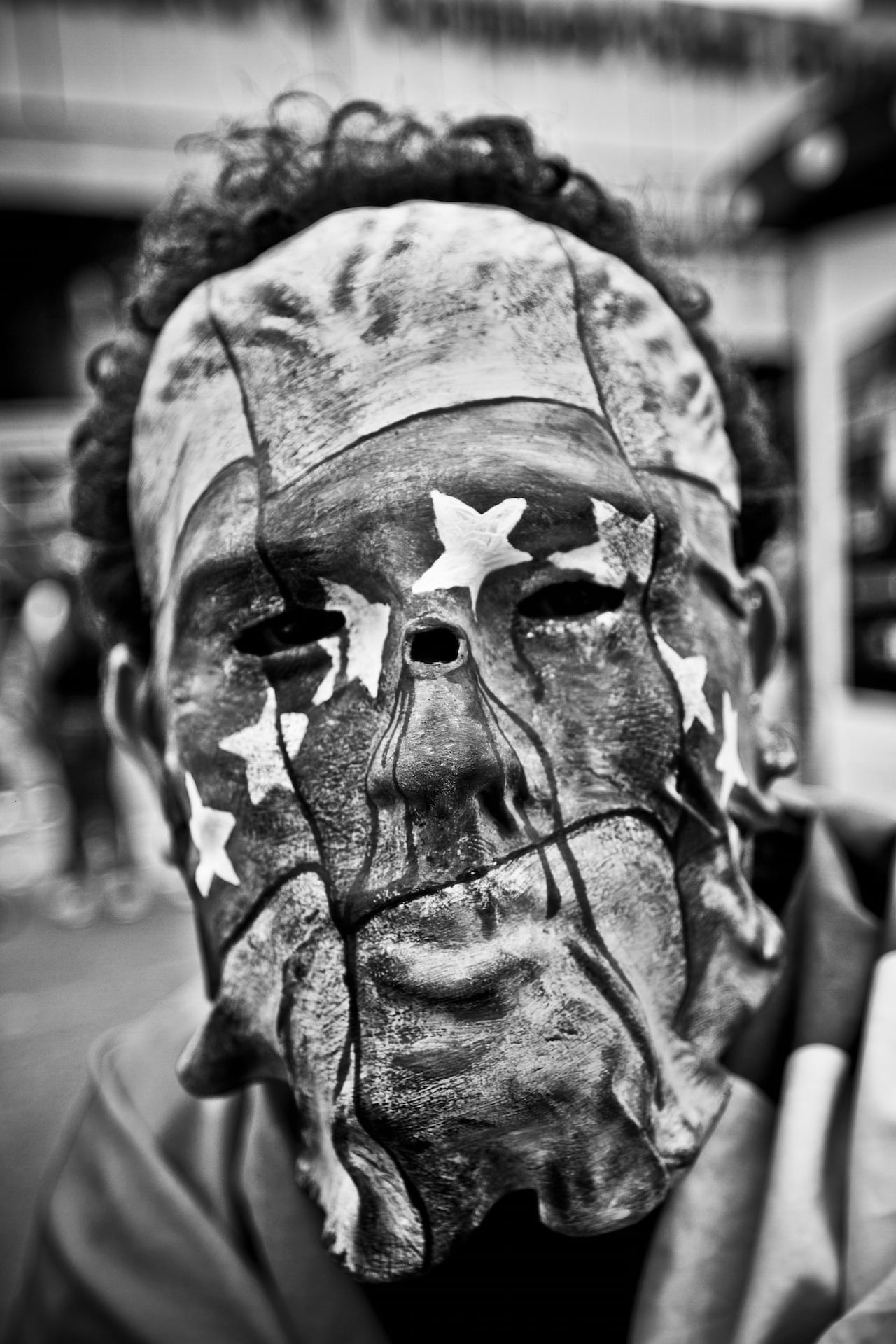
“There is no shortage of visual talent around the world, but some people are better known than others,” states World Press Photo. “To develop a new and more diverse visual representation of the world, we need to locate, recognise and share the best work.” With this in mind it launched the 6×6 Global Talent program, which aims to flag up six new talents drawn from one of six continents every three months. The first 6×6 flagged up six photographers from Southeast Asia and Occeania in November 2017; this time the focus is on South America and the selected image-makers are: Oscar B Castillo (Venezuela), Fabiola Ferrero (Venezuela), Luján Agusti (Argentina), Pablo Ernesto Piovano (Argentina), Felipe Fittipaldi Freire de Carvalho (Brazil), and Tamara Merino (Chile).
“The culture and mythology of Bigfoot is something that has always interested me growing up…
“I’m a bit at a loss at the moment; to say that I’m honoured feels like an understatement,” says photographer Daniel Shea, who has won the 12th Foam Paul Huf Award. “I’ve been following this award and Foam for a long time, and I feel incredibly honored, grateful, lucky, and humbled by this opportunity.” Shea has won the prize with his series 43-35 10th Street, described as a reflection on late capitalism and its effects on New York City. He wins €20,000 and a solo show at the Foam Fotografiemuseum in Amsterdam, which will take place in Autumn this year.
“Human life at its most basic level needs water to survive. It’s tragic that too much of the world does not have access to a sustainable source of water in order to survive, never mind live,” says photographer Sophie Green of her work with Just a Drop, a charity providing access to sustainable clean water solutions in Kenya. Born in the UK and best-known for exploring facets of British culture such as drag racing and horse fairs, Green isn’t an obvious choice for the charity. But Just a Drop approached her because they were drawn to her aesthetic, she says – and, she points out, she’s spent the last two years documenting African culture in Britain.
“Philip always hated being called a ‘war photographer,’” says Hannah Watson, director of TJ Boulting Gallery, of Philip Jones Griffiths. “He wasn’t interested in the ‘action’ that you often associated with war photography.” Instead, Watson draws attention to the careful consideration and intelligence behind each of the Magnum photographer’s shots. “In a single image he could give insight and an in-depth analysis to a complex situation,” she says.