
Projects

Shortlist announced for the 2018 PHM Grant

Running since 2013, the PHM Grant has a reputation for finding interesting new photographers such as Max Pinckers, Tomas van Houtryve, and Salvatore Vitale. Now the 35-strong shortlist for the 2018 has been announced, with the winners due to be announced on 08 May and four prizes up for grabs – a first, second and third in the main award, plus a New Generation Prize. Each winner gets a cash prize plus a publication on World Press Photo’s Witness, a projection at Cortona On The Move and at Just Another Photo Festival, and promotion via PHmuseum. The jury handing out the awards is made up of photography specialists – Genevieve Fussell, senior photo editor at The New Yorker; Roger Ballen, photographer and artist; Emilia Van Lynden, artistic director of Unseen; and Monica Allende, independent photo editor and cultural producer. The jury is able to give Honourable Mentions, up to six in the main prize, and up to three in the New Generation Prize.


25 April 2018

David Titlow is Eyeballing 1970s Citizens Band Radio culture

“It was before mobile phones, before the internet. It was the initial form of mass communication, a way you could chat to your friends for free. I remember lots of people in Suffolk got a CB radio and thought they were in the Dukes of Hazzard,” says David Titlow, whose latest photobook is a collection of portraits that bring together CB users and their Eyeball cards, their would-be business cards promoting their radio personality.

24 April 2018

Riga Photomonth opens in Latvia this May

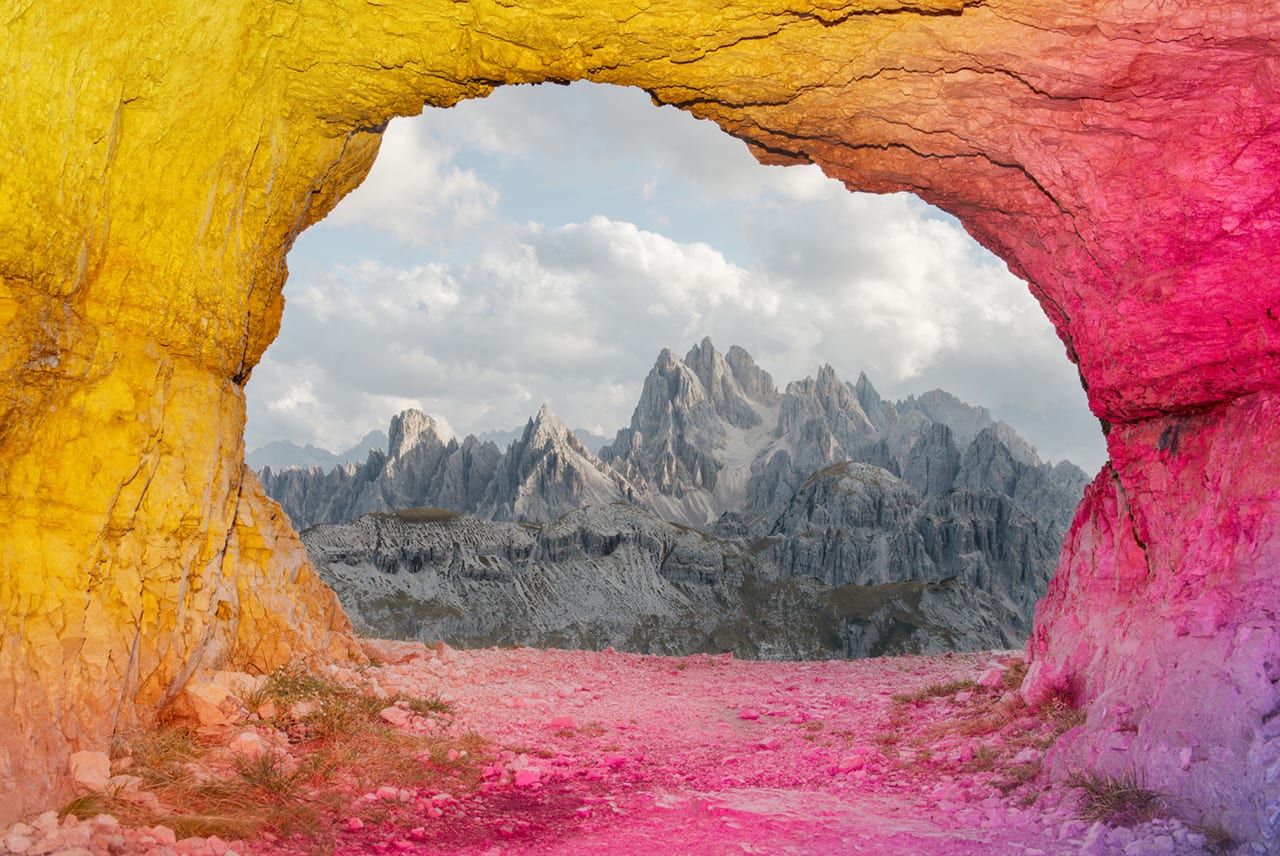
Centred around the theme of New Chic, the works on show at Riga Photomonth this May “are united by quests in the language of photography,” says curator Alnis Stakle. Raising questions about the materiality of photography, he continues, these projects also examine “individual and collective meanings and identities and the rituals of looking and showing off”. Inka and Niclas Lindergård are showing a series titled The Belt of Venus and the Shadow of the Earth, for example, which addresses the materiality of the photograph and photography’s role in the stylisation of the landscape. Through manipulation and the use of colour flashlights “their works become an open portal to the hyperrealistic synthesis of beauty, kitsch and visual desire in the language of photography,” says Stakle, who is director of Multimedia Communication and Photography at Riga Stradins University, and a celebrated photographer in his own right (bjp-online featured his series Theory of R in March 2017).

18 April 2018

Arko Datto’s study of the Indian pik-nik phenomenon

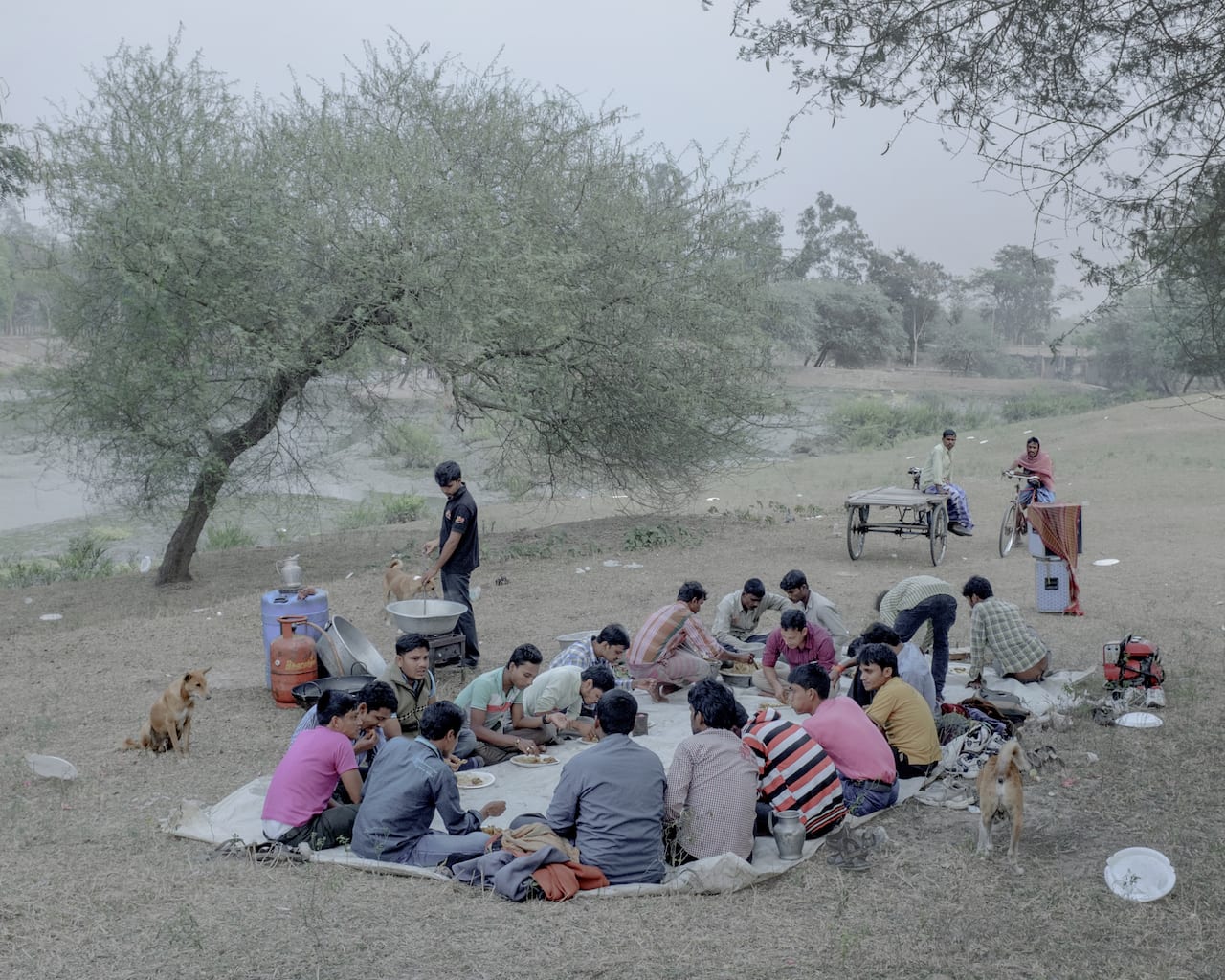
Indian photographer Arko Datto (b.1986) completed two masters degrees in theoretical physics and mathematics before deciding to take a “leap of faith into photography”. After studying photography at the Danish School of Journalism in Aarhus, his long-term projects have since been published in leading international publications, such as TIME and National Geographic. For PIK-NIK, Datto spent the last five winter seasons photographing picnic spots across eastern India, primarily in West Bengal but also in Jharkhand and Orissa. Here, families and colleagues converge for a day of food, drink and revelry before departing at sunset, leaving piles of rubbish in their wake. “Vats of freshly slaughtered chicken, sacks of vegetables and an arsenal of pots, pans and gas cylinders are lugged along, taking cooking en plein air to a whole new level,” says Datto.

17 April 2018

Zanele Muholi’s Somnyama Ngonyama – Hail the Dark Lioness

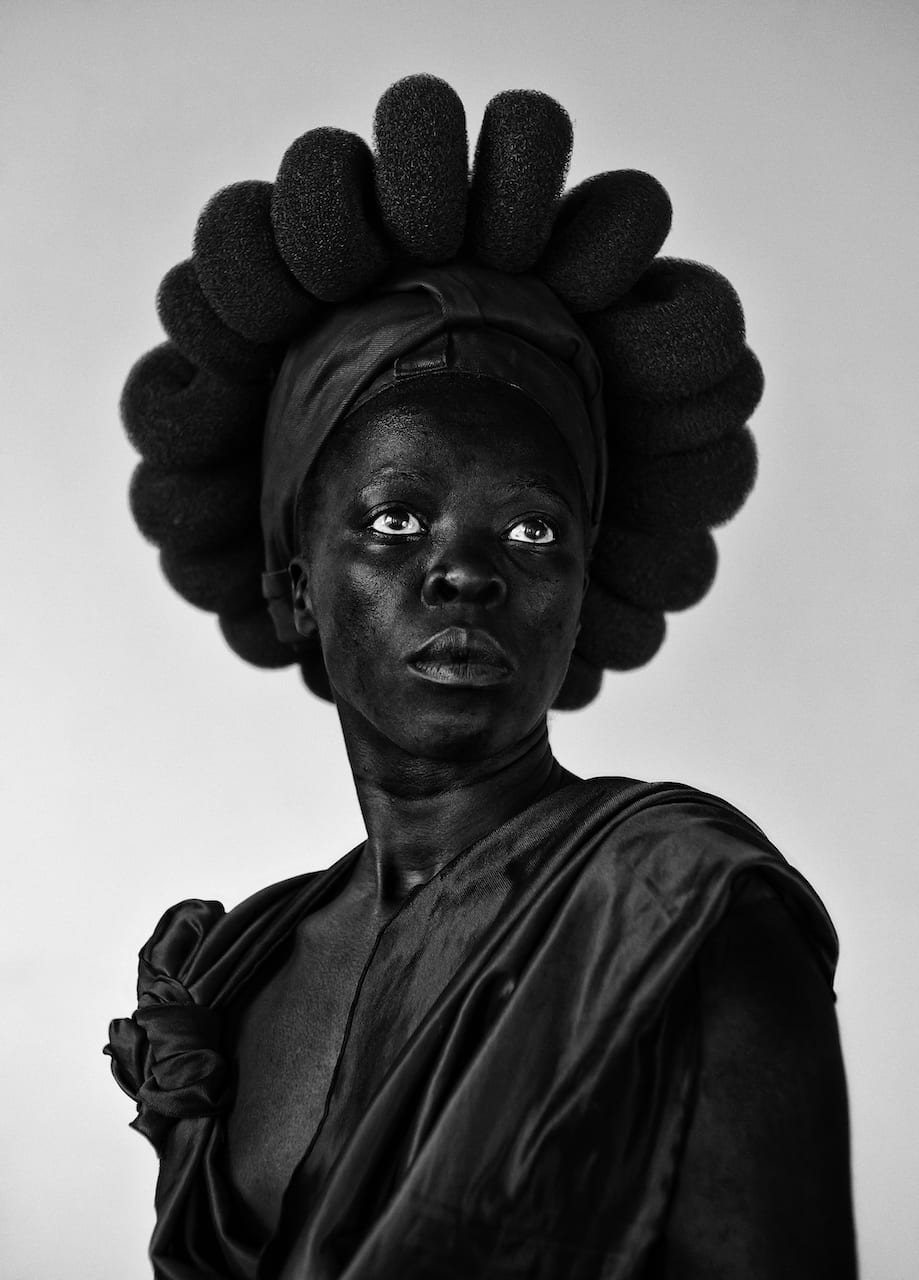
“I’m reclaiming my blackness, which I feel is continuously performed by the privileged other,” says South African photographer Zanele Muholi. Born in 1972 in Umlazi, a township close to Durban, Muholi defines herself as a visual activist using photography to articulate contemporary identity politics. In her latest series, Somnyama Ngonyama: Hail the Dark Lioness, she uses her body to confront the politics of race and representation, questioning the way the black body is shown and perceived.

17 April 2018
In this collection, we discover the concepts behind new and ongoing work by both emerging and leading practitioners.