

What’s your vision of America? Dominating popular culture for years, it’s a country nearly everyone…
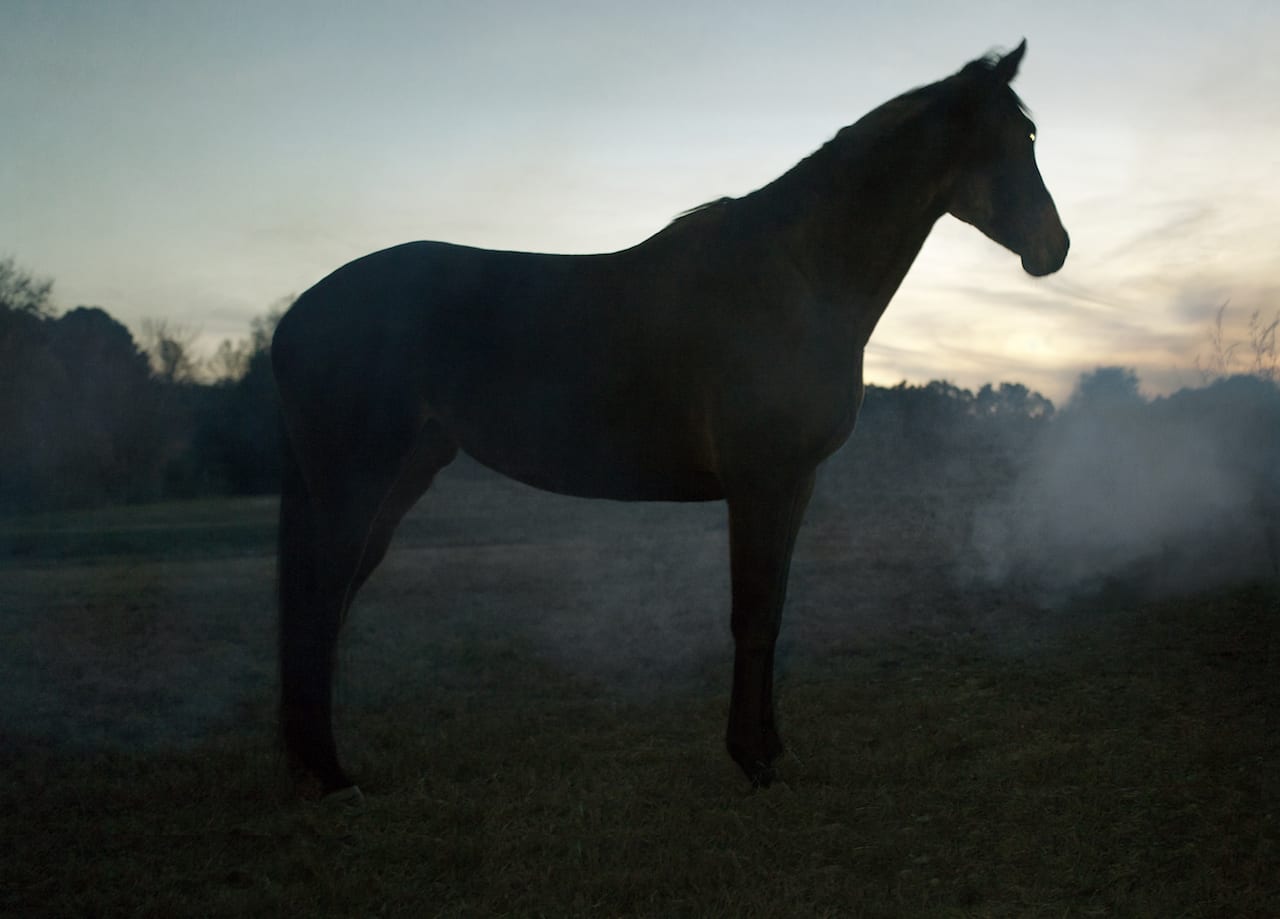
What’s your vision of America? Dominating popular culture for years, it’s a country nearly everyone…
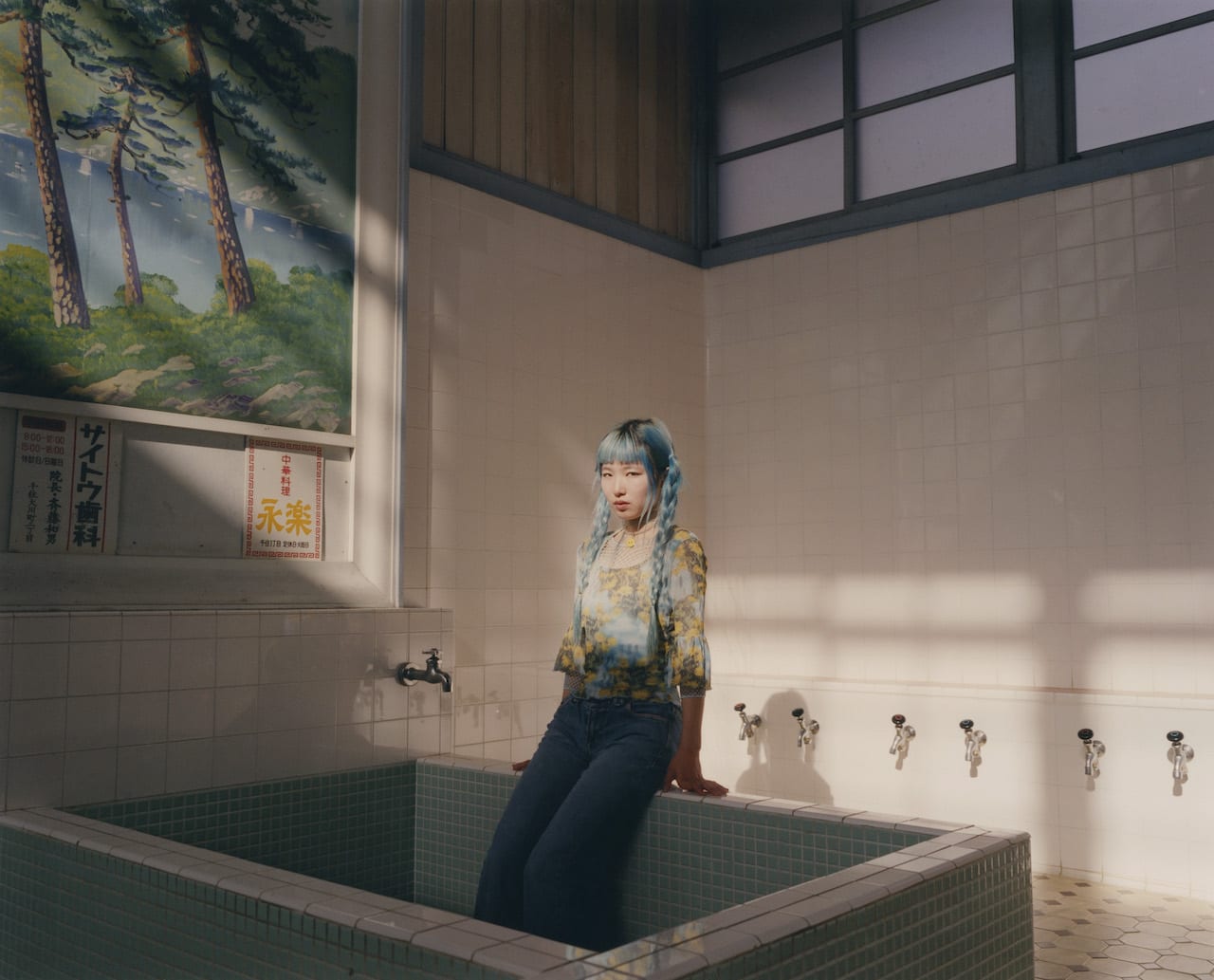
“There’s not enough journalism about female friendships, they’re not given the same credit as romantic relationships, but I actually think they can be so much stronger,” says London-based photographer Francesca Allen, who spent a month in Tokyo last spring photographing the subject of her new book, Aya, a Japanese musician and now Allen’s good friend.
The pair first met in 2016, during Allen’s two week vacation to Japan. Allen, whose work often centres on womanhood and sexual freedom and is regularly featured in publications such as Ripose and The Fader, used part of her time on holiday to photograph Japanese girls. Looking across her selection of images, she felt so drawn to the photographs of Aya that the following year, she arranged to go back and make a book with her.
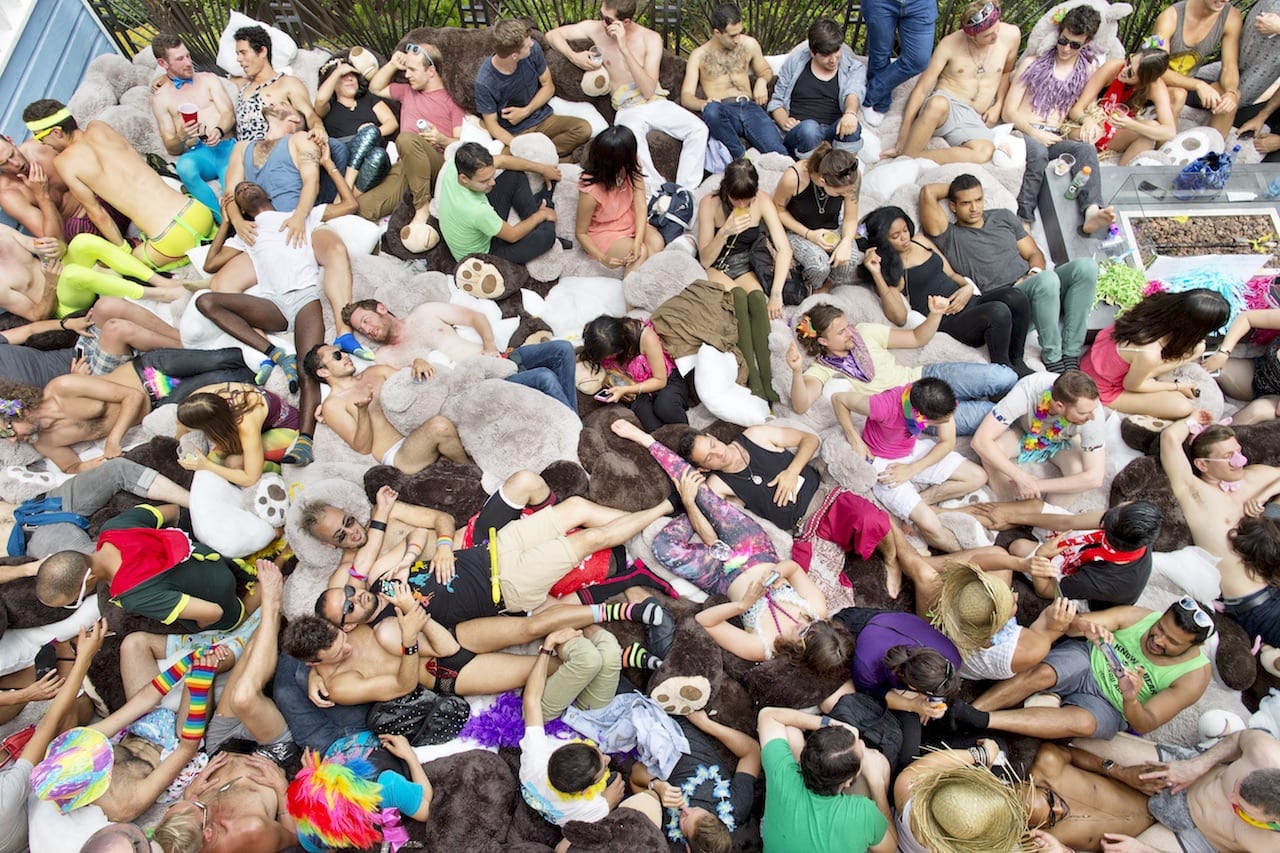
In Dave Eggers’ novel The Circle, recent graduate Mae Holland joins a highly successful social media corporation in California. The Circle, as the company is named, demands 24/7 loyalty from its staff but, seduced by its power and glamour, Holland is quickly drawn in and starts sleeping at the on-site dormitory and almost exclusively hanging out with its employees. By the end of the book things have taken a dystopian turn, and The Circle has morphed into a totalitarian regime, governed by slogans such as ‘Privacy is Theft’ and ‘Secrets are Lies’, poised to take over the world.
It’s a compulsive read, and is currently being turned into a film starring Emma Watson and Tom Hanks, so you’d think it would be required reading for young entrepreneurs relocating to San Francisco to set up their own tech businesses. Photographer Laura Morton agrees, but says most of them have never heard of the book. “You have to understand, most of them are completely dedicated to their work,” she says. “They have to launch faster than the next guy, quickly scale up their business… They’re not looking outward a lot.”
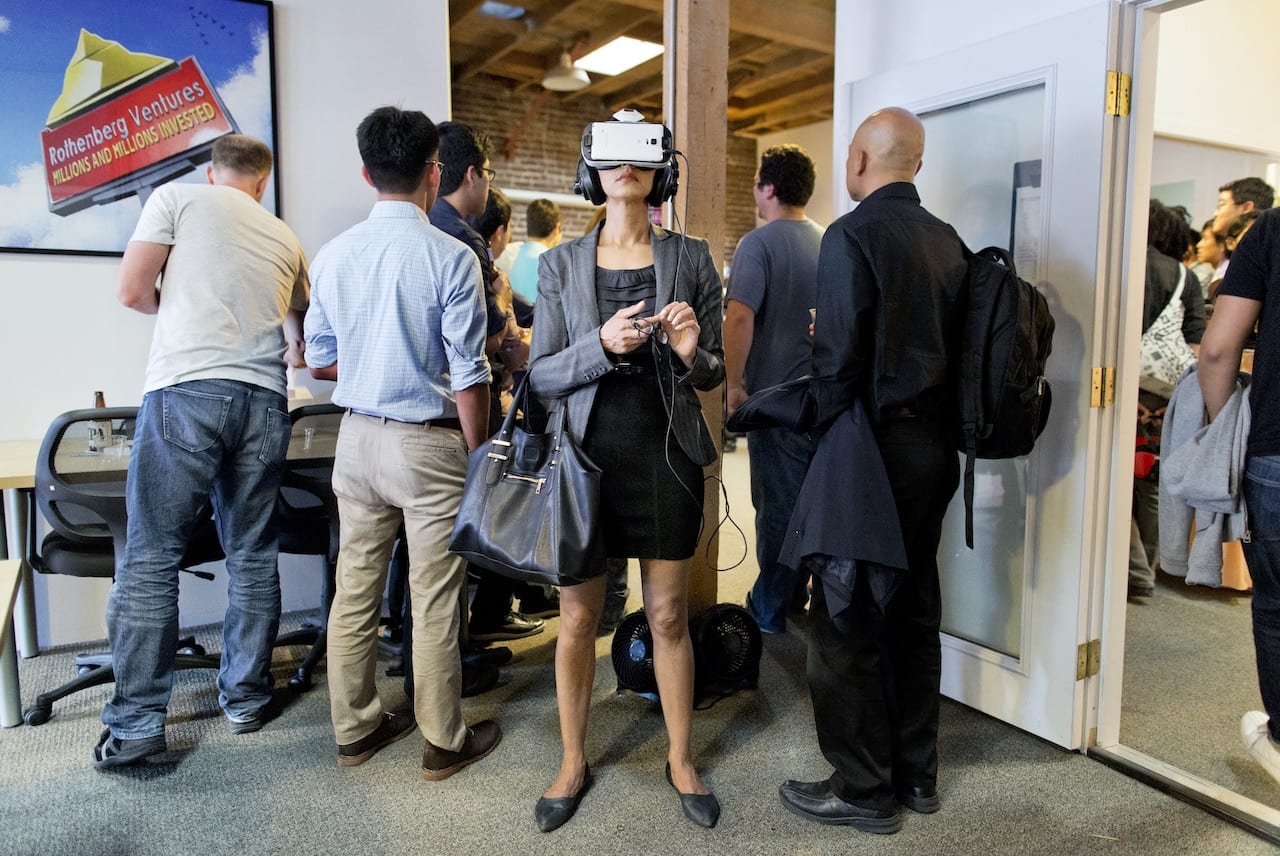
American photographer Laura Morton has won the 2018 Canon Female Photojournalist Award. The award gives her €8000 funding towards a new project, which will be exhibited at the 2019 Visa Pour l’Image festival.
Originally trained in Political Science and Journalism, Morton has previously shot projects on FARC guerrillas in Colombia, the segregation and oppression of Pashtun women in Pakistan, and military sexual assault survivors in the US, and her project on young tech entrepreneurs in San Francisco, Wild West Tech, was funded by the Magnum Foundation and published in BJP’s April 2016 relaunch issue. But she won the award with a pitch for a new project titled University Avenue, named after a road which runs through two very different districts of her home town, San Francisco.
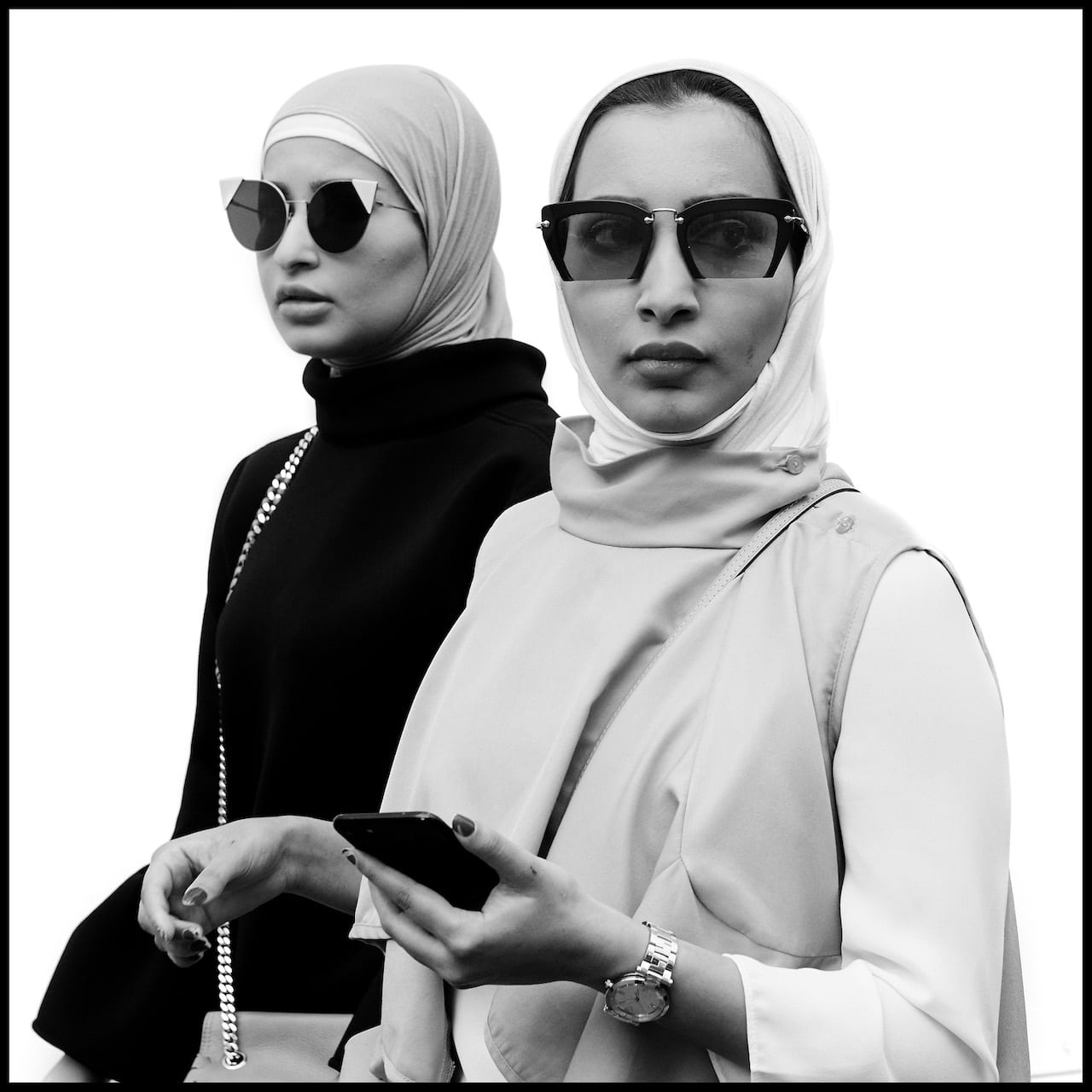
Photographs of a woman holding her baby, two shoppers, a drum majorette, and a child from a remote village in Sierra Leone have all been shortlisted for the National Portrait Gallery’s prestigious Taylor Wessing Photographic Portrait Prize this year. The prize winners will be announced at an award ceremony at the NPG on 16 October, with the overall winner receiving £15,000 and other cash prizes awarded to the shortlisted photographers at the judges’ discretion.
Two of the images were shot in London, with Max Barstow behind a striking photograph of two women in a busy shopping street in the city centre. The image comes from his series Londoners and in it, he says, his aim has been to “make unposed portraits with the intensity of images made by great studio photographers such as Richard Avedon and Irving Penn”.
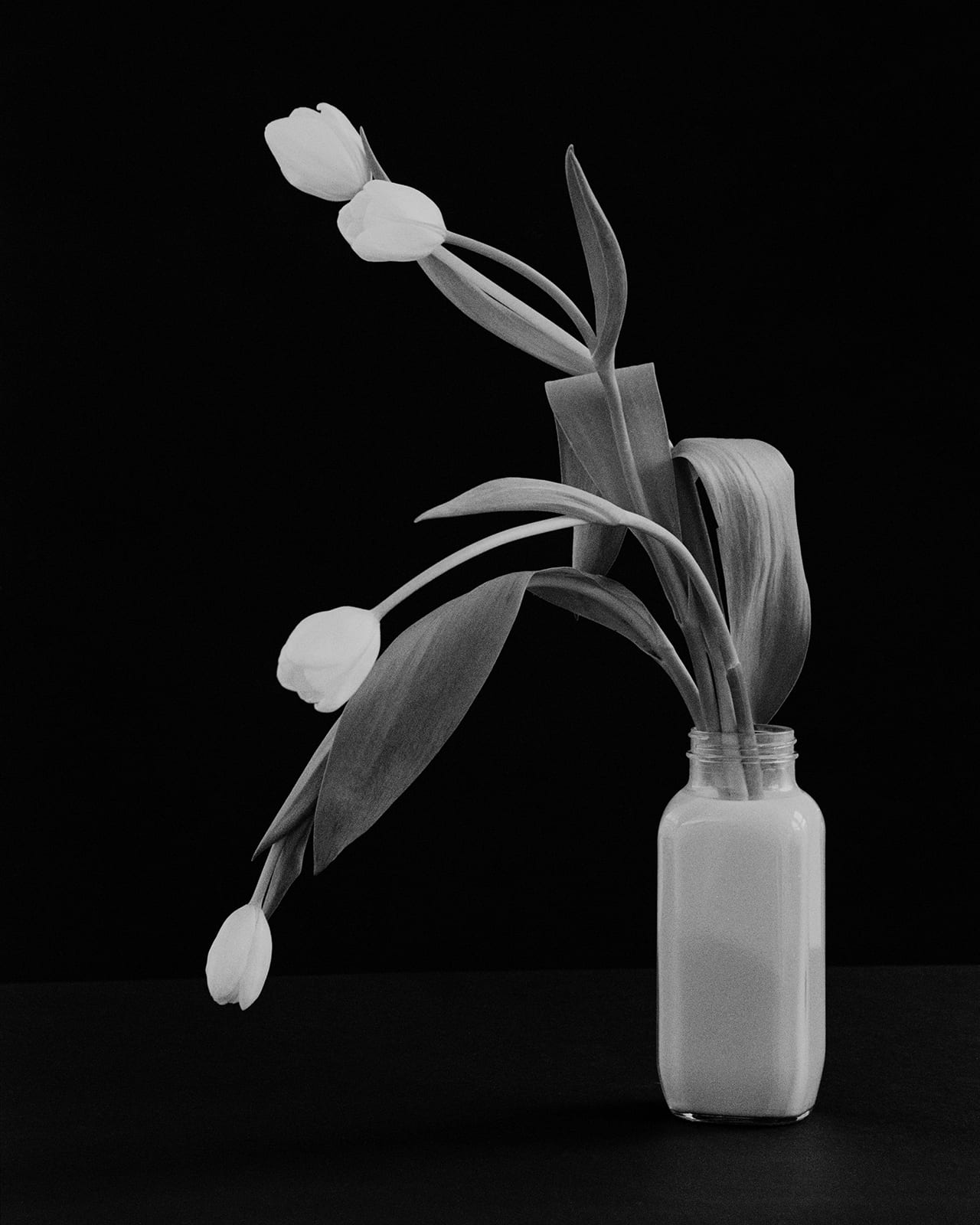
“You should get into the habit of looking above eye-level while walking,” says American photographer Brian Kanagaki. “It’s much more beautiful than looking down at the dirty street and trash.” Golden Persimmons, shot over a period of six years, captures geometric subjects in ambiguous environments; spanning over eight countries (though predominantly New York), the brutally black and white images take inspiration from the graphic, organic shapes found in cities globally.
The project began when the design director got lost while taking a shortcut in his hometown, San Francisco. “It was funny to get lost in a city that I thought I knew so well,” he says. “I ended up driving around and finding so many new things that got my mind working.” One of which was decorative trees in people’s front gardens, the original basis for the series. But after moving to New York and spending time travelling, the idea quickly evolved to focus on tying the world together by capturing its mundane similarities.
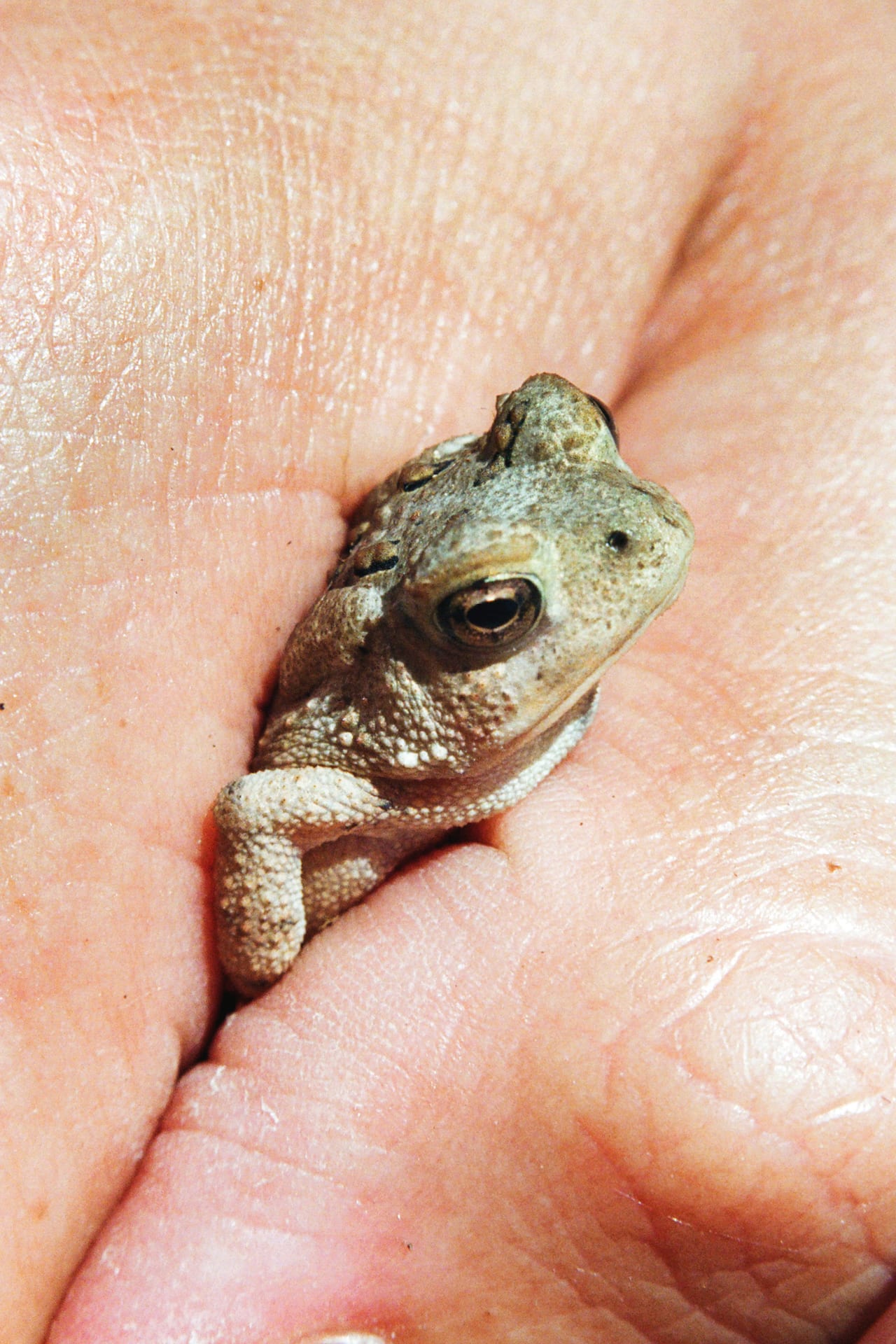
When you Google Bobby Doherty, staff photographer at New York Magazine, the words “film,” “35mm,” and “vertical” repeatedly come up. But since being commissioned for editorial, the New York based artist has focused his time on producing digital still life photography. “Now I’m known for doing super digital studio stuff, which is cool because I like making that kind of work; but it’s nice to be able to step away from the studio and live outside,” he says. “I like taking photos all the time – it’s nice not to have to worry about the technical aspect and just go out with a camera and film.”
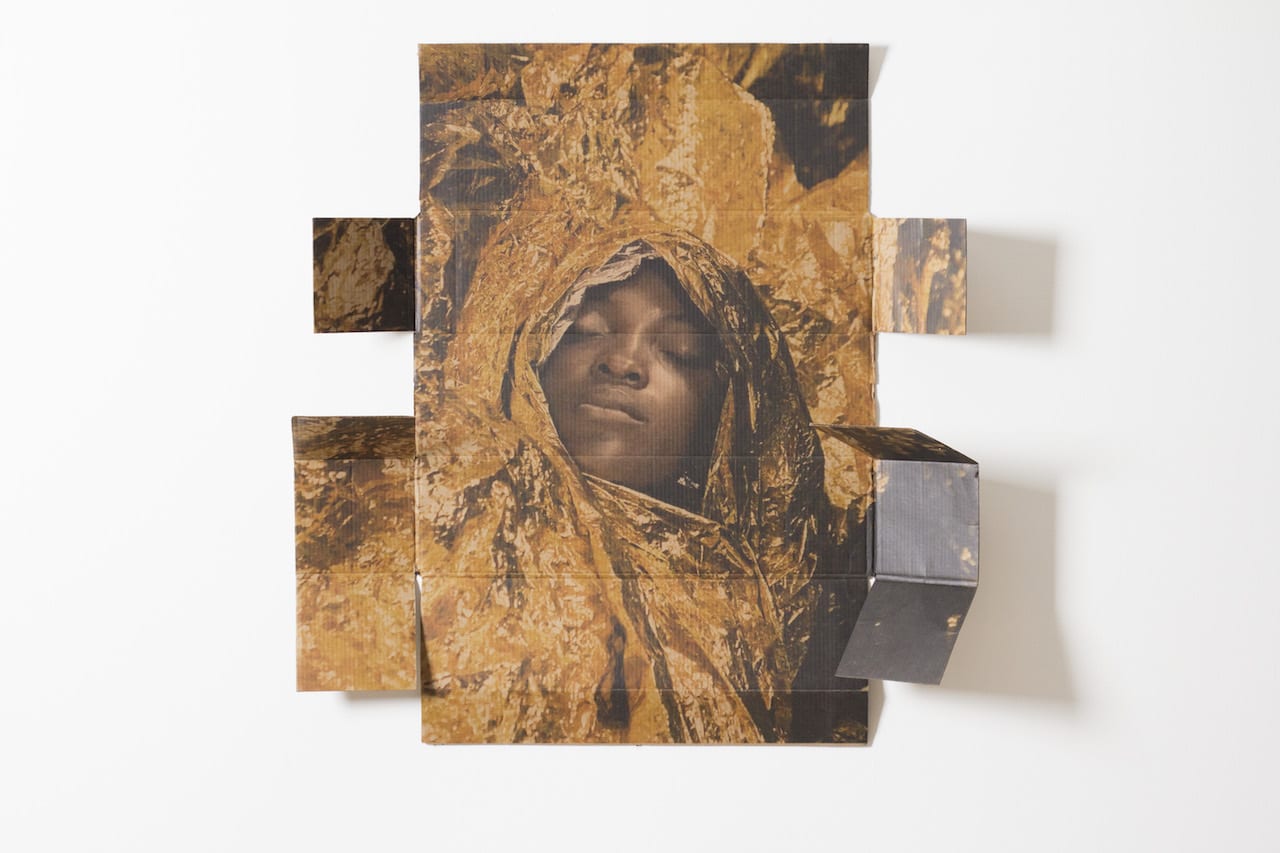
In October 2017, Oliver Chanarin, a photographer professor at the University of Fine Arts in Hamburg, printed an archival photograph onto cardboard in his office, and left it on display for his job share partner Adam Broomberg. The next week, his colleague printed an image on top of the photograph. This exchange happened several times, ultimately creating unprompted photomontages. “I left a sample for Adam, as a little gift,” says Chanarin, who was born in London but grew up in South Africa as a child to South African parents. “That’s how it began; as a conversation in images printed on cardboard.”

Has anything improved since Linda Nochlin’s 1971 essay Why Have There Been No Great Women Artists? The fact that women make up just 15.5% of the artists’ files on Wikipedia suggests not. According to L’Observatoire de l’Egalite, only 30% of the artists exhibited in galleries are women, even though more than 60% of art students in France are women.
Even so, there is some cause for optimism – as French photographer Vincent Ferrané points out. “Of the top 500 contemporary artists in 2017 [in France], only 14% of women,” he says. “But 30% of those were born after 1980.”
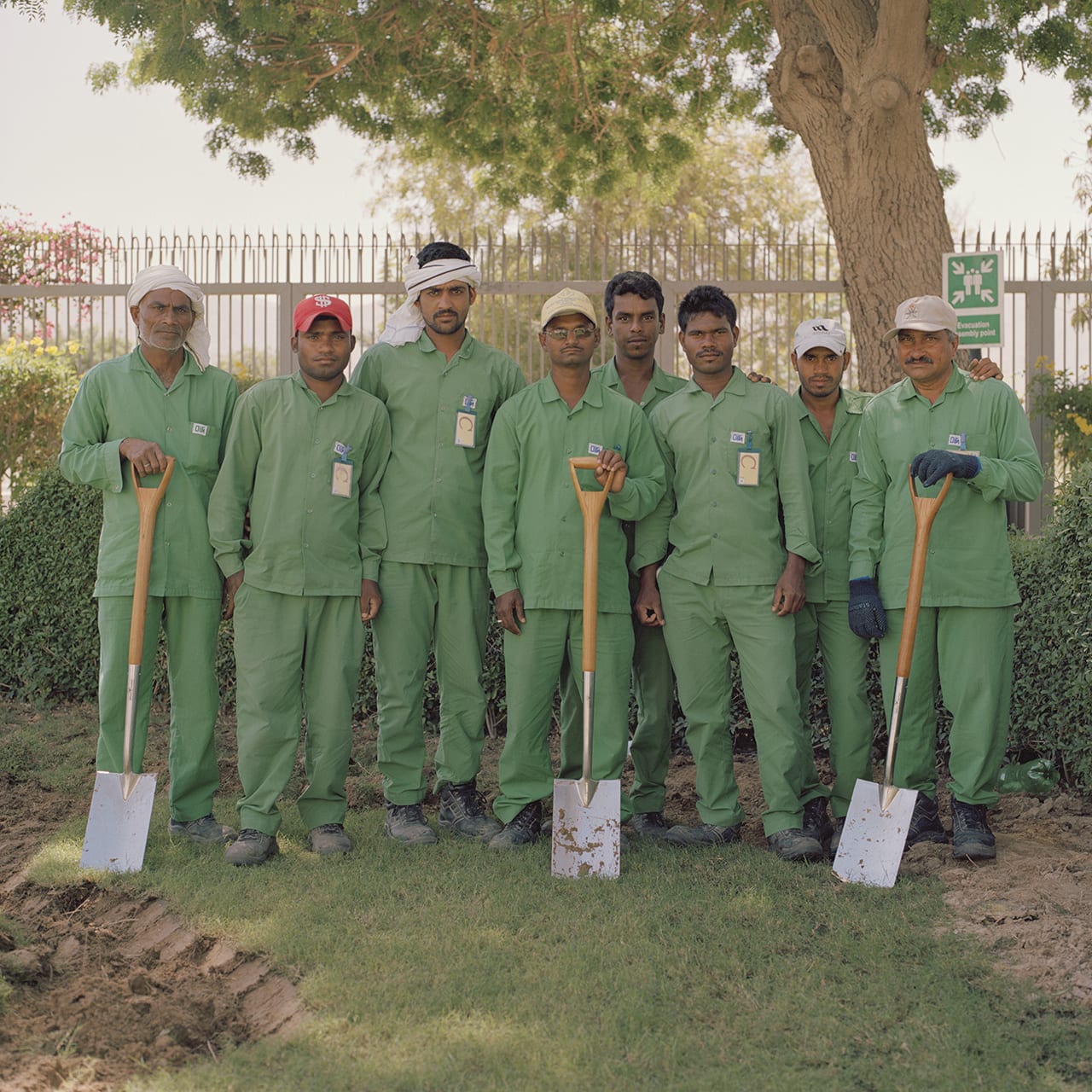
Titled XO, Josh Adam Jones’ graduation project investigates expatriate communities in Oman. “I had informed myself about Middle Eastern culture and the social landscape in the country before visiting, so upon arrival I was eager to embrace everything I was presented with,” he says. “The atmosphere was hugely welcoming, albeit stiflingly hot.”
Born in Cheltenham in 1995, and a recent documentary photography graduate from the University of the West of England, Jones says his inquisitive nature pushed him towards social documentary photography. “I like meeting people, so looking outwards, as opposed to photographing my own ‘backyard’, always felt natural,” he says. “Images have a wonderful potency that other mediums cannot quite match.”