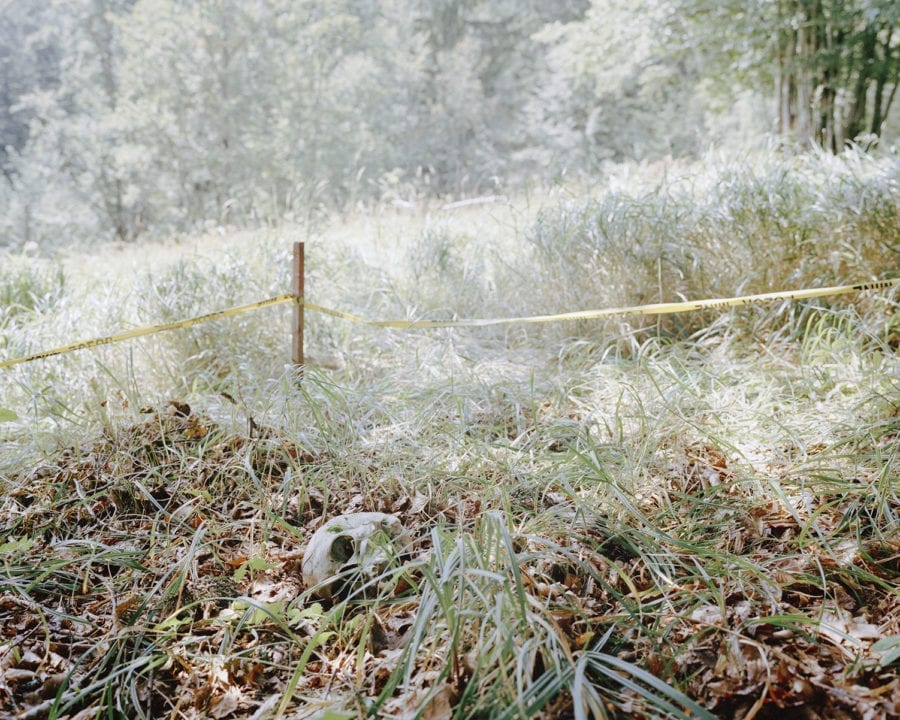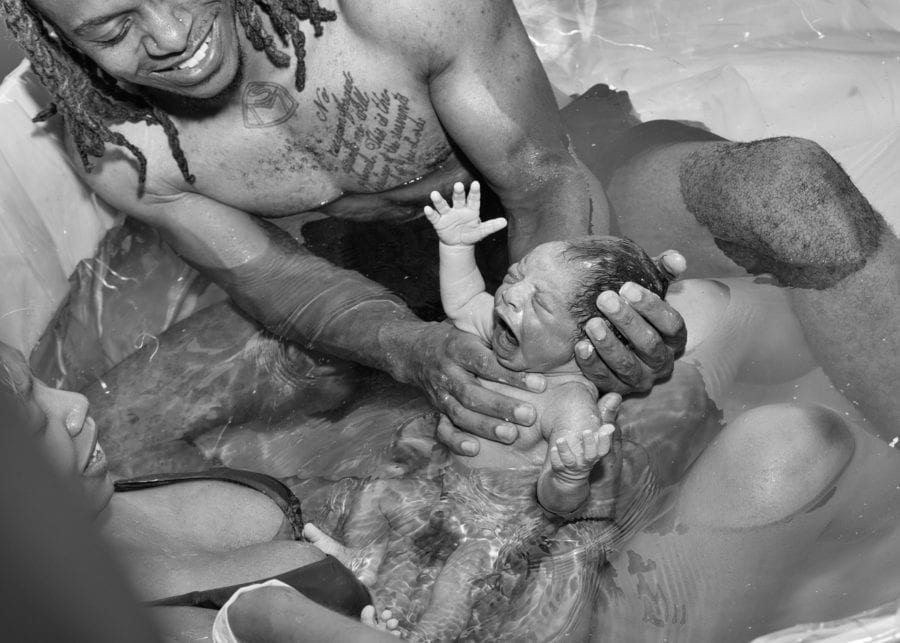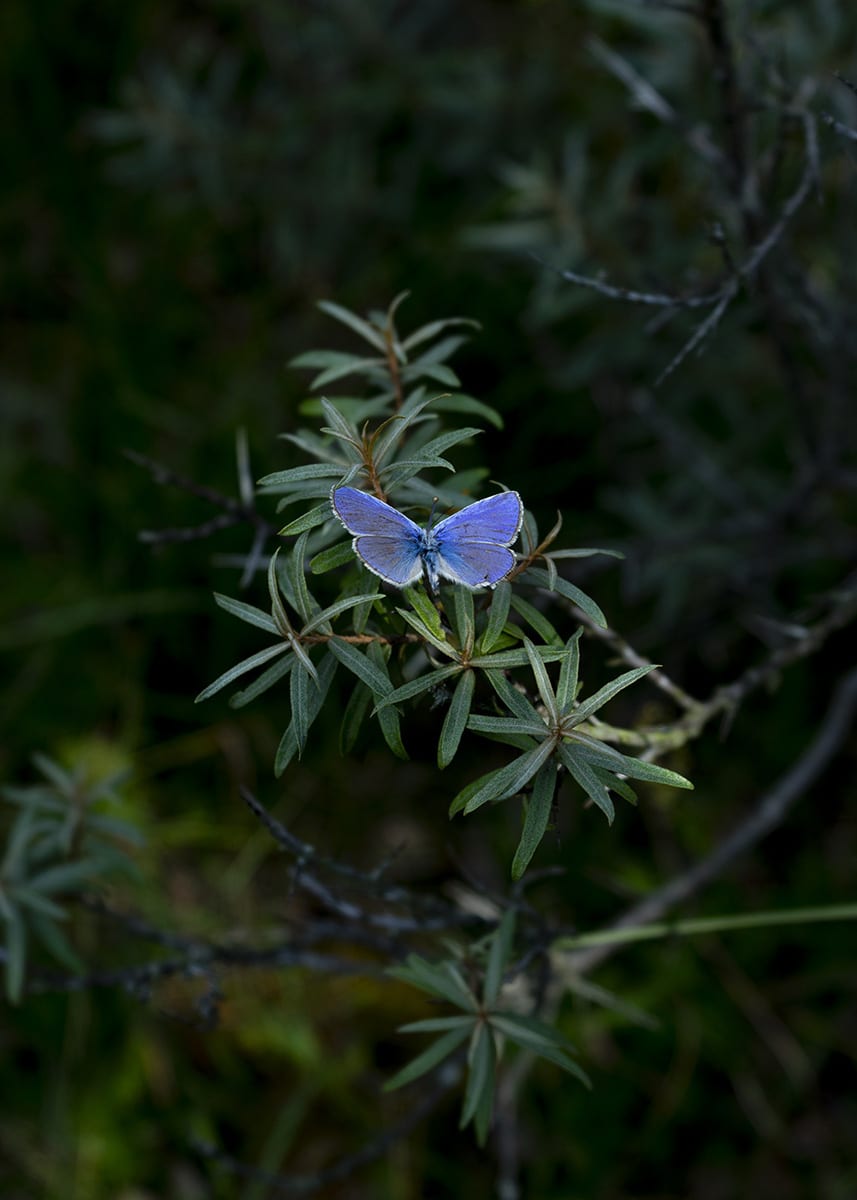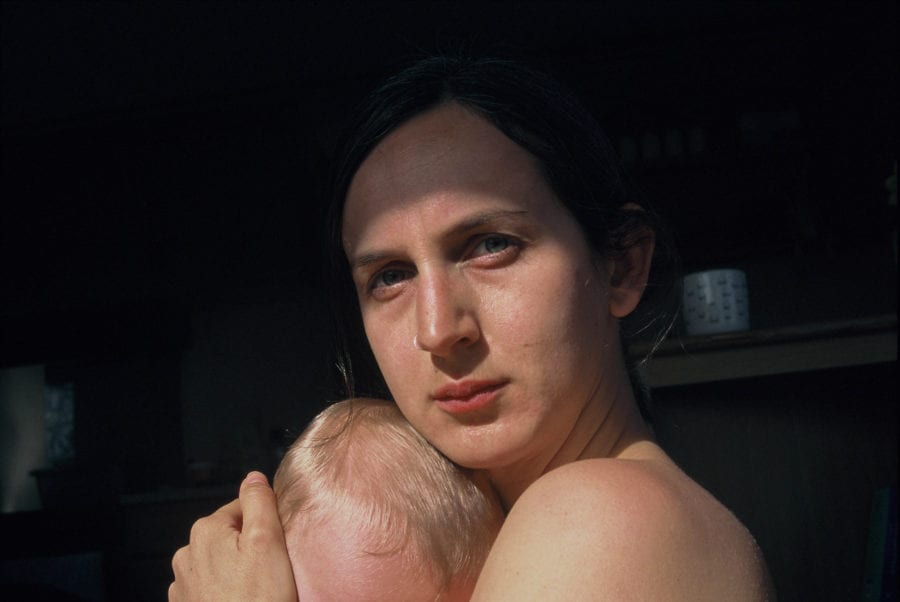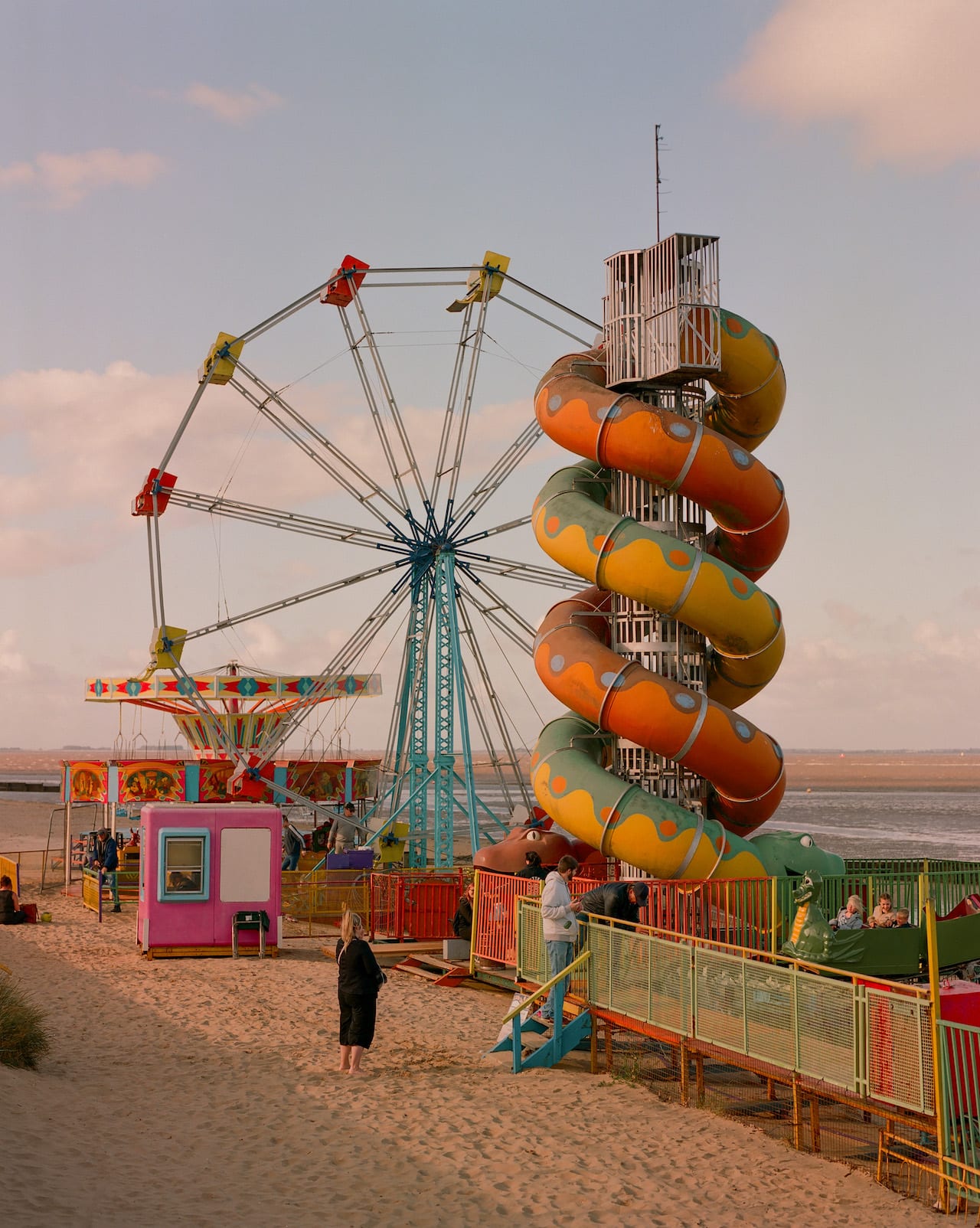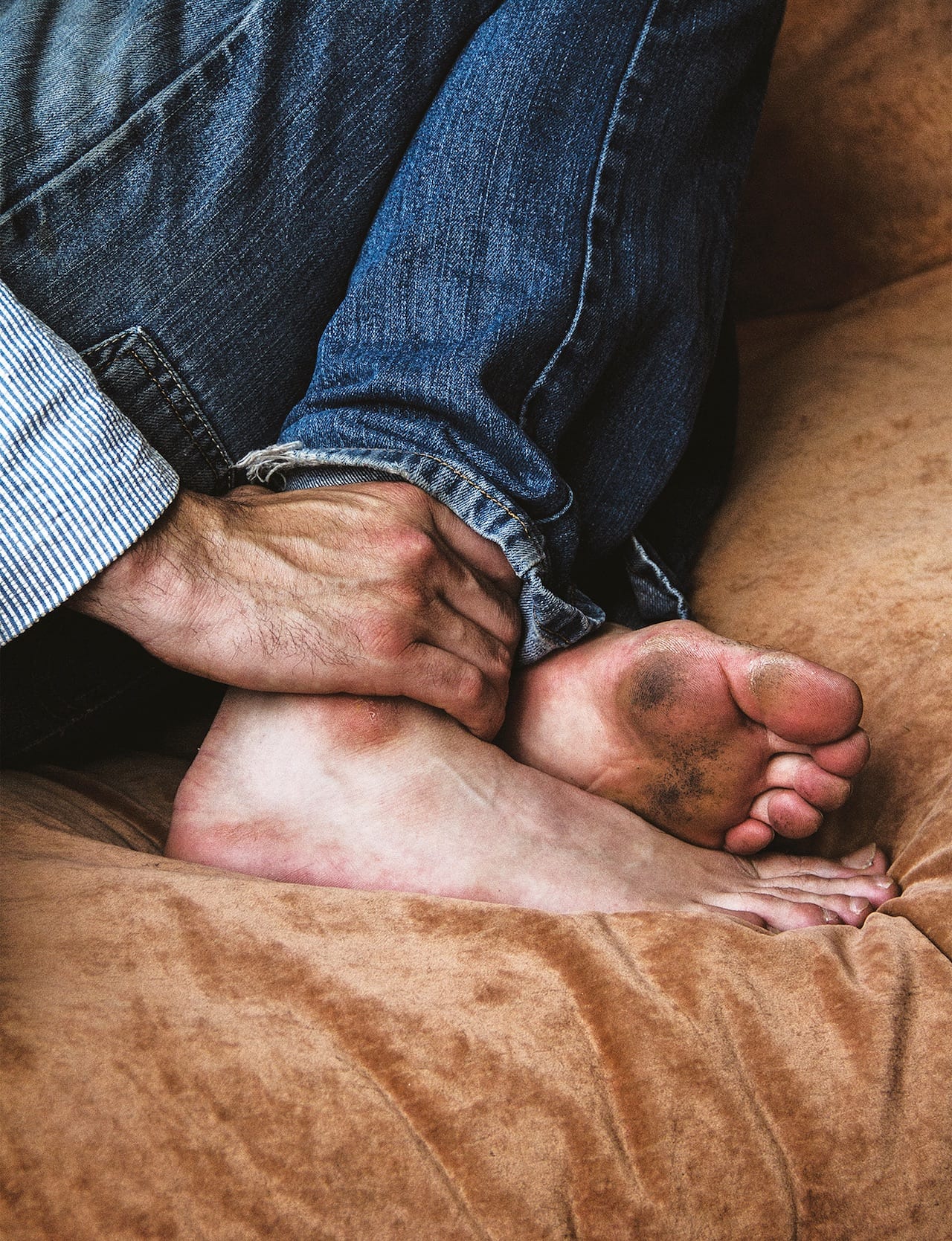

On visiting the seaside towns of the UK’s East Coast, Max Miechowski discovered an unexpected apprehension for the future among the decades-old communities
One of the shortlisted photographers for this year’s competition at Festival de Hyères, a seemingly tropical garden in France is the backdrop to Clémence Elman’s studies
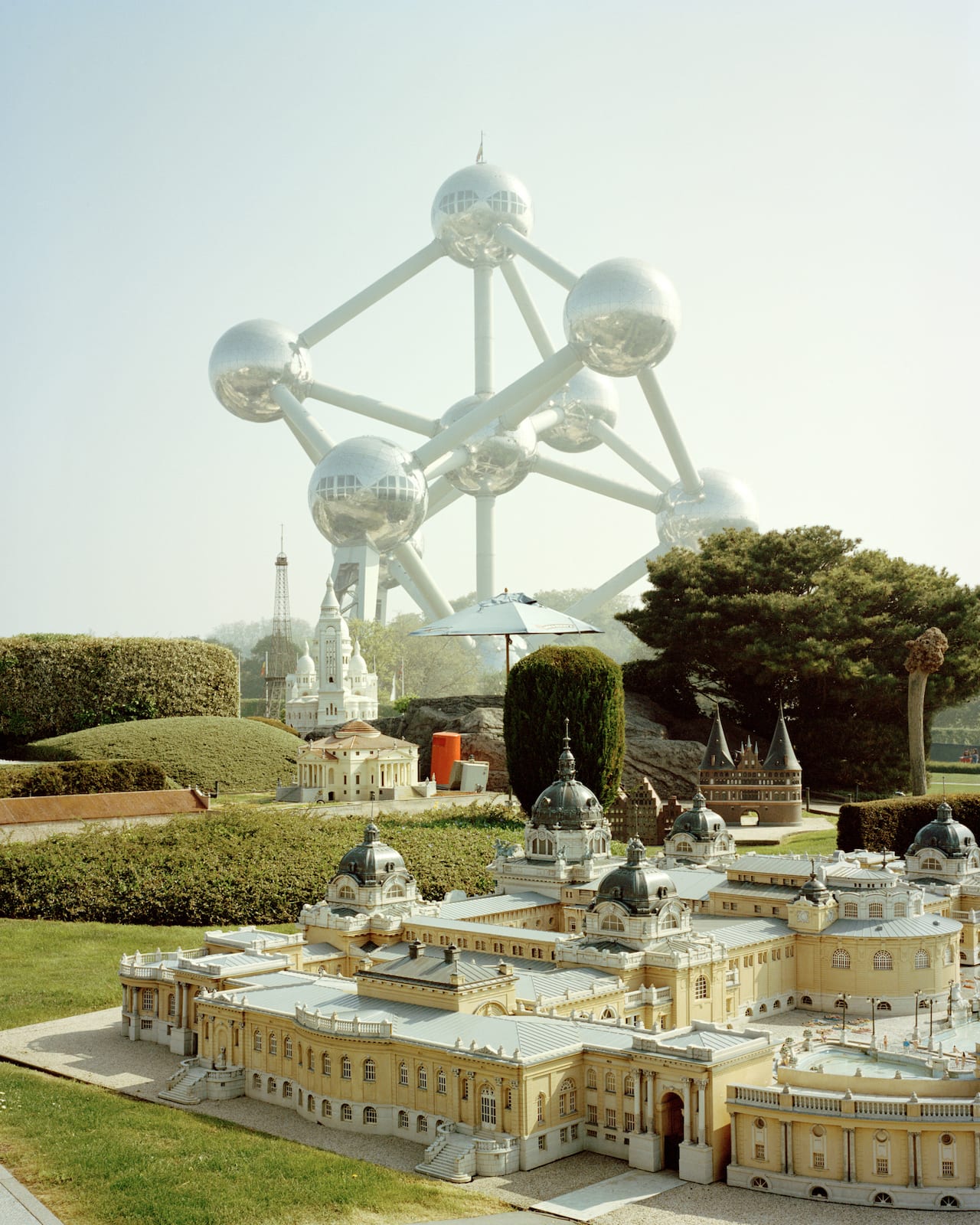
One of the shortlisted photographers for this year’s competition at Festival de Hyères, Geibl’s latest project untangles the distinction between reality and myth
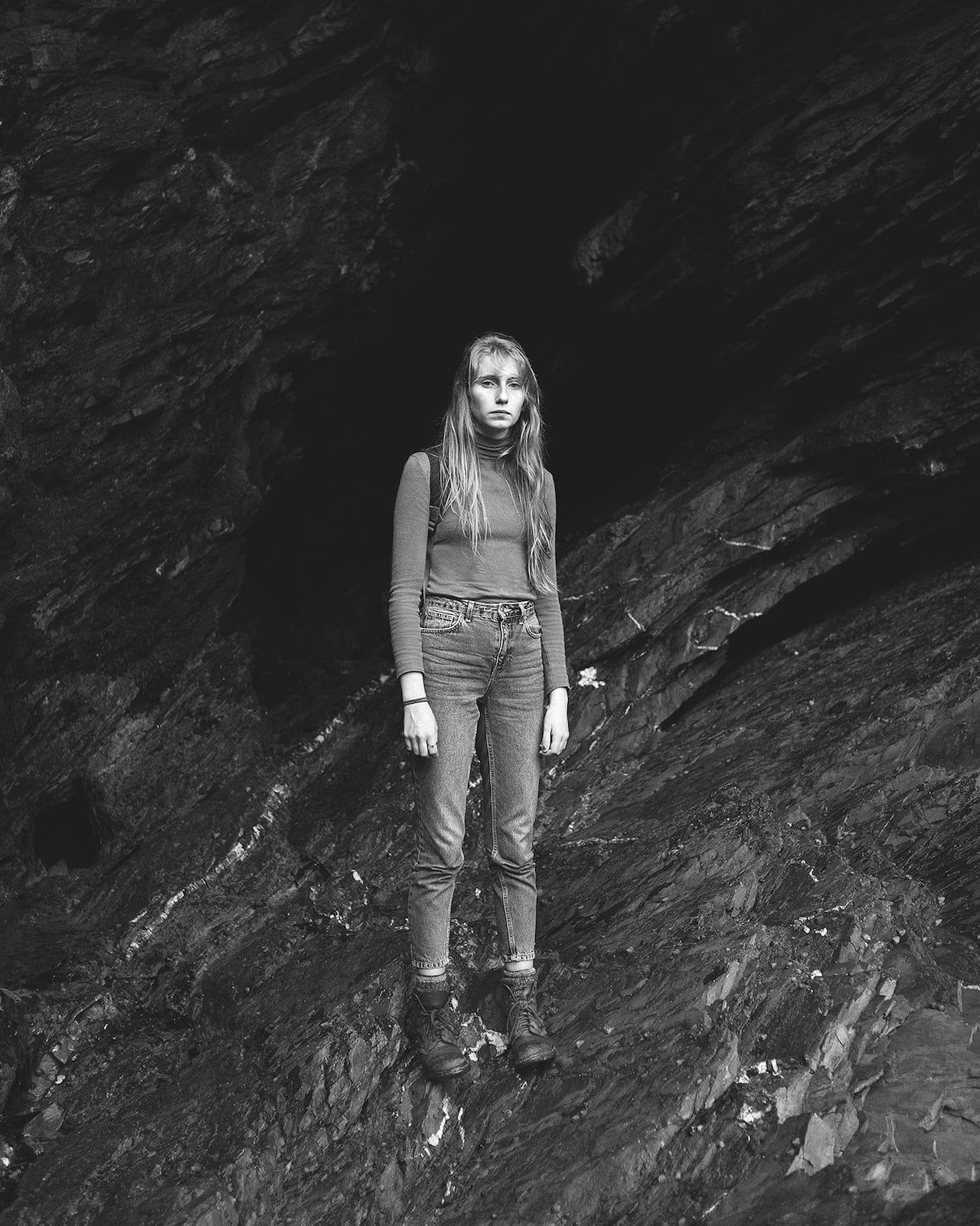
Addressing the disproportionate number of men attempting suicide, Wileman photographed young men who have endured depression, survived suicide attempts, or suffered the loss of a loved one
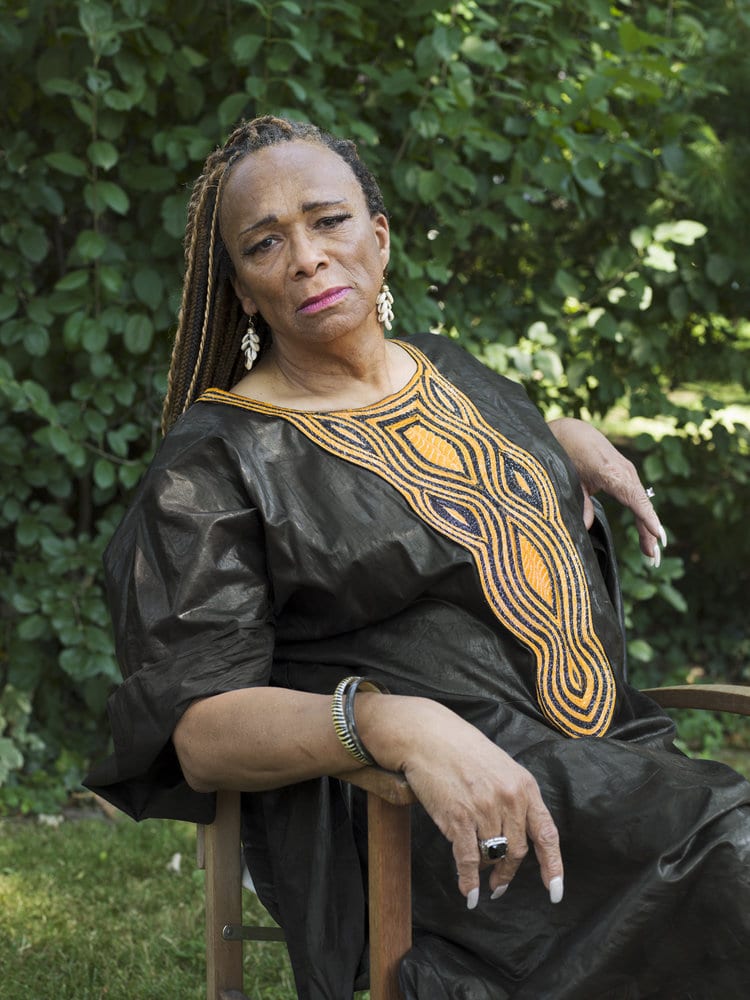
When photographer Jess T. Dugan was 13, she started to question her identity. Over the…
Documentary photographer Danyelle Rolla is proud of her roots. That much is clear from her…
Born in 1991, Polish photographer Karol Palka is currently working on a PhD at the Jan Matejko Academy of Fine Arts in Krakow, which he hopes to finish in 2021. His series Edifice documents communist-era buildings in Poland and neighbouring Eastern Bloc countries. It includes shots of the Polana Hotel, once owned by the Communist Party of Czechoslovakia, and the former office building for the management of the Nowa Huta Steelworks, which was once visited by Nikita Khrushchev and Fidel Castro.
Now in its 22nd year, the Deutsche Börse Photography Foundation Prize is awarded each year to image-makers who’ve made the biggest contribution to the medium in the previous 12 months in Europe. This year the shortlisted artists are: Laia Abril, for her publication On Abortion; Susan Meiselas, for the retrospective exhibition Mediations; Arwed Messmer, for his exhibition RAF – No Evidence / Kein Beweis; and Mark Ruwedel, for the exhibition Artist and Society: Mark Ruwedel. The winner of the £30,000 prize will be announced at The Photographers’ Gallery on 16 May 2019.
After losing both grandparents in the space of a year, Nina Röder and her family were faced with the challenging task of sorting out and selling their house – and with it, the inescapable matter of letting go. Röder’s project, Wenn du gehen musst willst du doch auch bleiben, takes its name from a sage observation made by her nine-year-old nephew, Luis, while they were packing up the belongings. Roughly translated, it means: ‘When you have to leave but you still want to stay’.
The unresolvable question of how to grieve is one that follows every death. For many, the photographic act can be a way of thinking through and processing difficult times. During the two-week period before her grandparents’ house was sold, Röder photographed her family in it – sometimes posing in their clothes and with their belongings – archiving its distinct aesthetic before it disappeared forever. “I wanted to show a different way of dealing with grief and loss,” she explains. “By staging absurd scenes with my mum, cousin and brother, we found a strategy of how to say goodbye.”