
Portraiture

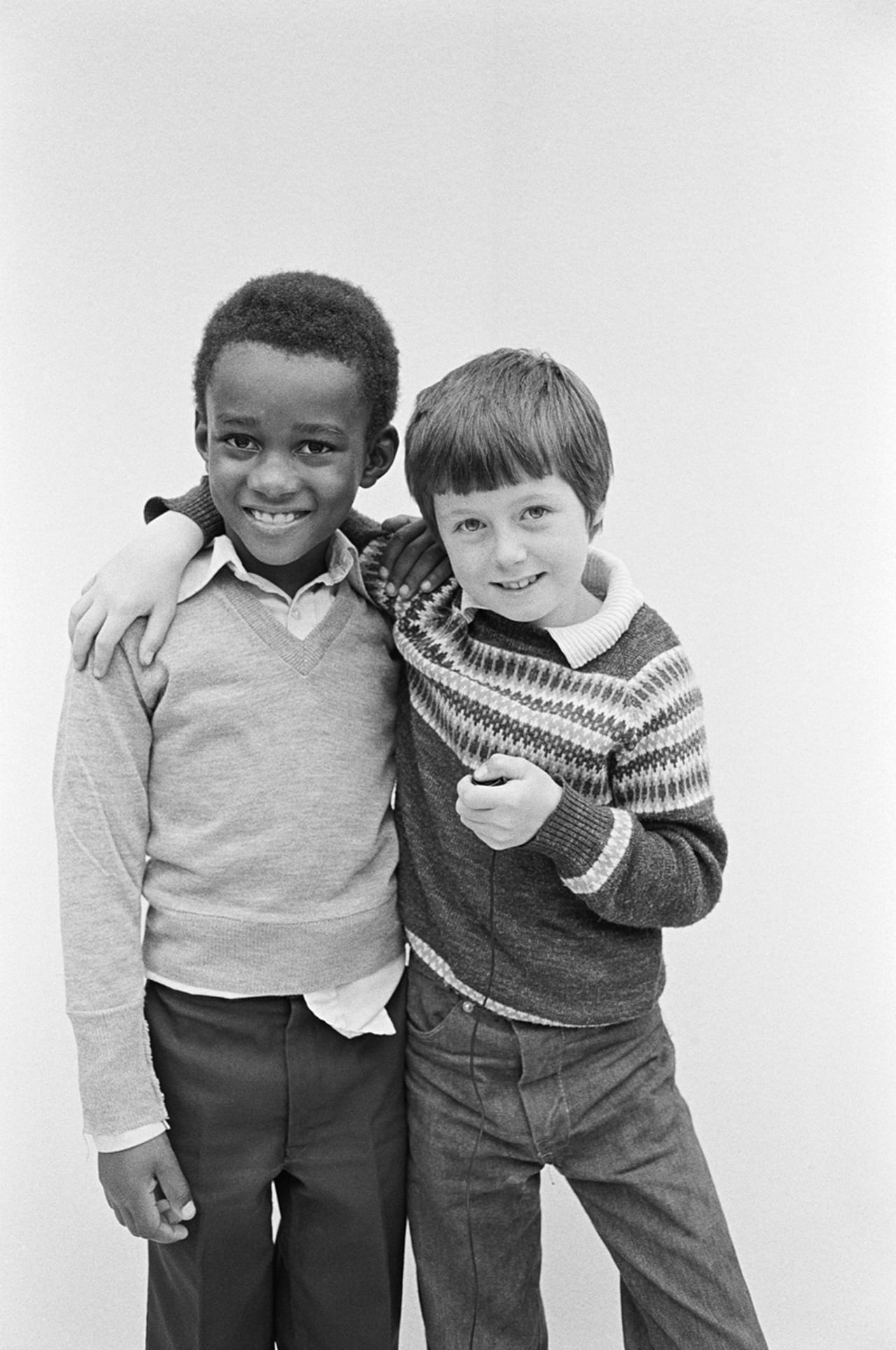
Handsworth Self Portrait: 40 Years On

When Derek Bishton, John Reardon, and Brian Homer set up a photography and design agency in the late 1970s in Handsworth, a multicultural, inner-city district of Birmingham, they were viewed with suspicion. “I lived in Handsworth and walked to work with my camera, and I felt people were looking at me as if to say ’Who is this white guy, is he working for the police?’” says Bishton. “As I started to take photographs I was aware of this problem.”

Their agency, Sidelines, had been set up to work with community groups on issues such as social justice housing, unemployment and immigration though, so the photographers were keen to win the locals’ trust. Discussing it in their office, a converted terraced house on a busy shopping street in Handsworth, Bishton happened to find a photograph in Camerawork Magazine, showing a Ukranian woman who had photographed herself in a portrait studio set up by American photographer David Attie. It was, he realised, the perfect solution – and one which their office was seemingly built for. 
4 March 2019

Andy Warhol’s Polaroid Pictures

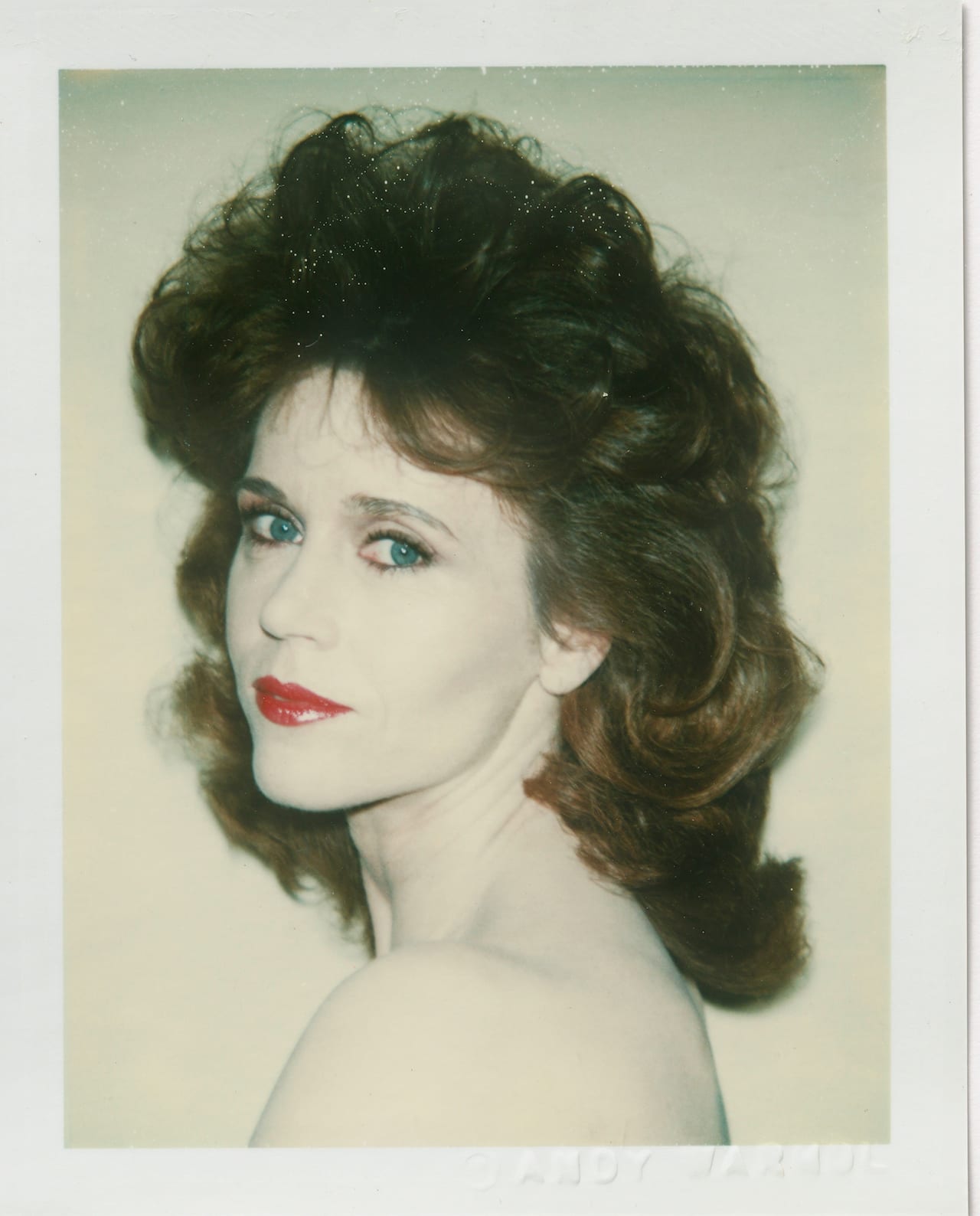
In 1971 Polaroid introduced the Big Shot camera; featuring an integrated flash, viewfinder and fixed focus lens, it was aimed at shooting portraits – and was enthusiastically taken up by artist Andy Warhol. The camera was discontinued in 1973 but Warhol kept using it until his death in 1987, capturing shots of actors, artists, politicians, clubbers, and Factory hangers-on. He also used it to photograph himself, creating a self-portrait in 1979 in what he called his “fright wig” that measures a whopping 81.3cm x 55.9cm.

BASTIAN gallery is showing this huge self-portrait in an exhibition of over 60 of Warhol’s Polaroids, highlighting “the artist’s prolific capacity as a chronicler of his time”. “Alongside other friends, clients and Studio 54 dwellers, these photographs – initially preparatory works for Warhol’s iconic silkscreen portraits – reveal a lack of pathos or individuation, underlining the artist’s notion of an era where ‘everybody looks alike and acts alike, and we’re getting more and more that way’,” states the gallery.

1 February 2019

The Pink and Blue Projects by JeongMee Yoon

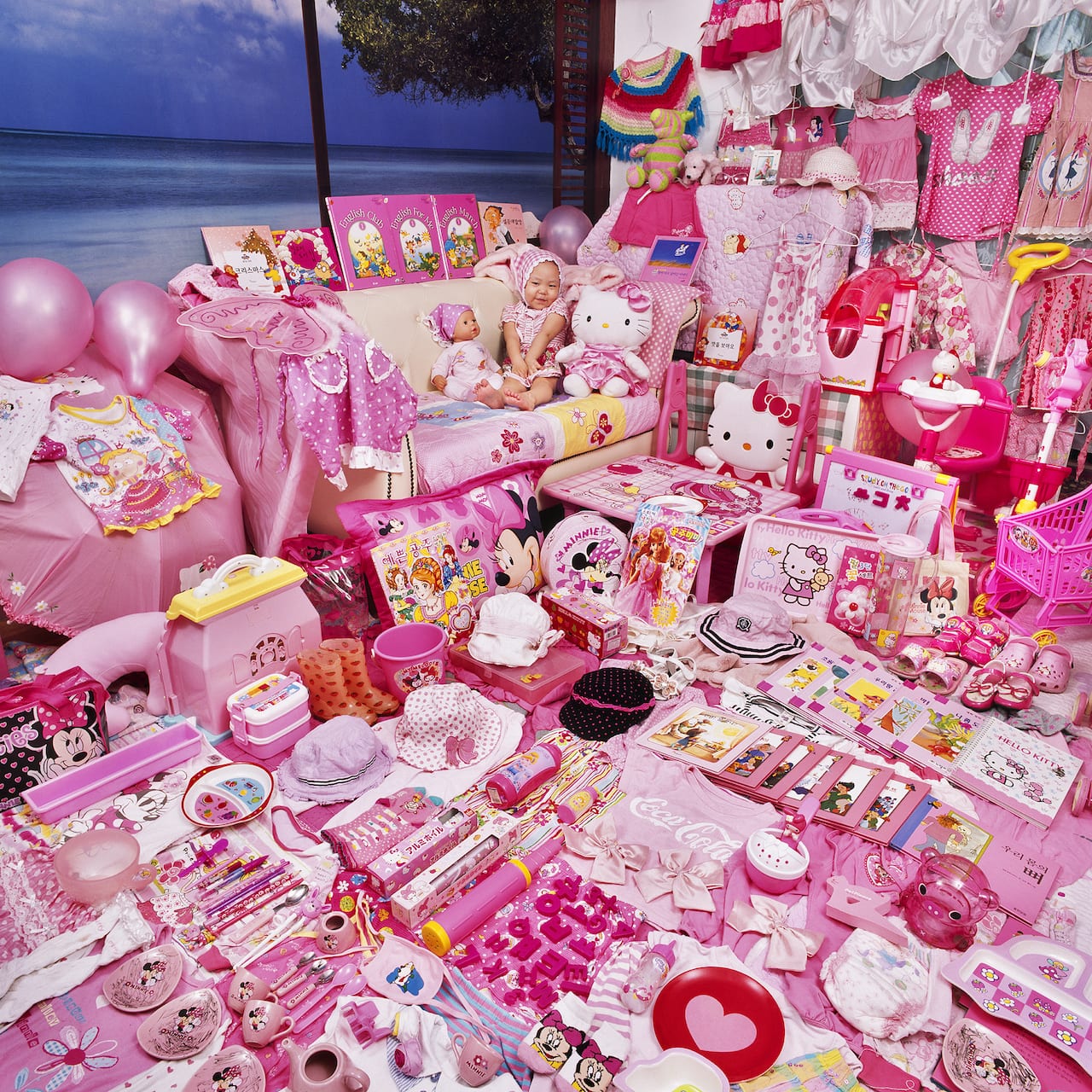
“The Pink and Blue Projects were initiated by my five-year-old daughter, who loved the colour pink so much that she wanted to wear only pink clothes and play with only pink toys and objects,” writes JeongMee Yoon. “I discovered that my daughter’s case was not unusual.

“In the United States, South Korea and elsewhere, most young girls love pink clothing, accessories and toys. This phenomenon is widespread among children of various ethnic groups regardless of their cultural backgrounds. Perhaps it is the influence of pervasive commercial advertisements aimed at little girls and their parents, such as the universally popular Barbie and Hello Kitty merchandise that has developed into a modern trend. Girls train subconsciously and unconsciously to wear the colour pink in order to look feminine.”

31 January 2019

Details of the £35.5m revamp at London’s National Portrait Gallery

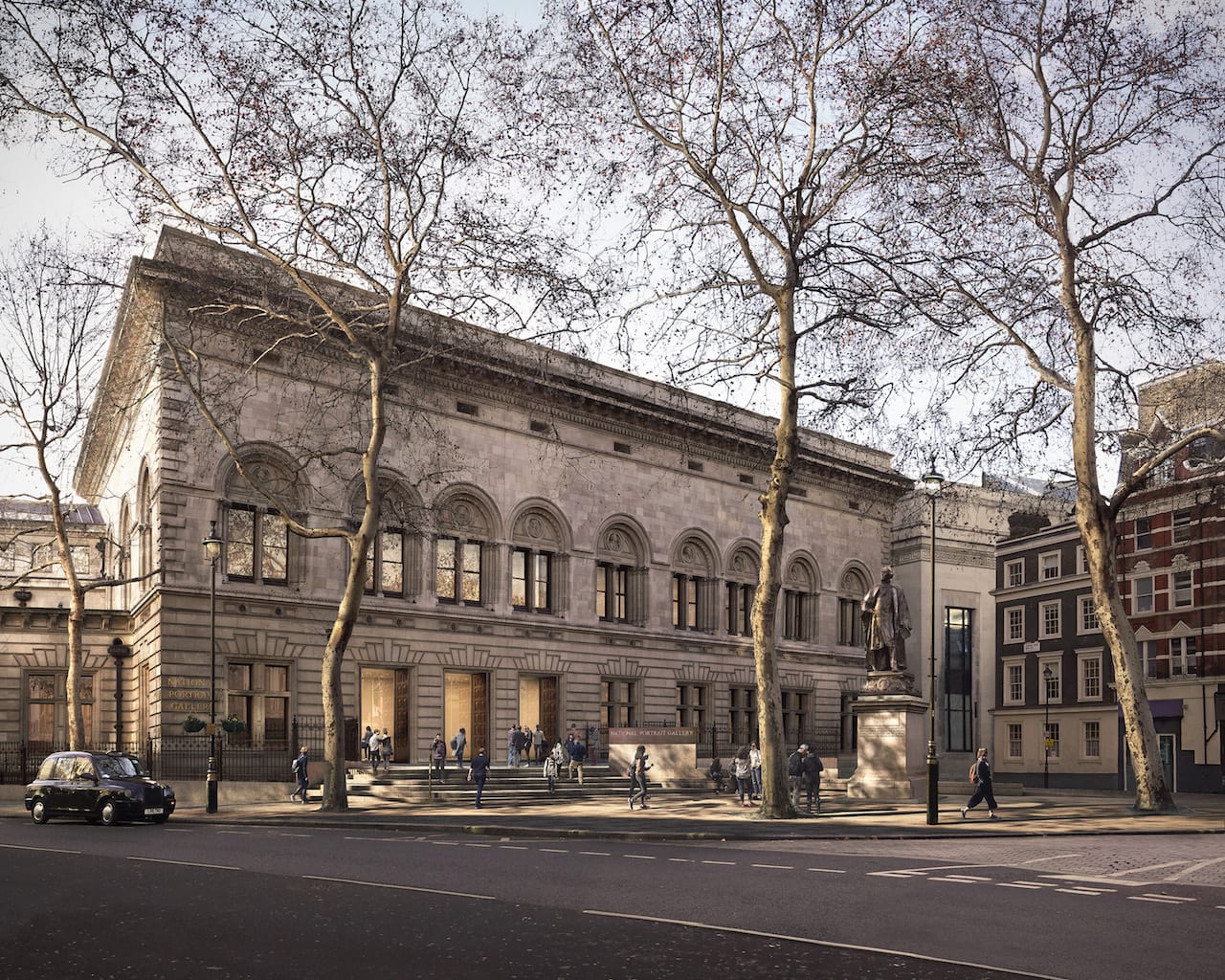
London’s National Portrait Gallery has revealed the first images of its proposed new design, part of a £35.5m redevelopment which is the biggest-ever at the building since it opened in 1896, and which would increase its gallery space by 20%.

The design, by Jamie Fobert Architects, proposes adding a new visitor entrance and public forecourt on the building’s north face, in addition to the existing entrance; it would also return the gallery’s East Wing to public use, and add new retail and catering facilities, and a new Learning Centre for visitors. The redevelopment would also see the gallery’s collection – which includes 250,000 photographs – redisplayed and reinterpreted across 40 refurbished galleries.

24 January 2019
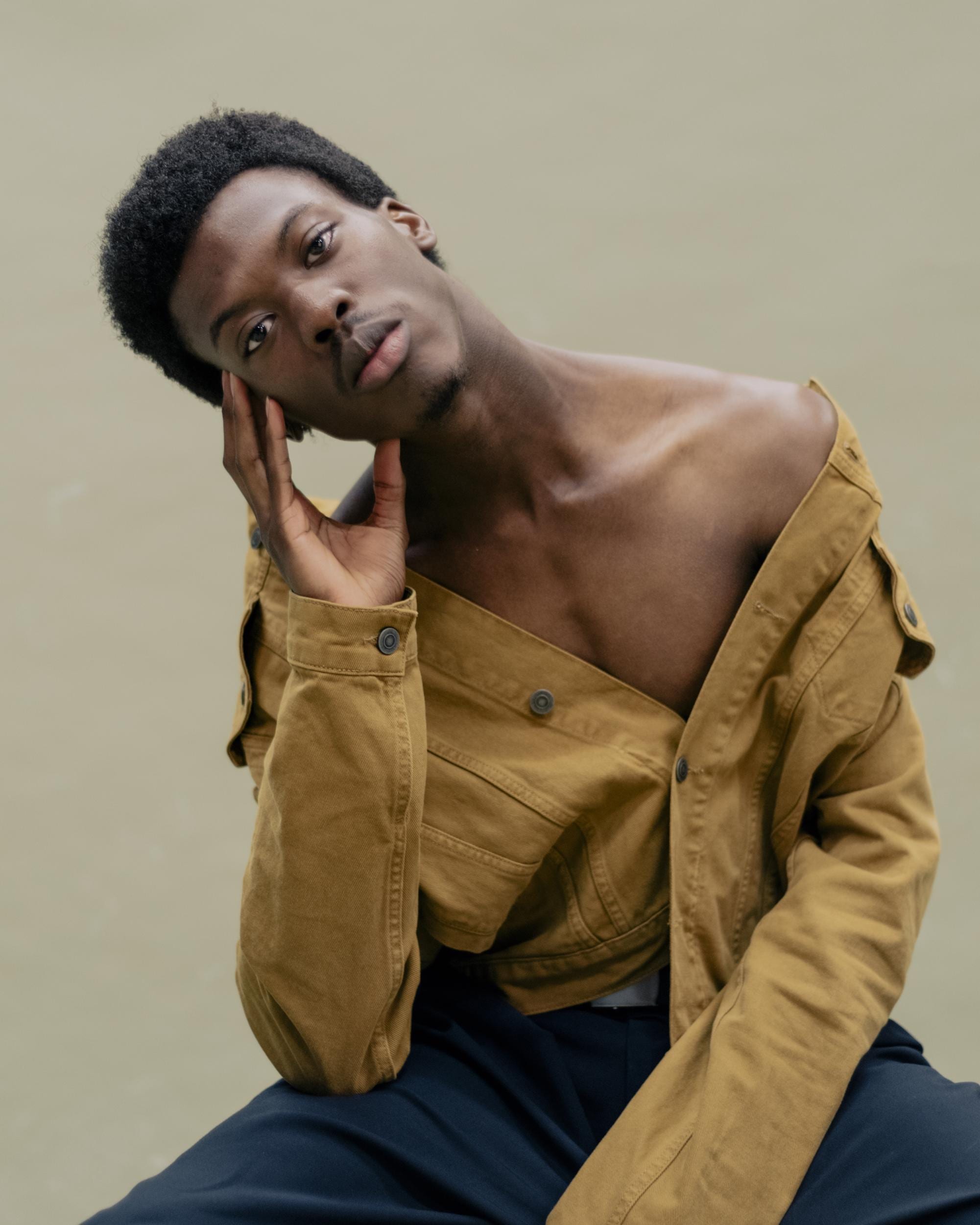
Hinged on a connection between photographer and subject, portraiture is, in many ways, the ultimate collaborative act. In this collection, we showcase the best of contemporary photographic portraiture.