
Music, video and installations show how the artist’s work has expanded from pure photography
The Swiss-Italian photographer Claudio Rasano has won the Taylor Wessing Photographic Portrait Prize 2016 for his portrait of a Johannesburg schoolboy.
In the late 50’s, New York’s Washington Square was nicknamed junkie row. The late Dave Heath, an orphan and veteran of the Korean war, photographed the people who lurked there. The series has been published for the first time by Stanley/Barker.
M Scott Brauer had the same access as any other photographer on the campaign trail of the US election, but, for his new series This is the worst party I’ve ever been to, he decided to “stepping away from the designated photo opps and subvert what was being shown, to look behind, deeper into, or next to the main event.”
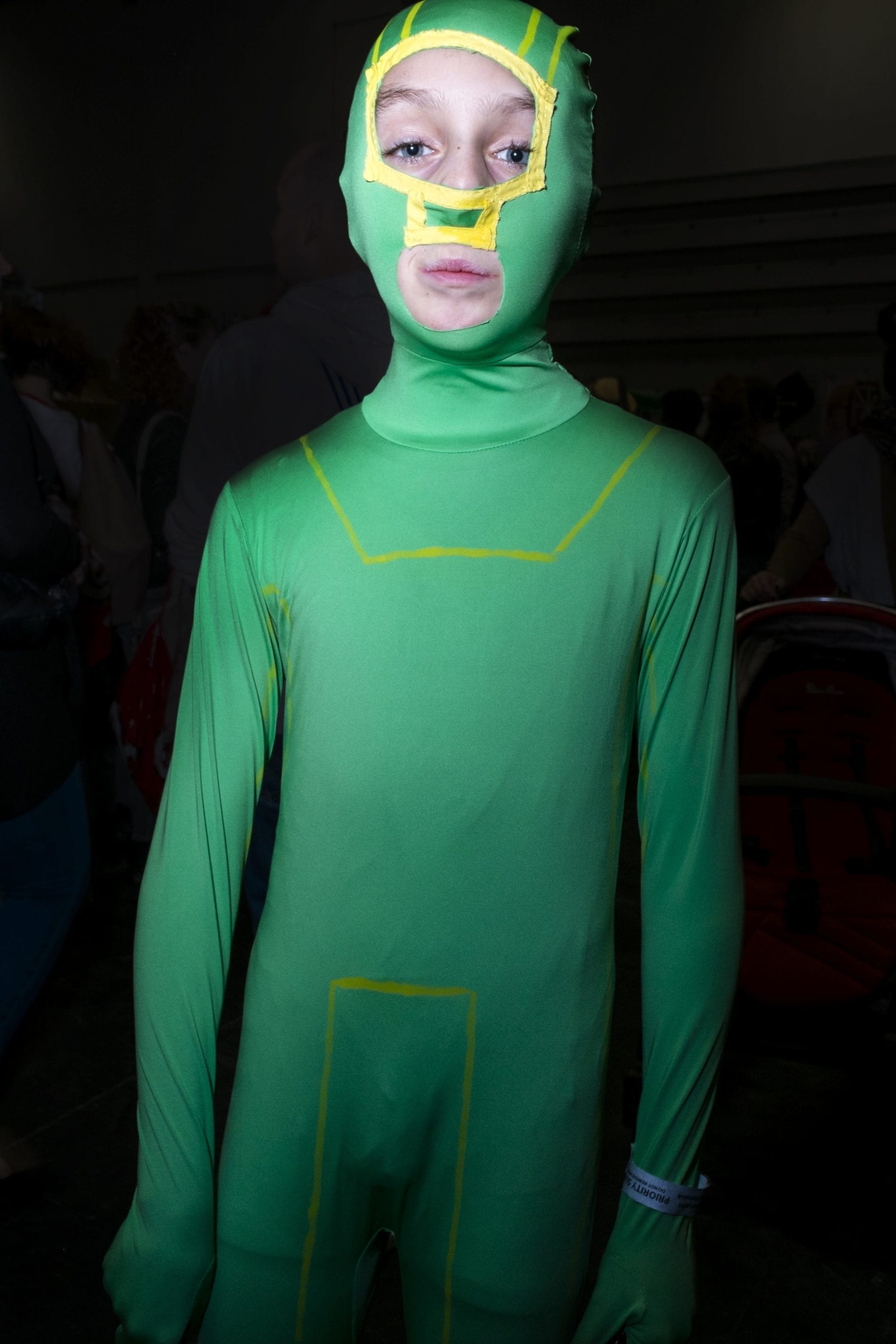
In the West, Japan is like a fantasy. A strange, isolated culture of almost perfect self-preservation, we imagine suited Yakuza, manicured raw fish, a blubbery sumo, bonsai trees, samurai swords, wasted bankers, Geishas, karaoke. When Max Pinckers arrived in Japan, via a commission from the Belgium-based cultural project European Eyes on Japan, he couldn’t find much of the Japan he’d come to imagine.
Born and raised in London, Charlie Kwai has always been fascinated by untold narratives about…
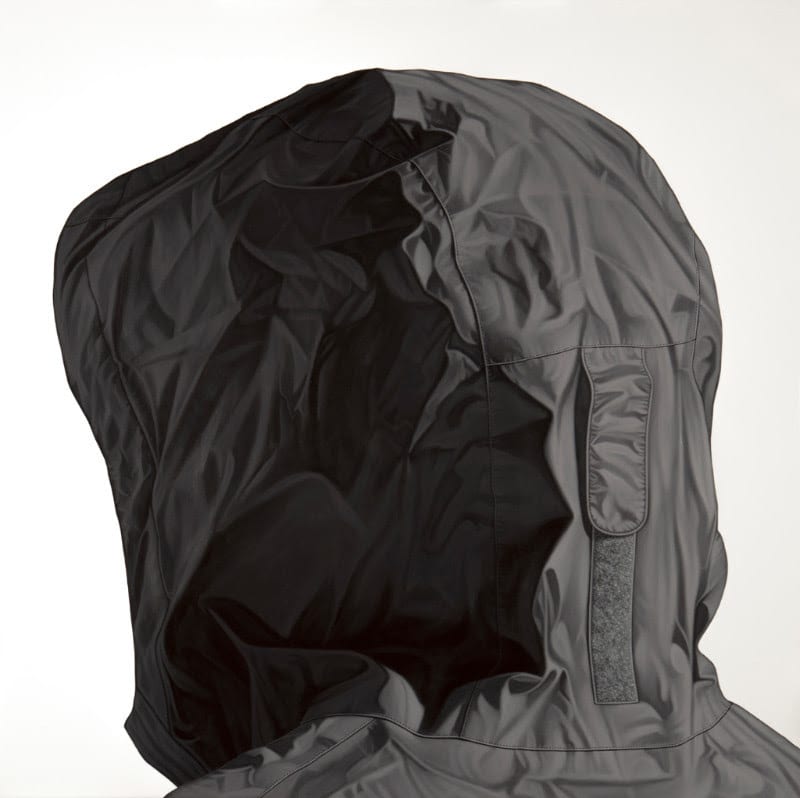
The first European and Paris solo exhibition by the Winnipeg based artist Karel Funk, known for his mesmerizing portraits of lone figures, is about to launch in Paris.
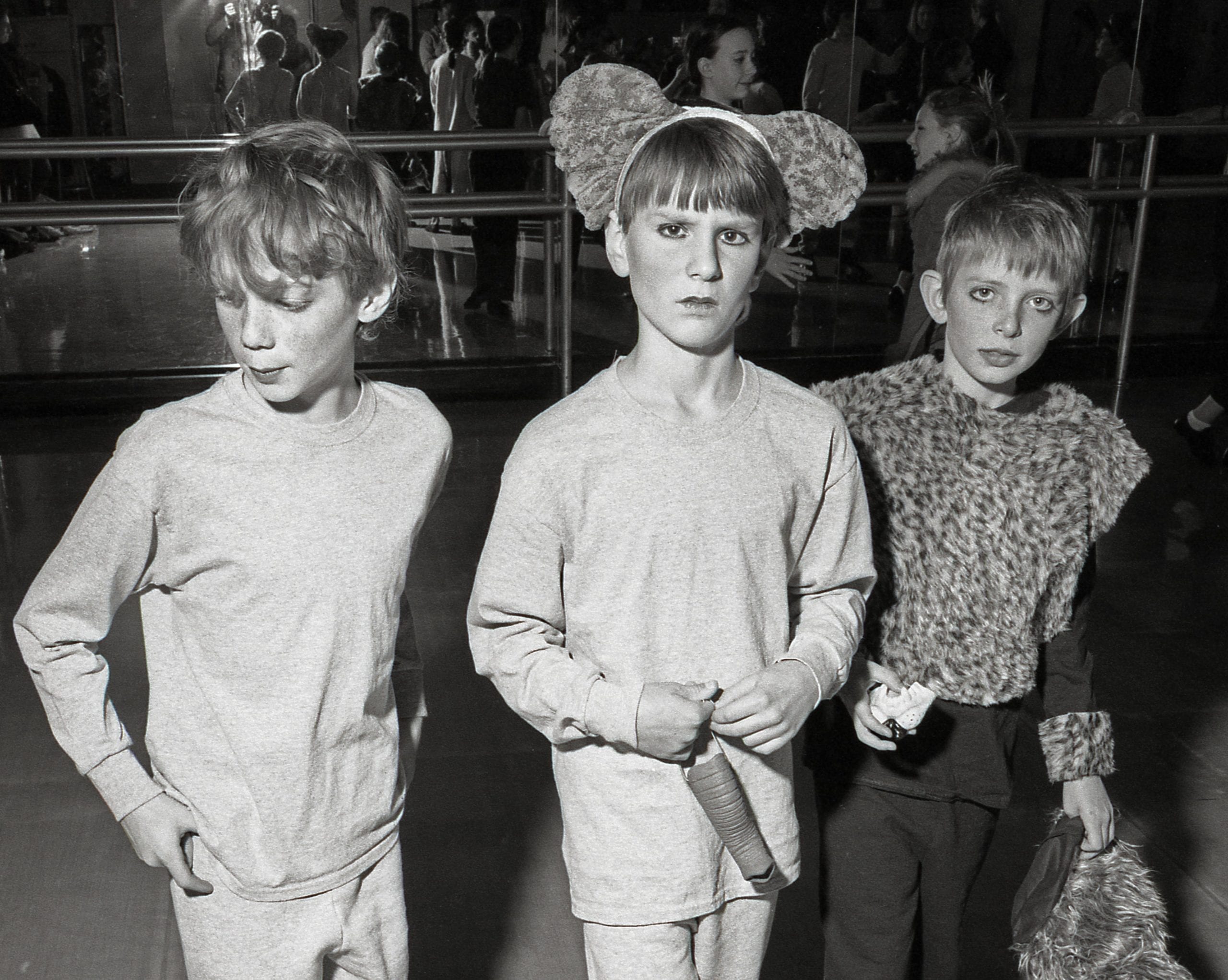
As identified by the UN in the 2013 General Comment on Article 31 – the Convention on the Rights of the Child – a child has a universal human right to play. A new exhibition of photographs, as well as a symposium and photobook, by photographer Mark Neville, aims to generate debate around the complex nature of child’s play, and to advocate for improved provision for this universal right.
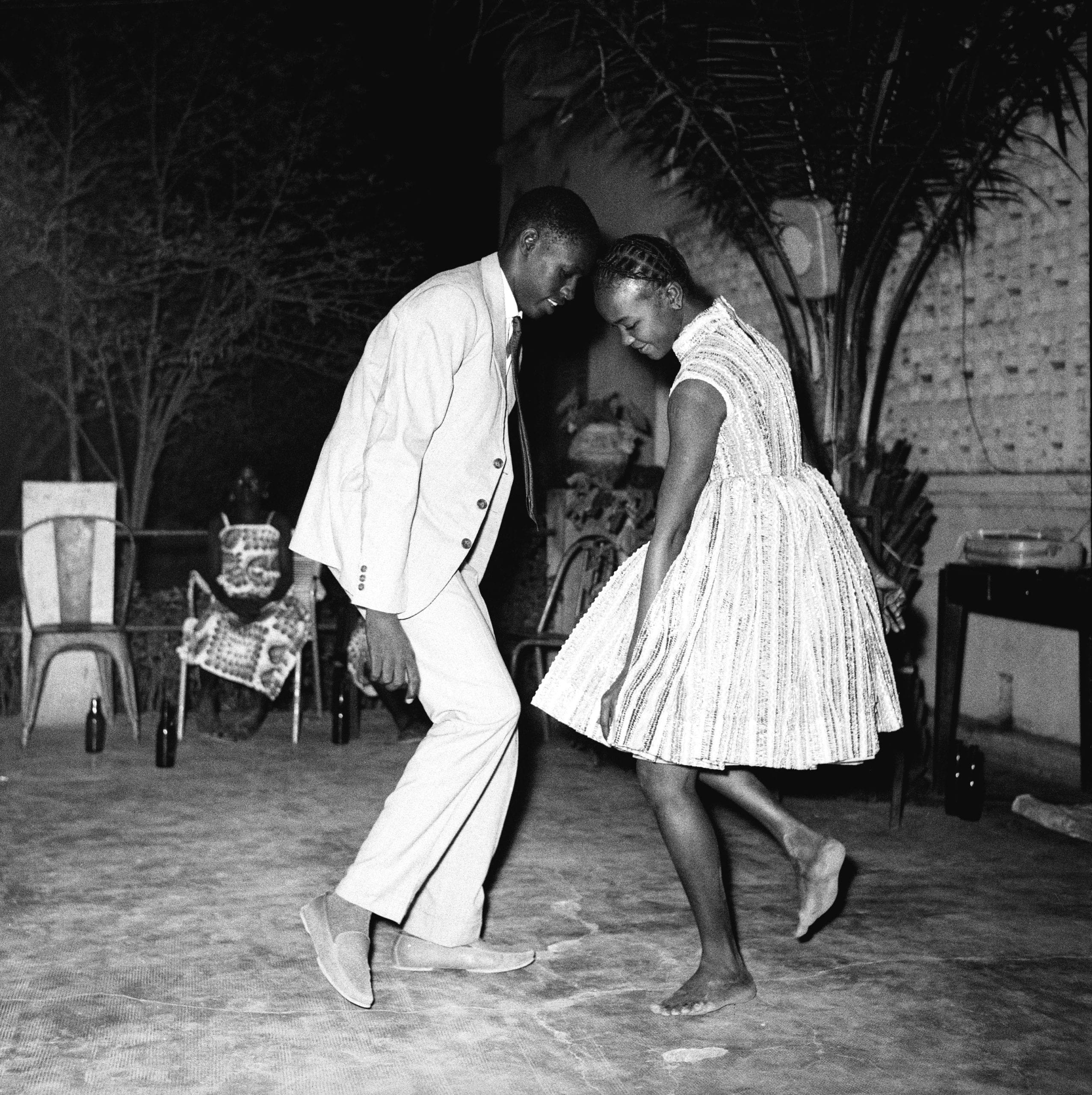
In conjunction with the 1:54 fair of contemporary African art in London, Somerset House is to stage the first major solo show of the Malian photographer, who died this year after a lifetime spent photographing the lives and culture of the Malian capital, Bamako, in the wake of the country’s independence.
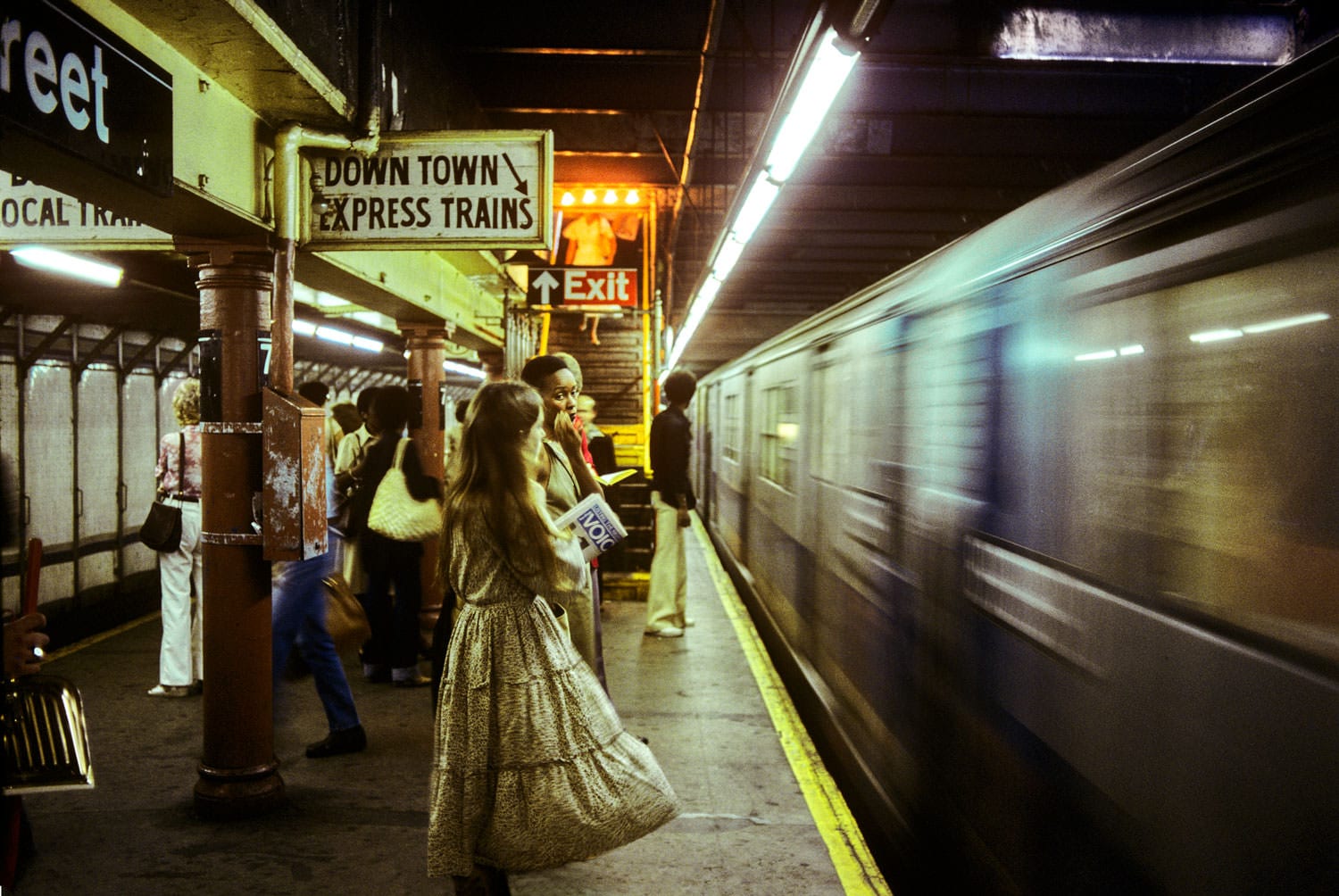
In 1979, there were 250 serious crimes reported in the New York subway system – per week. There were six murders in the first two months alone. No other subway in the world was more crime-ridden and infamous. New Yorker Willy Spiller braved the labyrinth transport system for a photography series that says so much about the modern tone and texture of the world’s most iconic city. In a foreword to a new photobook, published by Sturm & Drang, Dr. Tobia Bezzola writes of Spiller’s achievements.