
Portraiture

New magazine Clove puts the spotlight on South Asian creativity

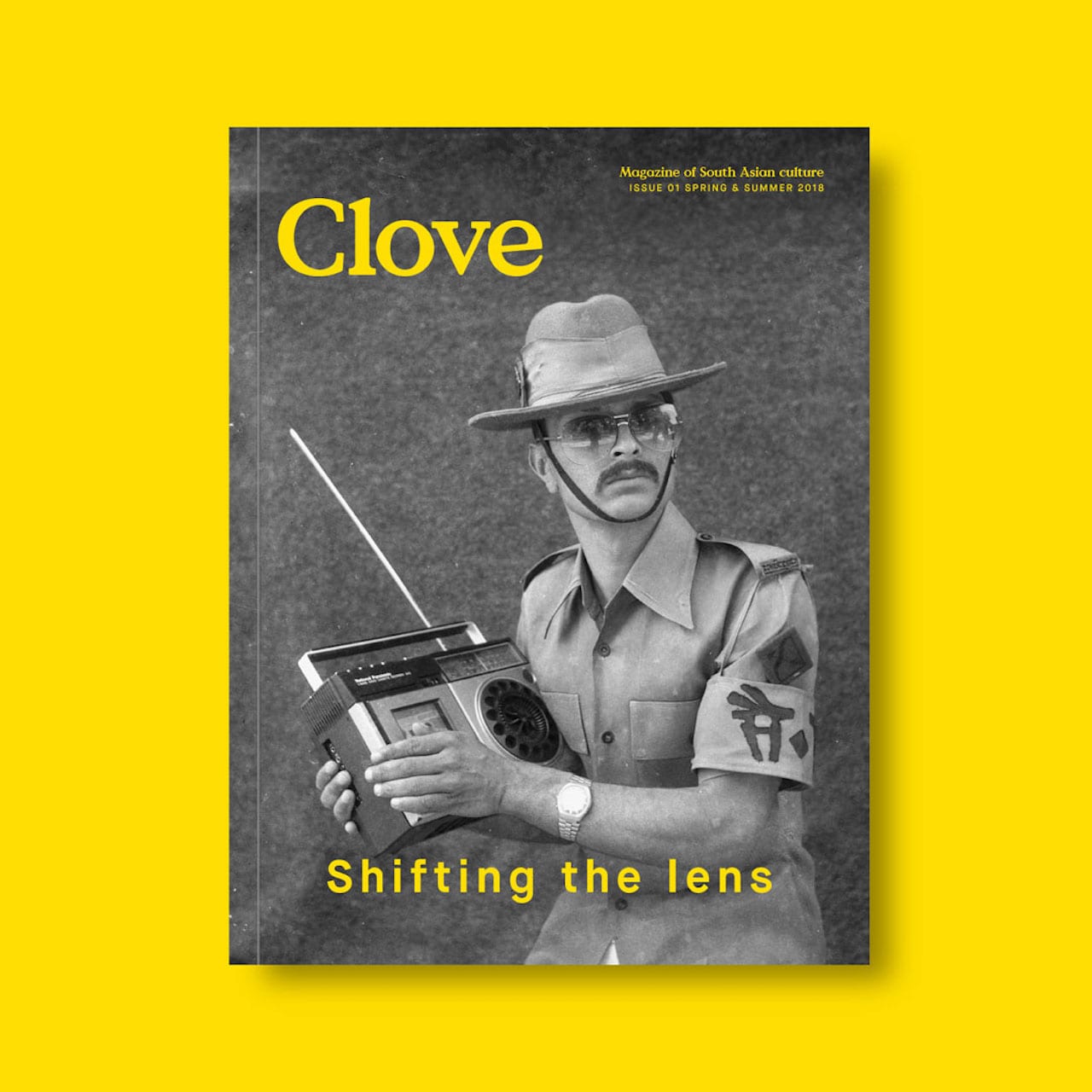
Launched on 11 December, a brand new biannual, Clove, has a refreshing take on art and culture. Founded by London-based, British-Indian journalist Debika Ray, the magazine focuses on creative work from South Asia and its global diaspora. “My impression was always that, in Western media, there was a narrow frame of reference when it came to covering parts of the world beyond North America and Europe,” says Ray, who until recently was senior editor at the architecture and design magazine Icon. “Stories from South Asia or the Middle East are often handled in a distant way, focusing on problems or crises and how people battle against odds to overcome things. I wanted to tell stories from those parts of the world in a way that were instead built on their own merit.”
15 December 2017

Lua Ribeira, Sam Laughlin, and Alejandra Carles-Tolra show new work in Jerwood/Photoworks Awards

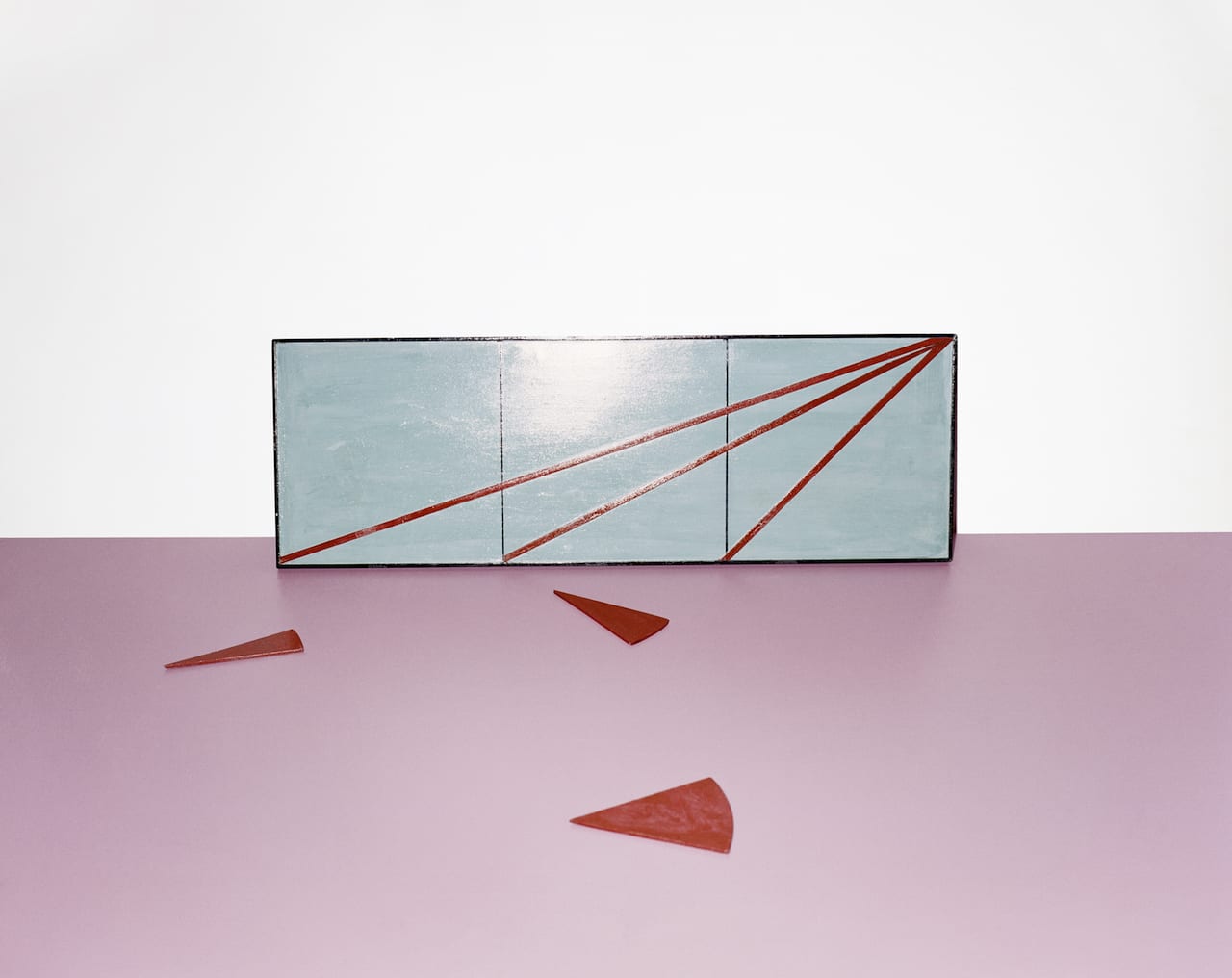
Inspired by personal identity, the natural world, and the fear of dying, the three young artists in this year’s Jerwood/Photoworks Awards exhibition are presenting very different work. Picked out as winners in January 2017, all three have received a year of mentoring on their work from industry specialists such as photographer Mitch Epstein, publisher Michael Mack, and gallerist Maureen Paley. They each also received a bursary of £5000 and access to a production fund of another £5000, to make new work which goes on show in London’s Jerwood Space from 17 January-11 March then tours to Bradford and Belfast. 

14 December 2017

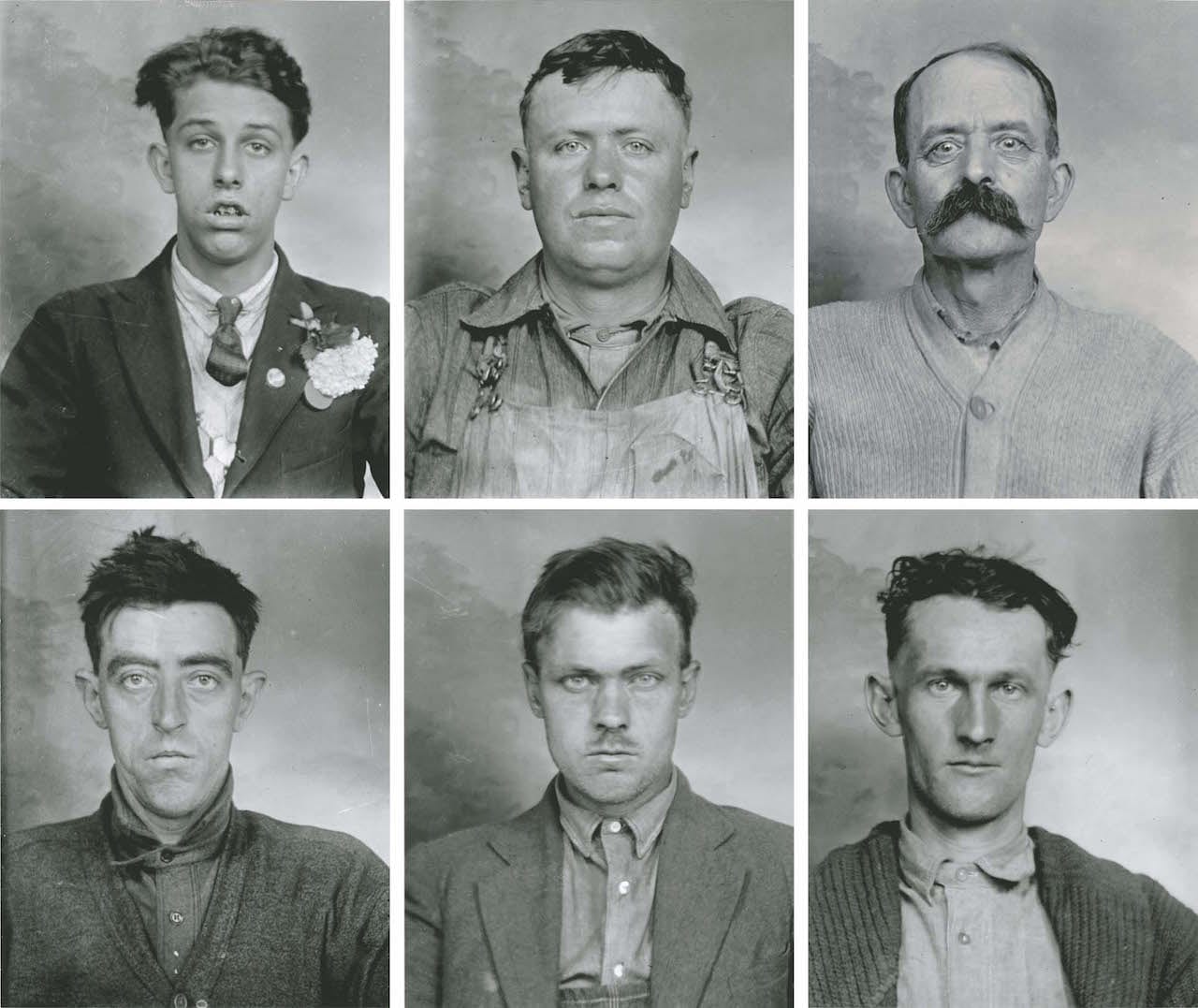
The Shadow Archive, vernacular portrait photography at The Walther Collection, NYC

The Walther Collection has kicked off an 18-month exploration of vernacular photography with a show titled The Shadow Archive: An Investigation into Vernacular Portrait Photography. Taken from the 1850s to the present day, the collected portraits depict groups such as ‘migrant laborers’, ‘inmates of an asylum’, ‘criminal photographs’, and ‘G&G Precision Works Photographic Identity Badges’, and, says the organisers, show how “identification photographs have been used to sort, shape, segregate, and select subjects based on occupation, social group, body type, or political affiliation”. The title references a phrase used by writer and photographer Allan Sekula to reference “the entire social field of human representations, comprising both heroes and deviants, within which every portrait takes its place as part of a moral hierarchy”.

13 December 2017

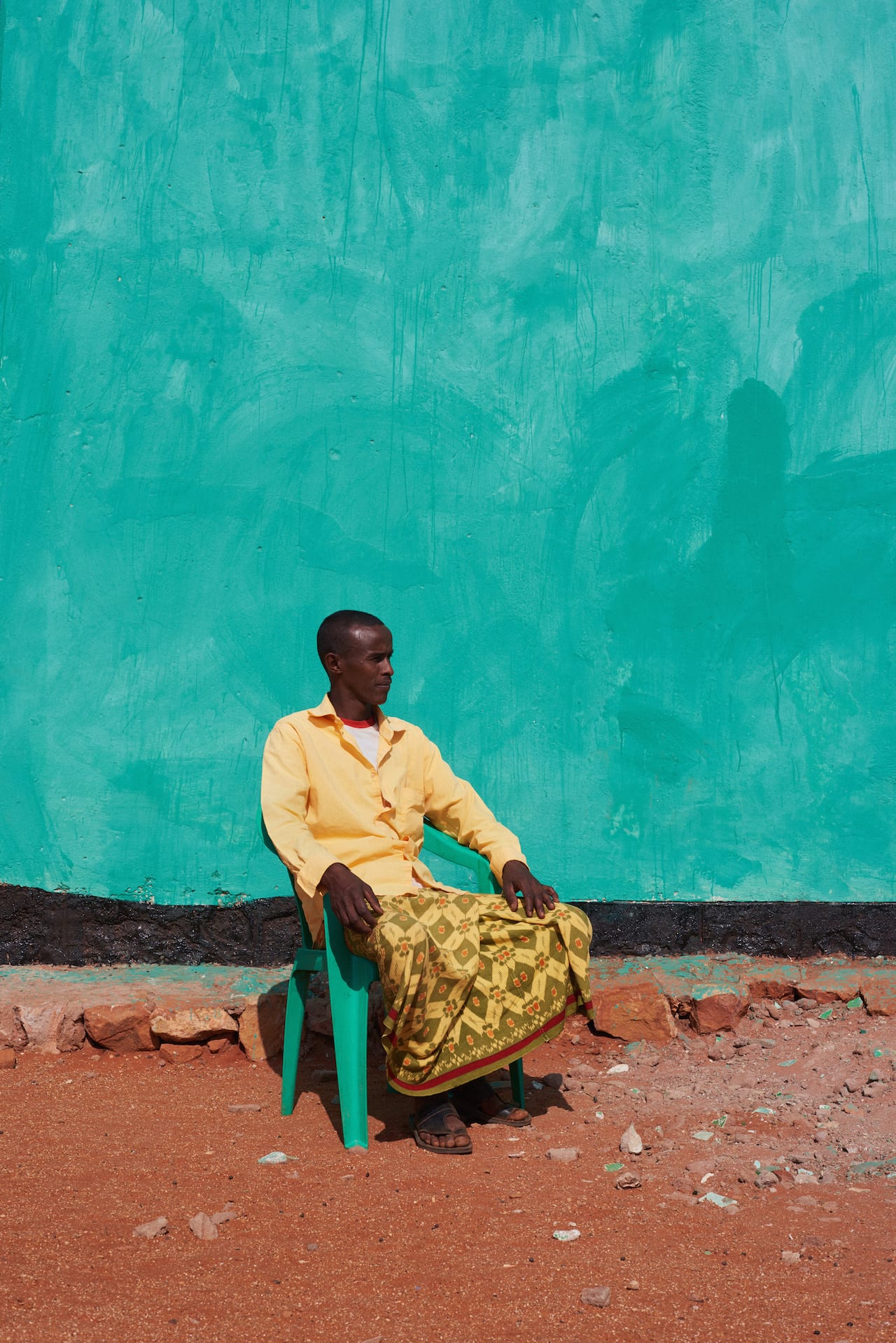
Tina Hillier sees a brighter side to Ethiopia in a quirky commission from Oxfam

The visual language NGOs use to show the developing world is often sombre, designed to shock our senses by highlighting the desperate situations of communities fleeing persecution or natural disaster. Think of Ethiopia, for example, and the images that immediately come to mind are of a country plagued by drought and famine. What is less recognised is that the country, which stretches over the Horn of Africa, is also home to fields of lush agricultural land, and expanses of green nourished by mountainous lakes. But it was this vibrant image that Oxfam sought to convey in its 75th- anniversary collaboration with Annie Sloan paint, a brand more often seen on the pages of glossy interiors magazines. The idea for the collaboration came when Ellie Farmer, a film and photography producer at Oxfam, was on a trip in Sicily and noticed brightly-coloured refugee boats lined up on the beach. Spurred into thinking about the influence colour can have on storytelling, she approached Sloan – who in turn was inspired to create a new chalk-based product, referencing the colours of Ethiopia, in which Oxfam has an established aid programme.

8 December 2017

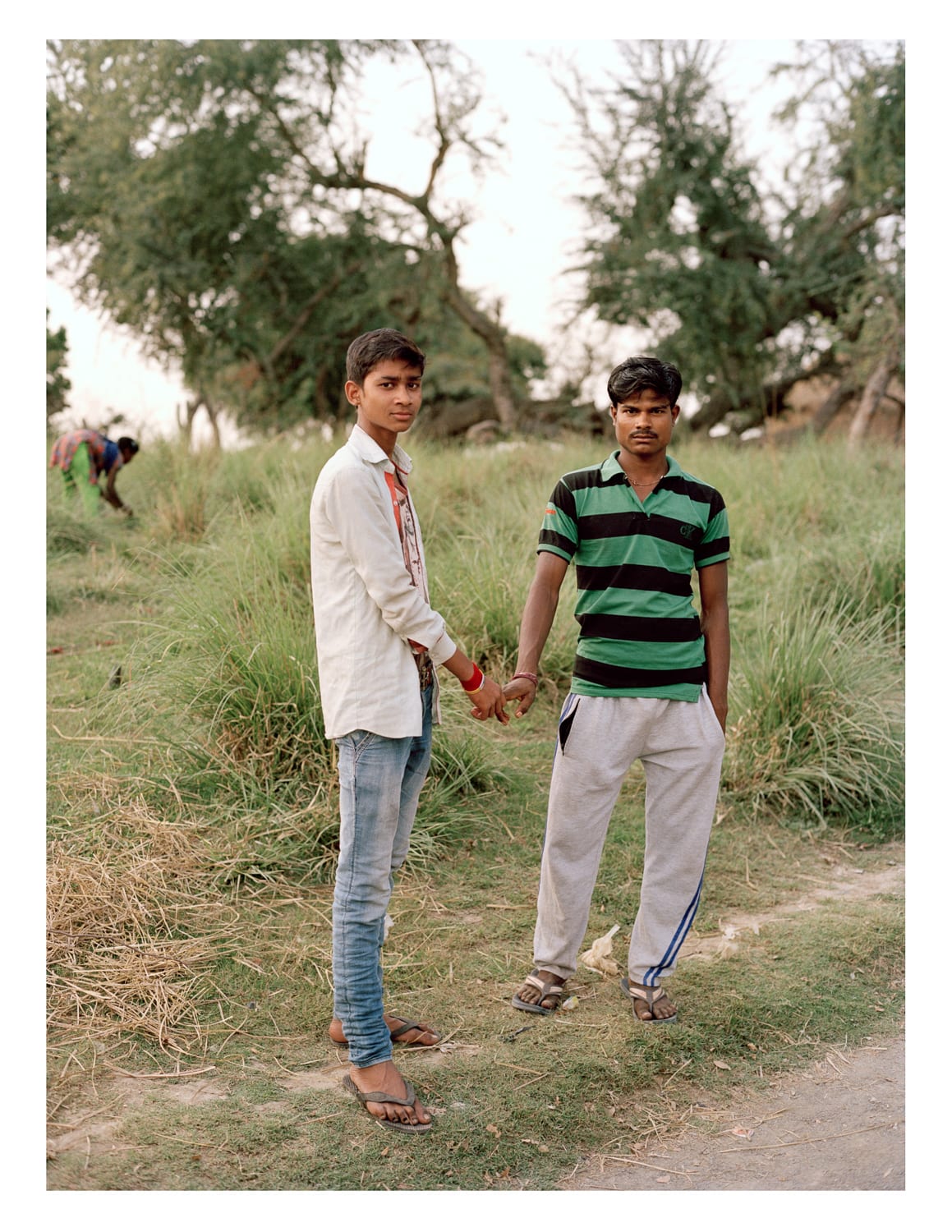
Marc Ohrem-Leclef’s new series explores male intimacy in India

When New York-based photographer Marc Ohrem-Leclef first travelled to India eight years ago he was struck by the “small, shared moments of intimacy” that he saw men displaying towards one another in public – admiring the openness with which they made what he assumed were public displays of romantic love. “As a gay man, I was quite excited by what I thought was romantic freedom,” he says. “Men would be holding hands or leaning against each other in public. There was a connectivity that I thought was really beautiful.” He quickly learnt that things were not as he had first thought, that the men he saw were not necessarily romantically involved at all and were often just expressing friendship.

30 November 2017

Shortlist announced for 2018 Deutsche Börse Photography Foundation Prize

It’s the 21st year of the prize, and this year the shortlisted projects by Mathieu Asselin, Rafal Milach, Batia Suter, and Luke Willis Thompson all “reflect a shared concern with the production and manipulation of knowledge and systems of representation through visual formats”, say the organisers of the Deutsche Börse Photography Foundation Prize 2018. Mathieu Asselin (b. 1973, France) has been nominated for Monsanto: A Photographic Investigation, which was published this year by Actes Sud and exhibited at Les Rencontres d’Arles, and which has already won the First Book of the Year in the Paris Photo-Aperture Foundation Photobook Awards 2017.

28 November 2017

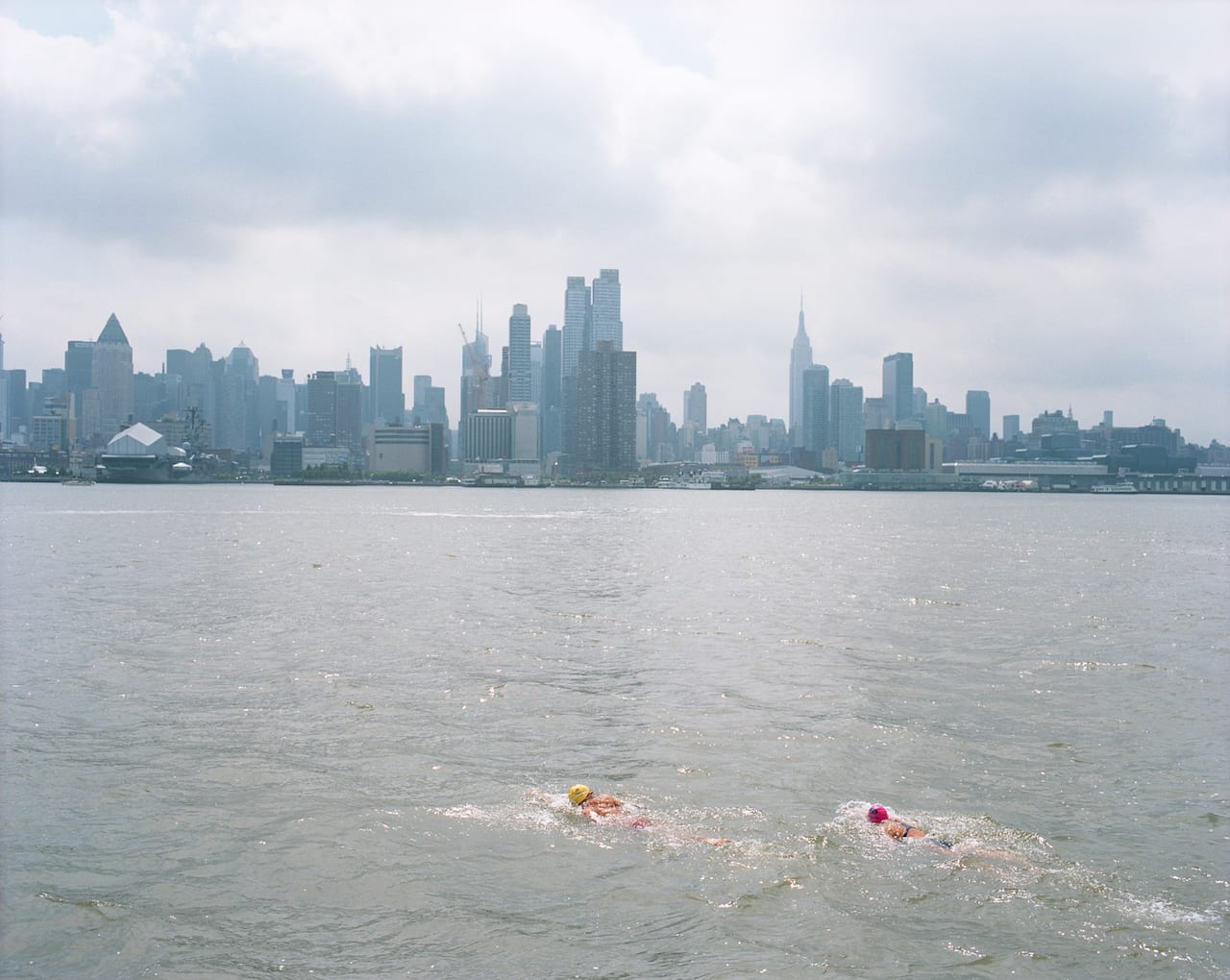
A different take on the city in Susannah Ray's New York Waterways

For Susannah Ray to get into the centre of New York city, she must first travel over a series of bridges and waterways. Whether driving across Jamaica Bay or taking the subway from her home in Rockaway Beach, Queens to Brooklyn or Manhattan, she repeatedly finds herself captivated by the sights she encounters – the sky changing colour above the water; the birdwatchers on the shores; men fishing near a scrap metal yard, up to their waists in waders. She sees groups of people performing religious rituals, gatherings and prayers on the banks of the river. She sees more simply being. Ray’s image of New York is utterly coloured by its relationship with the water. So when she decided to create a portrait on the city, she decided to use those urban waterways to weave it all together. “The water serves so many different purposes for so many different people,” she says. “It acted as a focal point. The communal draw symbolises that idea of coexistence.”

28 November 2017

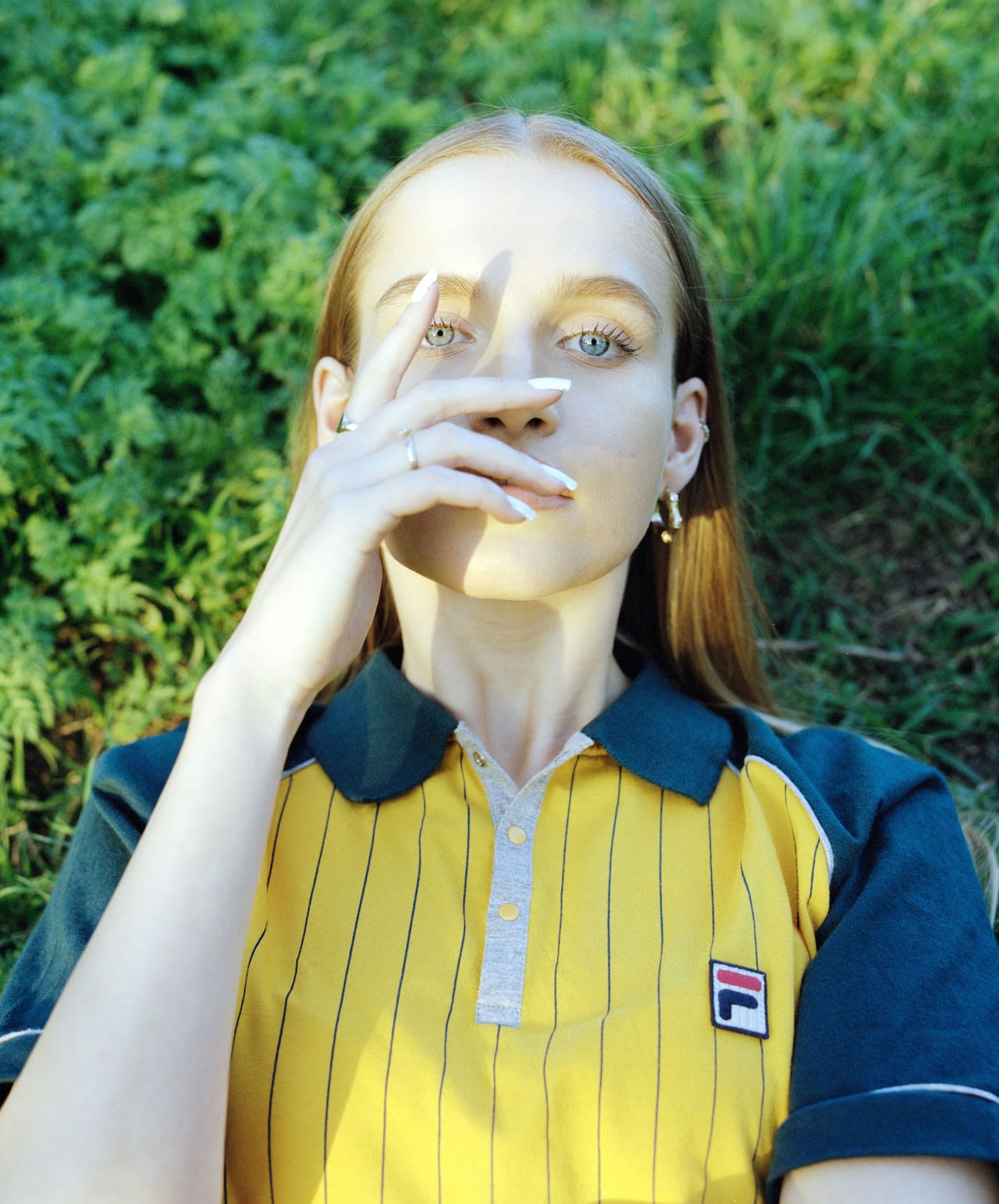
"Culturally rich, economically poor" inner-city life shapes Omar Khaleel's work

For Omar Khaleel, fashion is personal. Using his native Birmingham as a backdrop for his editorial commissions and portraits, he shapes his work according to the details and textures of British urban life. From the streetwear his models are styled in, to the musicians he photographs and the local streets he uses as locations, Khaleel’s photographs pay tribute to the many facets of inner-city identity and are steeped in the environment that shapes it. As a British-Yemeni, representing cultural diversity plays an important role in Khaleel’s approach to photography. “I am bicultural and live in a culturally rich but economically poor inner-city environment,” he says. “I have been blessed enough to have grown up with and be around people from all walks of life.”

24 November 2017
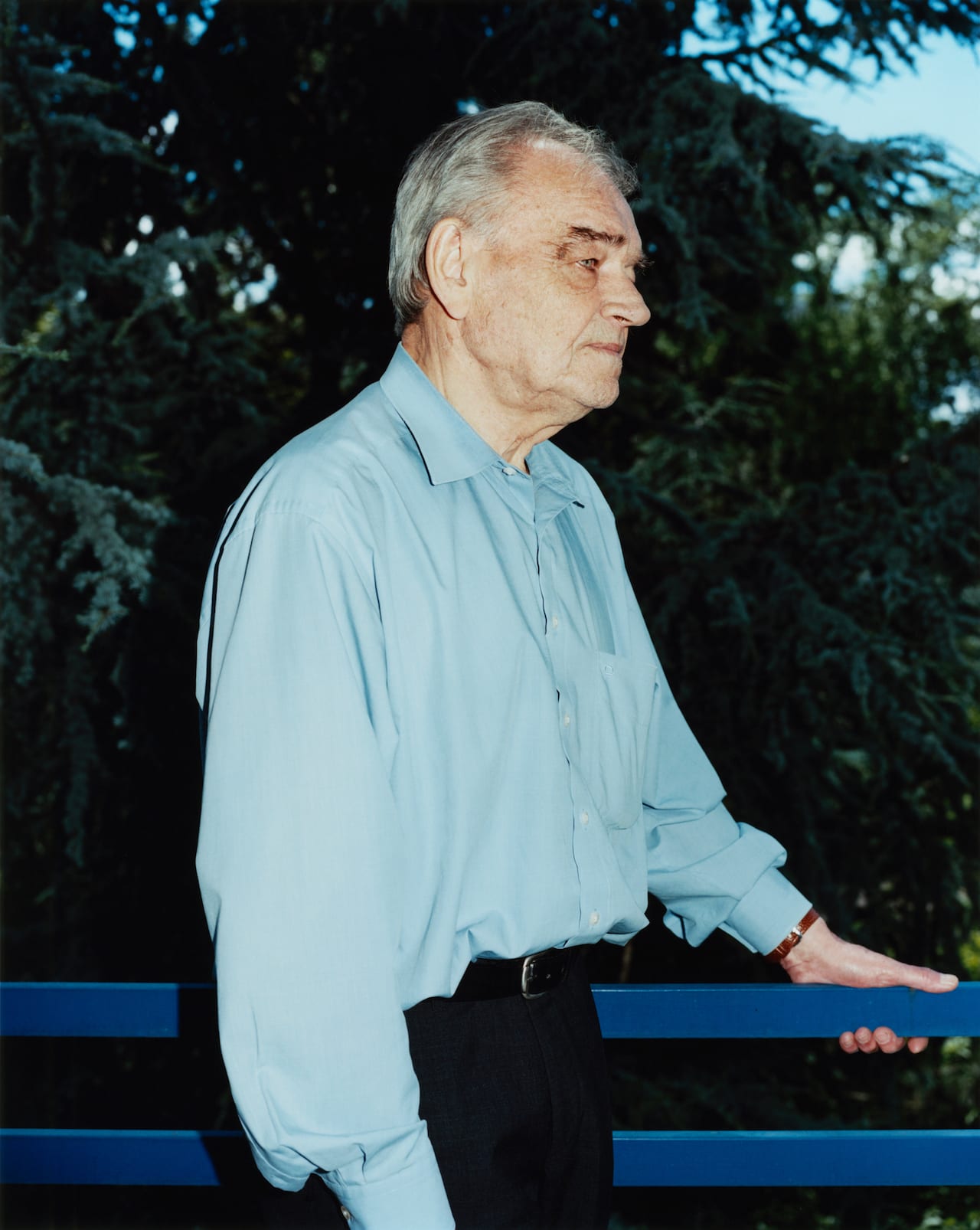
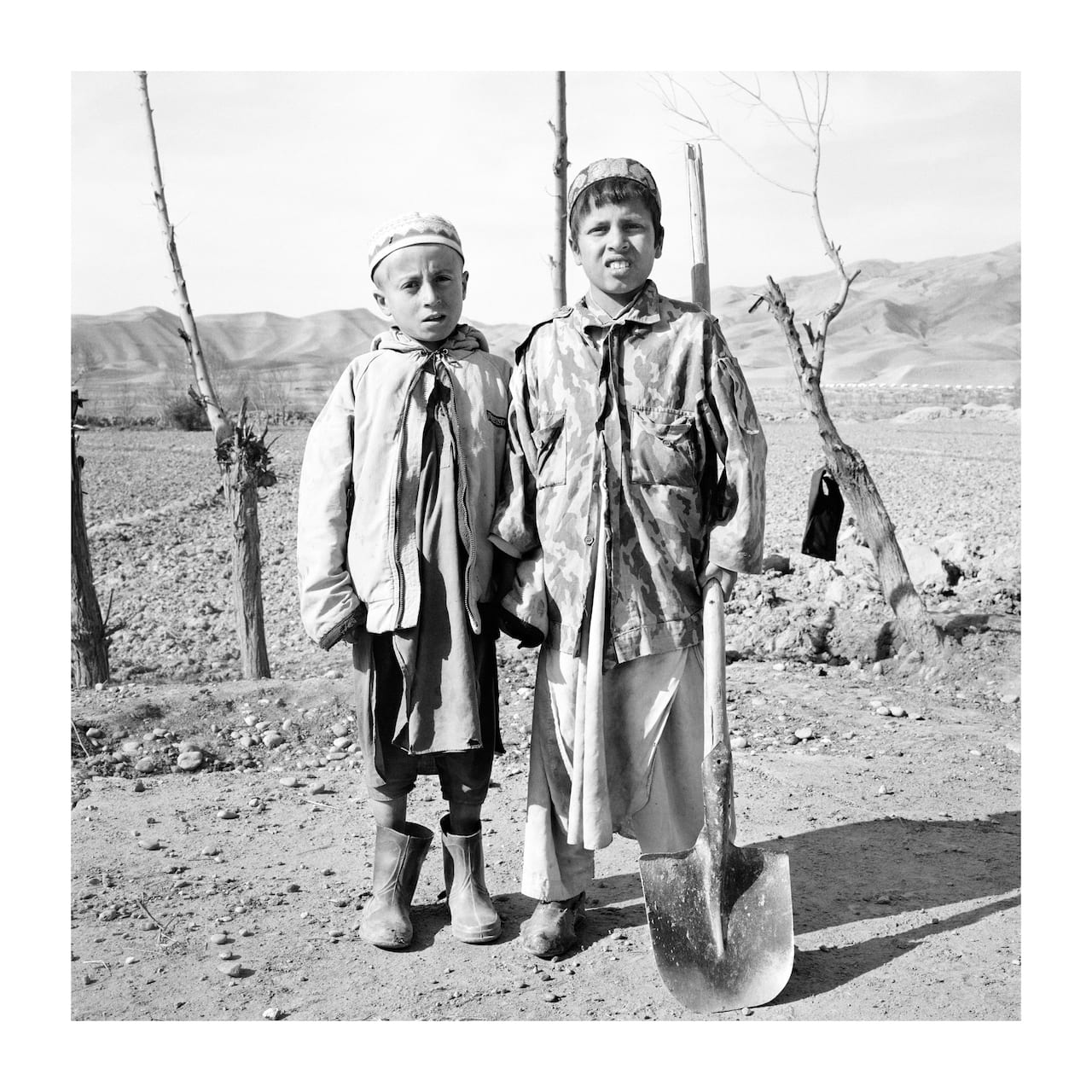
Hinged on a connection between photographer and subject, portraiture is, in many ways, the ultimate collaborative act. In this collection, we showcase the best of contemporary photographic portraiture.