

British Journal of Photography announces the seven photographers shortlisted for Postcards from Copenhagen, an exclusive commission for which three competition winners will create a body of work in the Danish capital
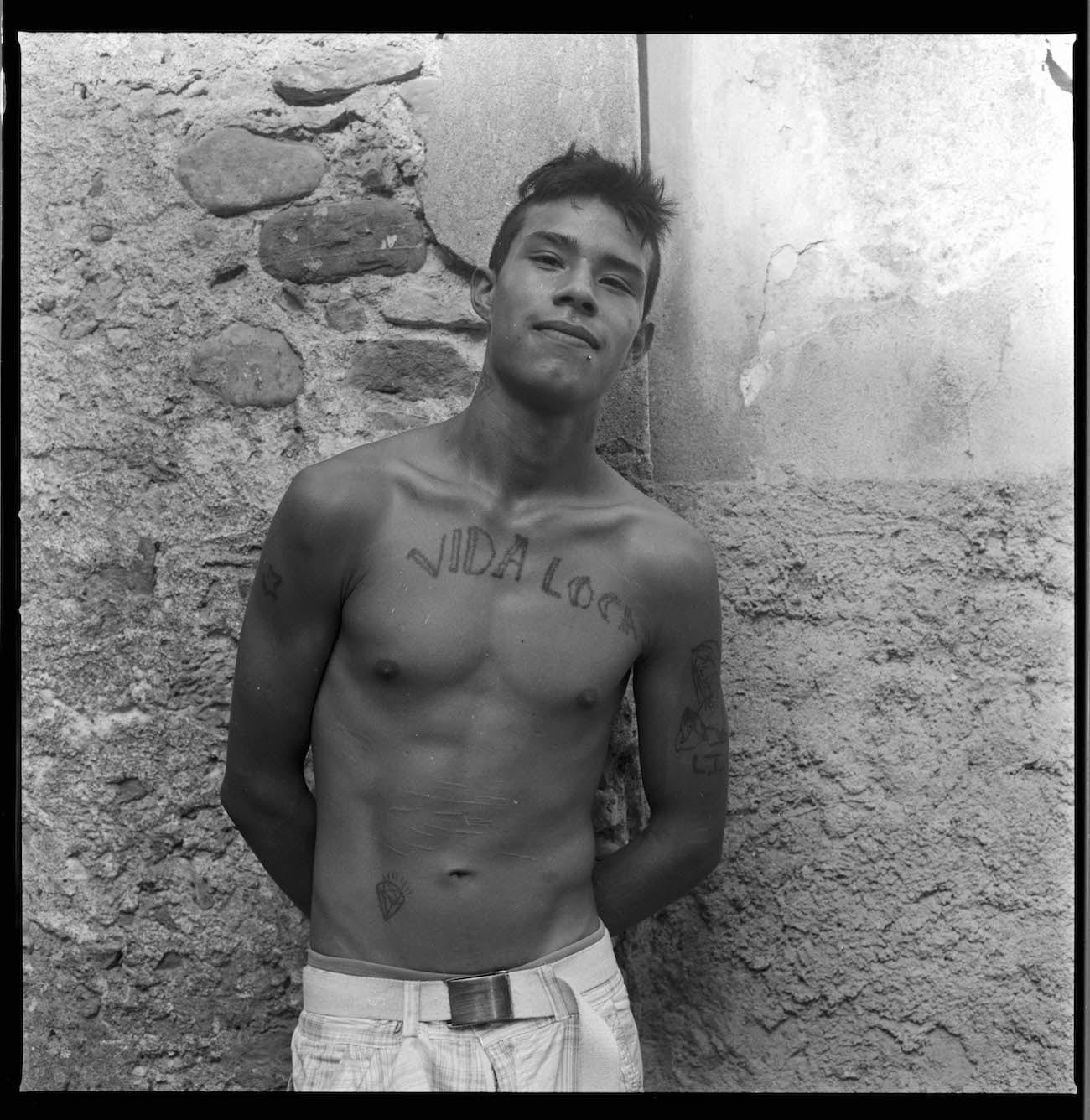
British Journal of Photography announces the seven photographers shortlisted for Postcards from Copenhagen, an exclusive commission for which three competition winners will create a body of work in the Danish capital
Peppers Hideout, Perv’s House, the High Chaparral, the Patio Lounge, and the Showcase Lounge –…
“The truth can be hard to look at,” says an introductory essay to the exhibition…
In terms of history and photography, 1938 was a significant year. With Germany’s annexation of Austria, the Munich Agreement, the November Pogrom and the Évian Conference, which addressed the international response to the refugee crisis, it was a decisive point in time, with repercussions that would shape generations to come. It was also the year that six iconic photographers, who would document this shifting world, were born. This spring, the occasion will be honoured with a special celebration at the Sprengel Museum Hannover, titled 1938. Birthday Party with Guests. Initiated to commemorate the 80th anniversary of German photographer Heinrich Riebesehl, whose archive is housed at the museum, the exhibition evolved into a wider historical survey that sketches an international perspective on the second half of the 20th century. Joining Riebesehl are Johan van der Keuken, Josef Koudelka, Boris Mikhailov, Daido Moriyama and Helga Paris. For curator Inka Schube, this wave of artists born in 1938 represents a very particular generation: those who experienced the Second World War as children, too young to remember much more than playing in its rubble but growing up in the world it created.
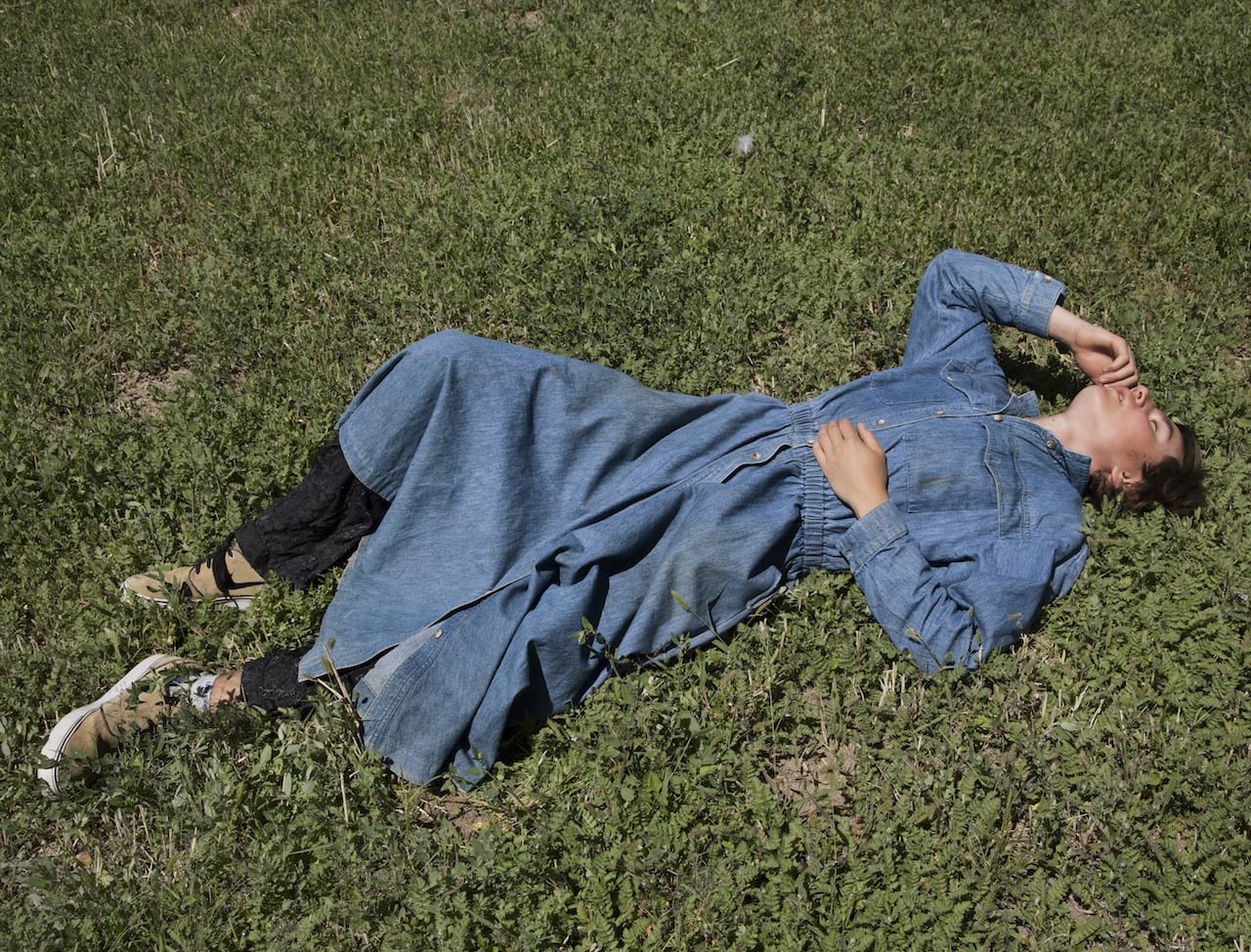
When New York’s Museum of Modern Art first introduced its New Photography series, it did so to locate contemporary work in a dedicated space, often providing the selected image-makers with the opportunity to get their foot in that most revered of doors. The inaugural exhibition opened in August 1985, curated by the late, great John Szarkowski, and over the following 32 years, these shows have remained true to their moniker, tracking some of the most exciting developments in new photography in its myriad forms – be that in books, on screens, in posters or through zines. As the years brought evolved types of media, it fed artists’ appetites both for new ideas and for fresh means by which to execute them. MoMA’s latest instalment, Being: New Photography 2018 (18 March–19 August), is a deft demonstration of how effectively such collections can reflect a moment in contemporary consciousness. Being presents 17 artists working in photo-based media around the world, and “all the works in the exhibition take on charged and layered notions of personhood and subjectivity,” explains Lucy Gallun, its curator and the assistant curator of MoMA’s department of photography.
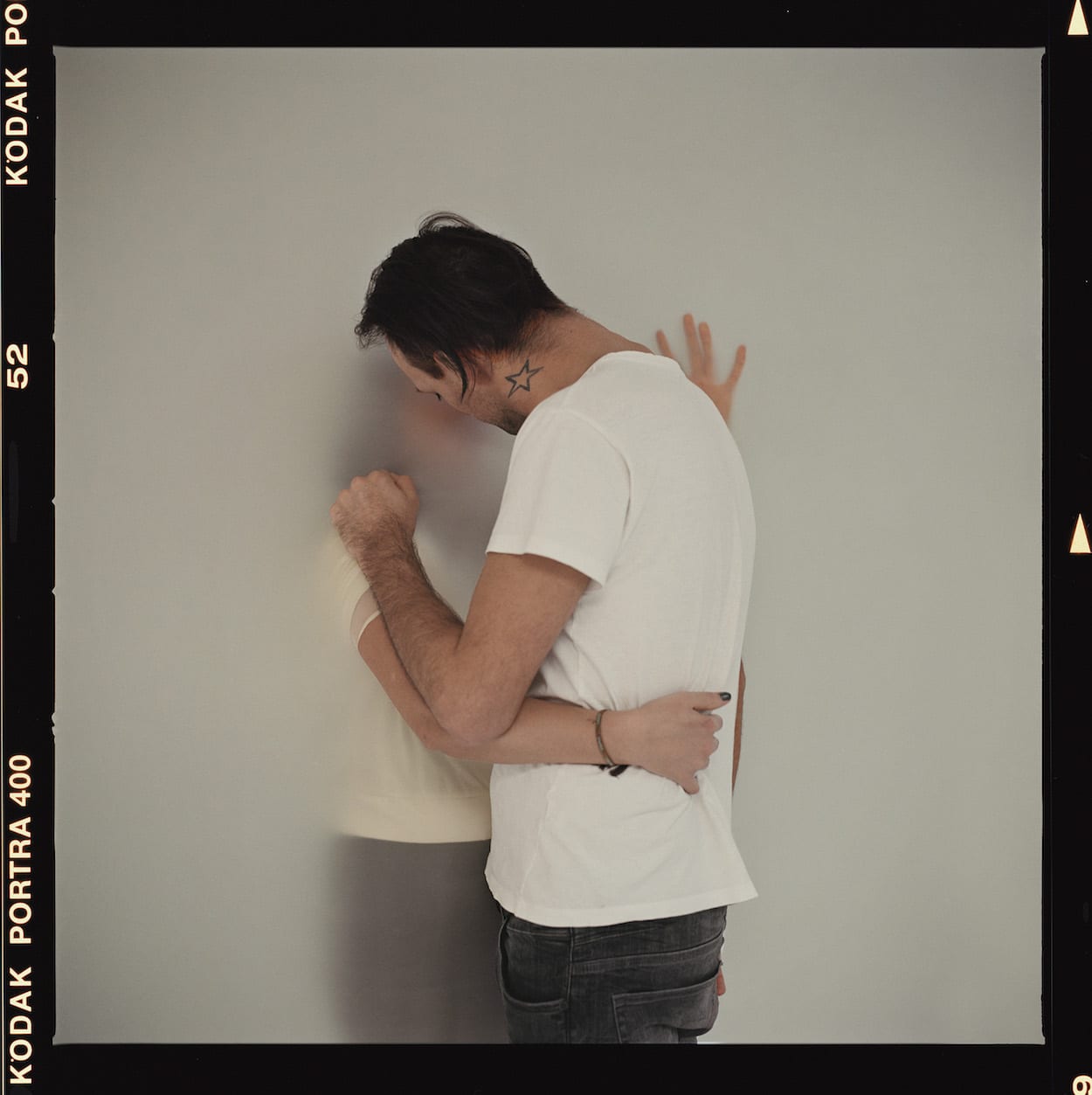
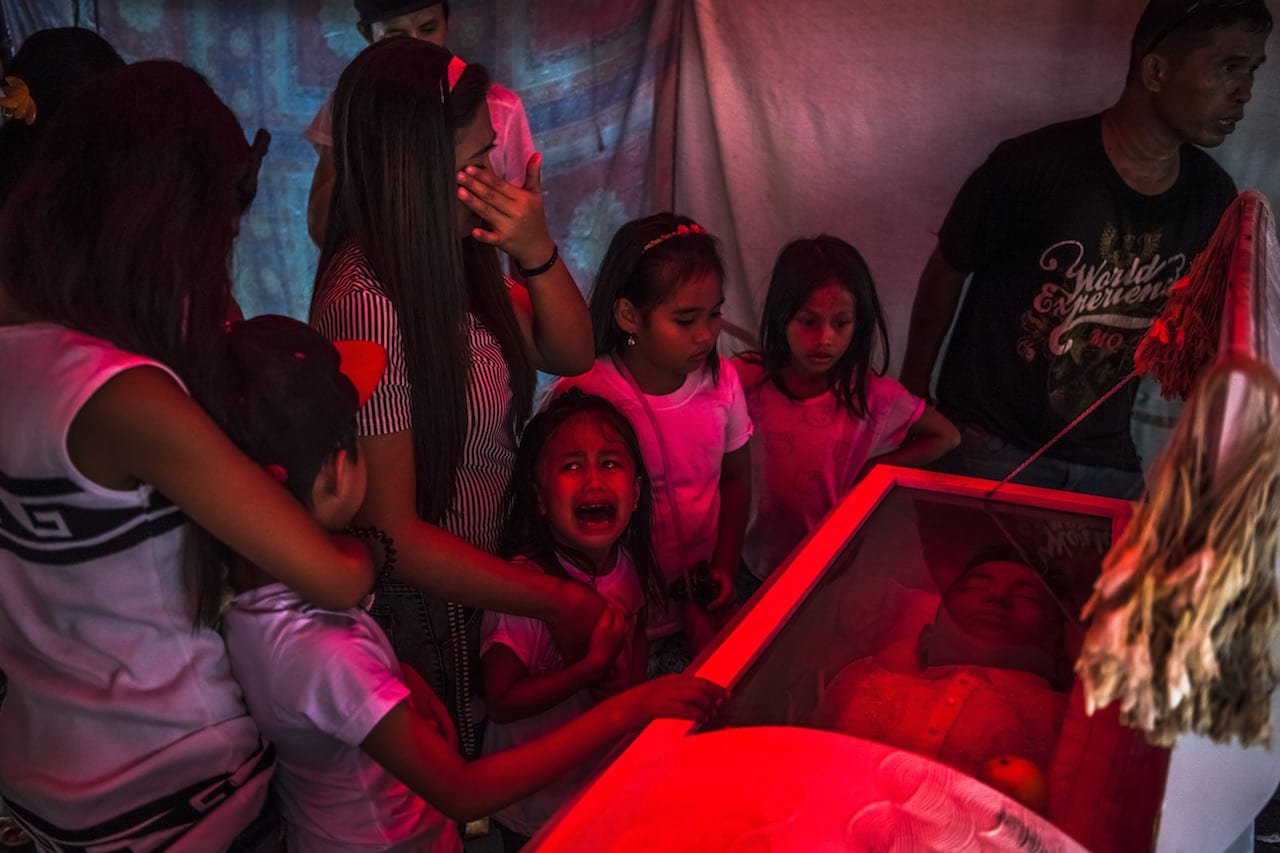
“Jerry has always been aware of a strong animosity towards himself and other immigrants”
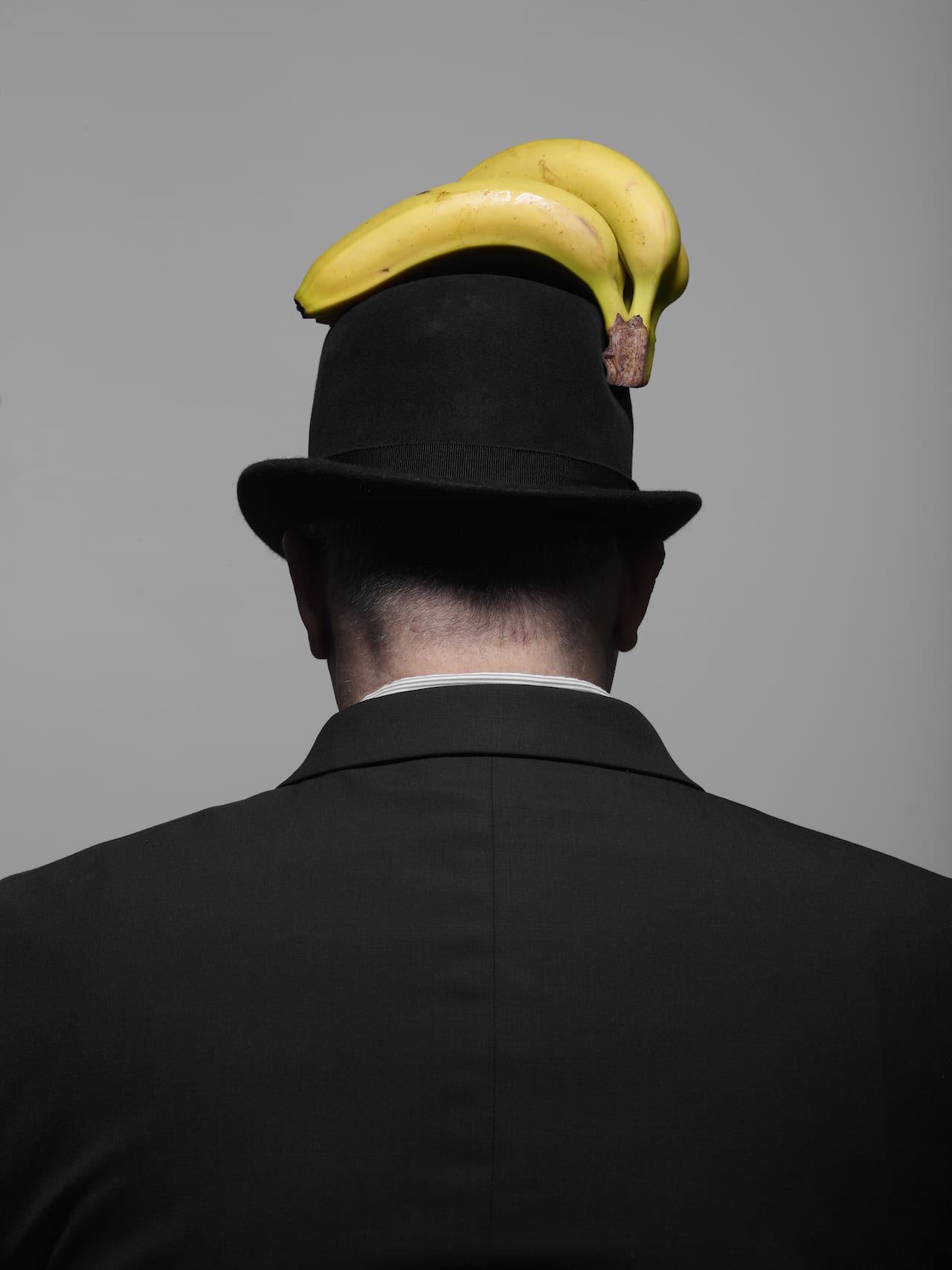
Peter James was an instrumental figure in British photography, establishing an outstanding collection of photography at the Library of Birmingham over his 26-year career at the institution, and researching and curating exhibitions at the V&A, National Portrait Gallery, Somerset House, Birmingham Museum and Art Gallery, Ikon Galley, the Library of Birmingham, and many more. He was also a modest and affable man, universally known as Pete and as at home over a curry as in a lecture hall delivering an academic paper. As Hilary Roberts, research curator at the Imperial War Museum, put it in a tribute on James’ Facebook page: “Pete has been a wonderful friend and exceptional colleague for more years than I can remember. His contribution to the world of photography cannot be overstated. It was a privilege to work with him and I will miss him more than I can say.”
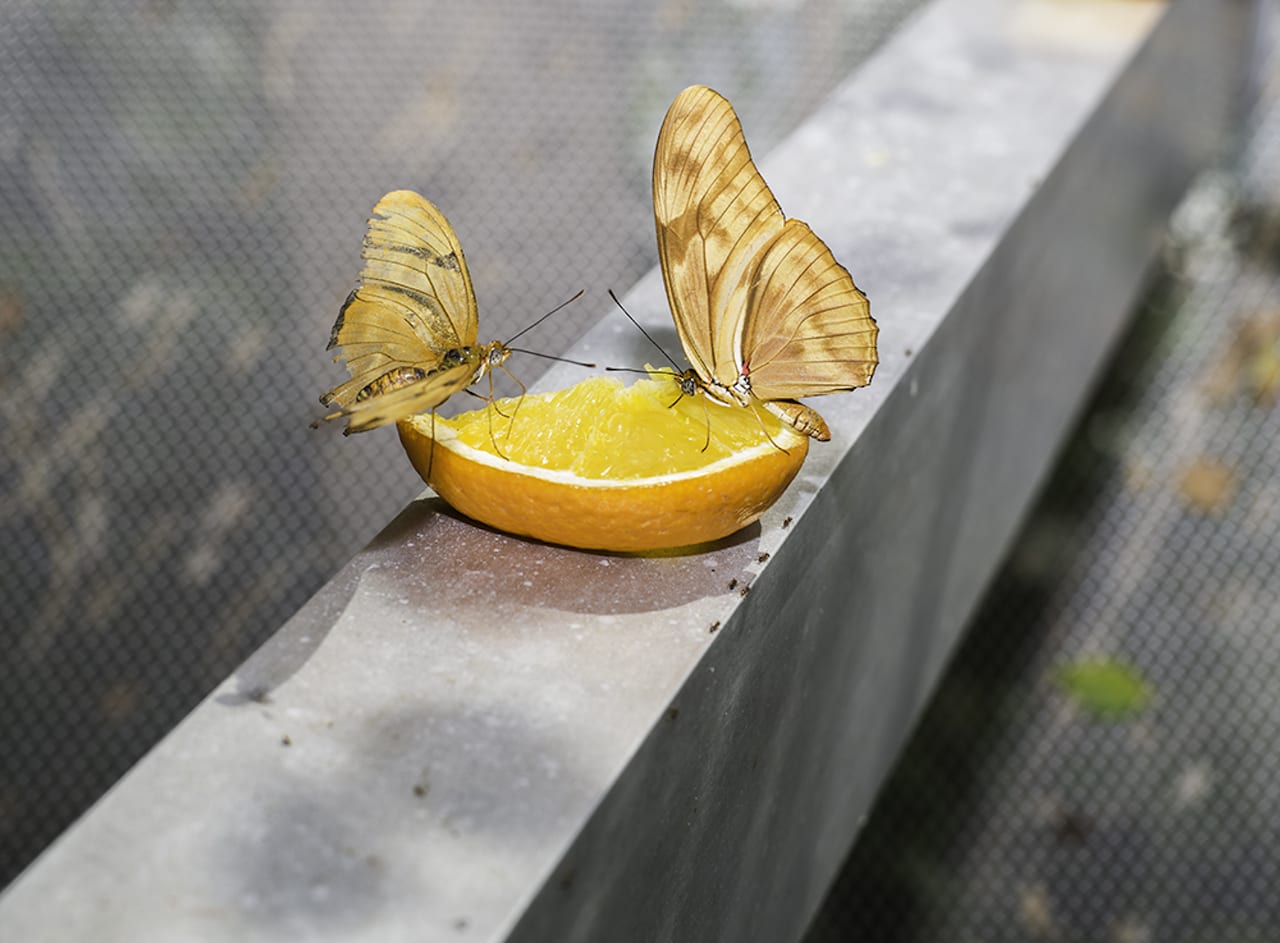
“The idea for Paper Journal came about during my final year of studying photography at Westminster,” says founding editor Patricia Karallis. Though studying she was also working as a picture editor for a small online arts and culture magazine at the time, and had found that she really enjoyed the research aspect of the role but also had “many ideas in terms of content that didn’t quite fit where I was working at the time”. The answer was simple – she decided “to start my own platform”. She launched Paper Journal online in 2013, with the aim of showcasing photography, fashion and culture in an exciting way. Featuring photography from unknown or new image-makers alongside more established names, Karallis says, “we love to promote new photography and I think that’s been a really strong point for us, and one that draws readers back to the site.”
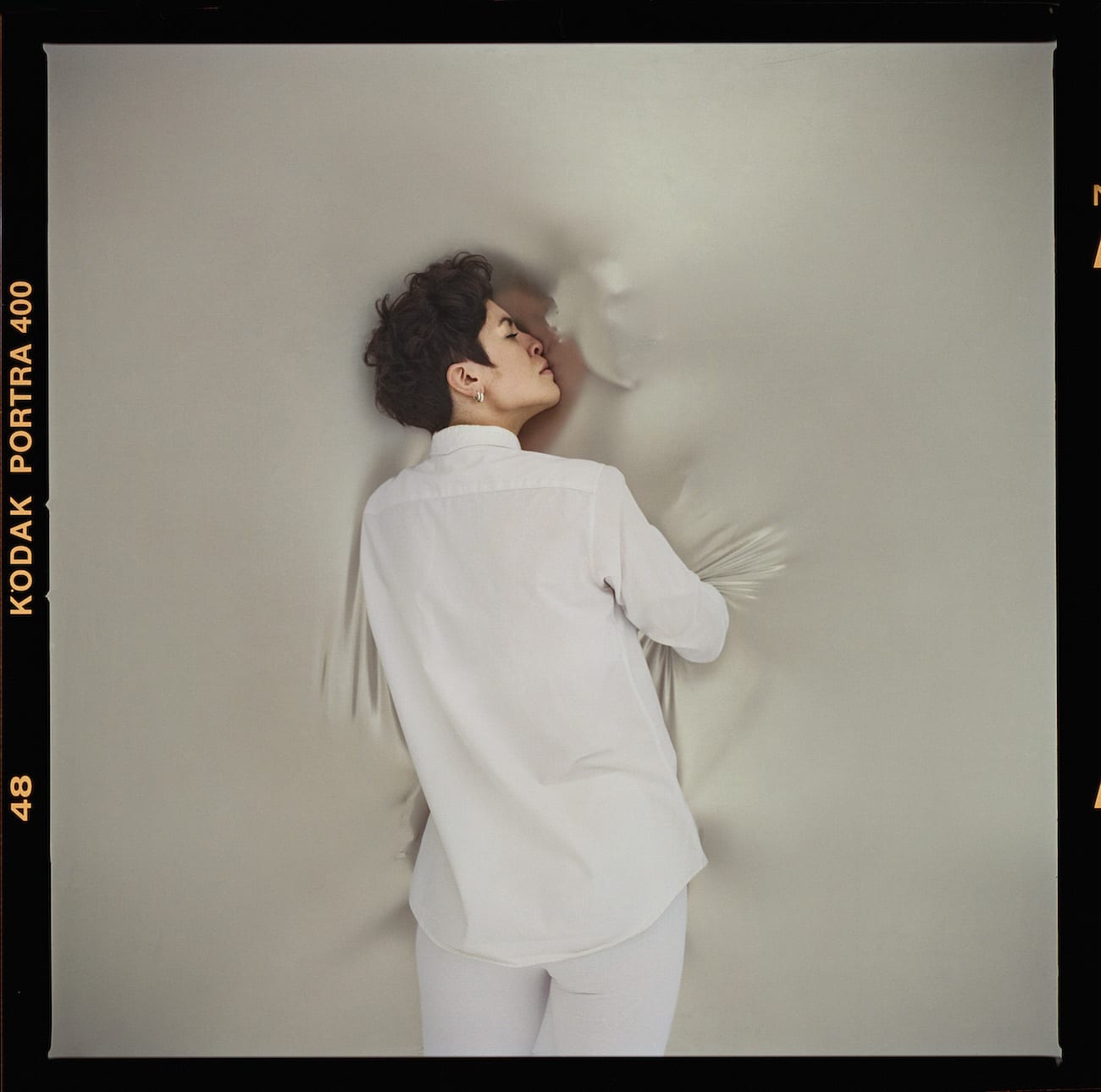
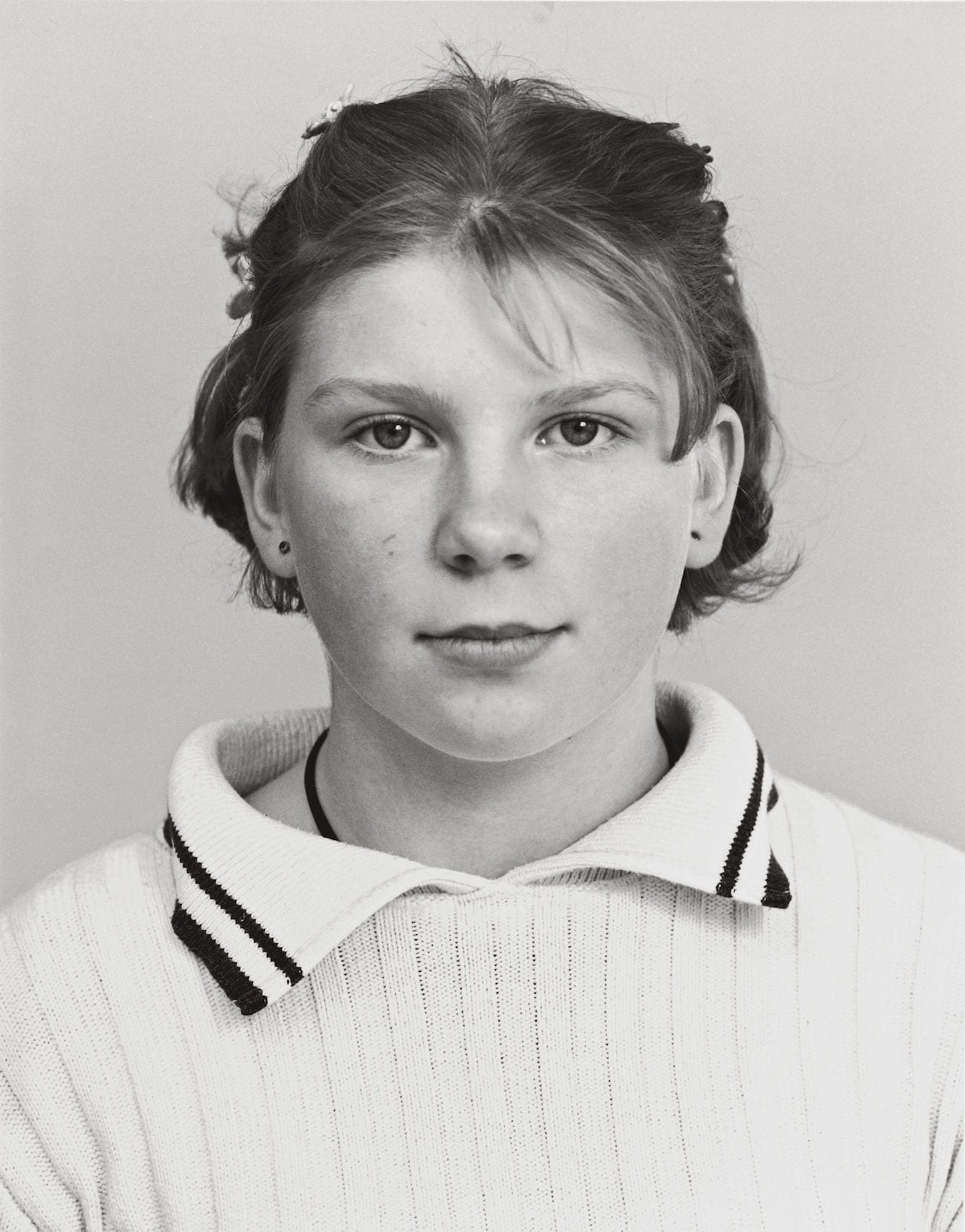
“No one in the UK has ever pulled a face when I tell them where I am from and I’ve never experienced homophobic abuse. I doubt that would be the case if I was in Bulgaria”
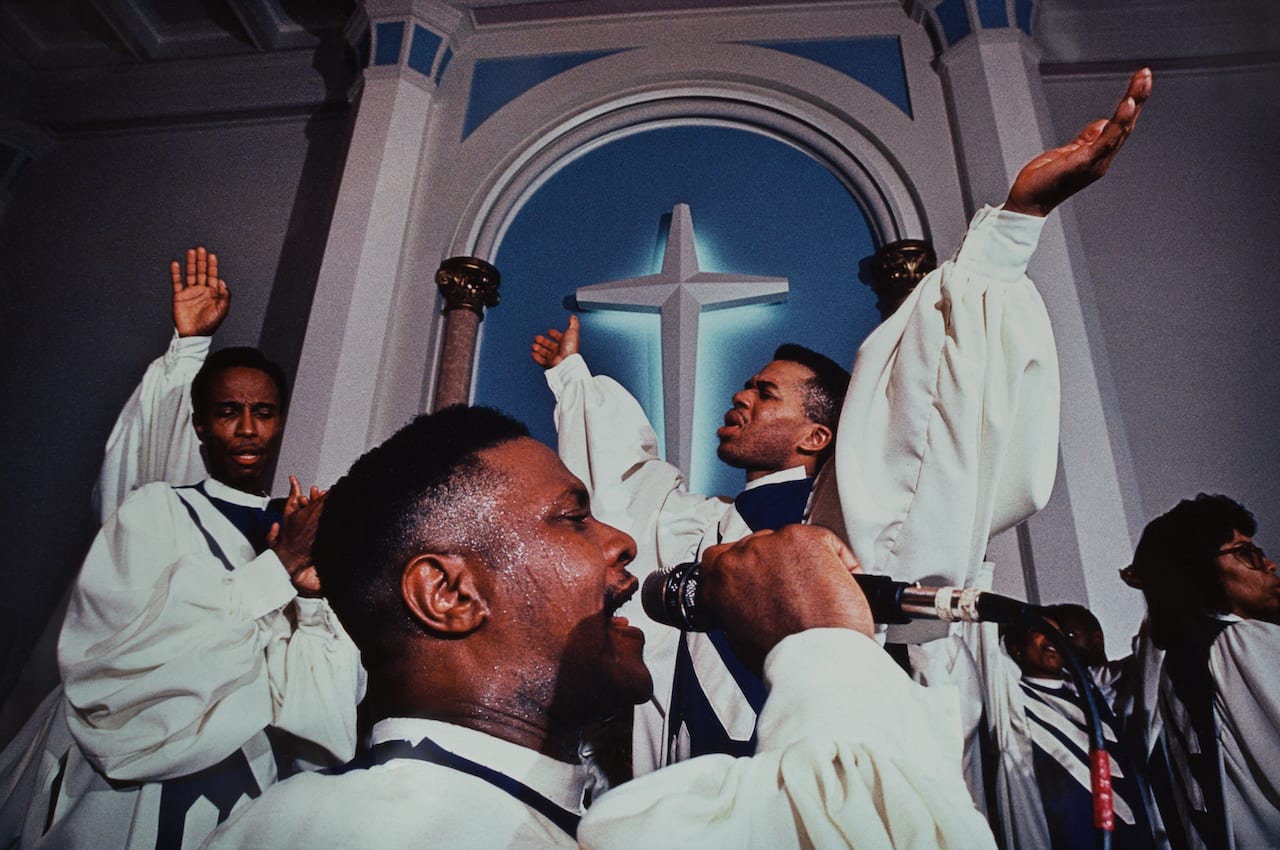
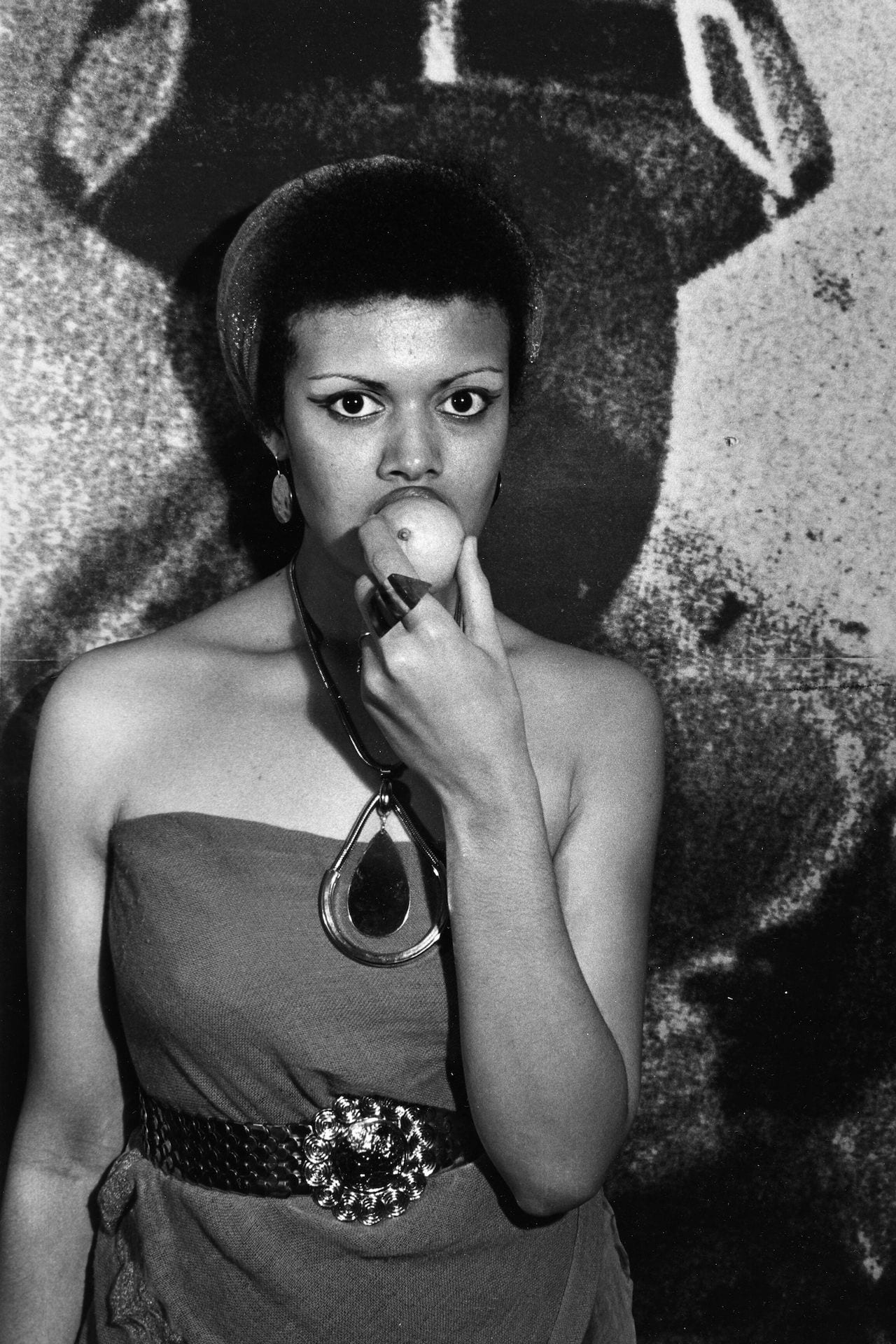
“I never had trouble walking up to people and asking them to take their picture,” photographer Arlene Gottfried (1950-2017) told The Guardian in 2014. Largely unknown to the public for the majority of her career, it was her black-and-white photographs of New York in the 1970s-80s that first sparked an interest in her work. Looking at them, it’s clear that Gottfried had a way with people as well as with images. “Arlene had a way of looking at the world with curiosity and love that was distinctly her own,” says Daniel Cooney, who runs a gallery of the same name currently showing Gottfried’s work.