

Publications we loved, and the big news stories from the last month in photobooks – featuring work by Peng Ke, Tom Wood, Paul Reas, Vivian Maier and the post-war PROVOKE group
Publications we loved, and the big news stories from the last month in photobooks – featuring work by Peng Ke, Tom Wood, Paul Reas, Vivian Maier and the post-war PROVOKE group
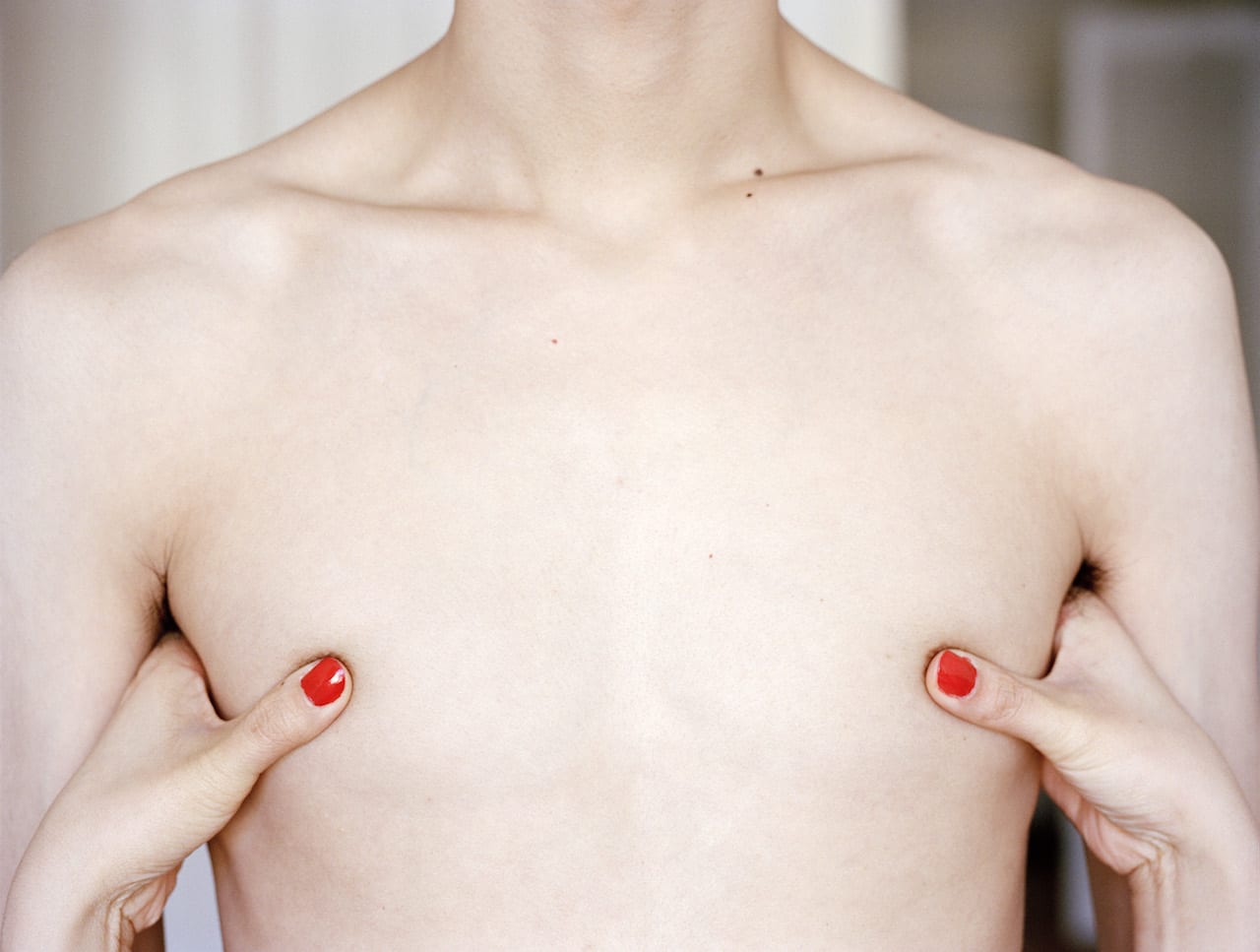
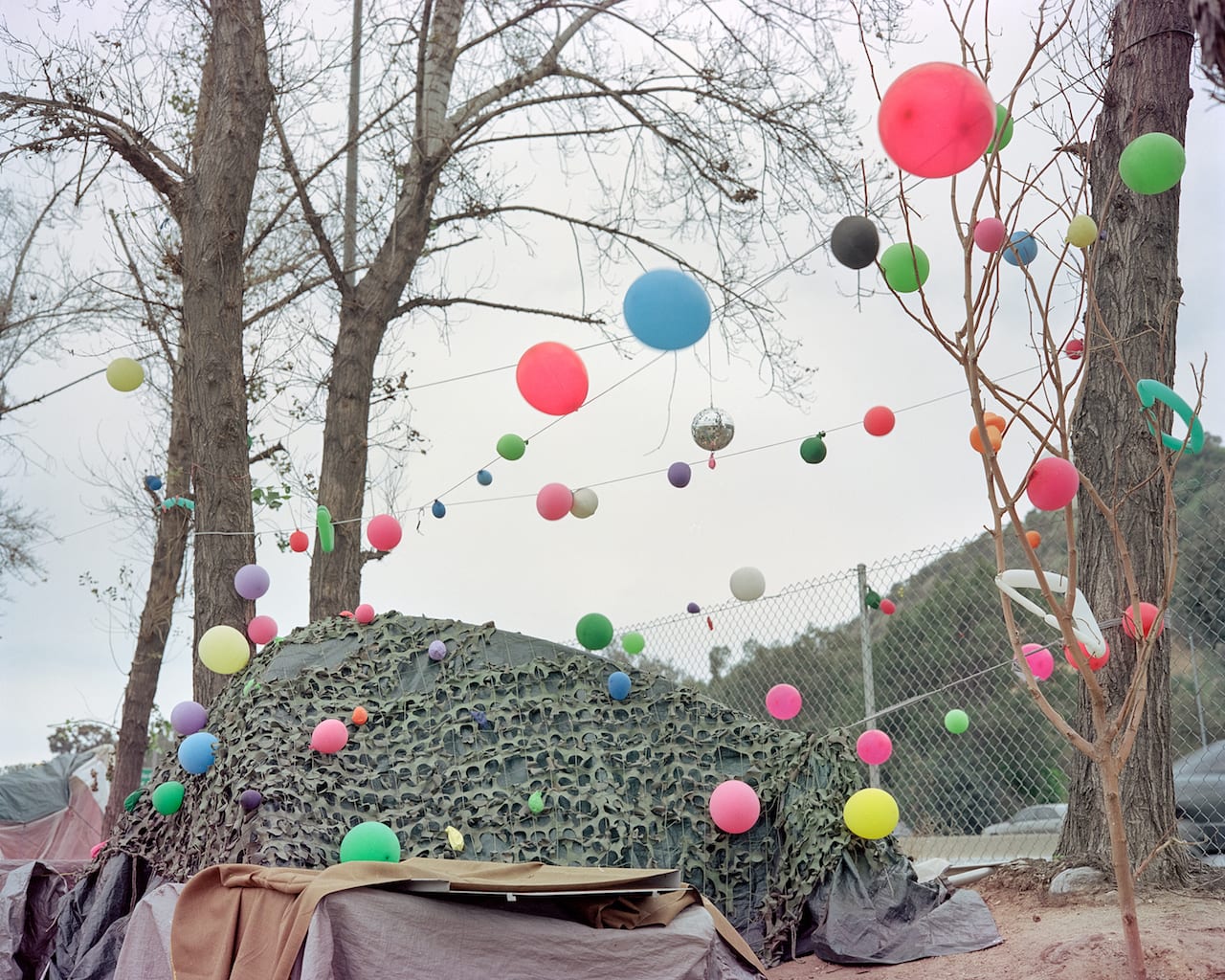
BJP-online Loves Lei Lei and Pixy Liao win at the 2018 Jimei x Arles festival
bjp-online has been following both Lei Lei and Pixy Liao for a while, so we were happy to see them both win prizes at the Jimei x Arles festival. Lei Lei picked up the Jimei x Arles Discovery Award, giving him 200,000 RMB plus a spot in Arles’ prestigious Discovery Award exhibition and competition next summer; Pixy Liao won the Jimei × Arles – Madame Figaro Women Photographers Award. And bjp-online loves the Jimei x Arles initiative in general, which is packed with interesting work by image-makers from China and beyond. Plus six other key stories from the last week
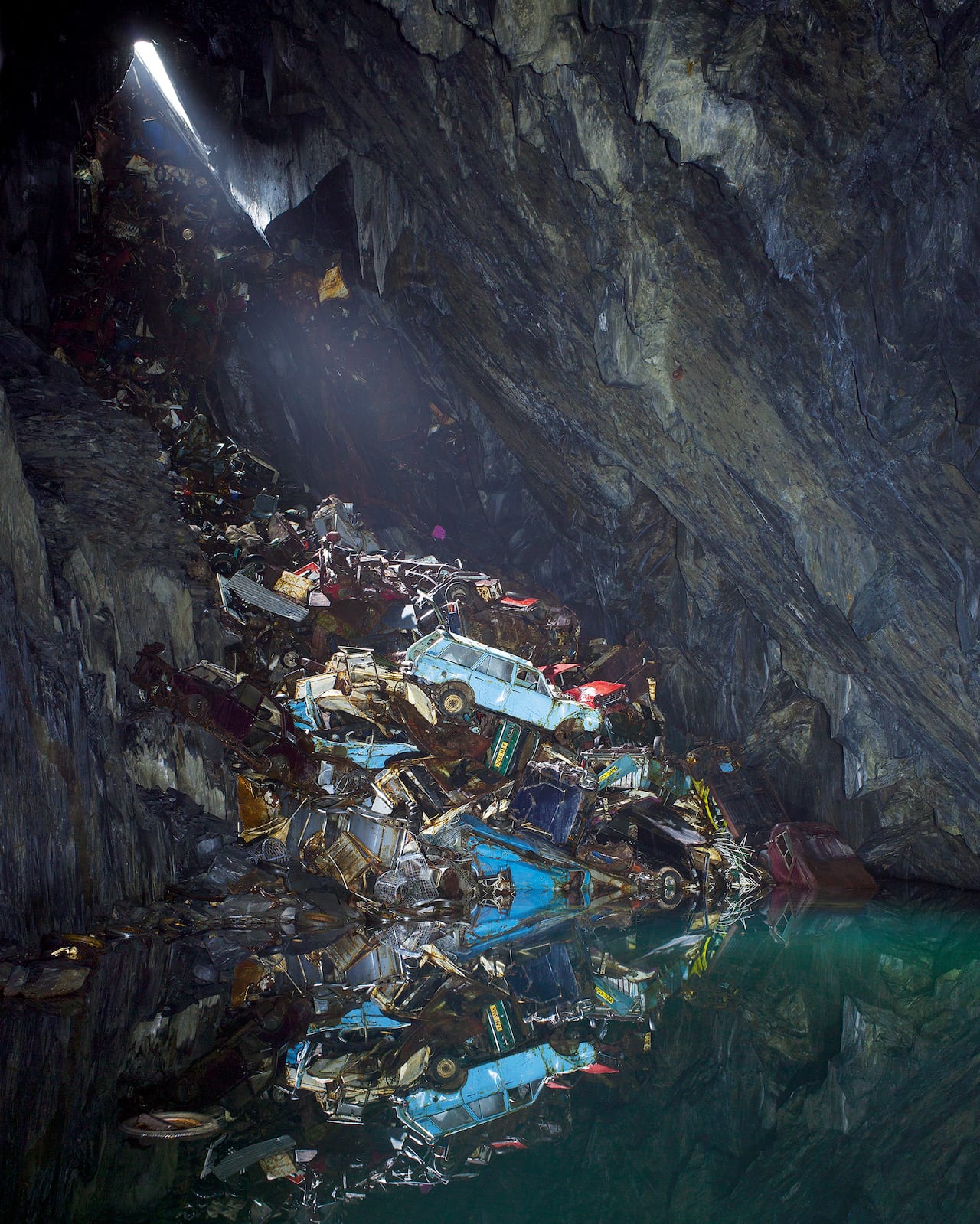
“I see the bastard countryside everywhere I go,” says Robin Friend, pointing out of the window of his studio in East London, where an ivy plant has climbed up a nearby wall and is wrapping its vines around a rusting CCTV camera. “I ran with this idea of city and countryside splattering into each other, creating this hybrid nature,” explains Friend, who has been producing photographs for his book, unknowingly at first, for 15 years since he started started his BA in Brighton, where he studied under Jem Southam.
“Bastard countryside” is a phrase coined by Victor Hugo in his novel Les Miserables, in which he describes the city of Paris as an “amphibian”, stretching out into the countryside and devouring everything in its path. It is a zone in which the urban and rural mix, the manmade and the natural, clashing and colliding to create a strange form of beauty and ugliness.
“I was trained as a sculptor, and this was the first time I had used the camera,” wrote Jacqueline Hassink in the Financial Times in 2011, of her breakthrough project The Table of Power. Between 1993 and 1995 Hassink contacted forty of the largest multinational corporations in Europe, asking to photograph their boardrooms. “I wanted to find a table that symbolised modern society’s most important value: economic power,” she writes. Nineteen refused, while the remaining 21, in Britain, the Netherlands, Germany, France, Switzerland and Italy, eventually agreed.
The book was published in 1996; it was the first time that photographs of these places had been made public, and in the spring of 2009, after the global recession, Hassink decided to revisit the boardrooms. With The Table of Power 2, she examined how boardroom design, revenue and employee numbers had changed over the intervening years.
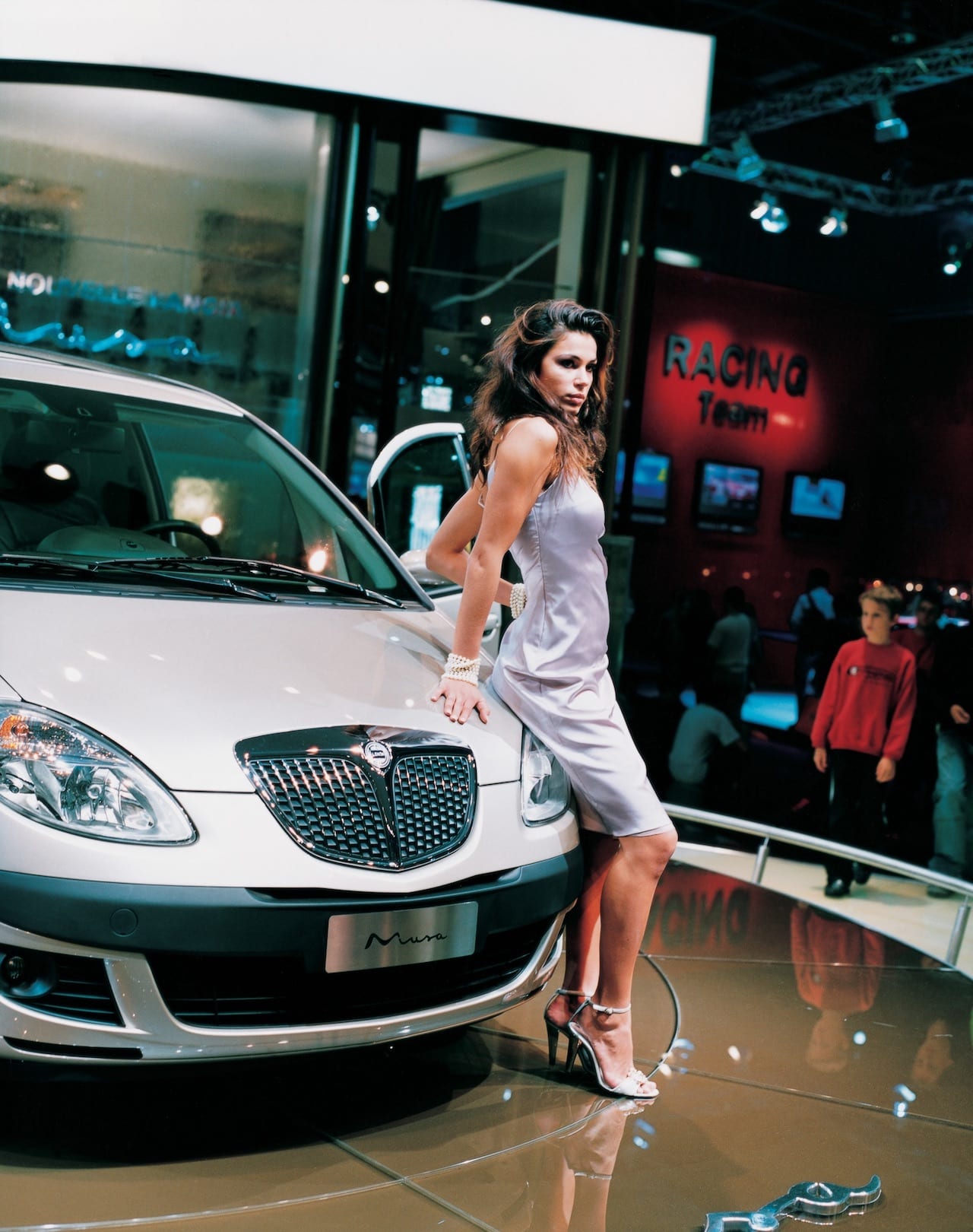
Hassink, who has died aged just 52, was born in Enschede, the Netherlands, on 15 July 1966. She trained to be a sculptor at the Royal Academy of Art in The Hague, and then at the Trondheim Academy of Fine Art in Norway, but after graduating in 1992, presented herself mainly as a photographer, publishing nine books – including another celebrated title, Car Girls, in 2009. It was shot over five years at car shows across seven cities in three different continents, including New York, Paris, Geneva, Tokyo, Detroit, and Shanghai, focusing in on differing cultural standards on ideals of beauty on the women paid to pose with the cars.
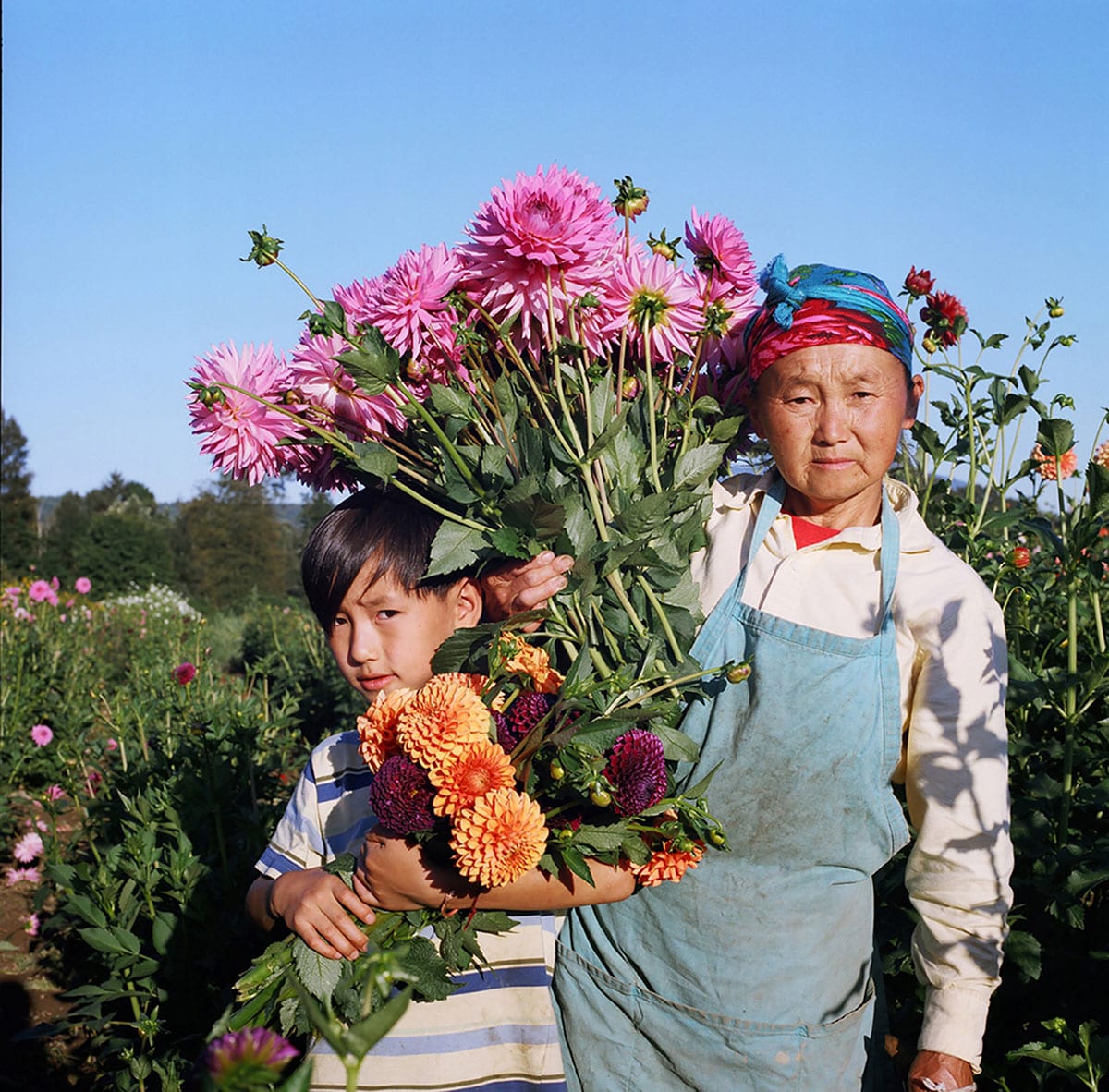
US-based photographer Anna Mia Davidson was voted as our People’s Choice Winner, after The Guardian…
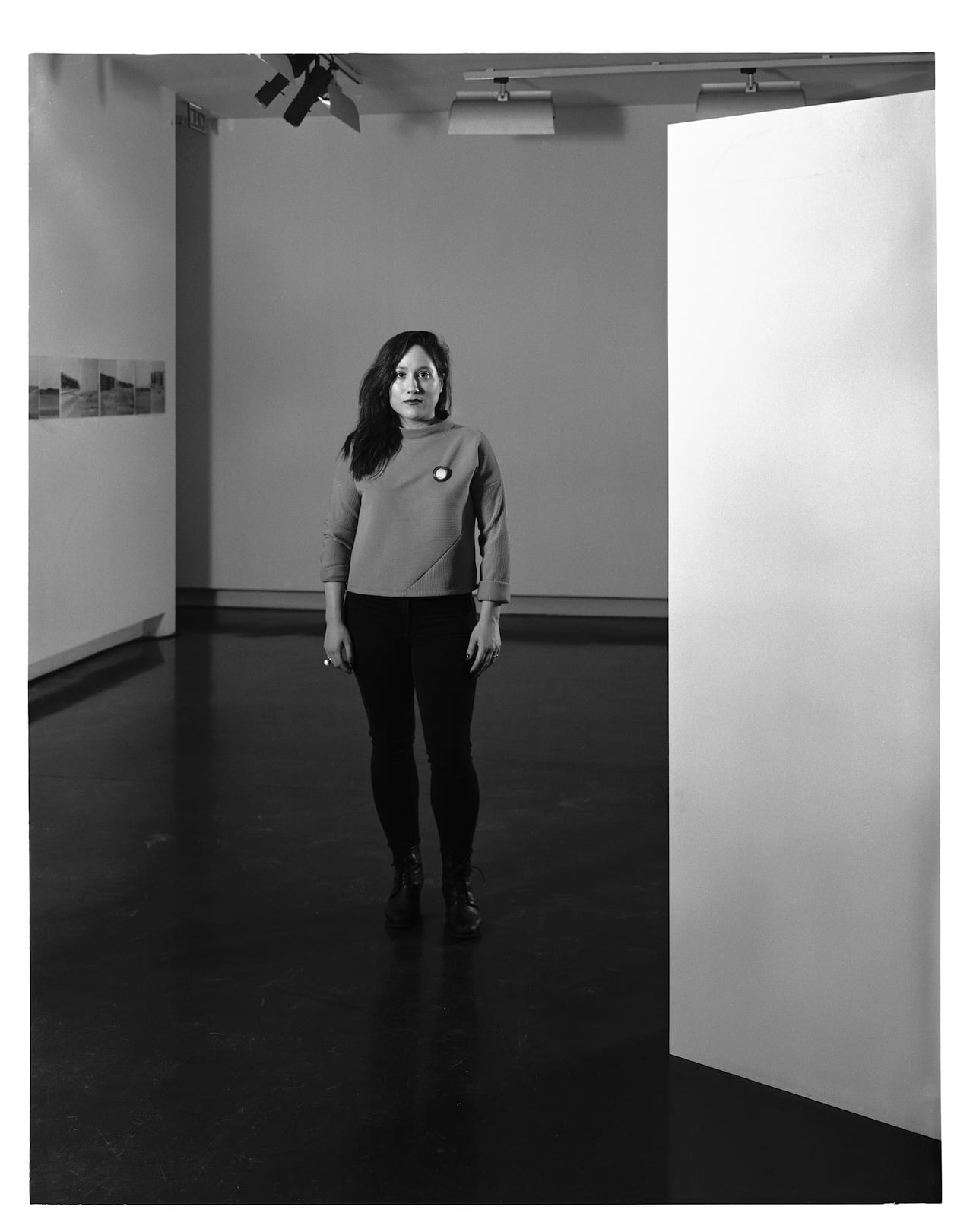
Originally trained as a journalist, Barcelona-born Laia Abril expanded her storytelling methods after studying at New York’s ICP. She is best-known for the first chapter of her long-term project A History of Misogyny, On Abortion, which recently won the Paris Photo-Aperture Foundation PhotoBook of the Year Award and has been shortlisted for the 2019 Deutsche Börse Photography Foundation Prize
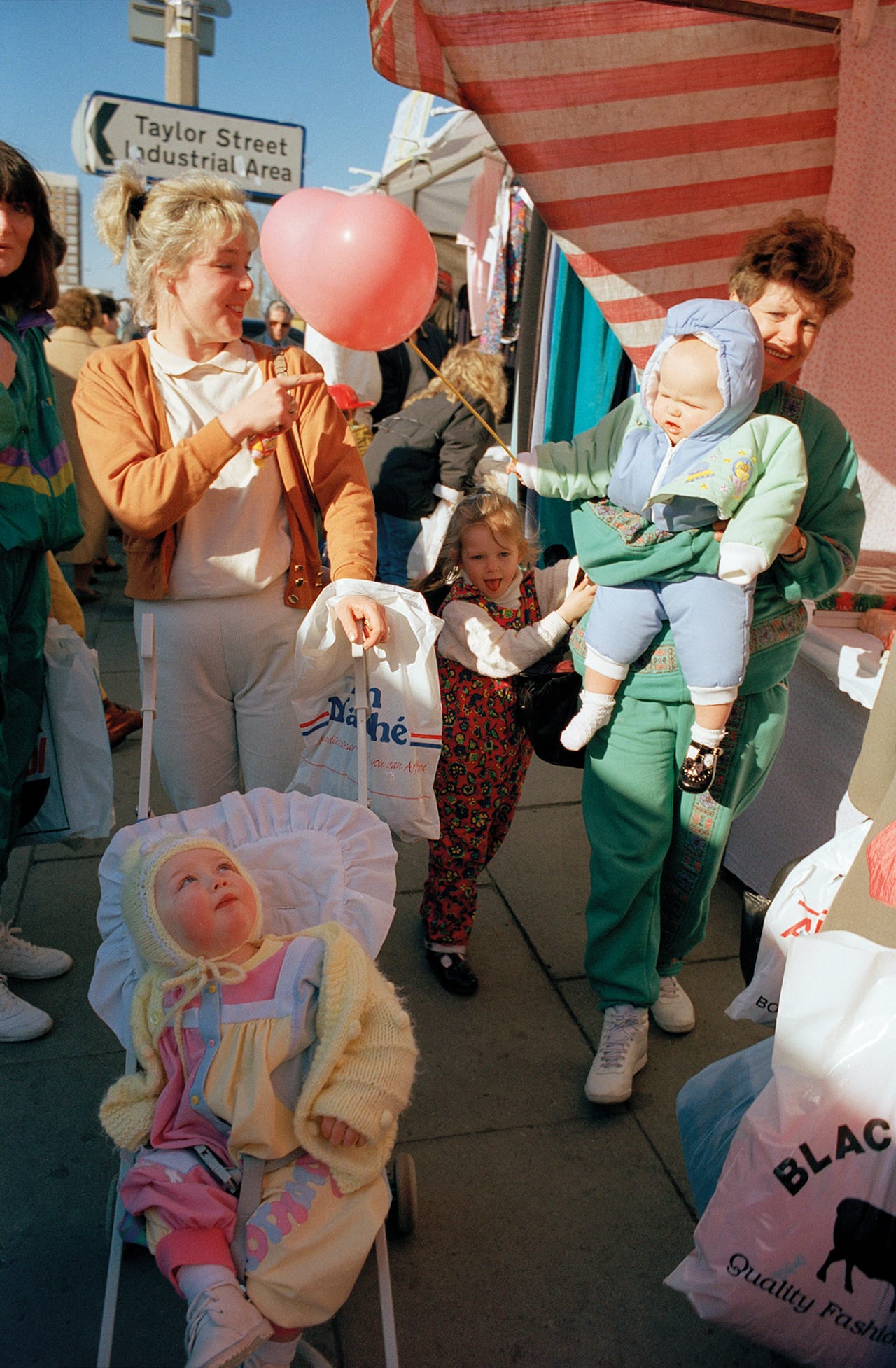
Almost every Saturday between 1978 and 1999, Tom Wood travelled from his home in New Brighton by ferry and bus to Great Homer Street market, just outside Liverpool city centre in the North West of England. He would spend the morning there photographing the mothers and daughters, kids dressed in matching blue and lilac tracksuits, teenagers chatting away with their curly hair swept up into side-ponies, and grandmothers haggling for of a string of pearl necklaces or a second-hand coat. In the afternoon he’d travel on to either Everton or Liverpool football ground, then back on the bus and ferry, taking pictures every step of the way.
”God knows how many photographs I took,” he says. “When I first began photographing in Liverpool I was just overwhelmed by the people and the place. It was an exciting place to be, I fed off the energy there.”
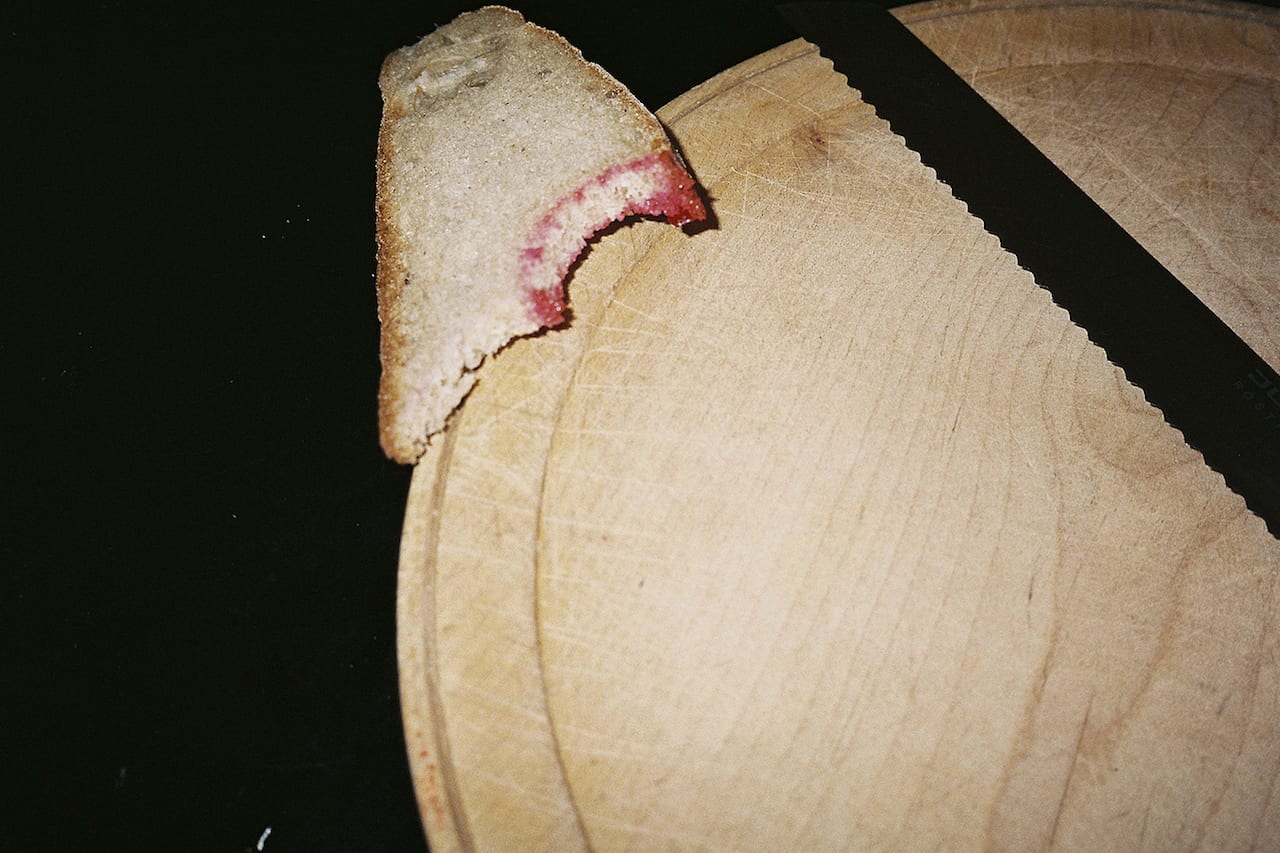
“What lies behind this project is my particular, unique attachment to Slovenia,” writes Klavdij Sluban, a French photographer of Slovenian origin and curator of If Slovenia Were. “It is an exceptional project in as much as it was born out of the desire to share a stretch of a photographic journey with a group of young Slovenian photographers, quite apart from any institutional, educational or other structures.”
Stemming from a desire to keep in touch with the country of his roots, Sluban began the project with an open call, selecting 18 young Slovenian photographers to take part. Each responded freely to the theme, and have been working on their projects for the past three years, developing them in meetings with Sluban on his occasional visits to the country. The resulting projects include series on expatriates who have emigrated elsewhere, photographers’ personal interpretations of Slovenian family life, and introspective series dealing with the artists’ private experiences.
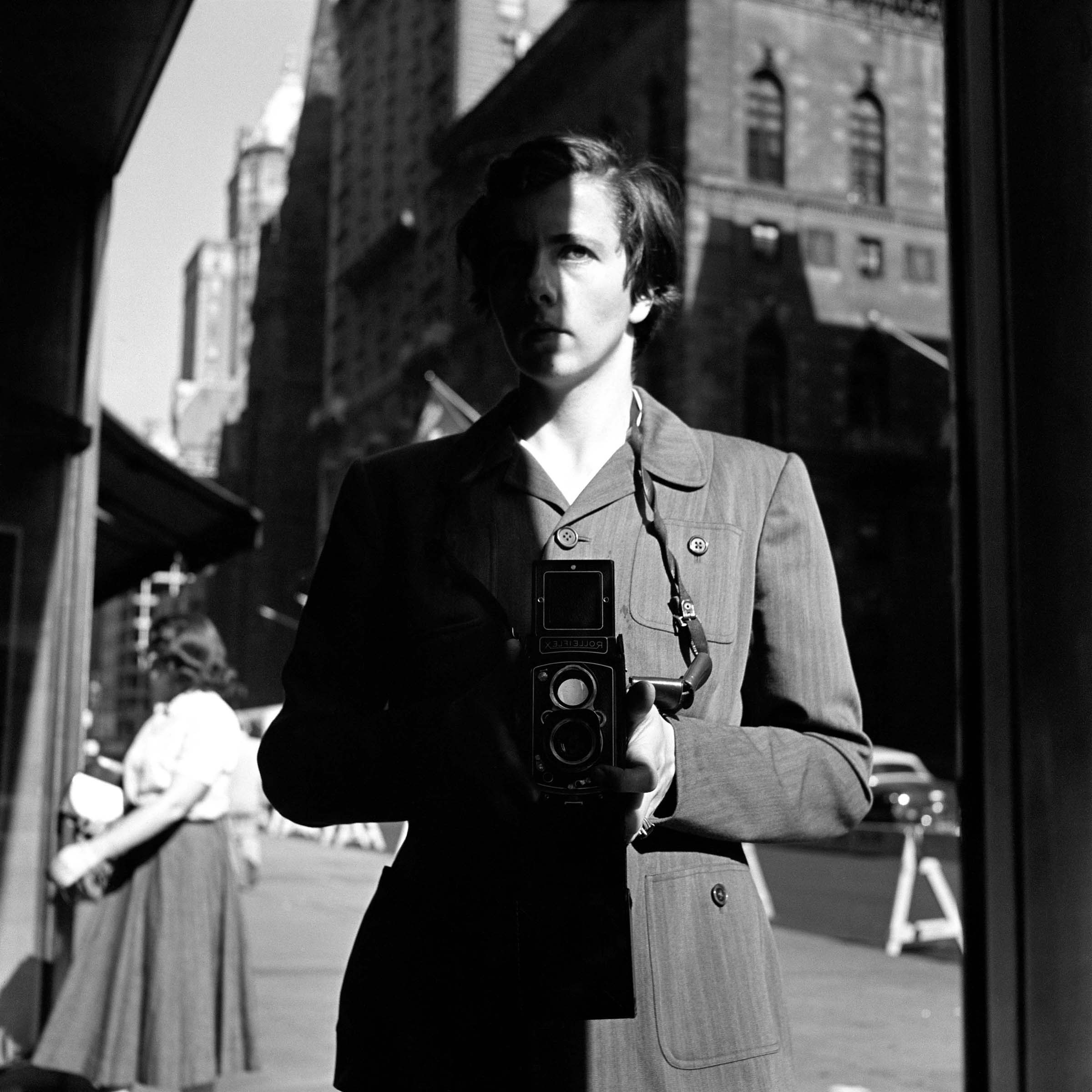
She cradles a Rolleicord camera to her breast, her eyes staring into her reflection. Until recently, the woman behind the camera was unknown, living a quiet life as a nanny in Chicago and dying, alone in a nursing home, in 2009 at the age of 83. When Vivian Maier’s cache of 100,000 images were unearthed, her work was compared with the greats of street photography. A film was made, Finding Vivian Maier, which introduced a new generation to her work. But Maier herself was the draw; who, exactly, was the mysterious French nanny? What drove her relentless imagery, and why did she keep it so resolutely hidden?
Maier was a private but eccentric Mary Poppins-like figure, who spoke with a delicate French trill and was never without her medium format camera. She took thousands of photographs from the 1950s to 70s, but squirrelled them away in a room she forbade anyone to enter. She was poor, and in 2007 her possessions were auctioned off to recoup her debts – her archive of photographs among them. John Maloof, an estate agent and president of his local history society, discovered them at an auction and took a punt, hoping to find images for a book he was writing on the Portage Park area of Chicago. He found nothing relevant, and put the whole lot into storage for two years.
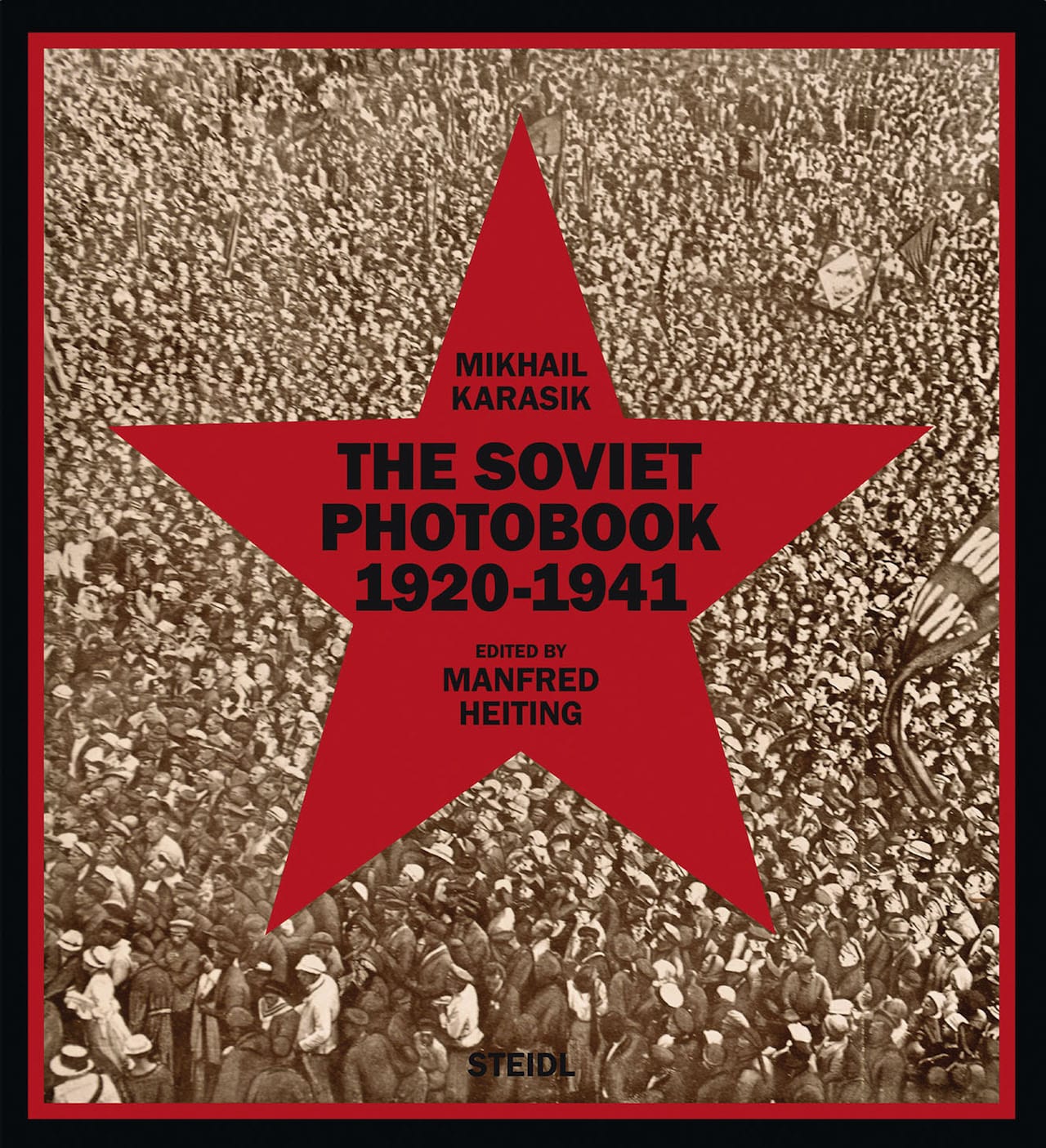
So far the wildfires in California have claimed the lives of 94 people and laid waste to 1,667,855 acres of land this year. And, according to Dutch paper NRC Handelsblad, they’ve also consumed a world-renown library of photobooks, put together over the last six years by Dutch collector Manfred Heiting.
Based at Cutberth Road, Malibu, Heiting’s collection included vintage photographs, posters, ceramics and art deco furniture – and at least 36,000 photobooks. Residents in this area were told to evacuate a week ago, and the coastal town is now “a war zone”, Heiting told NRC Handelsblad. At the time of the report on 20 November, Heiting has not yet been given the green light to visit his house but he stated that: “On satellite photos I can see that everything in my neighborhood has disappeared. Two or three houses may have survived. The rest was pulverized in a ten-minute fire storm.”