
Interviews

Alec Soth on his classic photobook, Niagara

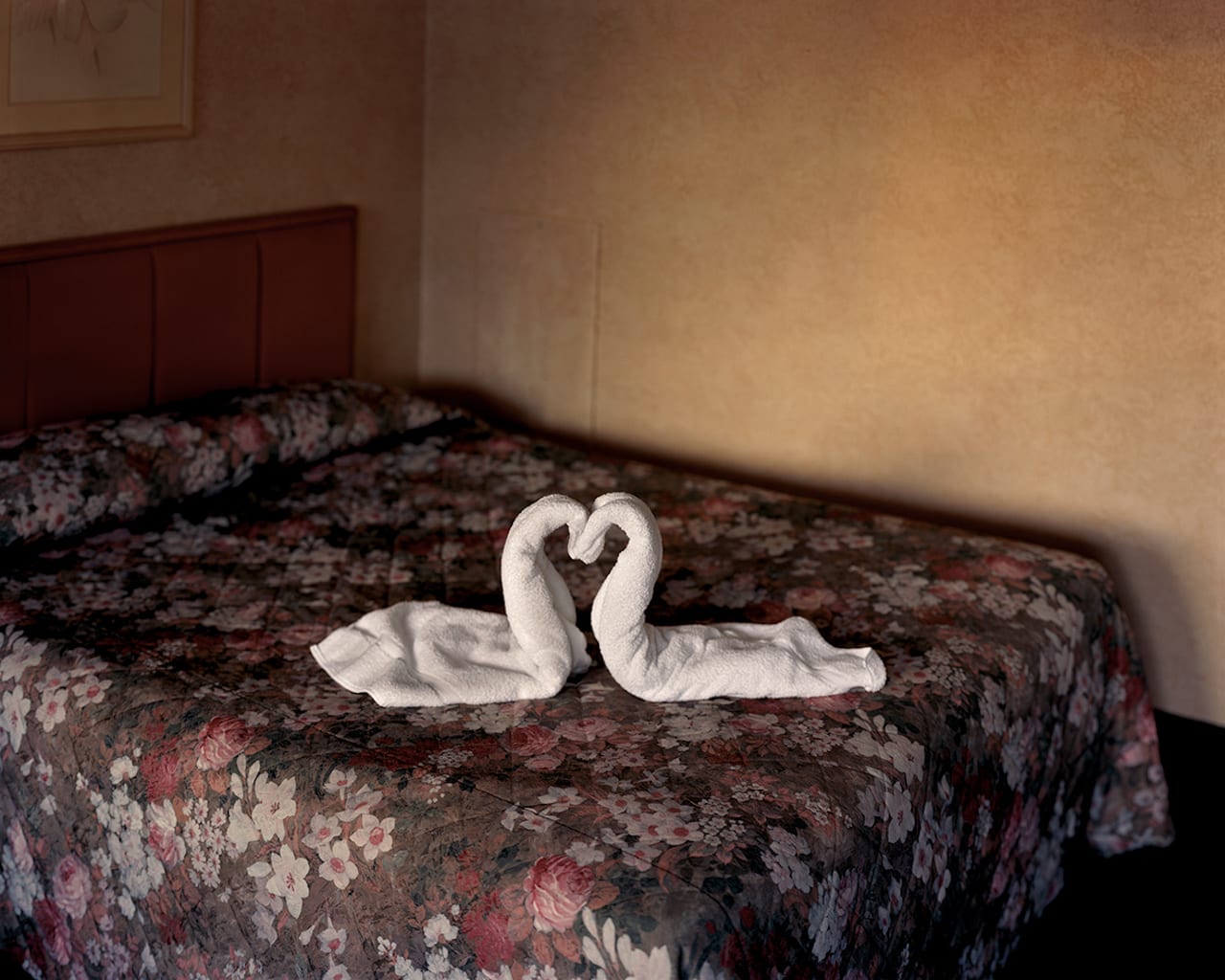
Alec Soth’s first book,  Sleeping in the Mississippi, was so sweeping in its epic statements, it seemed that Soth had nothing left to photograph. What could he do next? The answer is Niagara, a portrayal of the town that has traditionally been the romance capital of North America. In Niagara, Soth sets out to capture the grand passion of life, to do for love and marriage what Sleeping in the Mississippi does for the American Midwest.

“Niagara is part of American mythology. It’s a place of romance, where people go to get married,” says Soth. “But when I got there my view of the place totally changed. The American side is economically devastated. It’s bleak.” As Mack Books republishes Alec Soth’s classic book, BJP revisits our review first published in 2006

16 October 2018

Creative Brief: Emily Keegin, The Fader

Asked to describe the style of photography featured in The Fader, the celebrated music journal launched in New York in 1999 championing contemporary style and emerging artists, Keegin shoots back with, “All-you can-eat buffet”. The magazine’s photo director since 2015, having previously worked for Time and Bloomberg Businessweek, she describes her preferred aesthetic as “manic”, explaining, “I like all kinds of photography and am happiest when genre, style and hue smash into each other on the same page”.

While her predecessors championed intimacy and authenticity, gaining unusual access to musicians and shooting them in relaxed pose in natural light, Keegin’s approach injects flash, colour and surrealism. “To me, great photography is the result of an emotional connection between a photographer and her subject,” she says. “This form of interpersonal magic is not genre specific or the result of a certain set of aesthetic constraints.”

15 October 2018

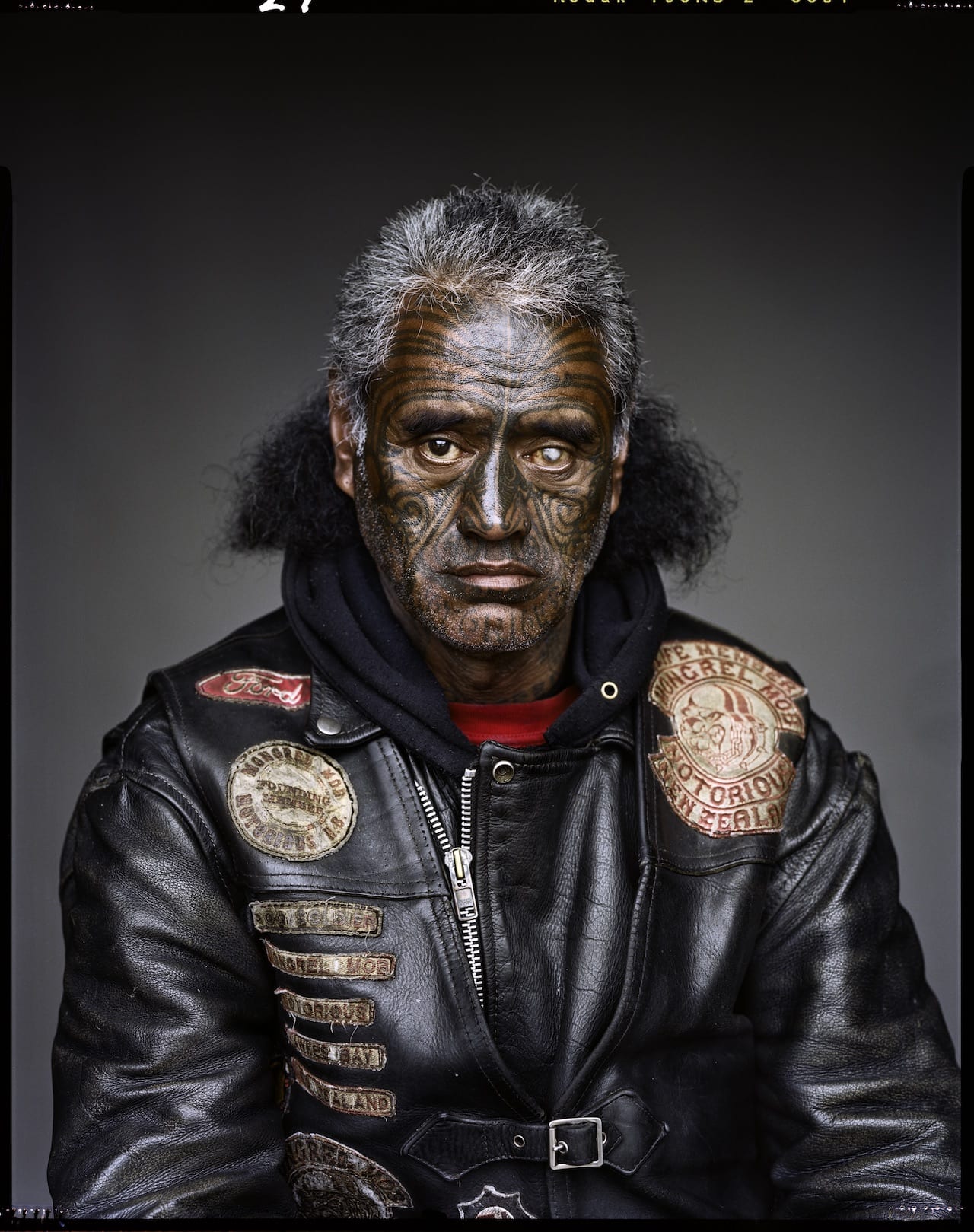
New Zealand’s Mongrel Mob gang, photographed by Jono Rotman

Arresting. Exquisite. Gripping. Chilling. Disgraceful. Unacceptable. These are all words people have used to describe portraits made by Jono Rotman. Created over the last decade, his project Mongrelism presents an intimate look at members of the Mongrel Mob – New Zealand’s largest, most notorious gang. Though he is looking at a subculture as an outsider – a domain regularly mined by photojournalists – Rotman eschews a traditional documentarian approach to his subject matter. In so doing, the project’s scope extends beyond the Mob itself to touch upon issues related to New Zealand’s charged colonial past and self-professed biculturalism, the politics and ethics of portraiture, and the intersections of seemingly disparate human experience.

The New Zealand-born photographer explains that since childhood, “I always felt certain violent and uneasy forces within my country”. In Lockups (1999-2005), Rotman photographed the interiors of prisons and psychiatric hospitals throughout New Zealand, exploring the medium’s ability to convey the fraught “psychic climate” embedded in these state-controlled institutions. The works are eerily devoid of people, a deliberate decision made, says Rotman, “because I wanted to encourage a direct, personal interaction with the spaces. With prisons, for example, as soon as you introduce people into the picture, it becomes easy to think, ‘Here’s the storyline: this place is for those sorts of people. And I can fit it all into my established worldview’.”

12 October 2018

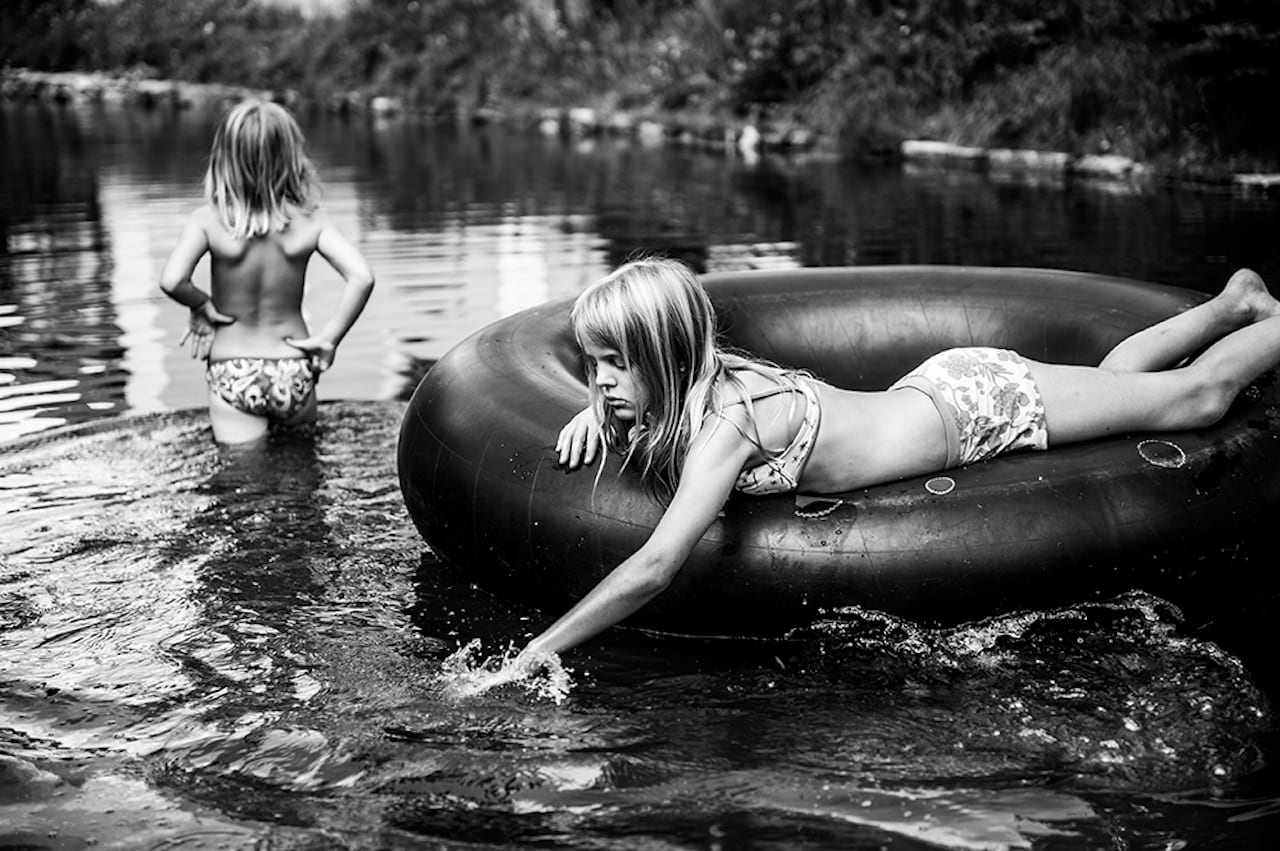
Carla Kogelman’s vision of childhood

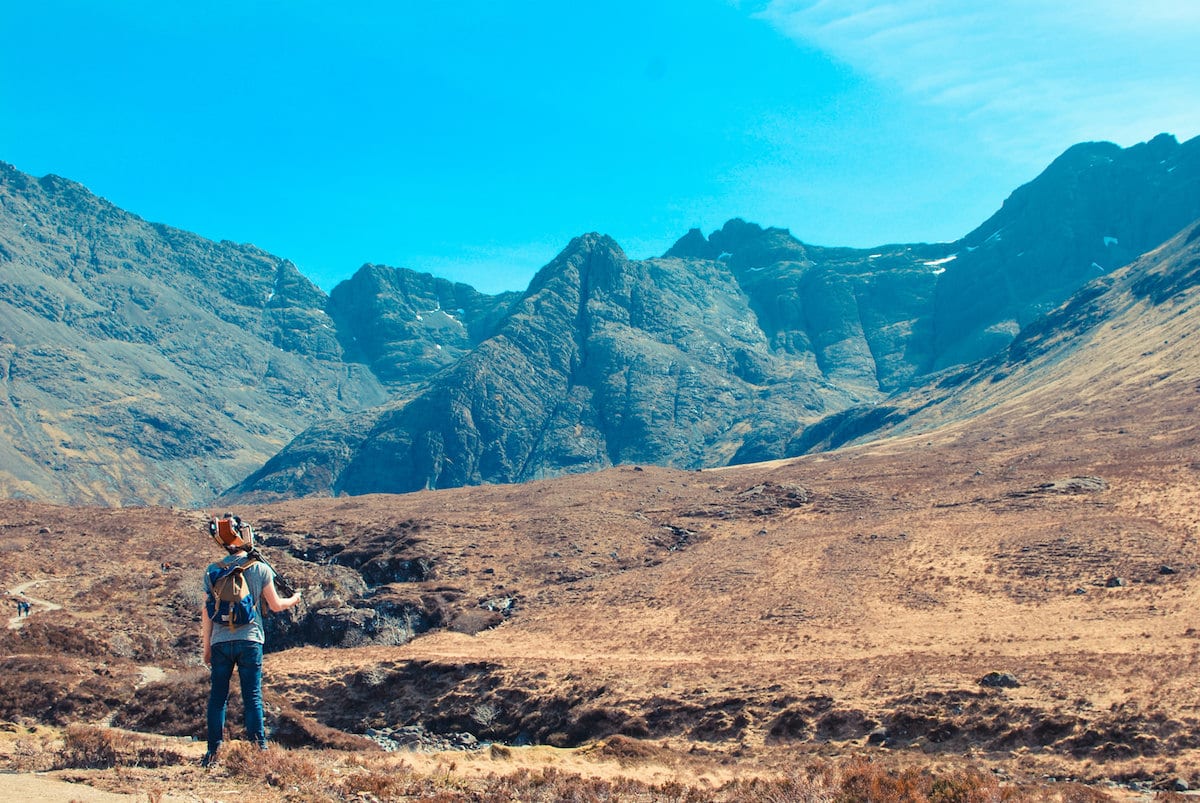
Merkenbrechts is a small, rural village in Waldviertel, Austria, with a population of 200. It has a fire station, a church, and a large stretch of water where the village’s 35 children spend their summers swimming, climbing trees and playing hide and seek.

Carla Kogelman originally visited the area in 2012 while working on a documentary about the region for a commission. During her stay she met Sonja and Roman Liebhart, who invited her to come and photograph their children on their farm in Merkenbreacht.

Visiting the village, Kogelman found its residents were very conscious of how they produced and consumed resources. They powered their homes using solar panels, resisted using chemicals on their crops, and had community gardens in which children could learn to grow their own vegetables and herbs. “People over there, they just care about the soil, about the earth, about each other and the animals,” she says.

9 October 2018

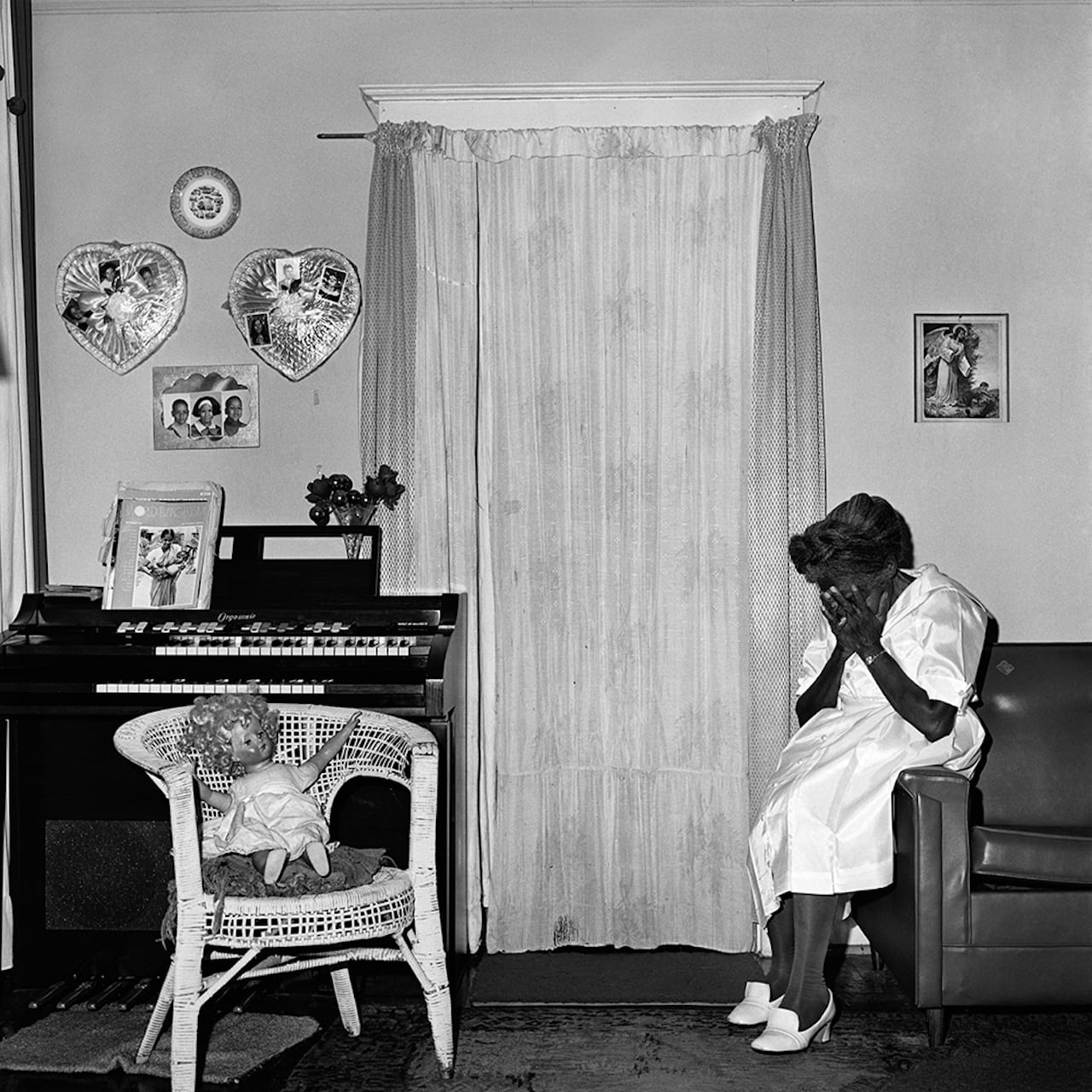
Race, segregation and violence in Rosalind Fox Solomon’s Liberty Theater

Between 1930 and 1964, Liberty Theater was the name of a non-whites only cinema owned by Rosalind Fox Solomon’s family in Chattanooga, Tennessee. “There was an irony in the name. I chose Liberty Theater as the title of this book because of its multiple meanings,” she says. “In a broader context, the title relates to performance and pretence in the theatre of life.”

The photographs Liberty Theater collects together were taken through the 1970s to 90s in the southern United States, and have never before been published as a group. From Georgia to South California, through Mississippi, Tennessee and Louisiana, Solomon captured the complexity of race, class, and gender divisions.

“I had no idea that photography would change my life,” says Solomon, who began photographing when she was 48, after graduating from college, getting married and raising two children. In 1977 she moved to Washington DC, where her husband worked for the General Services Administration, and visited New York City to study privately with Lisette Model.

8 October 2018

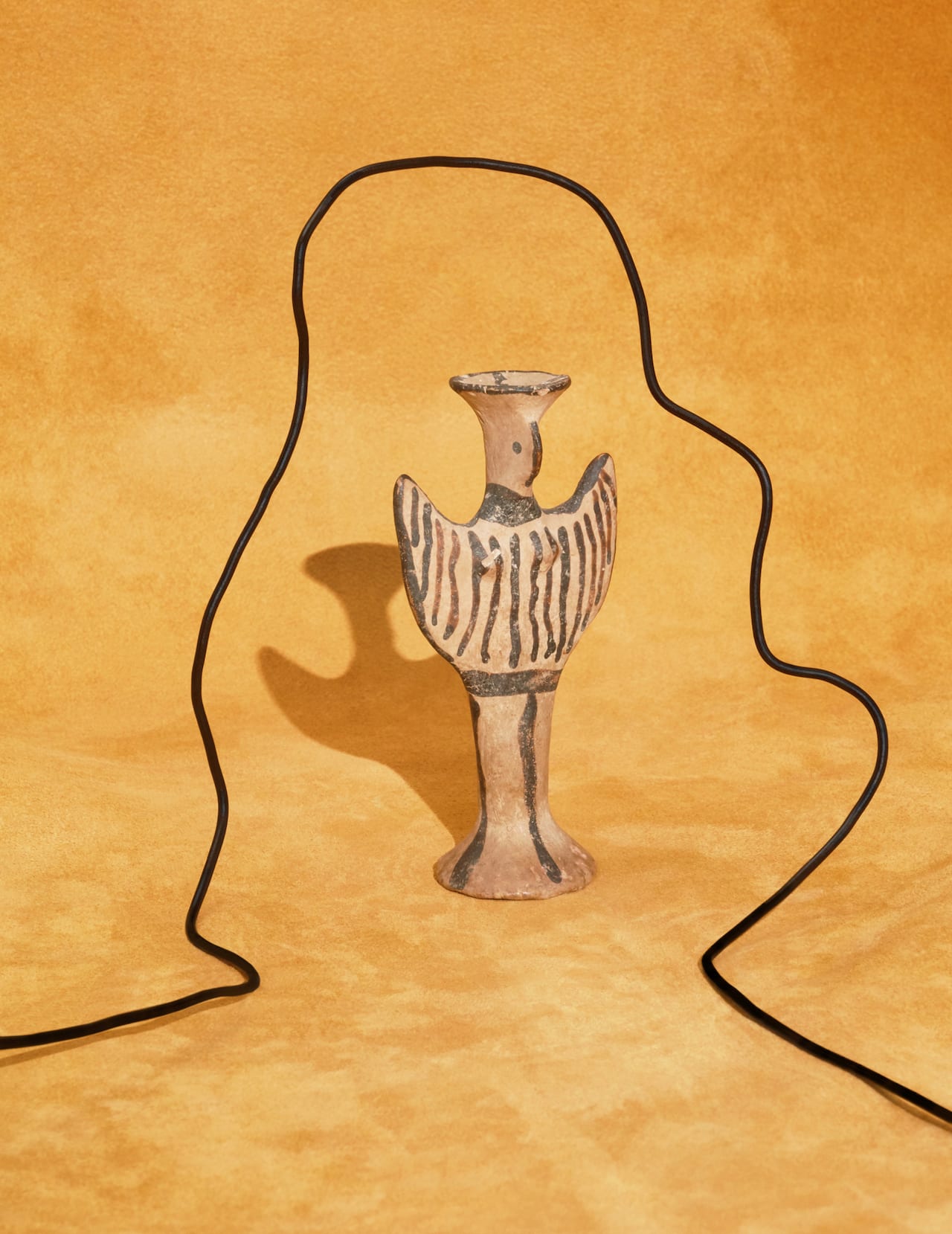
Q&A: Adrian Samson shoots for Frieze Art Fair

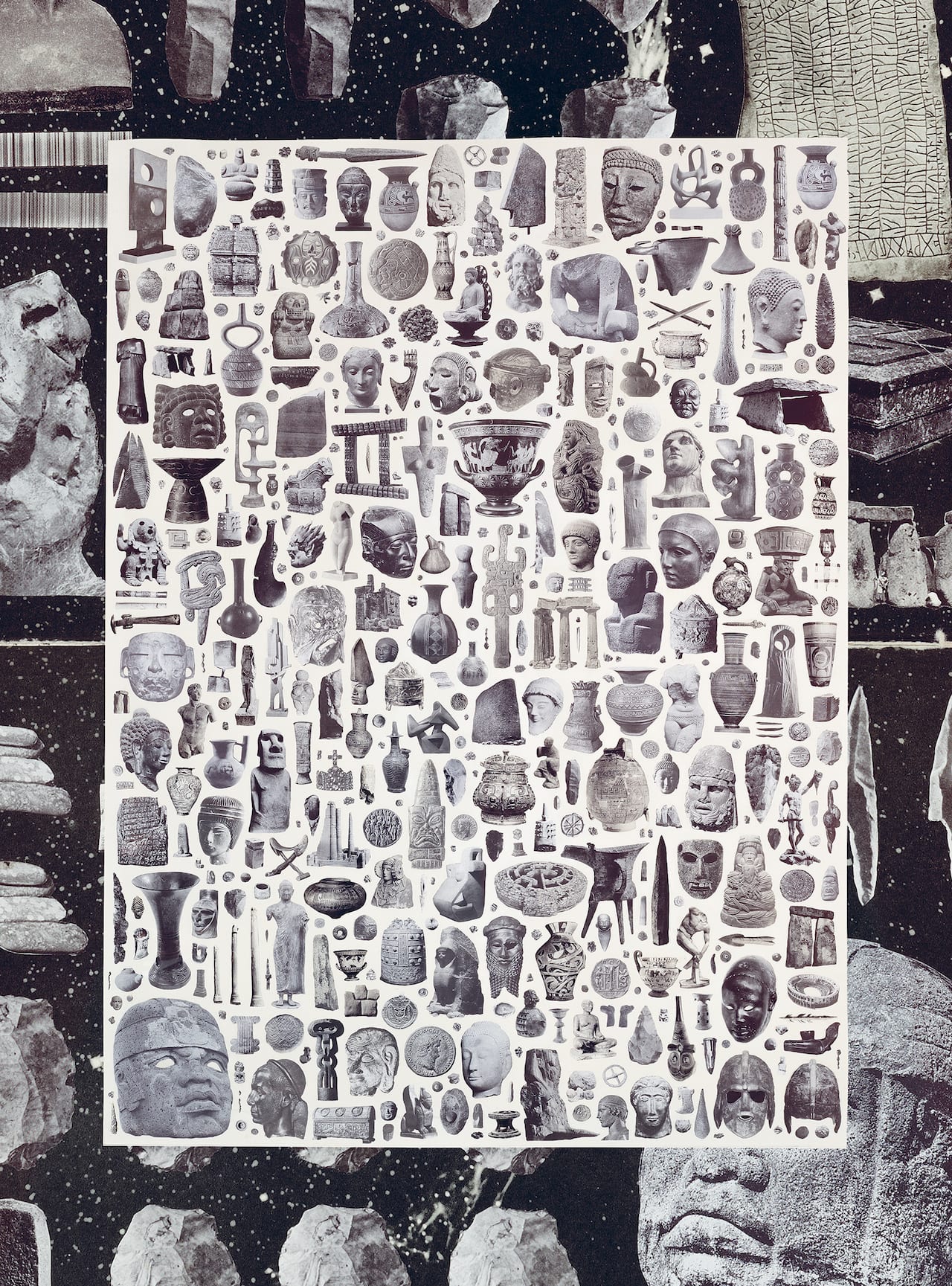
Born in the Eastern Bloc, Adrian Samson has lived in the US and Canada but is now based in London, where his appealing, contemporary work has won him commissions from clients such as Hermes, Miu Miu, COS, Vogue Hommes International, Numero Berlin, Wallpaper*, The Plant, The Gourmand, and The New York Times. His latest project is a shoot for the Frieze Art Fair, which opens in London from 04-07 October, and which saw him handling ancient and modern artefacts taken from the Frieze Masters section. His images will be presented in Frieze’s newspaper for its well-respected event, which includes a talk by Nan Goldin on 06 October and a presentation of work by emerging Polish photographer Joanna Piotrowska.

3 October 2018

Eugene Richards: The Run-on of Time

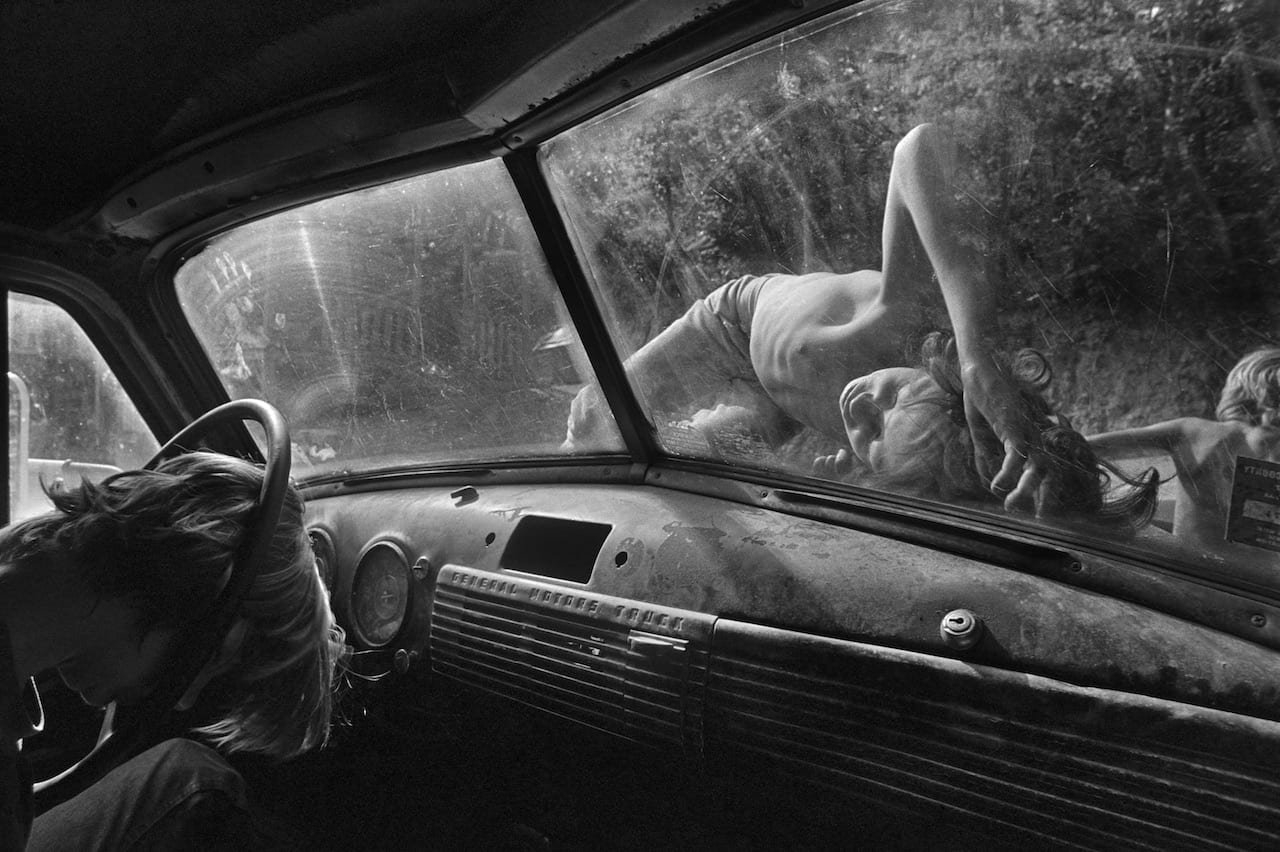
“You’re always looking for that time where everybody forgets you’re there and becomes themselves. Surprisingly, they do, sometimes to the detriment of what you knew about them,” says Eugene Richards, who has devoted his career to documenting social injustice in America, and injecting himself into intensely personal situations.

Richards’ style is up-close and unflinching, “ironically it’s the process of becoming as not there as you possibly can, if you hang around long enough people don’t care”, he says. Though his photography has been described as poetic and lyrical, he has never thought of himself as an artist. “I went in with some knowledge of photography, but mostly with the idea of providing information,” he says.

28 September 2018