

The Guardian’s photo critic picks out his top five of the year, including Sohrab Hura’s installation The Lost Head & The Bird at The Nines, London during Peckham 24
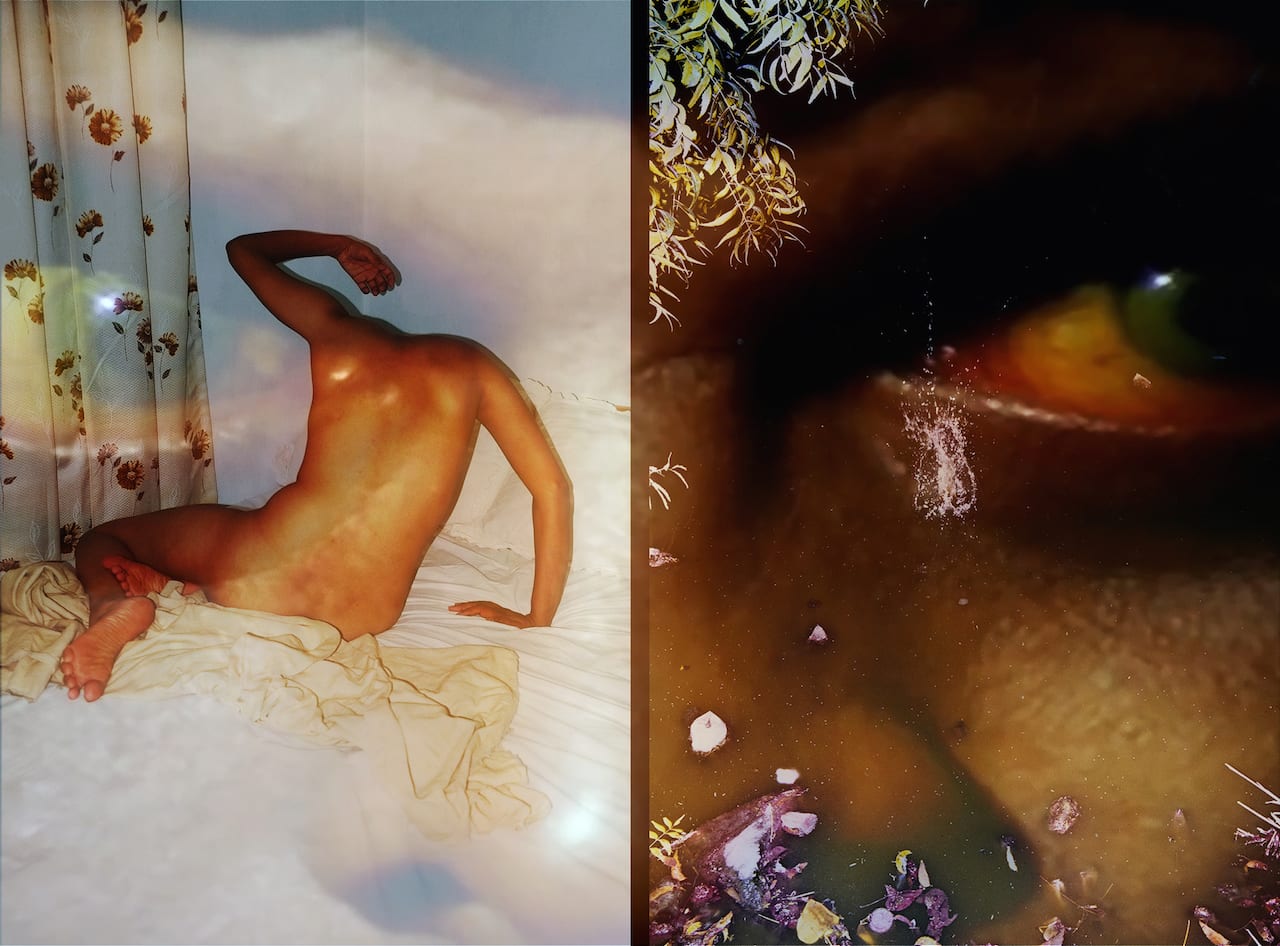
The Guardian’s photo critic picks out his top five of the year, including Sohrab Hura’s installation The Lost Head & The Bird at The Nines, London during Peckham 24
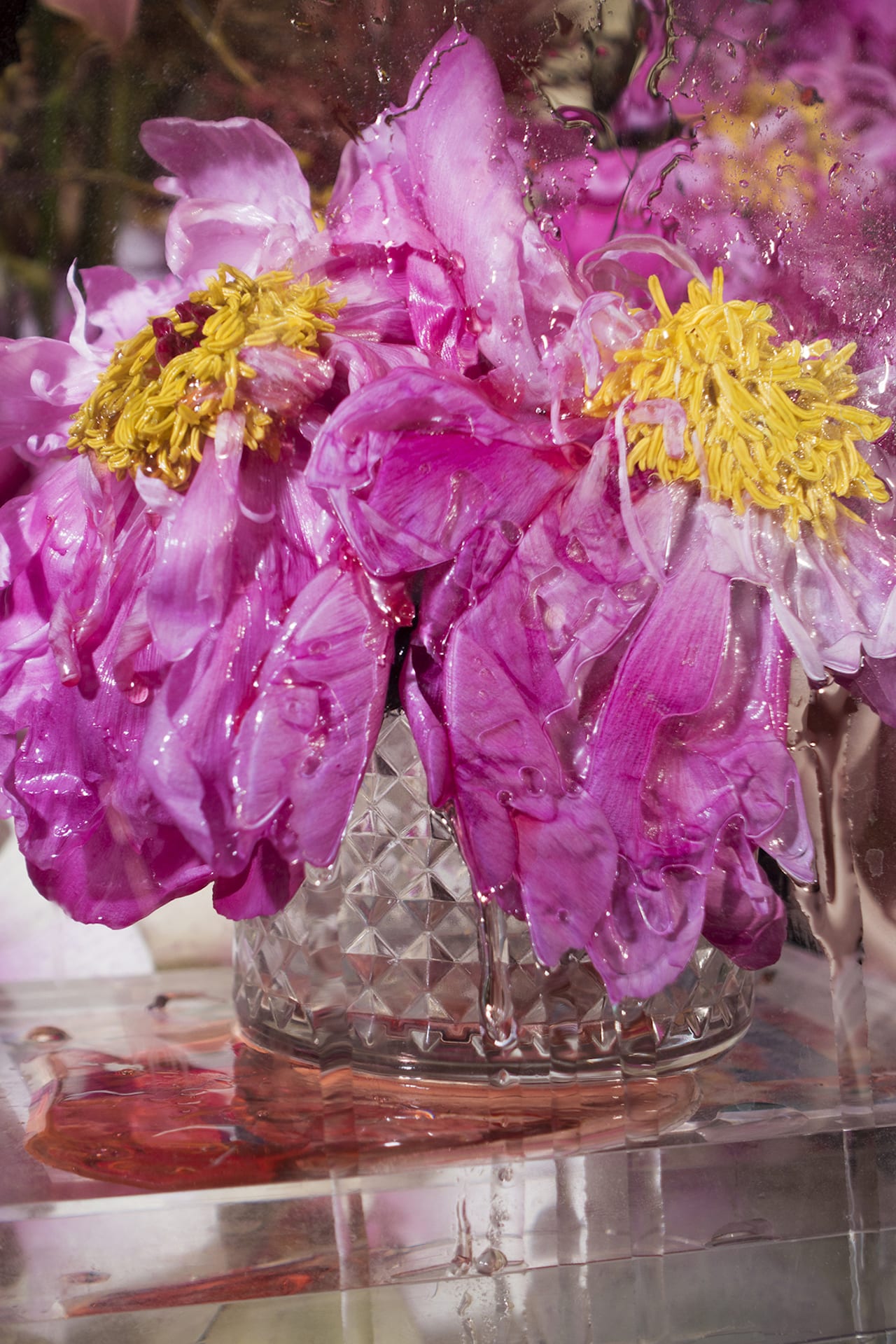
Tate Modern’s curator of photography picks out his top five of the year, including Maisie Cousins’ grass, peonie, bum show from TJ Boulting Gallery
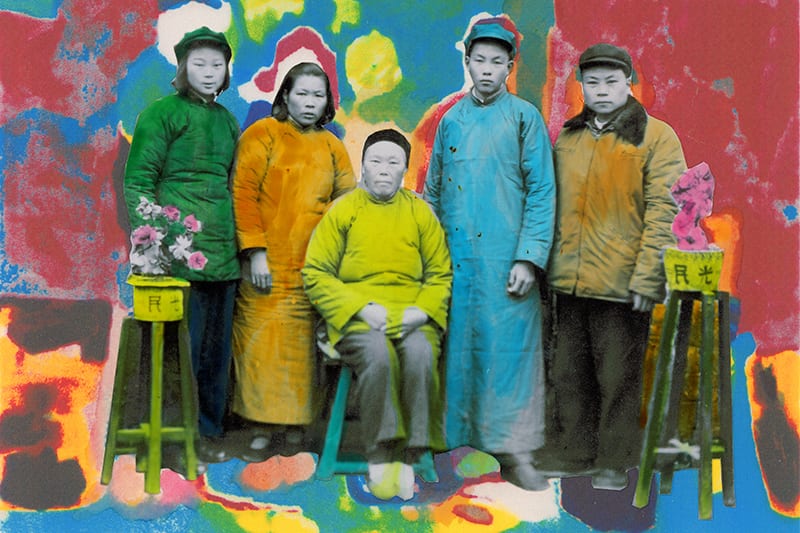
“I collect a lot of stuff, and sometimes I like to see it as raw material I could use to tell another story and do something new,” says Thomas Sauvin. Hand-colored, his project with Chinese animator Lei Lei, is a good case in point. A collection of 1168 images which have been scanned, reprinted and repainted in bright, deliberately artificial colours, it’s the opposite of the usual archive work. But it’s part of the Beijing Silvermine Archive, he says, a collection of negatives Sauvin first started up by salvaging strips from a recycling plant in the Chinese city.
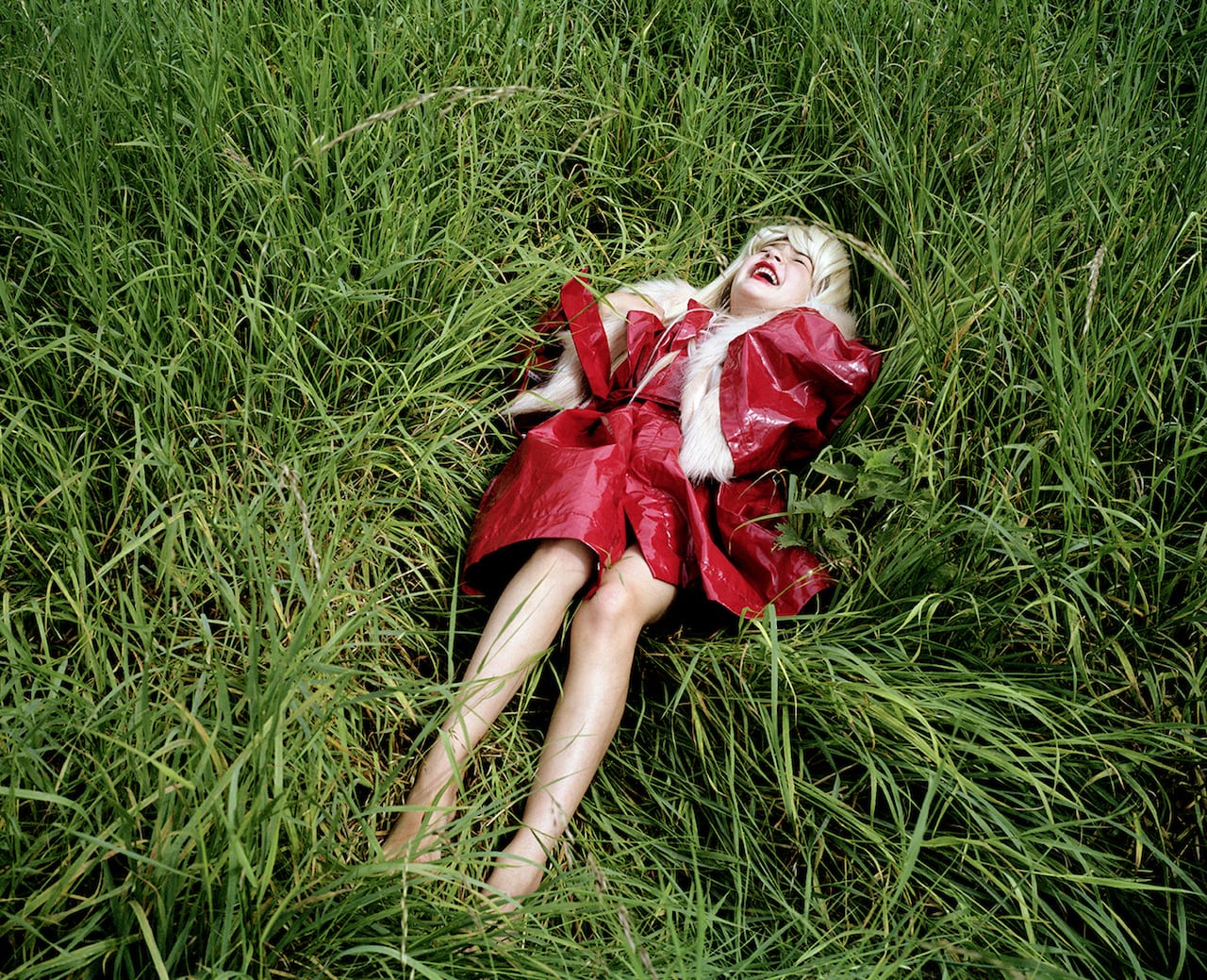
Inspired by personal identity, the natural world, and the fear of dying, the three young artists in this year’s Jerwood/Photoworks Awards exhibition are presenting very different work. Picked out as winners in January 2017, all three have received a year of mentoring on their work from industry specialists such as photographer Mitch Epstein, publisher Michael Mack, and gallerist Maureen Paley. They each also received a bursary of £5000 and access to a production fund of another £5000, to make new work which goes on show in London’s Jerwood Space from 17 January-11 March then tours to Bradford and Belfast.
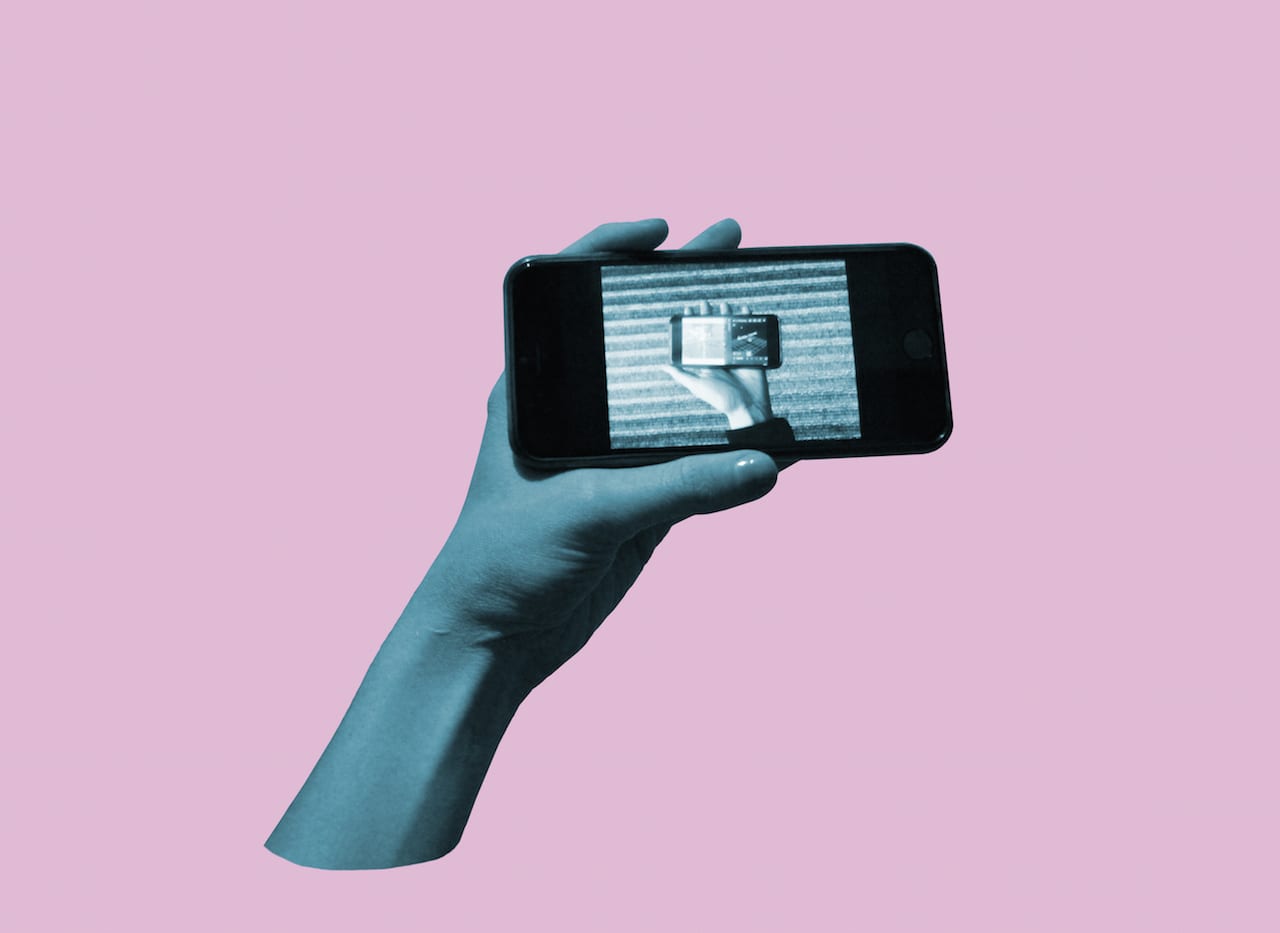
The London Art Fair is back, with its Photography Focus Day on 19 January and the Photo50 group show curated by a collective the first time – the Hemera Collective curatorial group, which currently includes Jaime Marie Davis, Ashley Lumb, Helen Trompeteler and Kay Watson. The Hemera Collective has put together a show called Resolution is not the point. which gathers photography and lens-based media artists from nine countries, including Larry Achiampong, David Birkin, Qiana Mestrich, and James Tylor & Laura Wills. The exhibition also includes work by several collectives, one of its points of enquiry is the way in which photography is encouraging artists to collaborate as it evolves, “as they push conceptual and technical boundaries of image-making, reaching beyond their own specialisms and drawing on the circulation of images, knowledge, and resources”.
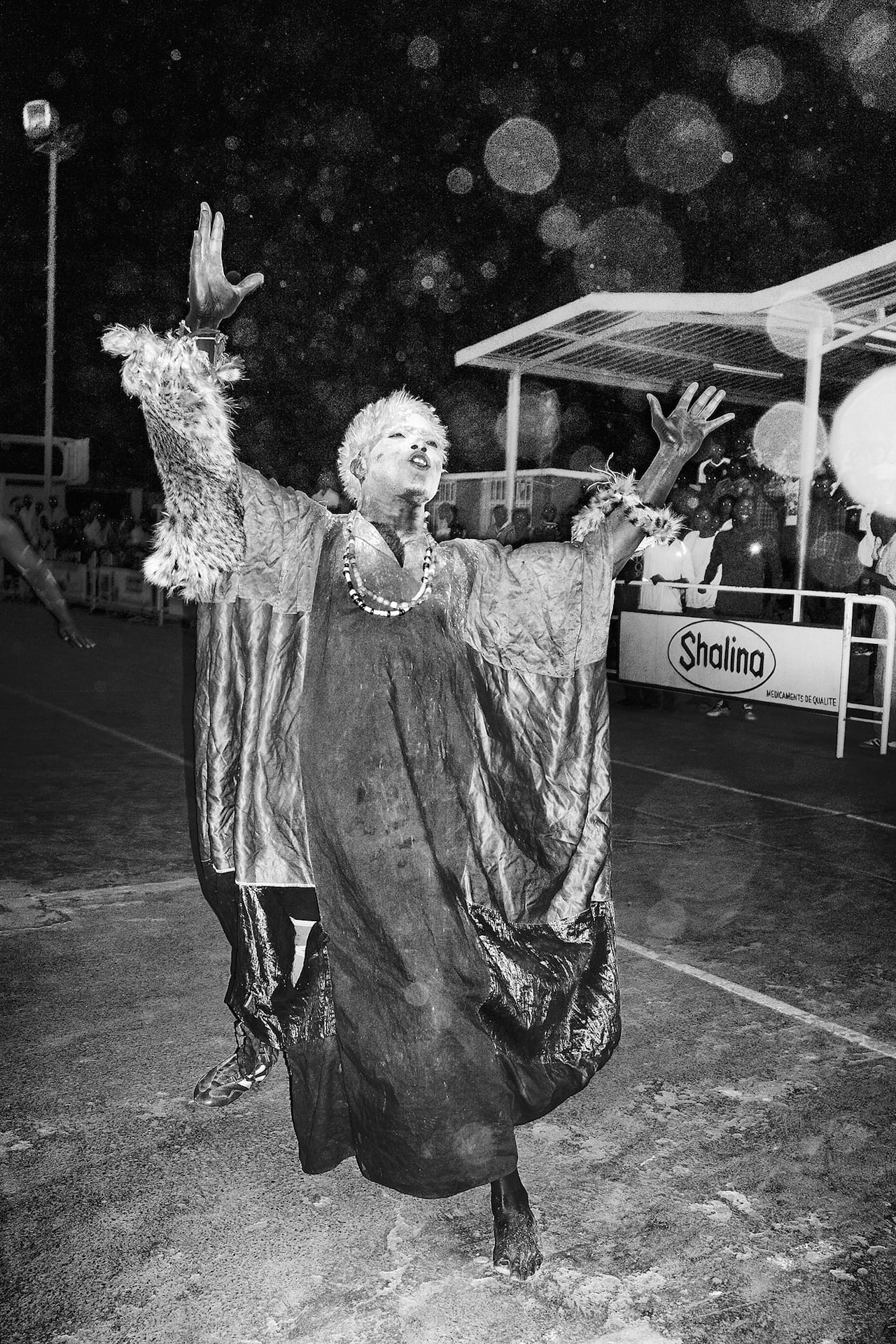
Pongo has won the prize for his ongoing series The Uncanny, which is shot in The Congo. Born in Belgium in 1988 to a Belgian mother and a Congolese father, Pongo started the project as an attempt to reconnect with his Congolese heritage. He first visited the country in 2011, staying with his Congolese family – most of whom he had never met before – and arriving as the DRC held its second ever democratic elections, for both Presidential and Legislative positions. “I am conscious that photographing in the Congo, as a photographer educated in Europe, reveals my own limitations (in accessing and understanding the environment), bias, and stereotypes,” he says. “However, by turning to a more personal story and documenting my confrontation with my family, the country, and by relying on friends and siblings to introduce me to their visions of this environment, I hope to be able to overcome some of these limitations.
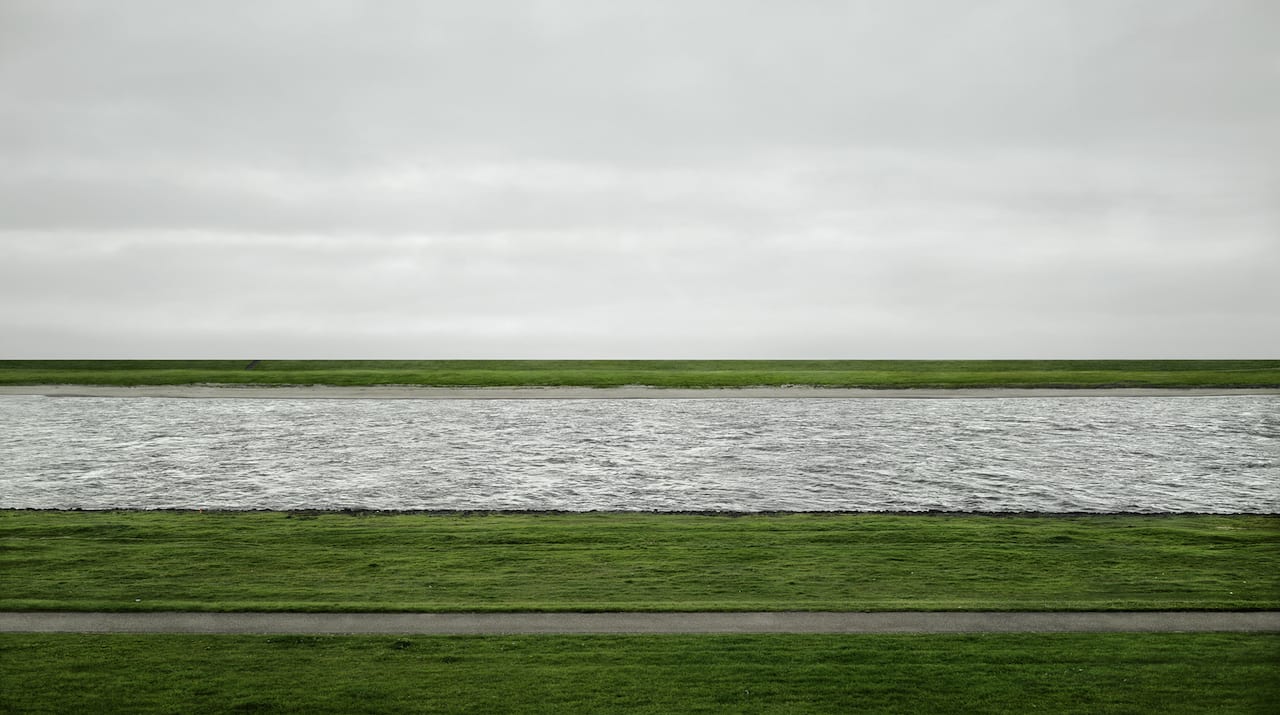
London’s Hayward Gallery is reopening with a huge Andreas Gursky retrospective on 25 January, celebrating its 50th anniversary and its return after a comprehensive two-year refurbishment. The first major retrospective of the acclaimed German photographer in the UK, Andreas Gursky will include around 60 of images from the 1980s to the present day. Focusing on man-made structures and large gatherings of people. Gursky’s images draw attention to our changing relationship with the natural world, and chronicle the effects of globalisation on daily life; his subjects range from a crowded techno music festival in Germany (May Day IV, 2000/2014), to an underground water tank in the Kamioka Nucleon Decay Experiment in Japan (Kamiokande, 2007), in which a boat glides amid a gold-studded interior. “I only pursue one goal,” he has said, “the encyclopedia of life”.
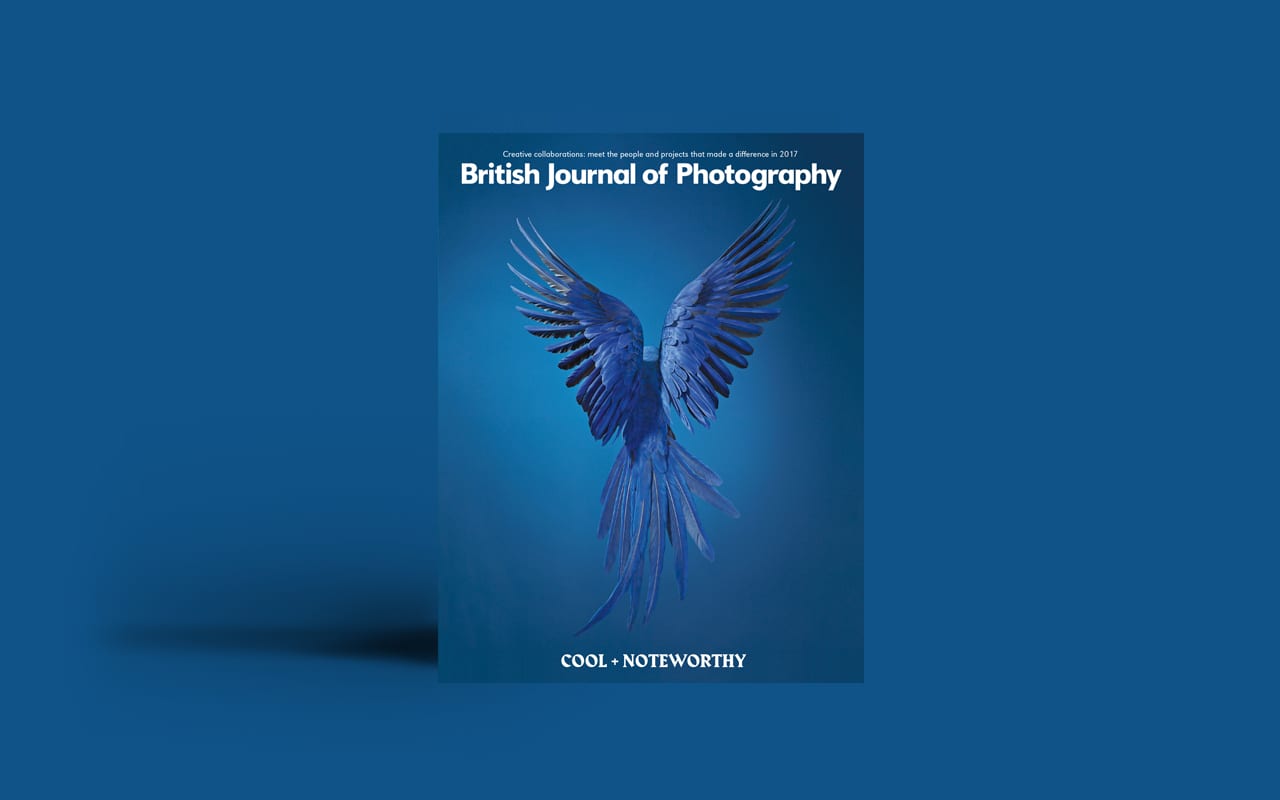
Collaborations form a big part of some of the year’s most notable works. We have…
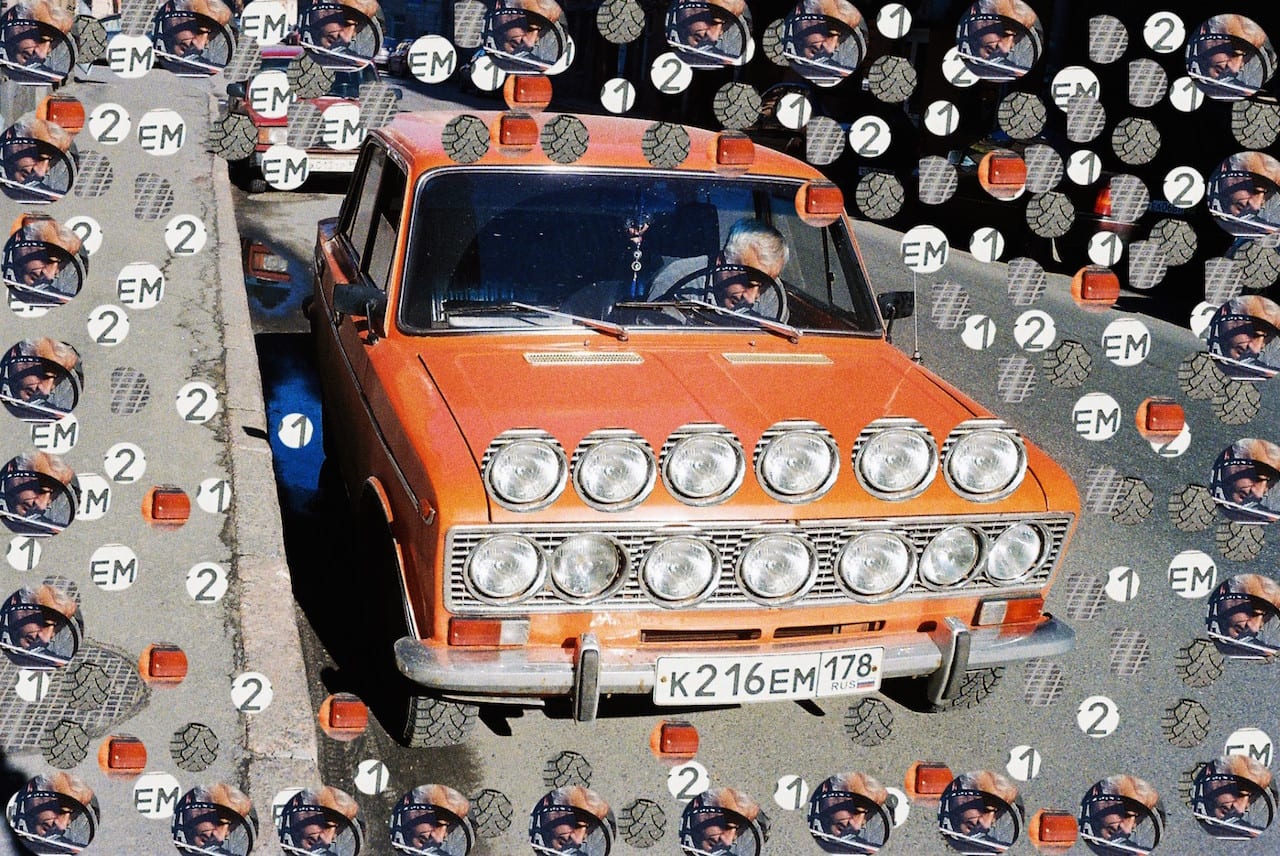
Born in 1982, Alexander Bondar grew up on the outskirts of Moscow and studied photography in the Faculty of Press Photographers at the St Petersburg House of Journalists. From 2010-2013 he took part in several workshops organised by FotoDepartment and ROSFOTO in St Petersburg, and in 2013 he started studying Photography and Time-Based Media at Jan Evangelista Purkyne University, Usti and Labem, in the Czech Republic. Bondar has shot four major photographic series, Unfit (St Petersburg, 2010-13), Pavlov’s Dog (St Petersburg, 2008-2015), No Dream To Dream (Czech Republic, 2013-2017), and Cat’s Eye (Warsaw, 2015-2016), plus another project called So Cliché (2009-2013), which uses deliberately heavy-handed retouching. He recently published Cat’s Eye and So Cliché with Zoopark Publishing Collective, a project which he set up with Tatyana Palyga in 2016. Bondar and Palyga have also published two editions of a magazine called Zoopark together, and have presented their work in Paris at Polycopies in 2016 and 2017. Bondar is represented by the FotoDepartment Gallery.
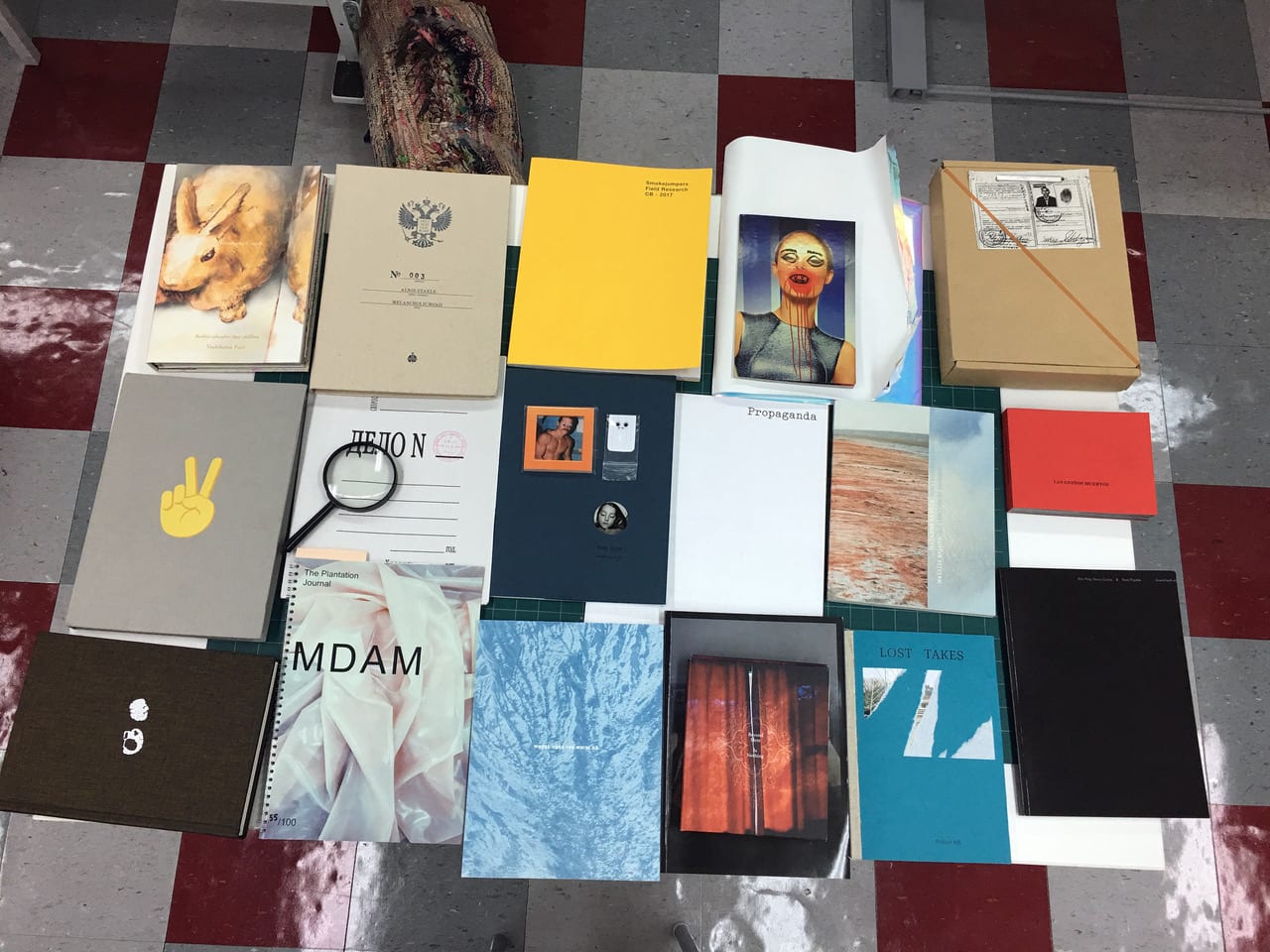
Launched in 2015 by the artist Anouk Kruithof with the collector John A. Phelan, The…