
“I am so fortunate to be able to step into someone’s life, enter their world, and experience it, if only for a minute”
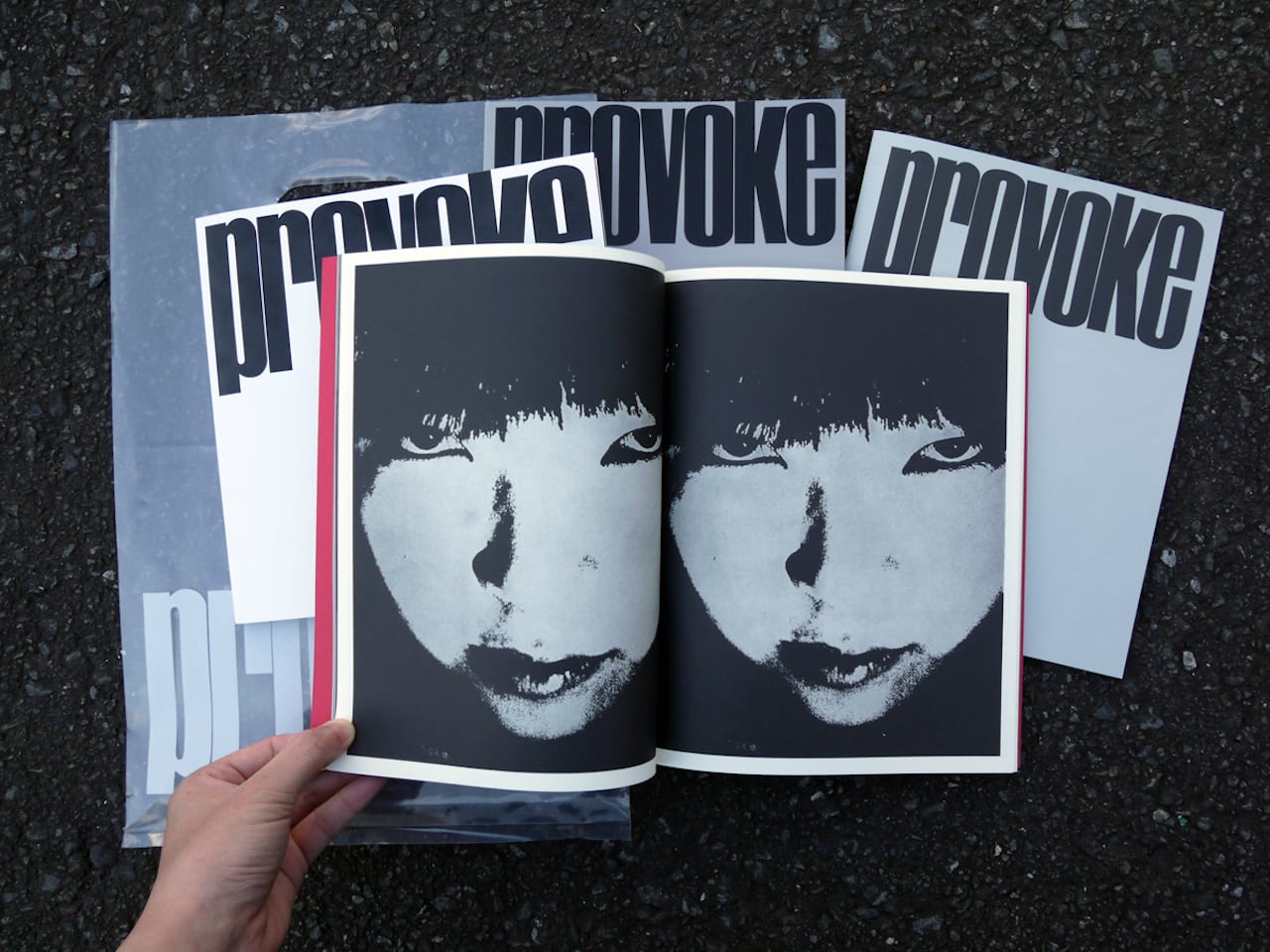
“How to fill the gap between politics and art? This is both an old and a new problem,” writes Takuma Nakahira, in the afterword to PROVOKE no.1, published 50 years ago this month. Led by some of Japan’s best-known photographers and art critics – including Takuma Nakahira, Koji Taki, and iconoclast Daido Moriyama, who joined from the second issue – the magazine stemmed from the anger and discontent that they felt towards the post-war world. Though it survived only three issues, and was criticised at the time, it is now widely recognised as a ground-breaking publication in the history of contemporary Japanese photography.
The magazines were printed in 1968 and 1969, both turbulent years for politics which featured the May 1968 riots in Paris; the assassination of Martin Luther King Jr and the anti-Vietnam protests in the US; the end of the Prague Spring. In Japan, 1968 was the year that a string of violent student uprisings forced many of the top universities to close.
When the first issue of Huck went to press in 2006, it was quite different to what it is today. Started by a team of friends passionate about the skate and surf scenes, and formed soon after the closure of Adrenalin magazine, where many of them had worked, it championed the personal stories of the sports’ icons and surrounding culture, rather than the action. Though still passionate about radical culture, Huck is now decidedly less niche.
“Over the years, the voice we’ve always had as an alternative to the mainstream became more relevant to more people,” says Andrea Kurland, who has been part of the team from the start, and became editor-in-chief in 2010. “As we’ve grown, the generation that grew up with us has become more socially and politically engaged. This is now very embedded in the magazine, so we’ve been bolder and braver with this particular world stance.”
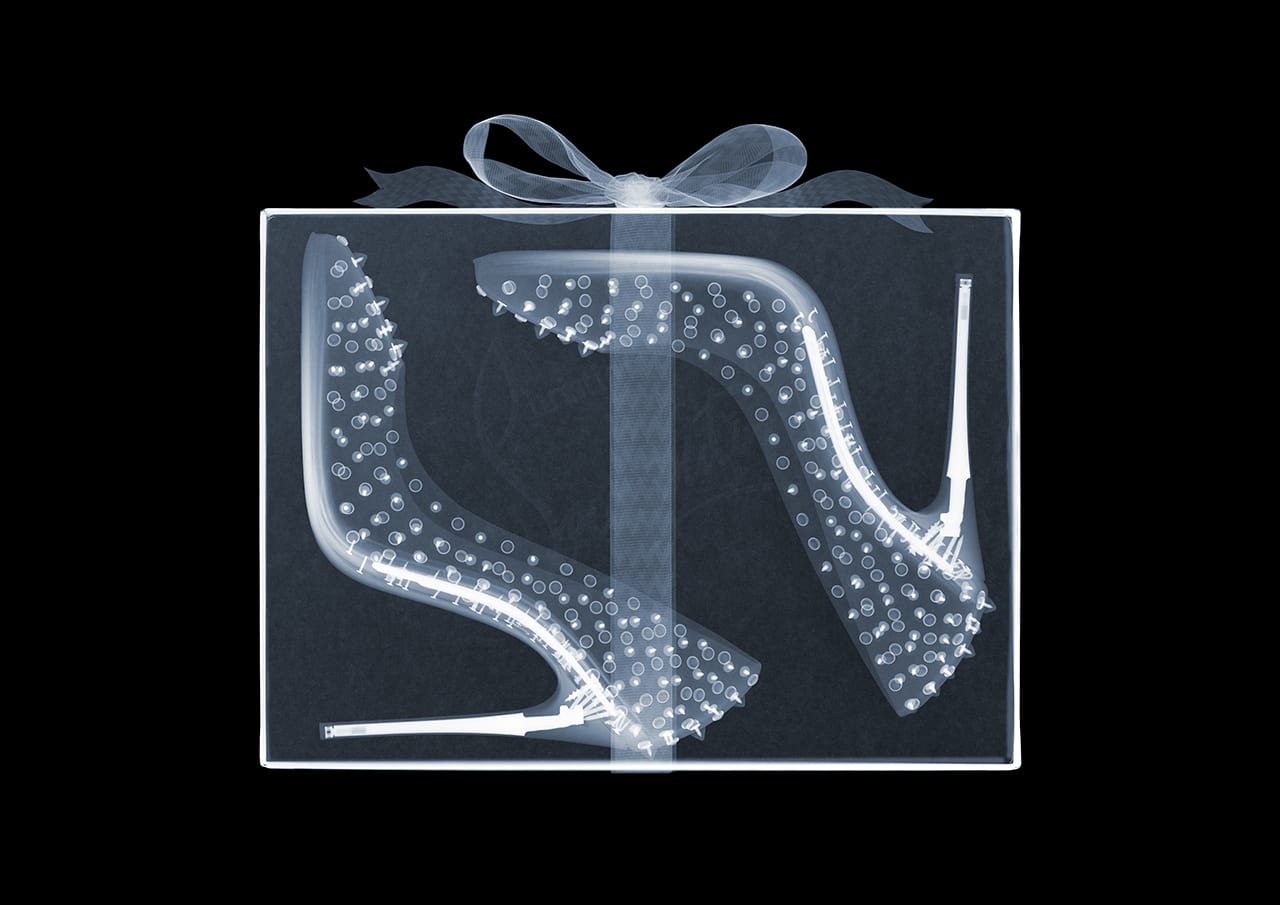
It’s better-known as a medical process, but x-ray imaging has helped Nick Veasey carve out a very successful career over the last 20 years, working with clients such as the V&A, Adidas, H&M, Time, Harper’s Bazaar, and Vice, and exhibiting at galleries such as Stockholm’s Fotografiska. Now Veasey is opening an exhibition space next to his studio in Kent, rural England, in which visitors can watch him work in a purpose-built x-ray chamber, and see exhibitions by him and other contemporary artists.
Process Gallery is set in the middle of a two-acre site that will be landscaped into a sculpture garden next year. The opening exhibition is dedicated to Veasey’s work, but the photographer plans to show work by other artists, specialising in those who take an alternative approach to process.
Laia Abril is no stranger to themes of distress. Bulimia, coping with the death of a child, the asexual community, virtual sex-performer couples – these are all topics that the Barcelona-based photographer has explored and attempted to demystify with her multi-layered, story-based practice. The subjects she tackles are complex and provocative, but ones she is able to connect with by way of female empathy, “where I can be involved emotionally”, she says.
Out of nearly 1000 submissions, the winners for this years Paris Photo/Aperture Foundation Photobook Awards, established in 2012 to celebrate the photobook’s contribution to the narrative of photography, have been announced at Paris Photo.
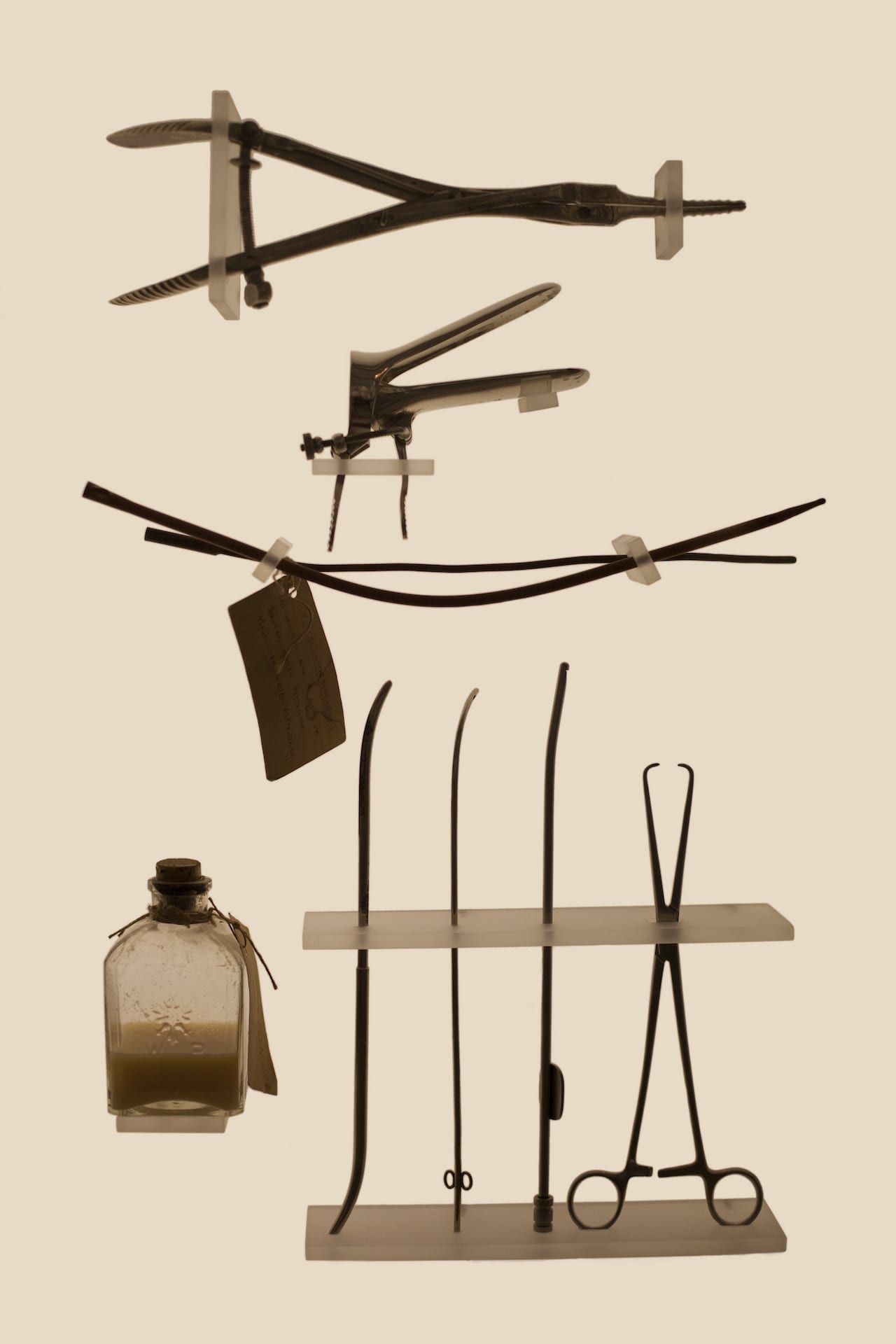
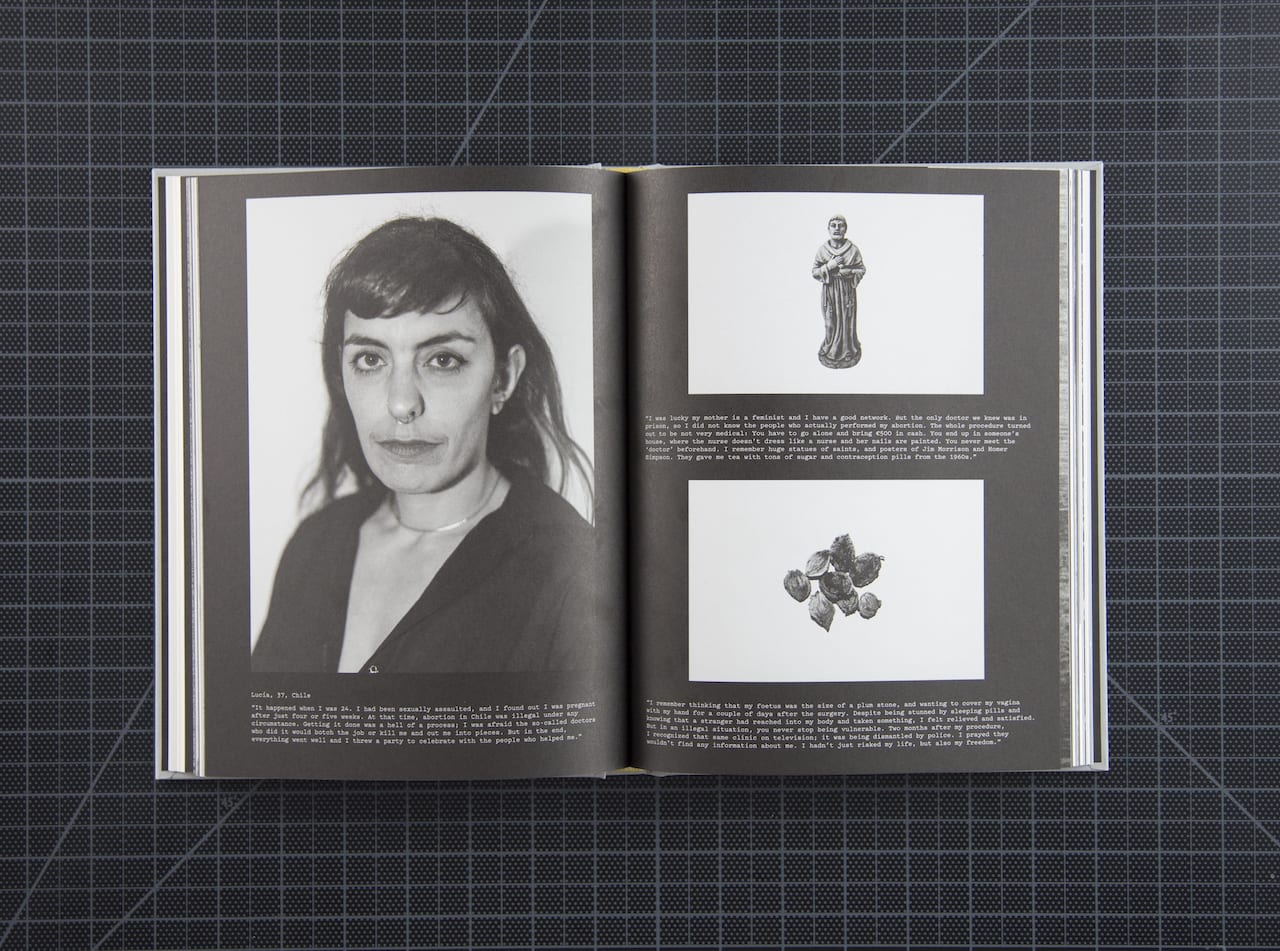
The Photobook of the Year award went to Laia Abril, for part one of her long-term project, A History of Misogyny, Chapter One: On Abortion (Dewi Lewis). The project is not about the experience of abortion itself, but about the repercussions for women who do not have access to legal, safe or free abortions, forcing them to consider dangerous alternatives that cause physical and mental harm.
Nataal.com was born in 2015 as a platform to communicate the creativity coming out of Africa. It was launched by Sara Hemming, former art director at AnOther, Helen Jennings, former editor at Arise magazine, and Senegalese actor and director Sy Alassane. Focusing on fashion shoots, long form features and visual essays, Nataal collaborates with emerging artists around the world who are shaping global narratives around African culture.
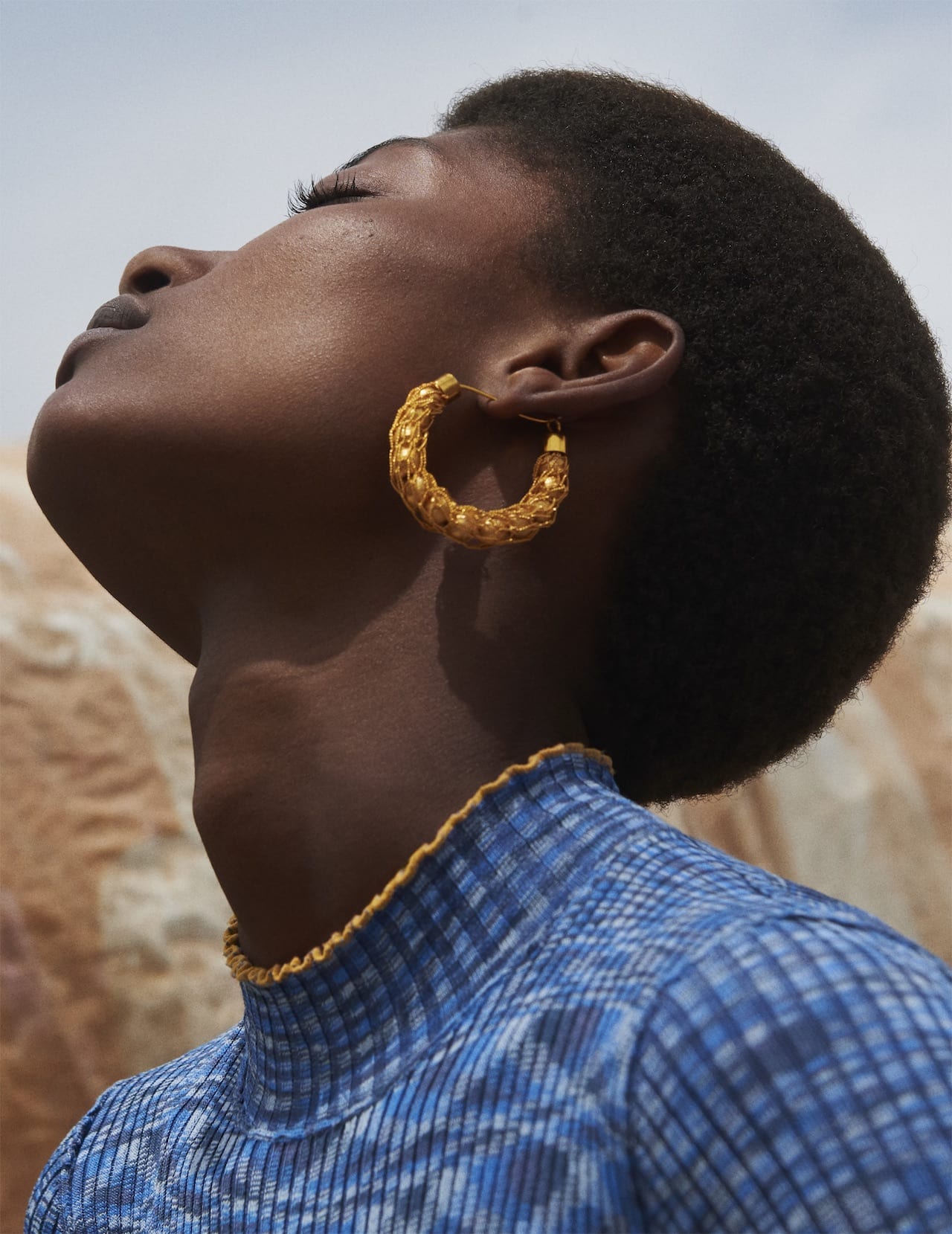
This year, Nataal published its first annual print magazine, built around the theme “Future Gaze” and containing 336 pages of photography by well-known artists such as Viviane Sassen, Lorenzo Vitturi and Ayana V Jackson, as well as commissions by up-and-coming photographers such as Arielle Bobb-Willis. The photography is accompanied by in-depth editorials covering a range of topics including fashion, visual arts and music, as well as a short story by American-Ghanaian writer Nana Ekua Brew-Hammond, and articles about contemporary African culture and business.
BJP spoke to creative director Sara Hemming and editorial director Helen Jennings about Nataal media and why photography is so integral to their magazine.
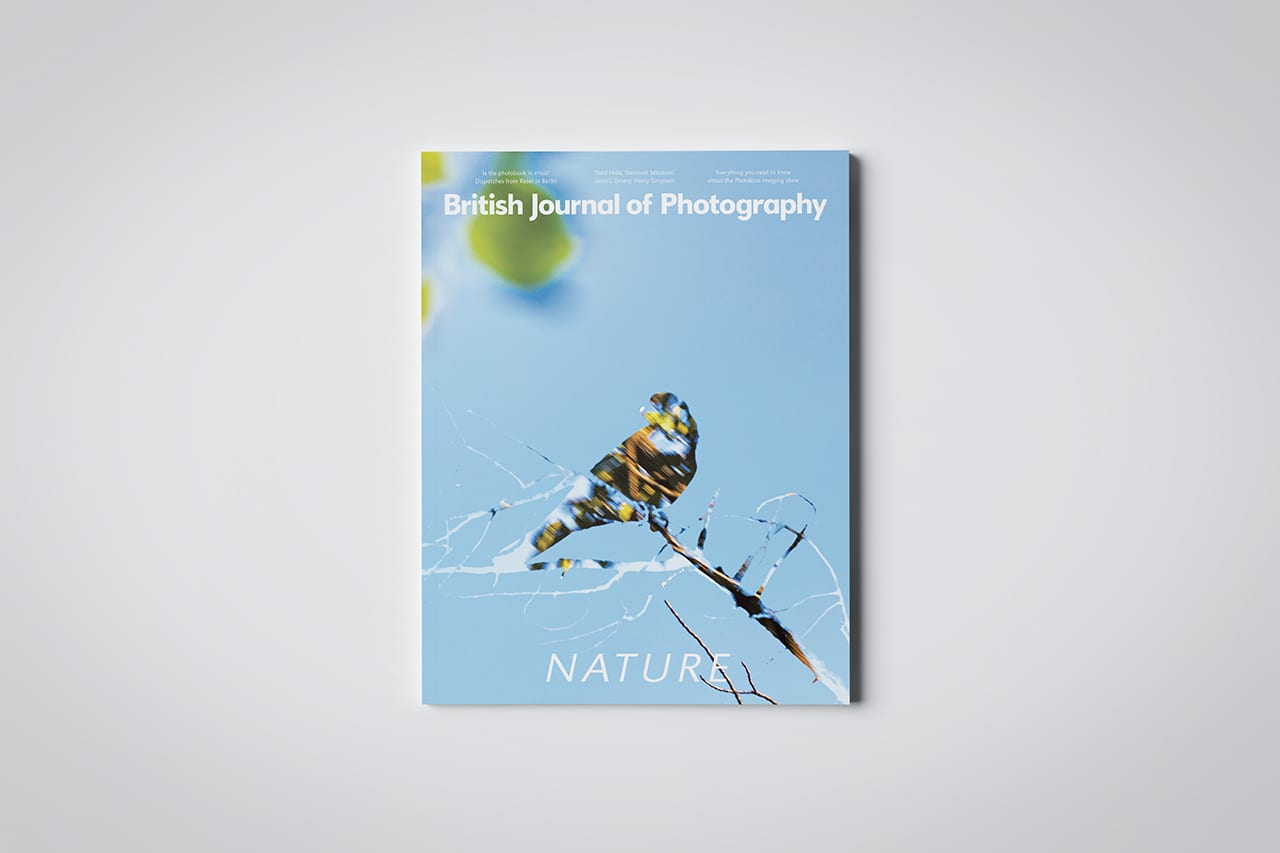
In our latest issue, Nature, we speak with Lena C Emery about her latest work, Yuka & The Forest, which draws on Japan’s powerful cultural connection to forests. Todd Hido’s latest series, Bright Black World, presents a more chilling vision, showing icy landscapes that suggest a impending environmental disaster. Yoshinori Mizutani takes on the genre of nature photography, meanwhile, proposing a fresher approach to images of wildlife with his series HDR_nature. We also offer an insight into the latest technology trends to emerge from the Photokina trade show.
When Michelle Sank approached young people on the streets of Sandwell, asking to take portraits…
If you don’t get the reference, it’s a curious title for a photobook – Fables of Faubus, the 30-year retrospective by British documentary photographer Paul Reas. But if you’re a jazz fan you’ll know it’s taken from a song by Charles Mingus, written after Arkansas governor Orval Faubus decided to bar the integration of Little Rock Central High School in 1957.
To Mingus, and many others, Faubus stood for a dark force holding back progressive social change. For Reas, the title suggests the metanarrative that runs behind the many stories he’s shot in the UK on heavy industry, consumer culture, the heritage industry, and more – namely, the disenfranchisement of the British working class, “the years of decline of industry and the fall out from that, communities being de-centred and levelled”.