
Exhibition

Going beyond the borders with Another Europe

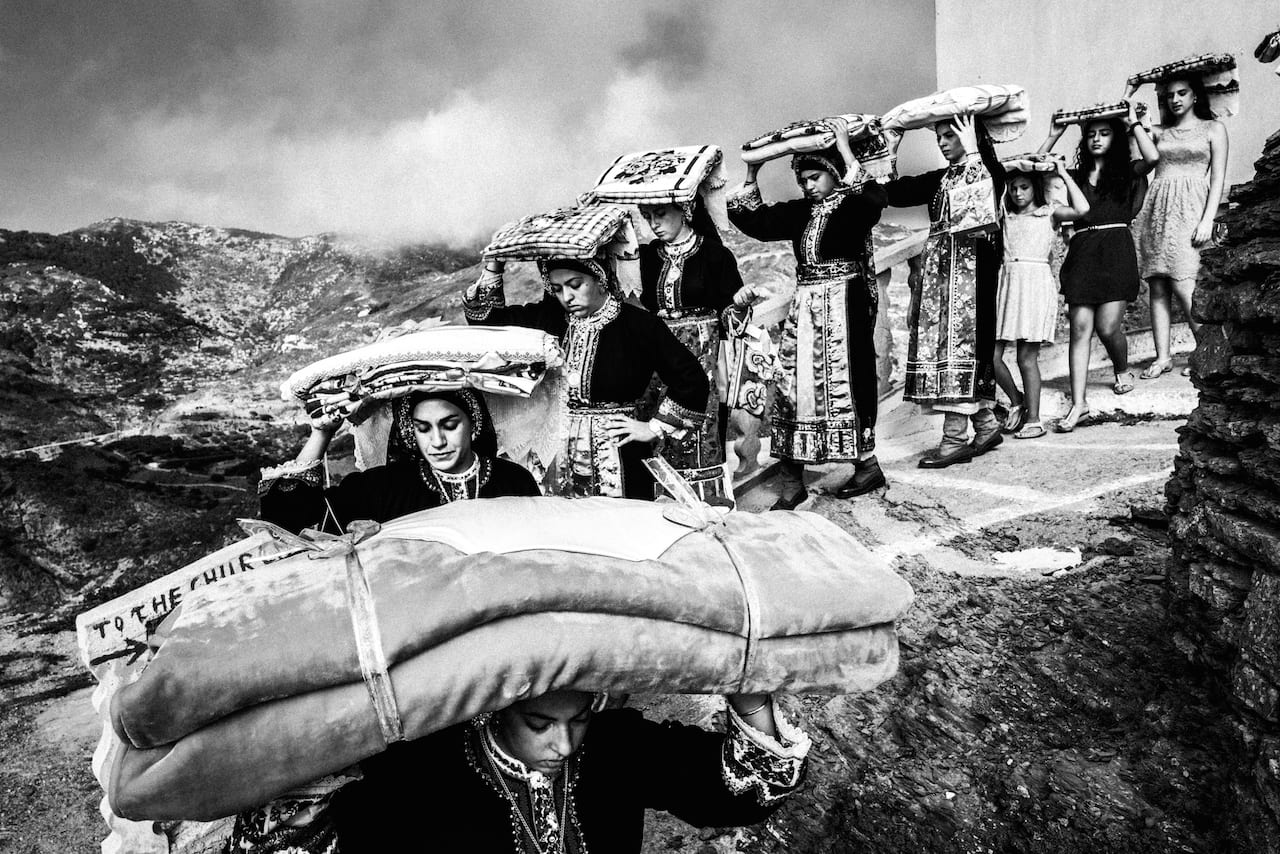
“In many ways Another Europe questions whether Europe is other at all,” says Hamish Park. “While this is not an explicitly political exhibition, I do hope that it will go some way to reminding the audience that we share deep cultural roots which go beyond geographic borders or treaty arrangements, and that what we share is as significant as what makes us distinct.”

Park has just curated an exhibition called Another Europe which goes on show soon around Kings Cross, London, mounted on specially-designed concrete benches. Featuring one photograph from each of the 28 European Union member states, shot by a photographer from the country, it’s been organised by the Australian Cultural Forum London to celebrate both the European Year of Cultural Heritage, and Austria’s presidency of the EU council. It’s also interesting timing for this exhibition in the UK, as the country negotiates Brexit.
6 July 2018

Viviane Sassen on creativity and experimentation

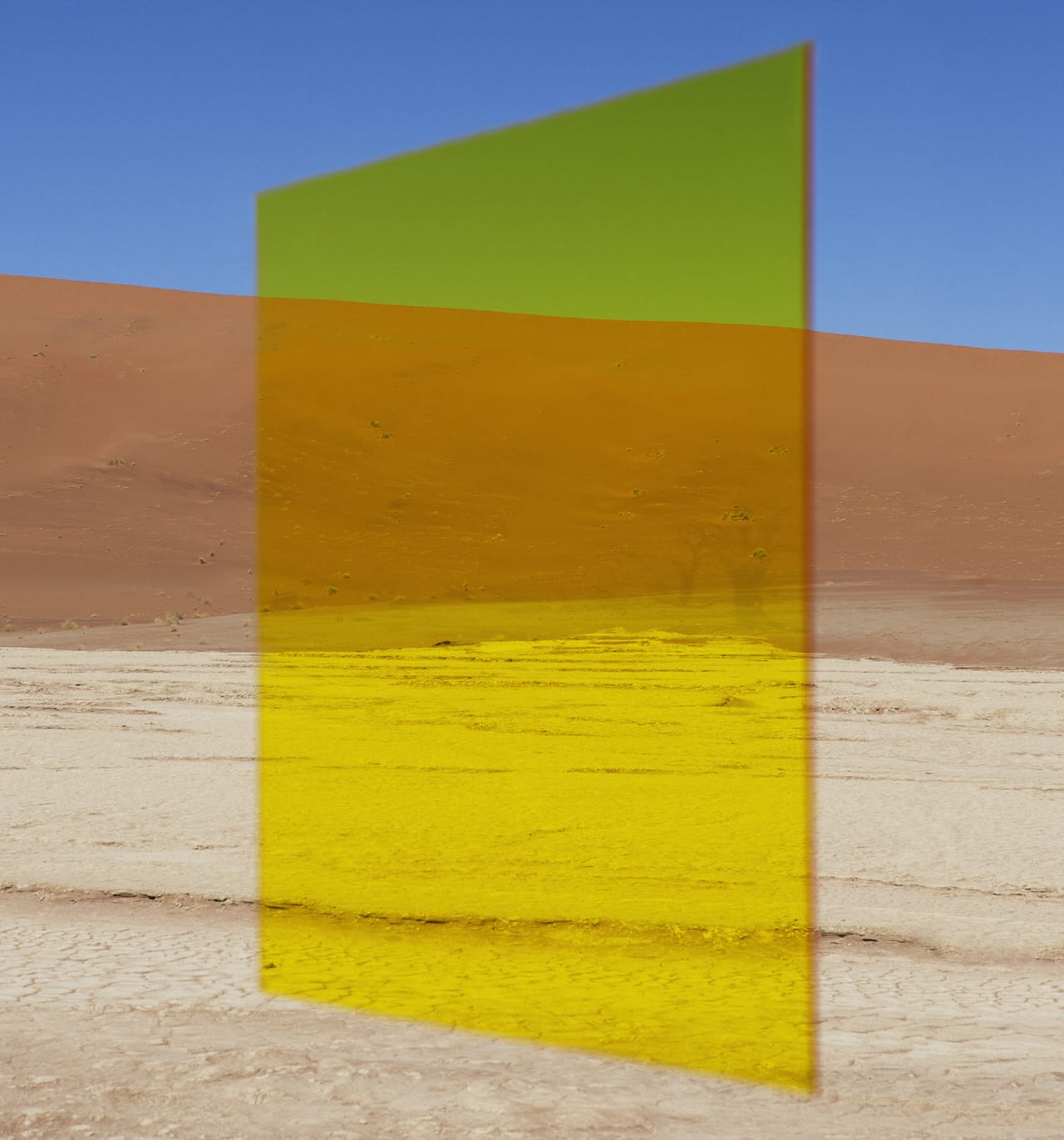
“When I was younger I was jealous of photographers who had their own very personal subject matter and aesthetic. It’s so important to allow yourself the freedom to be truly creative,” says Dutch artist Viviane Sassen. “Experimentation is central to my practice.”

Sassen’s daring and idiosyncratic approach hangs somewhere between fashion and fine art. At the core of her practice is an understanding of the importance of constant experimentation, thus making her images complex, unexpected and disarming. Her works are often an exchange or interaction between different elements, contributing to the tactility and physical quality of images. Colour, shape, powder and paint are just some of the tools she uses as enhancers.

5 July 2018

Bill Stephenson’s portraits from the Streets in the Sky

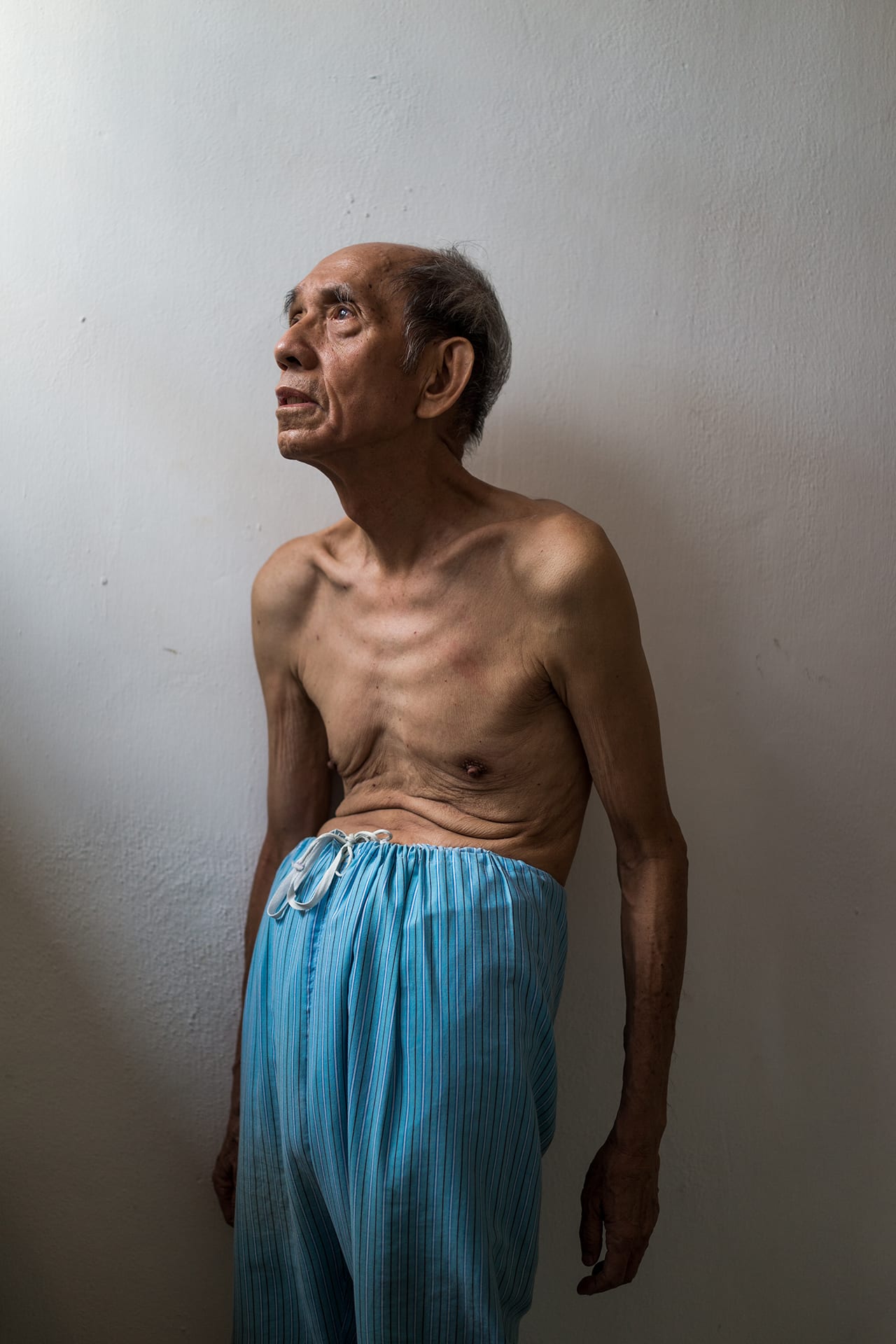
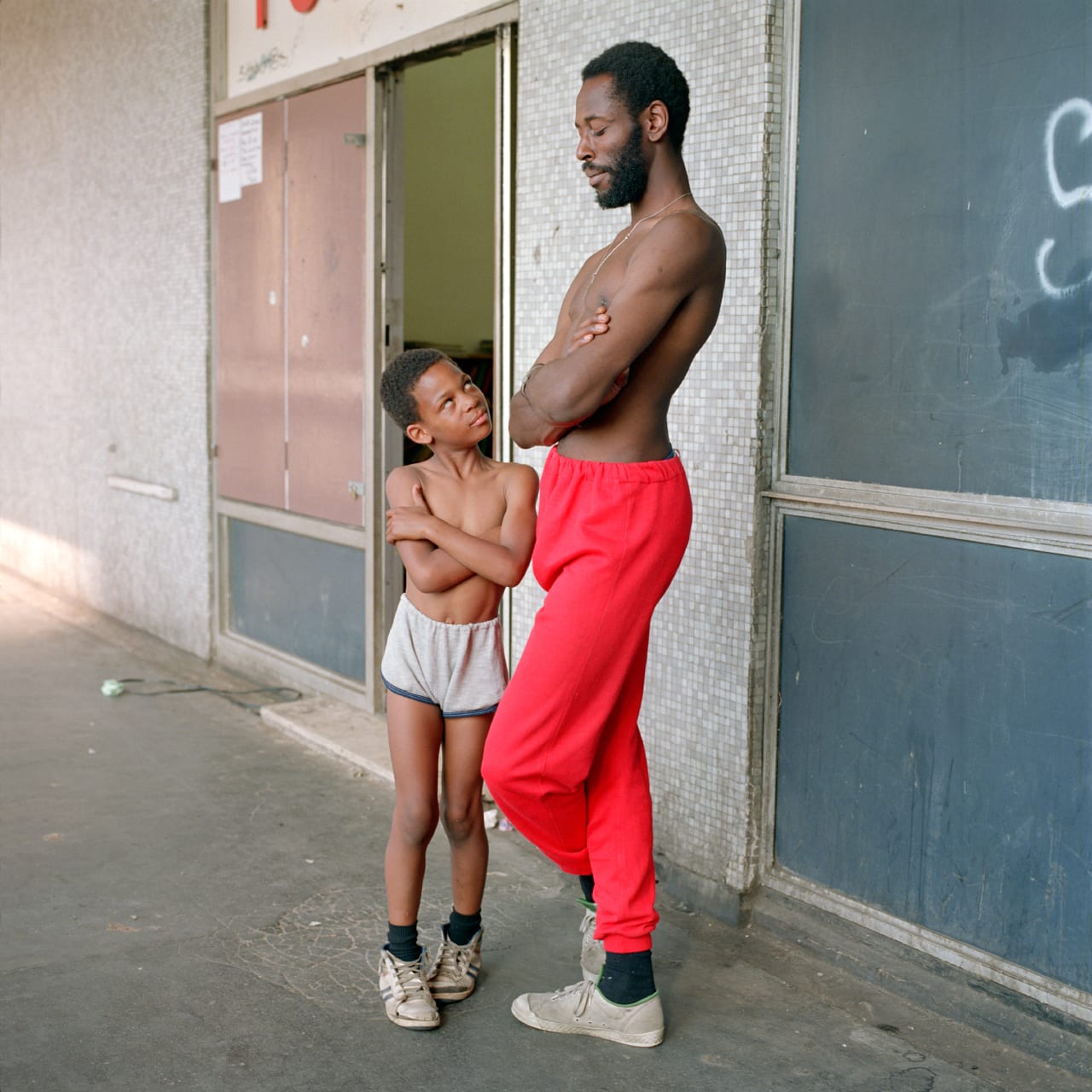
“None of the people I met wanted to move, they were happy there,” says Bill Stephenson, who photographed the last residents of Hyde Park Flats, Sheffield before it was demolished 30 years ago. “The tenants felt like they were being pushed around, they didn’t know where they were going. They loved living in that brutalist housing, it was a special place for them.”

Set on one of Sheffield’s seven hills, the four high-rise flats were once part of Park Hill Estate, at the time the largest social housing estate of its kind in Europe. Built between 1957 and 1961, Park Hill had a deck access scheme considered revolutionary at the time, which provided walkways wide enough for small vehicles like milk cart, and earned the estate the nickname “streets in the sky”.

5 July 2018

Arles: Young guns on show at Arles’ Voies Off fringe festival

Running during Les Rencontres d’Arles and with an opening week all of its own, Voies Off is a well-established, free, fringe festival. Featuring exhibitions, evening projections, portfolio reviews, and parties – this year sound-tracked by the Africa Fete Festival – it’s the place to discover and be discovered.

Based in the Cour de l’Archevêché in the centre of Arles but with exhibitions running all over town, Voies Off is sponsored by Leica and is screening the 2018 Leica Oskar Barnack Award finalists every night this week except Wednesday. But it also has a well-defined programme of their own, which this year includes an exhibition titled If Slovenia Were… curated by the respected Slovenian/French photographer Klavdij Sluban and featuring work by 19 contemporary Slovenian photographers. 

4 July 2018

Women lead at the 2018 Cortona on the Move festival

Every year, Cortona On The Move has a focus, and this time it reflects the festival’s mission more directly than before by placing the spotlight on female photographers. “My selection is never a list of ‘favourites’, but rather involves an attempt to listen to what is happening around me, globally, both on a political, social and economic level, as well as in the field of photography itself,” says Rinaldo.

“These past months, women and women’s issues have been at the forefront of discussion in various fields, often in the news and even more on the street – protesting, resisting, demanding. My small contribution to this ‘movement’ is to acknowledge the numerous women photographers who tread the world to tell stories; to give them space and make them protagonists.”

3 July 2018

Arles: Les Rencontres d’Arles 2018 programme

It’s the biggest and best-respected photo festival in the world – it’s Arles and it’s back from 02 July-23 September, with a special opening week from 02-08 July. With the blessing of the French Minister of Culture François Nyssen – who declares that “Arles wouldn’t be Arles without photography” in her welcome to the festival – the 49th year of the festival is lead by director Sam Stourdzé, who took over its organisation in October 2014. As you might expect, the momentous events of May 1968 are commemorated at Arles this year, with a group of exhibitions titled Run Comrade, The Old World is Behind You. Considering events such as the student demonstrations and strikes in France, and the assassination of Robert F Kennedy that year, this section includes shows such as 1968, What a Story! which uses previously unseen images from police archives, Paris Match and Gamma-Rapho-Keystone. Elsewhere Arles looks to the future with a group of shows titled Augmented Humanity which includes work by Cristina de Middel & Bruno Morais, Matthieu Gafsou and Jonas Bendiksen; and in the Emergences section, which includes the ten photographers included in the New Discovery Award this year.

2 July 2018

Noel Bowler goes inside the union movement

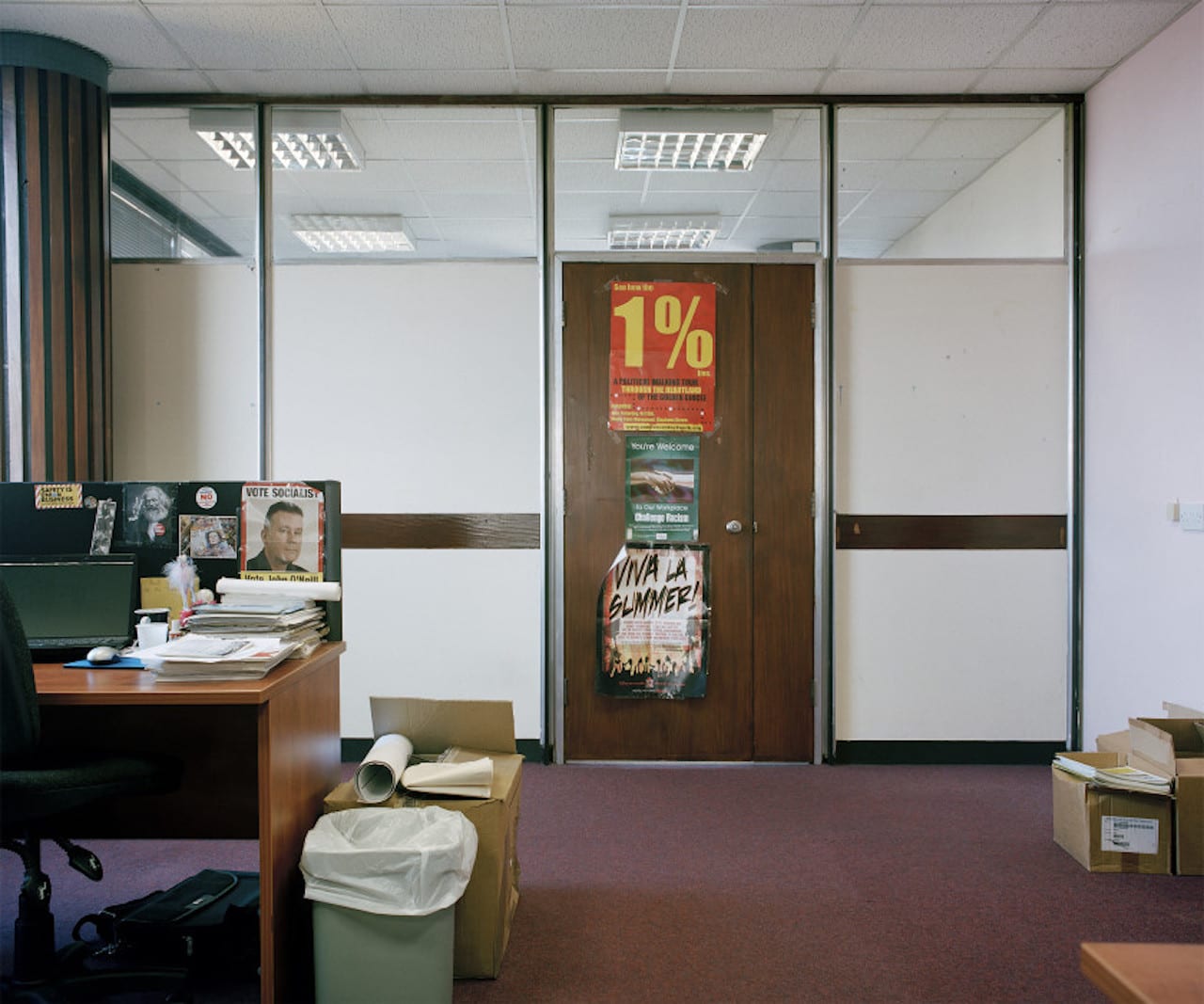
Modern working life is so frenetic, we often don’t get the chance to dwell on how it’s evolving, how secure it is, or how we’d cope if our jobs came under threat. Who are the people, or groups of people, fighting this seemingly inevitable trend? The people who see something noble and worthy of protection in work? 

Noel Bowler provides a possible answer in his series Union, which is on show at Impressions Gallery from 04 July – 22 September. Taking us inside the meeting rooms and head offices of industrial unions, it introduces us to the people who try to safeguard labour rights.

29 June 2018

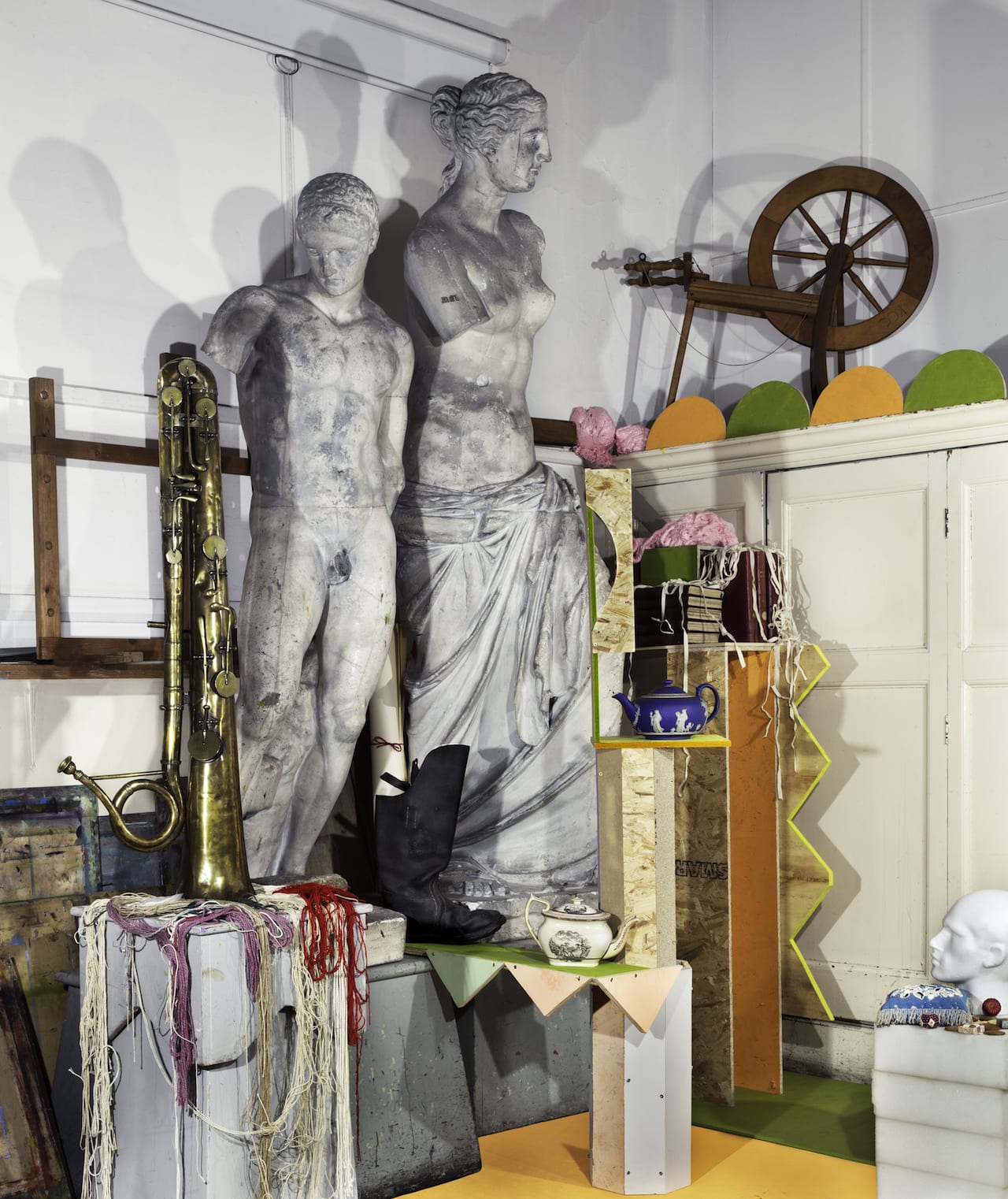
Steffi Klenz’s lively still life Staffages

In the late 1700s and early 1800s, painters sometimes included ‘staffages’ in their work – human and animal figures that weren’t the primary figure, but which added life to the work. ‘Staffage’ means ‘accessories’ or ‘decoration’ in German, and was used to describe figures that had no specific identity or story, but which were included for compositional or decorative purposes.

It’s the name German-born artist Steffi Klenz has chosen for her latest series, which was commissioned by Tunbridge Wells Museum & Art Gallery and features objects from its collection. Researching the museum’s collections catalogue, Klenz got interested in museum theory – the idea that objects are given equal status through the way an institution registers, describes, displays and cares for them, and gain their value through the way they represent our shared stories.

28 June 2018

Against the Grain: Skate Culture and the Camera

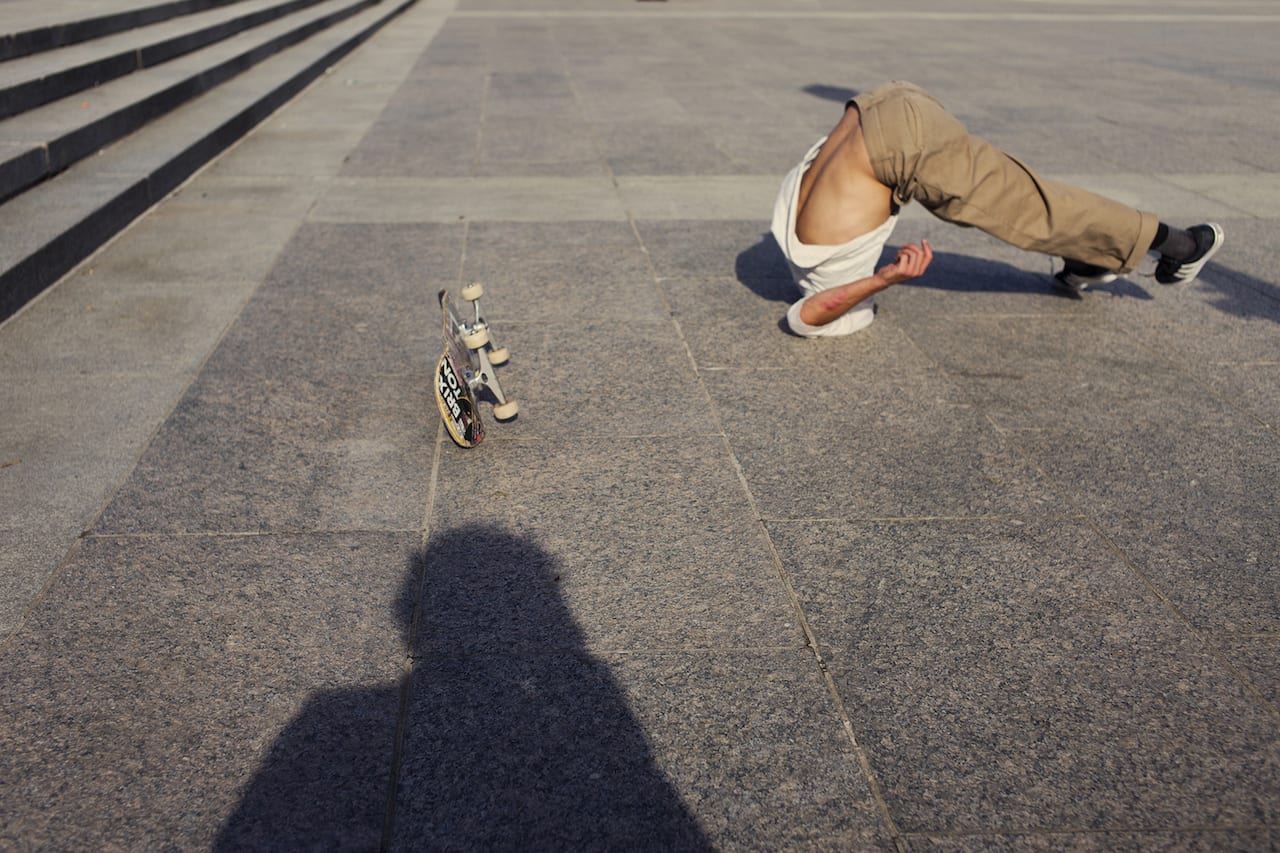
In 2020 skateboarding will become an Olympic sport for the first time, joining the Games in Tokyo alongside surfing, karate and sport climbing. It’s big step for a sport that’s always been associated with the counter culture – with, as a new exhibition of skate photography puts it, going Against the Grain.

Including images by photographers such as Spike Jonze, C. R. Stecyk III, and Glen E. Friedman, Against the Grain: Skate Culture and the Camera traces the history of skateboarding, from the empty Californian pools of the 1970s to the now world-famous Palace Wayward Boys Choir – a London-based crew whose member Lev Tanju founded a wildly successful skateboard and clothing brand. 

28 June 2018

Sim Chi Yin investigates the Fallout

It’s disconcerting to think how years of work and effort, of countless hours spent practising and honing a skill, can be wrenched away from any of us in just a few minutes of misfortune. It’s also, for any of us used to good health, troubling to consider how reliant we are on the basic functionality of our bodies. A photographer, for example, needs to be able to hold a camera, to have the strength to frame a shot and time the click of the shutter in the heat of the moment. Shorn of that basic ability, what are we left with? Early one morning in May 2015, Sim had to face that exact question.

She was on assignment for a French newspaper, travelling to the Tumen Economic Development Zone, a government-owned complex of Chinese factories on the edge of the border with North Korea. Tumen employed North Korean labourers who, with state sanctioning, would be sent to live and work in the economic zone. The brief was to capture how North Korea and China trade. This place seemed like the perfect microcosm for that complex relationship – the makings of great pictures.

Entering Tumen with her driver and colleagues from Le Monde, she failed to spot a sign that read: “No smoking, photography, or practising driving”. As they approached the factories, the car passed a small group of women in black jumpsuits, knelt by the roadside picking weeds from the ground. Sitting in the driver’s seat with the window wound down, Sim instinctively raised her camera and fired off a couple of shots. “Almost immediately, the women turned around, ran towards the cab, and reached into the car,” she wrote in an article for ChinaFile, recounting events.

27 June 2018