

EyeEm is currently the world’s largest photography competition, and this year it welcomed a record…
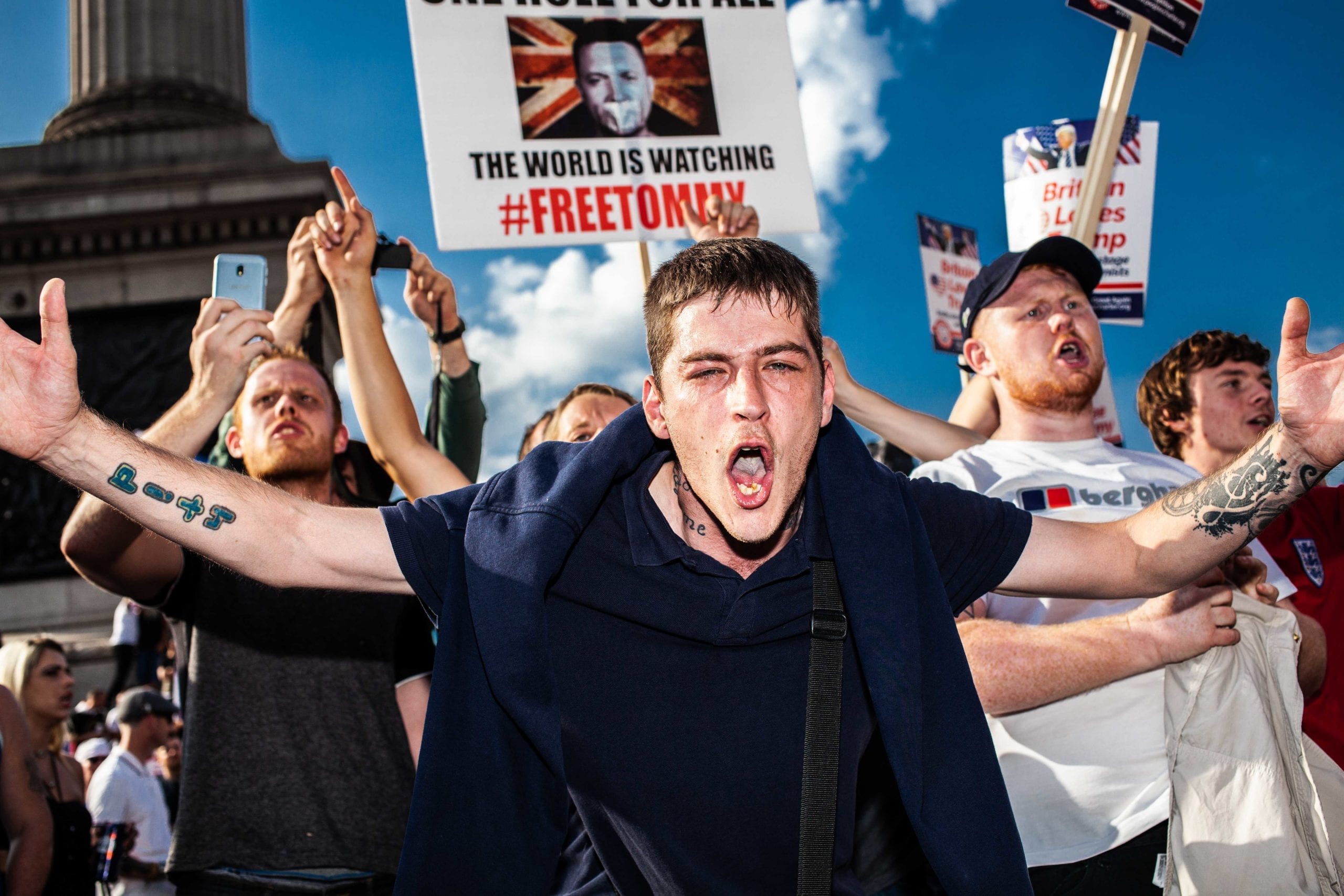
EyeEm is currently the world’s largest photography competition, and this year it welcomed a record…

It’s six years since the inaugural edition of Unseen Amsterdam arrived with the mission to shake up the art fair model, focusing on emerging photographers and collectors, and instilling a welcome dose of fun to proceedings. And despite its beginnings during difficult times for arts funding, the ‘fair with a festival flair’ has largely succeeded, developing into something more ambitious than a glorified trade show, with its own public programme and a city-wide celebration of the medium in one of the world’s great photography capitals.
The emphasis remains on championing new talent, and with this in mind, the latest addition to Unseen is Futures, a cross-European photography platform bringing together 10 cultural institutions from around the continent, each with their own talent programmes.
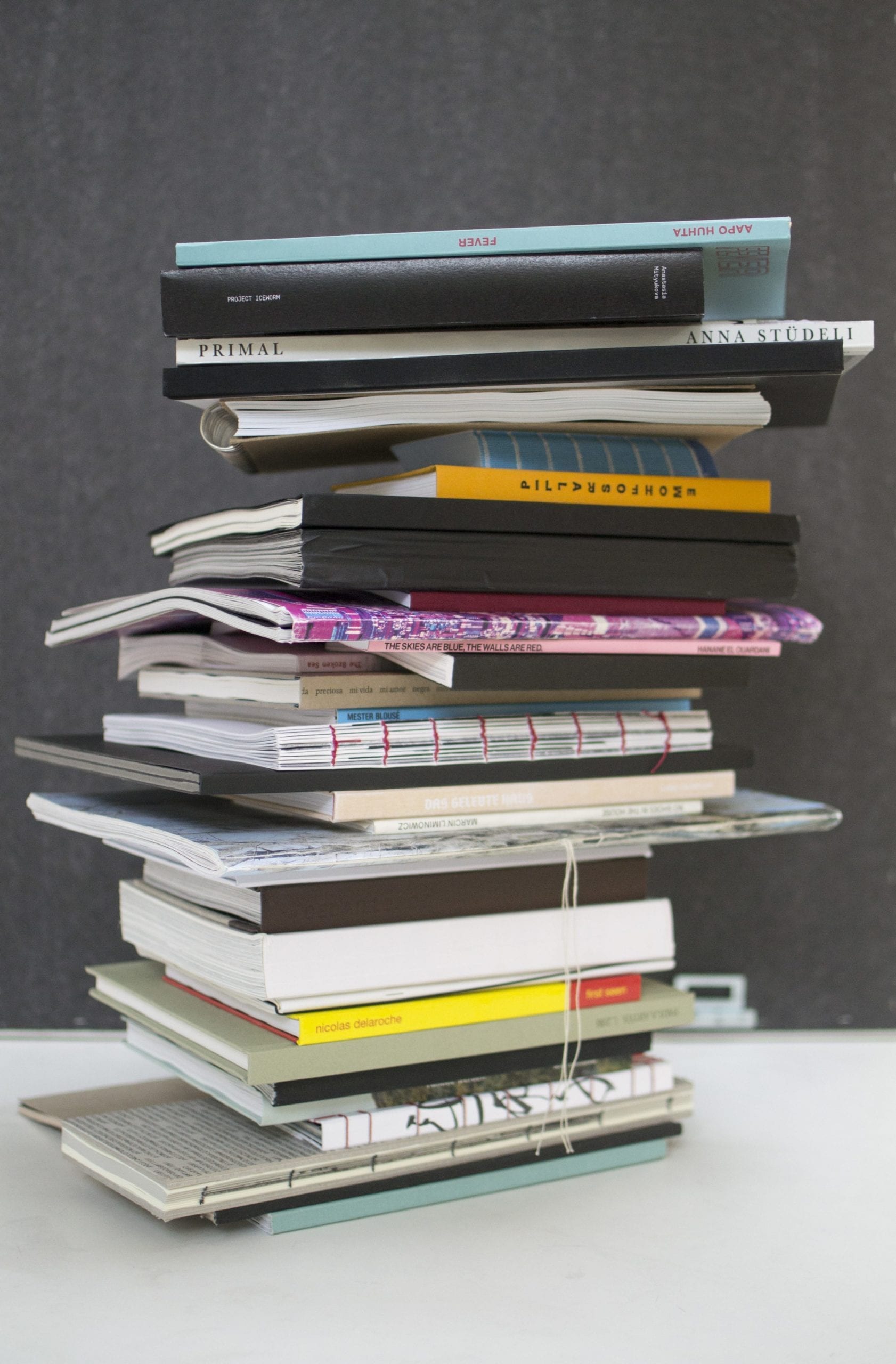
Unseen Amsterdam has announced the 34 photobook dummies shortlisted for the Unseen Dummy Award 2018.…
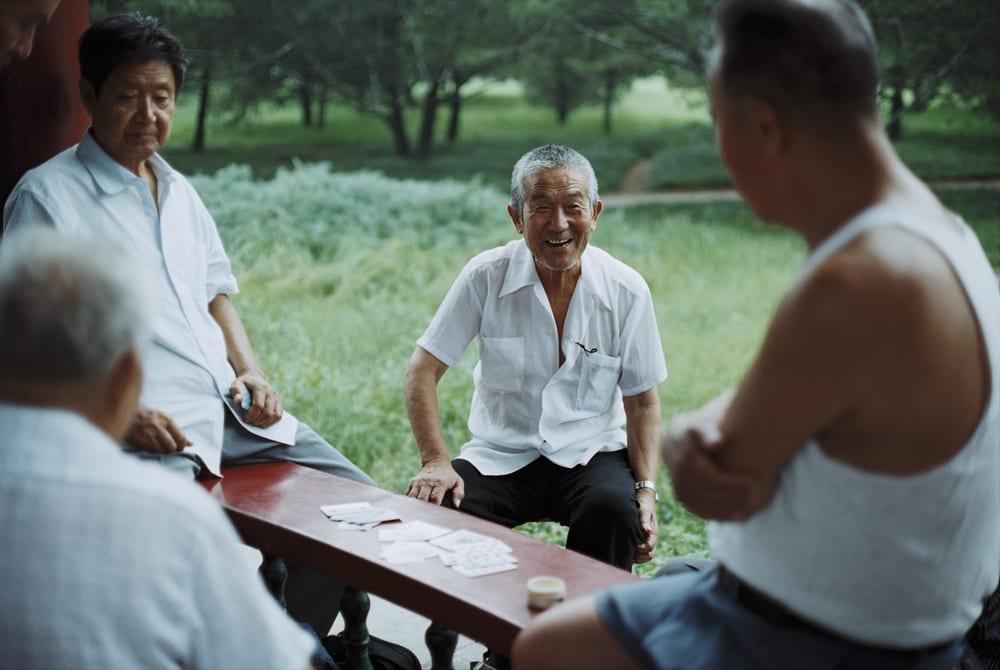
As our next evolutionary step following Portrait of Britain, we are pleased to announce a…
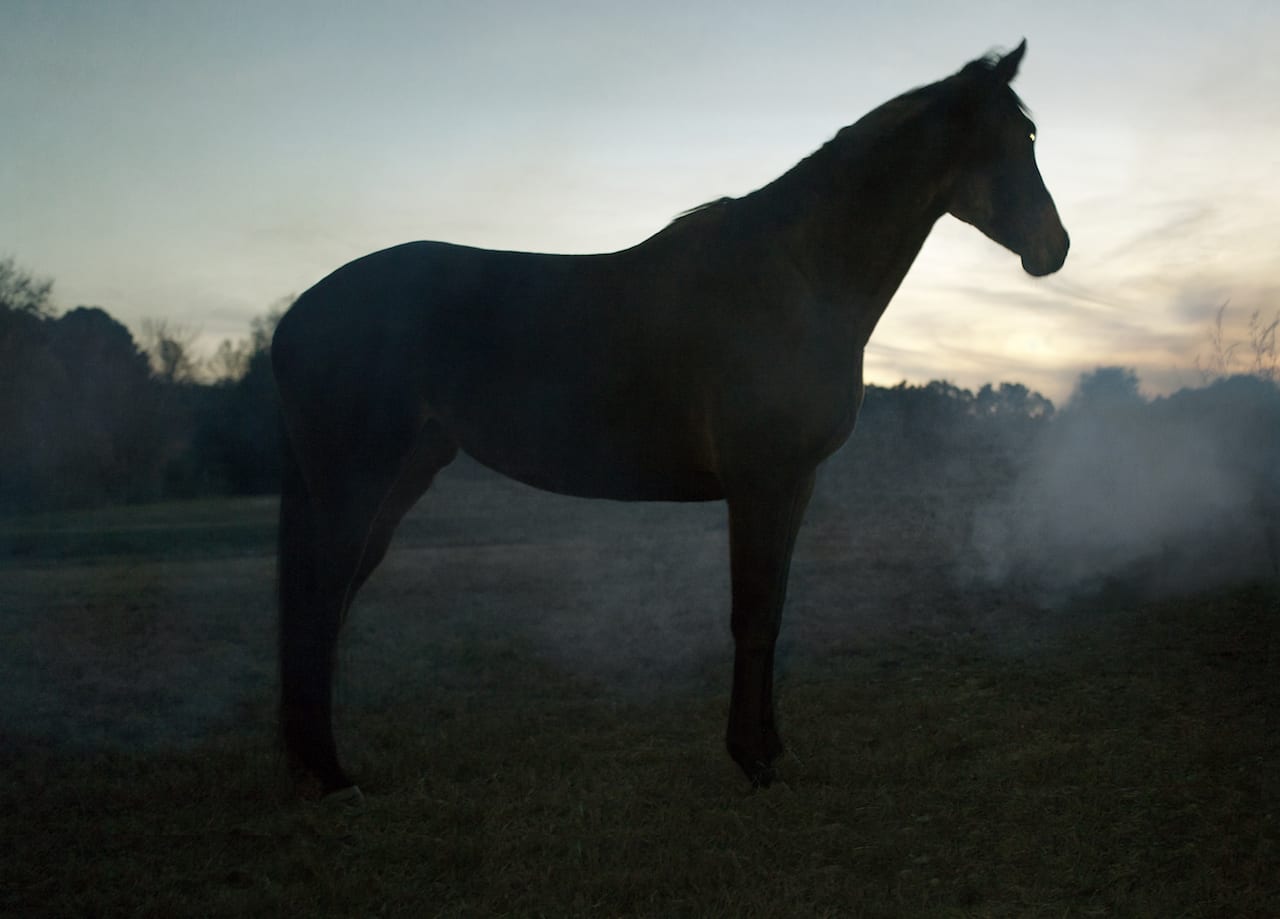
What’s your vision of America? Dominating popular culture for years, it’s a country nearly everyone…
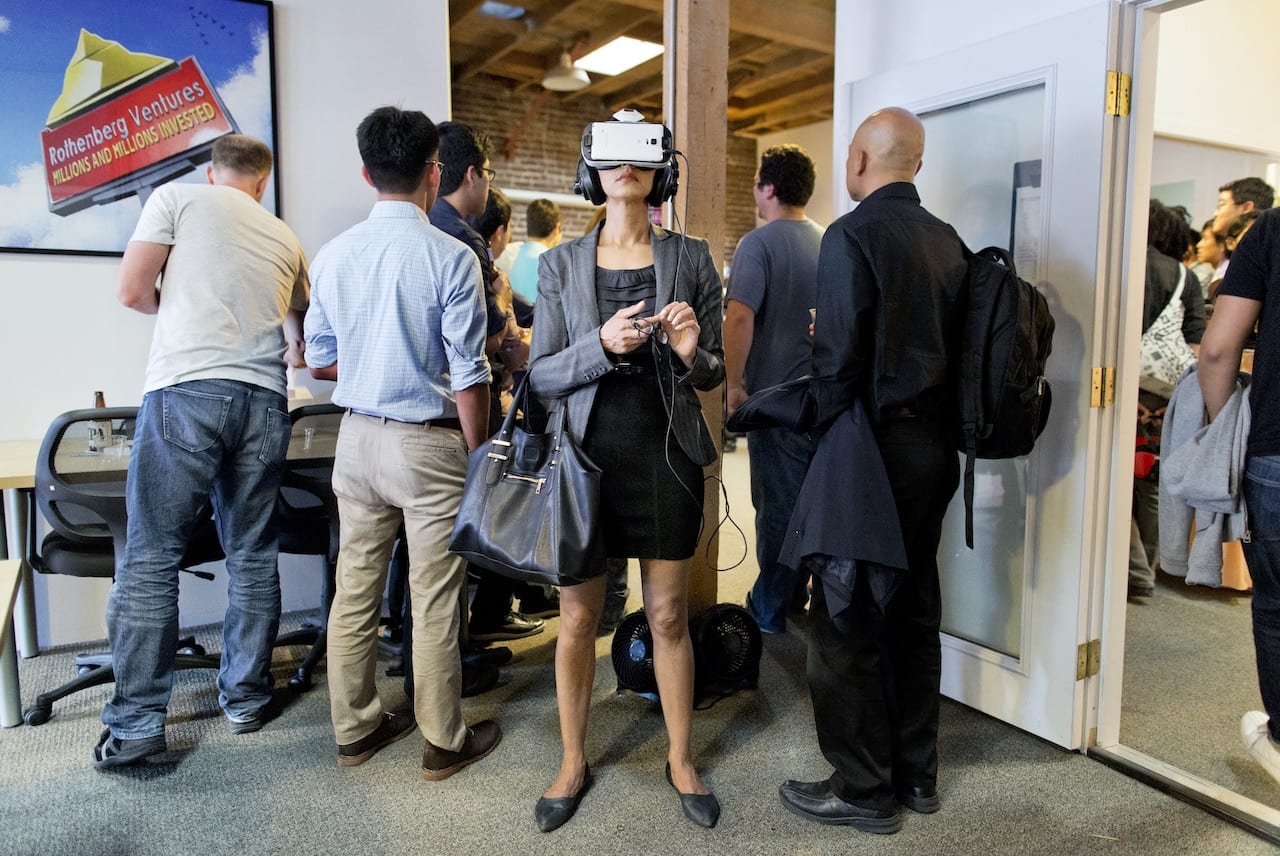
American photographer Laura Morton has won the 2018 Canon Female Photojournalist Award. The award gives her €8000 funding towards a new project, which will be exhibited at the 2019 Visa Pour l’Image festival.
Originally trained in Political Science and Journalism, Morton has previously shot projects on FARC guerrillas in Colombia, the segregation and oppression of Pashtun women in Pakistan, and military sexual assault survivors in the US, and her project on young tech entrepreneurs in San Francisco, Wild West Tech, was funded by the Magnum Foundation and published in BJP’s April 2016 relaunch issue. But she won the award with a pitch for a new project titled University Avenue, named after a road which runs through two very different districts of her home town, San Francisco.
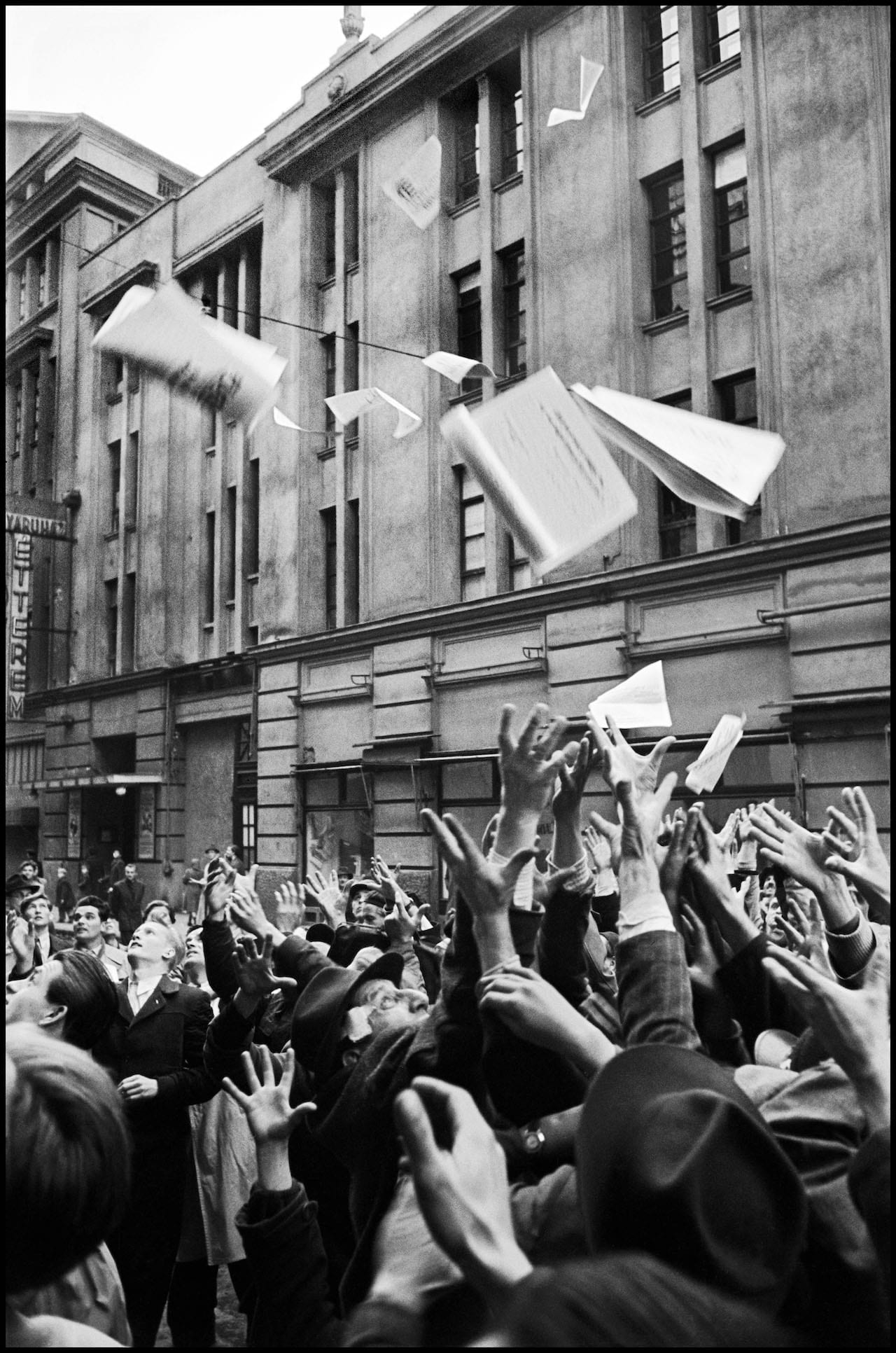
“I never thought of myself as doing anything other than telling stories,” said Erich Lessing. “The camera became the medium through which I did that, but I don’t carry a camera everywhere I go. To me, it is simply the means to a very specific end. I observe the world through my eyes and not through the viewfinder of a camera. I don’t interpret, nor do I adjust anything in the dark room. I am a realistic photographer.”
They’re modest words from a man who created iconic images of the 20th century, and who was a member of Magnum Photos for well over half a century. His photographs of the Hungarian revolution in 1956 were seen around the world, as was his shot of the presentation of the Austrian State Treaty on the balcony of the Belvedere palace in front of a cheering crowd in 1955.
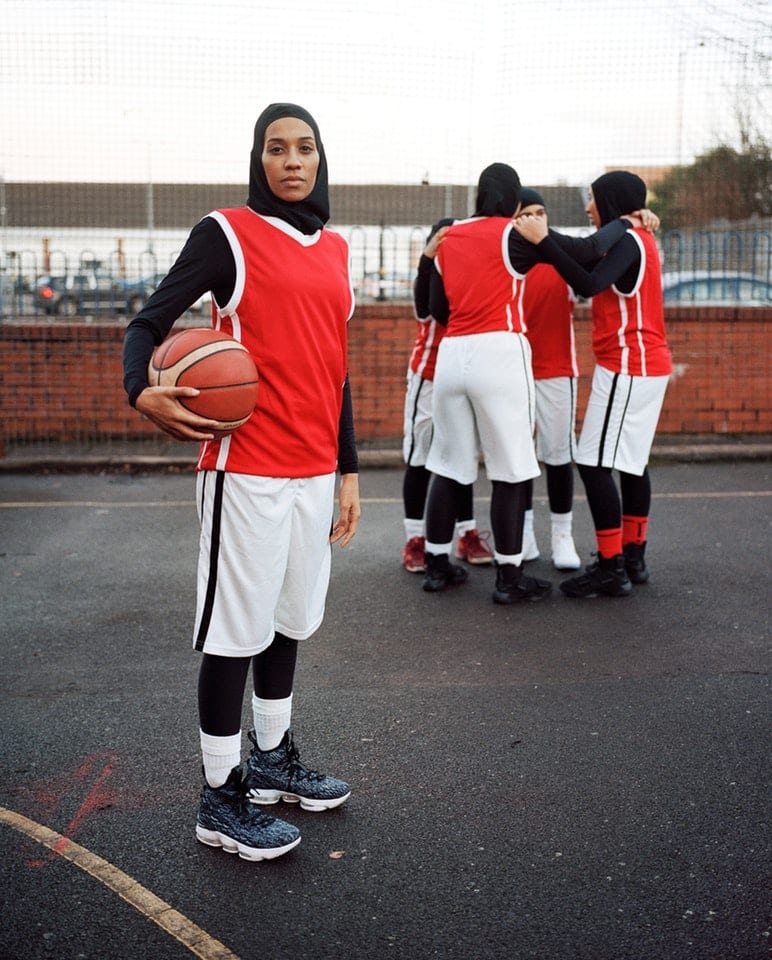
This year marks the third annual Portrait of Britain exhibition. As much a showcase of…
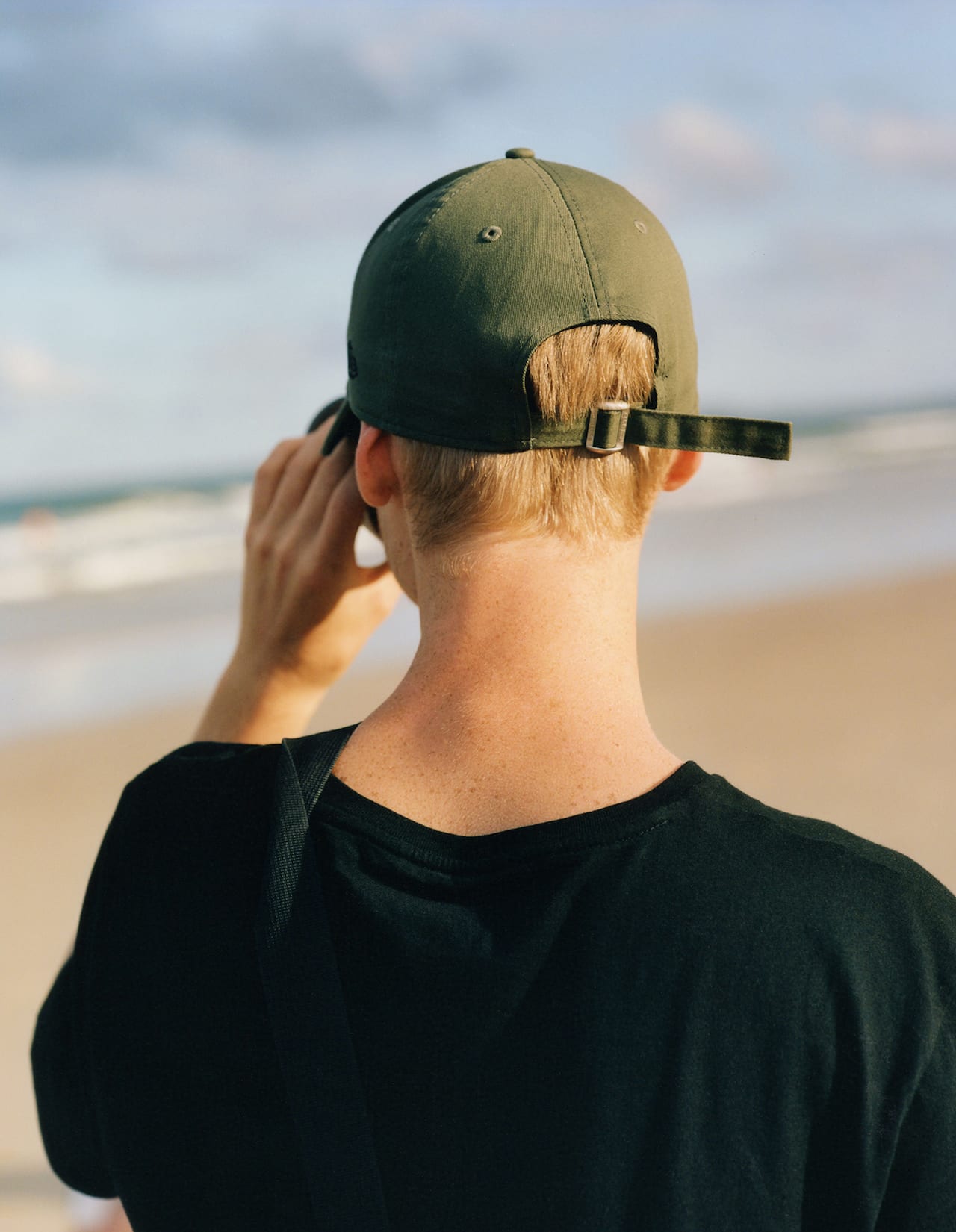
Trained in photography at Westminster University, Patricia Karallis set up Paper Journal in 2013 and swiftly gained a reputation for her discerning eye for images. For five years the magazine ran online only, racking up more than 500 interviews, features, photo book reviews, fashion features, and studio visits, and attracting well over 150,000 followers to its Instagram feed. It’s now gone into print for the first time, and the photographers featured in it reads like a who’s who of interesting contemporary image-makers, including Daniel Shea, Gregory Halpern, Matthew Connors, Senta Simond, Kristine Potter, and Stephanie Moshammer, as well as less familiar names such as Joseph Kadow, Nhu Xuan Hua, and Xiaopeng Yuan.
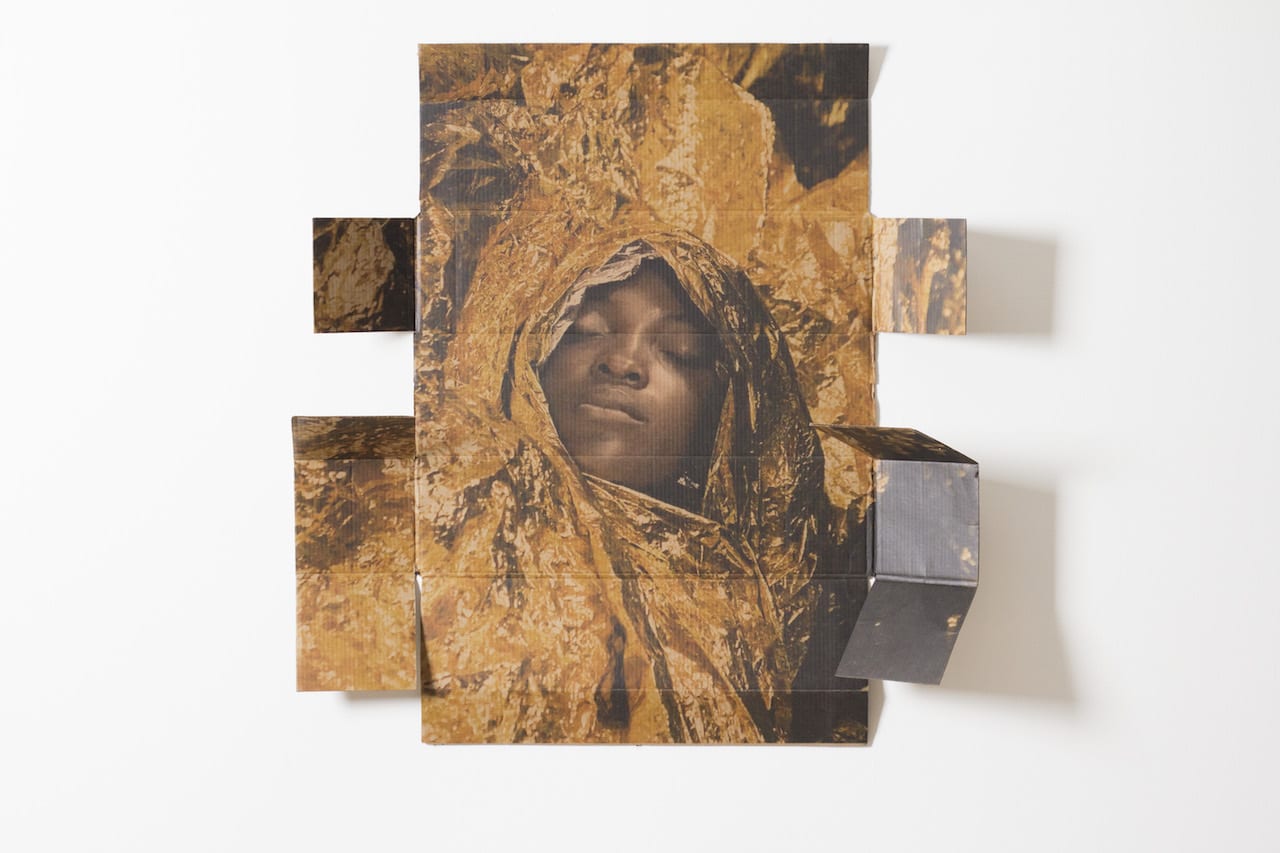
In October 2017, Oliver Chanarin, a photographer professor at the University of Fine Arts in Hamburg, printed an archival photograph onto cardboard in his office, and left it on display for his job share partner Adam Broomberg. The next week, his colleague printed an image on top of the photograph. This exchange happened several times, ultimately creating unprompted photomontages. “I left a sample for Adam, as a little gift,” says Chanarin, who was born in London but grew up in South Africa as a child to South African parents. “That’s how it began; as a conversation in images printed on cardboard.”