

James Hyman Gallery opened in 1999, aspiring to deal in museum quality fine art of…
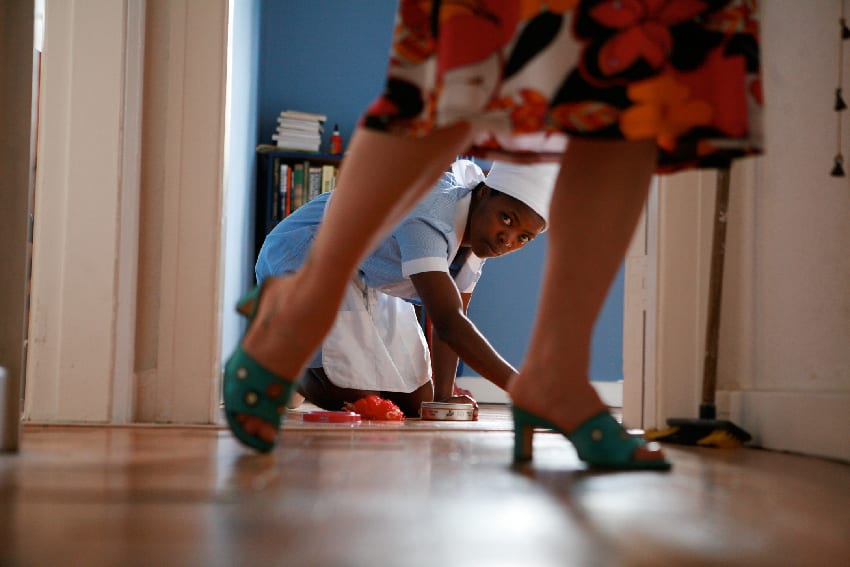
James Hyman Gallery opened in 1999, aspiring to deal in museum quality fine art of…
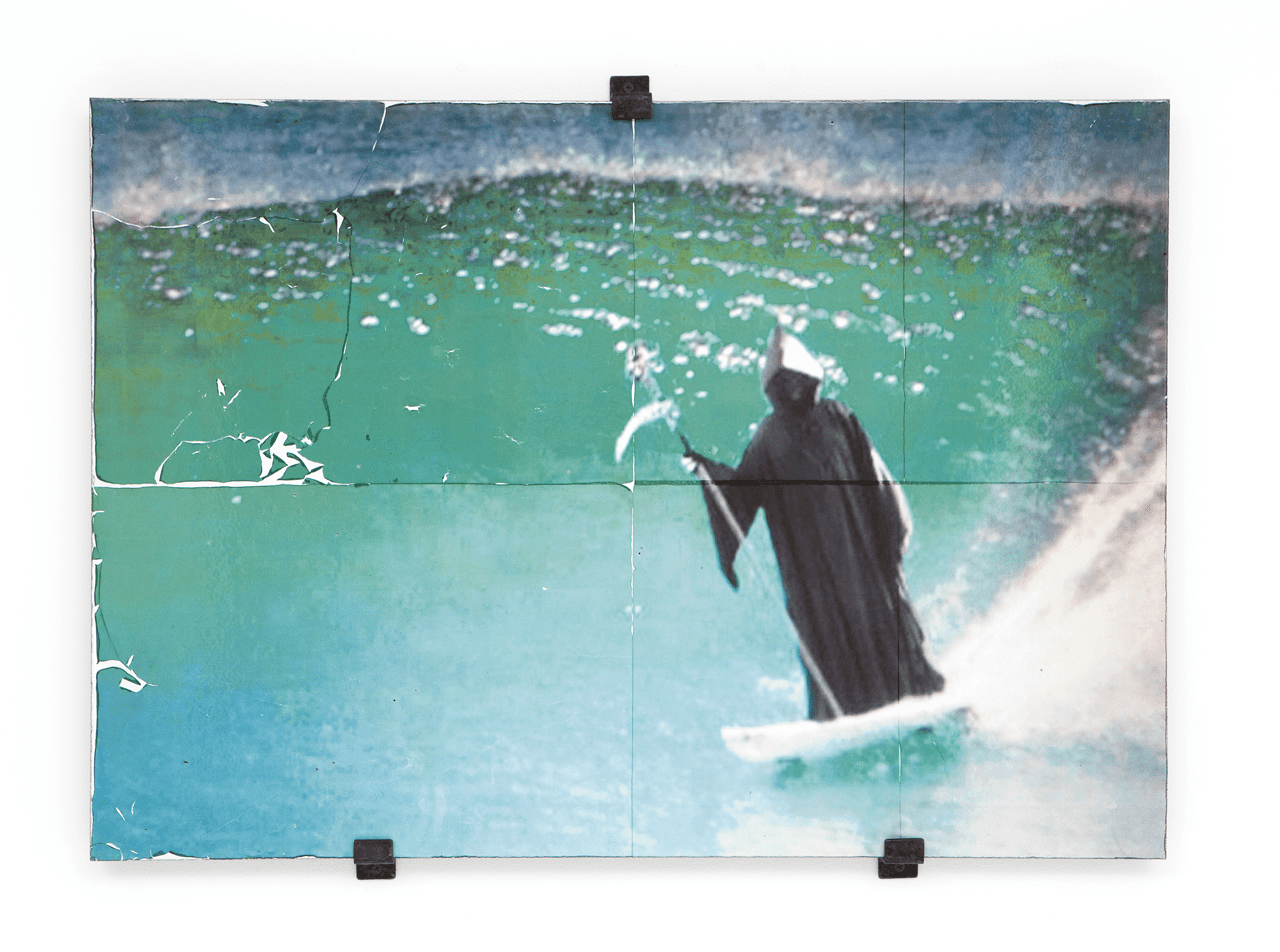
Known for his offbeat experiments with printing processes, Thomas Mailaender is an artist constantly pushing the limits of the medium. He’s worked with found images for 10 years and, as a consequence, tells me that: “I don’t think of myself as a photographer.” Often sourcing images from the internet, but equally happy to raid car boot fairs, flea markets, and charity shops, Mailaender says he is interested in “reproducing images rather than making them myself”. He is, he says, “a compulsive collector of photographs”.
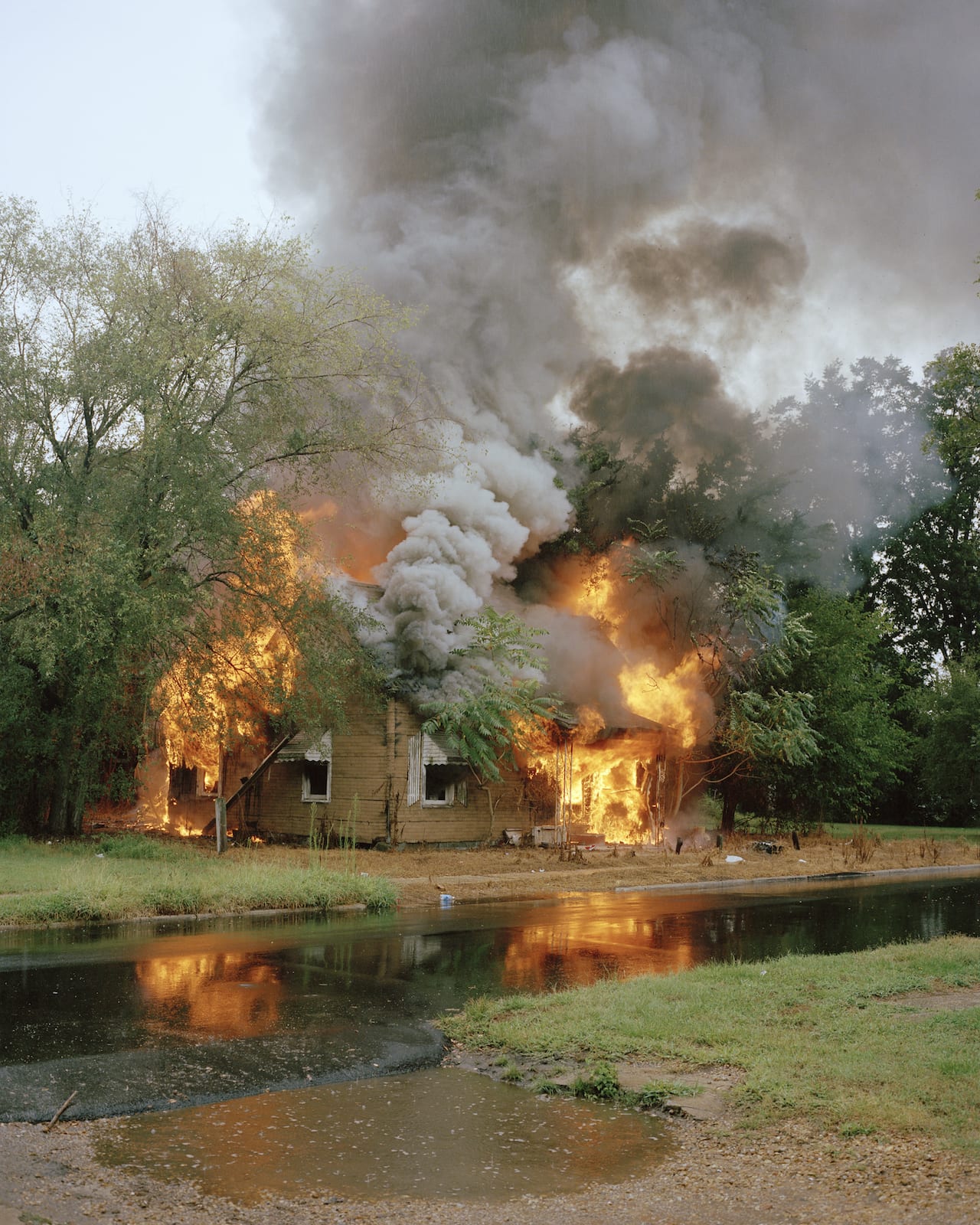
Work by 120 young photographers from around the world is on show in London’s House of Vans from 10 May – 03 June. Selected from an open call for the Palm Photo Prize, the show features one image per photographer and, say the organisers, “places an emphasis on raw, engaging work”. The winners will be announced online on 04 June, having been picked out by a judging panel comprising: Karen McQuaid, senior curator at The Photographers Gallery; Joshua Coon, director, content marketing & production at Kodak; Jack Harries, editor at The Heavy Collective; and Andrea Aurland, editor in chief at Huck Magazine.
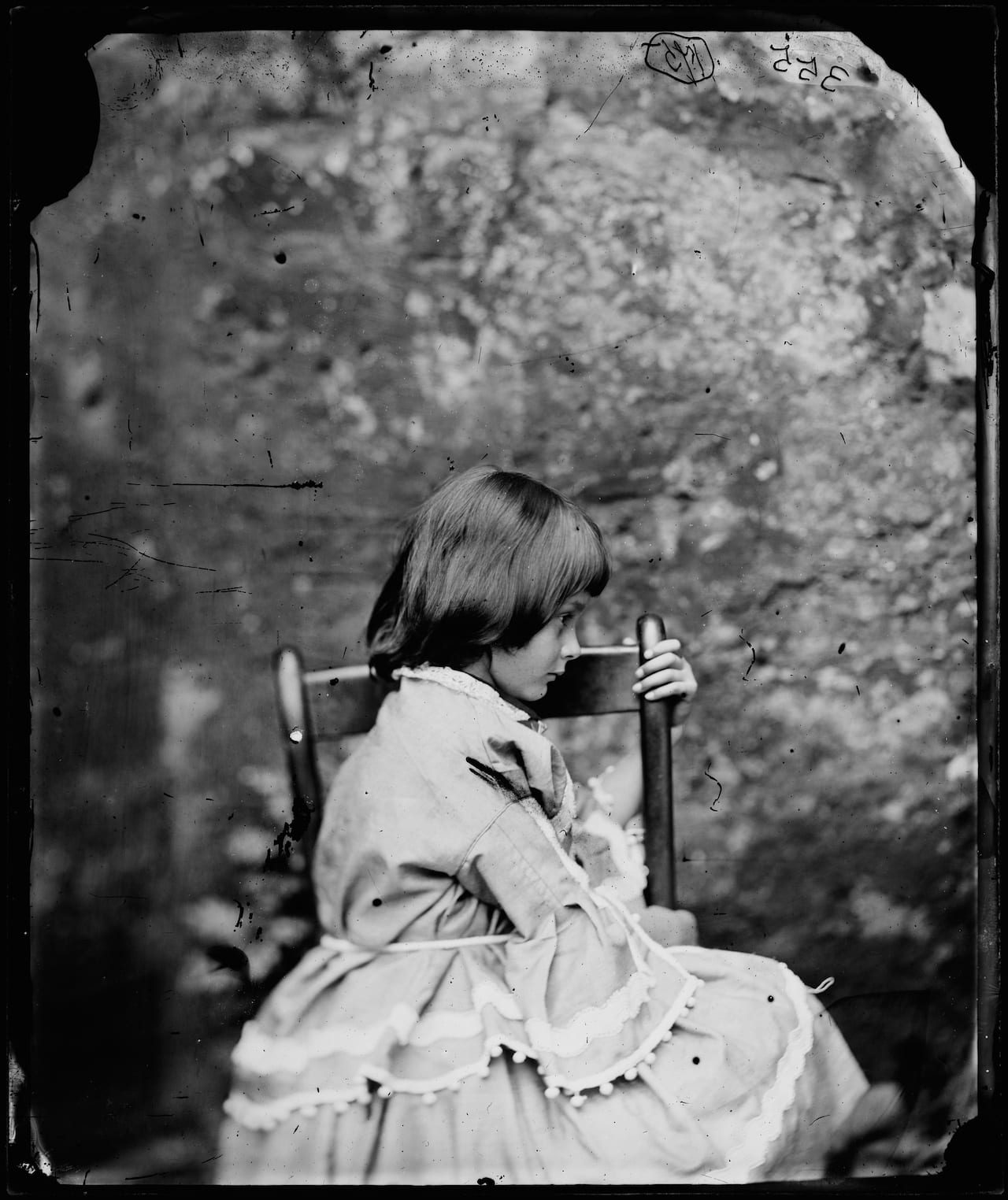
“When people think of Victorian photography, they sometimes think of stiff, fusty portraits of women in crinoline dresses, and men in bowler hats,” says Phillip Prodger, head of photographs at the National Portrait Gallery. “Victorian Giants is anything but. Here visitors can see the birth of an idea – raw, edgy, experimental – the Victorian avant-garde, not just in photography, but in art writ large. The works of Cameron, Carroll, Hawarden and Rejlander forever changed thinking about photography and its expressive power. These are pictures that inspire and delight. And this is a show that lays bare the unrivalled creative energy, and optimism, that came with the birth of new ways of seeing.”
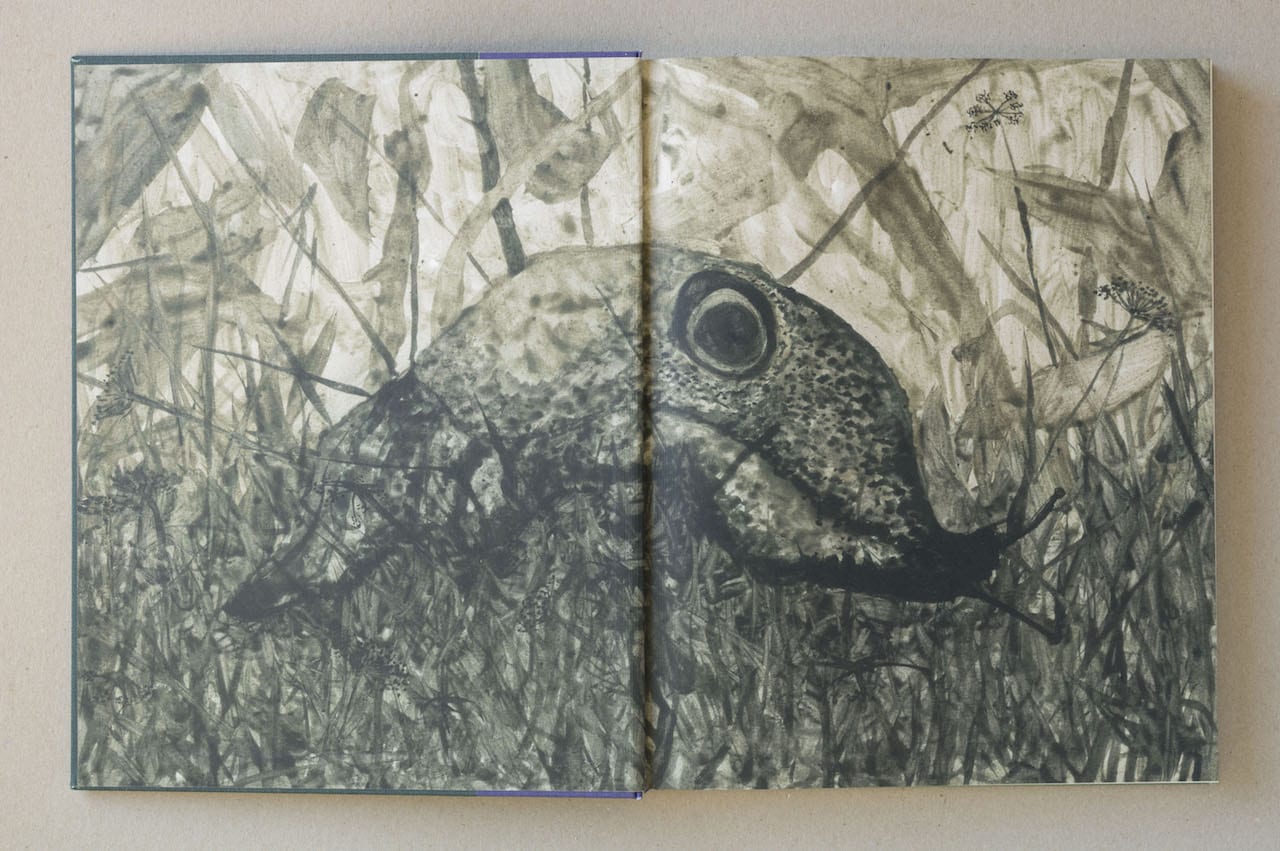
First awarded back in 1985, the Kraszna-Krausz Foundation Best Photography Book prize is one of…
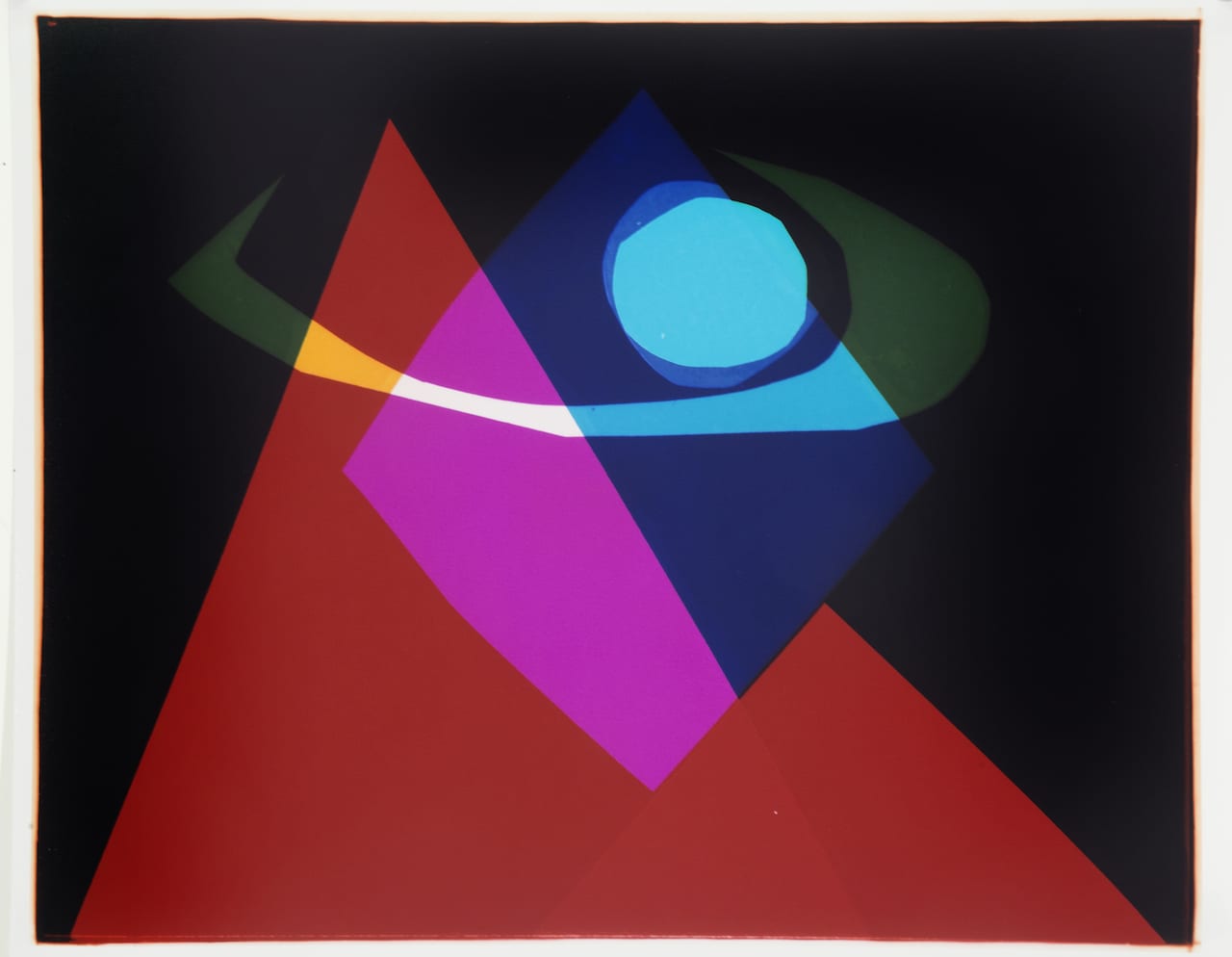
Kathleen Fox-Davies and Anna Kirrage first met when they worked together at a Mayfair gallery. Eight years later, they’ve set up their own outfit – Black Box Projects. “We always attended art events together, so we retained a continual dialogue about the art market and our respective interests,” Kirrage tells BJP. “We have always worked in small businesses where there wasn’t necessarily room for growth, so the obvious step was to start out on our own.” Fox-Davies is a photography specialist with over a decade of experience in galleries such as Michael Hoppen, Hasted Hunt and ATLAS, while Kirrage’s experience is in managing art organisations’ PR and strategy. Drawing on their complementary skills, they’ve decided to break the traditional gallery mould and will run Black Box Projects as a series of pop-up installations, rather than opening a permanent space.
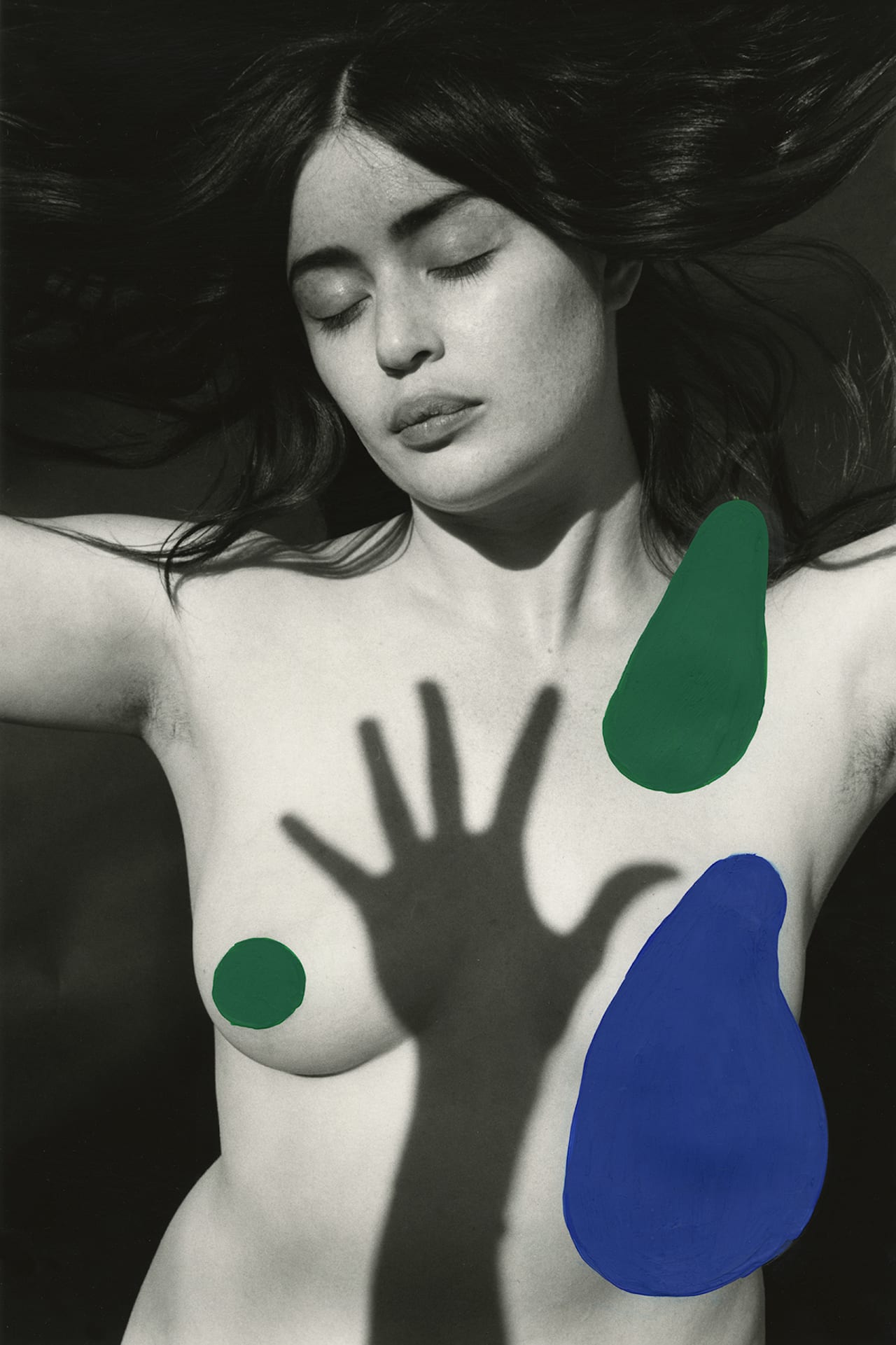
Photography on a Postcard is offering the chance to own a signed, one-off print by a world-renowned photographer for just £55 at Photo London. The twist is that the photographer will remain anonymous until after the sale. Buyers can choose from 350 postcard-sized prints, and the photographers involved include Bruce Gilden, Mark Power, Dougie Wallace, and Laura Pannack, as well as 35 hand-selected emerging image-makers. Buyers will be able to choose their postcard-sized print in person, but priority will be given to those who pre-register online. All money raised will go to the Hepatitis C Trust and its campaign to eliminate the virus from the UK by 2025.
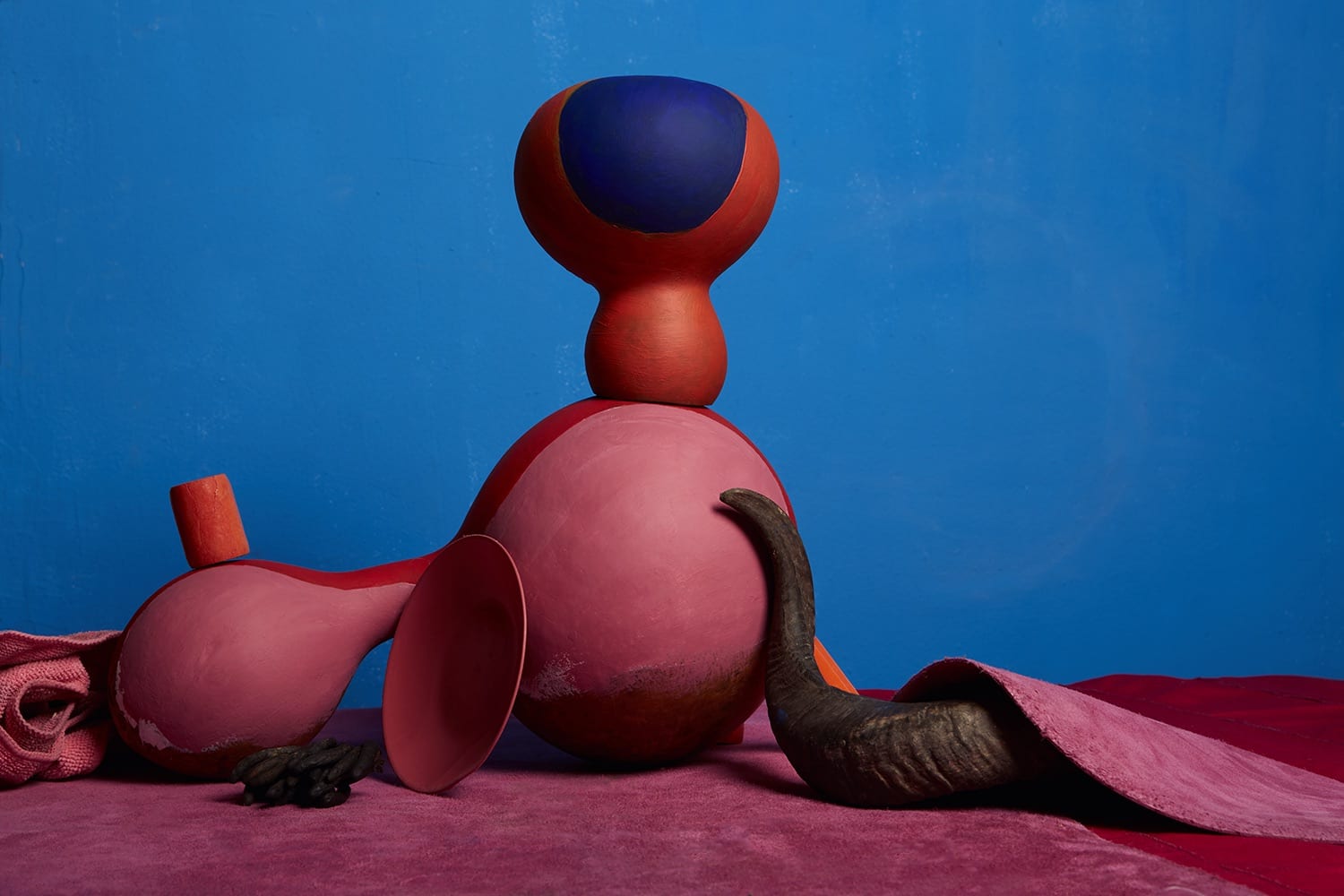
First established in 1970 by Angela Flowers in London’s West End, Flowers Gallery now has…
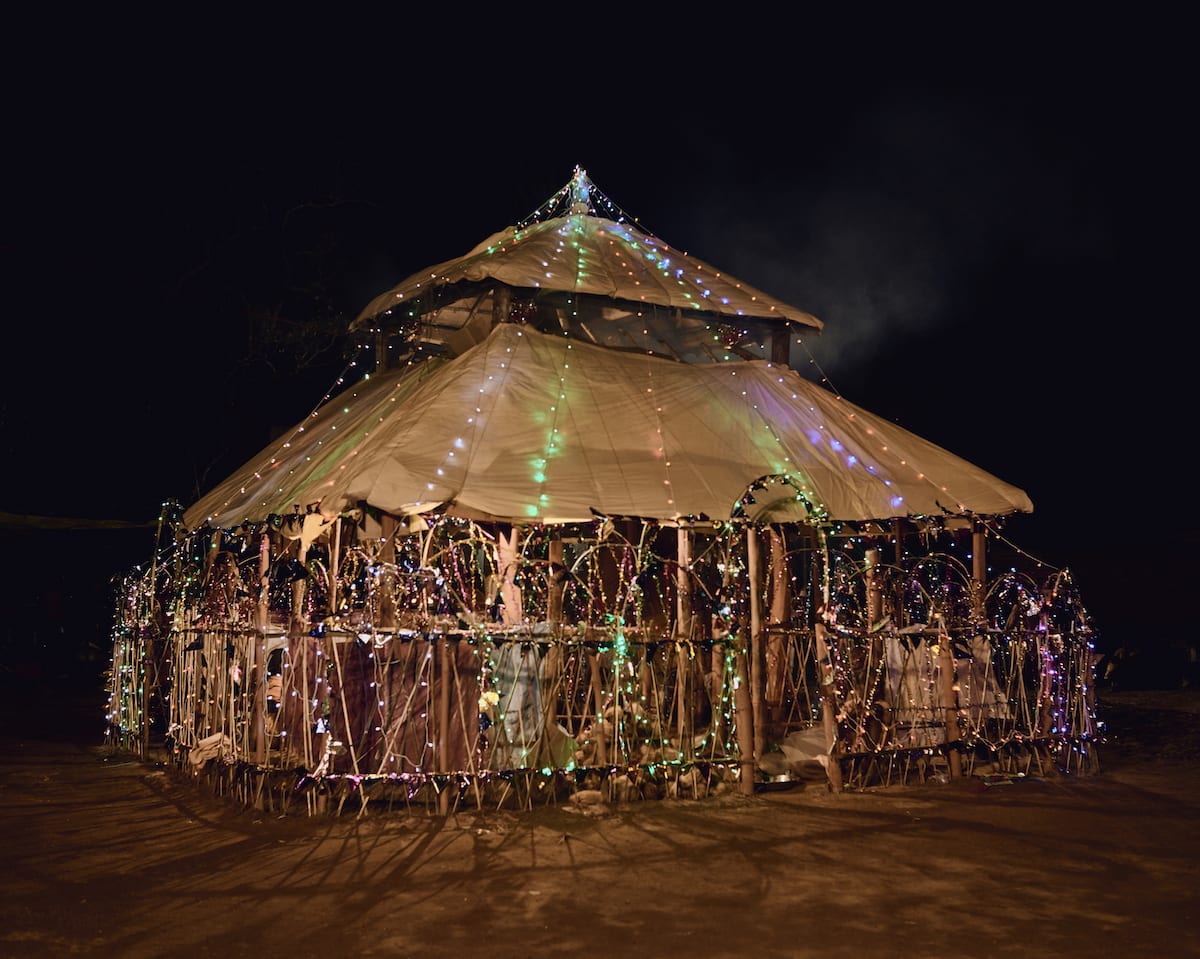
“In Centralia, Poulomi Basu continues to focus her gaze on the interrelation between violence, state power, and gender,” says Monica Allende, member of the jury for the PHM grant. “By intertwining multilayered fictional narratives she aims to challenge the viewer’s perception of reality, as well as established neocolonialist histories. “In an era of post-truth and fake news, where we battle for control of “official” narratives, Basu’s work forces us to reflect on our own prejudices and educated preconceptions. Despite addressing such complex issues, the work is both illuminating and engaging – a testament to her innate ability as a documentarian. The result is a beautifully executed story which is thoroughly deserving of the winning grant.”
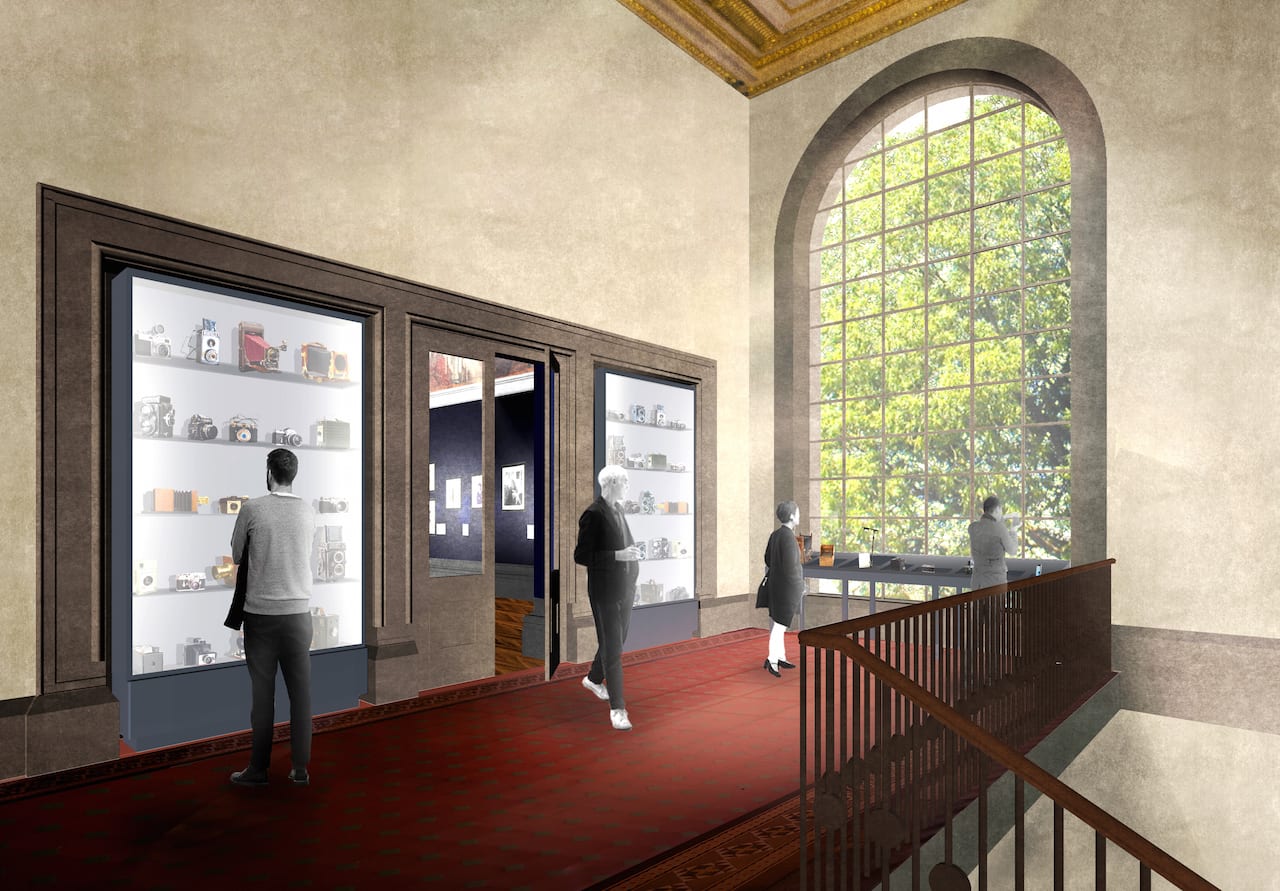
The V&A’s new photography centre will open on 12 October, with newly-acquired photographs by Linda McCartney, a newly-commissioned series by Thomas Ruff, and an inaugural display tracing the history of photography through the Royal Photographic Society (RPS) collection. The new facility will more than double the V&A’s current photography exhibition space, and follows the transfer of over 270,000 photographs, 26,000 publications and 6000 pieces of equipment from the RPS collection formerly held in the National Media Museum in Bradford – a controversial transfer, described at the time as “an appalling act of cultural vandalism” by Simon Cooke, the leader of the Conservative opposition on Bradford council. Tristram Hunt, director of the V&A, said that the transfer had “provided the catalyst for this dramatic reimagining of photography at the V&A” however, and that the new centre will “seamlessly span the entire history of photography….from daguerreotype to digital”. He added that the V&A is particularly well-placed to tell this story given its long engagement with photography – it was one of the first museums to put together a photographic exhibition, partly because its founder, Henry Cole, was a keen amateur photographer.