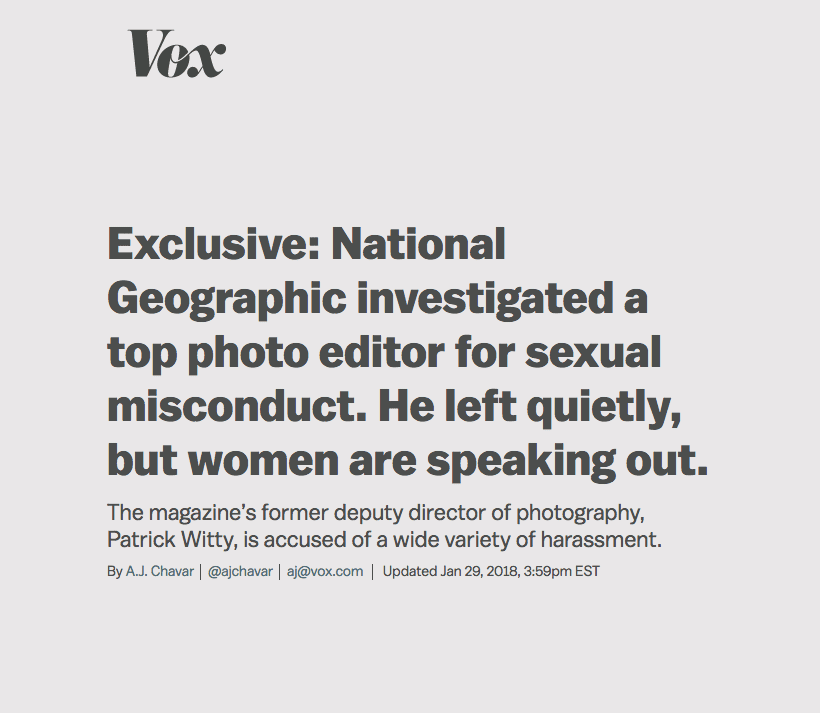

The prominent photo editor Patrick Witty was publicly accused of sexual misconduct on 29 January, in a report published on Vox.com by the journalist AJ Chavar. In his report, Chavar stated that Witty, who has worked at National Geographic, Time, Wired, and the New York Times, was investigated for sexual misconduct by National Geographic last Autumn; Chavar’s story added testimonies by women photographers, some anonymous but two named. In response, Witty has released this statement to the media, via his lawyer Stephen B. Pershing.
“I’m deeply sorry that some of my past behavior has been hurtful to women.
“I was raised by six powerful women – five older sisters and my mother, now 86 – who taught me to respect women and to fight for women. I’ve advocated and championed women’s advancement as photographers and editors my entire career.
“With firm conviction, I deny that I’ve ever engaged in any behavior that amounts to sexual aggression. I also strongly deny ever insinuating that I would give someone professional help – or withhold it – on condition of sexual favors or romantic interest. I’ve never been accused of wrongdoing of any kind in the workplace, so I was shocked and dismayed when I first learned of the accusations against me.
Documentary
He’s a huge name in the industry, having worked at National Geographic, Time, Wired, and the New York Times (where he was part of a Pulitzer-winning team). But yesterday Patrick Witty was the subject of a long story published on Vox.com, which alleged he was investigated by National Geographic for sexual misconduct last Autumn. The story went on to add that more than 20 people had come forward to Vox.com to report experiencing, witnessing, or hearing corroboratory reports of his inappropriate behaviour.
It’s one of the most interesting prizes for emerging photography, with previous winners including Sølve Sundsbo, Anouk Kruithof, and Lorenzo Vitturi – it’s the Grand prix du jury photographie at the International Festival of Fashion, Photography and Fashion Accessories in Hyères and the 2018 finalists are: Eva O’Leary (Ireland, USA), Teresa Eng (Canada), Pascale Arnaud (France), Laetitia Bica (Belgium), Sarah Mei Herman (Netherlands), Allyssa Heuse (Philippines, France), Jaakko Kahilaniemi (Finland), Csilla Klenyánszki (Hungary), Sanna Lehto (Finland), and Aurélie Scouarnec (France). The ten shortlisted photographers will present their work at a group show at the Villa Noailles from 26 April-27 May; the winner will be announced during the festival, which takes place from 26-30 April.
When he joined Tate Modern in 2009 he was Tate’s very first photography curator – but now Simon Baker is on the move, succeeding Jean-Luc Monterosso as the director of the Maison Européenne de la Photographie in Paris. Monterosso, who founded the MEP back in 1996, will leave the institution on 31 March. The news comes just weeks after Shoair Mavlian, assistant curator at Tate Modern, announced she was leaving the institution to become Photoworks’ new director. In October 2017 Kate Bush joined Tate Britain as its adjunct curator of photography, however, responsible for “researching and building the collection of British photography and curating exhibitions and displays”. In September 2017, Tate announced that it had acquired Martin Parr’s 12,000-strong photobook collection, making it one of the leading institutional collectors in this field.
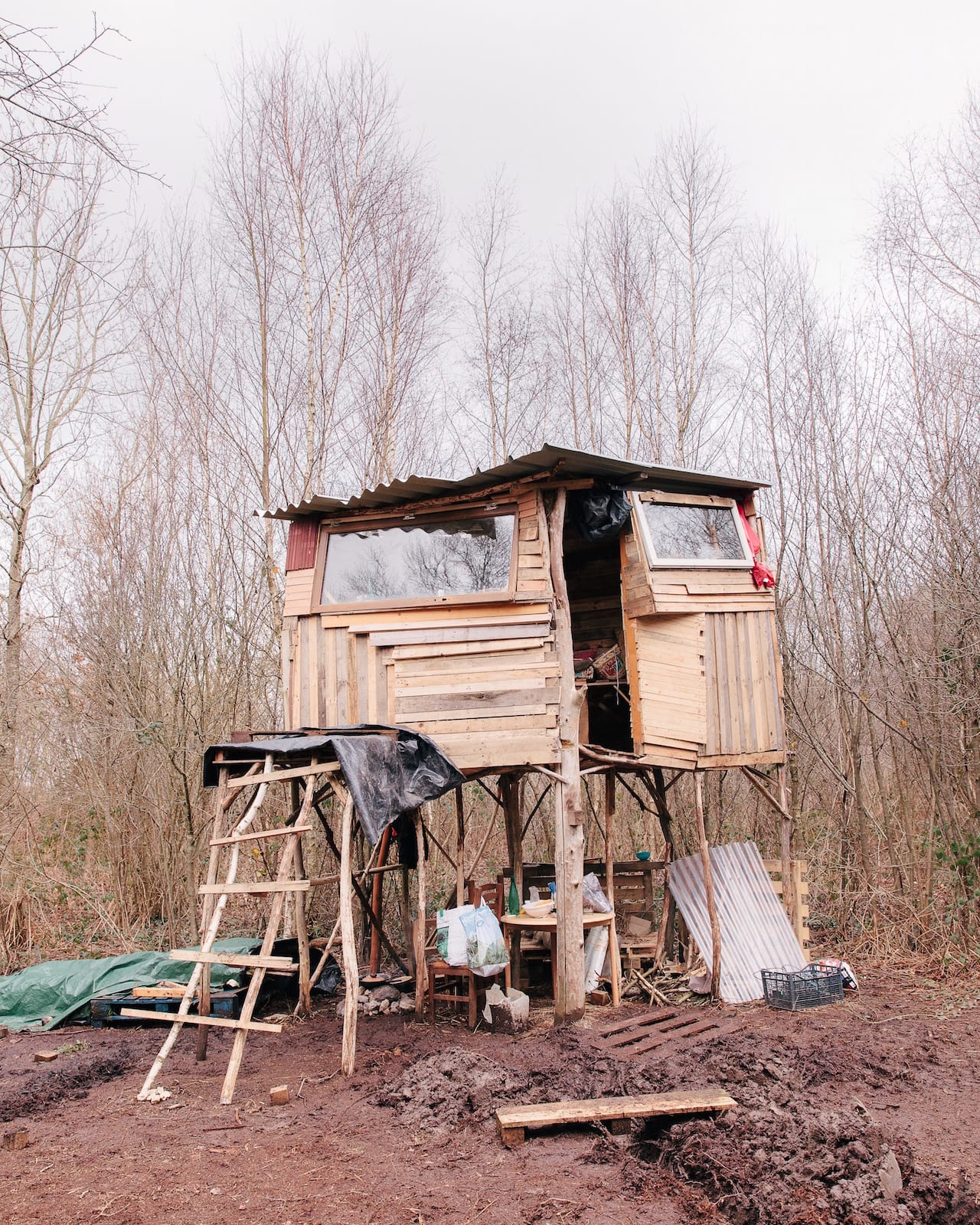
Since 2009, around 400 acres of land in Notre-Dame-des-Landes, a commune in the west of France, has been home to Europe’s largest rural protest camp. Led by a mix of environmental activists and locals, the ZAD (which roughly translates to ‘Zone To Defend’ in English) developed in opposition to the construction of an international airport that would wipe out the wildlife and villages of the area. Though these plans have stalled for several years now, the ZAD has taken root, growing into a self-sufficient community complete with its own markets, bakery, brewery, theatre space, newspaper and even a pirate radio station. Intrigued by people and the structures that bind them, sociologist-turned-photographer Kevin Faingnaert spent a month documenting the ZAD as part of his participation in World Press Photo’s most recent Joop Swart Masterclass.
The medium of photography is inherently entwined with memory and nostalgia, especially when it relates to family history. For Christopher Bethell, the recollections of his American grandfather, Joseph ‘Joey’ O’Donnell, were shaped by the few photographs he saw of his relative while growing up in the seemingly unglamorous northern town of Stockport, England. Joey passed away when Bethell was a baby, and the photographer developed a fiction around him – that of a jazz musician who had left his family for a doomed second shot at his career, before falling for the temptations of Las Vegas and ending up in an early grave. Yet when he eventually sat down with his grandmother to find out what she remembered of Joey and their life together in the US, he uncovered “a story that was far more complex and much less cinematic”. In an attempt to deconstruct his own romanticised timeline of his grandfather and – as a dual citizen of the UK and the US – to discover America for himself, Bethell took a six-week road trip taking in Boston, Los Angeles, San Francisco, Reno and Seattle in 2015, ending the journey in Clarkston, Washington, where his grandfather had settled at the end of his life. The subsequent series is affectionately titled The Duke of Earl, a reference to the song by Gene Chandler, which Joey had sung to his future wife the first time they met. Divided into four chapters, Bethell’s images are prefaced with a family photograph of Joey, each followed by its inscription on the back, penned by Joey.
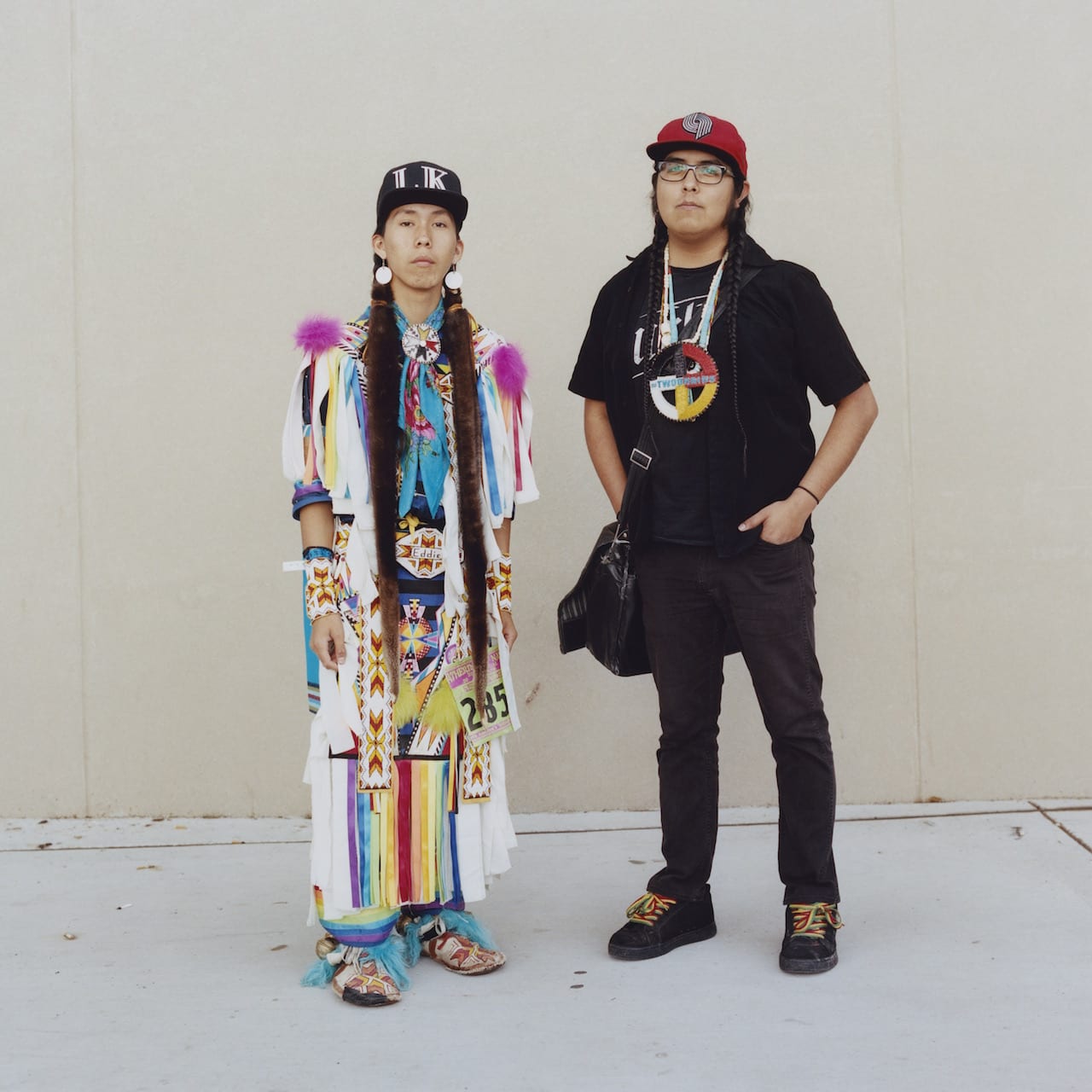
With more than 560 federally recognised tribes across the US, the Native American community is as diverse as it is geographically sprawling. In 2013, Italian photographer Carlotta Cardana and writer Danielle SeeWalker, an enrolled tribal member of the Standing Rock Sioux Reservation, set out to build a portrait of contemporary Native American identity through words and images. An ongoing work, The Red Road Project has so far taken them 15,000 miles across the States. The pair first met in drama class at school in Nebraska, then began working together after SeeWalker invited the now London-based photographer to attend a ceremony at Standing Rock. What began as a collaboration between two close friends has grown into a project of epic proportions with one clear mission: to challenge the reductive stereotypes and damaging narratives that characterise media representations of Native Americans, who now comprise just 1 per cent of the US population.
“The Magnum/BJP series of workshops have been extraordinarily rewarding for me,” says Beren Patterson. “Despite being only two intense days per topic, the depth, coverage and expertise from Magnum photographers, industry speakers, and fellow attendees is incredible. I can’t recommend the workshops strongly enough for those wanting to be inspired and grow as a photographer.” Patterson has attended all of the Magnum/BJP workshops to date – and has already signed up for the 2018 series, which kicks off on 17-18 February with session titled Editorial Assignments – How to succeed in the editorial market.
It’s one of the best-respected photo agencies in the world, representing image-makers such as Nina Berman, Yuri Kozyrev, and Kadir van Lohuizen – and yet NOOR is offering three four-day masterclasses completely free of charge to “young, aspiring photojournalists and documentary photographers”. Run by NOOR and the NOOR Foundation with the support of Nikon Europe, the masterclasses will take place in Warsaw (26 February-01 March), Stockholm (12-15 March), and Brussels (19-22 March).
“It’s getting near show time!” the voice would boom out over the cheers of the punters. Susan Meiselas would hover at first near the back of the tent. “Don’t be shy, take your hands out of your pockets, take your money out of your wallets. Rest your elbows on the stage and look up into the whole, the whole goddamn show. Show time! Where they strip to please, not to tease!” Susan Meiselas was 24 when she started Carnival Strippers. It was the summer of 1972, and her photography experience was limited to portraits of her housemates in Cambridge, Massachusetts. She had just completed an MA from Harvard, yet she still was shy and unsure of herself – very unlike the direct intellect of today, who treats Magnum’s offices like second homes.