
Documentary

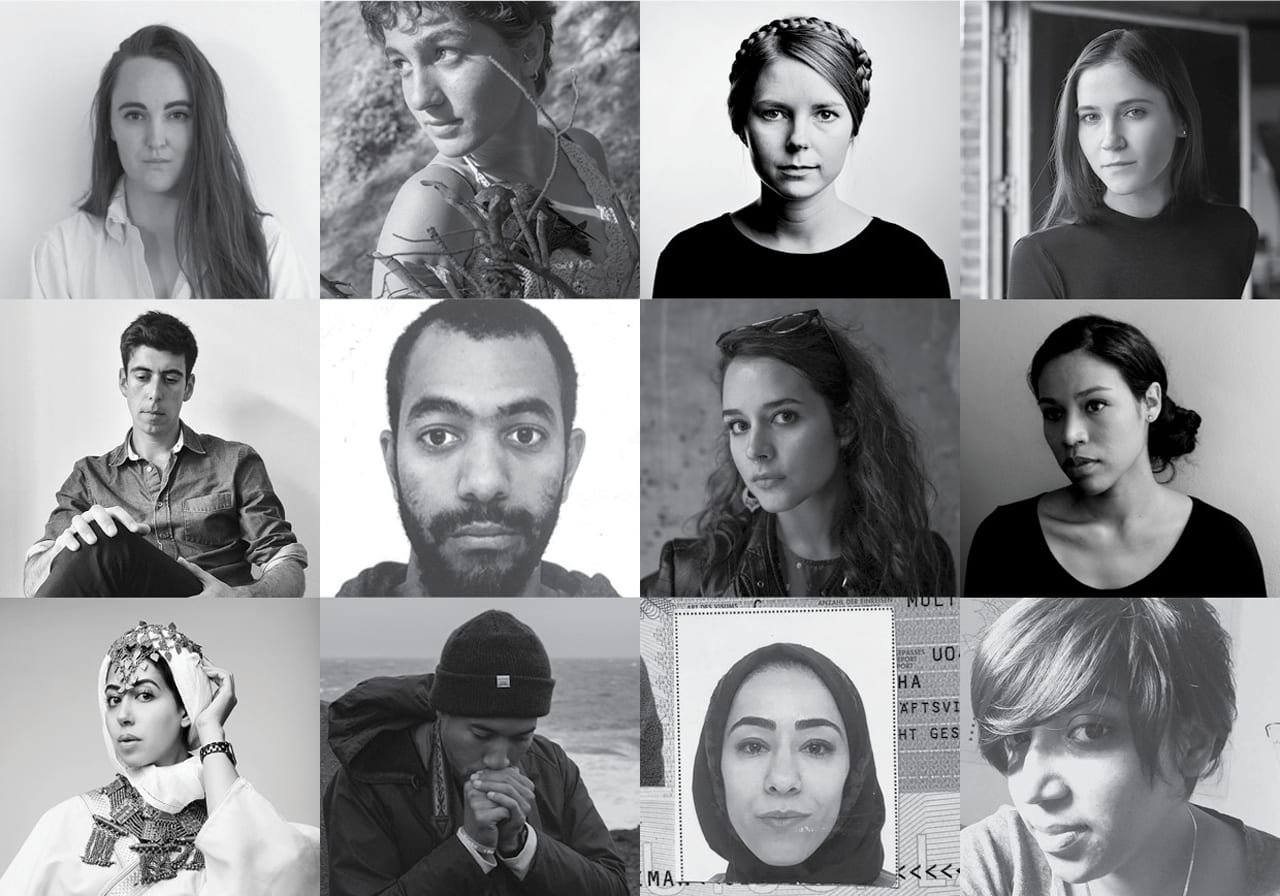
Announcing the 2018 Joop Swart Masterclass participants

“The stories that grabbed my attention were those created through unique personal approaches with a clear vision and a rich visual vocabulary,” says Noriko Hayashi, a Panos Pictures photographer who was a Joop Swart participant in 2015, and a judge for this year’s competition. Established in 1994, the Joop Swart Masterclass aims to reward the most talented emerging visual journalists and is designed to boost diversity in visual journalism and storytelling. This year 219 candidates from all over the world were nominated, and the 12 participants are: Mustafah Abdulaziz (US), Sharon Castellanos (Peru), Sabiha Cimen (Turkey), Samar Hazboun (Palestine), Alexandra Rose Howland (US), Katinka Hustad (Norway), Ksenia Kuleshova (Russia), Philip Montgomery (US), Léonard Pongo (Belgium), Ashfika Rahman (Bangladesh), Tasneem Alsultan (Saudi Arabia), and Cansu Yildiran (Turkey). There are also two runners-up, Alfredo Bosco (Italy) and Marie Hald (Denmark).

19 April 2018

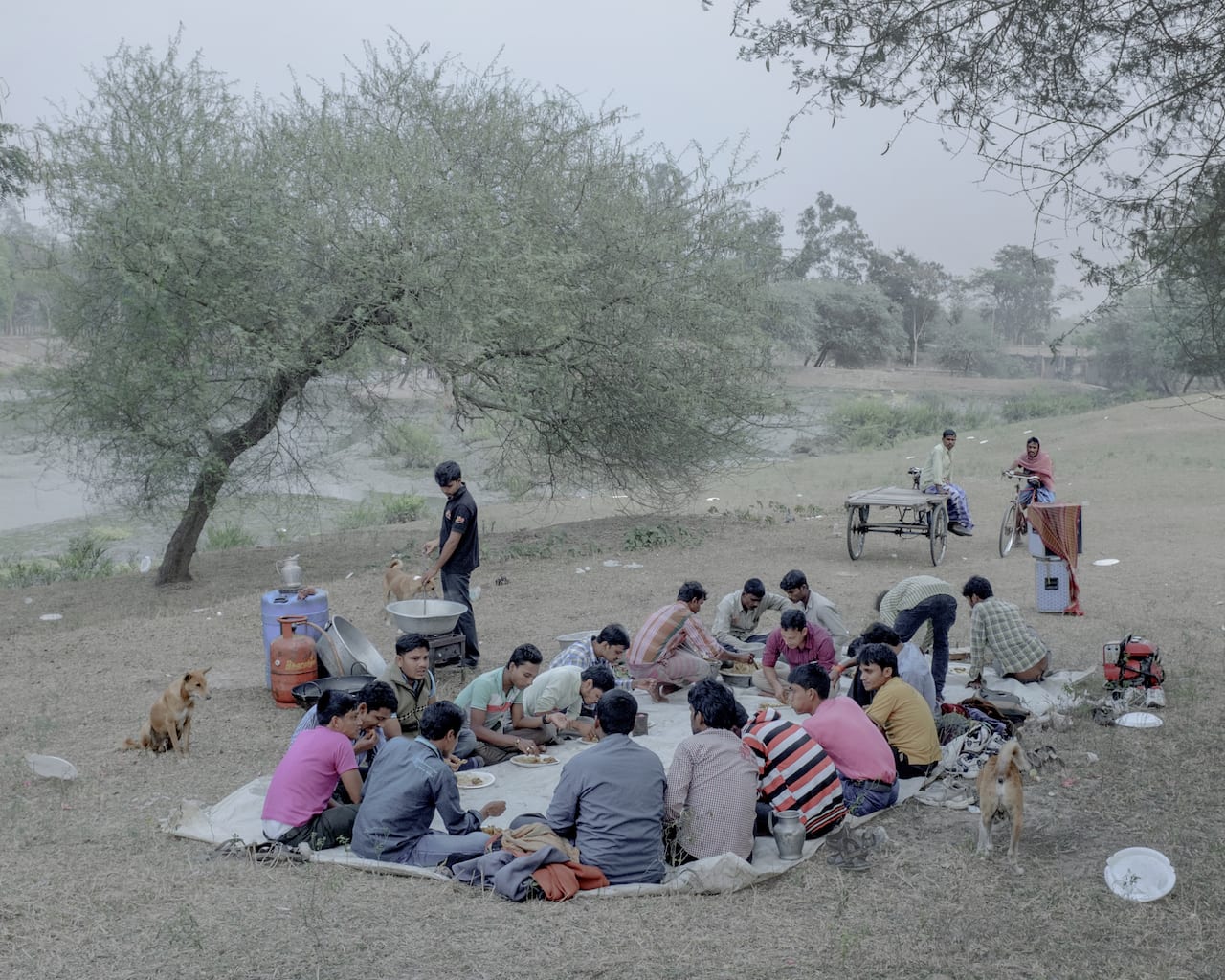
Arko Datto’s study of the Indian pik-nik phenomenon

Indian photographer Arko Datto (b.1986) completed two masters degrees in theoretical physics and mathematics before deciding to take a “leap of faith into photography”. After studying photography at the Danish School of Journalism in Aarhus, his long-term projects have since been published in leading international publications, such as TIME and National Geographic. For PIK-NIK, Datto spent the last five winter seasons photographing picnic spots across eastern India, primarily in West Bengal but also in Jharkhand and Orissa. Here, families and colleagues converge for a day of food, drink and revelry before departing at sunset, leaving piles of rubbish in their wake. “Vats of freshly slaughtered chicken, sacks of vegetables and an arsenal of pots, pans and gas cylinders are lugged along, taking cooking en plein air to a whole new level,” says Datto.

17 April 2018

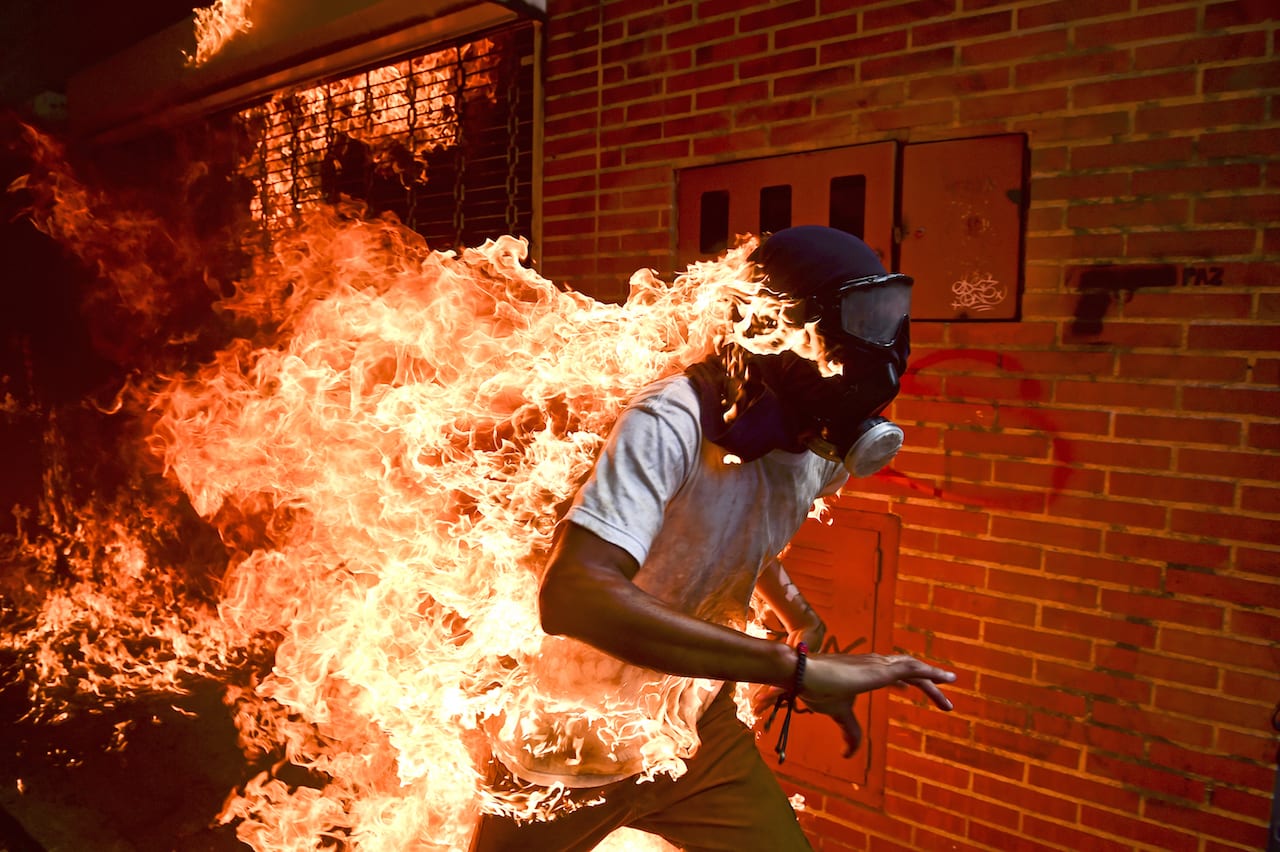
Q&A: Ronaldo Schemidt, World Press Photo of the Year winner

“Normally people don’t get set on fire during the protests, but there were many barricades on fire and the demonstrators use Molotov bombs,” says Ronaldo Schemidt. “I got the photo when a National Guard motorcycle exploded during a clash between demonstrators and government forces. It was lying on the floor, on fire, surrounded by young people. One of the protestors hit the tank, generating an explosion. Then the guy in the photo caught fire. I was standing a few meters away with my back to him, but when I felt the heat of the flames, I got my camera and turned around to start shooting whatever had just happened. It all took just a few seconds, so I didn’t know what I was shooting. I was moved by instinct, it was very quick. I didn’t stop shooting until I realised what was going on. There was somebody on fire running towards me.”

13 April 2018

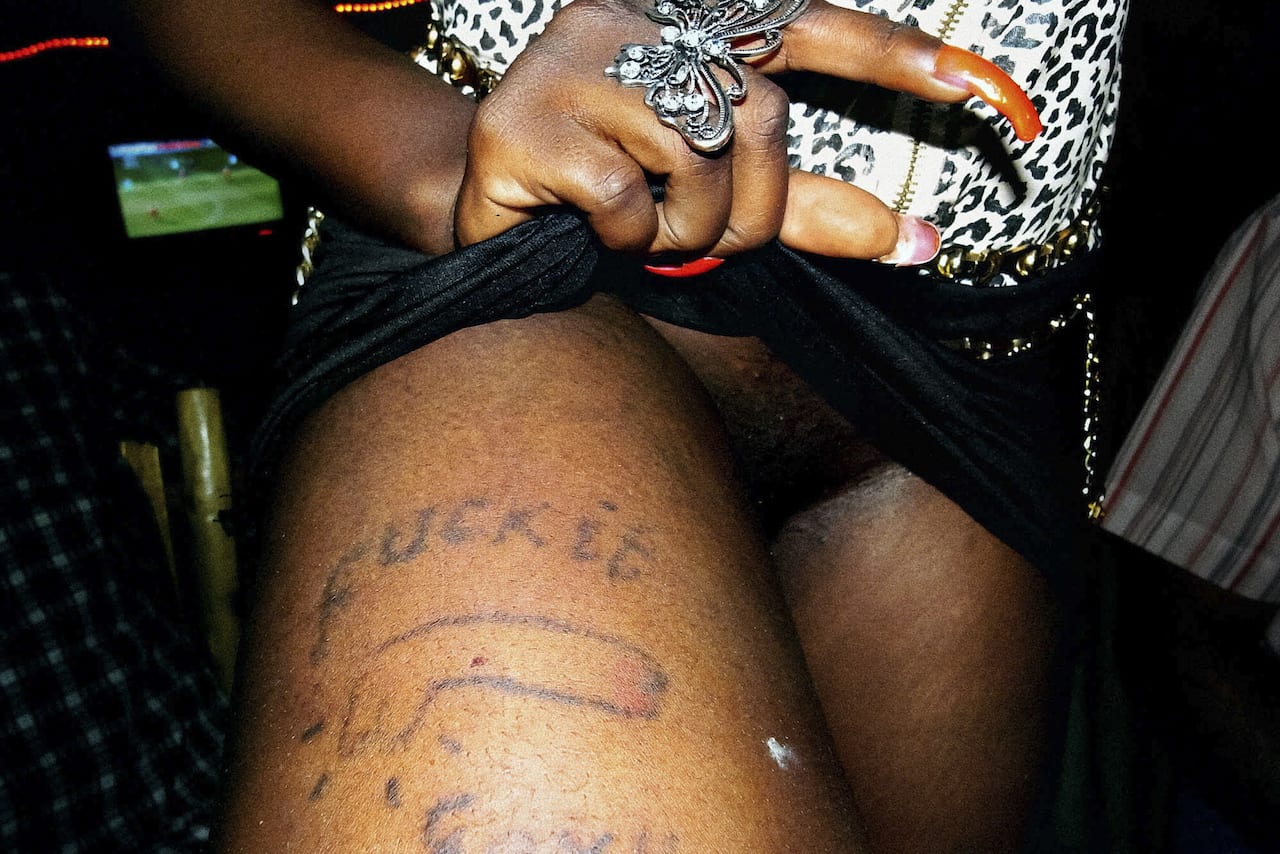
Fuck it – Michele Sibiloni shoots Kampala’s eye-opening nightlife

Late in 2010, Michele Sibiloni left the sleepy town in the Emilia Romagna region of Italy where he had lived all his life and moved to Kampala in Uganda, a city eight times larger. He had come to cover the lead up to the 2011 general election in the country, which many had predicted might depose its leader, following the lead of the Jasmine revolution in North African countries. But, despite the jitter, all Sibiloni witnessed once the voting had ended was the swearing-in of President Yoweri Museveni for his fourth term in office since he helped overthrow Idi Amin in 1979. Even so, Sibiloni was hooked. “It’s so different to where I come from,” he tells me, by telephone from his apartment in Kampala. “At the beginning I found it really chaotic, but the more time I spent here, and the more I got to know about the surrounding region of East Africa, the more fascinated I became. In fact, I got really excited.”

4 April 2018

Hit the North!

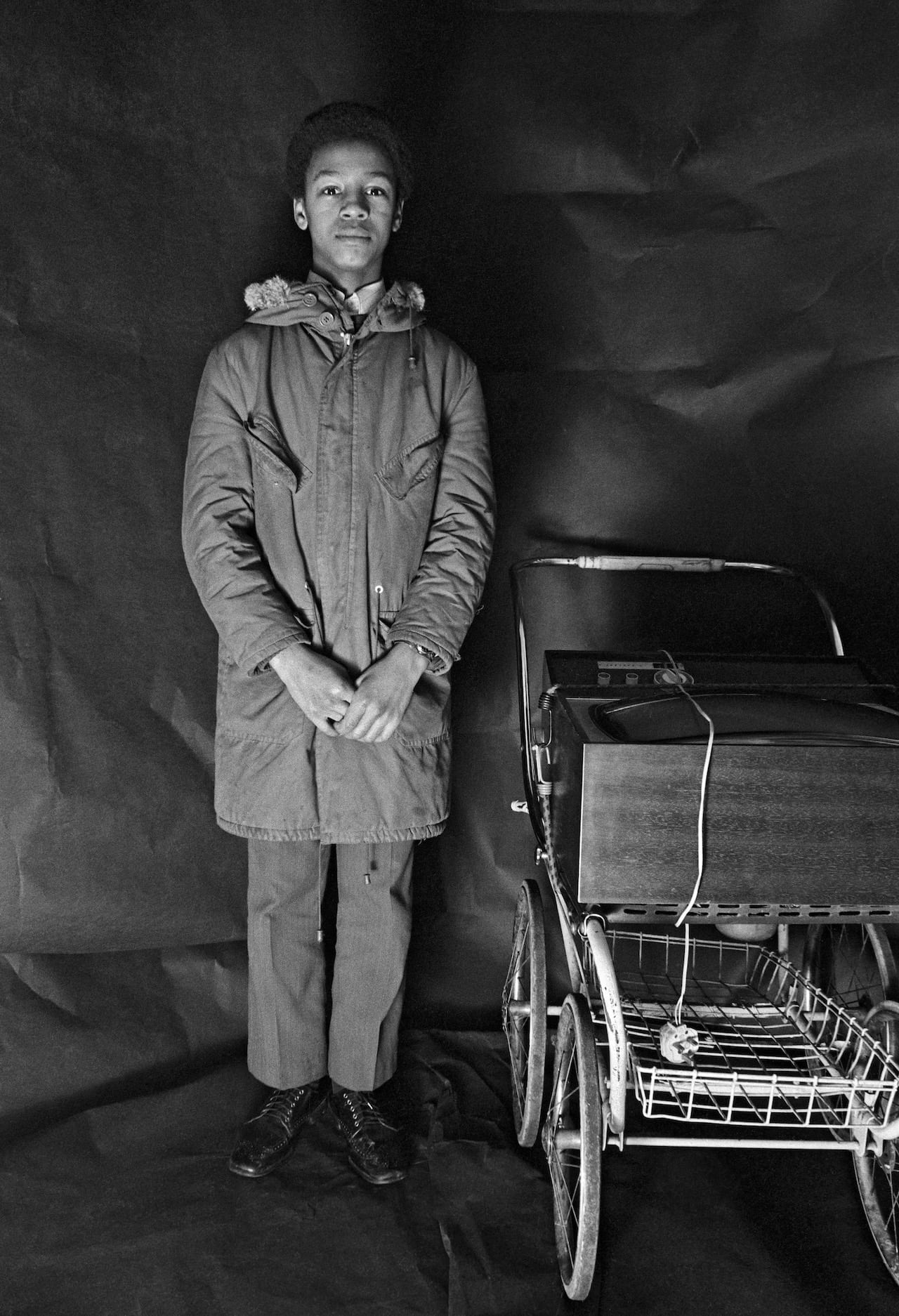
In 1972, while studying photography at Manchester Polytechnic, Daniel Meadows took over a disused shop in Moss Side’s Graeme Street and turned it into a ‘free photography studio’. Shooting people for nothing, and sending them their portraits or putting the prints in the shop window, Meadows was able to keep going for eight weeks before he ran out of money. Troubled by the fact that those whose images were in the shop window could no longer see the photographs, he laid out the remaining prints on wooden boards and nailed them to trees in the local park. He later realised this had been his first exhibition.

29 March 2018

Memory and dreams in Portugal’s Beira Interior

Since childhood, the Portuguese landscape of Beira Interior has held a personal resonance for photographer Tito Mouraz. “I have a relationship and a past with this region,” he says. Encouraged by “a fusion of happy memories”, Mouraz began a new body of work named Fluvial, which focuses on the landscape and the people that come and go there. For Fluvial, he returned to the familiar territory for six consecutive summers between 2011 and 2017. Described by Humberto Brito as an “ode to leisure”, the images blend fiction and reality, capturing meditative junctures by the water. “These are informal moments in the Portuguese society, predominantly migrants returning home from northern Europe for the summer holidays to join their families,” explains Mouraz.

29 March 2018
Raw and compelling narratives of our time from today’s leading documentary photographers.